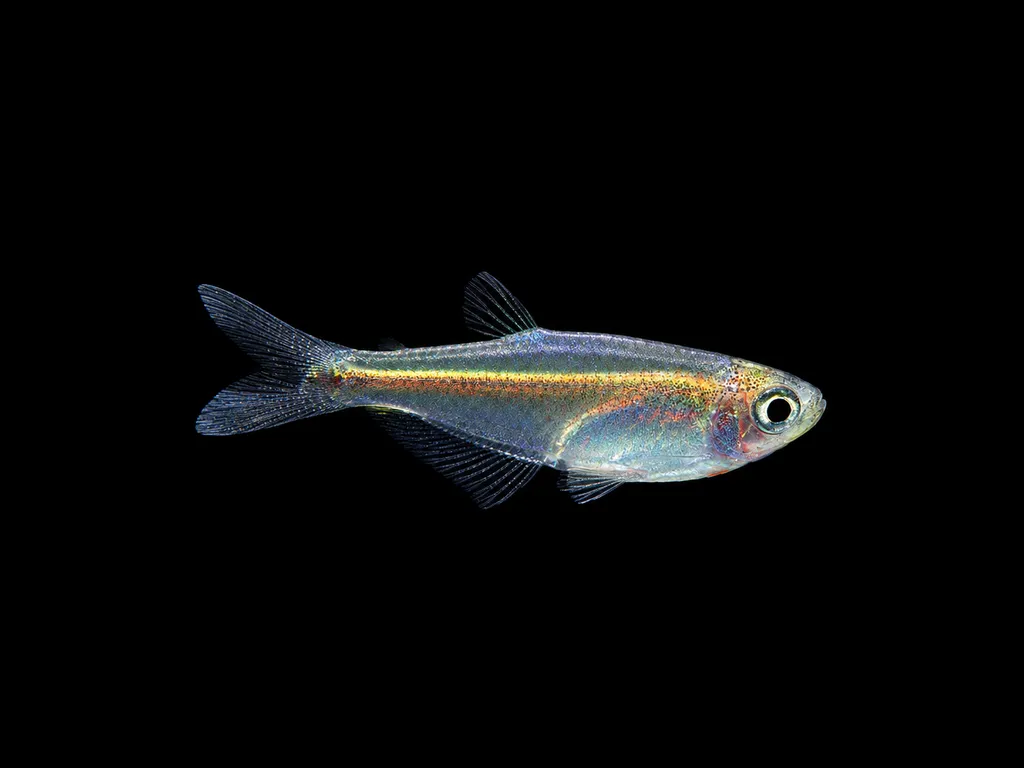
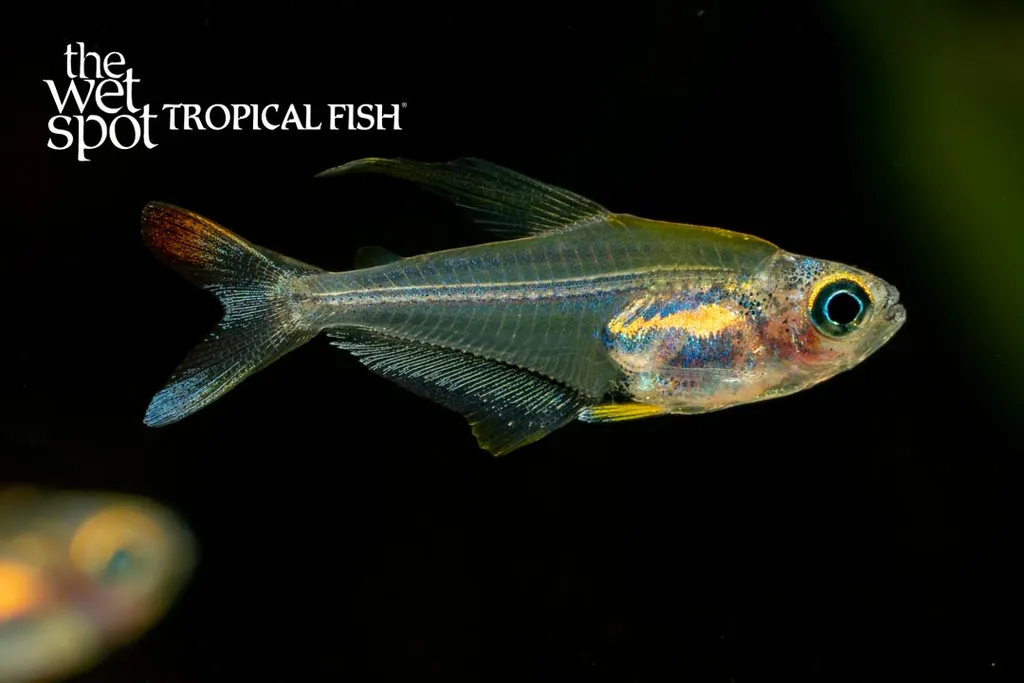
Tambopata glass tetra
Tyttocharax tambopatensis
Also known as Sailfin glass tetra, Blue tiny tetra
FreshwaterFish
Care at a glance
- Temperature
- 73–81°F
- 23–27°C
- pH
- 5.5–7.0
- Adult size
- 0.7 in
- 1.9 cm
- Minimum tank
- 5 gal
- 20 L
- Temperament
- Peaceful
- Social behavior
- Schooling
- Swim level
- Middle
- Difficulty
- Difficult
- Breeding
- No record
- Rarity
- Rare
- Family
- Characidae
- Origin
- Tambopata drainage, Madre de Dios, Peru
Overview
The Tambopata glass tetra is one of the smallest tetras in the hobby, and it is nearly see-through. It needs a peaceful, finely tuned nano tank of its own and suits experienced keepers.
Caring for the Tambopata glass tetra
Keep Tambopata glass tetras as a school of at least eight, in a nano tank of 5 gal (20 L) or more. The tank should be mature and stable, with fine-leaved plants, some leaf litter and gentle filtration. They cannot cope with rough water or heavy current.
Give them soft, gently acidic water at 73 to 81°F (23 to 27°C) and a pH of 5.5 to 7.0. Keep it very clean. They swim in the middle and lower water and feed on very small foods. Offer micro pellets, crushed flake, baby brine shrimp and other tiny live and frozen foods several times a week.
Tambopata glass tetras are peaceful, so keep out larger or boisterous tank mates that would bully or outcompete them. Males grow deeper-bodied than females and carry more developed fins. No captive breeding has been recorded.
Good to know
The Tambopata glass tetra is a characin of the family Characidae. It is a true miniature, yet it is still the largest member of its genus. It was described in 1995 from the Tambopata River, and its sailfin trade name comes from the male's more developed fins.
In the wild
Tyttocharax tambopatensis lives in clear forest creeks of the Tambopata drainage in Madre de Dios, Peru. The water there is warm, soft and gently flowing, shaded by the forest.
Weekly picks
Tank mates
The Tambopata glass tetra is a peaceful, schooling species that keeps to the middle. These picks share a community profile with it, are safe together in both directions, and overlap on water type, temperature and pH.
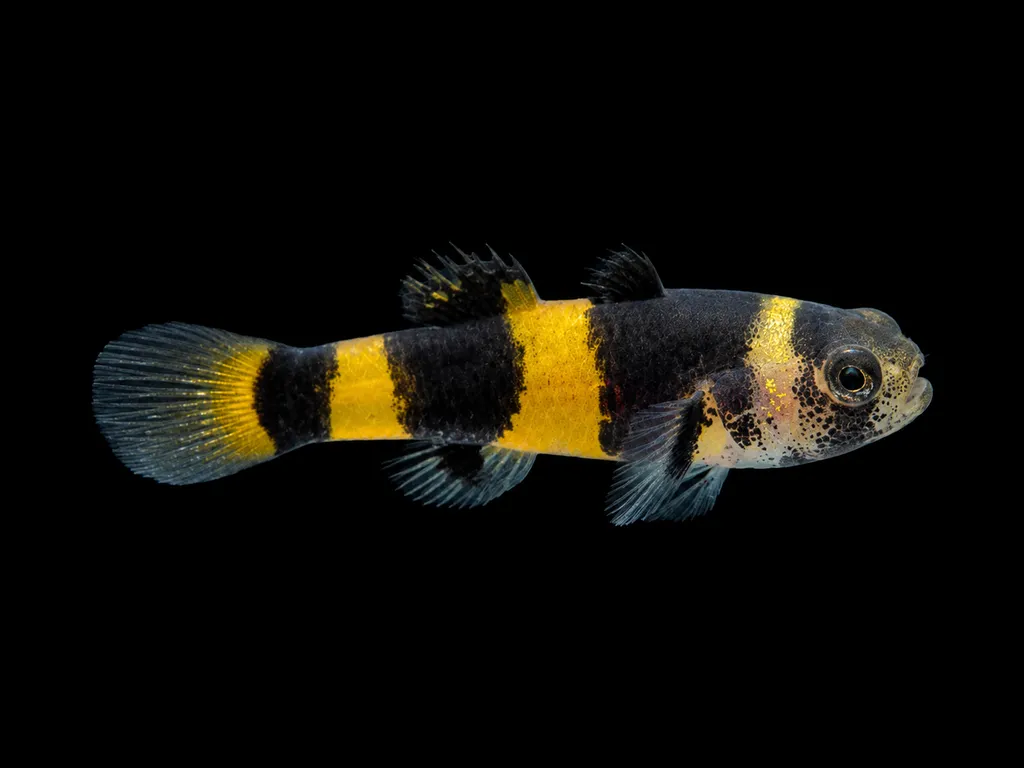
Mini bumblebee goby
Brachygobius xanthomelas
Freshwater0.8 in (2 cm) · 5 gal (20 L)75–82°F (24–28°C)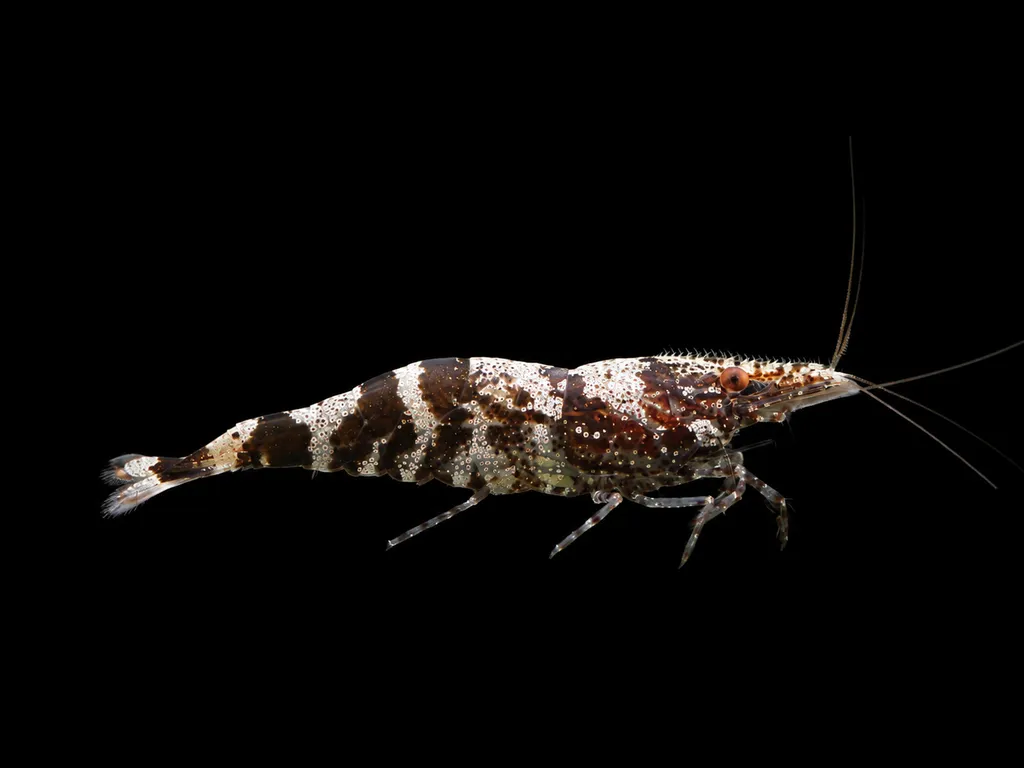
Ninja shrimp
Caridina serratirostris
Freshwater1.2 in (3 cm) · 5 gal (20 L)73–82°F (23–28°C)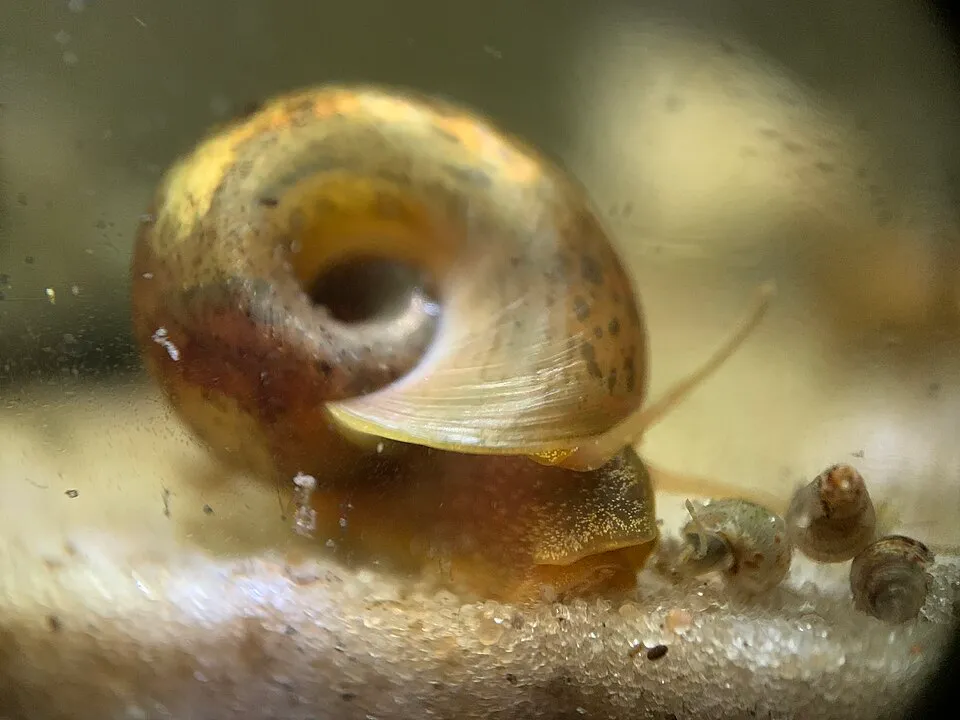
Seminole ramshorn
Planorbella duryi
Freshwater1 in (2.5 cm) · 5 gal (20 L)68–82°F (20–28°C)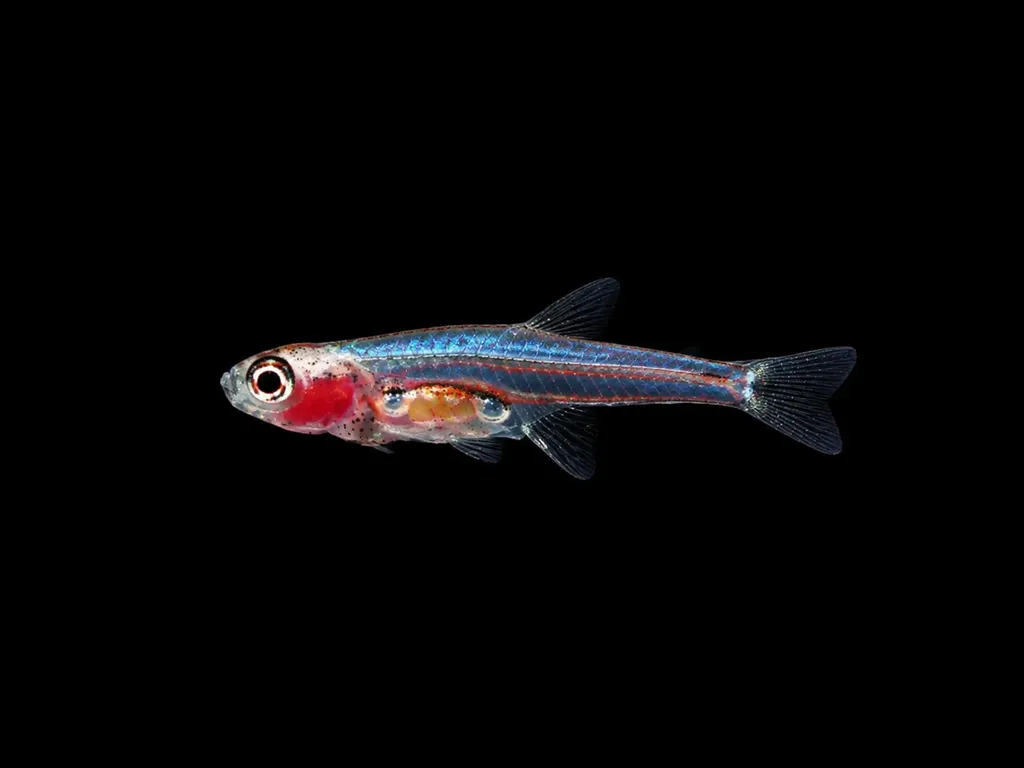
Pygmy carplet
Paedocypris progenetica
Freshwater0.5 in (1.2 cm) · 5 gal (20 L)75–82°F (24–28°C)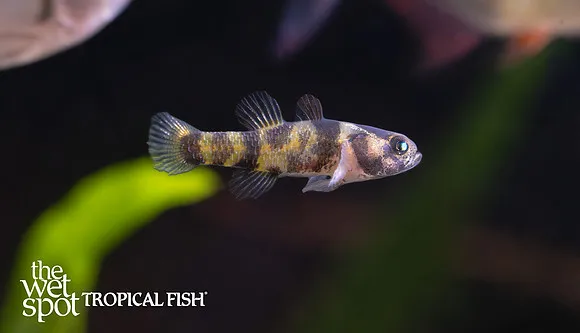
Micro bumblebee goby
Brachygobius nunus
FreshwaterBrackish1 in (2.5 cm) · 5 gal (20 L)73–82°F (23–28°C)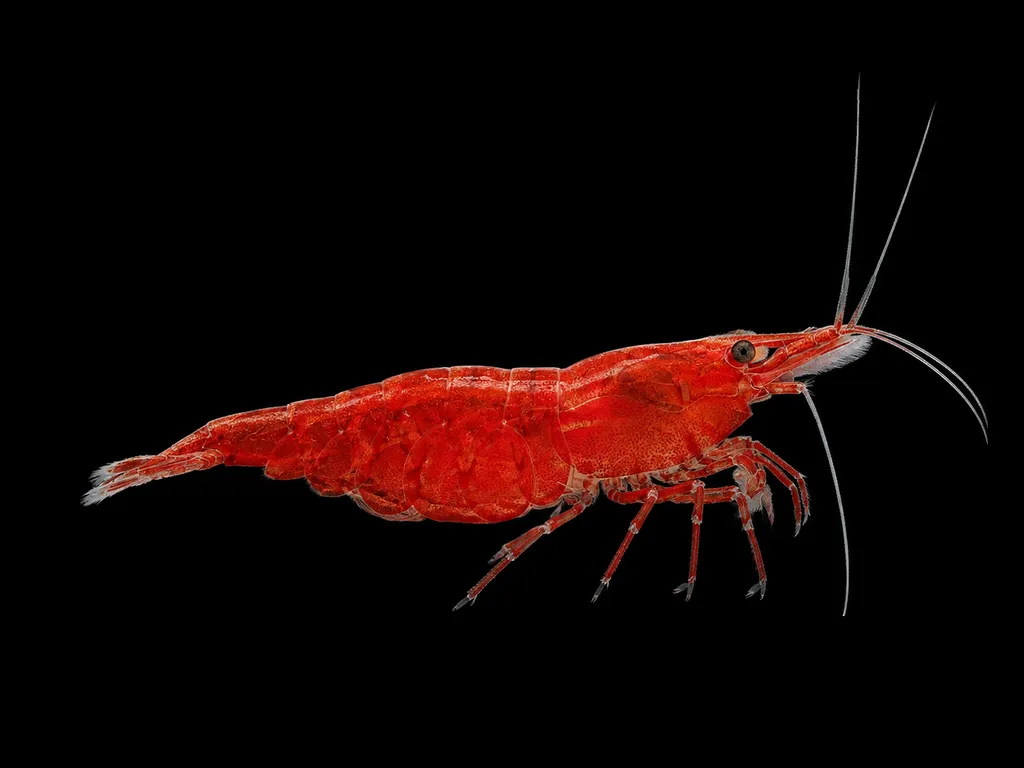
Neocaridina shrimp
Neocaridina davidi
Freshwater1.6 in (4 cm) · 5 gal (20 L)59–84°F (15–29°C)
Common questions
What size tank does a Tambopata glass tetra need?
A Tambopata glass tetra needs at least 5 gal (20 L). It spends most of its time in the middle.
What temperature and pH does a Tambopata glass tetra need?
A Tambopata glass tetra is comfortable at 73–81°F (23–27°C) with a pH of 5.5–7.0.
What does a Tambopata glass tetra eat?
A Tambopata glass tetra eats very small foods, such as micro pellets, crushed flake and baby brine shrimp. Offer other tiny live and frozen foods too, several times a week.
How big does a Tambopata glass tetra get?
An adult Tambopata glass tetra reaches about 0.7 in (1.9 cm).
Does a Tambopata glass tetra need a group?
Yes. A Tambopata glass tetra is a schooling species and should be kept in a group, not singly.
How can you tell a male Tambopata glass tetra from a female?
Males are deeper-bodied than females and carry more developed fins.
Related species
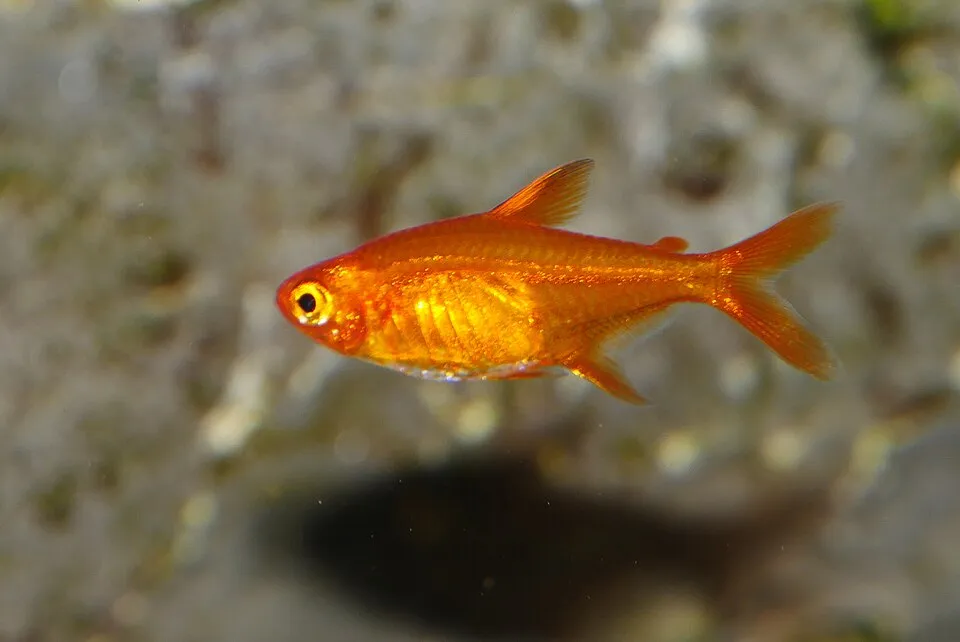 0.8 in (2 cm)9 gal (35 L)72–82°F (22–28°C)
Ember tetra
Hyphessobrycon amandae
0.8 in (2 cm) · 9 gal (35 L)
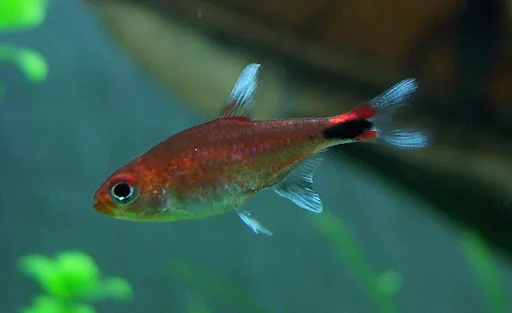
 0.8 in (2 cm)12 gal (45 L)73–81°F (23–27°C)
Hummingbird tetra
Trochilocharax ornatus
0.8 in (2 cm) · 12 gal (45 L)
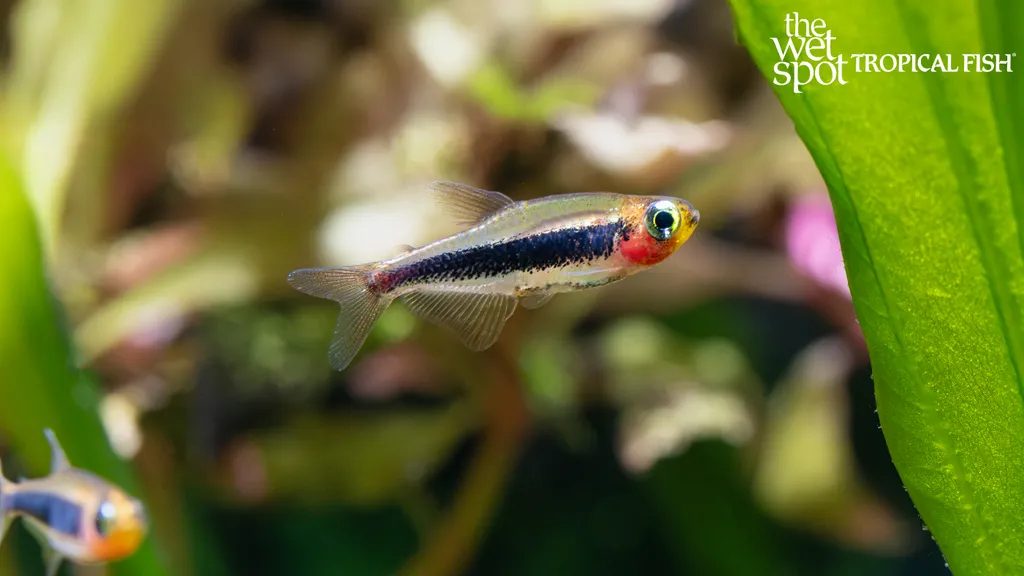
 0.8 in (2 cm)12 gal (45 L)73–81°F (23–27°C)
Ruby tetra
Axelrodia riesei
0.8 in (2 cm) · 12 gal (45 L)
 0.8 in (2 cm)12 gal (45 L)75–82°F (24–28°C)
Tucano tetra
Tucanoichthys tucano
0.8 in (2 cm) · 12 gal (45 L)
 0.8 in (2 cm)7 gal (25 L)68–82°F (20–28°C)
Yellow phantom tetra
Hyphessobrycon roseus
0.8 in (2 cm) · 7 gal (25 L)
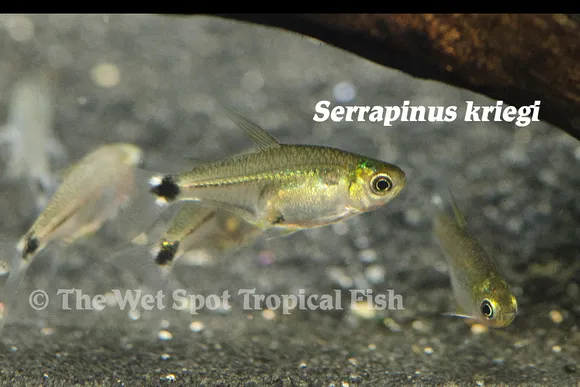 0.9 in (2.4 cm)11 gal (40 L)68–79°F (20–26°C)
Krieg's tetra
Serrapinnus kriegi
0.9 in (2.4 cm) · 11 gal (40 L)