Ruby tetra
Axelrodia riesei
Also known as Riese's tetra, Red ruby tetra
FreshwaterFish
Care at a glance
- Temperature
- 73–81°F
- 23–27°C
- pH
- 5.0–7.0
- Adult size
- 0.8 in
- 2 cm
- Minimum tank
- 12 gal
- 45 L
- Temperament
- Peaceful
- Social behavior
- Schooling
- Swim level
- Middle
- Difficulty
- Medium
- Breeding
- Hard
- Rarity
- Rare
- Family
- Characidae
- Origin
- Endemic to the Rio Meta drainage in the llanos of eastern Colombia.
Overview
Keep ruby tetras in a group of at least 8 to 10, since a lone fish or a tiny group will hide and lose color. They show their deepest red over dark substrate in soft, tannin stained water. Pair them only with other tiny, gentle fish, as they are easily outcompeted at feeding time.
In the wild
Lives in slow, shaded blackwater creeks and forest streams stained brown by tannins. The water is soft, acidic, and often shallow, with leaf litter and submerged wood on the bottom. These little tetras hang in loose groups among roots and overhanging plants.
Good to know
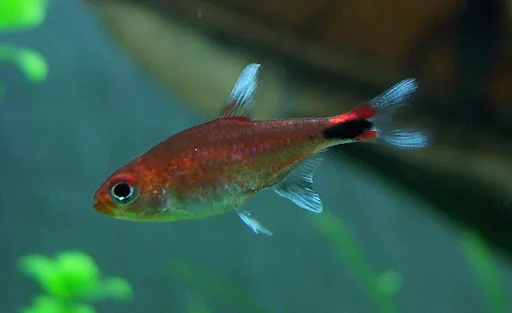
Axelrodia riesei is one of the smallest characins in the hobby, with adults barely reaching 2 cm. Its warm red body carries a small dark spot at the base of the tail. The genus name honors the tropical fish author Herbert Axelrod.
Did you know
The whole body glows a deeper ruby red when the water is soft and acidic, which is why keepers add botanicals and leaf litter to bring out the color.
Weekly picks
Tank mates
Ruby tetra is a peaceful, schooling species that keeps to the middle. These picks share a community profile with it, are safe together in both directions, and overlap on water type, temperature and pH.
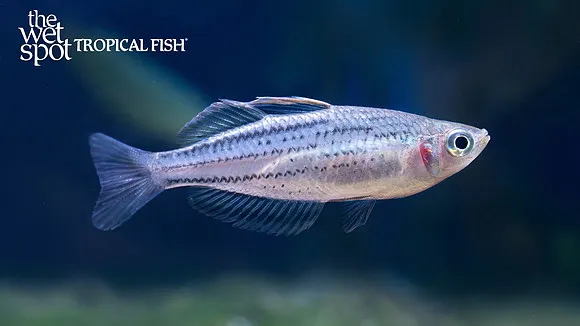
Green panchax
Aplocheilus blockii
Freshwater2 in (5 cm) · 11 gal (40 L)72–82°F (22–28°C)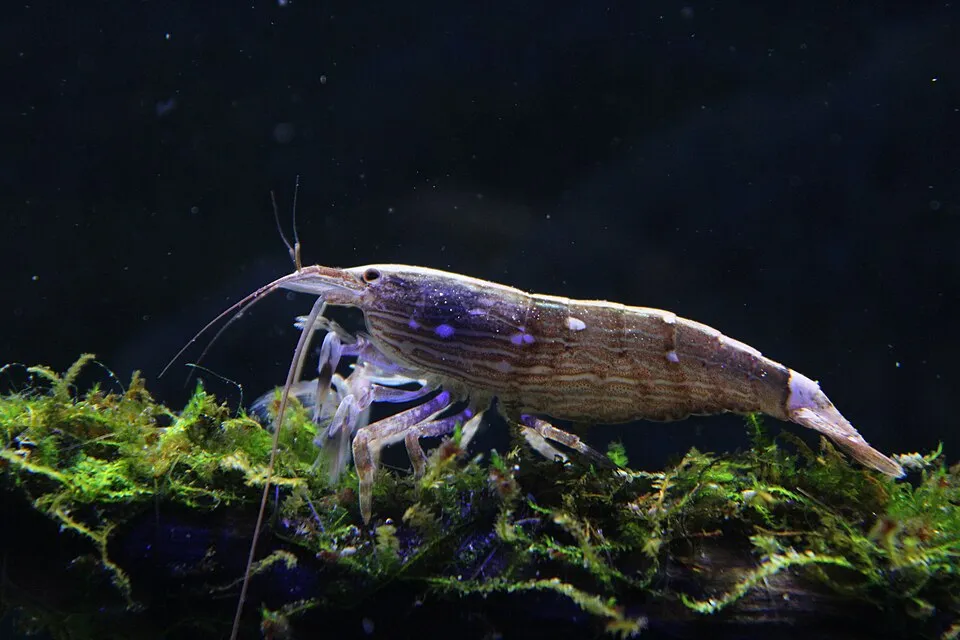
Bamboo shrimp
Atyopsis moluccensis
Freshwater3.9 in (10 cm) · 13 gal (50 L)72–84°F (22–29°C)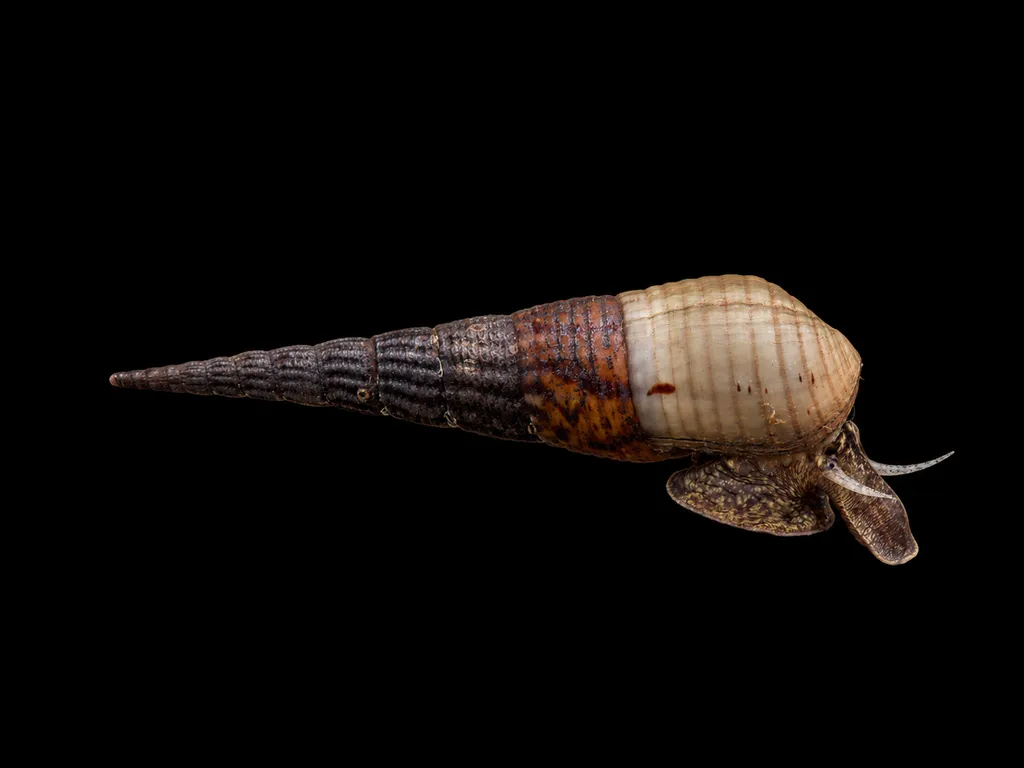
Chopstick snail
Stenomelania torulosa
Freshwater2 in (5 cm) · 11 gal (40 L)73–82°F (23–28°C)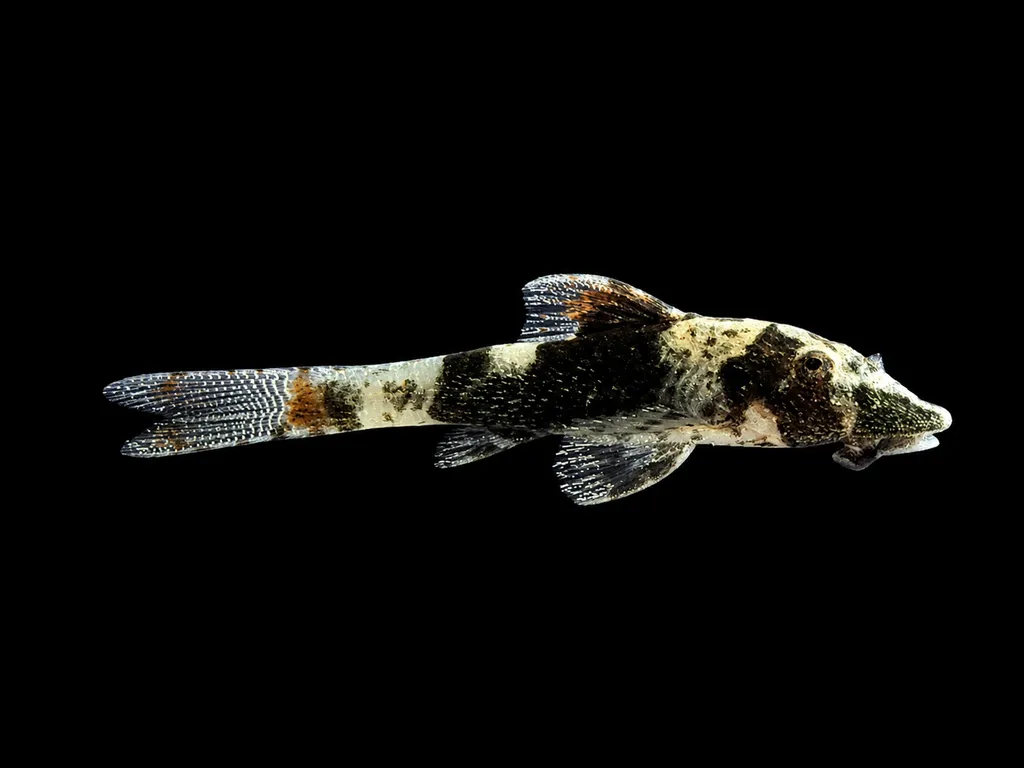
Bumblebee otocinclus
Rhinotocinclus isabelae
Freshwater0.8 in (2 cm) · 11 gal (40 L)73–82°F (23–28°C)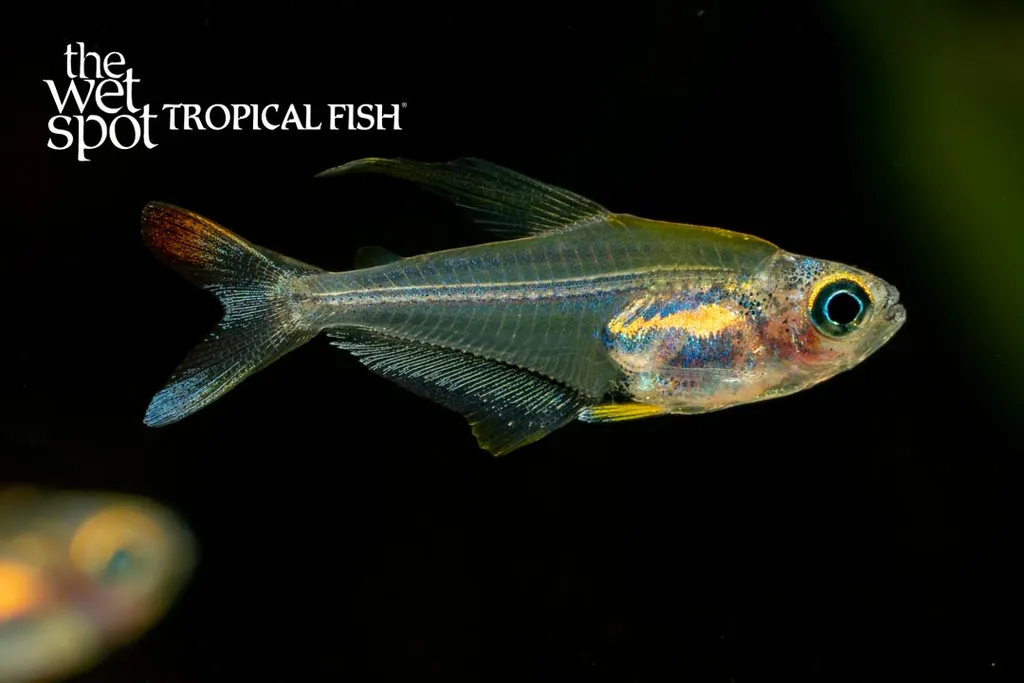
Hummingbird tetra
Trochilocharax ornatus
Freshwater0.8 in (2 cm) · 12 gal (45 L)73–81°F (23–27°C)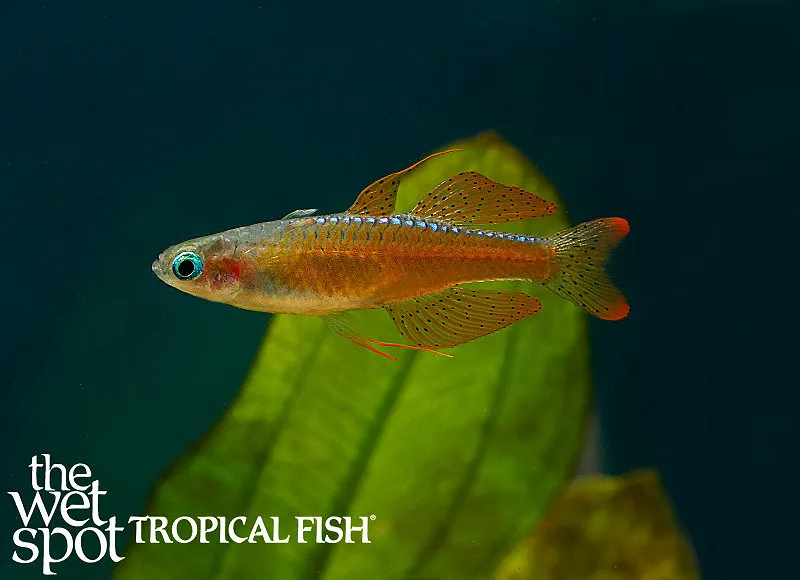
Red neon blue-eye
Pseudomugil luminatus
Freshwater1.4 in (3.5 cm) · 11 gal (40 L)72–81°F (22–27°C)
Common questions
What size tank does a Ruby tetra need?
A Ruby tetra needs at least 12 gal (45 L). It spends most of its time in the middle.
What temperature and pH does a Ruby tetra need?
A Ruby tetra is comfortable at 73–81°F (23–27°C) with a pH of 5.0–7.0.
How big does a Ruby tetra get?
An adult Ruby tetra reaches about 0.8 in (2 cm).
Does a Ruby tetra need a group?
Yes. A Ruby tetra is a schooling species and should be kept in a group, not singly.
Related species
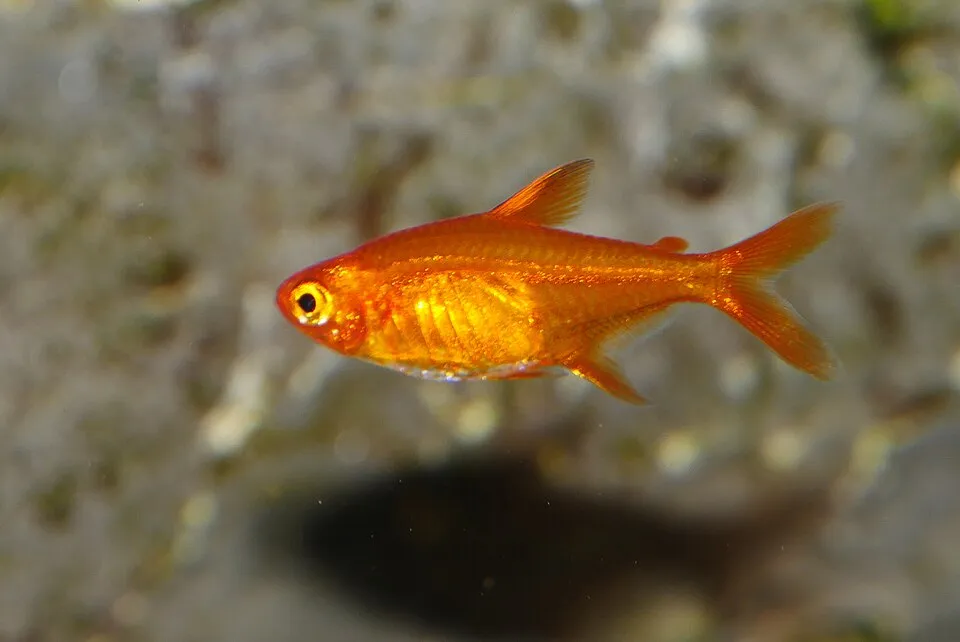 0.8 in (2 cm)9 gal (35 L)72–82°F (22–28°C)
Ember tetra
Hyphessobrycon amandae
0.8 in (2 cm) · 9 gal (35 L)
- 0.8 in (2 cm)12 gal (45 L)73–81°F (23–27°C)
Hummingbird tetra
Trochilocharax ornatus
0.8 in (2 cm) · 12 gal (45 L)
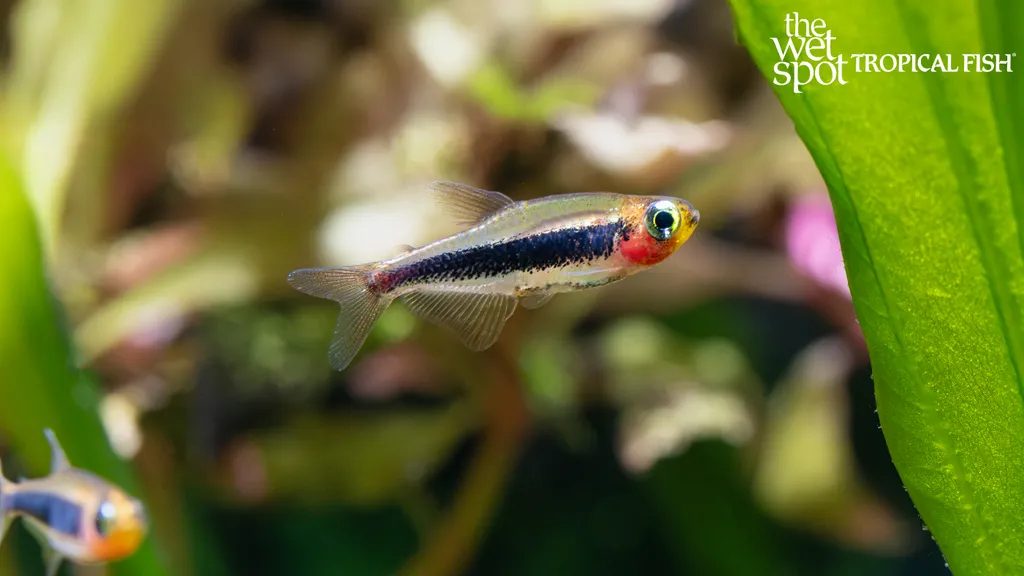 0.8 in (2 cm)12 gal (45 L)75–82°F (24–28°C)
Tucano tetra
Tucanoichthys tucano
0.8 in (2 cm) · 12 gal (45 L)
 0.8 in (2 cm)7 gal (25 L)68–82°F (20–28°C)
Yellow phantom tetra
Hyphessobrycon roseus
0.8 in (2 cm) · 7 gal (25 L)
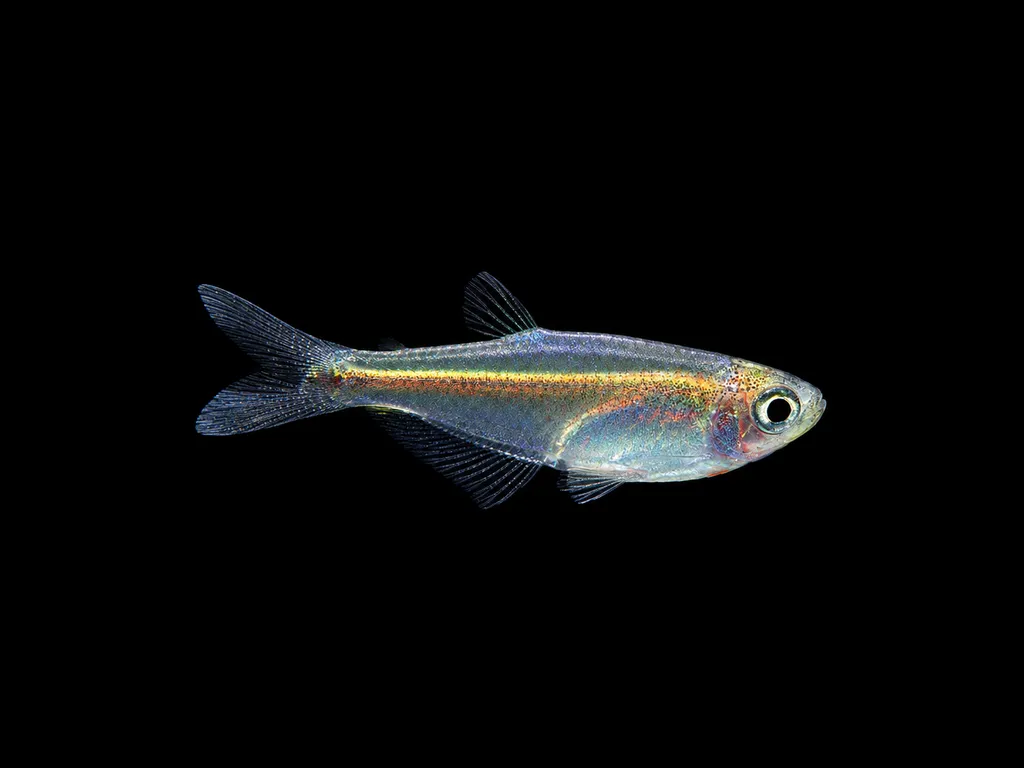 0.7 in (1.9 cm)5 gal (20 L)73–81°F (23–27°C)
Tambopata glass tetra
Tyttocharax tambopatensis
0.7 in (1.9 cm) · 5 gal (20 L)
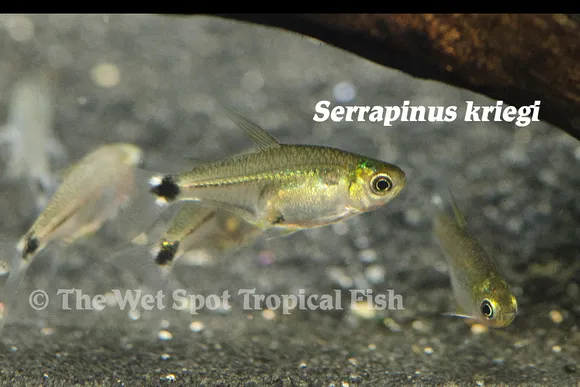 0.9 in (2.4 cm)11 gal (40 L)68–79°F (20–26°C)
Krieg's tetra
Serrapinnus kriegi
0.9 in (2.4 cm) · 11 gal (40 L)