Hummingbird tetra
Trochilocharax ornatus
Also known as Ornate hummingbird tetra, Hummingbird characin, Ornate Glass Tetra
FreshwaterFish
Care at a glance
- Temperature
- 73–81°F
- 23–27°C
- pH
- 5.0–6.5
- Adult size
- 0.8 in
- 2 cm
- Minimum tank
- 12 gal
- 45 L
- Temperament
- Peaceful
- Social behavior
- Schooling
- Swim level
- Middle
- Difficulty
- Difficult
- Breeding
- Hard
- Rarity
- Rare
- Family
- Characidae
- Origin
- Native to the upper Amazon in Peru.
Overview
The hummingbird tetra is a delicate, peaceful nano characin that schools in the middle of the tank. It is a fish for experienced keepers.
Did you know
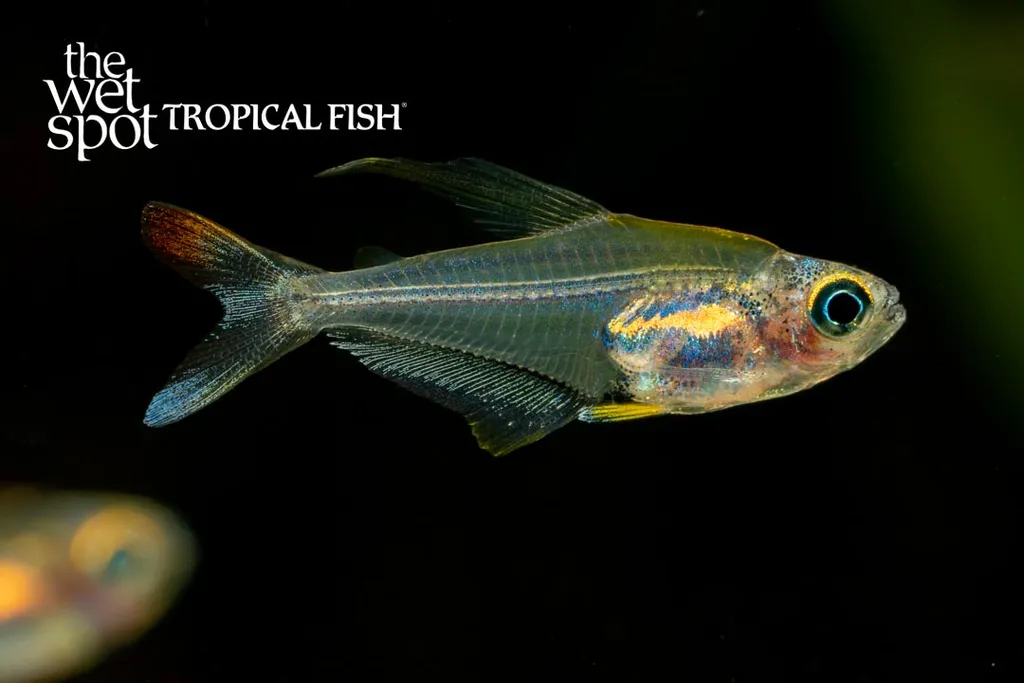
Displaying male hummingbird tetras flick their oversized fins in a rapid, hovering flutter. It looks a bit like a hummingbird working a flower, which is how the fish got its name.
Caring for the hummingbird tetra
Give hummingbird tetras a mature, gently filtered tank of 12 gal (45 L) or more. Keep a group of at least ten, since a small huddle will simply hide away.
They need soft, acidic and spotless water, at 73 to 81°F (23 to 27°C) and a pH of 5.0 to 6.5. Feed tiny foods that they can actually swallow.
House them only with the smallest, most peaceful tank mates, or better yet in a tank of their own. Males grow extended, ornate fins. Breeding hummingbird tetras is hard.
Good to know
Trochilocharax ornatus is one of the smallest characins in the hobby, and it sits in its own genus within the family Characidae. It is also sold as the ornate hummingbird tetra, the hummingbird characin or the ornate glass tetra.
In the wild
The hummingbird tetra comes from soft, acidic blackwater streams and pools in the Peruvian Amazon. These shaded waters are stained with tannins and full of leaf litter and fine roots. The tiny fish keep to the middle water among the cover.
Weekly picks
Tank mates
The hummingbird tetra is a peaceful, schooling species that keeps to the middle. These picks share a community profile with it, are safe together in both directions, and overlap on water type, temperature and pH.

Neon tetra
Paracheirodon innesi
Freshwater1.5 in (3.8 cm) · 11 gal (40 L)70–77°F (21–25°C)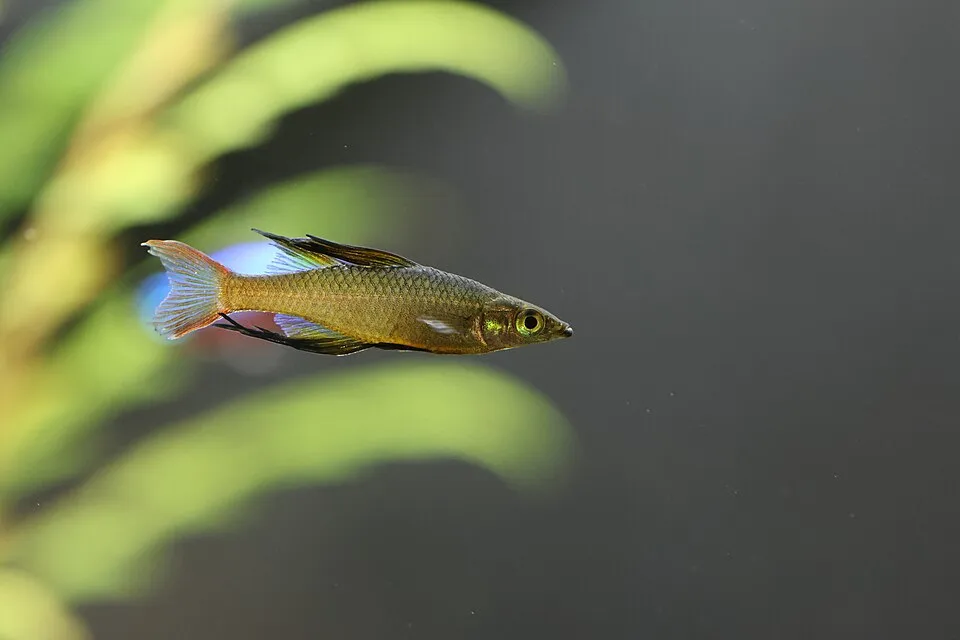
Threadfin rainbowfish
Iriatherina werneri
Freshwater1.6 in (4 cm) · 13 gal (50 L)72–86°F (22–30°C)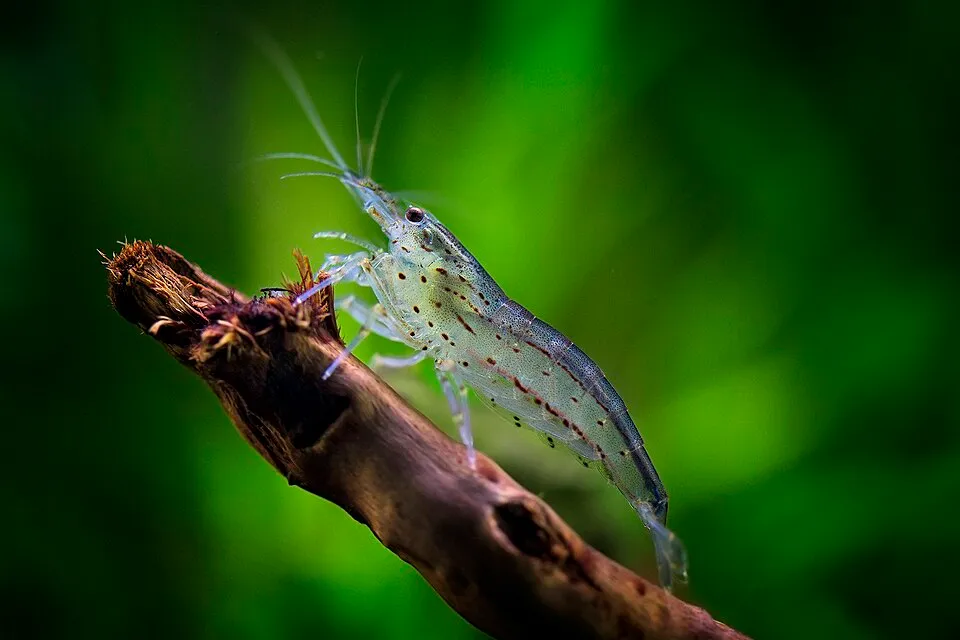
Amano shrimp
Caridina multidentata
FreshwaterBrackish2 in (5 cm) · 8 gal (30 L)59–81°F (15–27°C)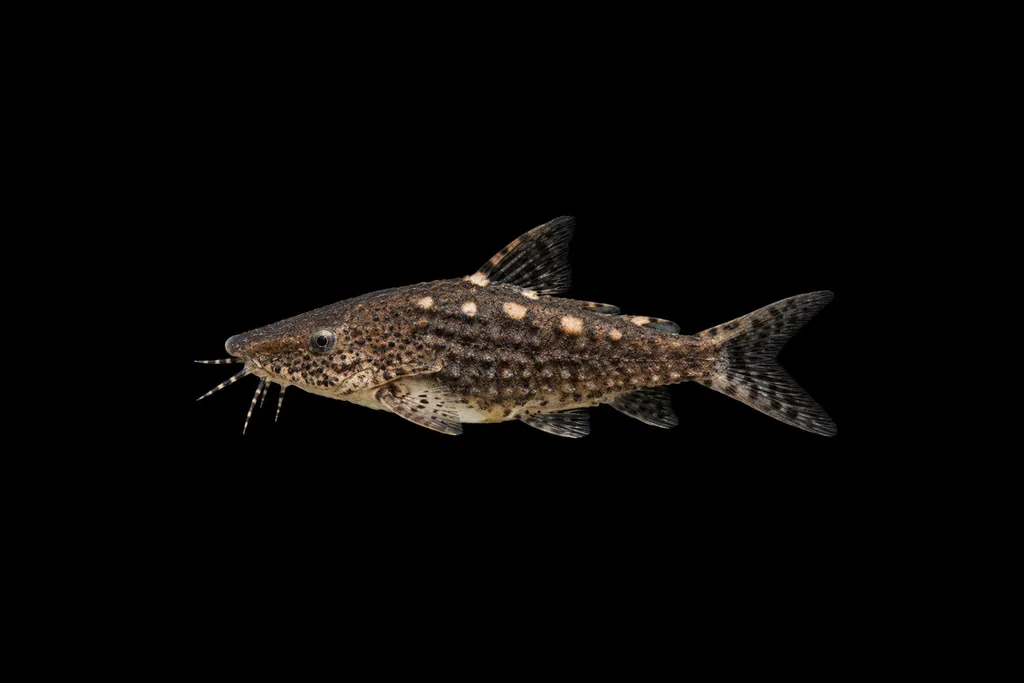
Dwarf warty catfish
Parakysis notialis
Freshwater1 in (2.5 cm) · 11 gal (40 L)73–82°F (23–28°C)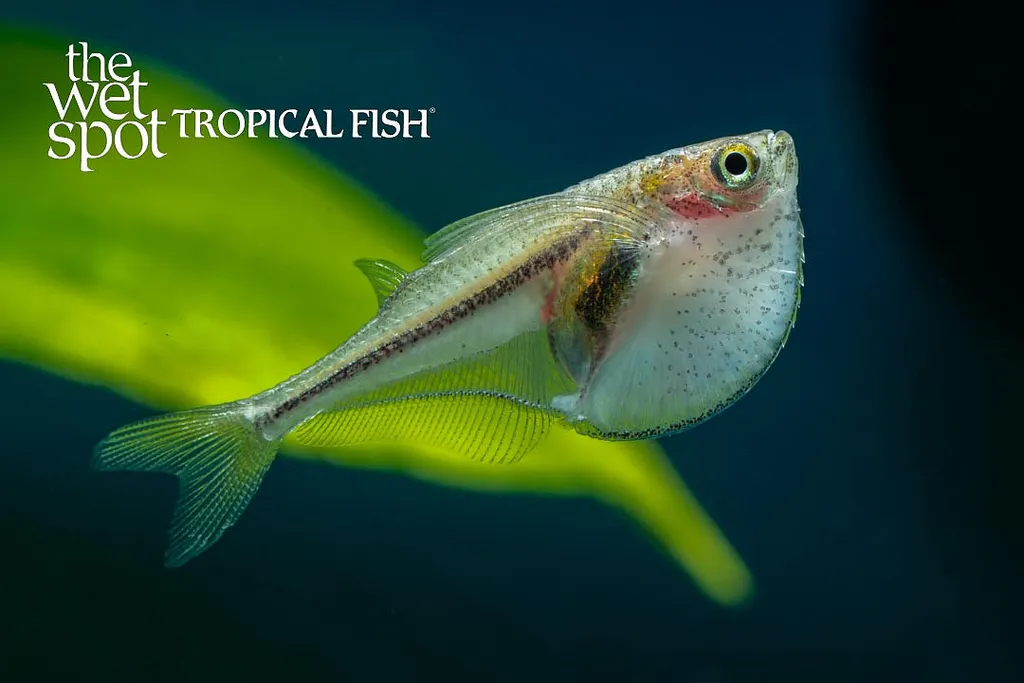
Pygmy hatchetfish
Carnegiella myersi
Freshwater1 in (2.5 cm) · 12 gal (45 L)73–79°F (23–26°C)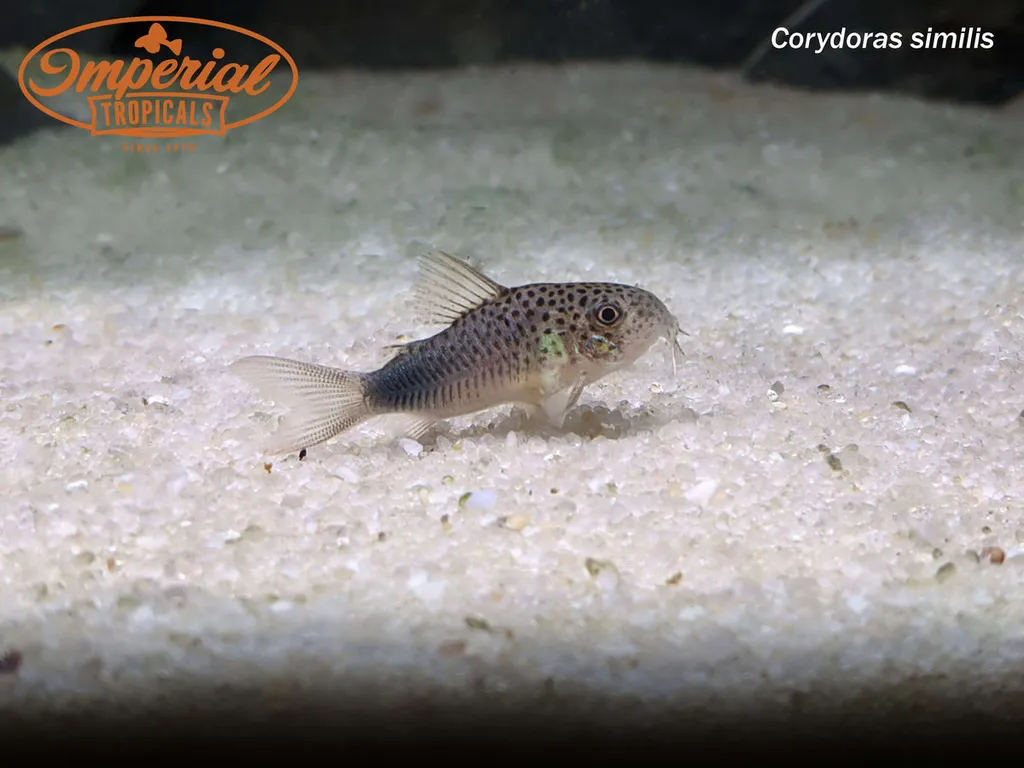
Violet cory
Hoplisoma simile
Freshwater2.2 in (5.5 cm) · 12 gal (45 L)70–81°F (21–27°C)
Common questions
What size tank does a hummingbird tetra need?
A hummingbird tetra needs at least 12 gal (45 L). It spends most of its time in the middle.
What temperature and pH does a hummingbird tetra need?
A hummingbird tetra is comfortable at 73–81°F (23–27°C) with a pH of 5.0–6.5.
What does a hummingbird tetra eat?
A hummingbird tetra needs tiny foods that it can actually swallow.
How big does a hummingbird tetra get?
An adult hummingbird tetra reaches about 0.8 in (2 cm).
Does a hummingbird tetra need a group?
Yes. A hummingbird tetra is a schooling species and should be kept in a group, not singly.
How can you tell a male hummingbird tetra from a female?
Males grow extended, ornate fins.
Related species
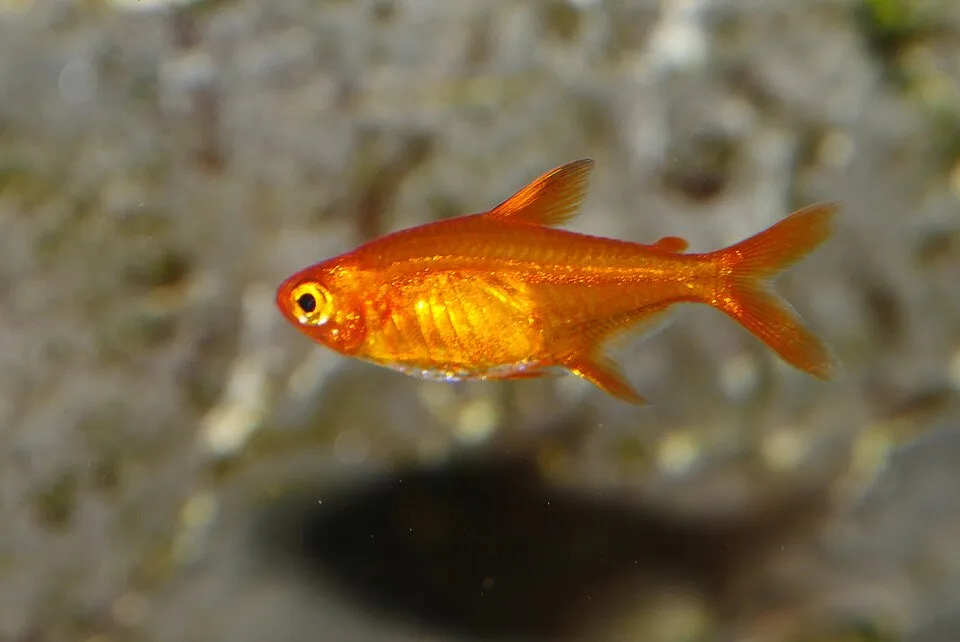 0.8 in (2 cm)9 gal (35 L)72–82°F (22–28°C)
Ember tetra
Hyphessobrycon amandae
0.8 in (2 cm) · 9 gal (35 L)
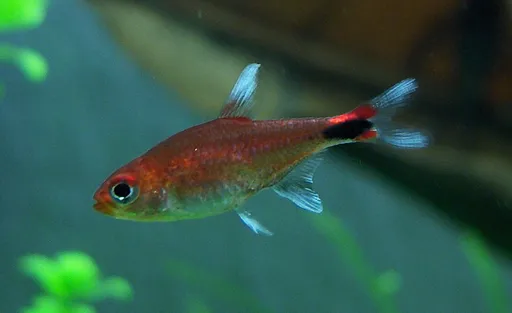 0.8 in (2 cm)12 gal (45 L)73–81°F (23–27°C)
Ruby tetra
Axelrodia riesei
0.8 in (2 cm) · 12 gal (45 L)
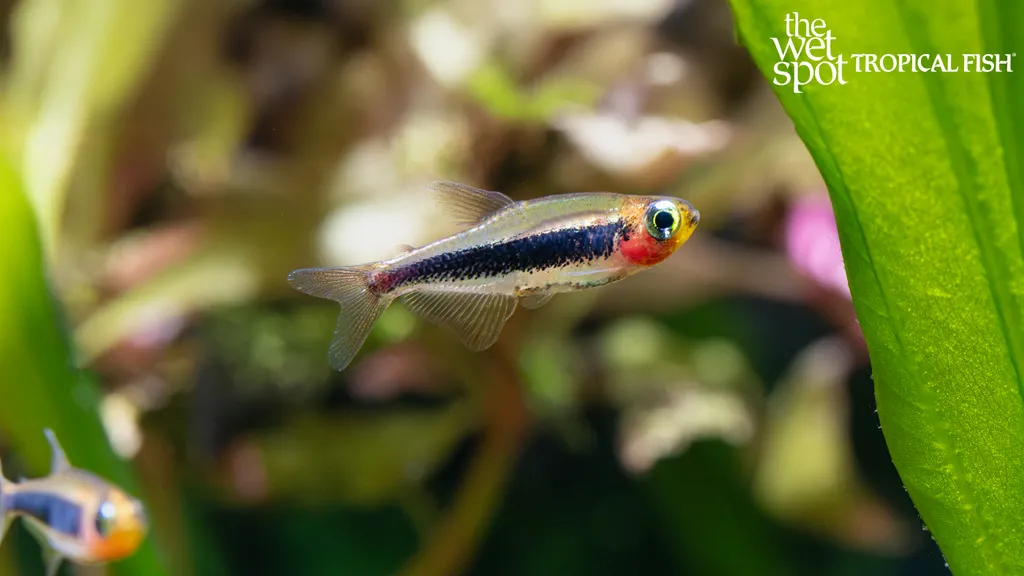 0.8 in (2 cm)12 gal (45 L)75–82°F (24–28°C)
Tucano tetra
Tucanoichthys tucano
0.8 in (2 cm) · 12 gal (45 L)
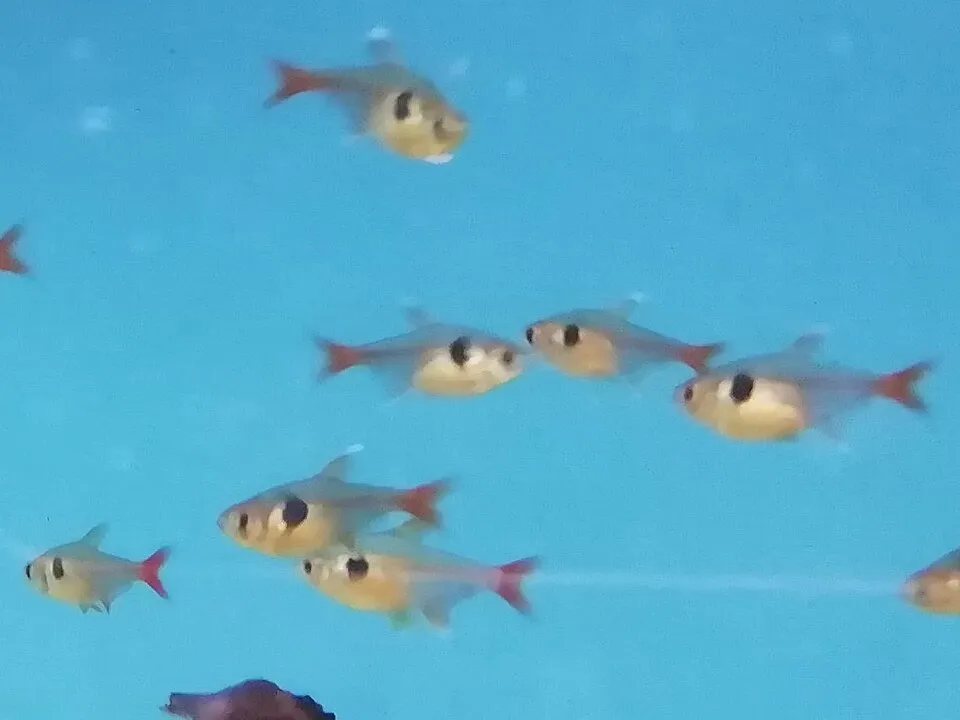 0.8 in (2 cm)7 gal (25 L)68–82°F (20–28°C)
Yellow phantom tetra
Hyphessobrycon roseus
0.8 in (2 cm) · 7 gal (25 L)
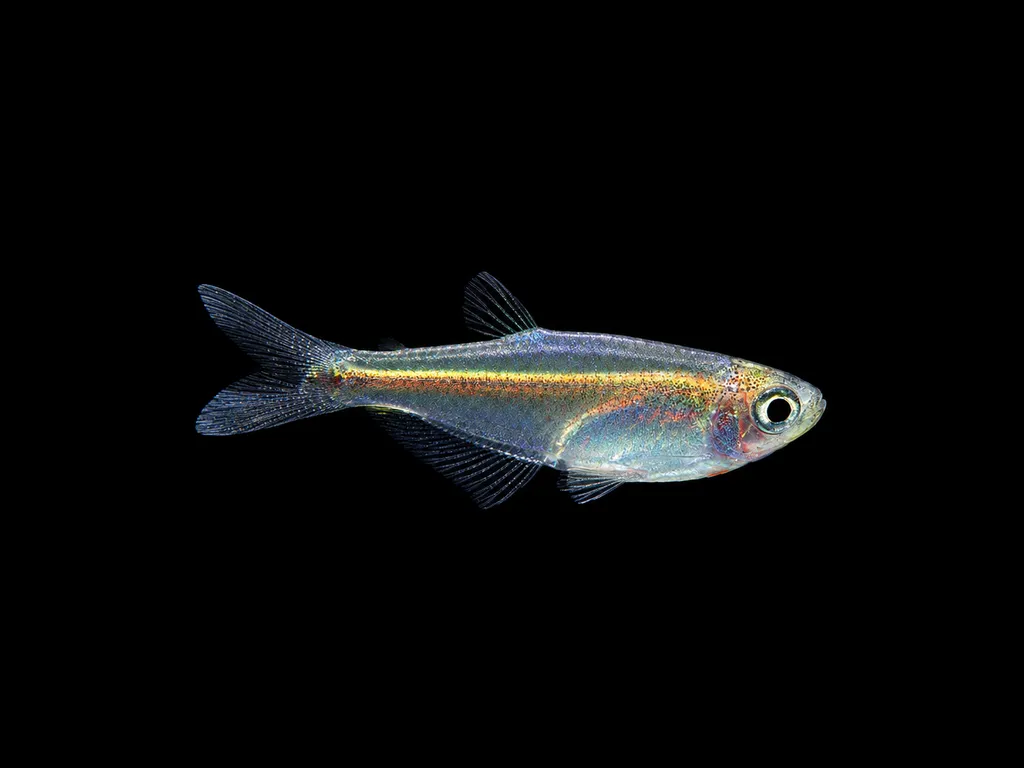 0.7 in (1.9 cm)5 gal (20 L)73–81°F (23–27°C)
Tambopata glass tetra
Tyttocharax tambopatensis
0.7 in (1.9 cm) · 5 gal (20 L)
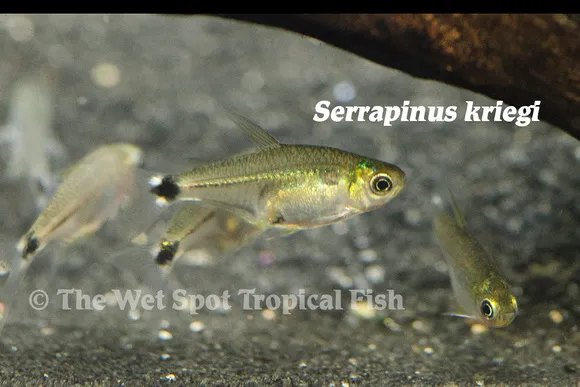 0.9 in (2.4 cm)11 gal (40 L)68–79°F (20–26°C)
Krieg's tetra
Serrapinnus kriegi
0.9 in (2.4 cm) · 11 gal (40 L)