Cornish jack
Mormyrops anguilloides
Also known as Cornish jack mormyrid, Bottlenose
FreshwaterFish
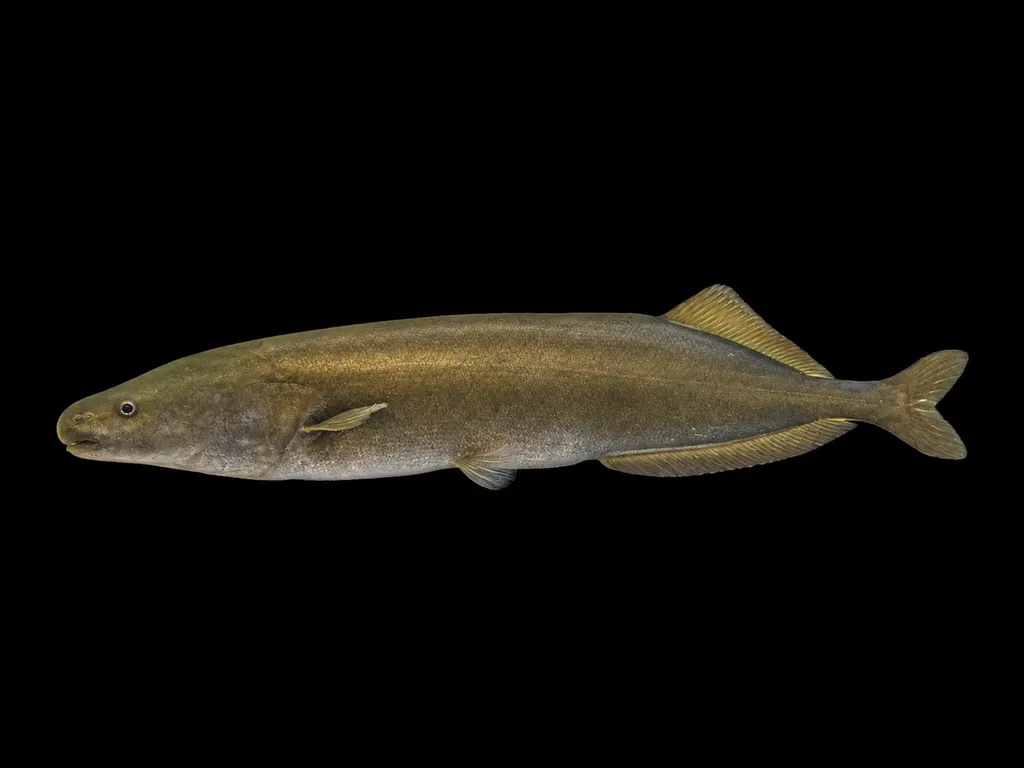
Care at a glance
- Temperature
- 73–82°F
- 23–28°C
- pH
- 6.5–7.5
- Adult size
- 59.1 in
- 150 cm
- Minimum tank
- 1,057 gal
- 4,000 L
- Temperament
- Aggressive
- Social behavior
- Solitary
- Tankmates
- With caution
- Swim level
- Bottom
- Diet
- Carnivore
- Difficulty
- Difficult
- Breeding
- No record
- Rarity
- Rare
- Family
- Mormyridae
- Origin
- Nile and most of tropical Africa
Overview
The Cornish jack is a huge, aggressive electric predator that belongs in a public aquarium rather than a home tank. The small, appealing juvenile in a shop tank grows into this giant, so buy one only with its adult size understood. It is for experienced keepers only.
Did you know
The Cornish jack is one of the few fishes known to hunt in packs. Members coordinate nighttime attacks on other fish with pulses of electricity, which they use to find prey and keep in contact. The water they hunt in is far too dark to see in.
Caring for the Cornish jack
A Cornish jack needs at least 1,057 gal (4,000 L), and no home tank can reproduce the scale it needs. Give it a deep, soft sand floor with wood and rock for structure, heavy filtration and dim light.
Keep the water warm and neutral, at 73 to 82°F (23 to 28°C) and a pH of 6.5 to 7.5, and hold it stable. Feed meaty foods such as whole fish, prawn and earthworm.
The Cornish jack is aggressive and must be kept alone. It will eat any tank mate it can swallow, and it does not share space peacefully. Aquarium breeding is not documented.
Good to know
The Cornish jack is the largest member of the family Mormyridae, and Linnaeus named it in 1758. It is a weakly electric fish, yet it is a serious piscivore. It is also called the Cornish jack mormyrid or the bottlenose.
In the wild
The Cornish jack occurs across much of tropical Africa, from the Nile through the great rivers and lakes. It patrols both flowing rivers and quiet lake margins, hunting smaller fish at night over open bottoms and among cover.
Common questions
What size tank does a Cornish jack need?
A Cornish jack needs at least 1,057 gal (4,000 L). It spends most of its time in the bottom.
What temperature and pH does a Cornish jack need?
A Cornish jack is comfortable at 73–82°F (23–28°C) with a pH of 6.5–7.5.
What does a Cornish jack eat?
A Cornish jack eats meaty foods such as whole fish, prawn and earthworm. It will also eat any tank mate small enough to swallow.
How big does a Cornish jack get?
An adult Cornish jack reaches about 59.1 in (150 cm).
Related species
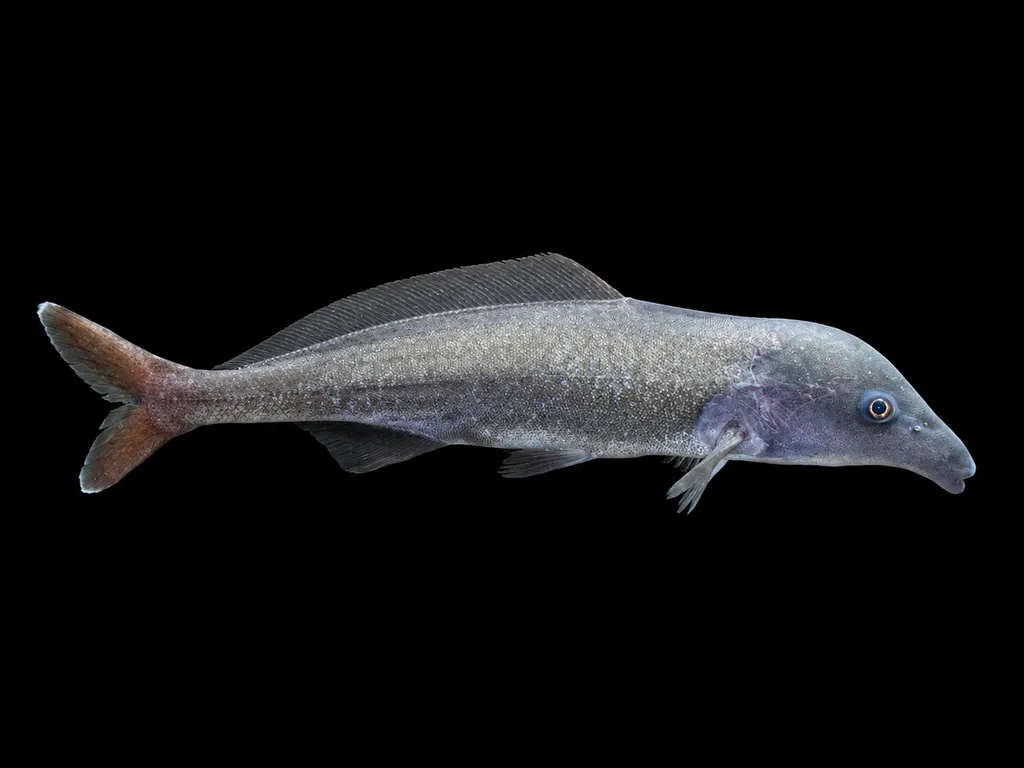 35.4 in (90 cm)185 gal (700 L)75–82°F (24–28°C)
Nile bottlenose mormyrid
Mormyrus kannume
35.4 in (90 cm) · 185 gal (700 L)
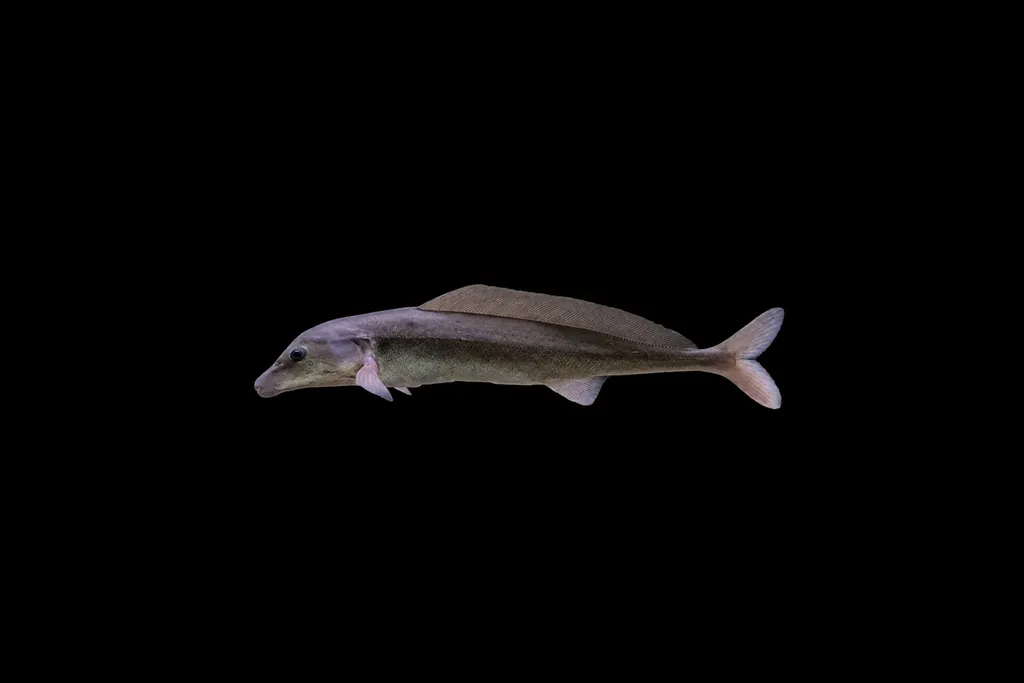 31.5 in (80 cm)185 gal (700 L)75–82°F (24–28°C)
West African bottlenose mormyrid
Mormyrus rume
31.5 in (80 cm) · 185 gal (700 L)
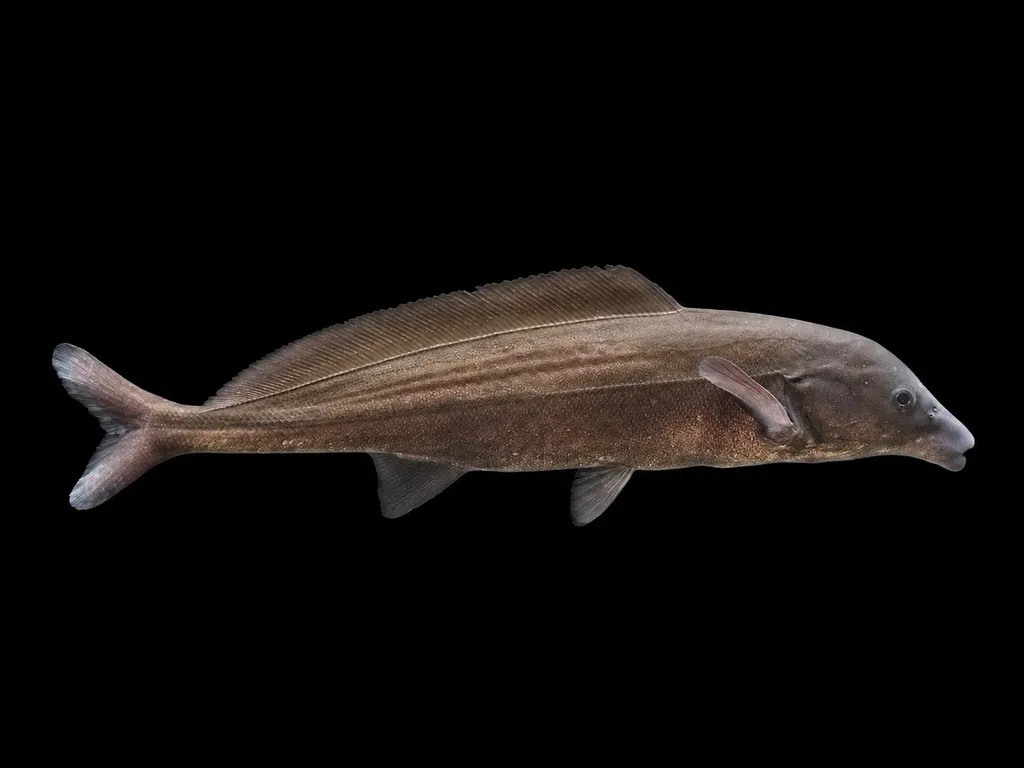 29.5 in (75 cm)185 gal (700 L)75–82°F (24–28°C)
Eastern bottlenose mormyrid
Mormyrus longirostris
29.5 in (75 cm) · 185 gal (700 L)
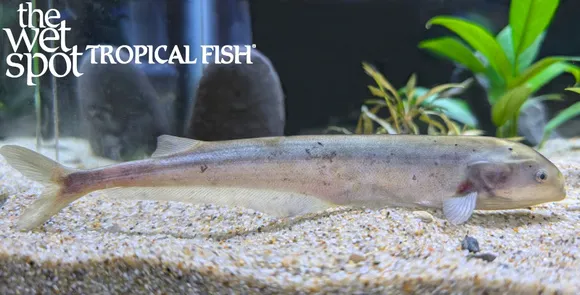 20.1 in (51 cm)264 gal (1,000 L)73–82°F (23–28°C)
Bebe mormyrid
Hyperopisus bebe
20.1 in (51 cm) · 264 gal (1,000 L)
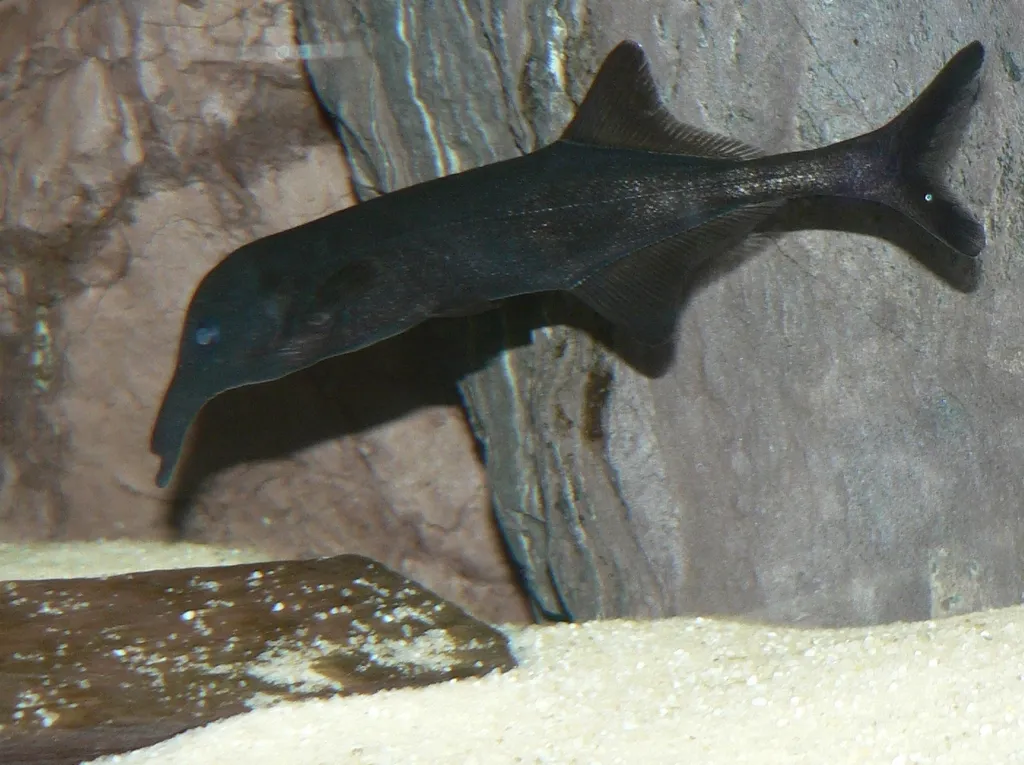 15.7 in (40 cm)119 gal (450 L)75–82°F (24–28°C)
Elephant trunk mormyrid
Campylomormyrus elephas
15.7 in (40 cm) · 119 gal (450 L)
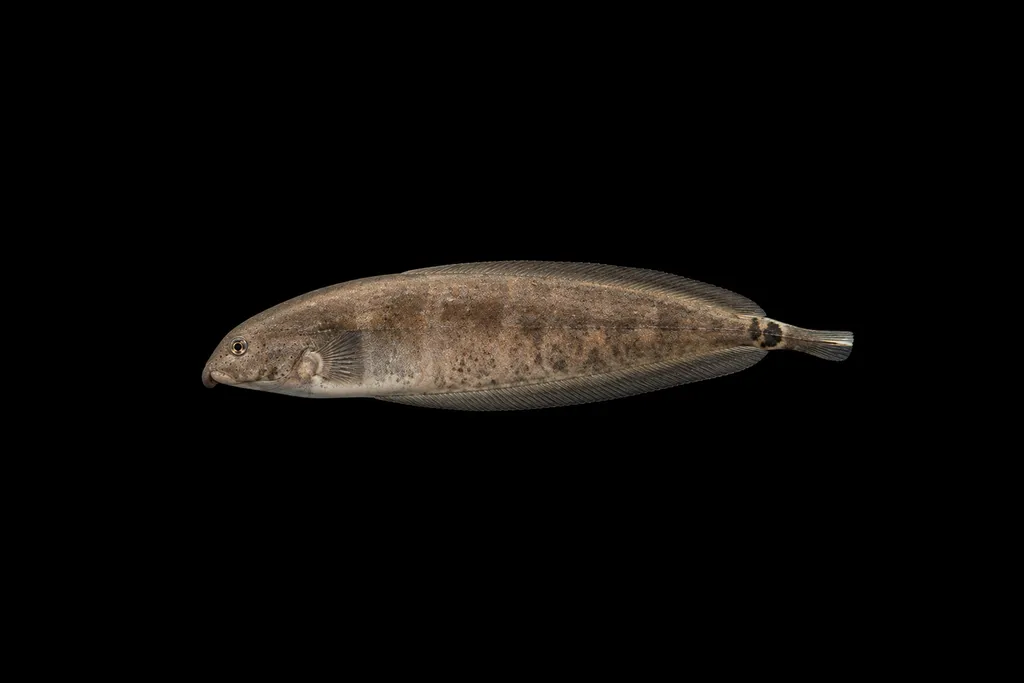 11.8 in (30 cm)159 gal (600 L)73–82°F (23–28°C)
Painted mormyrid
Hippopotamyrus pictus
11.8 in (30 cm) · 159 gal (600 L)