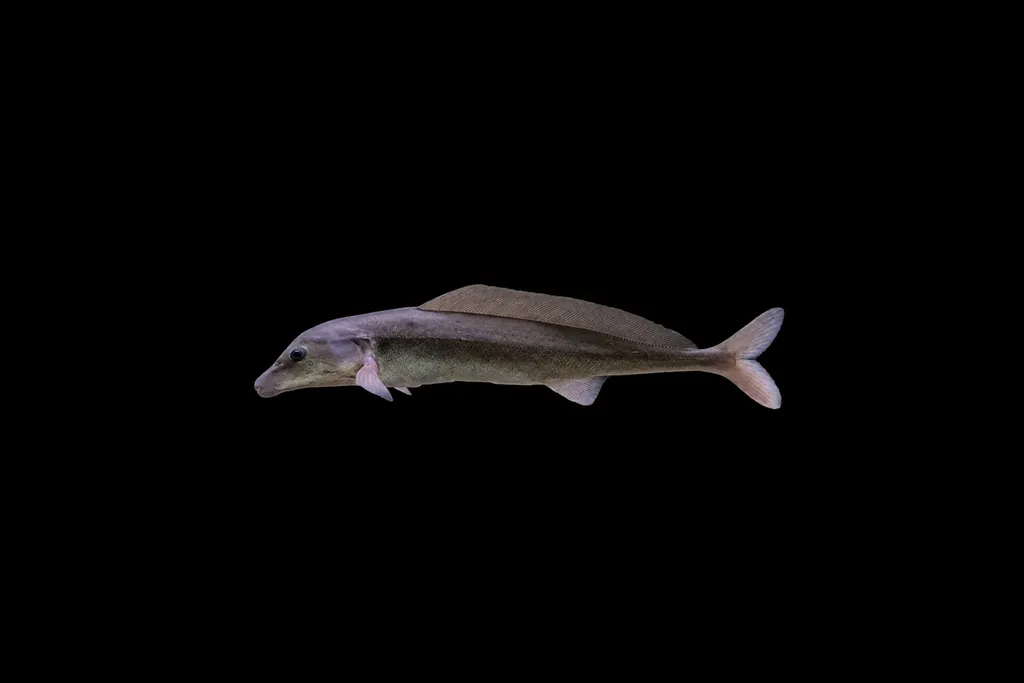
West African bottlenose mormyrid
Mormyrus rume
Also known as Rume elephant fish
FreshwaterFish
Care at a glance
- Temperature
- 75–82°F
- 24–28°C
- pH
- 6.5–7.8
- Adult size
- 31.5 in
- 80 cm
- Minimum tank
- 185 gal
- 700 L
- Temperament
- Mostly peaceful
- Social behavior
- Solitary
- Tankmates
- With caution
- Swim level
- Bottom
- Diet
- Carnivore
- Difficulty
- Difficult
- Breeding
- No record
- Rarity
- Rare
- Family
- Mormyridae
- Origin
- Niger and Senegal basins
Overview
The West African bottlenose mormyrid is a very large bottlenose elephantfish for pond-scale systems only. It is strictly for experienced keepers.
Did you know
Mormyrids like the West African bottlenose mormyrid have the largest brain-to-body ratio of any vertebrate, a shade higher than a human's. Their brains burn about 60 percent of the fish's oxygen, the most of any animal yet measured.
Caring for the West African bottlenose mormyrid
A West African bottlenose mormyrid needs a tank of at least 185 gal (700 L), and realistically much more. Give it a large footprint with a wide, deep bed of soft sand to plow with its snout. Add wood for cover, subdued light and a gentle current.
Keep the water warm and neutral to slightly alkaline, at 75 to 82°F (24 to 28°C) and a pH of 6.5 to 7.8. Hold the quality rock-solid and very steady. Clean, heavily filtered water is essential for a fish of this size and sensitivity. Feed meaty sinking foods such as earthworm, prawn and mussel after dark.
It will not tolerate its own kind, so keep only one. Choose tank mates with caution, picking large, calm fish that will not compete with it or nip at it. Its breeding is not recorded in the aquarium.
Good to know
The West African bottlenose mormyrid belongs to the family Mormyridae and carries the down-swept bottlenose snout of the genus Mormyrus. Like all mormyrids, it navigates by a weak electric field. It is the western African counterpart of the Nile bottlenose and an important local food fish. It is also called the Rume elephant fish.
In the wild
The West African bottlenose mormyrid is found across the Niger and Senegal basins and neighboring Sahelian rivers of West Africa. It forages over soft bottoms in warm water.
Common questions
What size tank does a West African bottlenose mormyrid need?
A West African bottlenose mormyrid needs at least 185 gal (700 L). It spends most of its time in the bottom.
What temperature and pH does a West African bottlenose mormyrid need?
A West African bottlenose mormyrid is comfortable at 75–82°F (24–28°C) with a pH of 6.5–7.8.
What does a West African bottlenose mormyrid eat?
A West African bottlenose mormyrid eats meaty sinking foods such as earthworm, prawn and mussel. Feed it after dark.
How big does a West African bottlenose mormyrid get?
An adult West African bottlenose mormyrid reaches about 31.5 in (80 cm).
Related species
 29.5 in (75 cm)185 gal (700 L)75–82°F (24–28°C)
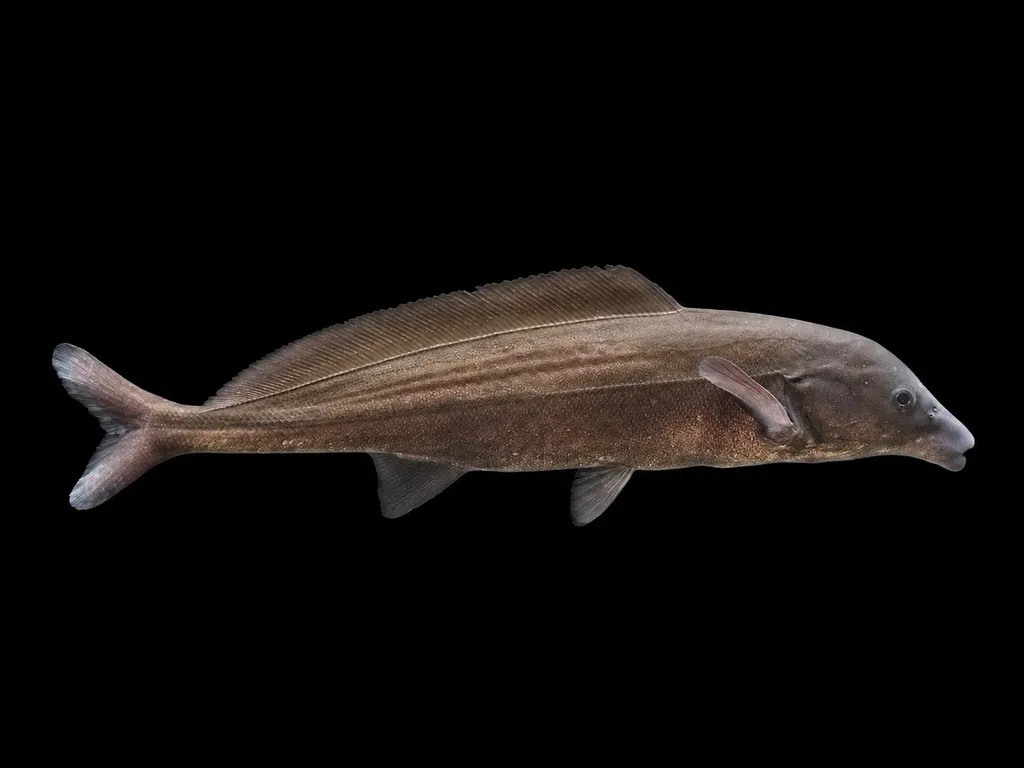
Eastern bottlenose mormyrid
Mormyrus longirostris
29.5 in (75 cm) · 185 gal (700 L)
 35.4 in (90 cm)185 gal (700 L)75–82°F (24–28°C)
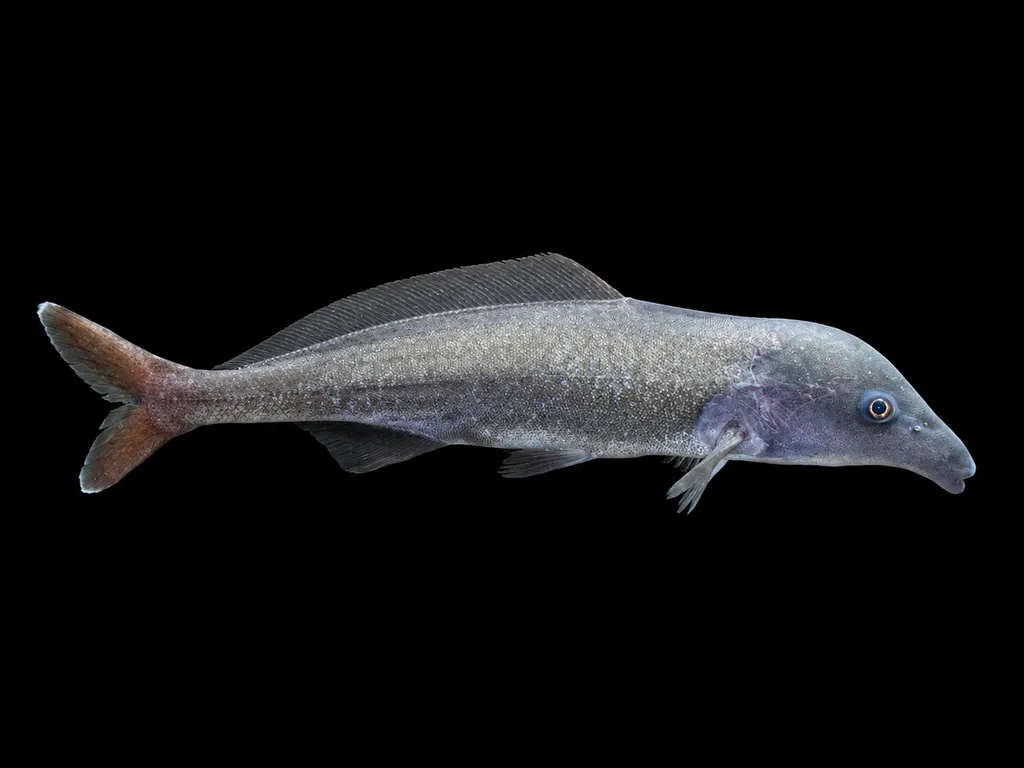
Nile bottlenose mormyrid
Mormyrus kannume
35.4 in (90 cm) · 185 gal (700 L)
 20.1 in (51 cm)264 gal (1,000 L)73–82°F (23–28°C)
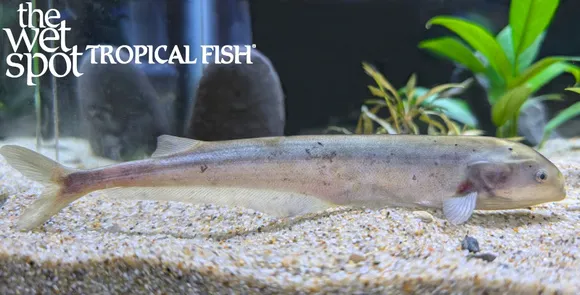
Bebe mormyrid
Hyperopisus bebe
20.1 in (51 cm) · 264 gal (1,000 L)
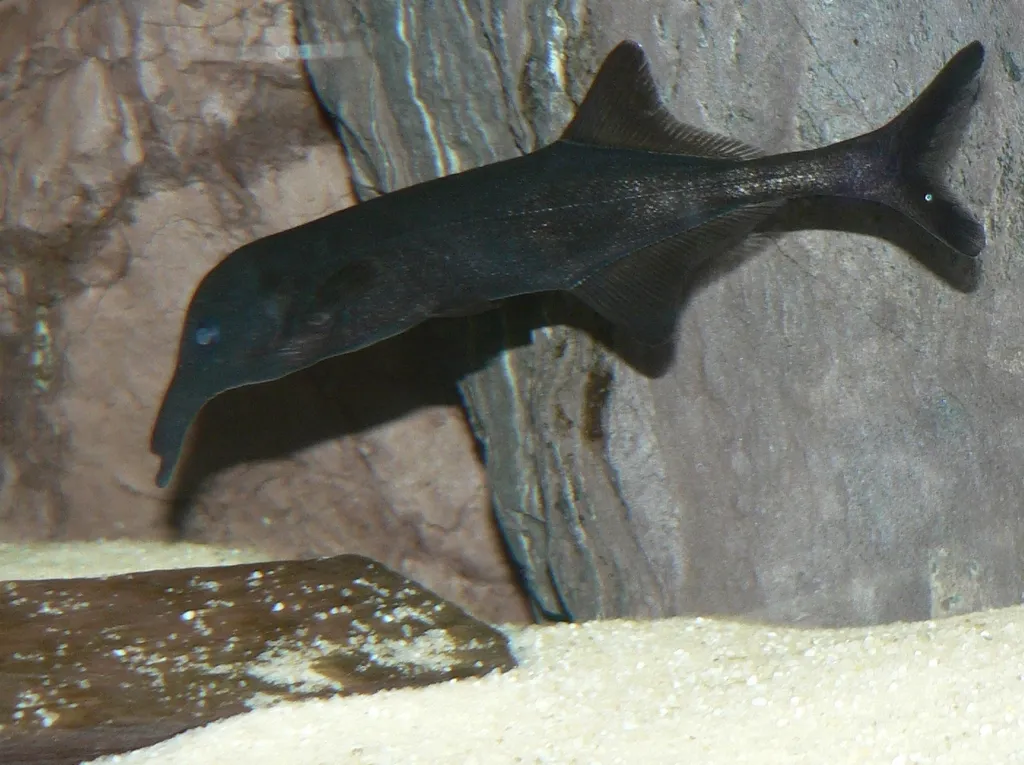 15.7 in (40 cm)119 gal (450 L)75–82°F (24–28°C)
Elephant trunk mormyrid
Campylomormyrus elephas
15.7 in (40 cm) · 119 gal (450 L)
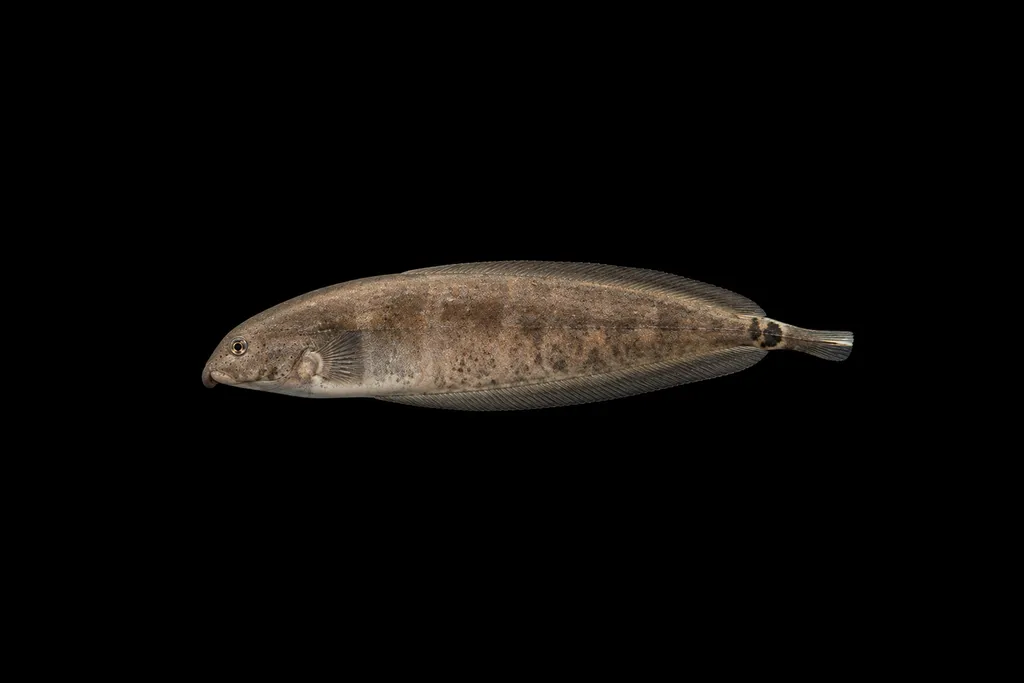 11.8 in (30 cm)159 gal (600 L)73–82°F (23–28°C)
Painted mormyrid
Hippopotamyrus pictus
11.8 in (30 cm) · 159 gal (600 L)
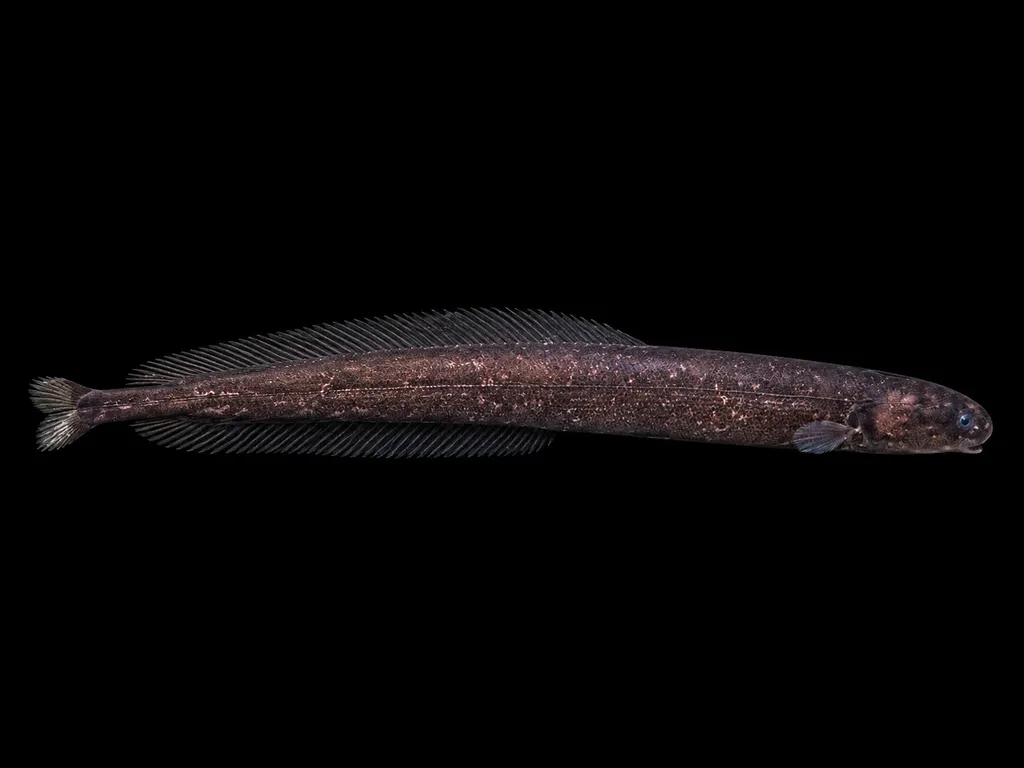 11.4 in (29 cm)79 gal (300 L)73–82°F (23–28°C)
Eel mormyrid
Isichthys henryi
11.4 in (29 cm) · 79 gal (300 L)