Flying fox
Epalzeorhynchos kalopterum
Also known as Epalzeorhynchos kalopterus
FreshwaterFish
Care at a glance
- Temperature
- 68–79°F
- 20–26°C
- pH
- 6.5–7.5
- Adult size
- 6.3 in
- 16 cm
- Minimum tank
- 63 gal
- 240 L
- Temperament
- Mostly peaceful
- Social behavior
- Solitary
- Tankmates
- With caution
- Swim level
- Bottom
- Difficulty
- Medium
- Breeding
- No record
- Rarity
- Common
- Family
- Cyprinidae
- Origin
- Thailand, Malaysia
Overview
The flying fox is a solitary, mostly peaceful bottom dweller for a large tank with good flow. It is best with a little experience.
Did you know
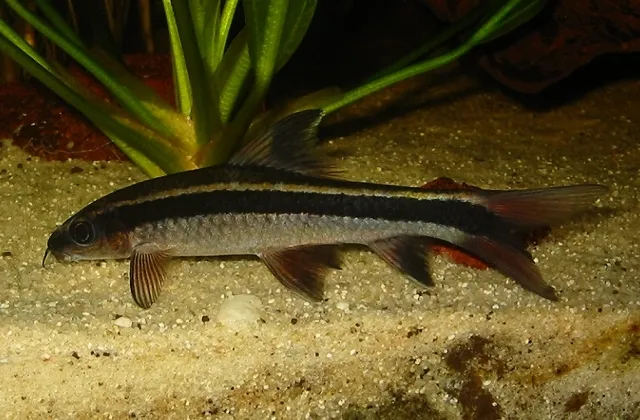
The flying fox and the Siamese algae eater are often confused and sold under each other's names. On a true flying fox, the black side stripe ends in a clean line with a gold band above it. The Siamese algae eater's stripe is more ragged and runs into the tail, so check it before buying a fish for algae.
Caring for the flying fox
Keep one flying fox per tank unless you have a lot of space. It needs at least 63 gal (240 L). It is a bottom dweller that gets territorial as it grows, especially toward its own kind and similar-shaped fish. Give it smooth rocks and wood to graze on, good flow and clean water.
Keep the water at 68 to 79°F (20 to 26°C), with a pH of 6.5 to 7.5. It grazes algae and biofilm but also needs sinking foods, frozen foods and blanched vegetables.
The flying fox is mostly peaceful, but choose its tank mates with caution. Pick robust fish that are not slow or long-finned. Its breeding in aquariums is essentially unrecorded.
Good to know
Epalzeorhynchos kalopterum, sometimes written kalopterus, is a cyprinid in the family Cyprinidae. It grows larger than people expect from the slim juveniles sold in stores. It has the barbels and underslung mouth typical of bottom-grazing cyprinids. The fish in the trade are wild-caught or farmed rather than home-bred.
In the wild
The flying fox comes from fast, clear forest streams in Thailand and Malaysia, with rocky beds and a steady current. Those streams stay well oxygenated and run slightly acidic to neutral. Aufwuchs, the film of algae and tiny life on surfaces, is a big part of what it eats in the wild.
Common questions
What size tank does a flying fox need?
A flying fox needs at least 63 gal (240 L). It spends most of its time in the bottom.
What temperature and pH does a flying fox need?
A flying fox is comfortable at 68–79°F (20–26°C) with a pH of 6.5–7.5.
What does a flying fox eat?
A flying fox grazes algae and biofilm. It also needs sinking foods, frozen foods and blanched vegetables.
How big does a flying fox get?
An adult flying fox reaches about 6.3 in (16 cm).
Related species
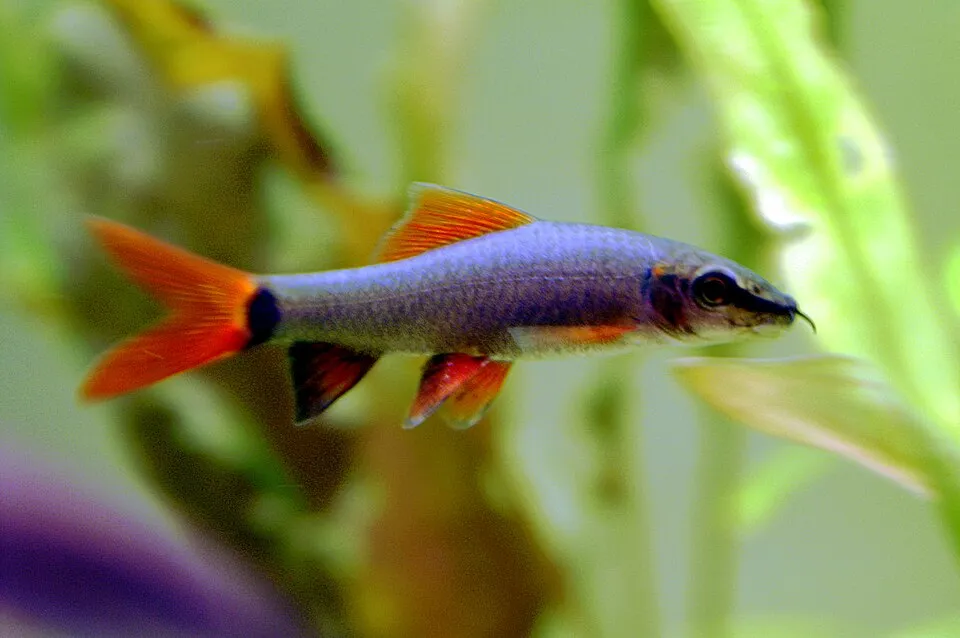 5.9 in (15 cm)63 gal (240 L)68–79°F (20–26°C)
Rainbow shark
Epalzeorhynchos frenatum
5.9 in (15 cm) · 63 gal (240 L)
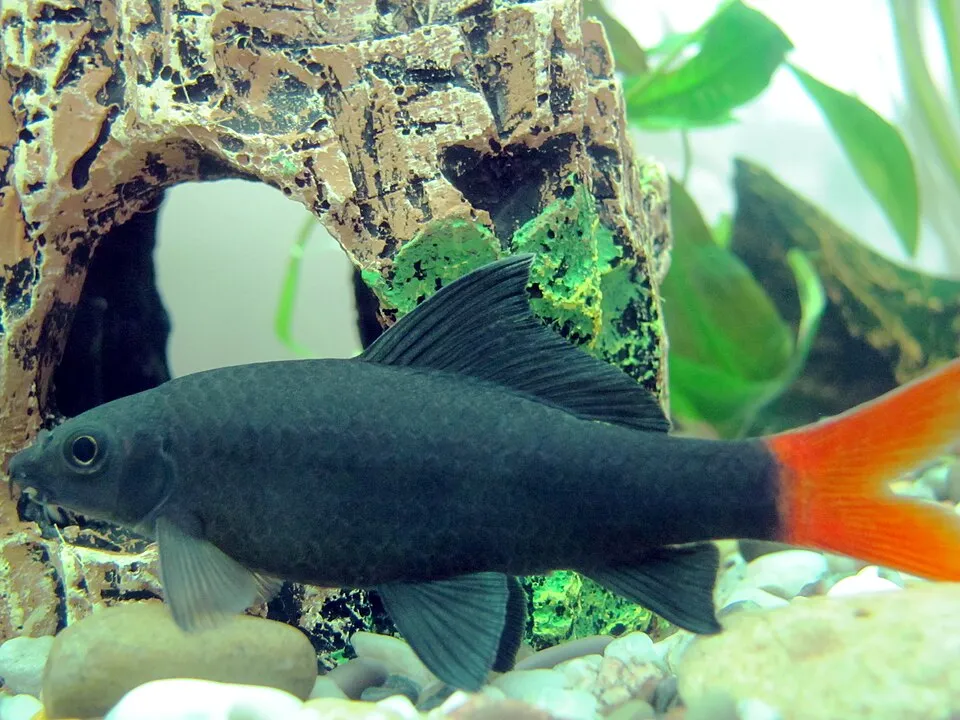 4.7 in (12 cm)63 gal (240 L)68–79°F (20–26°C)
Red-tailed black shark
Epalzeorhynchos bicolor
4.7 in (12 cm) · 63 gal (240 L)
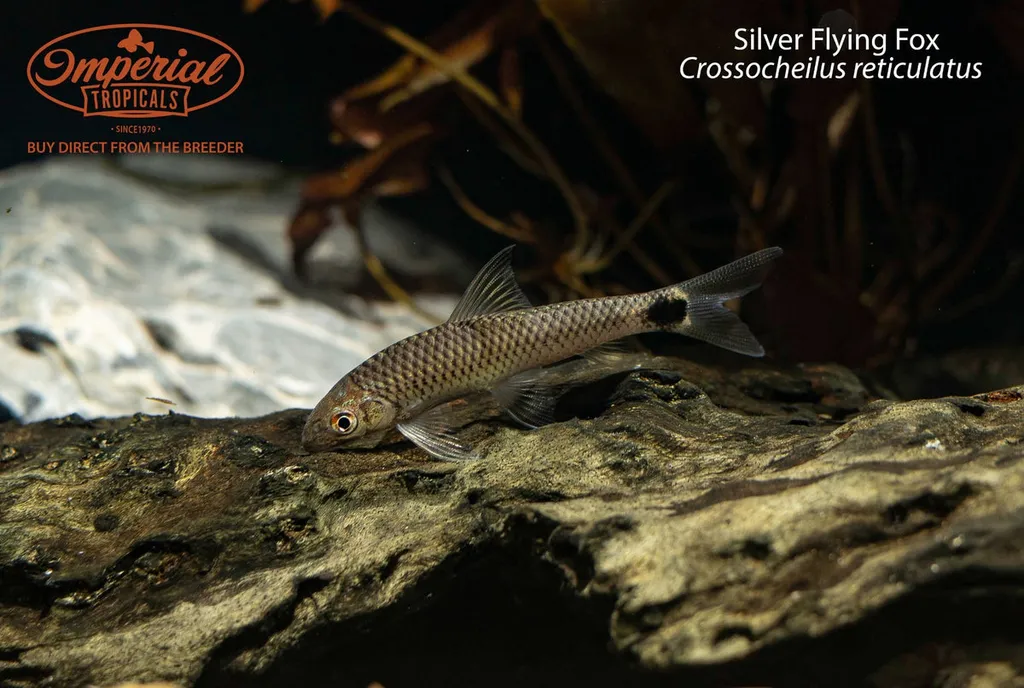 6.3 in (16 cm)53 gal (200 L)64–77°F (18–25°C)
Silver flying fox
Crossocheilus reticulatus
6.3 in (16 cm) · 53 gal (200 L)
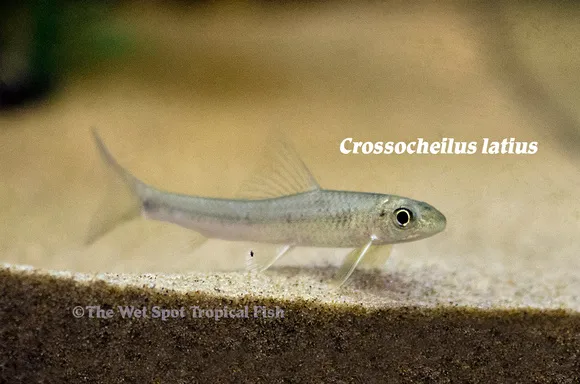 5.9 in (15 cm)42 gal (160 L)64–77°F (18–25°C)
Gangetic latia
Tariqilabeo latius
5.9 in (15 cm) · 42 gal (160 L)
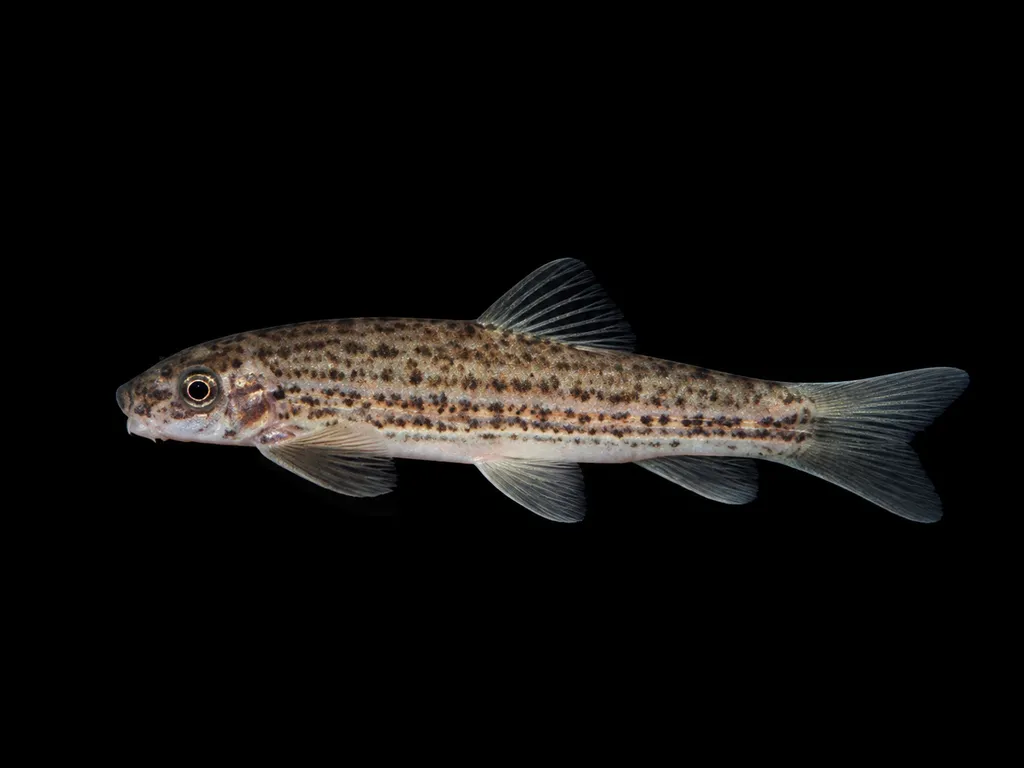 5.9 in (15 cm)42 gal (160 L)68–79°F (20–26°C)
Kerala garra
Garra surendranathanii
5.9 in (15 cm) · 42 gal (160 L)
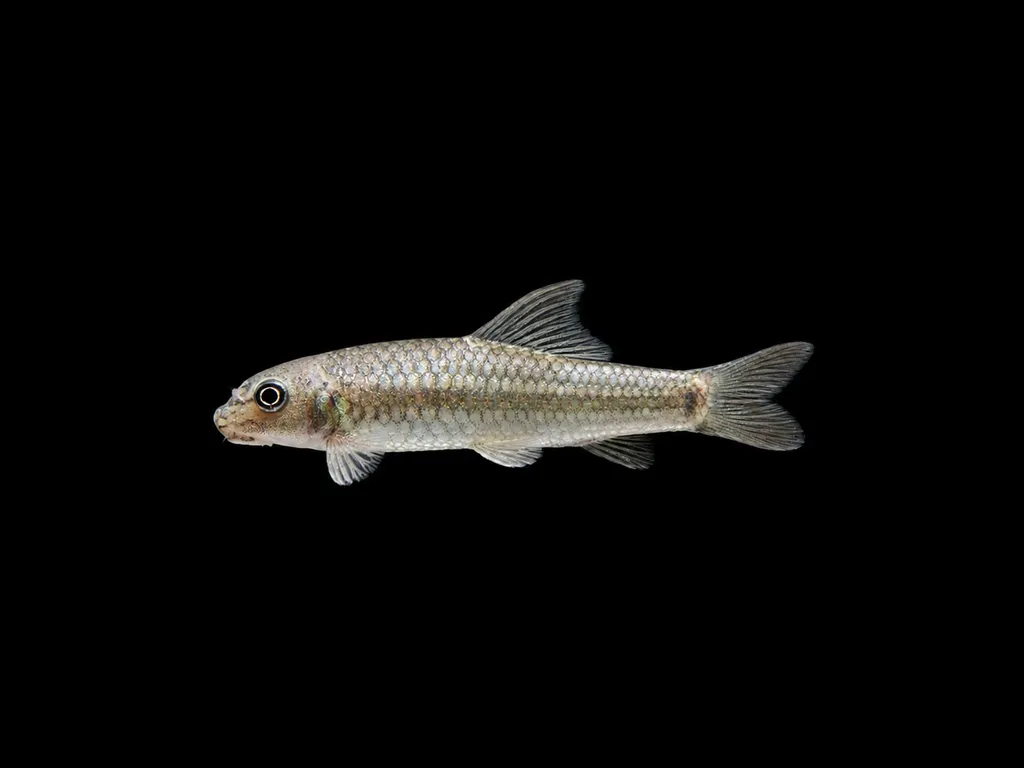 5.9 in (15 cm)42 gal (160 L)64–77°F (18–25°C)
Sucker-head garra
Garra gotyla
5.9 in (15 cm) · 42 gal (160 L)