Gangetic latia
Tariqilabeo latius
Also known as Crossocheilus latius, Gangetic algae eater, Tuxedo flying fox
FreshwaterFish
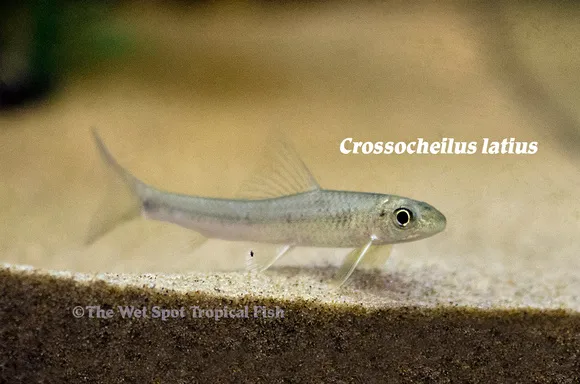
Care at a glance
- Temperature
- 64–77°F
- 18–25°C
- pH
- 6.5–7.8
- Adult size
- 5.9 in
- 15 cm
- Minimum tank
- 42 gal
- 160 L
- Temperament
- Mostly peaceful
- Social behavior
- Social
- Tankmates
- With caution
- Swim level
- Bottom
- Diet
- Herbivore
- Difficulty
- Medium
- Breeding
- No record
- Rarity
- Rare
- Family
- Cyprinidae
- Origin
- Ganges and Brahmaputra drainages, South Asia
Overview
The Gangetic latia is a busy, bottom-dwelling grazer for a cool, stony tank with strong current. It needs a little more care than a beginner fish.
Did you know
The Gangetic latia fills the same stone-scrubbing role as the Siamese algae eater. The two were long placed in the same genus, Crossocheilus, before the latia moved to Tariqilabeo.
Caring for the Gangetic latia
Keep Gangetic latias in a small group of three to five. A tank of 42 gal (160 L) or more, with plenty of stone, gives them room to patrol. Use a substrate of sand, pebbles and larger stones, with strong, oxygenating current and open grazing surfaces. They work stone and wood for algae all day.
It prefers cooler water than most tropical fish, at 64 to 77°F (18 to 25°C). Give it a neutral to slightly alkaline pH of 6.5 to 7.8. The Gangetic latia is a herbivore that feeds on algae, diatoms and plant matter scraped from hard surfaces. Feed algae wafers, sinking pellets and frozen foods, making sure enough reaches the floor.
It is generally peaceful but can be pushy with its own kind and with other bottom fish, so choose tank mates with care. Sturdy, current-tolerant midwater fish such as hill barbs and danios work well. Slow or timid bottom species may be jostled.
In its Himalayan range, it spawns in the monsoon months, from about July to September, when high, turbid water triggers breeding. Its breeding in aquariums is not documented.
Good to know
Tariqilabeo latius belongs to the carp family, Cyprinidae, and was once sold as Crossocheilus latius.
In the wild
The Gangetic latia grazes the foothill rivers of the Ganges and Brahmaputra systems across northern India, Nepal and Bangladesh. It lives over gravel and stony beds in cool, briskly flowing water.
Common questions
What size tank does a Gangetic latia need?
A Gangetic latia needs at least 42 gal (160 L). It spends most of its time in the bottom.
What temperature and pH does a Gangetic latia need?
A Gangetic latia is comfortable at 64–77°F (18–25°C) with a pH of 6.5–7.8.
What does a Gangetic latia eat?
A Gangetic latia is a herbivore that feeds on algae, diatoms and plant matter scraped from hard surfaces. In the tank, feed it algae wafers, sinking pellets and frozen foods, and make sure enough reaches the floor.
How big does a Gangetic latia get?
An adult Gangetic latia reaches about 5.9 in (15 cm).
How does a Gangetic latia breed?
The Gangetic latia spawns in the monsoon months in the wild, from about July to September, when high, turbid water triggers breeding. Its breeding in aquariums is not documented.
Related species
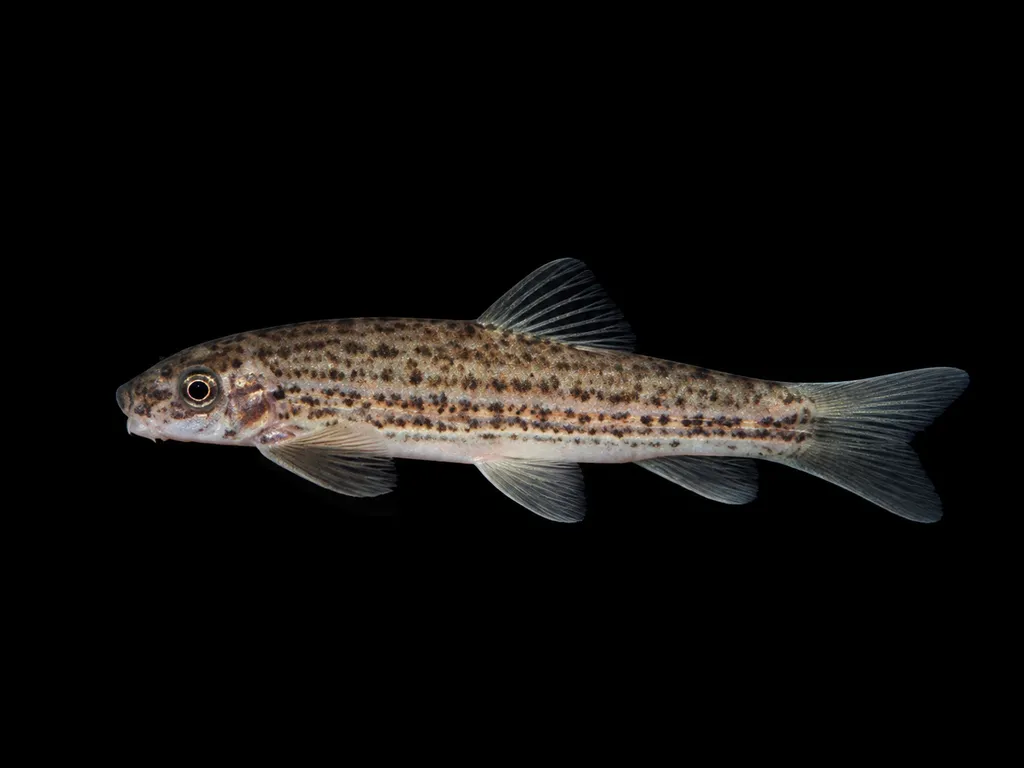 5.9 in (15 cm)42 gal (160 L)68–79°F (20–26°C)
Kerala garra
Garra surendranathanii
5.9 in (15 cm) · 42 gal (160 L)
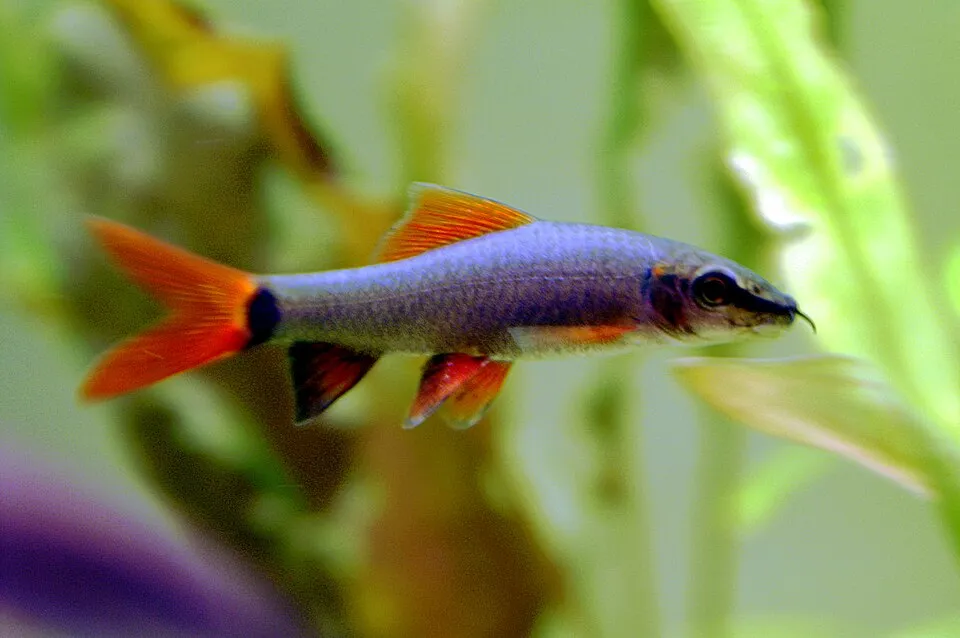 5.9 in (15 cm)63 gal (240 L)68–79°F (20–26°C)
Rainbow shark
Epalzeorhynchos frenatum
5.9 in (15 cm) · 63 gal (240 L)
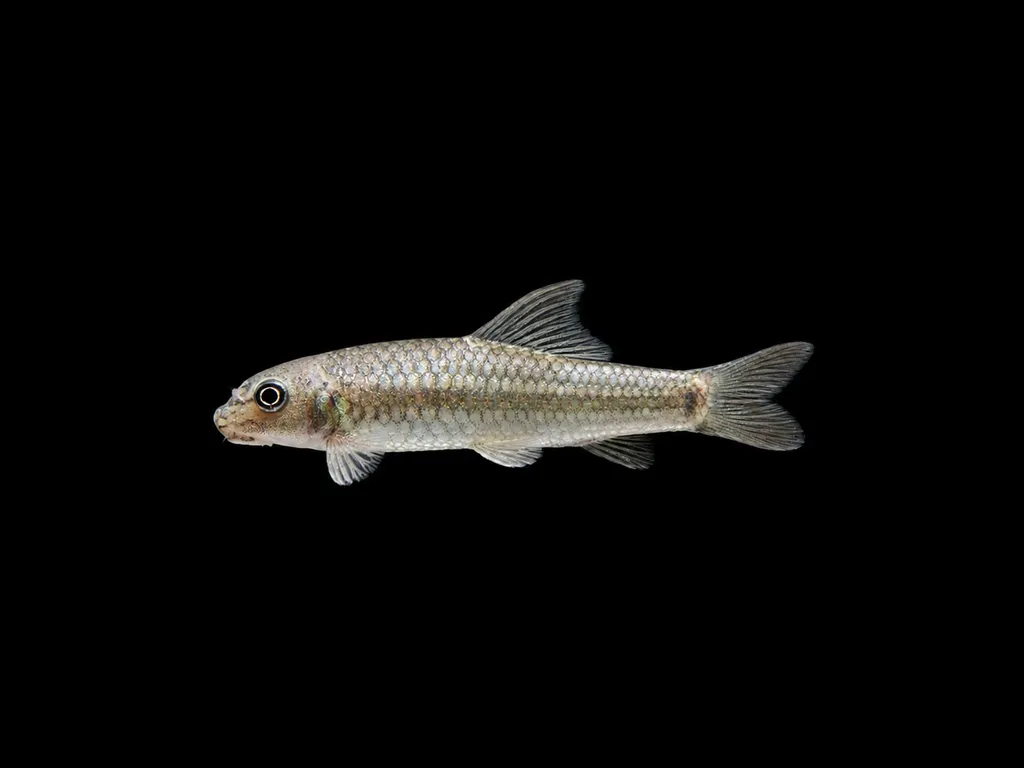 5.9 in (15 cm)42 gal (160 L)64–77°F (18–25°C)
Sucker-head garra
Garra gotyla
5.9 in (15 cm) · 42 gal (160 L)
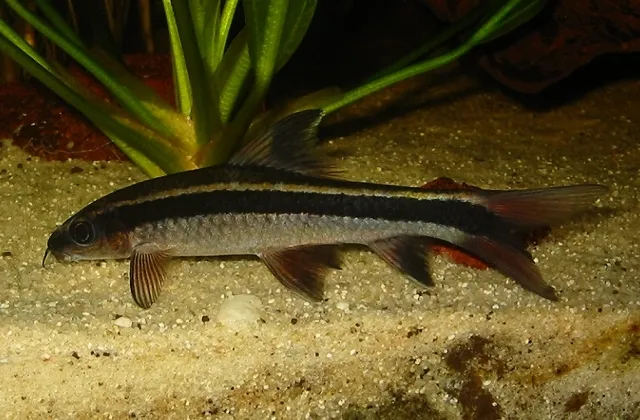 6.3 in (16 cm)63 gal (240 L)68–79°F (20–26°C)
Flying fox
Epalzeorhynchos kalopterum
6.3 in (16 cm) · 63 gal (240 L)
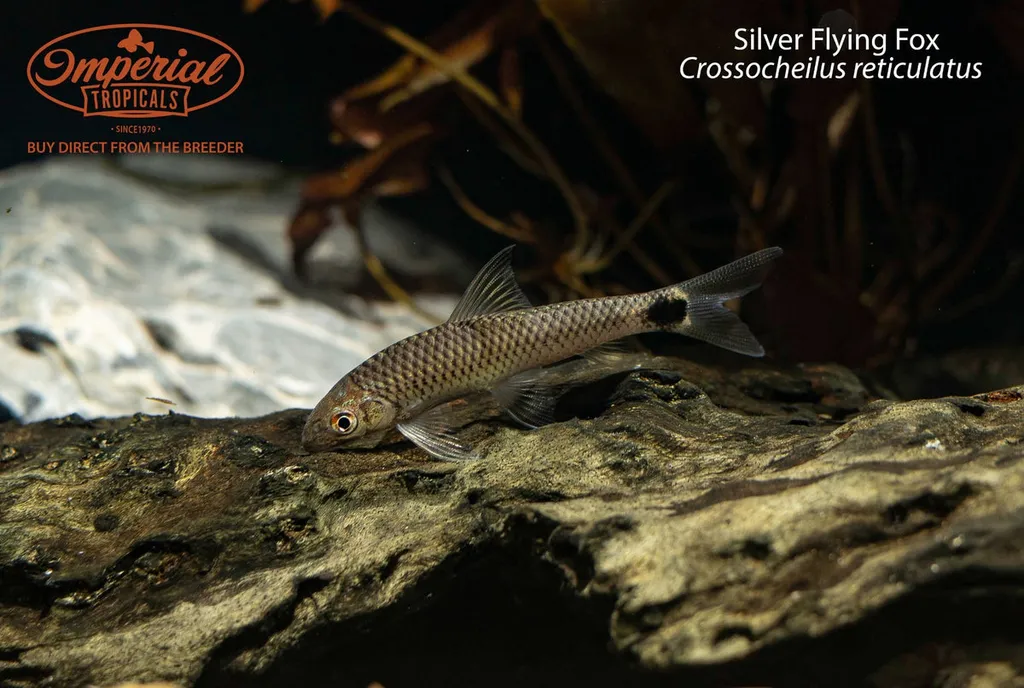 6.3 in (16 cm)53 gal (200 L)64–77°F (18–25°C)
Silver flying fox
Crossocheilus reticulatus
6.3 in (16 cm) · 53 gal (200 L)
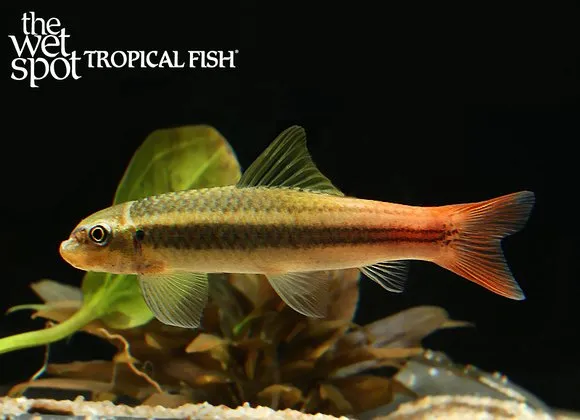 5.1 in (13 cm)42 gal (160 L)72–81°F (22–27°C)
Redtail garra
Garra panitvongi
5.1 in (13 cm) · 42 gal (160 L)