One species · 1 variety
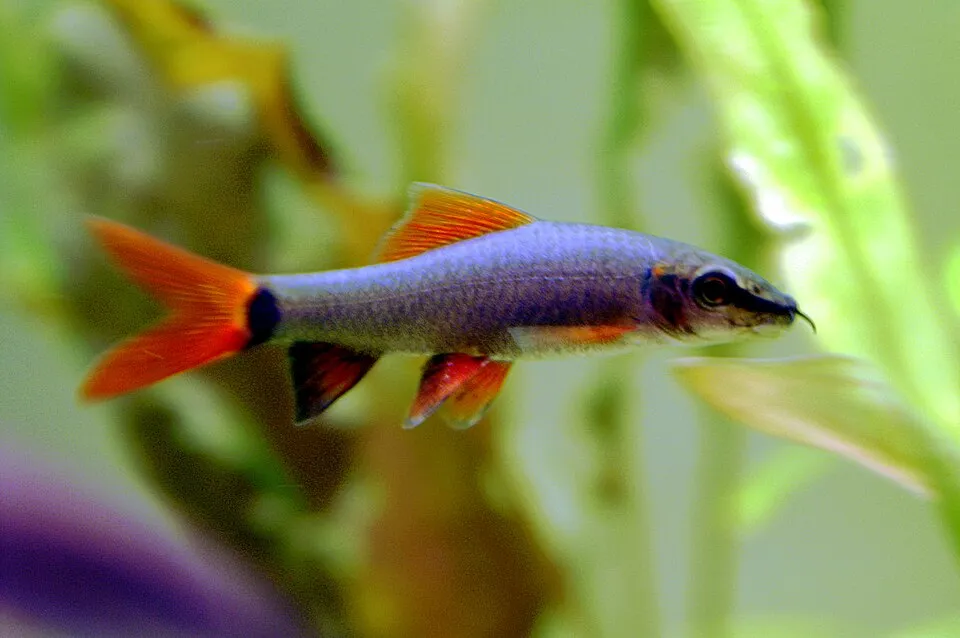
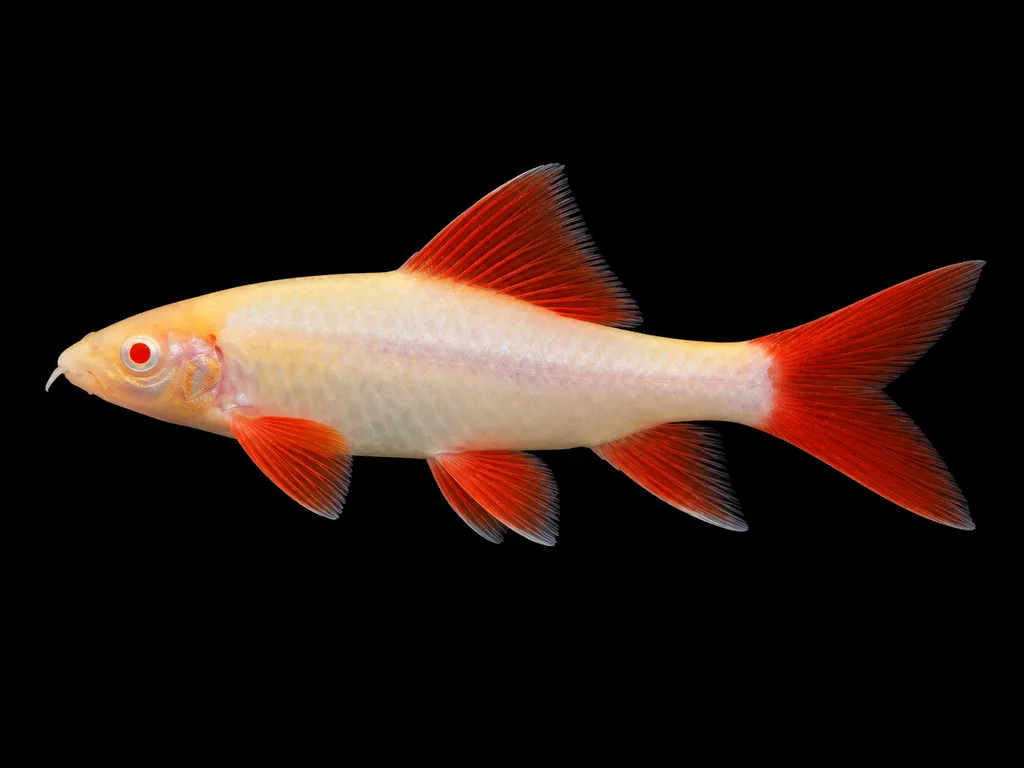
Rainbow shark
Epalzeorhynchos frenatum
FreshwaterFish
Care at a glance
- Temperature
- 68–79°F
- 20–26°C
- pH
- 6.5–7.5
- Adult size
- 5.9 in
- 15 cm
- Minimum tank
- 63 gal
- 240 L
- Temperament
- Mostly peaceful
- Social behavior
- Solitary
- Own kind
- One per tank
- Tankmates
- With caution
- Swim level
- Bottom
- Difficulty
- Medium
- Breeding
- No record
- Rarity
- Common
- Family
- Cyprinidae
- Origin
- Thailand, Laos, Cambodia
Pick a variety
One setup covers every line on this page: care is the species' care.
Overview
The rainbow shark is a territorial bottom dweller that needs a roomy tank and tank mates chosen with caution. It suits a keeper past the beginner stage.
Did you know
Rainbow sharks get more aggressive as they mature. They are especially rough on anything that resembles them, including red-tailed sharks and other rainbow sharks.
Caring for the rainbow shark
Give a rainbow shark a roomy tank of at least 63 gal (240 L), with a sand or smooth gravel bottom. Add caves, rocks and wood for it to claim as territory, and break up clear sight lines with decor. Hiding spots matter, since this fish wants a base to defend.
Keep the water at 68 to 79°F (20 to 26°C) and a pH of 6.5 to 7.5. It eats algae, sinking pellets and frozen foods.
Keep one per tank, since it is solitary and territorial toward its own kind and similar-looking fish. It lives on the bottom, so house it with active fish of the middle and upper levels that it can largely ignore. Avoid other bottom dwellers, which it will harass.
Rainbow sharks are rarely recorded breeding in home aquariums. Most in the trade are raised commercially with hormones.
Good to know
The rainbow shark is a member of the Cyprinidae, the carp and minnow family, and not a true shark. It is named for its tall, sail-like dorsal fin. The wild population has declined, though aquarium stock is plentiful.
In the wild
Rainbow sharks come from rivers and streams in Thailand, Laos and Cambodia. They graze biofilm and algae off the bottom there and patrol a patch of riverbed.
From published sources
Tank mates
Each fish here is named as a tank mate for the rainbow shark by at least two published care guides. Keep one rainbow shark per tank, add it last, and choose tank mates that swim above the bottom.
Sources: Seriously Fish, Aquarium Source, Fishkeeping World, Imperial Tropicals.
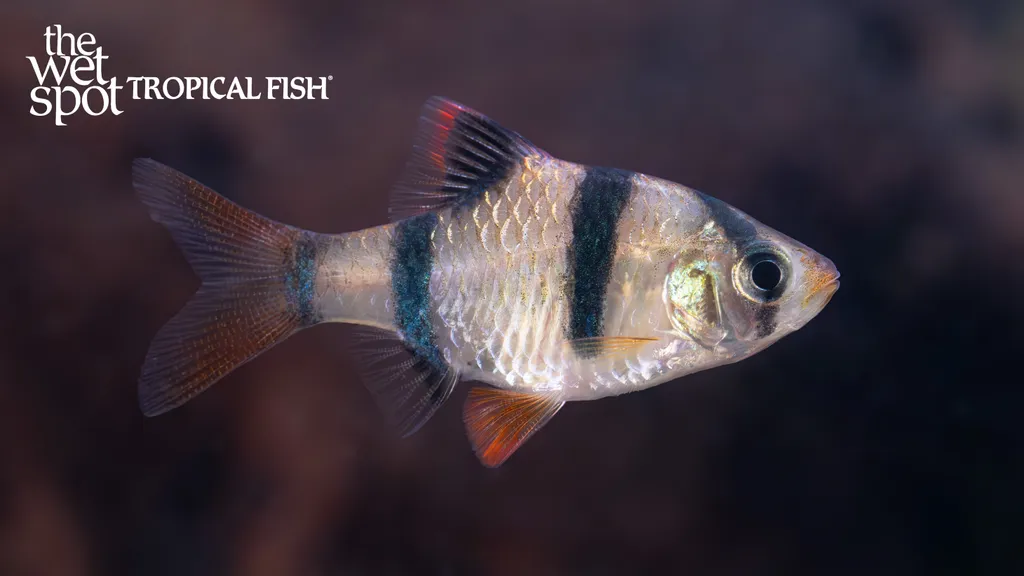
Tiger barb
Puntigrus tetrazona
Freshwater2.8 in (7 cm) · 20 gal (75 L)68–79°F (20–26°C)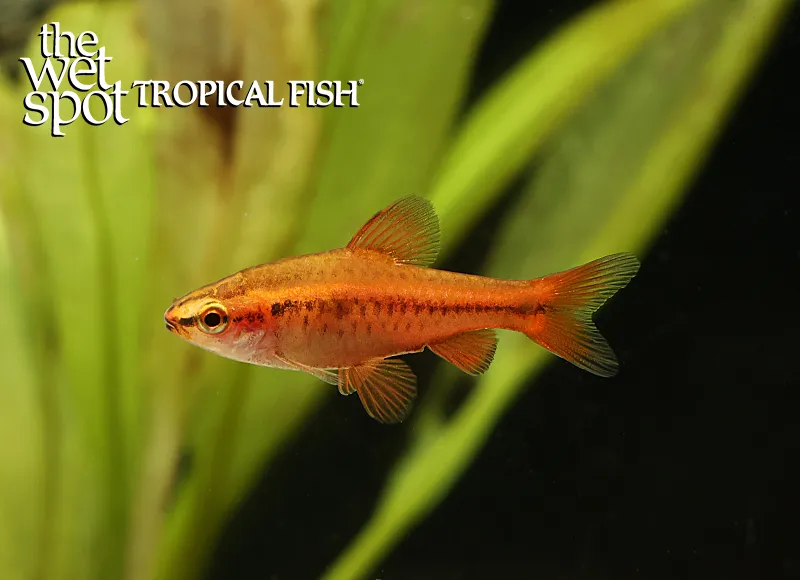
Cherry barb
Rohanella titteya
Freshwater2 in (5 cm) · 14 gal (54 L)72–81°F (22–27°C)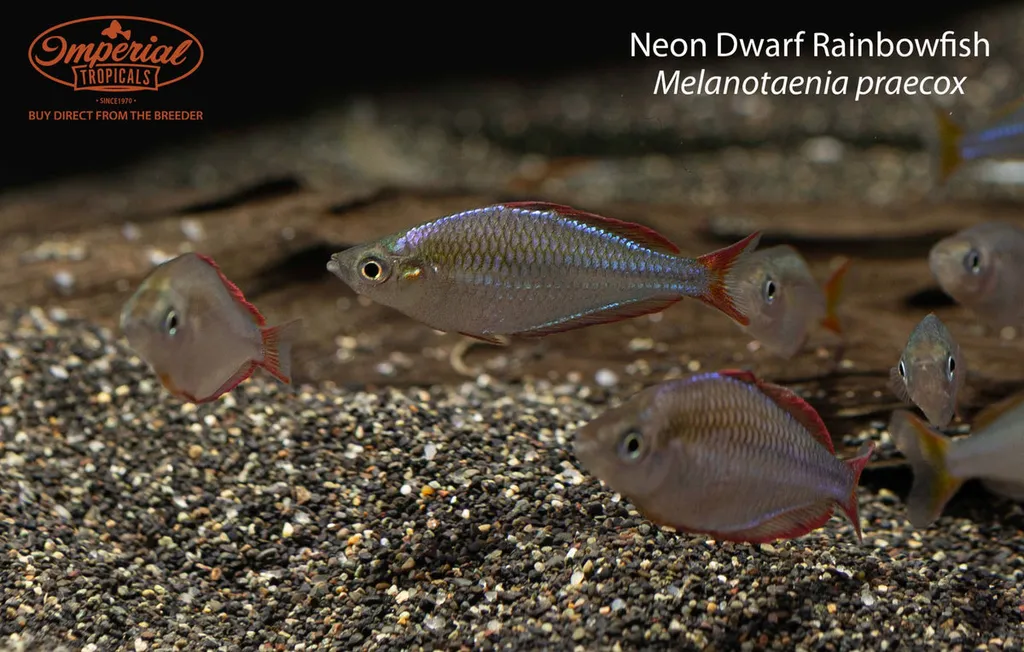
Neon rainbowfish
Melanotaenia praecox
Freshwater3.1 in (8 cm) · 20 gal (76 L)73–82°F (23–28°C)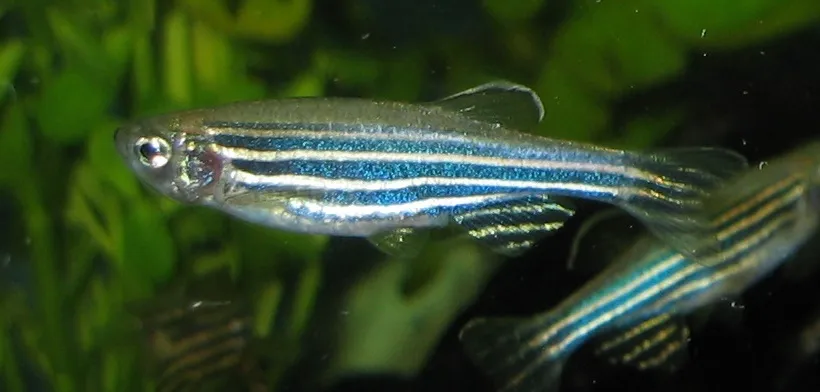
Zebra danio
Danio rerio
Freshwater2 in (5 cm) · 11 gal (41 L)64–75°F (18–24°C)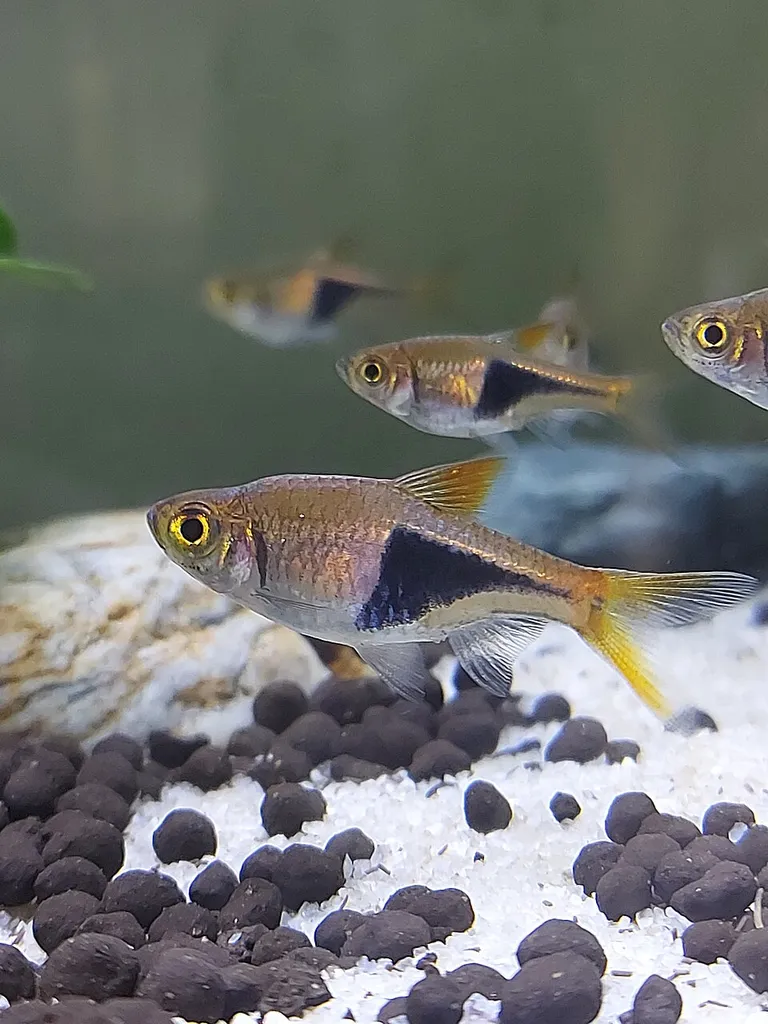
Harlequin rasbora
Trigonostigma heteromorpha
Freshwater2 in (5 cm) · 15 gal (55 L)72–82°F (22–28°C)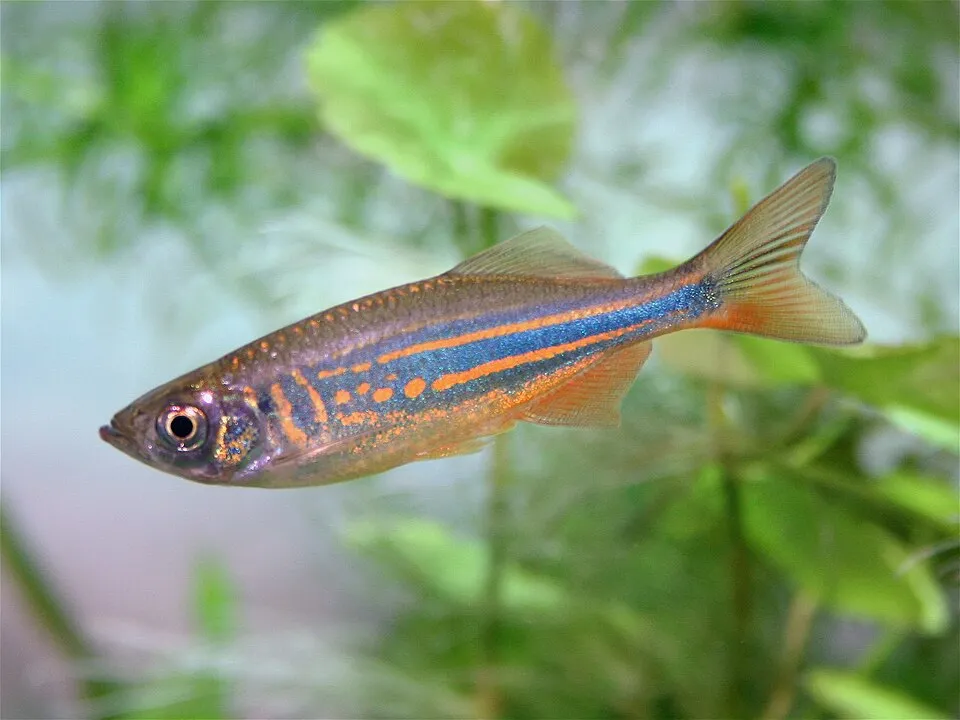
Giant danio
Devario aequipinnatus
Freshwater5.9 in (15 cm) · 50 gal (190 L)72–81°F (22–27°C)
Common questions
What size tank does a rainbow shark need?
A rainbow shark needs at least 63 gal (240 L). It spends most of its time in the bottom.
What temperature and pH does a rainbow shark need?
A rainbow shark is comfortable at 68–79°F (20–26°C) with a pH of 6.5–7.5.
What does a rainbow shark eat?
A rainbow shark eats algae, along with sinking pellets and frozen foods.
How big does a rainbow shark get?
An adult rainbow shark reaches about 5.9 in (15 cm).
How does a rainbow shark breed?
Rainbow sharks are rarely recorded breeding in home aquariums. Most of those in the trade are raised commercially with the help of hormones.
What fish can live with the rainbow shark?
Published care guides name tiger barb, cherry barb, neon rainbowfish and zebra danio, among others. Keep one rainbow shark per tank, add it last, and choose tank mates that swim above the bottom.
Related species
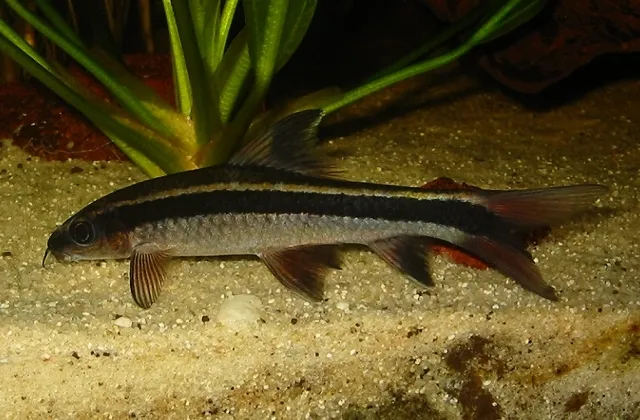 6.3 in (16 cm)63 gal (240 L)68–79°F (20–26°C)
Flying fox
Epalzeorhynchos kalopterum
6.3 in (16 cm) · 63 gal (240 L)
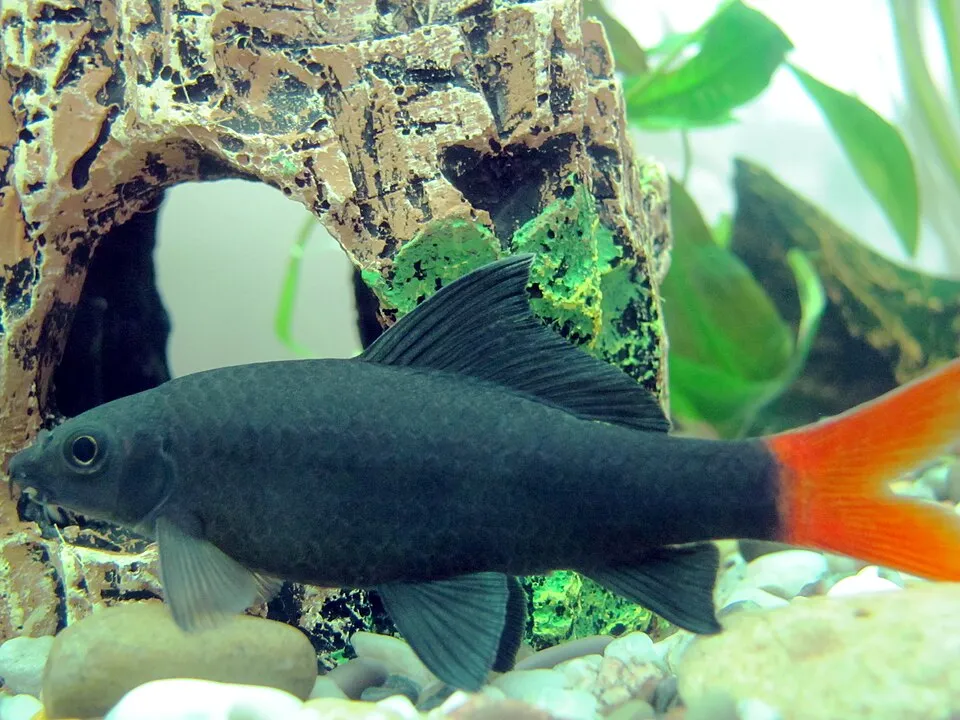 4.7 in (12 cm)63 gal (240 L)68–79°F (20–26°C)
Red-tailed black shark
Epalzeorhynchos bicolor
4.7 in (12 cm) · 63 gal (240 L)
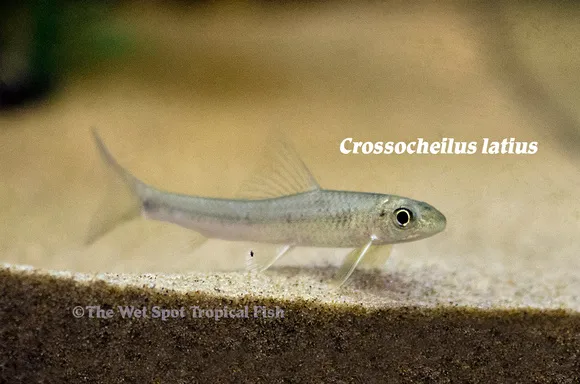 5.9 in (15 cm)42 gal (160 L)64–77°F (18–25°C)
Gangetic latia
Tariqilabeo latius
5.9 in (15 cm) · 42 gal (160 L)
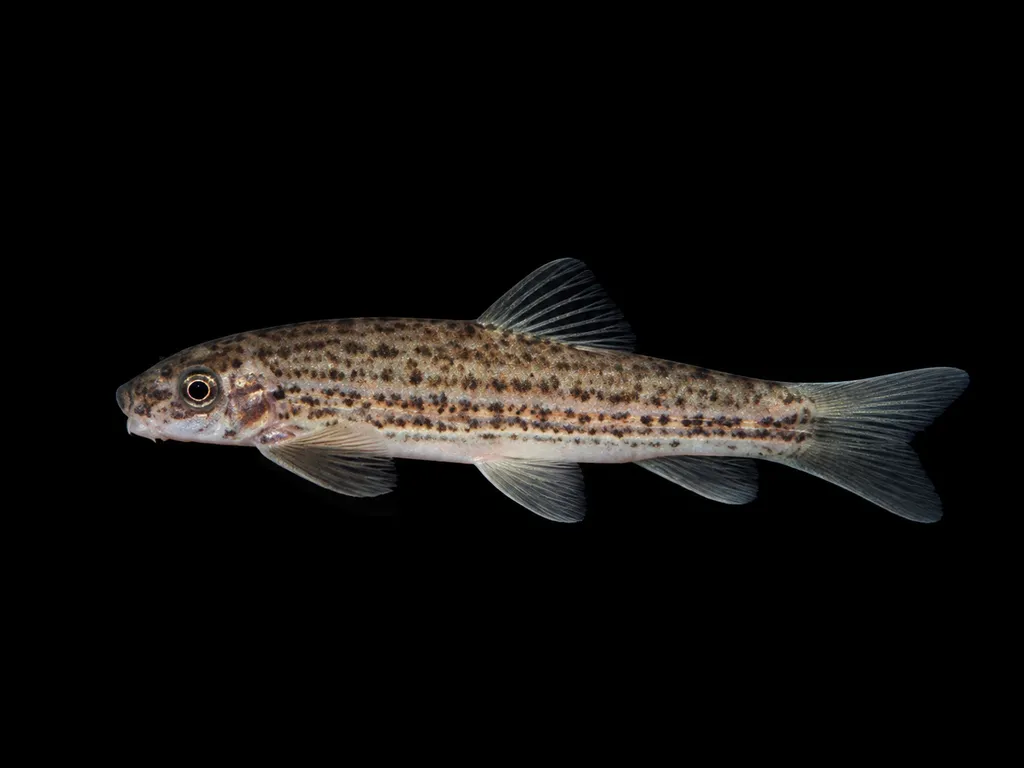 5.9 in (15 cm)42 gal (160 L)68–79°F (20–26°C)
Kerala garra
Garra surendranathanii
5.9 in (15 cm) · 42 gal (160 L)
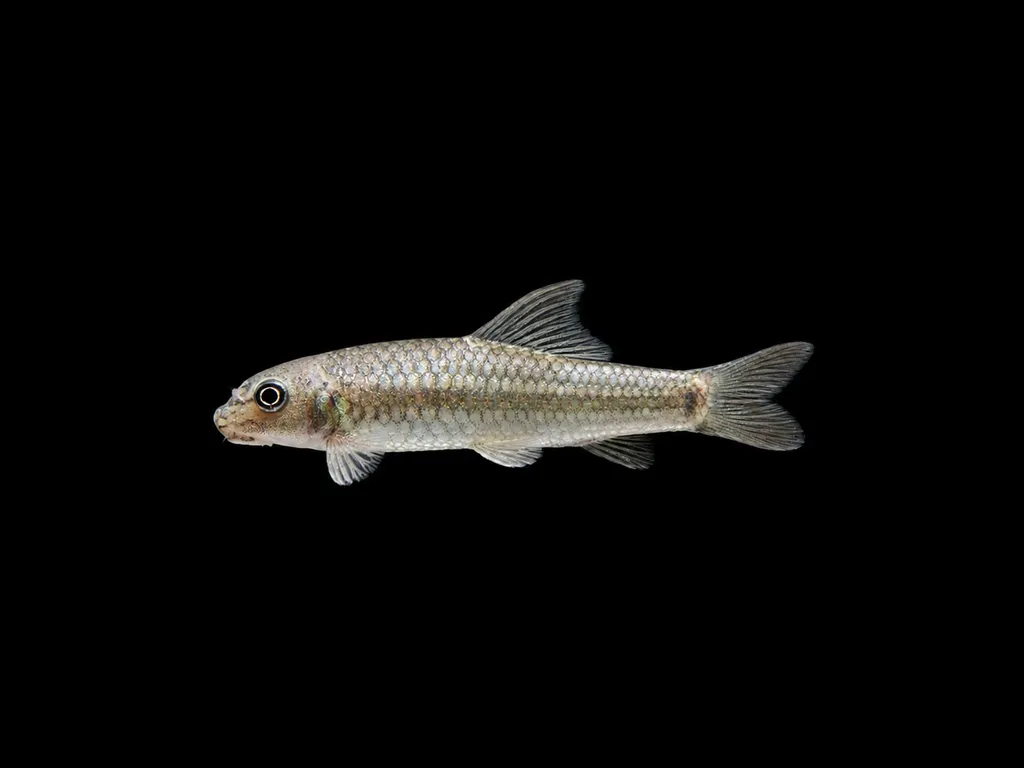 5.9 in (15 cm)42 gal (160 L)64–77°F (18–25°C)
Sucker-head garra
Garra gotyla
5.9 in (15 cm) · 42 gal (160 L)
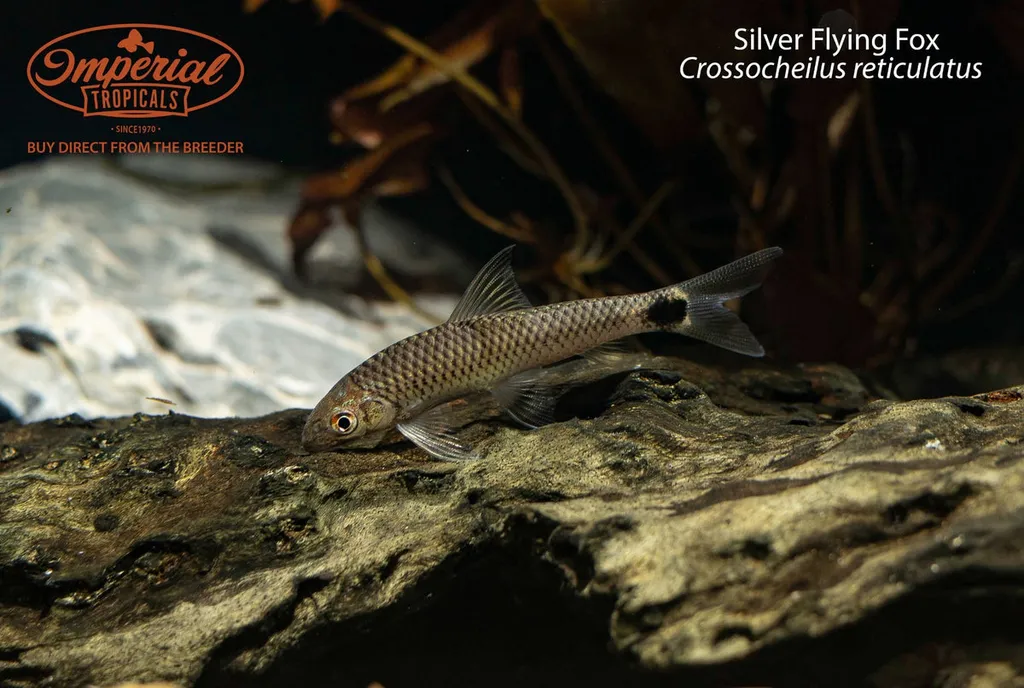 6.3 in (16 cm)53 gal (200 L)64–77°F (18–25°C)
Silver flying fox
Crossocheilus reticulatus
6.3 in (16 cm) · 53 gal (200 L)