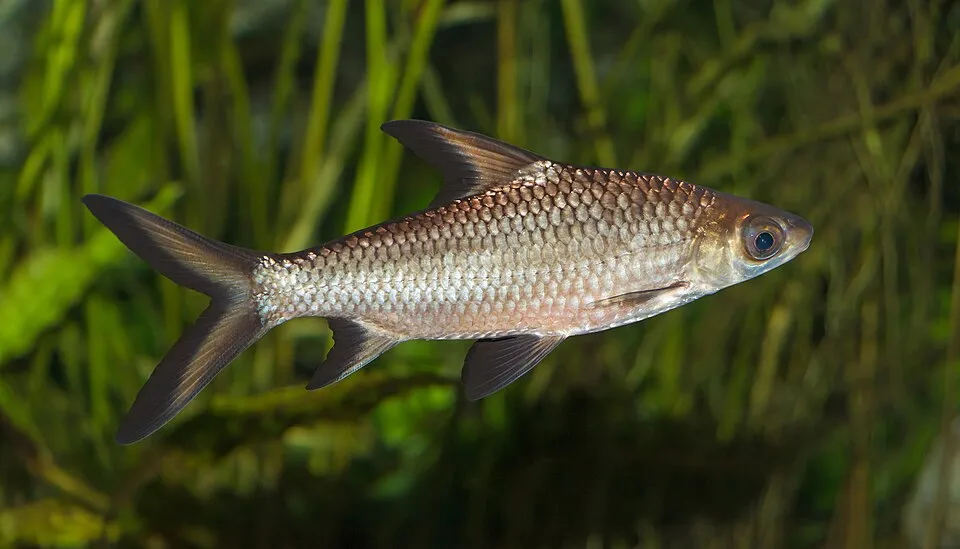
Silver shark
Balantiocheilos melanopterus
Also known as Bala shark, Balantiocheilus melanopterus
FreshwaterFish
Care at a glance
- Temperature
- 72–82°F
- 22–28°C
- pH
- 6.0–7.5
- Adult size
- 15.7 in
- 40 cm
- Minimum tank
- 227 gal
- 860 L
- Temperament
- Mostly peaceful
- Social behavior
- Social
- Tankmates
- With caution
- Swim level
- Middle
- Difficulty
- Easy
- Breeding
- No record
- Rarity
- Common
- Family
- Cyprinidae
- Origin
- Borneo, Sumatra
Overview
The silver shark is a big, fast-swimming fish that holds the middle of the water column. It is easy to keep, but it grows far too large for a standard community tank.
Caring for the silver shark
Plan on a very large tank of at least 227 gal (860 L) for silver sharks. They live in open water, so they need length and swimming room rather than caves. Keep a tight-fitting lid on the tank. These fish are skittish and powerful, and a sudden scare can send them slamming into the glass or leaping out.
Keep the water soft to neutral and warm, at 72 to 82°F (22 to 28°C) with a pH of 6.0 to 7.5. Run strong filtration. They are easy to feed and take flakes, pellets and frozen foods.
Silver sharks are social, fast swimmers and do fine alone or in a group. If you keep a group, make it at least four or five fish. They are mostly peaceful, but small tank mates can end up as snacks, so choose their company with caution.
There is no consistent record of silver sharks breeding in home aquariums. Farmed stock is produced with hormones.
Good to know
The silver shark is also called the bala shark. It has a silver body with black-edged fins, and its wild populations have declined sharply.
In the wild
Silver sharks come from large rivers and lakes in Borneo and Sumatra. There they swim in big groups through open, flowing water.
From published sources
Tank mates
Each fish here is named as a tank mate for the silver shark by at least two published care guides. Silver sharks need a group of five or more and, as adults, a tank of about 230 gallons (860 liters).
Sources: Seriously Fish, TropicalFreshwaterFish, Aquatic Arts, Aquarium Source, Fishkeeping World, FishLab, Tankarium.
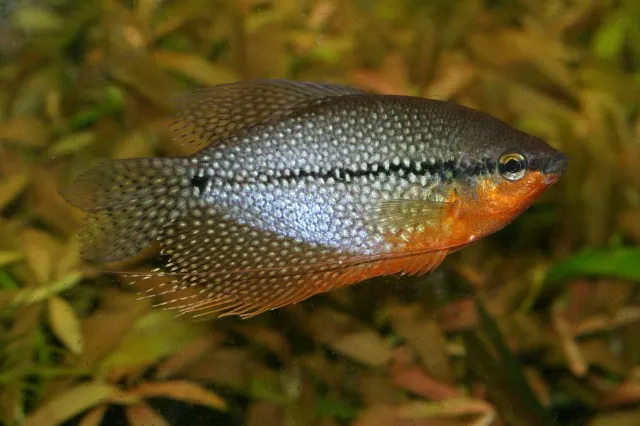
Pearl gourami
Trichopodus leerii
Freshwater4.7 in (12 cm) · 29 gal (111 L)75–86°F (24–30°C)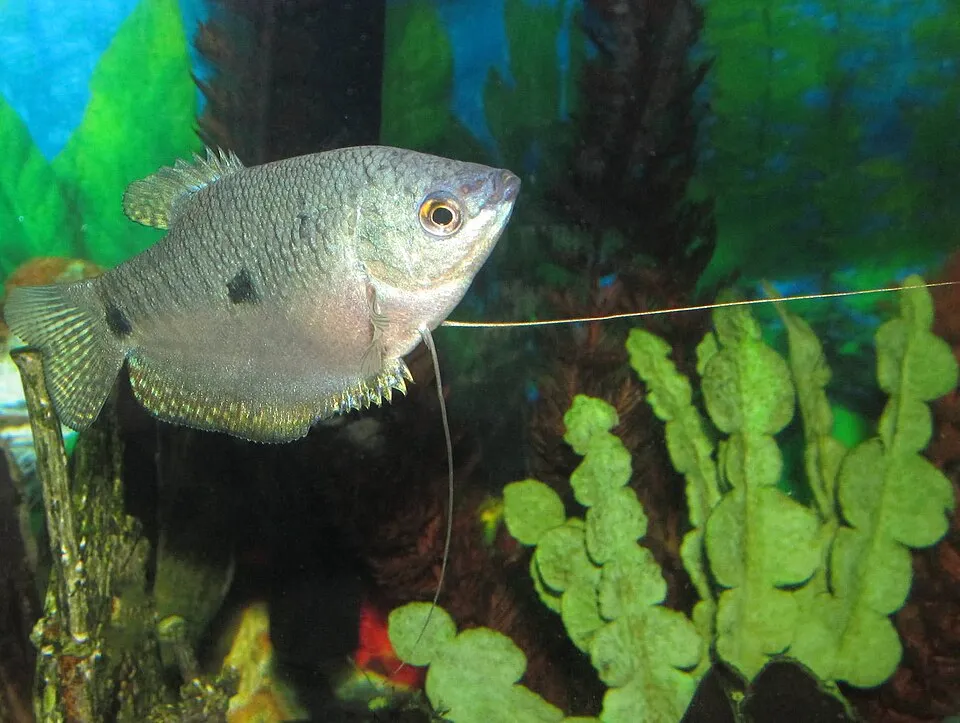
Three spot gourami
Trichopodus trichopterus
Freshwater5.1 in (13 cm) · 30 gal (115 L)75–86°F (24–30°C)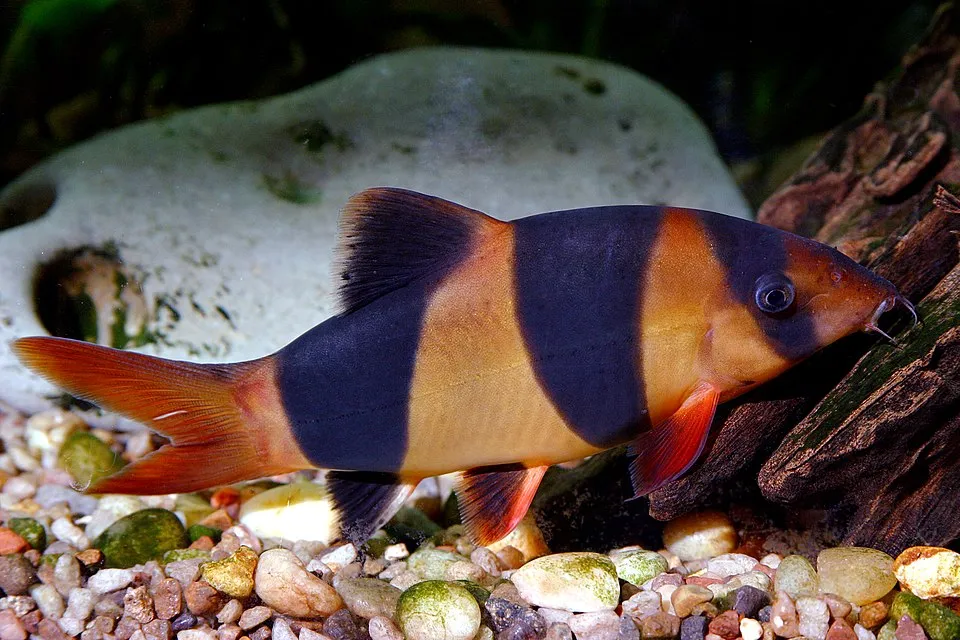
Clown loach
Chromobotia macracanthus
Freshwater11.8 in (30 cm) · 75 gal (285 L)75–86°F (24–30°C)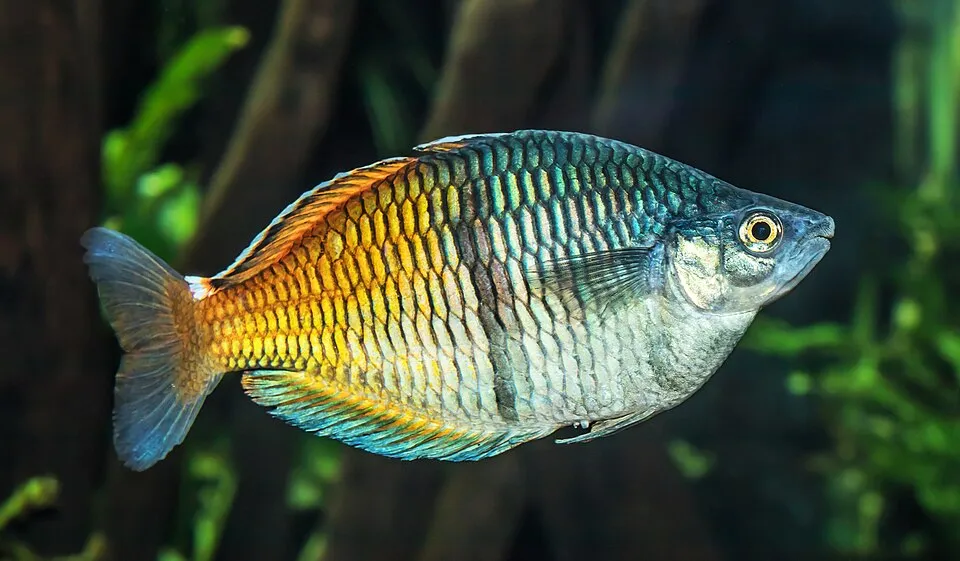
Boeseman's rainbowfish
Melanotaenia boesemani
Freshwater4.3 in (11 cm) · 29 gal (108 L)81–86°F (27–30°C)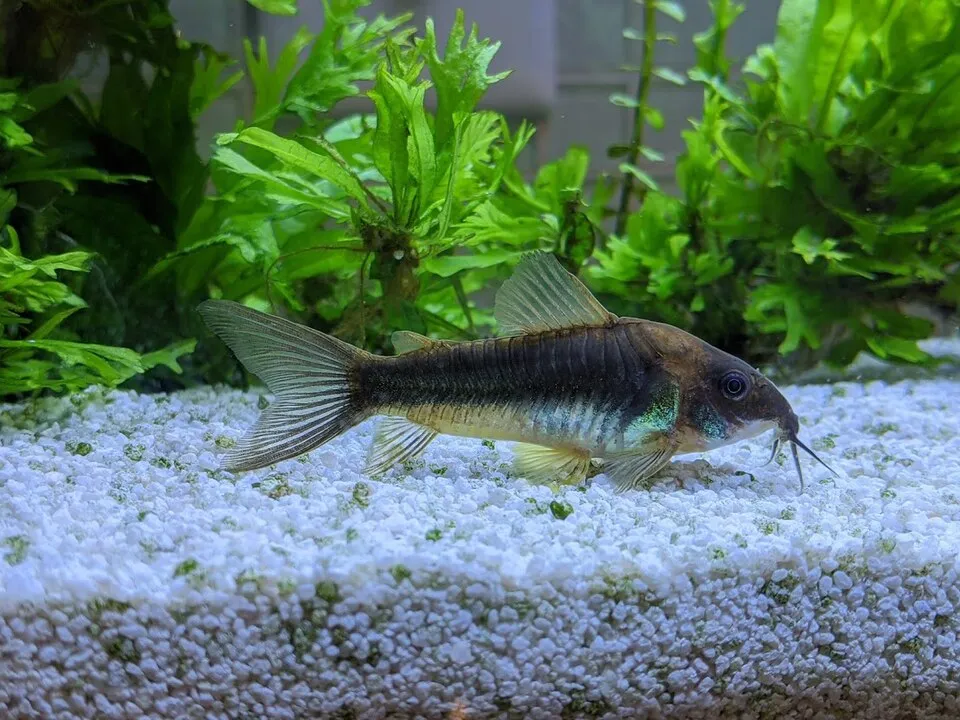
Bronze cory
Osteogaster aenea
Freshwater3 in (7.5 cm) · 17 gal (63 L)70–81°F (21–27°C)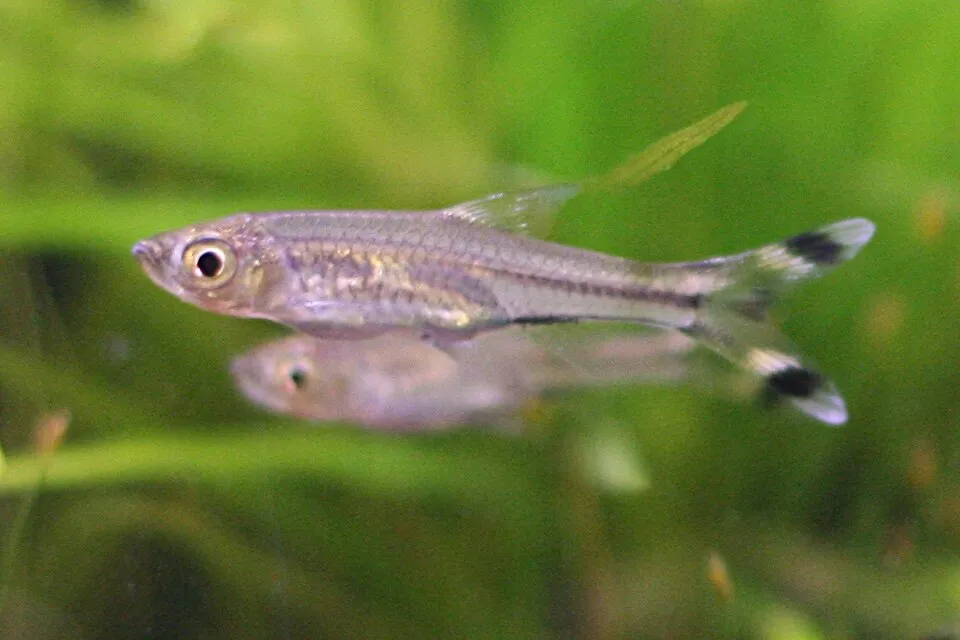
Scissortail rasbora
Rasbora trilineata
Freshwater5.5 in (14 cm) · 45 gal (170 L)72–77°F (22–25°C)
Common questions
What size tank does a silver shark need?
A silver shark needs at least 227 gal (860 L). It spends most of its time in the middle.
What temperature and pH does a silver shark need?
A silver shark is comfortable at 72–82°F (22–28°C) with a pH of 6.0–7.5.
What does a silver shark eat?
A silver shark is easy to feed and takes flakes, pellets and frozen foods.
How big does a silver shark get?
An adult silver shark reaches about 15.7 in (40 cm).
How does a silver shark breed?
Silver sharks have no consistent record of breeding in home aquariums. Fish farms produce their stock with hormones.
What fish can live with the silver shark?
Published care guides name pearl gourami, three spot gourami, clown loach and Boeseman's rainbowfish, among others. Silver sharks need a group of five or more and, as adults, a tank of about 230 gallons (860 liters).
Related species
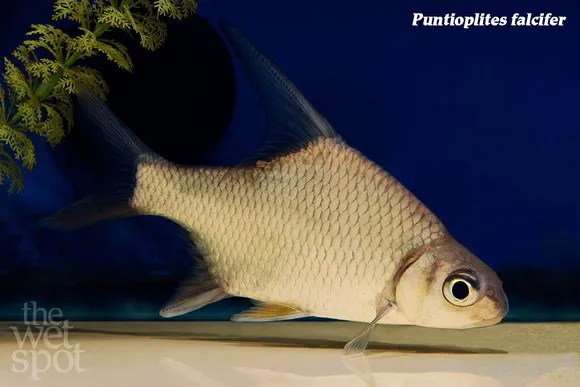 15.7 in (40 cm)264 gal (1,000 L)73–82°F (23–28°C)
Sickle-fin barb
Puntioplites falcifer
15.7 in (40 cm) · 264 gal (1,000 L)
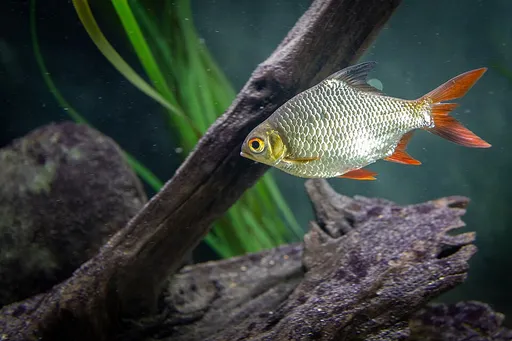 13.8 in (35 cm)180 gal (680 L)72–82°F (22–28°C)
Tinfoil barb
Barbonymus schwanenfeldii
13.8 in (35 cm) · 180 gal (680 L)
- 13.8 in (35 cm)211 gal (800 L)72–82°F (22–28°C)
Red-tail silver shark
Hypselobarbus kurali
13.8 in (35 cm) · 211 gal (800 L)
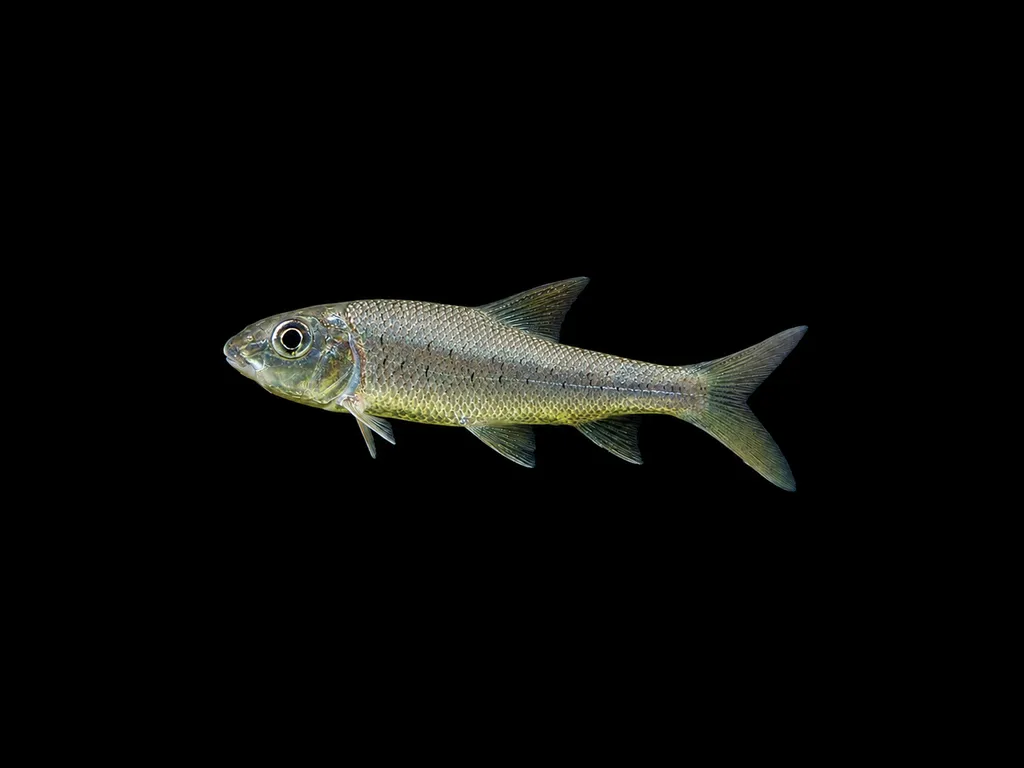 19.7 in (50 cm)317 gal (1,200 L)61–79°F (16–26°C)
Shovelmouth barb
Chagunius chagunio
19.7 in (50 cm) · 317 gal (1,200 L)
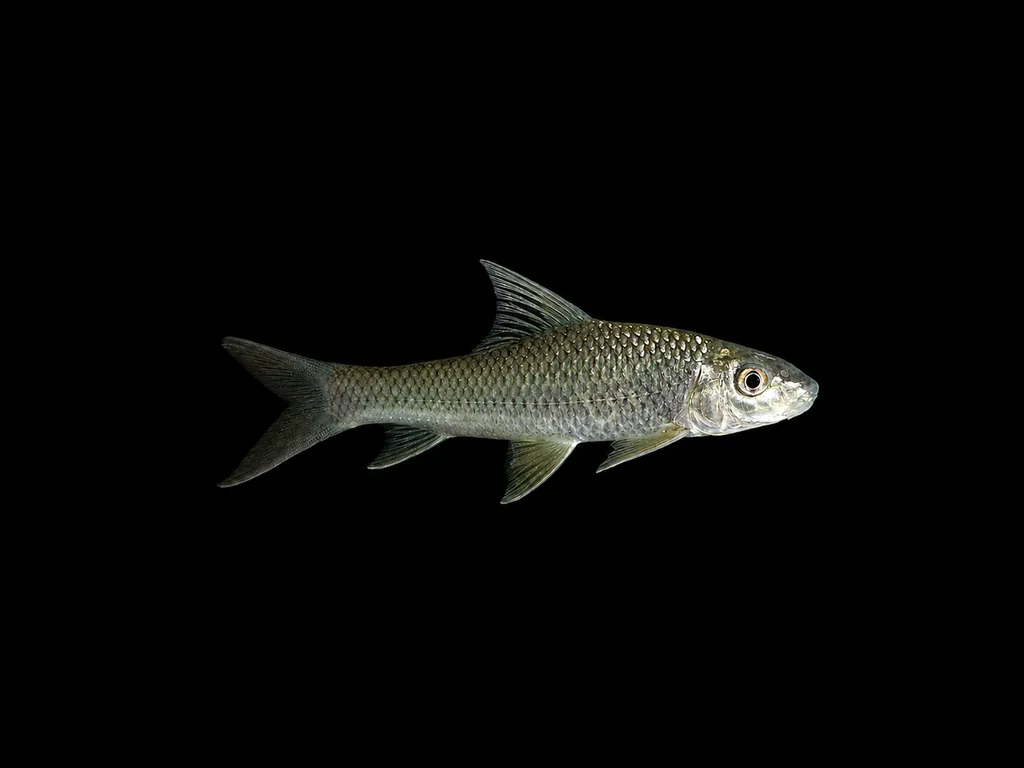 12.2 in (31 cm)159 gal (600 L)72–82°F (22–28°C)
Sucker barb
Barbichthys laevis
12.2 in (31 cm) · 159 gal (600 L)
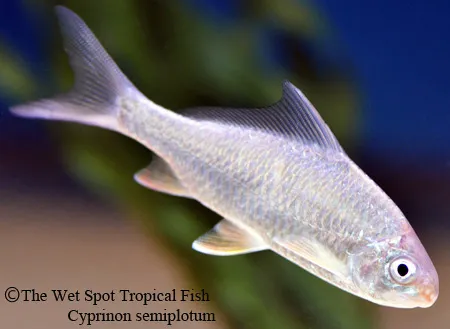 23.6 in (60 cm)396 gal (1,500 L)61–77°F (16–25°C)
Emperor round-face barb
Cyprinion semiplotum
23.6 in (60 cm) · 396 gal (1,500 L)