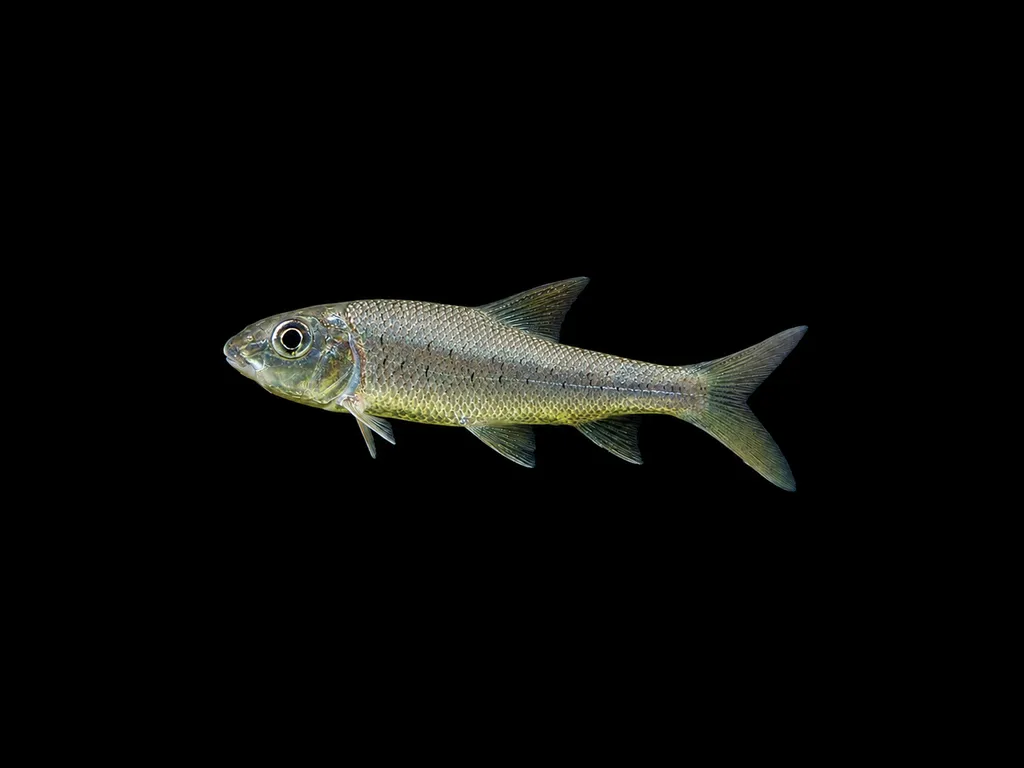
Shovelmouth barb
Chagunius chagunio
Also known as Chaguni
FreshwaterFish
Care at a glance
- Temperature
- 61–79°F
- 16–26°C
- pH
- 6.5–7.8
- Adult size
- 19.7 in
- 50 cm
- Minimum tank
- 317 gal
- 1,200 L
- Temperament
- Mostly peaceful
- Social behavior
- Schooling
- Swim level
- Middle
- Diet
- Omnivore
- Difficulty
- Difficult
- Breeding
- No record
- Rarity
- Rare
- Family
- Cyprinidae
- Origin
- Ganges and Brahmaputra drainages, India and Nepal
Overview
The shovelmouth barb is a heavy, mostly peaceful river barb for a pond or show tank rather than a living-room setup. It is a fish for experienced keepers.
Did you know
The shovelmouth barb's scientific name comes from a local Bengali name, chaguni. Both the species and its whole genus, Chagunius, still carry that borrowed name.
Caring for the shovelmouth barb
Keep shovelmouth barbs in a group, since they shoal in the wild and really want numbers. Plan on at least 317 gal (1,200 L), and a proper group needs far more. They patrol the middle and lower water and need long, open, current-swept space.
Give them strong current, a bed of rock and gravel, and lots of open water. Keep the water at 61 to 79°F (16 to 26°C), cooler in winter, with a pH of 6.5 to 7.8. Keep oxygen and turnover high.
Feed meaty and vegetable foods on the bottom, such as large sinking pellets, prawn, mussel, earthworms and blanched greens. The shovelmouth barb is mostly peaceful for its bulk and will not hunt tank mates it cannot swallow. It dwarfs ordinary community fish, so companions must be large, calm and coolwater-tolerant.
Breeding males develop a mask of nuptial tubercles that densely covers the snout and cheeks. Shovelmouth barbs spawn in rivers and are not bred in home aquariums.
Good to know
Chagunius chagunio is a large member of the carp family, Cyprinidae. Francis Hamilton recorded it in his 1822 account of the fishes of the Ganges.
In the wild
The shovelmouth barb lives in the Ganges and Brahmaputra drainages of India and Nepal. It holds deeper, well-oxygenated runs of foothill rivers that stay cool for much of the year.
Weekly picks
Tank mates
The shovelmouth barb is a mostly peaceful, schooling species that keeps to the middle. These picks share a community profile with it, are safe together in both directions, and overlap on water type, temperature and pH.
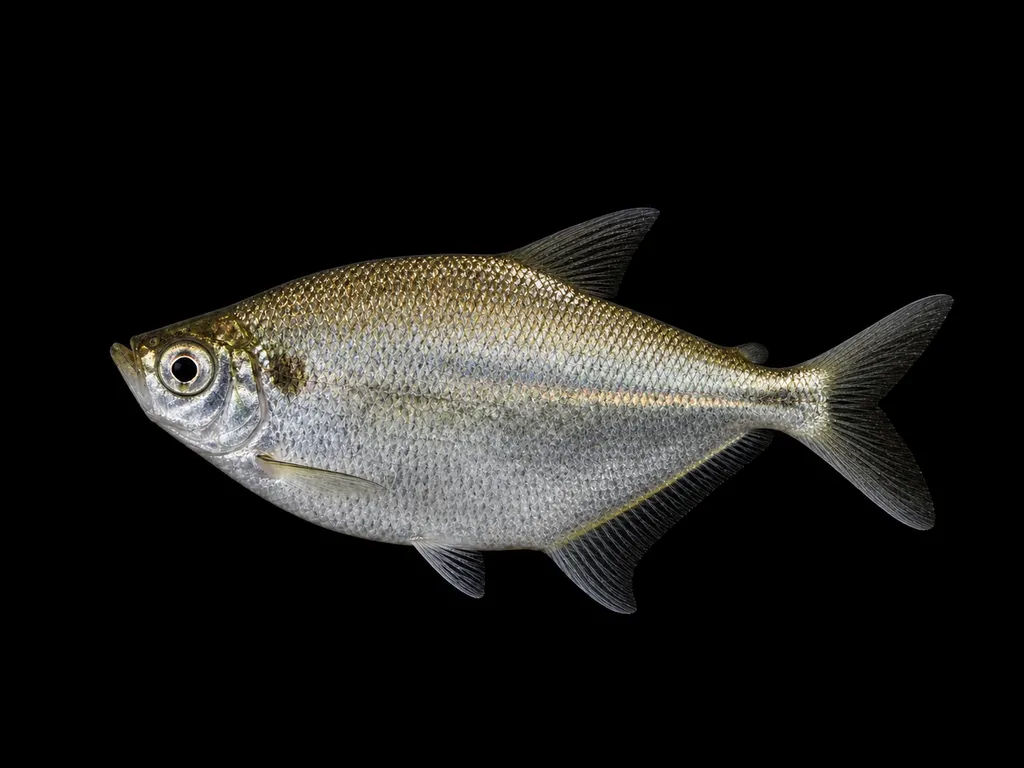
Giant river hatchetfish
Triportheus rotundatus
Freshwater9.8 in (25 cm) · 79 gal (300 L)73–82°F (23–28°C)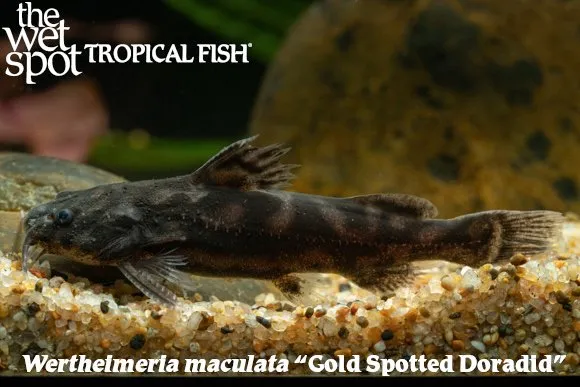
Gold-spotted doradid
Wertheimeria maculata
Freshwater11.8 in (30 cm) · 106 gal (400 L)68–79°F (20–26°C)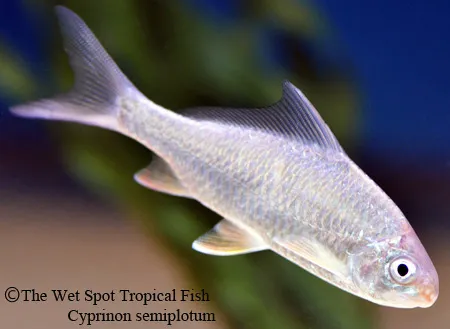
Emperor round-face barb
Cyprinion semiplotum
Freshwater23.6 in (60 cm) · 396 gal (1,500 L)61–77°F (16–25°C)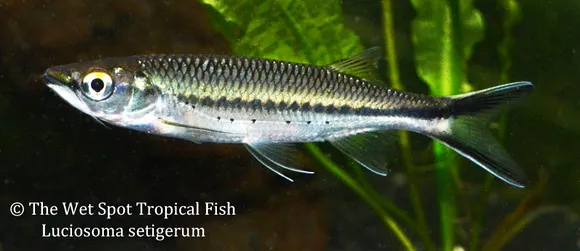
Apollo shark minnow
Luciosoma setigerum
Freshwater11.8 in (30 cm) · 106 gal (400 L)72–81°F (22–27°C)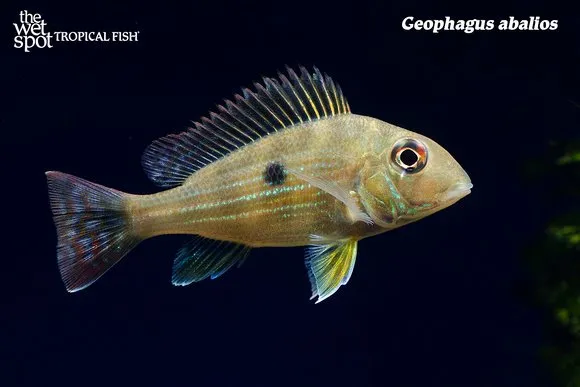
Abalios eartheater
Geophagus abalios
Freshwater9.8 in (25 cm) · 172 gal (650 L)77–84°F (25–29°C)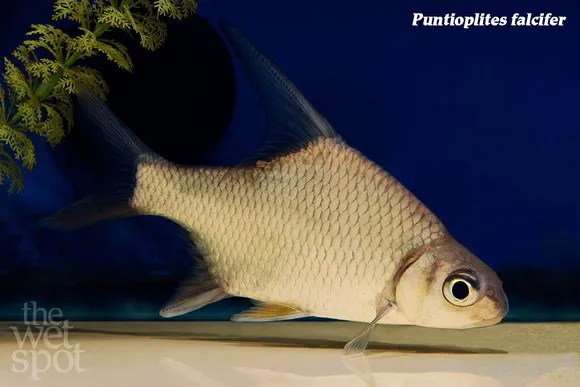
Sickle-fin barb
Puntioplites falcifer
Freshwater15.7 in (40 cm) · 264 gal (1,000 L)73–82°F (23–28°C)
Common questions
What size tank does a shovelmouth barb need?
A shovelmouth barb needs at least 317 gal (1,200 L). It spends most of its time in the middle.
What temperature and pH does a shovelmouth barb need?
A shovelmouth barb is comfortable at 61–79°F (16–26°C) with a pH of 6.5–7.8.
What does a shovelmouth barb eat?
A shovelmouth barb eats meaty and vegetable foods from the bottom. Offer large sinking pellets, prawn, mussel, earthworms and blanched greens.
How big does a shovelmouth barb get?
An adult shovelmouth barb reaches about 19.7 in (50 cm).
Does a shovelmouth barb need a group?
Yes. A shovelmouth barb is a schooling species and should be kept in a group, not singly.
How can you tell a male shovelmouth barb from a female?
Males in breeding condition develop a mask of nuptial tubercles that densely covers the snout and cheeks.
How does a shovelmouth barb breed?
The shovelmouth barb is a river spawner and is not bred in home aquariums.
Related species
- 23.6 in (60 cm)396 gal (1,500 L)61–77°F (16–25°C)
Emperor round-face barb
Cyprinion semiplotum
23.6 in (60 cm) · 396 gal (1,500 L)
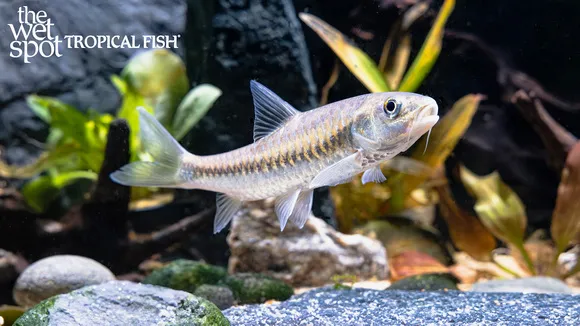 23.6 in (60 cm)238 gal (900 L)64–79°F (18–26°C)
Stracheyi mahseer
Neolissochilus stracheyi
23.6 in (60 cm) · 238 gal (900 L)
- 15.7 in (40 cm)264 gal (1,000 L)73–82°F (23–28°C)
Sickle-fin barb
Puntioplites falcifer
15.7 in (40 cm) · 264 gal (1,000 L)
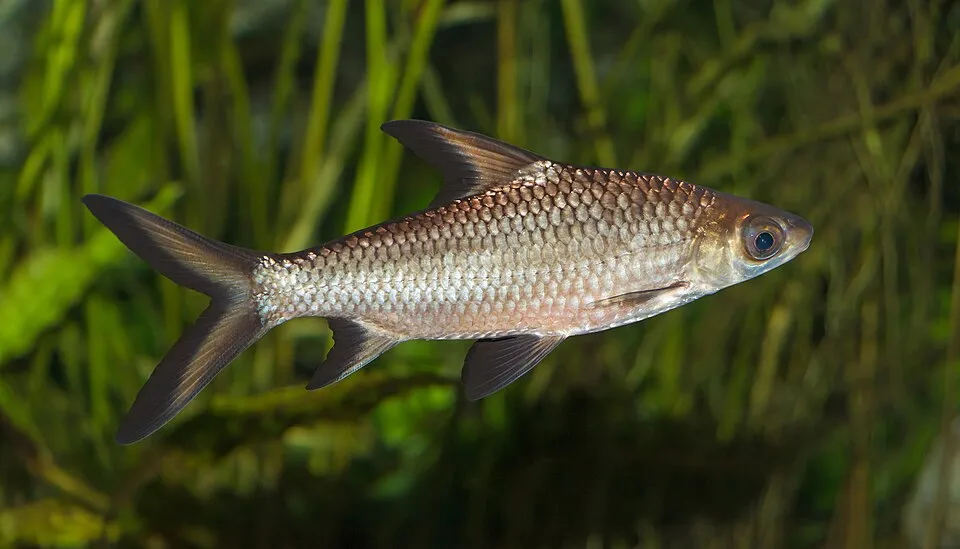 15.7 in (40 cm)227 gal (860 L)72–82°F (22–28°C)
Silver shark
Balantiocheilos melanopterus
15.7 in (40 cm) · 227 gal (860 L)
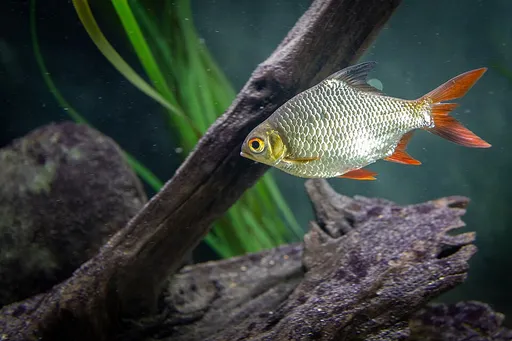 13.8 in (35 cm)180 gal (680 L)72–82°F (22–28°C)
Tinfoil barb
Barbonymus schwanenfeldii
13.8 in (35 cm) · 180 gal (680 L)
- 13.8 in (35 cm)211 gal (800 L)72–82°F (22–28°C)
Red-tail silver shark
Hypselobarbus kurali
13.8 in (35 cm) · 211 gal (800 L)