One species · 1 form
Pygmy chain sword
Helanthium tenellum
Also known as Echinodorus tenellus, Dwarf chain sword, Echinodorus tenellus 'Micro', Echinodorus Tennellus Micro, Helanthium tenellum 'Micro', Pygmy Chain Sword Micro, Micro Chain Sword
FreshwaterCarpetingRunnersPlantlets
Care at a glance
- Light
- Medium light
- CO2
- CO₂ beneficial
- Temperature
- 72–82°F
- 22–28°C
- Max height
- 3.9 in
- 10 cm
- Growth rate
- Medium
- Placement
- Foreground
- Type
- Carpeting
- pH
- 6.0–8.0
- Hardness
- 1–20 dGH
- Spread
- 2 in (5 cm)
- Nutrient uptake
- Root feeder
- Growth region
- Submersed or emersed
- Difficulty
- Easy
- Family
- Alismataceae
- Origin
- North, Central and South America
Pick a form
Broad Leaf wants the same medium light and root tabs as regular pygmy chain sword.

Overview
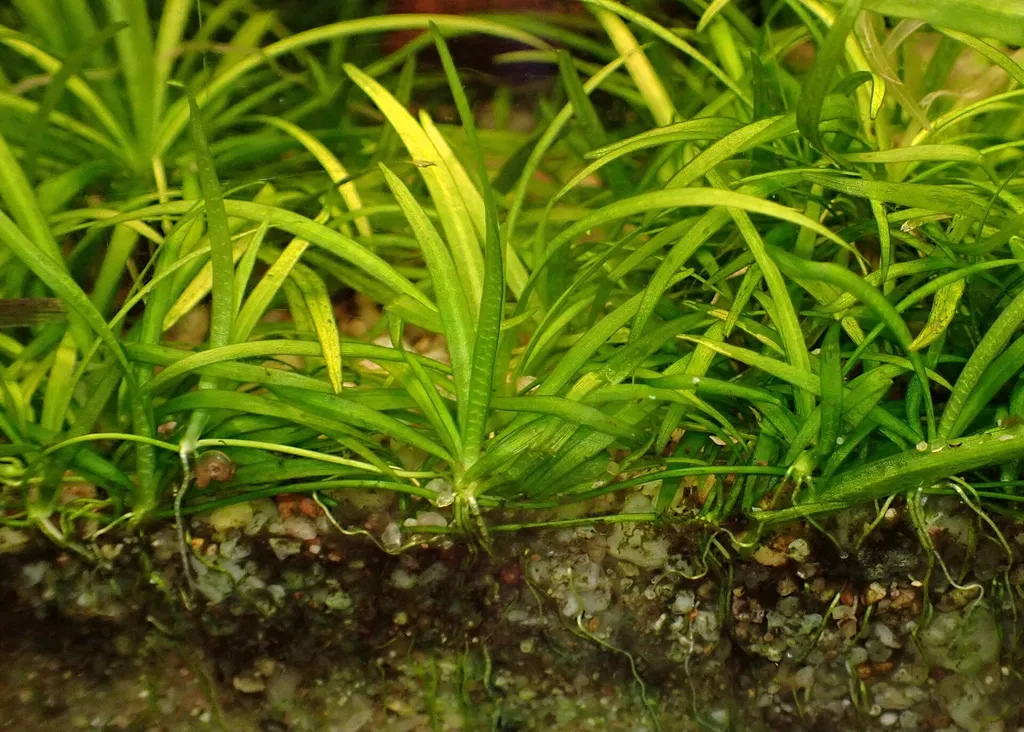
Pygmy chain sword is a classic easy carpeting plant for the foreground. It is a tiny rosette that creeps on thin runners, building chains of plantlets into a grassy turf.
Did you know
Pygmy chain sword is often sold as micro sword, and that name causes constant mix-ups. True micro sword is Lilaeopsis, a different plant, so check the Latin name to know which grass-like carpet you are buying.
Caring for pygmy chain sword
Split pygmy chain sword into small clumps and plant them a few centimeters apart. Plant individual rosettes rather than burying a whole mat, and the runner chains will fill the gaps.
It grows without CO2, but medium light, CO2 and good nutrients give a much denser, faster turf. It is a root feeder, so push root tabs in near it or grow it in a nutrient-rich soil. Keep it at 72 to 82°F (22 to 28°C).
It grows at a medium pace and spreads by runners and plantlets. Trim the runners to steer where it spreads, and cut a daughter plant free once it has roots to start a new patch.
Patchy, leggy growth is the usual problem, and it comes from low light or a lean substrate. Root tabs and decent lighting fix it.
Broad Leaf is the North American form of Helanthium tenellum, from the eastern and southeastern United States. Its underwater leaves run just over 2 mm wide, with the widest point below the middle. The common trade form came from the American tropics, probably Brazil. Its leaves are about 1.5 mm wide, widest above the middle, and olive green to reddish instead of light green.
Broad Leaf was the plant sold as Echinodorus tenellus decades ago. Tropica now sells it as Helanthium tenellum 'Green', and Buce Plant and Glass Aqua sell it as Broad Leaf. Engelmann described this North American plant as Echinodorus parvulus in 1856. Botanists now include that name in H. tenellum, so Broad Leaf and the common form are one species.
Good to know
Pygmy chain sword was long sold and described as Echinodorus tenellus. It moved to the genus Helanthium in the family Alismataceae along with the other chain swords, so Echinodorus tenellus is now a synonym. Its runners are actually modified flowering stalks that produce daughter plants instead of, or alongside, flowers. Submerged narrow-leaf forms stay only 1 to 2 mm wide and a few centimeters tall, while emersed plants look quite different and can flower.
In the wild
Pygmy chain sword ranges across North, Central and South America. It grows in the shallow margins of ponds, ditches and slow streams that may dry out seasonally. It often grows emersed in damp mud and stays submerged only when water levels rise.
Common questions
Does Broad Leaf pygmy chain sword turn red?
Broad Leaf usually keeps a fresh light green, even under strong light. Buce Plant says its leaf tips can pick up a pink tint under high light and CO2. The common narrow form is the one that tends to turn olive or reddish.
Does Broad Leaf pygmy chain sword grow taller than the common form?
Broad Leaf grows wider leaves, and Flowgrow says it usually stays smaller than the common form. Tropica puts its carpet at 5 to 10 cm under good light.
Does pygmy chain sword need to be planted in the substrate?
Yes. Split it into small clumps and push each one into the substrate with tweezers, leaving gaps for it to fill.
Does pygmy chain sword need CO2?
No, but it helps. Pygmy chain sword can grow without injected CO2, and added CO2 makes it grow faster.
How much light does pygmy chain sword need?
Pygmy chain sword wants medium light. A light sold for planted tanks covers it.
Does pygmy chain sword need root tabs?
Yes. Pygmy chain sword draws much of its food through its roots. Push root tabs in near it, or grow it in a nutrient-rich soil.
How do you propagate pygmy chain sword?
Pygmy chain sword propagates by runners and plantlets. New plants grow along its runners. Cut one free once it has roots and plant it. Small plantlets form on the plant and can be detached once they have a few roots.
Related plants
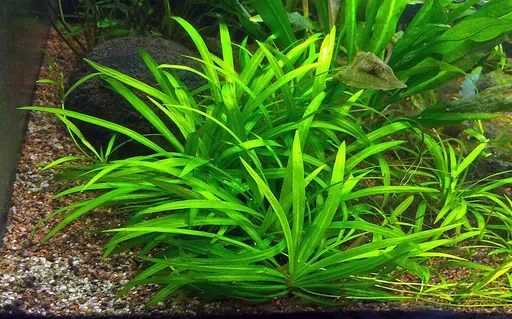 Low lightMidground5.9 in (15 cm)
Quadricostatus chain sword
Helanthium bolivianum 'Quadricostatus'
Low light · Midground
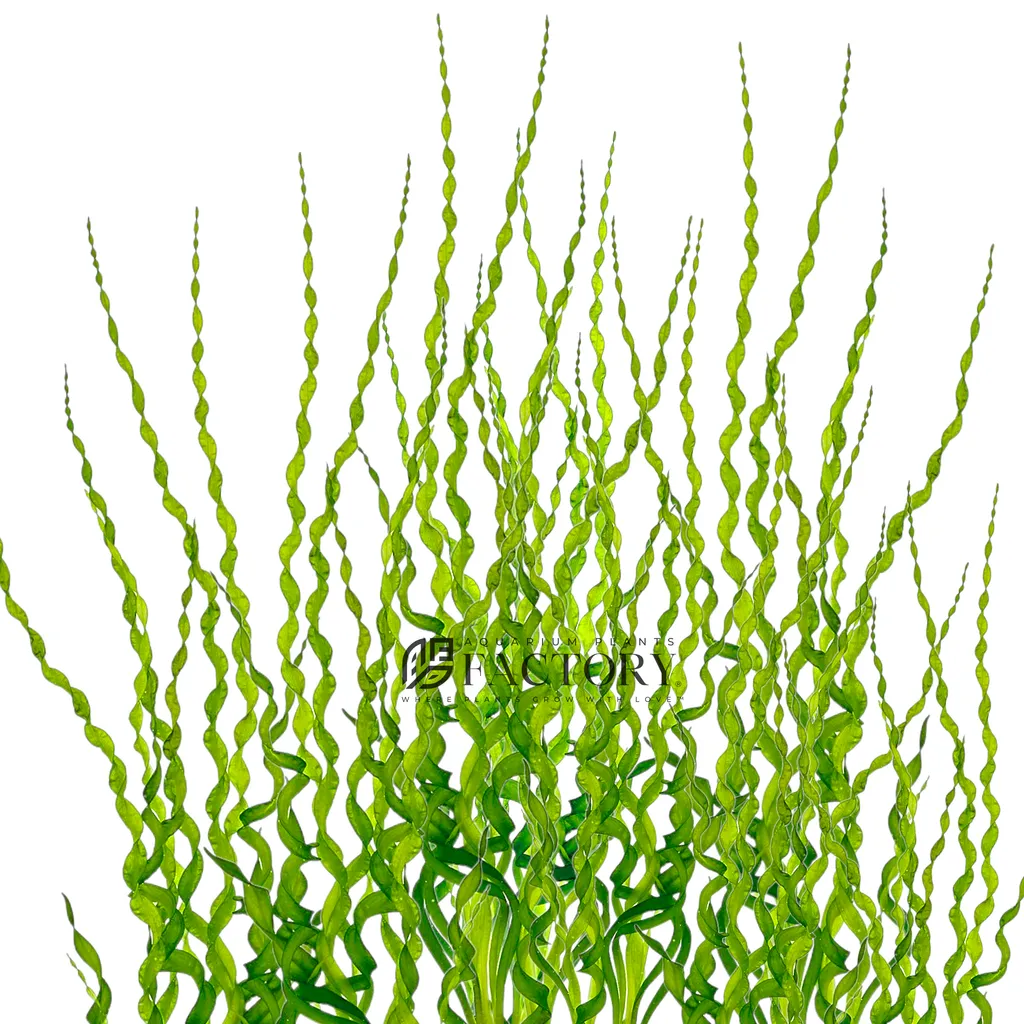 Medium lightMidground11.8 in (30 cm)
Vesuvius sword
Helanthium bolivianum 'Vesuvius'
Medium light · Midground
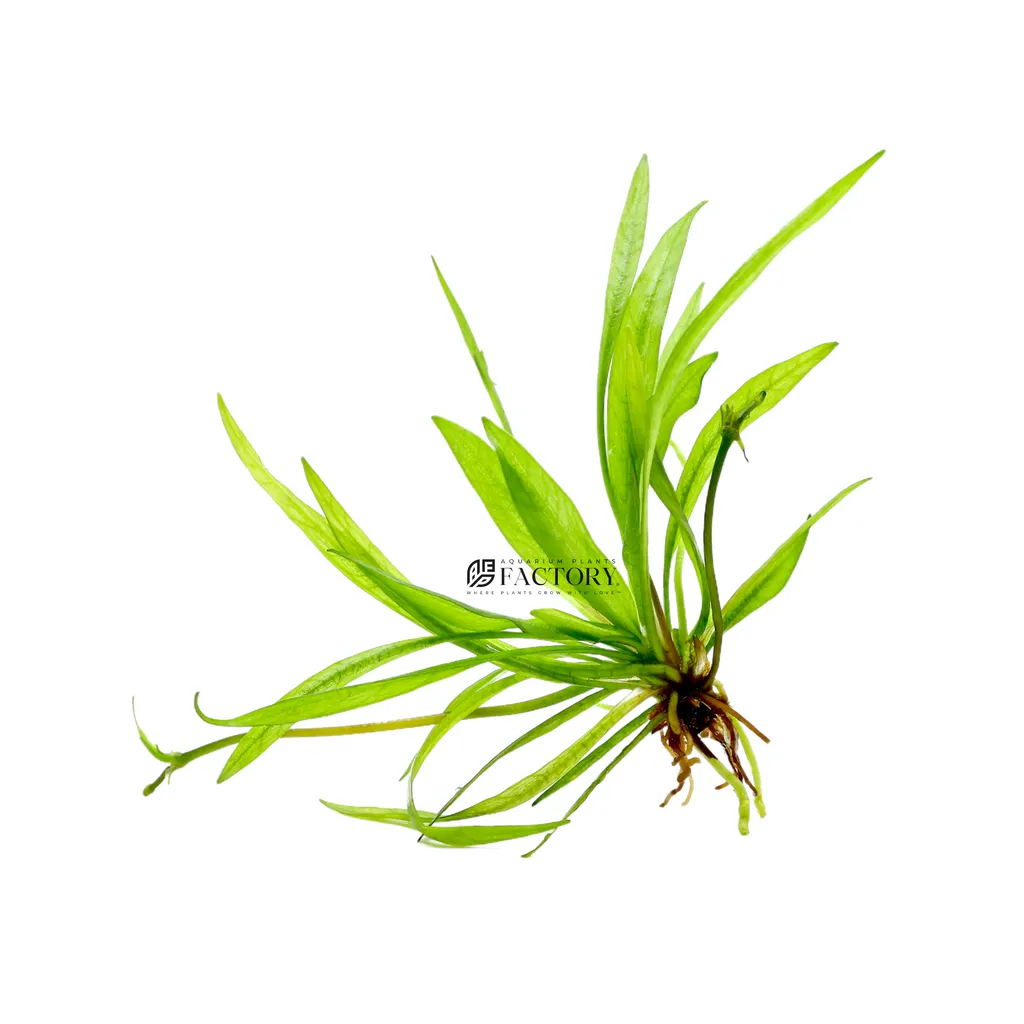 Medium lightBackground23.6 in (60 cm)
Narrow leaf chain sword
Helanthium bolivianum 'Angustifolius'
Medium light · Background
 Medium lightForeground3.1 in (8 cm)
Ranalisma rostratum
Medium light · Foreground
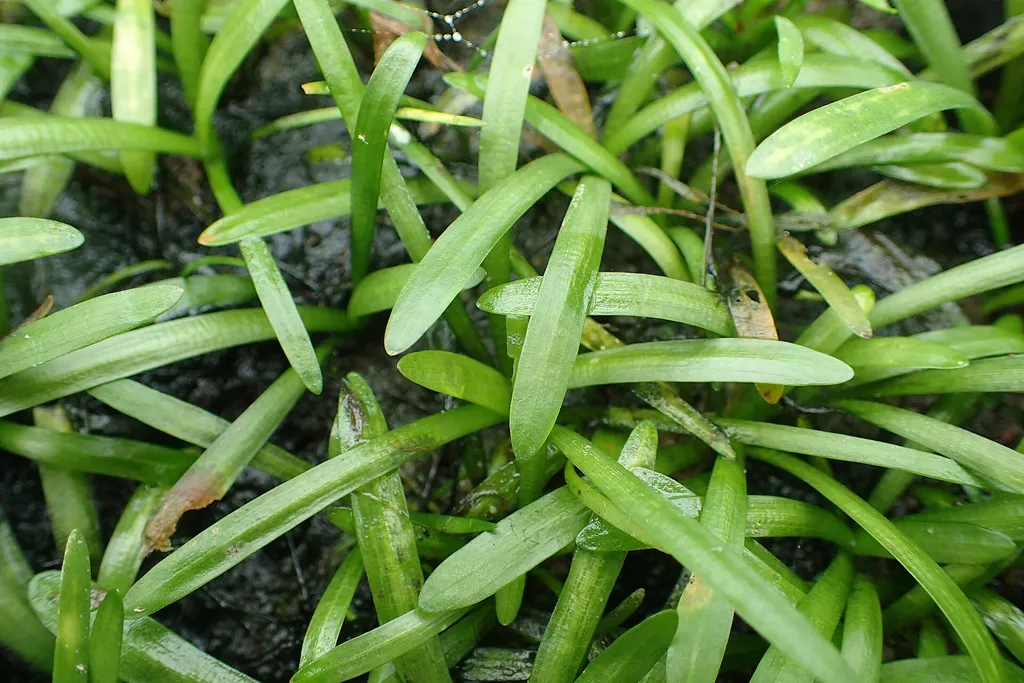 Low lightForeground11.8 in (30 cm)
Dwarf sagittaria
Sagittaria subulata
Low light · Foreground
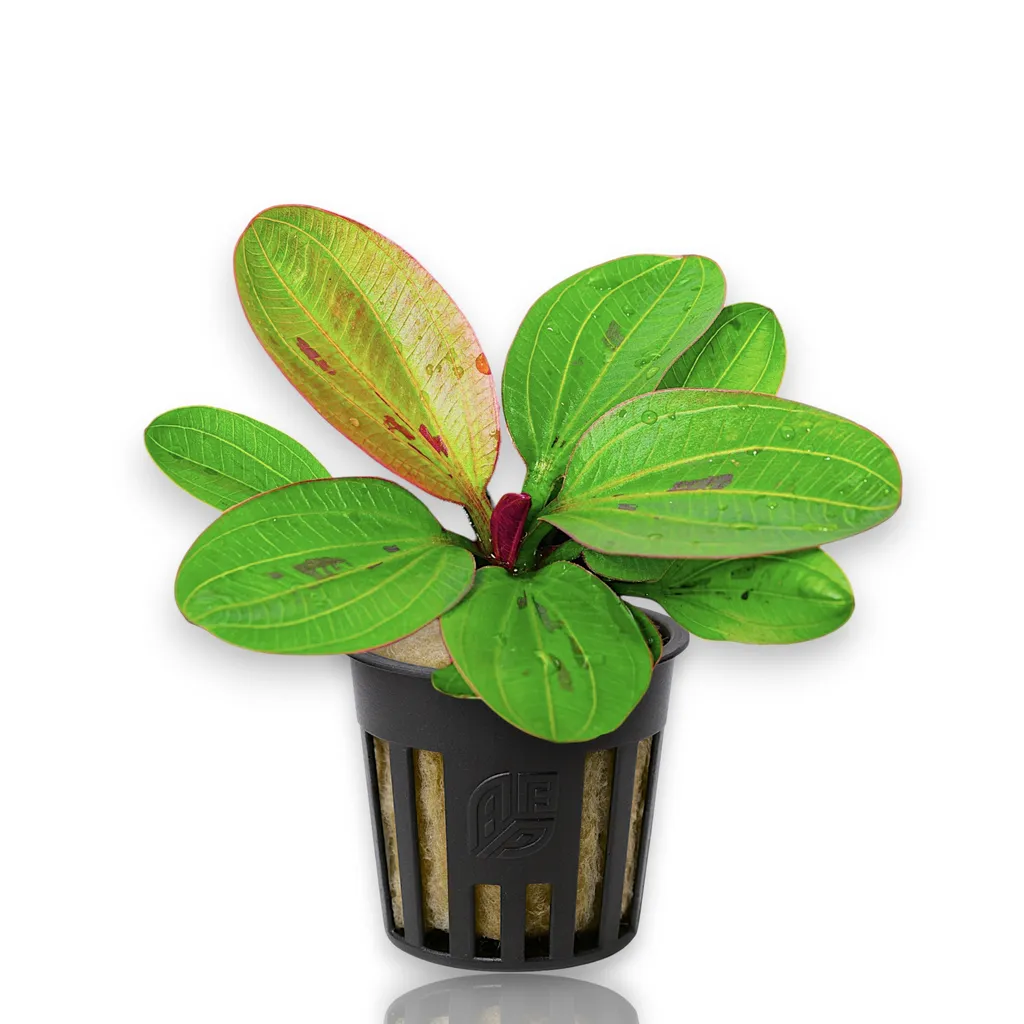 Medium lightMidground9.8 in (25 cm)
Hadi Red Pearl sword
Echinodorus 'Hadi Red Pearl'
Medium light · Midground