Marsilea quadrifolia
Also known as Four-leaf clover, European water clover, Water clover, Four-leaf water fern
FreshwaterCarpetingRunnersRhizome divisionSpores
Invasive. European water clover is invasive and regulated in parts of North America. Never release into the wild; dispose of in the trash.
Care at a glance
- Light
- Medium light
- CO2
- CO₂ beneficial
- Temperature
- 64–82°F
- 18–28°C
- Max height
- 4.7 in
- 12 cm
- Growth rate
- Slow
- Placement
- Foreground
- Type
- Carpeting
- pH
- 6.0–7.5
- Hardness
- 2–15 dGH
- Spread
- 5.9 in (15 cm)
- Nutrient uptake
- Root feeder
- Growth region
- Submersed or emersed
- Difficulty
- Medium
- Family
- Marsileaceae
- Origin
- Europe and Asia (introduced/naturalized in NE North America)
Overview
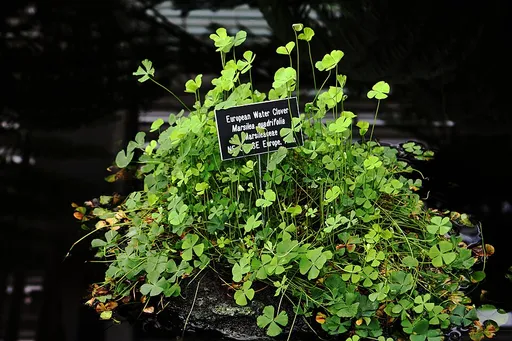
A clover-leaved carpeter for the foreground, slower and more demanding than Marsilea hirsuta. Plant rhizome sections shallowly in nutrient-rich substrate; it feeds mainly through its roots, so root tabs help. Medium to strong light keeps it short and clover-shaped, while weak light makes it grow tall and lose the look. CO2 is not mandatory but noticeably speeds the slow fill-in. It spreads by runners off the rhizome, so divide and replant runners to expand the carpet. Because it is invasive in parts of North America, bag and bin any excess rather than dumping it outdoors.
In the wild
Native to central and southern Europe through to the Caucasus, western Siberia, India, China, Japan, and Vietnam, where it grows in ponds, rice paddies, and ditches. It is amphibious: submersed it stays low and simple-leaved, emersed it raises the classic four-lobed clover leaves above the surface. Note that it is an introduced invasive in the northeastern United States, naturalized for over a century and listed as an invasive aquatic plant in states such as Ohio, so never release it or its trimmings into the wild.
Good to know
An aquatic fern in the family Marsileaceae, not a flowering clover despite the common name. Like other ferns it reproduces by spores rather than seeds, producing hard bean-like sporocarps on emersed plants whose spores can stay viable for decades. The four leaflets arise from a creeping rhizome, and submersed plants often drop to one, two, or three lobes depending on conditions.
Did you know
Did you know the sporocarps of Marsilea quadrifolia are among the most durable plant reproductive structures known, with reports of spores germinating after sitting dry for more than a century.
Related plants
 Medium lightForeground4.7 in (12 cm)
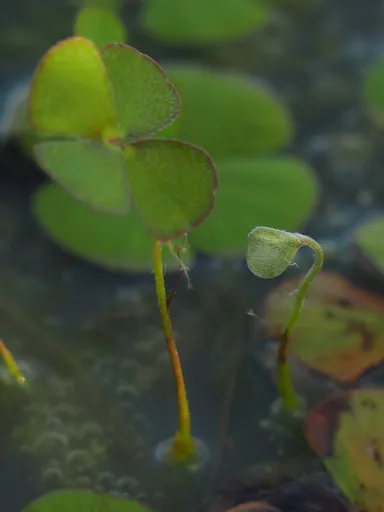
Common nardoo
Marsilea drummondii
Medium light · Foreground
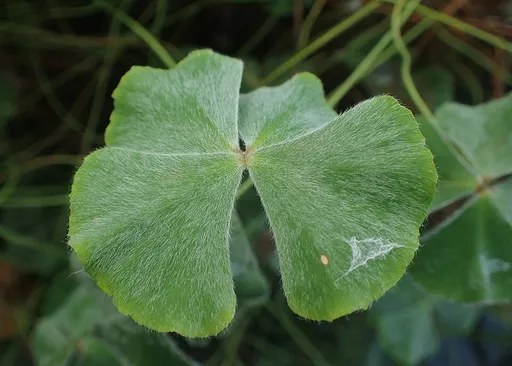 Medium lightForeground3.9 in (10 cm)
Marsilea hirsuta
Medium light · Foreground
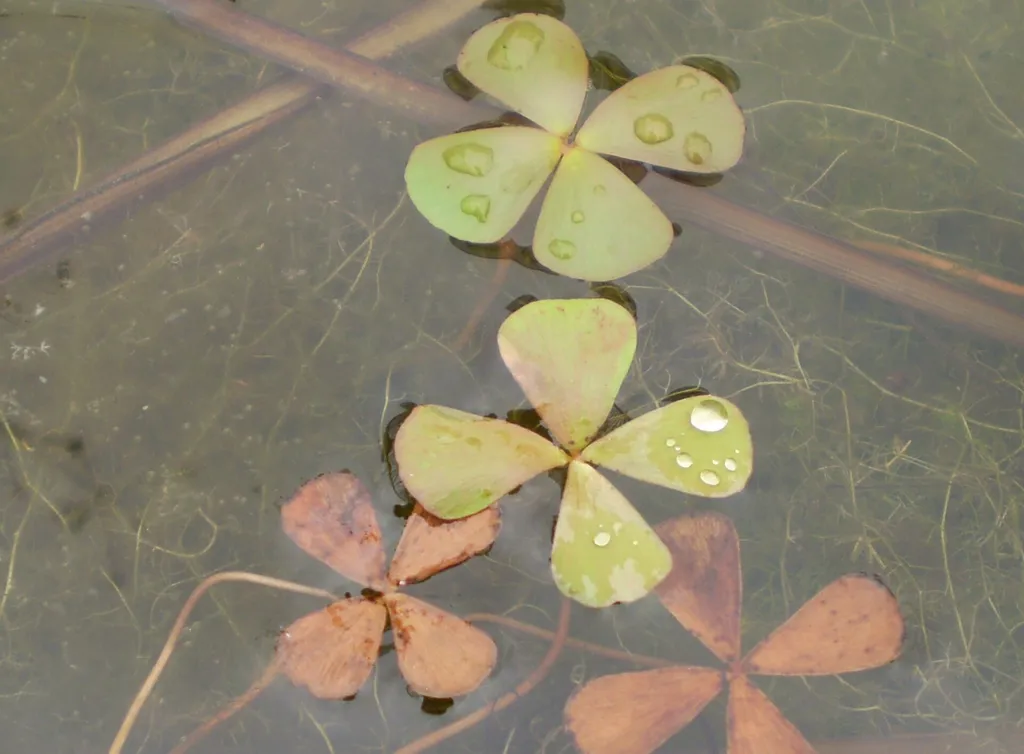 Low lightForeground3.1 in (8 cm)
Dwarf water clover
Marsilea crenata
Low light · Foreground
- Medium lightForeground3.1 in (8 cm)
Narrow leaf water clover
Marsilea angustifolia
Medium light · Foreground
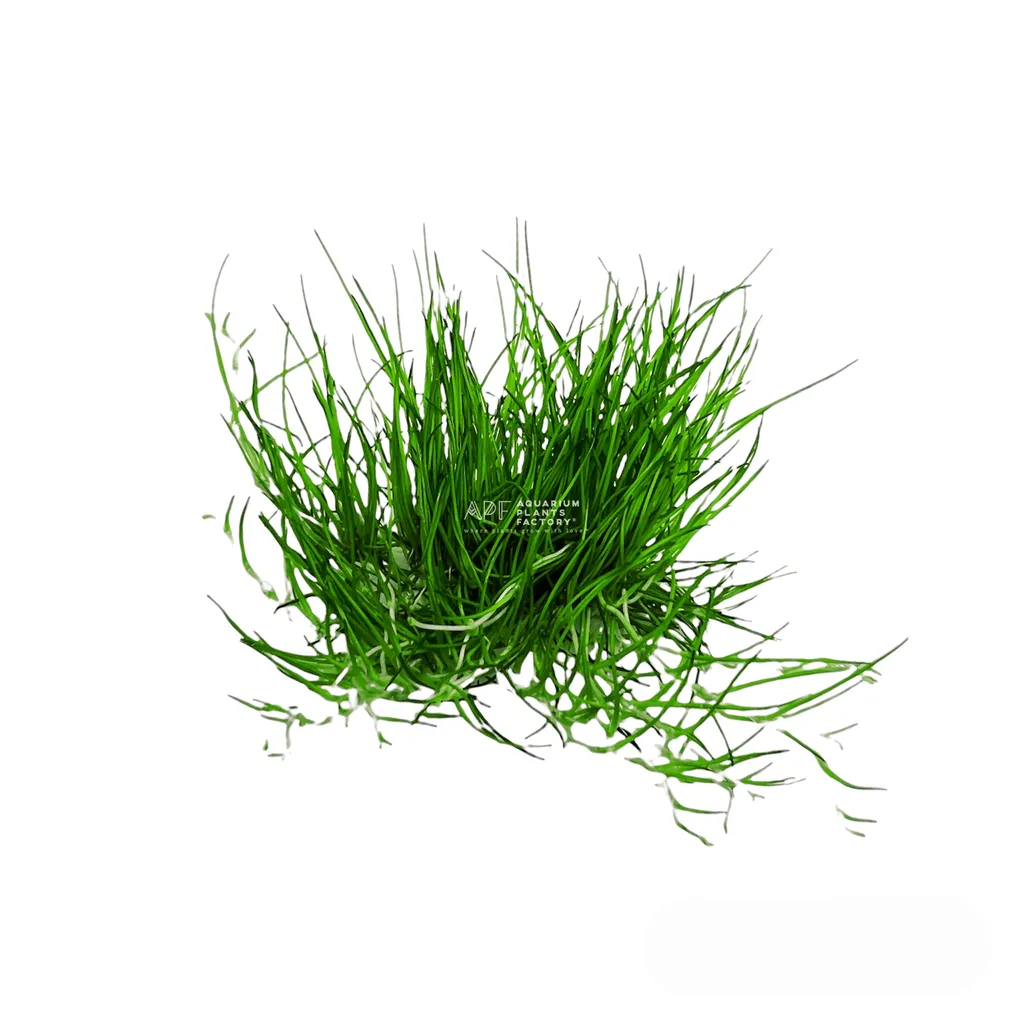 Medium lightForeground3.9 in (10 cm)
Dwarf hairgrass
Eleocharis parvula
Medium light · Foreground
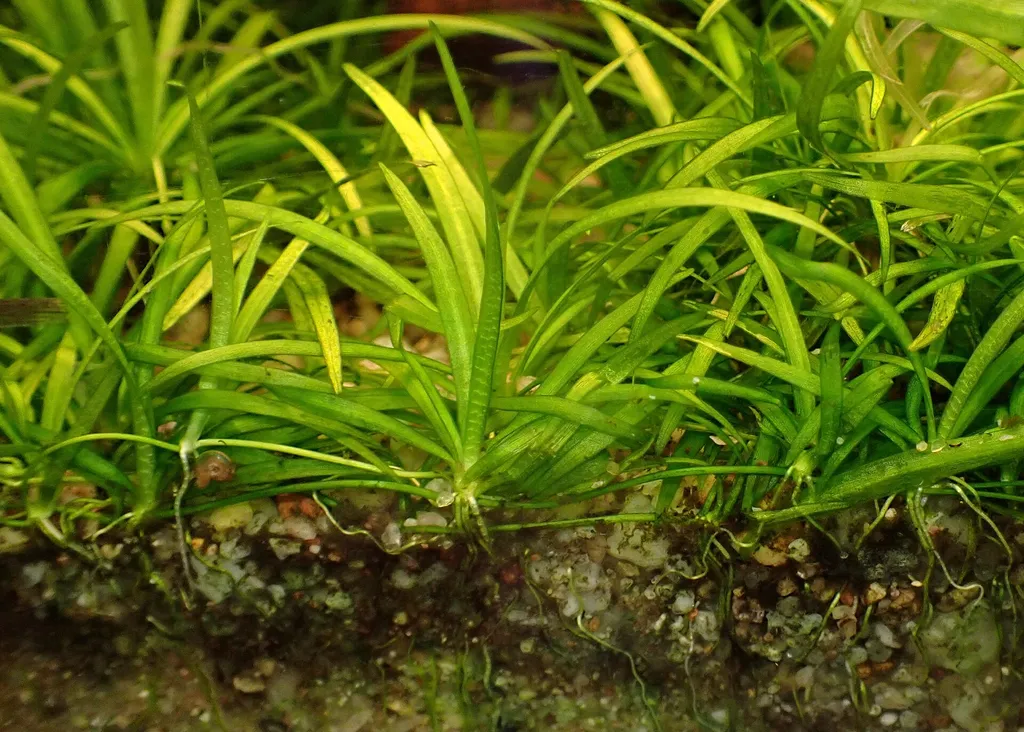 Medium lightForeground3.9 in (10 cm)
Pygmy chain sword
Helanthium tenellum
Medium light · Foreground