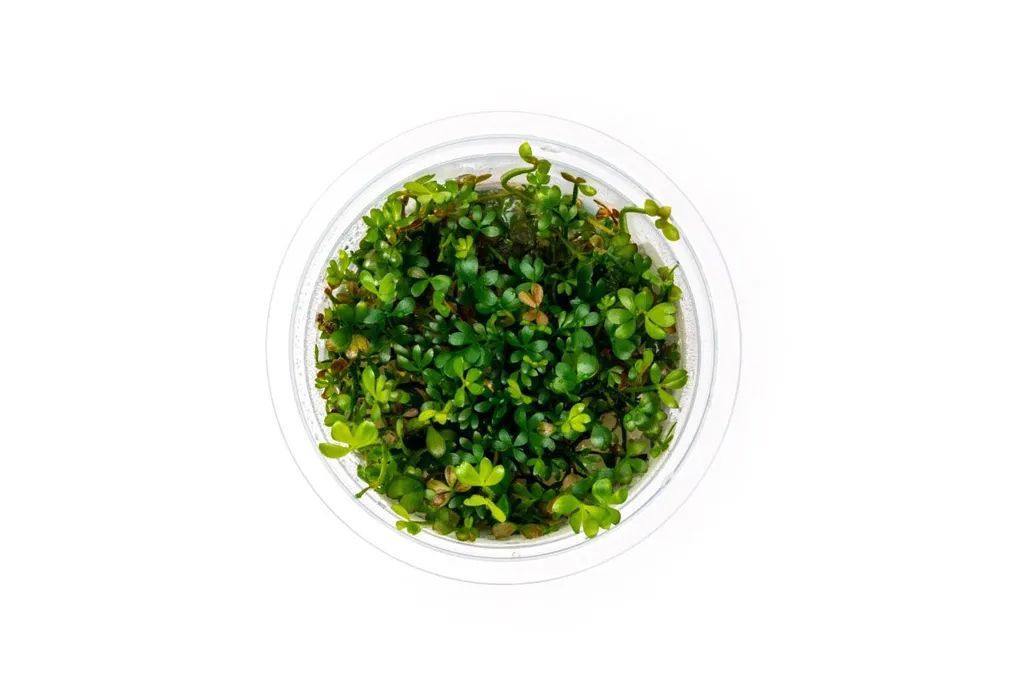
Narrow leaf water clover
Marsilea angustifolia
Also known as Narrowleaf four-leaf clover, Narrow leaf four leaf clover, Narrow-leaf nardoo, Water clover, Marsilea
FreshwaterFernRunnersRhizome division
Care at a glance
- Light
- Medium light
- CO2
- CO₂ beneficial
- Temperature
- 64–86°F
- 18–30°C
- Max height
- 3.1 in
- 8 cm
- Growth rate
- Medium
- Placement
- Foreground
- Type
- Fern
- pH
- 5.0–8.0
- Hardness
- 0–14 dGH
- Spread
- 4.7 in (12 cm)
- Nutrient uptake
- Root + water column
- Growth region
- Submersed or emersed
- Difficulty
- Easy
- Family
- Marsileaceae
- Origin
- Australia
Overview
Narrow leaf water clover is a hardy, easy carpeting fern for the foreground, and it suits nano tanks.
Did you know
Marsilea sporocarps are among the most durable propagules in the plant world. Dried specimens of related species have reportedly germinated after more than a century in storage.
Caring for narrow leaf water clover
Plant small pieces of narrow leaf water clover rhizome a couple of centimeters apart in the foreground. Bury the roots, but keep the base of the leaves clear of the substrate.
It grows in medium light without CO2. Strong light and CO2 keep it short and compact rather than tall and leggy. It feeds through both roots and leaves, so root tabs and a liquid fertilizer both help. It takes 64 to 86°F (18 to 30°C) and a pH of 5 to 8.
It grows at a moderate pace, to about 8 cm. It creeps across the substrate on a horizontal rhizome and spreads by runners into a low mat. Cut a runner plant free once it has roots, or divide the rhizome.
Submersed, it tends to drop the classic four-lobe pattern for single or two-lobed leaves. New leaves often emerge brownish before greening up.
Good to know
Narrow leaf water clover is a true fern in the family Marsileaceae, not a flowering plant, despite its clover-like leaves. In nature it reproduces by spore-bearing structures called sporocarps rather than seeds. The genus is heterosporous, making both large and small spores, which is unusual among ferns. Species identification within cultivated Marsilea is notoriously difficult and often unreliable in the trade.
In the wild
Narrow leaf water clover is an Australian native of seasonally wet ground and pond margins across northern Australia. It is very drought tolerant where flooding is only seasonal. Emersed, its four-lobed clover leaves stand upright on wet soil, and in deeper water they float on the surface.
Common questions
Does narrow leaf water clover need to be planted in the substrate?
Yes. Plant the roots in the substrate and keep the base of the leaves clear of it.
Does narrow leaf water clover need CO2?
No, but it helps. Narrow leaf water clover can grow without injected CO2, and added CO2 makes it grow faster.
How much light does narrow leaf water clover need?
Narrow leaf water clover wants medium light. A light sold for planted tanks covers it.
Does narrow leaf water clover need root tabs?
They help. Narrow leaf water clover takes nutrients through both its roots and its leaves. Root tabs near its roots and a liquid fertilizer cover both.
How do you propagate narrow leaf water clover?
Narrow leaf water clover propagates by runners and rhizome division. New plants grow along its runners. Cut one free once it has roots and plant it. Cut the rhizome into pieces with several leaves each, then tie or plant each piece.
How tall does narrow leaf water clover grow?
Narrow leaf water clover grows to about 3.1 in (8 cm) tall. It grows at a moderate pace.
Related plants
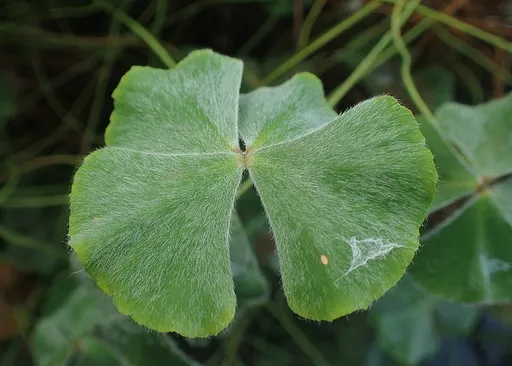 Medium lightForeground3.9 in (10 cm)
Marsilea hirsuta
Medium light · Foreground
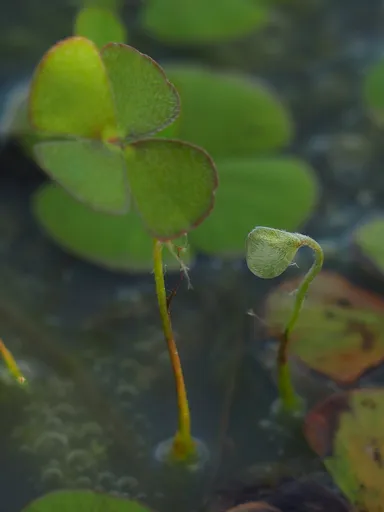 Medium lightForeground4.7 in (12 cm)
Common nardoo
Marsilea drummondii
Medium light · Foreground
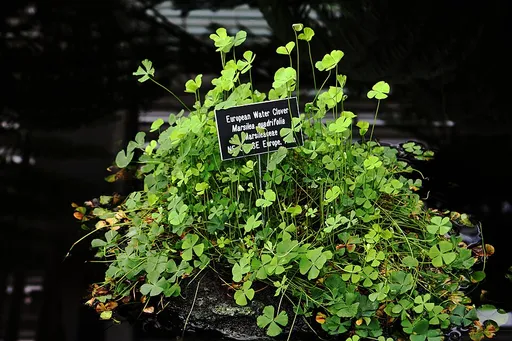 Medium lightForeground4.7 in (12 cm)
Marsilea quadrifolia
Medium light · Foreground
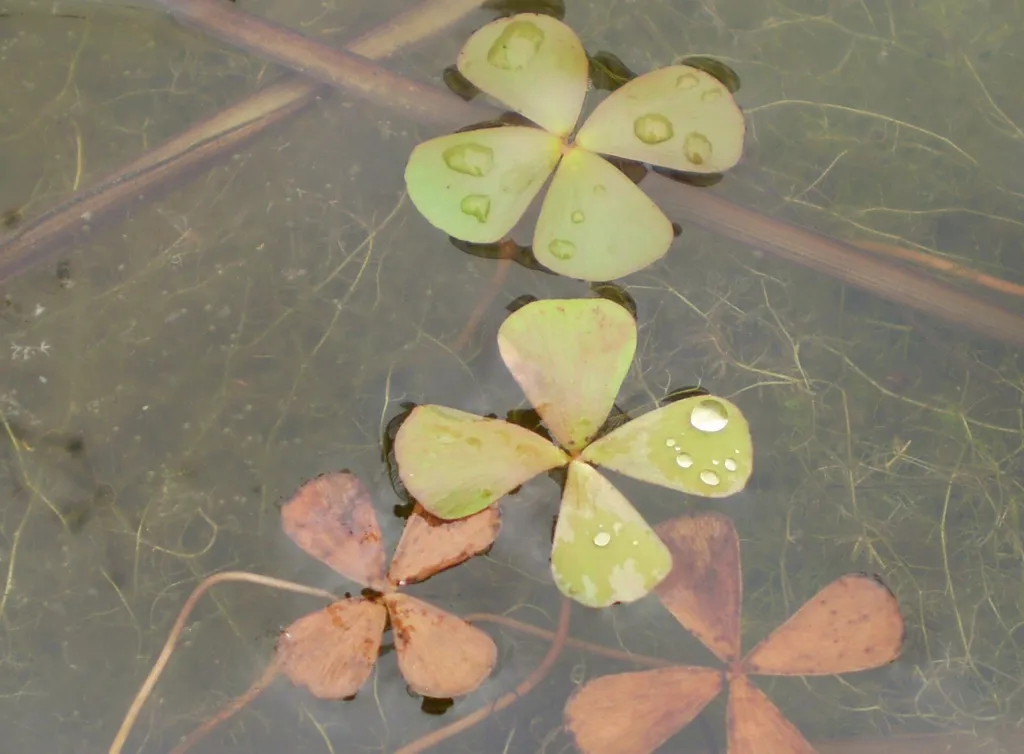 Medium lightForeground2 in (5 cm)
Dwarf water clover
Marsilea crenata
Medium light · Foreground
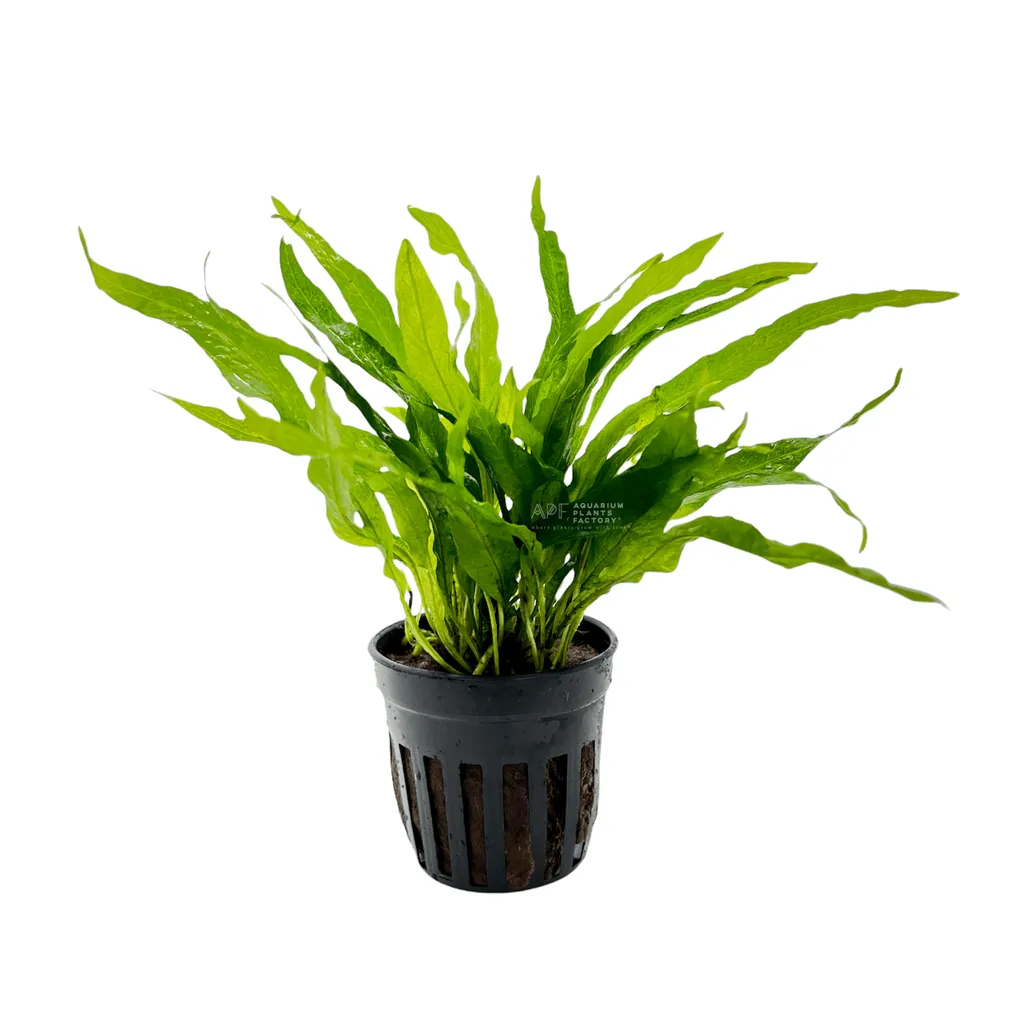 Low lightEpiphyte3.1 in (8 cm)
Petite java fern
Leptochilus pteropus 'Petite'
Low light · Epiphyte
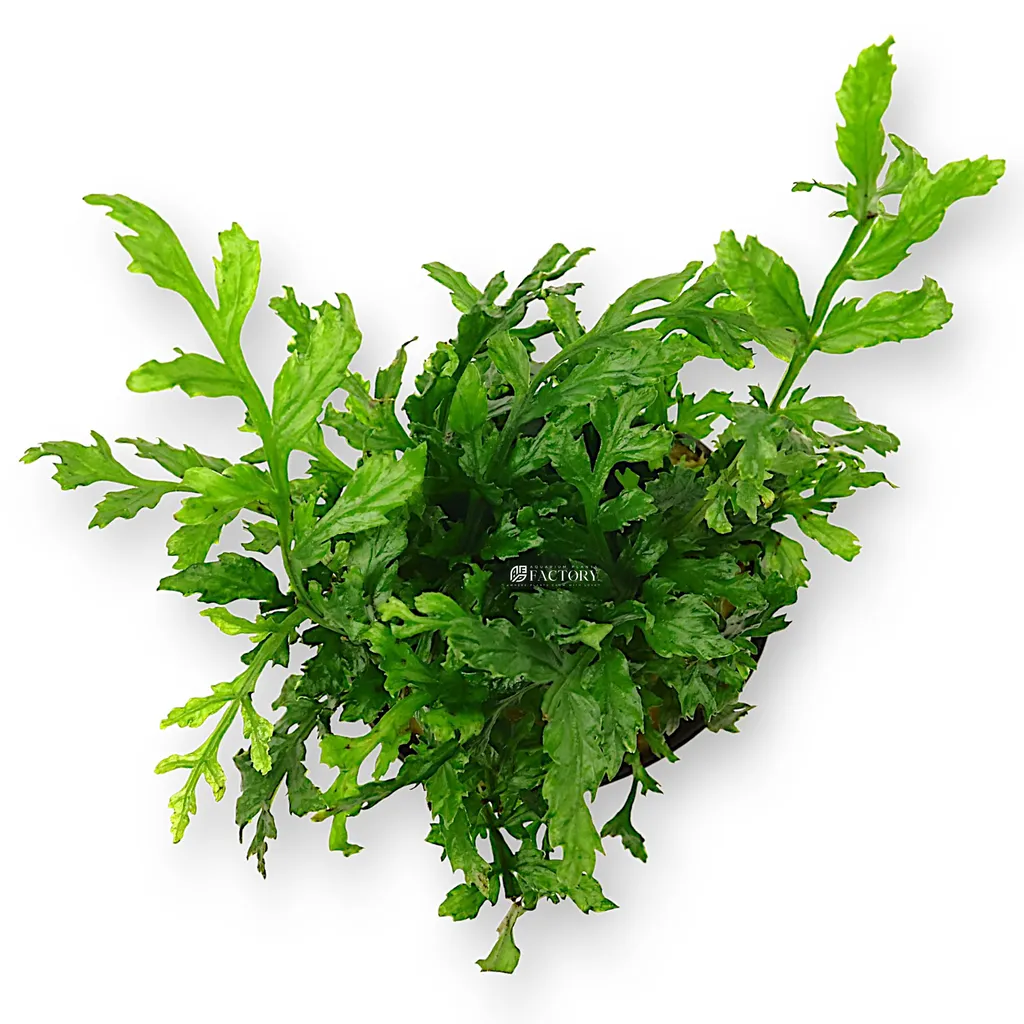 Low lightEpiphyte2.8 in (7 cm)
Bolbitis Difformis
Bolbitis difformis
Low light · Epiphyte