One species · 8 varieties
Betta
Betta splendens
Also known as Siamese fighting fish
FreshwaterFish
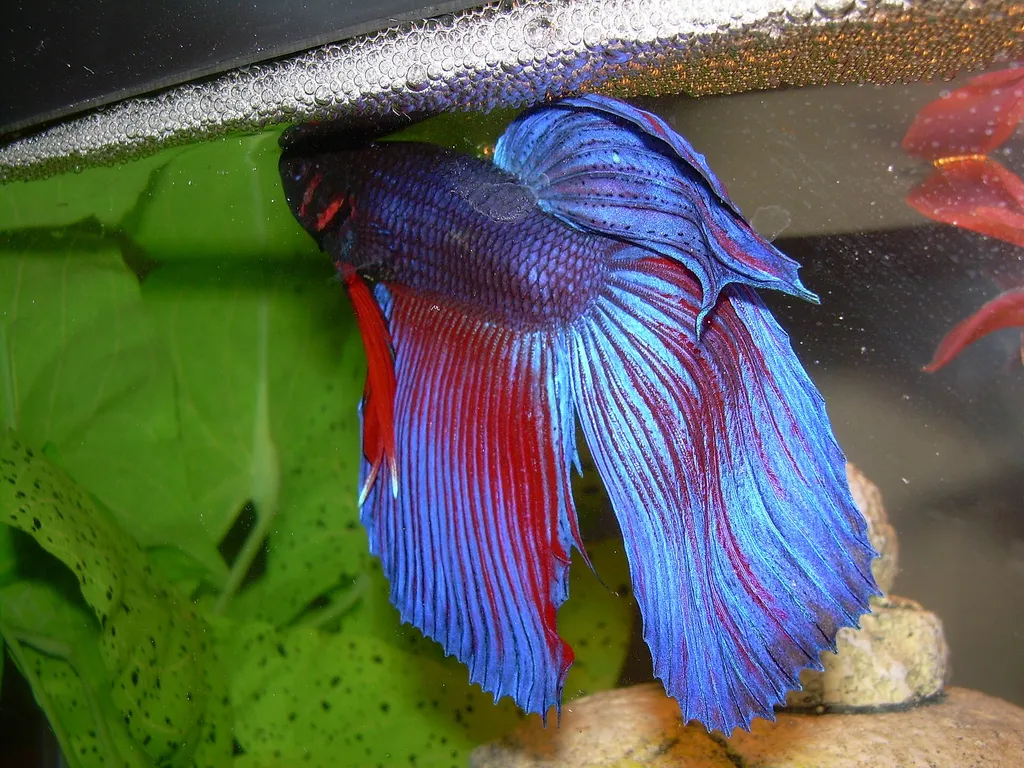
Care at a glance
- Temperature
- 72–86°F
- 22–30°C
- pH
- 6.0–7.5
- Adult size
- 3 in
- 7.5 cm
- Minimum tank
- 7 gal
- 25 L
- Temperament
- Aggressive
- Social behavior
- Solitary
- Own kind
- One male per tank
- Tankmates
- With caution
- Swim level
- Middle
- Difficulty
- Beginner
- Breeding
- No record
- Rarity
- Very common
- Family
- Osphronemidae
- Origin
- Thailand
Pick a variety
One setup covers every line on this page: care is the species' care.
Tail types
7 gal (25 L) minimum · grows to 3 in (7.5 cm) · 72–86°F (22–30°C) · pH 6.0–7.5
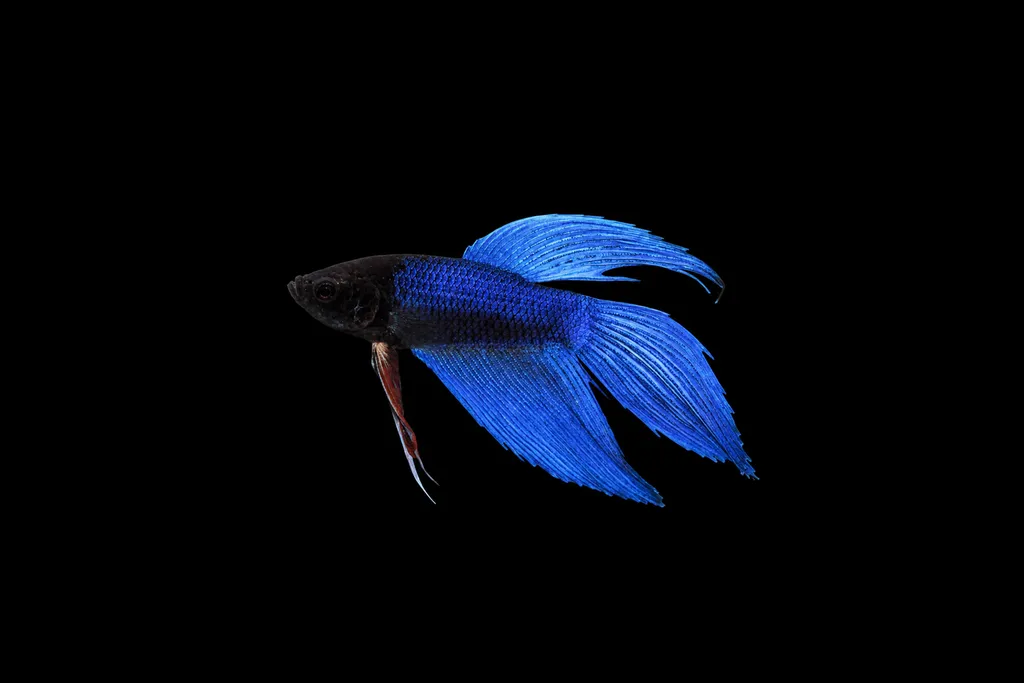
Veiltail betta
long, downward-sweeping tail; the classic pet-store betta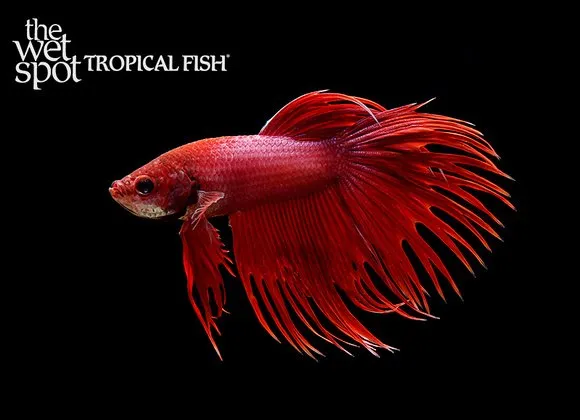
Crowntail betta
webbing recedes so the rays extend like spikes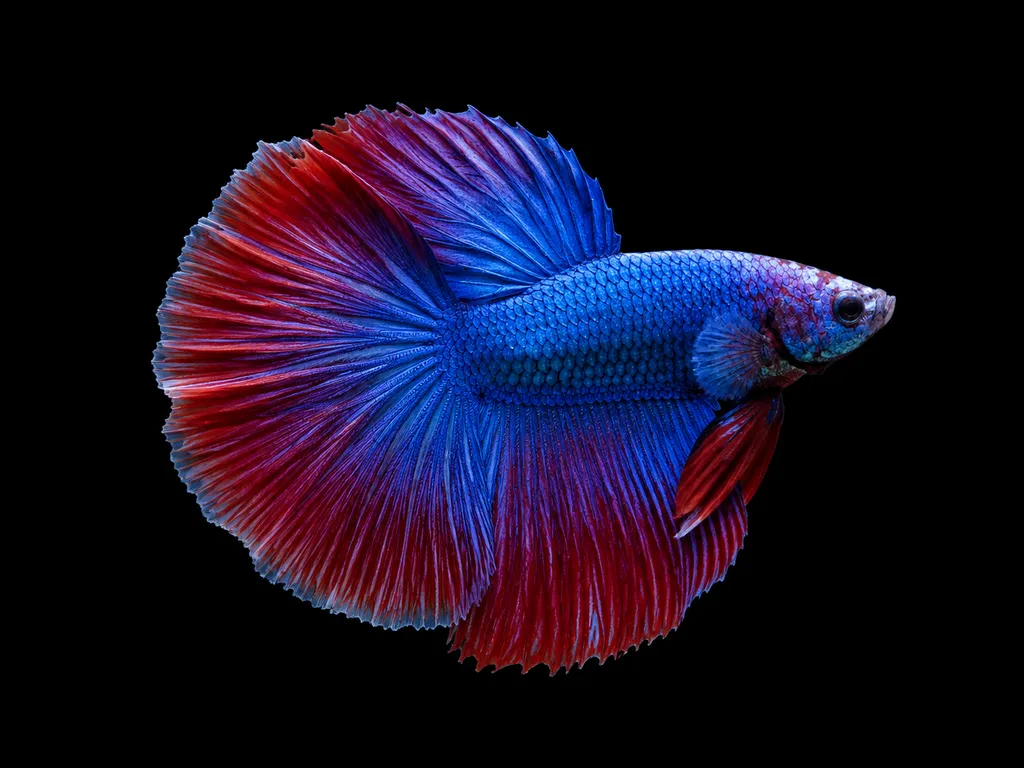
Halfmoon betta
tail spreads a full half circle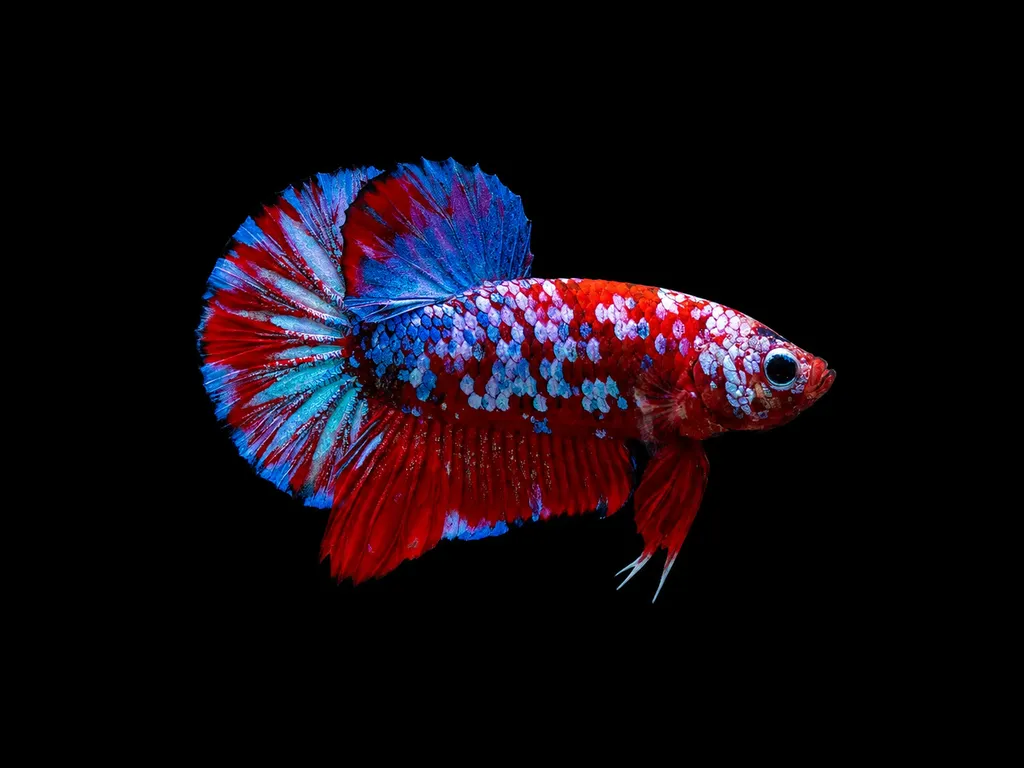
Plakat betta
short-finned, closest to the wild build; the strongest swimmer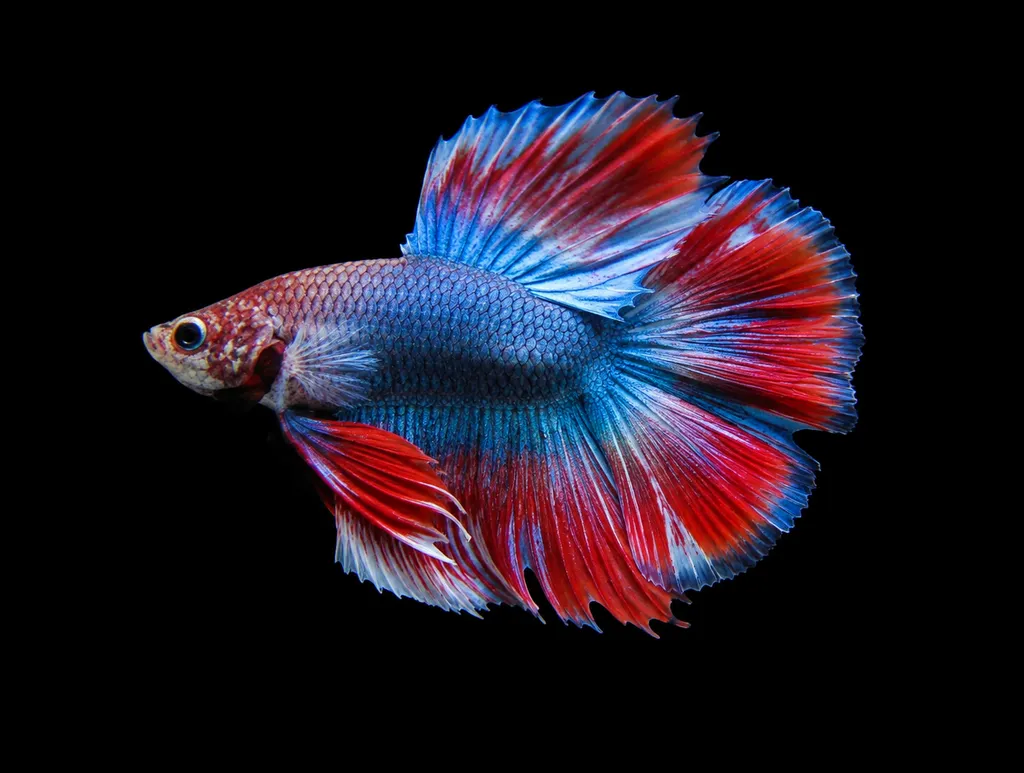
Doubletail betta
tail split into two lobes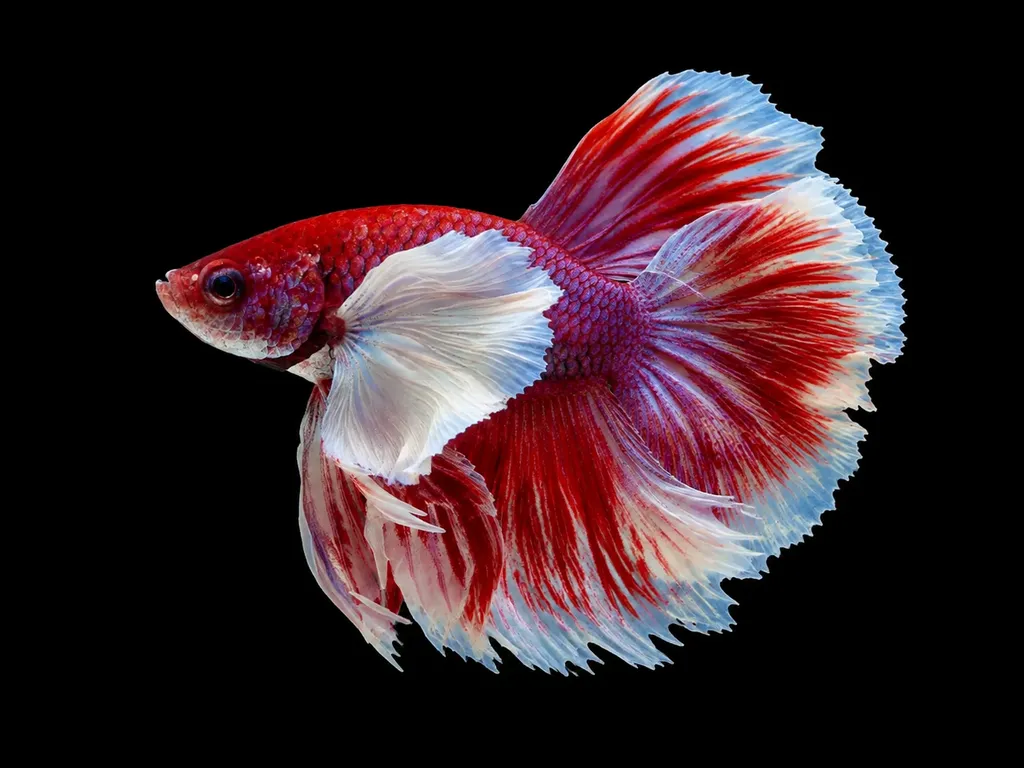
Dumbo betta
oversized pectoral fins; also sold as elephant ear
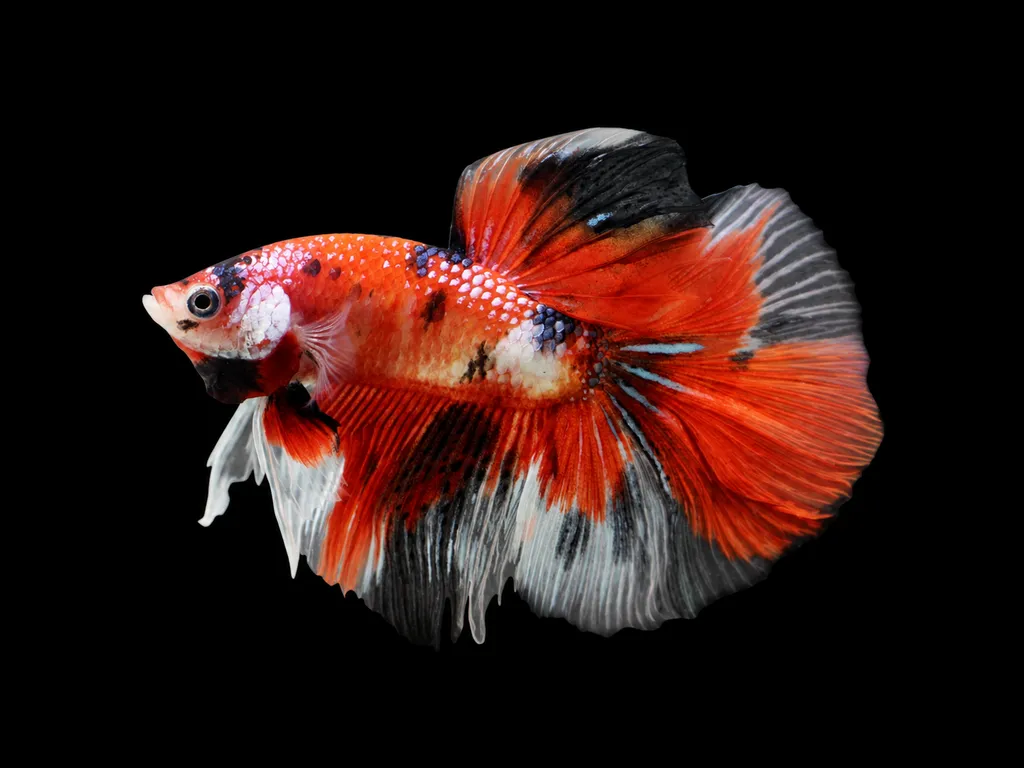
Colors and patterns
7 gal (25 L) minimum · grows to 3 in (7.5 cm) · 72–86°F (22–30°C) · pH 6.0–7.5
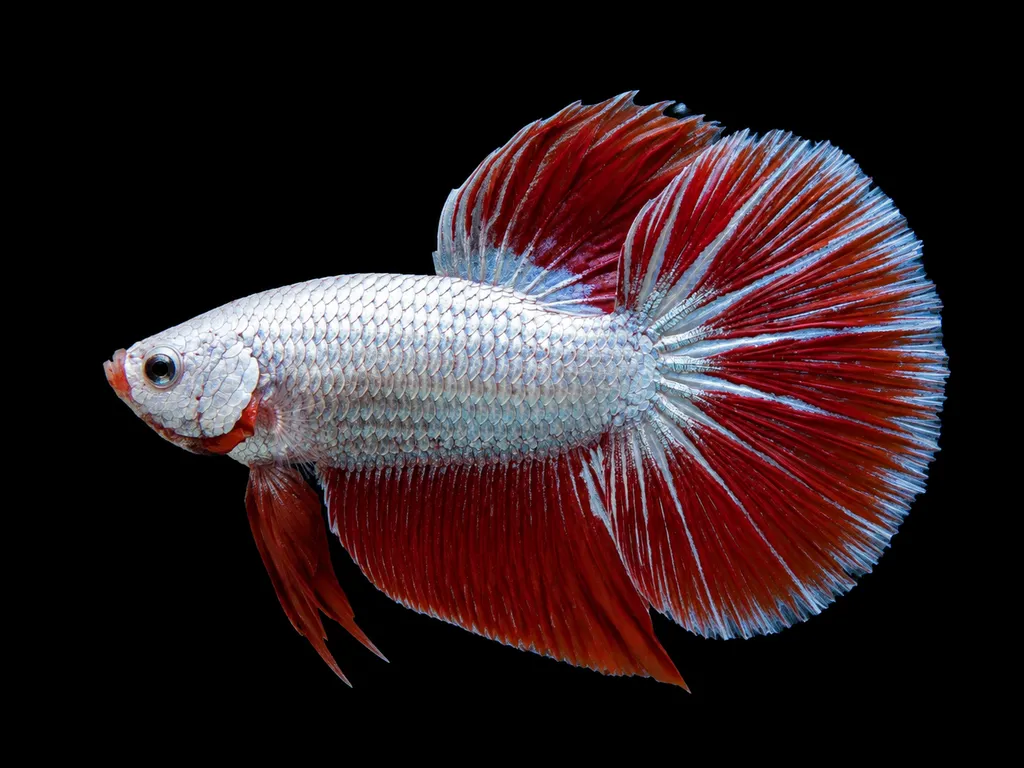
Overview
Males are aggressive and cannot share a tank with another male, and their trailing fins make them targets for fin-nippers, so choose tankmates carefully or keep one alone. They sit in the middle and upper water in a planted, low-flow tank of around 25 liters or more, heated to 22 to 30 C with pH 6 to 7.5. They are carnivores; feed a quality betta pellet and rotate in frozen or live bloodworms and brine shrimp.
In the wild
Bettas come from shallow, slow, warm water in Thailand and nearby Southeast Asia, including rice paddies, ditches, and floodplain pools thick with plants. These spots are warm and often low in oxygen, so a betta tank should be heated, gently filtered, and well planted with some surface cover. Don't blast them with current; they're built for still water.
Good to know
This fish is in the family Osphronemidae, the gouramis. Males reach about 7.5 cm including their long fins; females are shorter-finned. Bettas are labyrinth fish, with an organ that lets them breathe air straight from the surface. The wild form is far plainer than the long-finned, brightly colored fish in shops, which are the product of generations of selective breeding.
Did you know
When a male spawns he blows a raft of bubbles at the surface, called a bubble nest, and tends the eggs in it himself. A healthy male will often build one even with no female around, just from feeling settled in his tank.
Other named lines
Every betta below is the same species. Breeders shape fins and color independently, so any pattern can appear on any tail type, and care never changes.
Tail types
- Rosetail
- extreme halfmoon with ruffled, overlapping rays; heavy fins to carry
Colors and patterns
- Marble
- patchy pattern that keeps changing through the fish's life
- Galaxy
- marble base with iridescent speckling
Common questions
What size tank does a Betta need?
A Betta needs at least 7 gal (25 L). It spends most of its time in the middle.
What temperature and pH does a Betta need?
A Betta is comfortable at 72–86°F (22–30°C) with a pH of 6.0–7.5.
How big does a Betta get?
An adult Betta reaches about 3 in (7.5 cm).
Related species
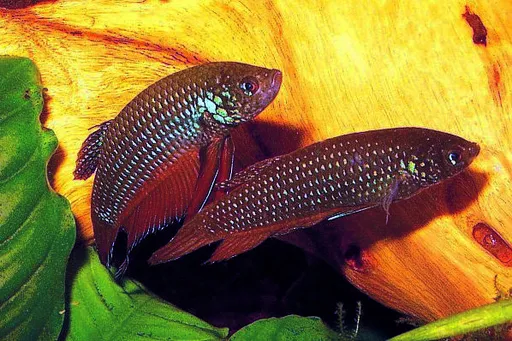 2.4 in (6 cm)11 gal (40 L)72–82°F (22–28°C)
Emerald betta
Betta smaragdina
2.4 in (6 cm) · 11 gal (40 L)
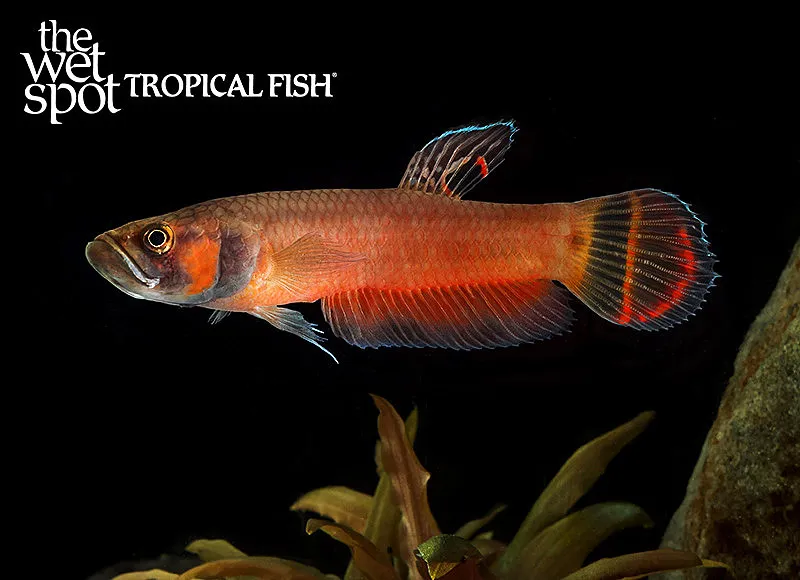 3.9 in (10 cm)20 gal (75 L)72–79°F (22–26°C)
Brunei beauty betta
Betta macrostoma
3.9 in (10 cm) · 20 gal (75 L)
- 2.2 in (5.6 cm)26 gal (100 L)72–81°F (22–27°C)
Gladiator betta
Betta gladiator
2.2 in (5.6 cm) · 26 gal (100 L)
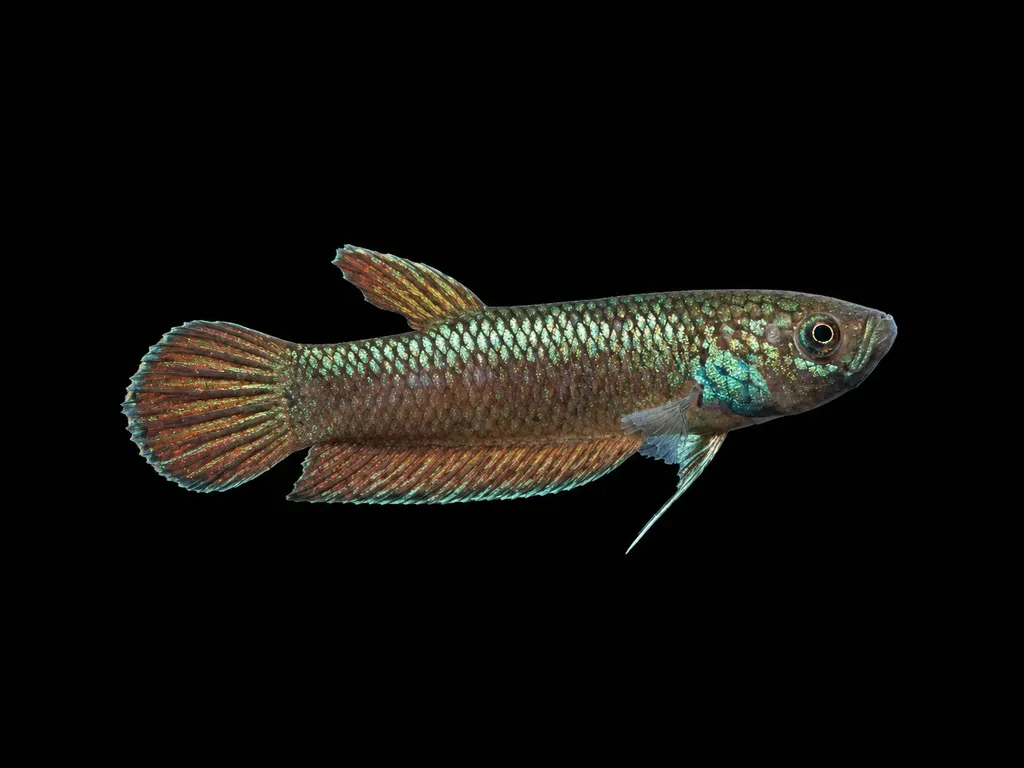 3 in (7.5 cm)20 gal (75 L)72–81°F (22–27°C)
Compuncta betta
Betta compuncta
3 in (7.5 cm) · 20 gal (75 L)
- 2.9 in (7.3 cm)16 gal (60 L)72–81°F (22–27°C)
Aurigans betta
Betta aurigans
2.9 in (7.3 cm) · 16 gal (60 L)
- 2.8 in (7.2 cm)21 gal (80 L)72–81°F (22–27°C)
Pardalotos betta
Betta pardalotos
2.8 in (7.2 cm) · 21 gal (80 L)