Variety of Betta
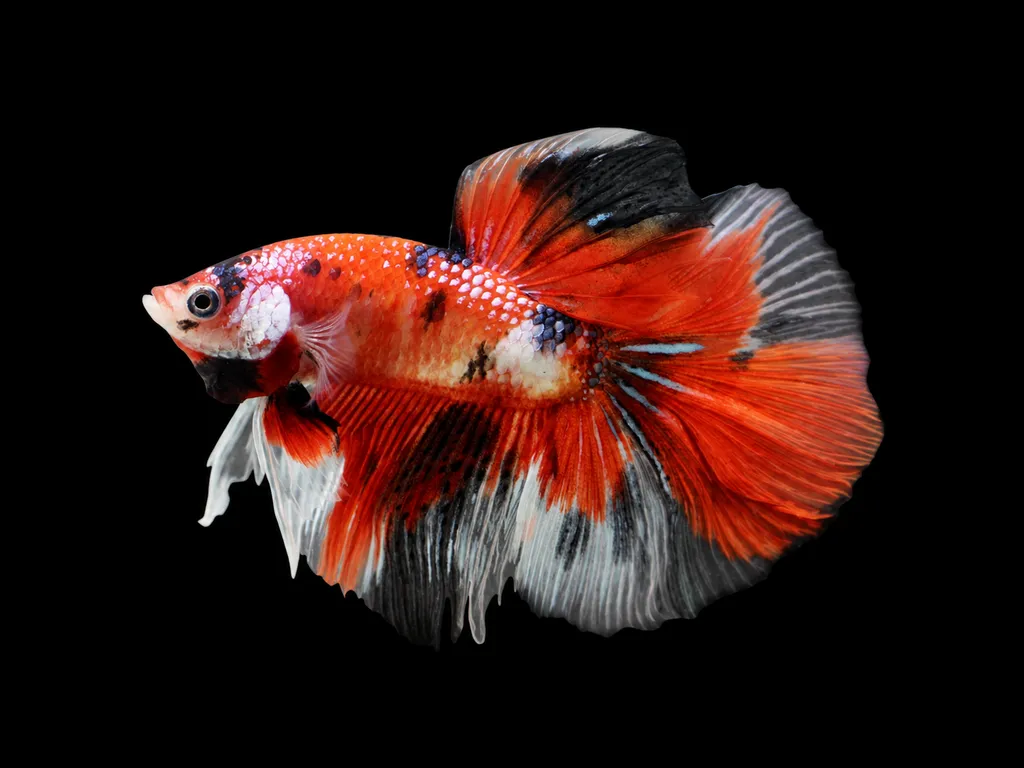
Koi betta
Betta splendens
One of 8 varieties of Betta splendens · See all varieties →
FreshwaterFish
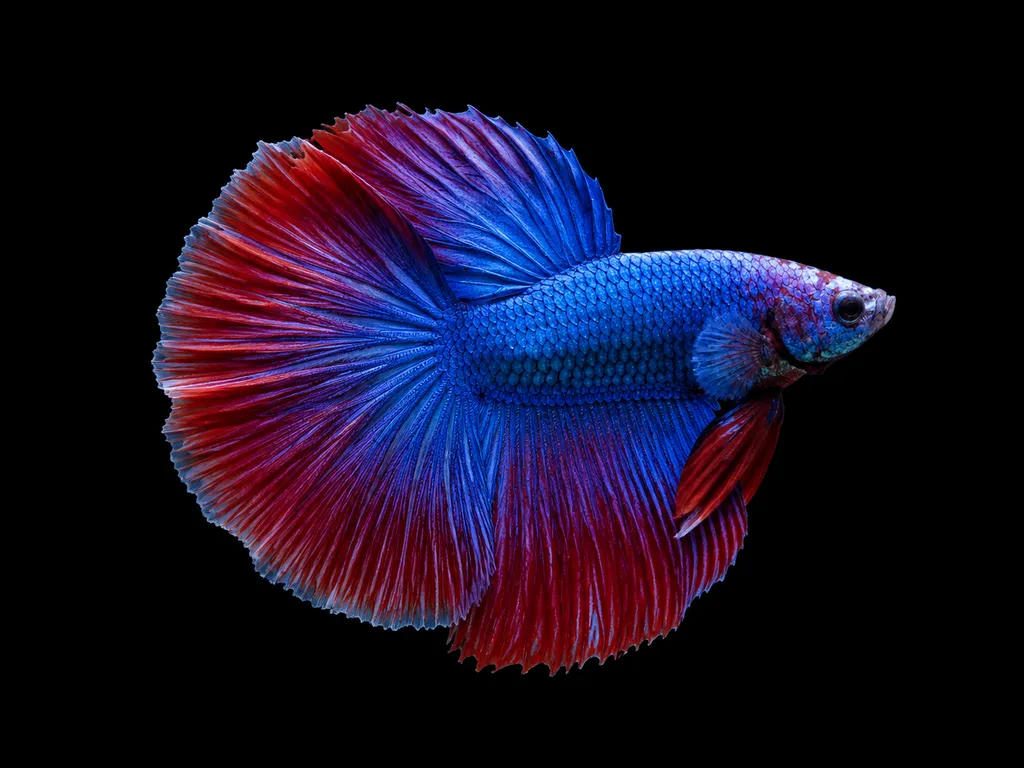
Varieties · Betta splendens
See all 8 →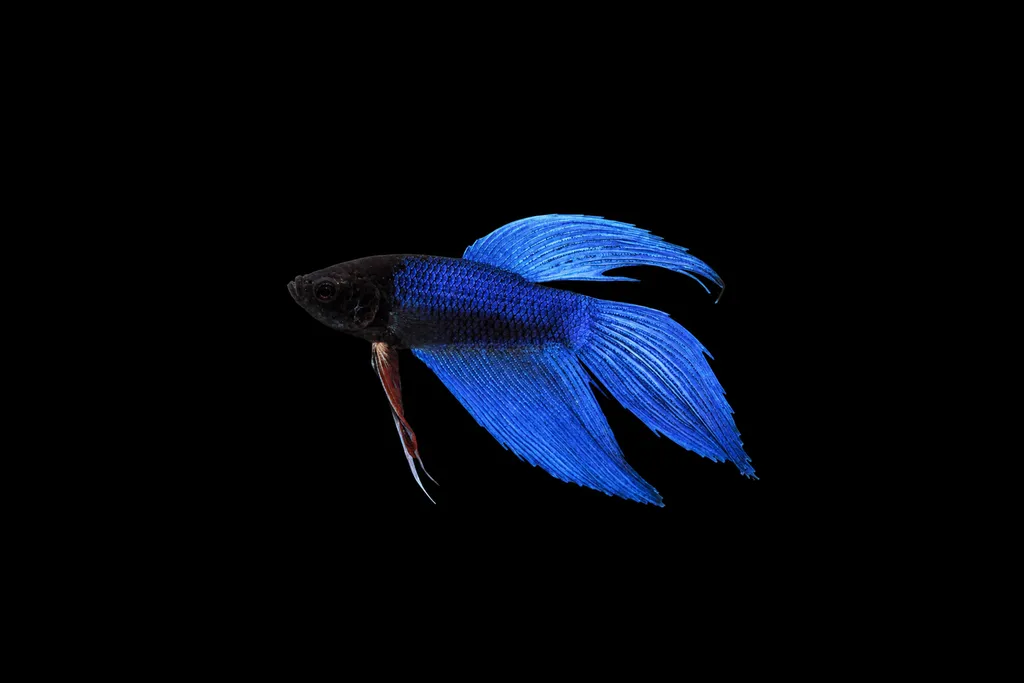
Care at a glance
- Temperature
- 72–86°F
- 22–30°C
- pH
- 6.0–7.5
- Adult size
- 3 in
- 7.5 cm
- Minimum tank
- 5 gal
- 19 L
- Temperament
- Aggressive
- Social behavior
- Solitary
- Own kind
- One male per tank
- Tankmates
- With caution
- Swim level
- Middle
- Diet
- Carnivore
- Difficulty
- Beginner
- Breeding
- Bubble nester
- Rarity
- Very common
- Family
- Osphronemidae
Overview
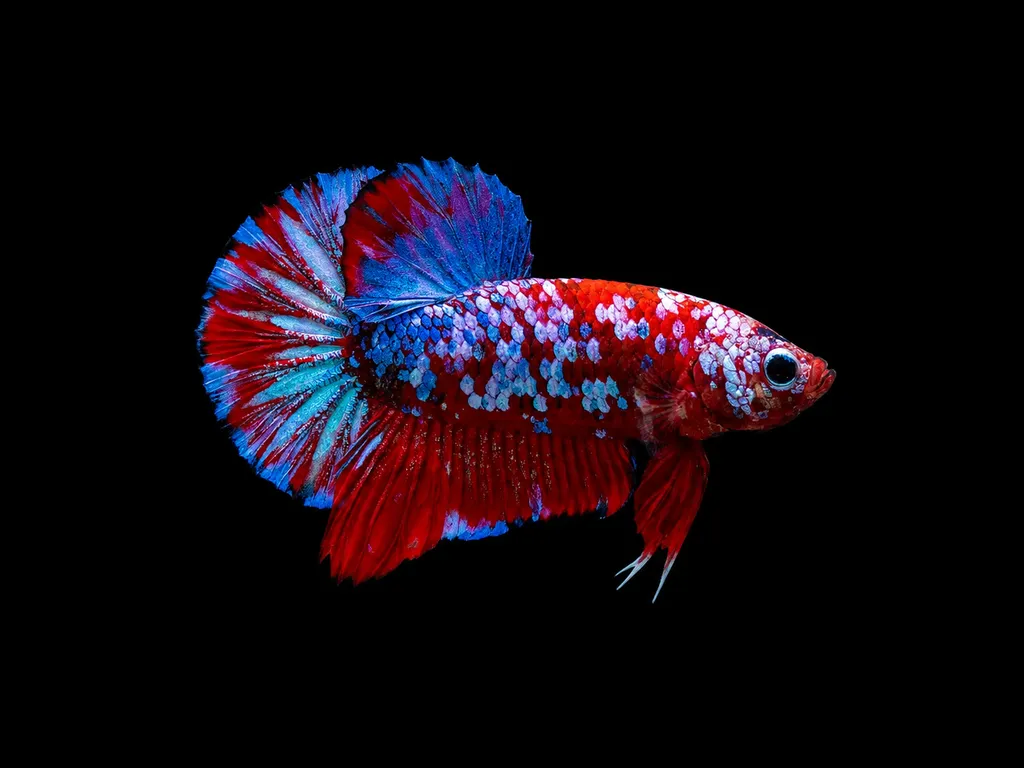
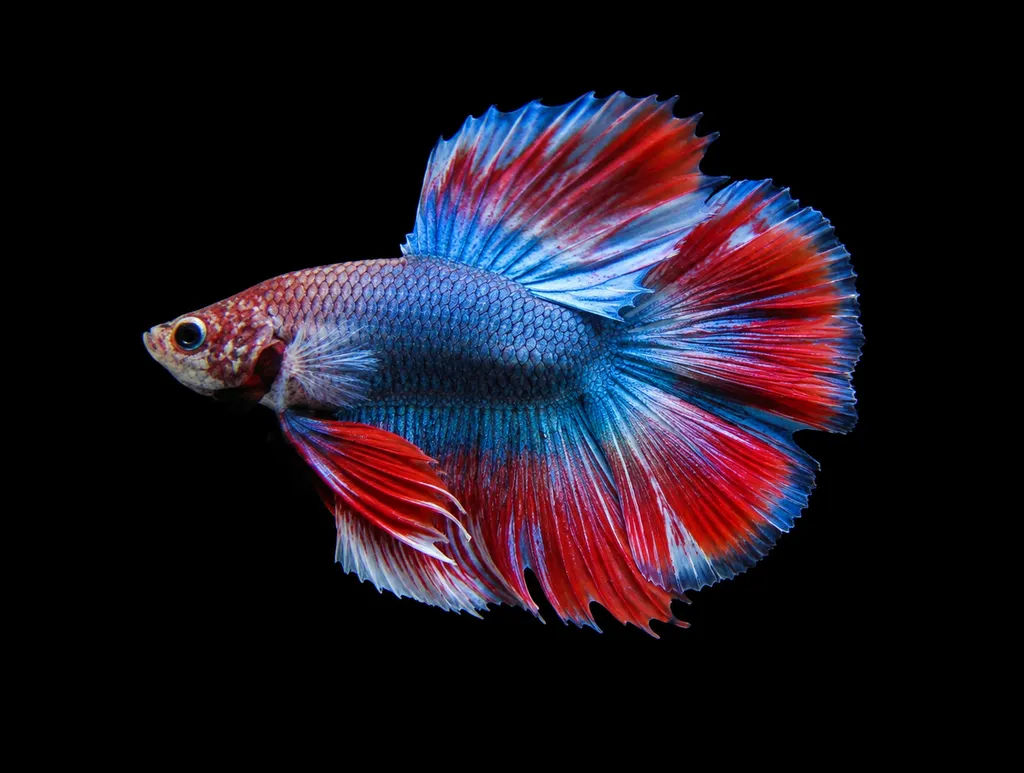
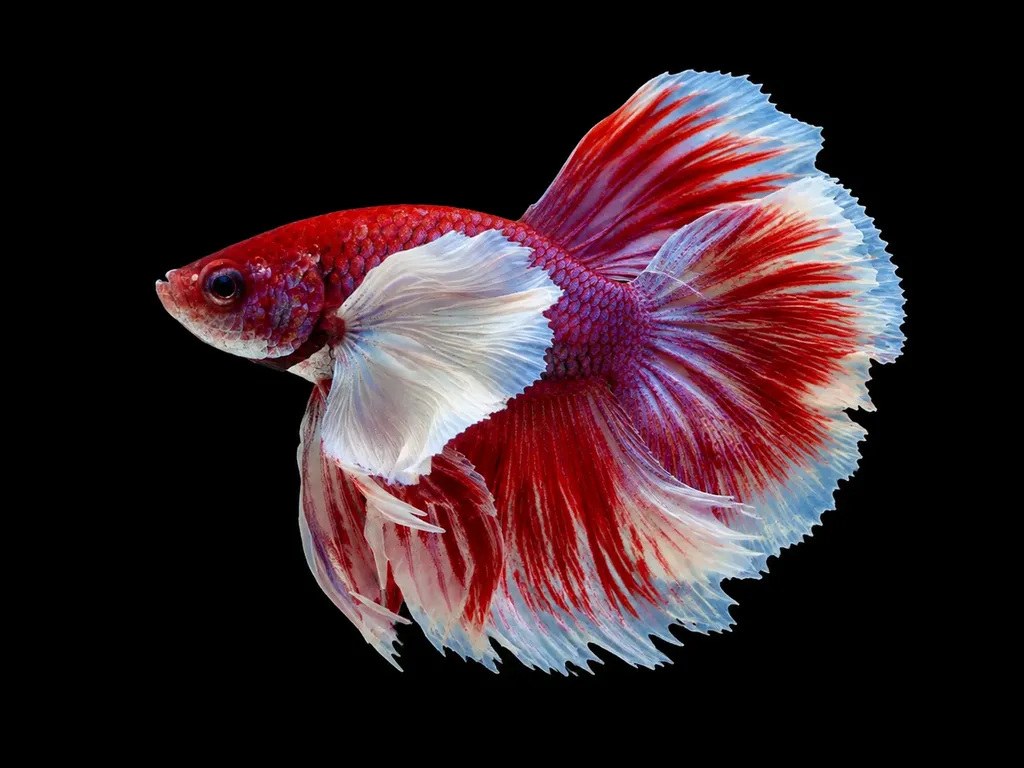
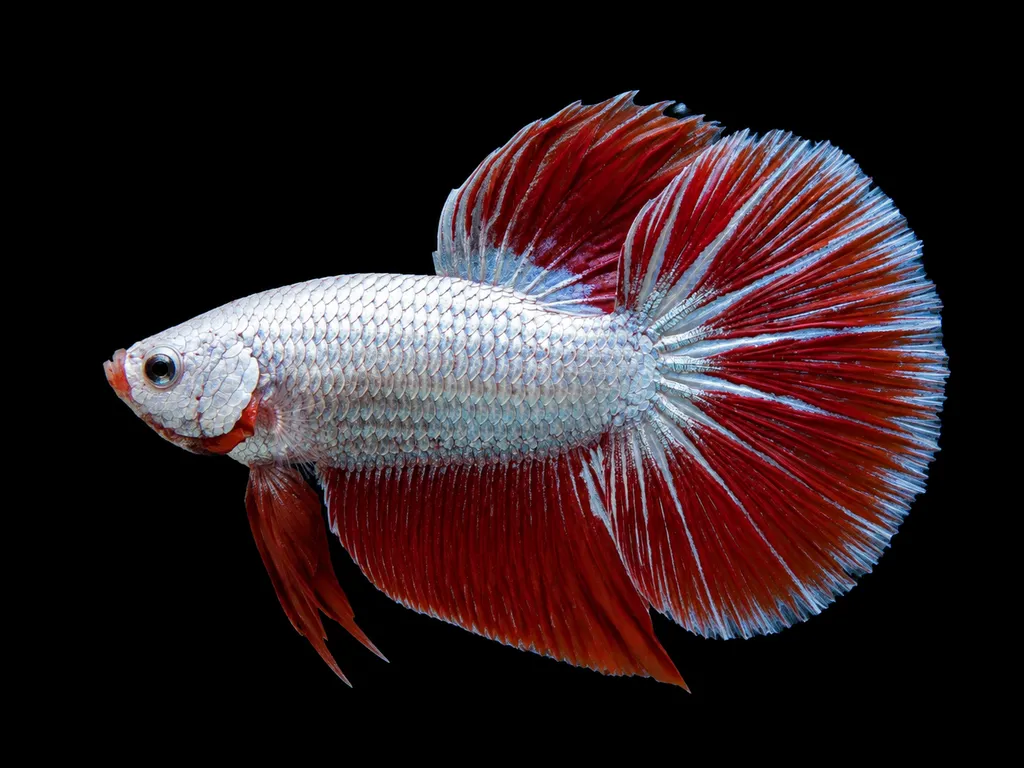
The koi betta is a marbled betta, so its blotches move over weeks and months. The fish in the cup is rarely the fish you have a year later. Keeping one is no different from keeping any other betta, and it makes a good first fish.
Did you know
The marble gene behind the koi betta reached the hobby from an Indiana prison. There, an inmate named Orville Gulley bred bettas in peanut butter jars. He was chasing a black butterfly betta and got marbling instead.
Caring for the koi betta
Keep a koi betta in a planted, low-flow tank of at least 5 gal (19 L), with some cover at the surface. Bettas are built for still water, so filter gently and do not blast it with current.
Heat the tank to 72 to 86°F (22 to 30°C) and keep the pH between 6.0 and 7.5. It is a carnivore, so feed a quality betta pellet and rotate in frozen or live bloodworms and brine shrimp.
Males are aggressive and cannot share a tank with another male. Trailing fins draw fin-nippers, so choose tank mates with caution or keep one alone.
Females have shorter fins than males. Bettas are bubble nesters, and a spawning male blows a raft of bubbles at the surface and tends the eggs himself. The marble element moves in eggs and sperm too, so koi pairs throw fry in patterns neither parent shows.
Good to know
The koi betta's pattern rests on marble, which hobby genetics describes as a transposable element, a piece of DNA that changes position. When it lands in a pigment gene, color switches off in that patch, and when it leaves, color returns. That is why the koi pattern keeps rearranging for the life of the fish. Which gene it sits in is not settled in published work. Galaxy koi, candy koi and nemo koi are trade labels for color mixes rather than separate strains. Shops price a koi betta on how clean the pattern looks that day.
In the wild
Thai breeders built the koi look on the marble gene. Marbled fish were crossed onto pale cellophane and white stock until red, black and orange sat on a light body. The koi name is borrowed from koi carp and spread with the export of Thai show stock. No individual originator is documented, and no wild betta carries the pattern.
From published sources
Tank mates
Each fish here is named as a tank mate for the koi betta by at least two published care guides. Seriously Fish and Practical Fishkeeping recommend keeping it on its own instead. The pairings below assume a planted tank of 10 to 20 gallons (38 to 76 liters) or more, with plenty of cover.
Sources: Aquarium Co-Op, Fishkeeping World, Chewy, Tropical Fish Hobbyist, Aqueon, All Pond Solutions.
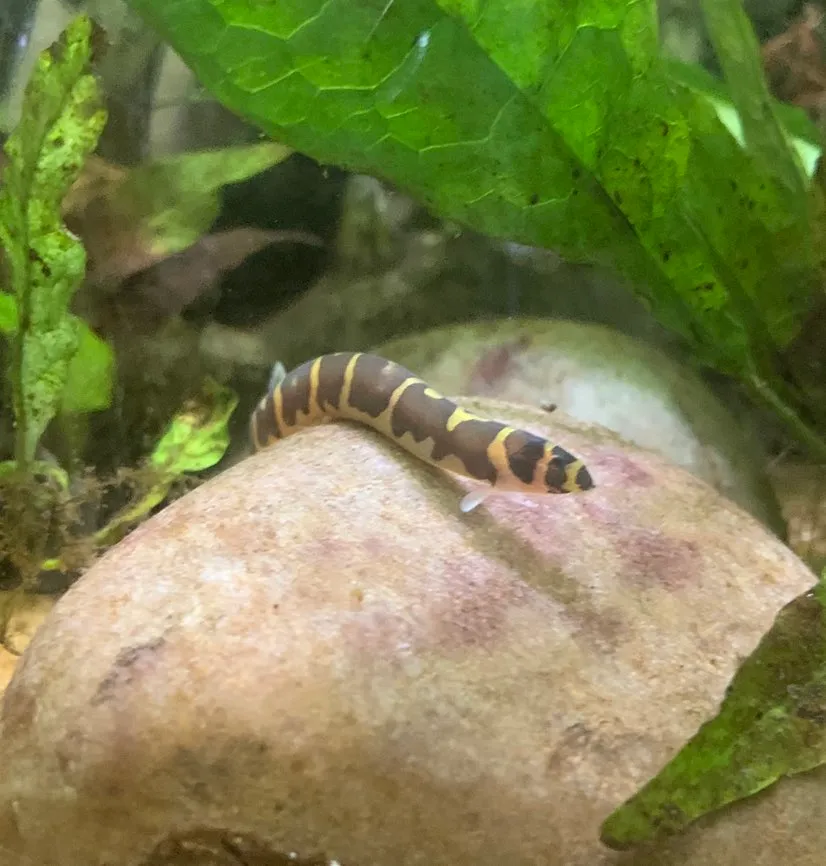
Half-banded kuhli loach
Pangio semicincta
Freshwater3.9 in (10 cm) · 20 gal (75 L)70–79°F (21–26°C)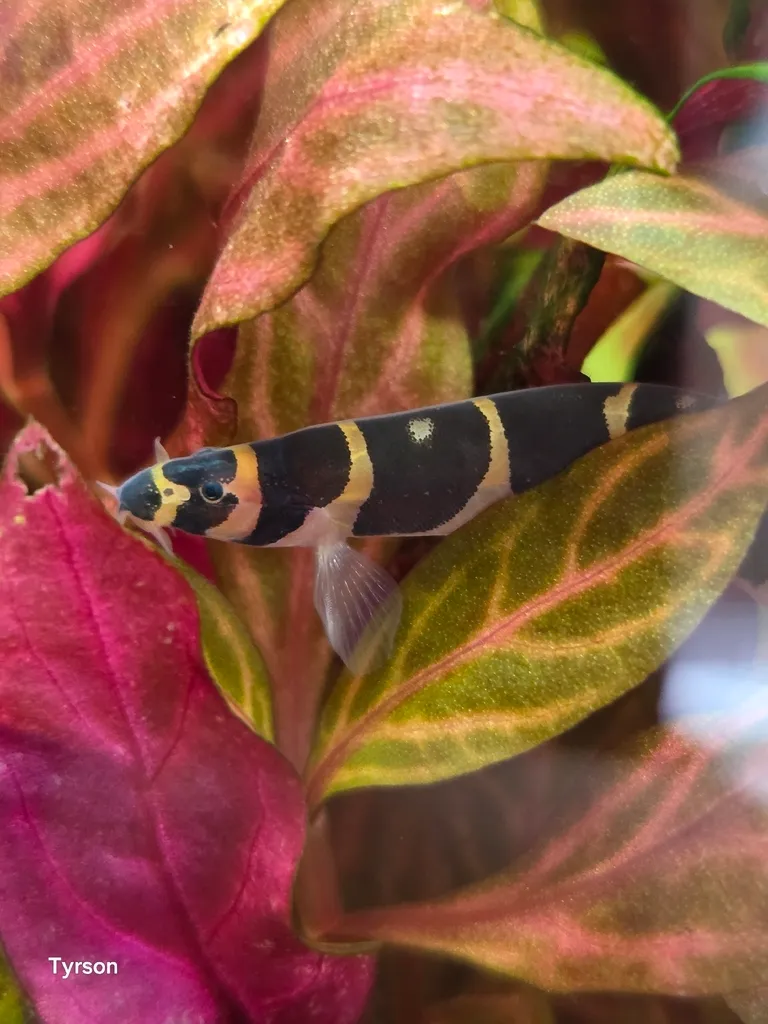
Kuhli loach
Pangio kuhlii
Freshwater3.9 in (10 cm) · 17 gal (65 L)72–82°F (22–28°C)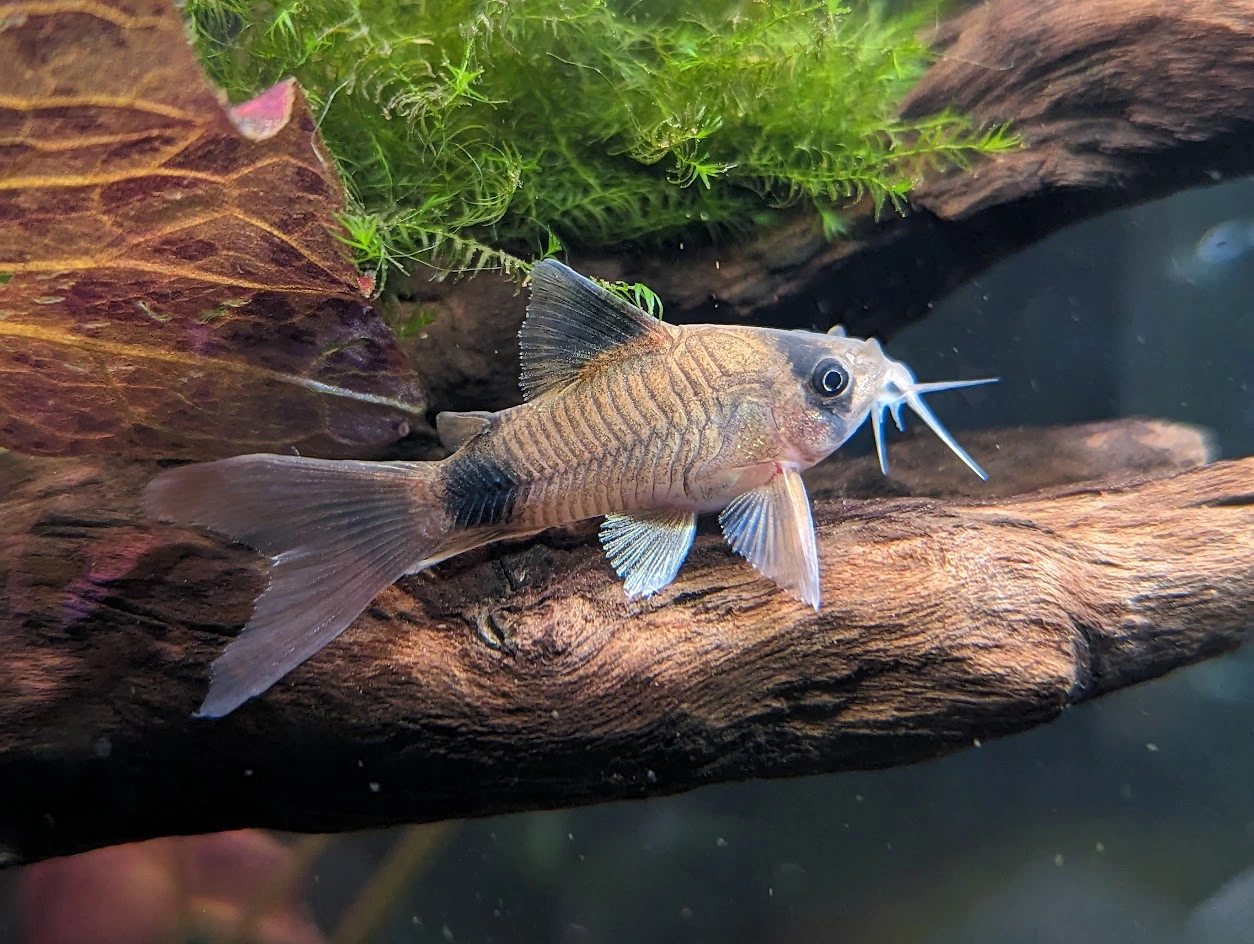
Panda cory
Hoplisoma panda
Freshwater2 in (5 cm) · 11 gal (41 L)72–77°F (22–25°C)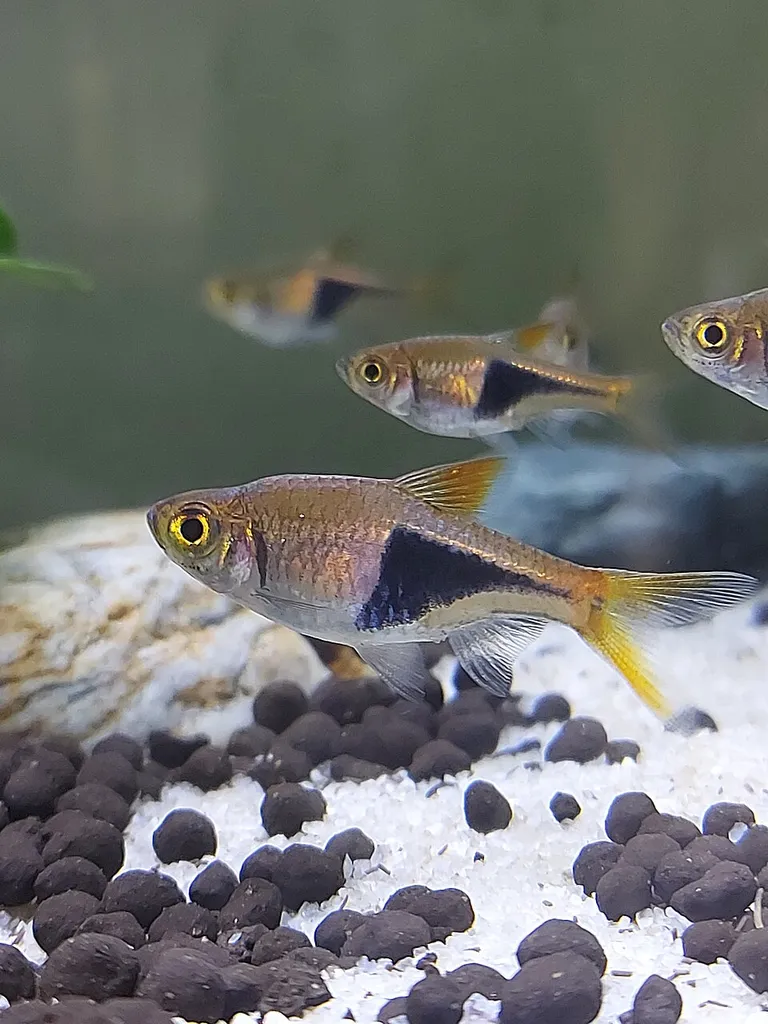
Harlequin rasbora
Trigonostigma heteromorpha
Freshwater2 in (5 cm) · 15 gal (55 L)72–82°F (22–28°C)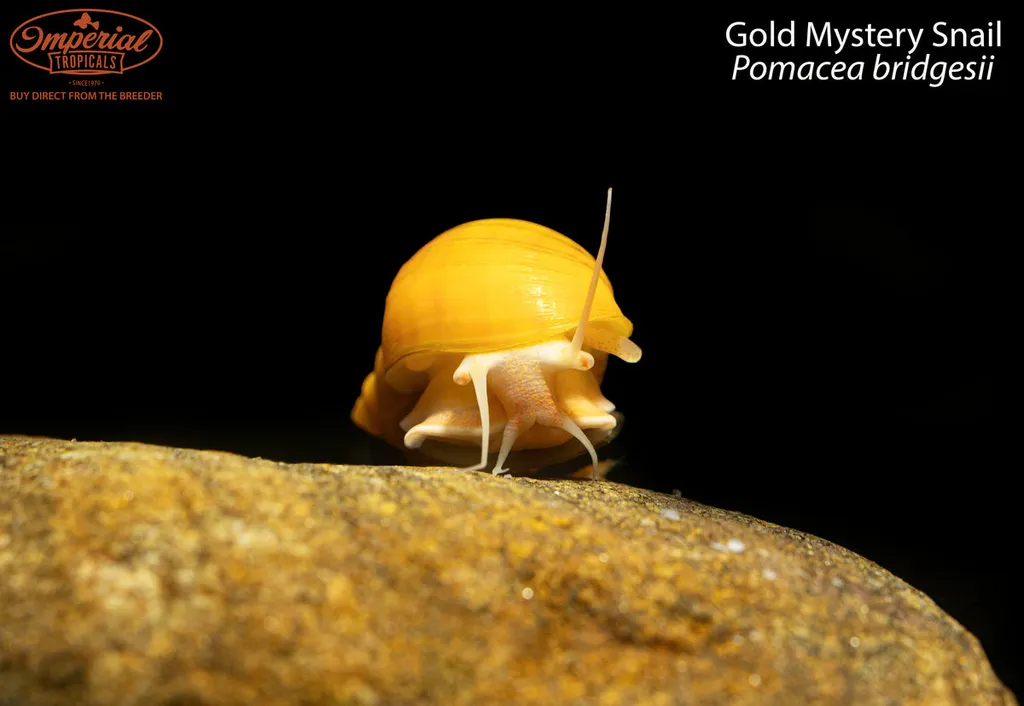
Mystery snail
Pomacea diffusa
Freshwater2 in (5 cm) · 5 gal (19 L)70–79°F (21–26°C)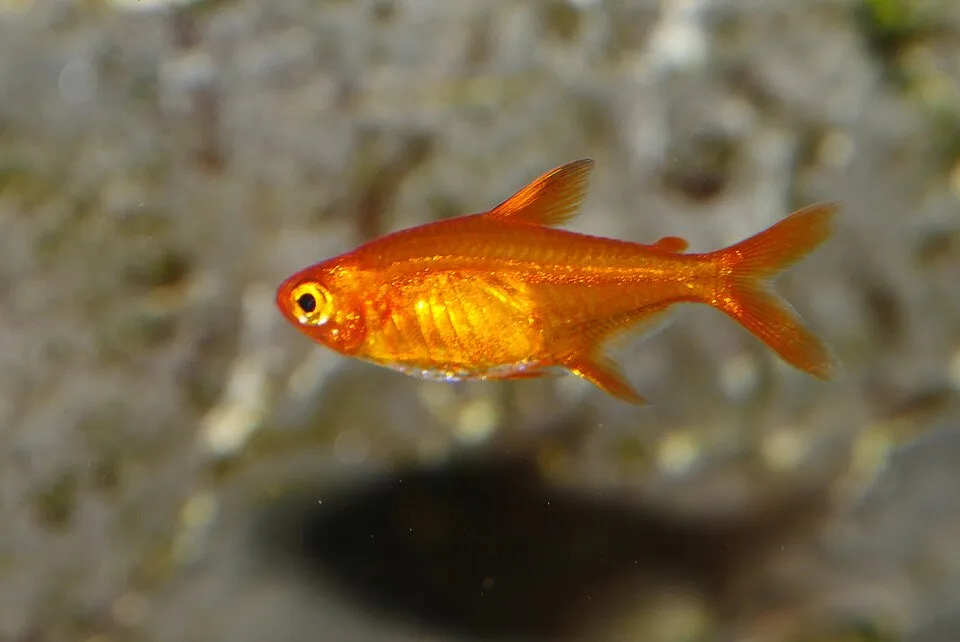
Ember tetra
Hyphessobrycon amandae
Freshwater0.8 in (2 cm) · 9 gal (35 L)72–82°F (22–28°C)
Common questions
Is a koi betta a different species from the Betta?
No. A koi betta is a variety of the Betta, Betta splendens, and it wants the same tank, water and food as the species.
What size tank does a koi betta need?
A koi betta needs at least 5 gal (19 L). It spends most of its time in the middle.
What does a koi betta eat?
A koi betta is a carnivore. It eats a quality betta pellet, with frozen or live bloodworms and brine shrimp rotated in.
How big does a koi betta get?
An adult koi betta reaches about 3 in (7.5 cm).
How can you tell a male koi betta from a female?
Males carry longer fins than females do.
How does a koi betta breed?
A koi betta is a bubble nester, and the male tends the eggs in a raft of bubbles at the surface. The marble element moves in eggs and sperm, so koi pairs throw fry in patterns neither parent shows.
What fish can live with the koi betta?
Published care guides name half-banded kuhli loach, kuhli loach, panda cory and harlequin rasbora, among others. The pairings below assume a planted tank of 10 to 20 gallons (38 to 76 liters) or more, with plenty of cover.
Related species
- 3 in (7.5 cm)26 gal (100 L)72–81°F (22–27°C)
Gladiator betta
Betta gladiator
3 in (7.5 cm) · 26 gal (100 L)
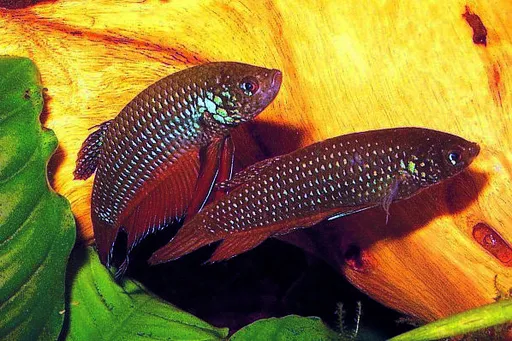 2.4 in (6 cm)11 gal (40 L)72–82°F (22–28°C)
Emerald betta
Betta smaragdina
2.4 in (6 cm) · 11 gal (40 L)
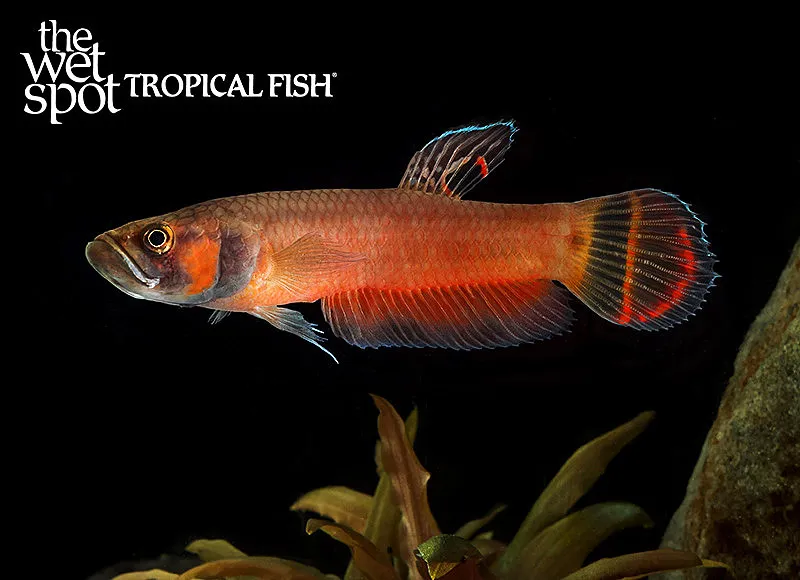 3.9 in (10 cm)20 gal (75 L)72–79°F (22–26°C)
Brunei beauty betta
Betta macrostoma
3.9 in (10 cm) · 20 gal (75 L)
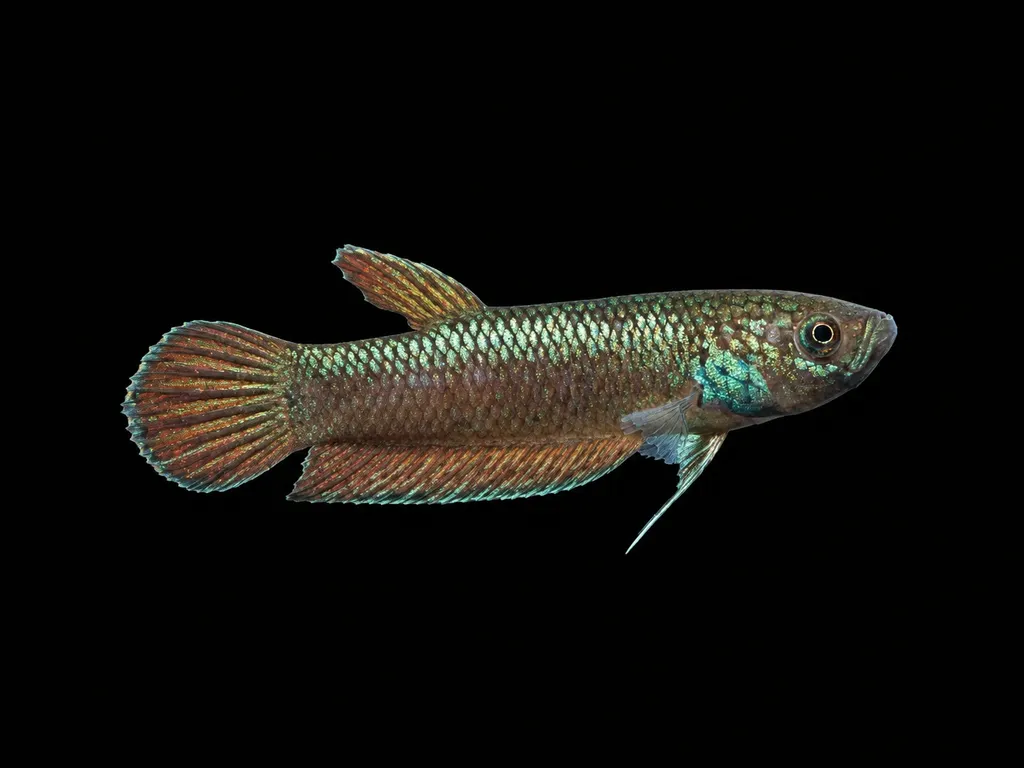 3 in (7.5 cm)20 gal (75 L)72–81°F (22–27°C)
Compuncta betta
Betta compuncta
3 in (7.5 cm) · 20 gal (75 L)
- 2.9 in (7.3 cm)16 gal (60 L)72–81°F (22–27°C)
Aurigans betta
Betta aurigans
2.9 in (7.3 cm) · 16 gal (60 L)
- 2.8 in (7.2 cm)21 gal (80 L)72–81°F (22–27°C)
Pardalotos betta
Betta pardalotos
2.8 in (7.2 cm) · 21 gal (80 L)