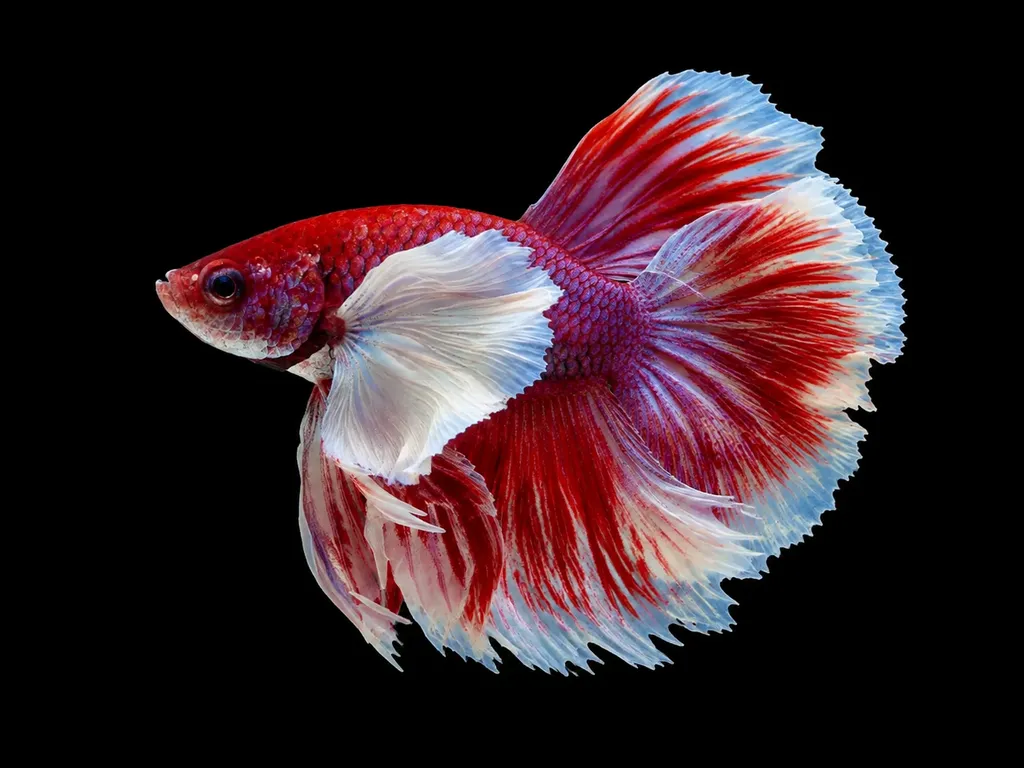
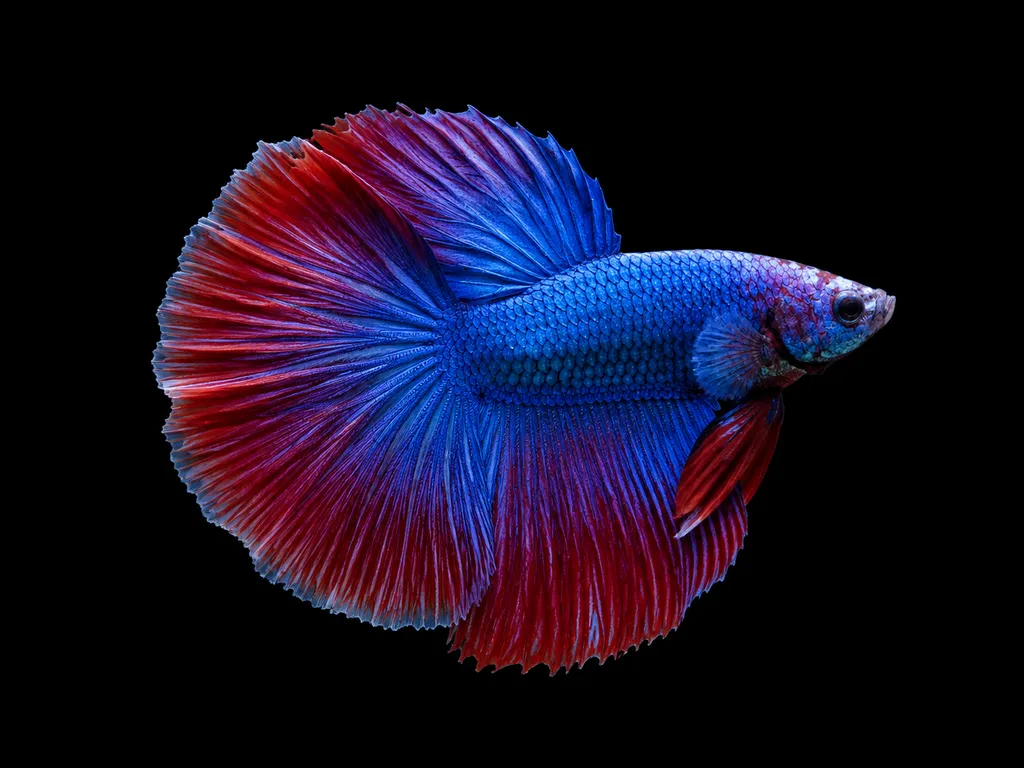
Named for the pectoral fins, not the tail, so dumbo turns up in front of any tail type and any color. Grading is about pectoral size and how well the two match; cheap big ear fish often have one small pectoral or ragged edging. The oversized pectorals add drag and make hovering harder work, so gentle flow and resting spots near the surface help. Elephant ear is the same fish under another name.
In the wild
Thai accounts date the first big eared fish to 1999, and the trait was fixed by picking fish born with unusually large pectorals and breeding them together. The result is a farm line, not anything found in the wild, where pectorals stay small. One Thai account names a specific farm as the source, but the record is thin and no individual breeder is firmly confirmed.
Good to know
The change sits in the paired pectoral fins, which grow to several times normal area while the rest of the fish stays standard. Pectorals beat almost constantly for hovering and steering, so the extra surface adds drag the fish has to work against. The trait breeds fairly true, though pectoral size varies within a spawn, and pale or white pectorals are common whatever the body color.
Did you know
A betta hovers on its pectorals rather than its tail, so those fins are moving nearly all the time. On a dumbo the whole stroke is visible from across the room.
Common questions
Is a Dumbo betta a different species from the Betta?
No. A Dumbo betta is a variety of the Betta, Betta splendens, and it wants the same tank, water and food as the species.
What size tank does a Dumbo betta need?
A Dumbo betta needs at least 7 gal (25 L). It spends most of its time in the middle.
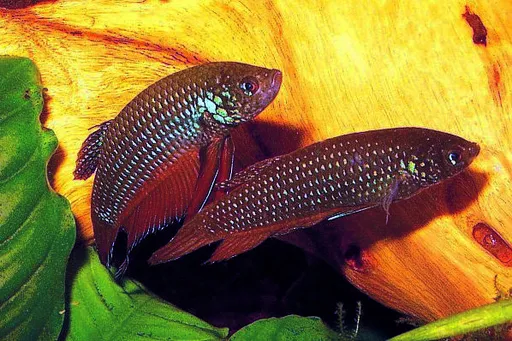 2.4 in (6 cm)11 gal (40 L)72–82°F (22–28°C)
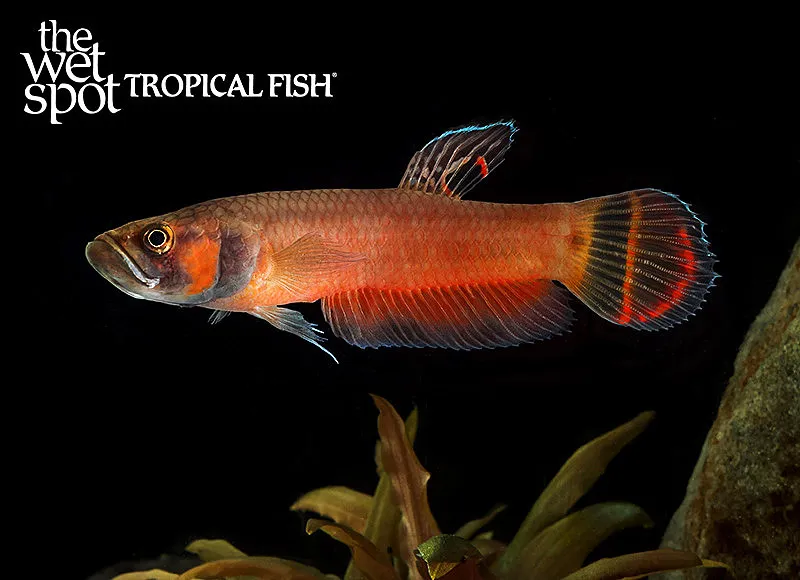 3.9 in (10 cm)20 gal (75 L)72–79°F (22–26°C)
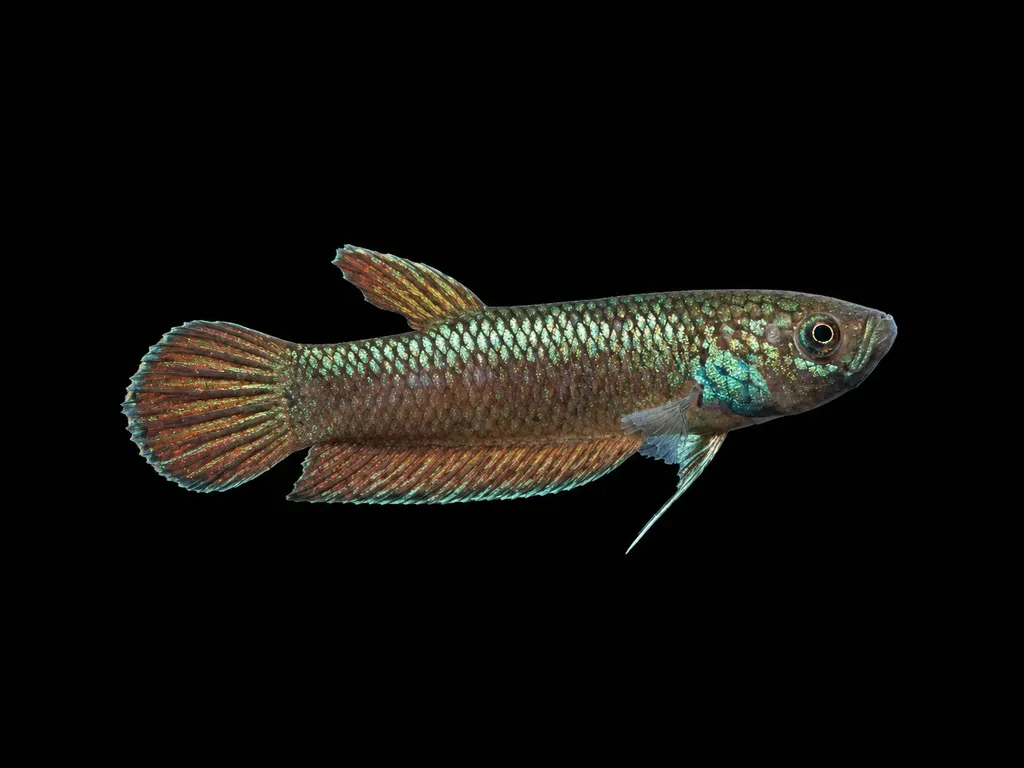 3 in (7.5 cm)20 gal (75 L)72–81°F (22–27°C)