Variety of Betta
Doubletail betta
Betta splendens
One of 8 varieties of Betta splendens · See all varieties →
FreshwaterFish
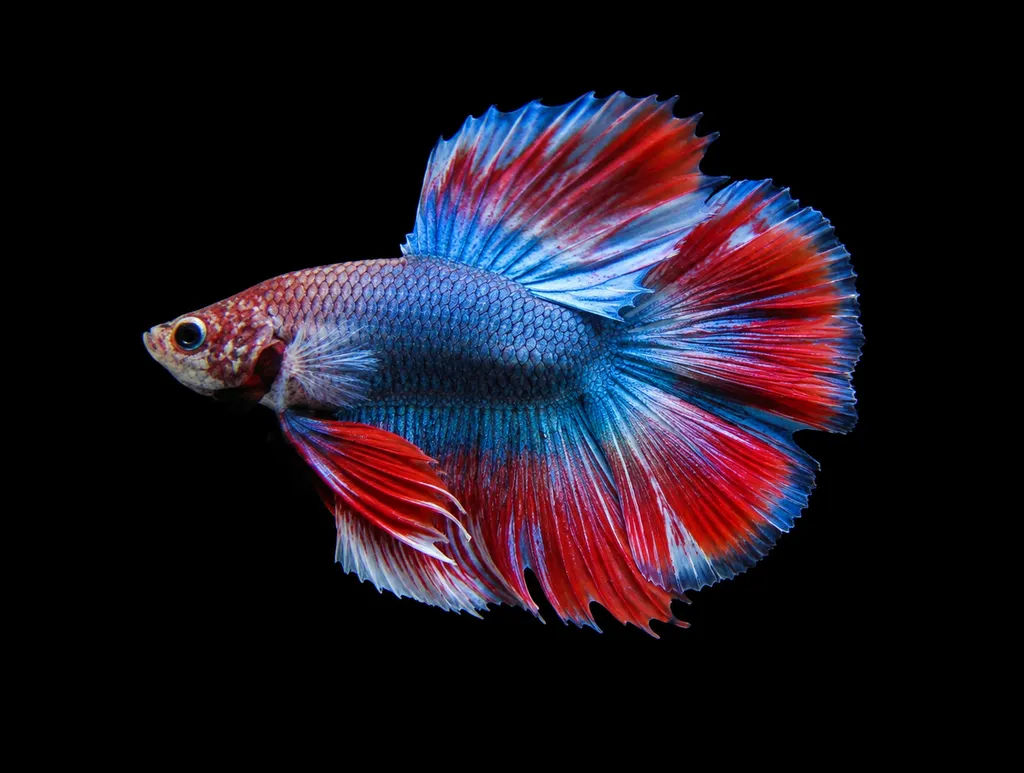
Varieties · Betta splendens
See all 8 →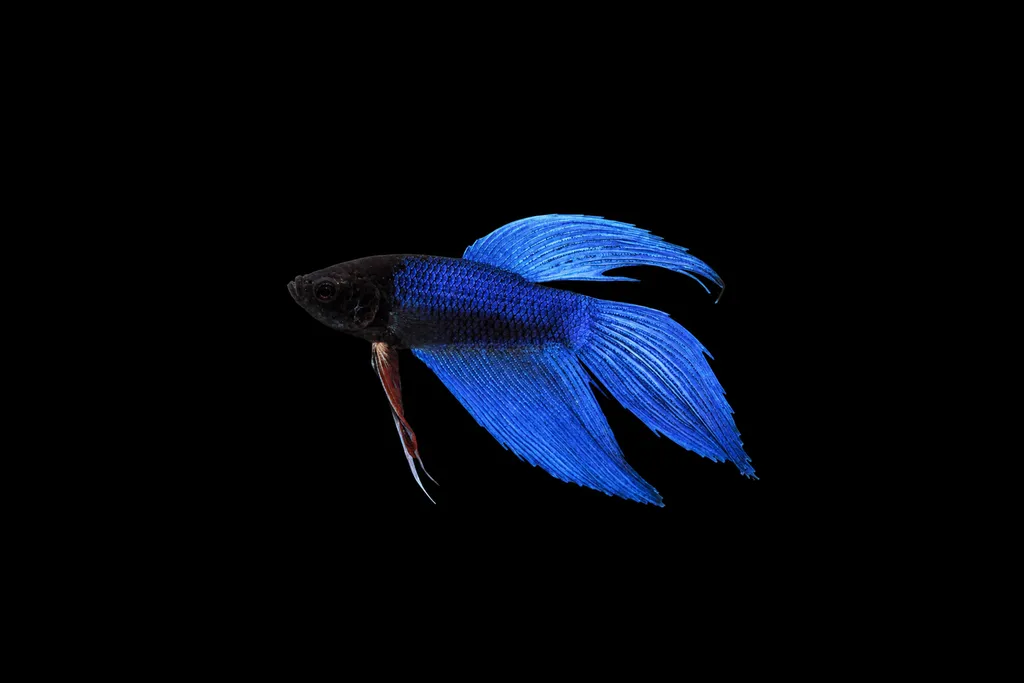
Care at a glance
- Temperature
- 72–86°F
- 22–30°C
- pH
- 6.0–7.5
- Adult size
- 3 in
- 7.5 cm
- Minimum tank
- 5 gal
- 19 L
- Temperament
- Aggressive
- Social behavior
- Solitary
- Own kind
- One male per tank
- Tankmates
- With caution
- Swim level
- Middle
- Diet
- Carnivore
- Difficulty
- Beginner
- Breeding
- Bubble nester
- Rarity
- Very common
- Family
- Osphronemidae
Overview
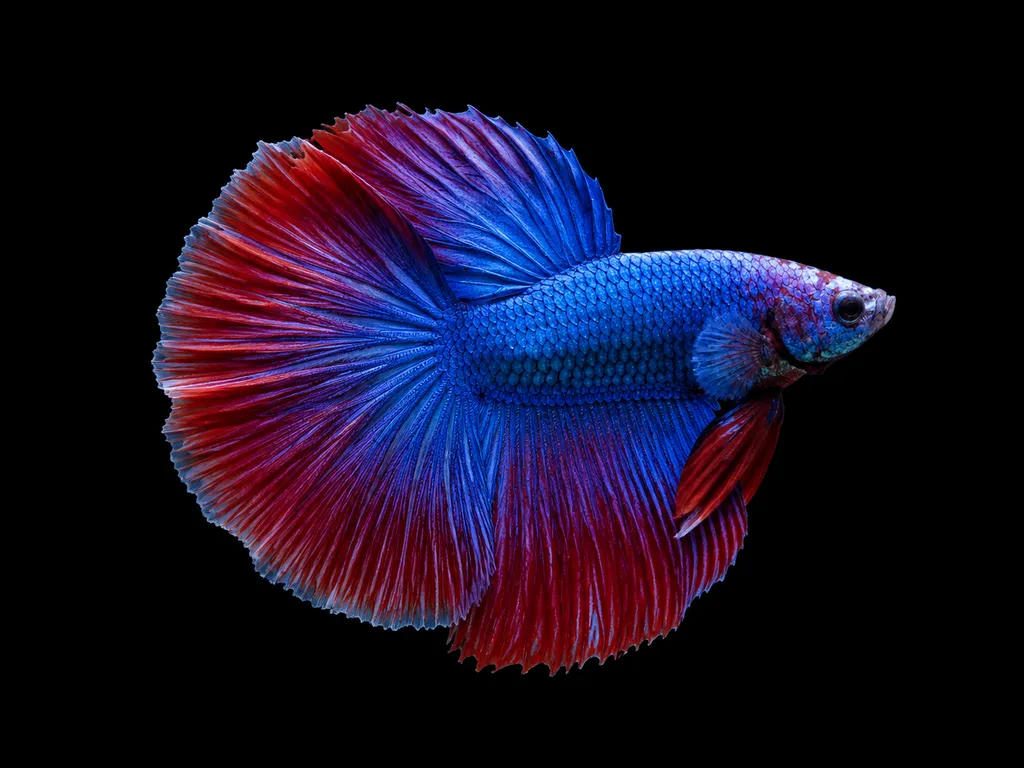
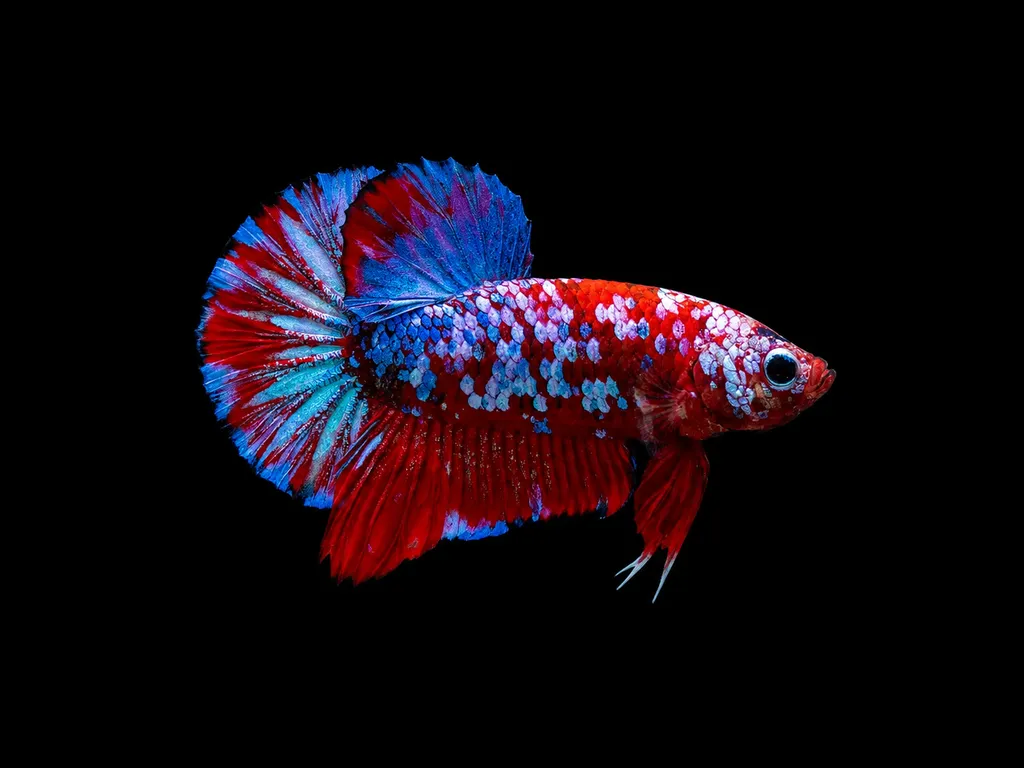
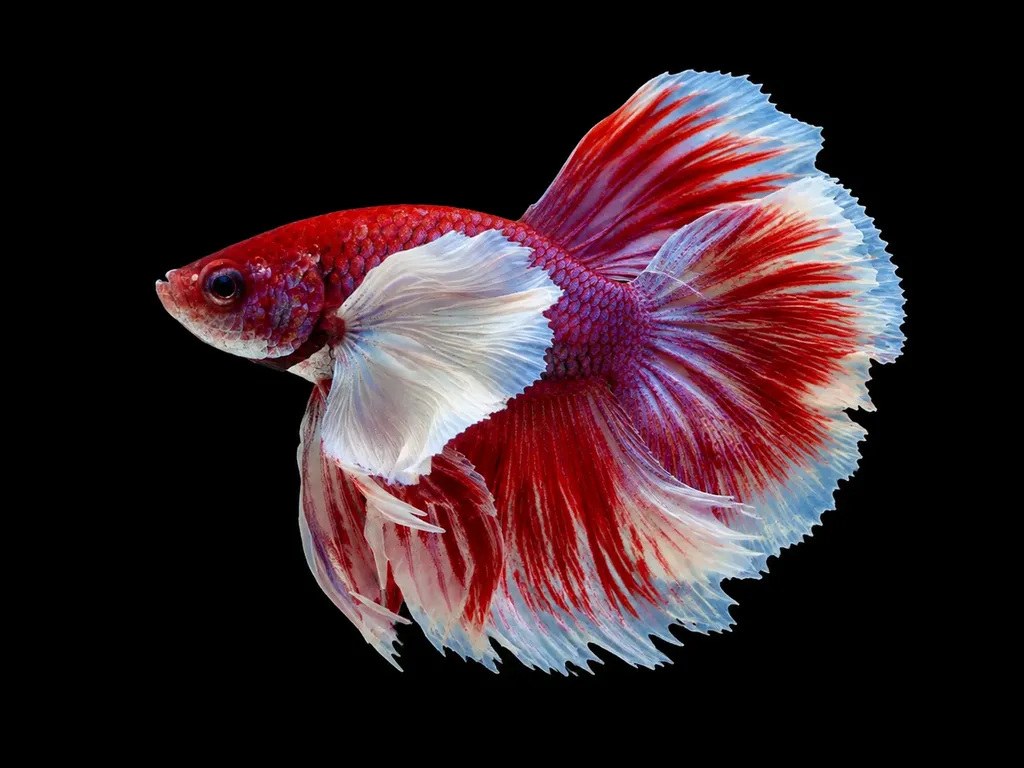
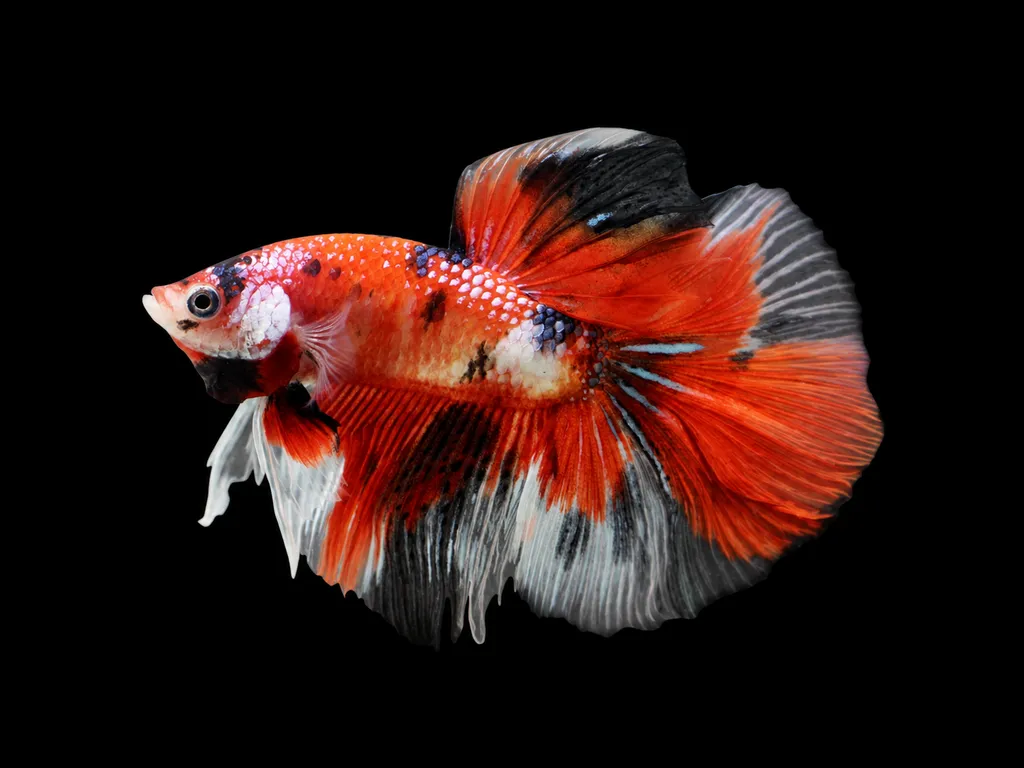
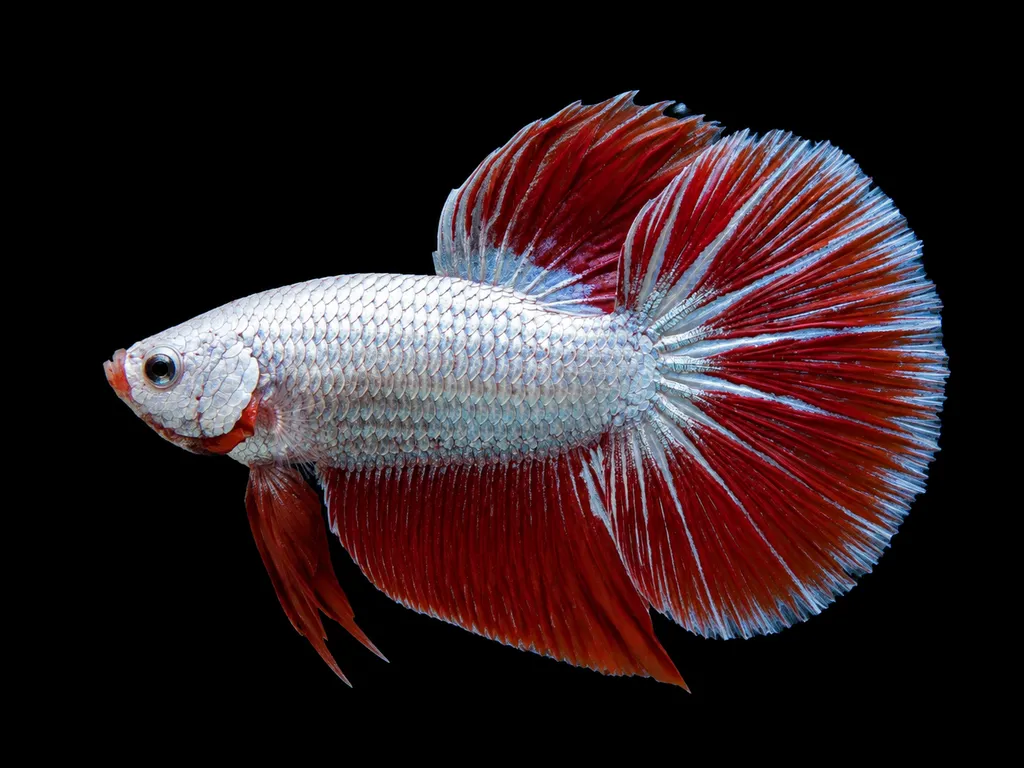
The doubletail betta is a domestic betta with a tail split into two clearly separated lobes. It is easy to keep and suits a calm, planted tank.
Did you know
A doubletail betta is kept on hand even by breeders with no interest in split tails. Crossing one into a single tail line is the standard way to get a taller dorsal fin. The split tail then sits hidden in the carriers.
Caring for the doubletail betta
Keep a doubletail betta in a planted tank of at least 5 gal (19 L), with some cover at the surface. Its body is shorter and thicker than a single tail's, and swim bladder trouble runs higher. Gentle flow suits it, so filter lightly and never blast it with current.
Heat the tank to 72 to 86°F (22 to 30°C) and keep the pH between 6.0 and 7.5. It is a carnivore, so feed a quality betta pellet and rotate in frozen or live bloodworms and brine shrimp.
Males are aggressive and cannot share a tank with another male. Long, trailing fins draw fin-nippers, so choose tank mates with caution or keep one alone.
Females have shorter fins than males. Bettas are bubble nesters, and a spawning male blows a raft of bubbles at the surface and tends the eggs himself.
Two doubletail parents give an all doubletail spawn, but breeders usually avoid that pairing because deformities run high in the fry. A cross to a single tail gives carriers that look normal and pass the trait on.
Good to know
A single recessive gene splits the doubletail's caudal fin into two lobes. The same gene widens the dorsal until it nearly matches the anal fin. It also shortens the body, and doubletails show more spinal kinks than other tail types. Good fish have even lobes, while weak ones have one lobe much larger or a kink at the tail base. Shops sell it as doubletail or DT, stacked with any color name.
In the wild
Doubletails are an old domestic mutation, already in show stock before halfmoon work began. The doubletail melano male that Rajiv Masillamoni crossed into Guy Delaval's stock stands behind the first halfmoon line. No originator is recorded, and the form seems to have surfaced more than once in long-finned stock. It has never been found in wild populations.
From published sources
Tank mates
Each fish here is named as a tank mate for the doubletail betta by at least two published care guides. Seriously Fish and Practical Fishkeeping recommend keeping it on its own instead. The pairings below assume a planted tank of 10 to 20 gallons (38 to 76 liters) or more, with plenty of cover.
Sources: Aquarium Co-Op, Fishkeeping World, Chewy, Tropical Fish Hobbyist, Aqueon, All Pond Solutions.
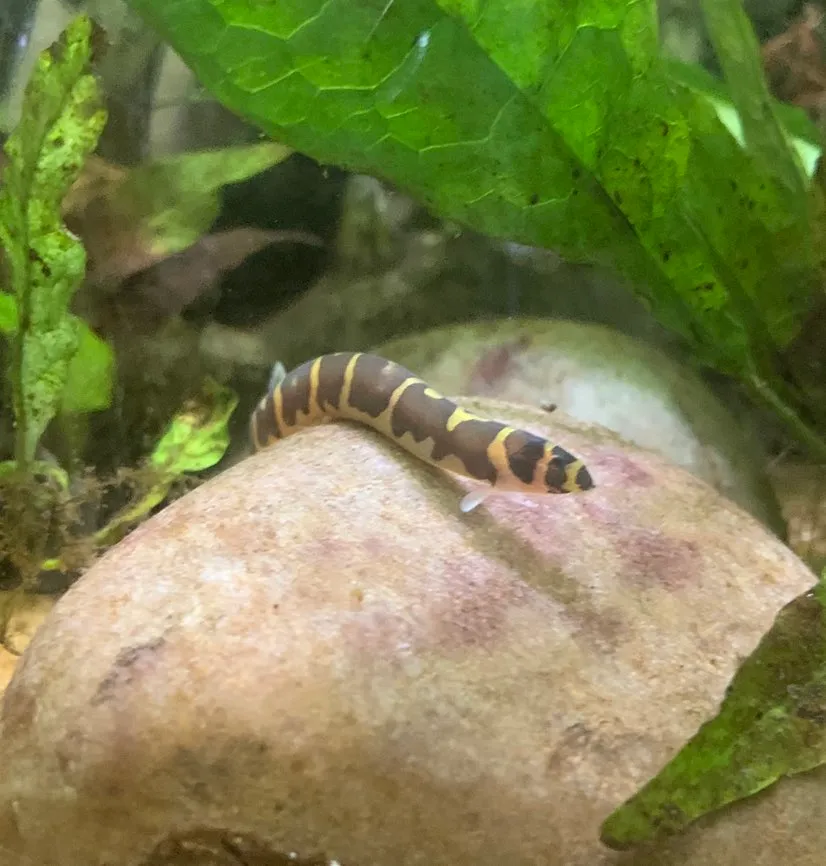
Half-banded kuhli loach
Pangio semicincta
Freshwater3.9 in (10 cm) · 20 gal (75 L)70–79°F (21–26°C)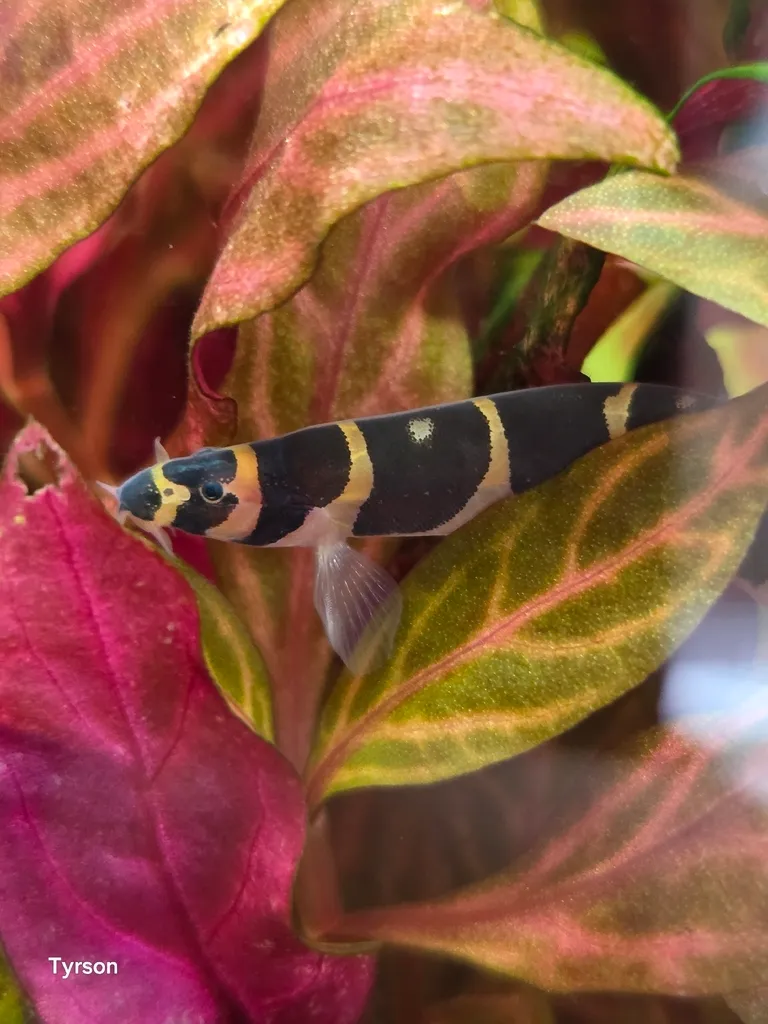
Kuhli loach
Pangio kuhlii
Freshwater3.9 in (10 cm) · 17 gal (65 L)72–82°F (22–28°C)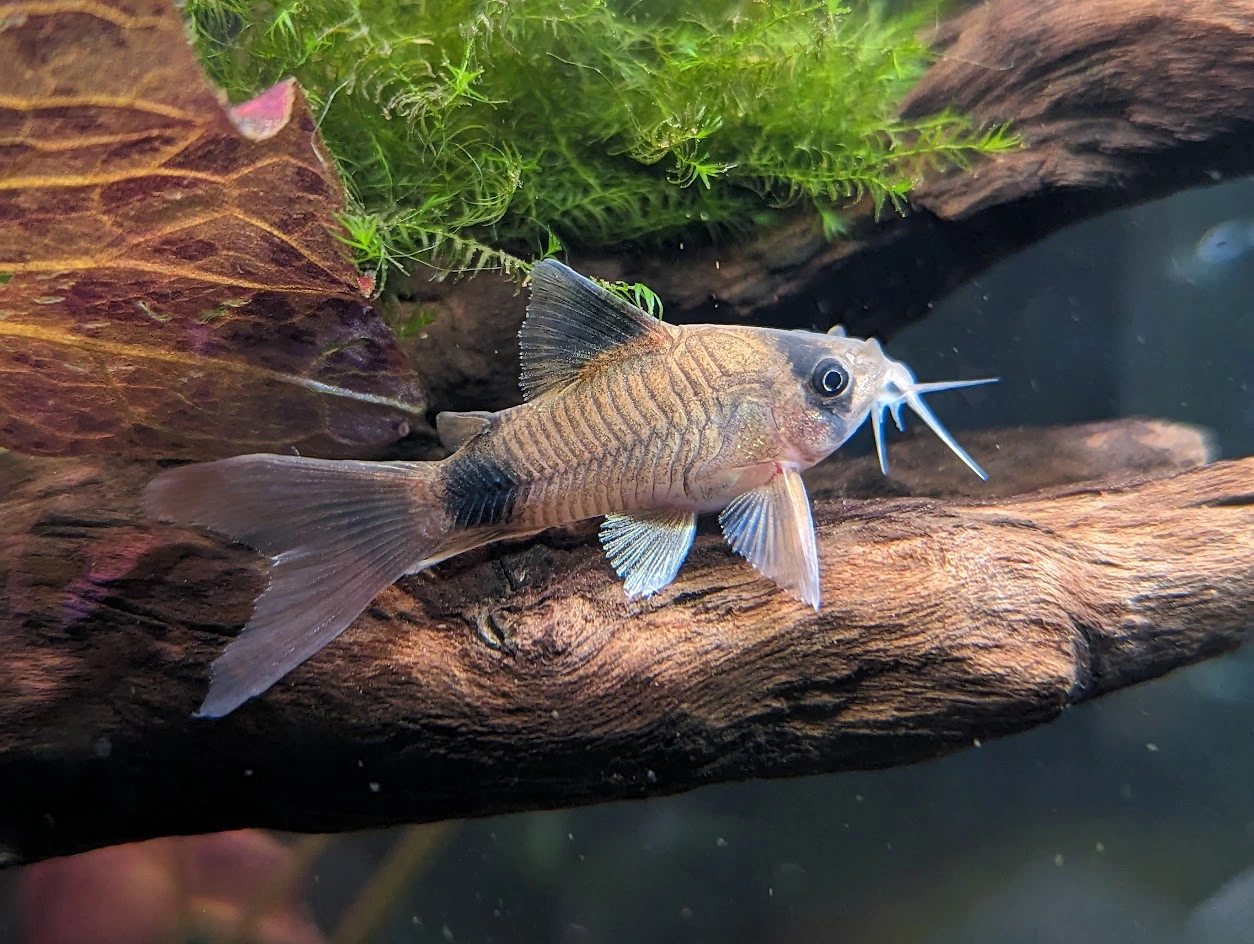
Panda cory
Hoplisoma panda
Freshwater2 in (5 cm) · 11 gal (41 L)72–77°F (22–25°C)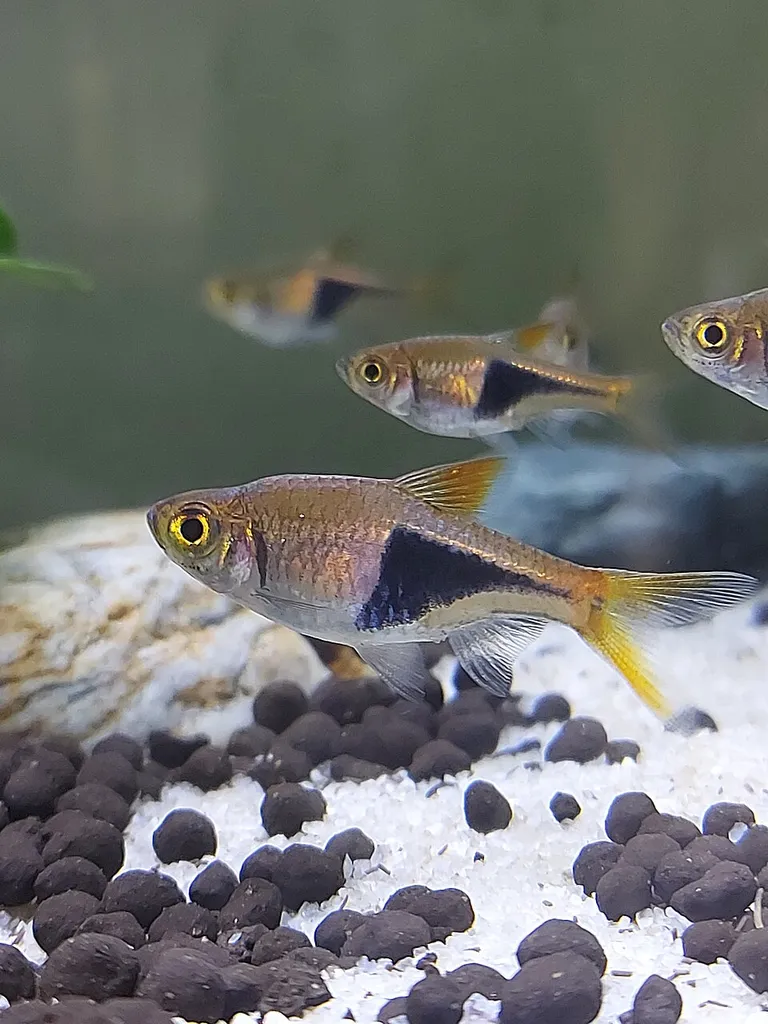
Harlequin rasbora
Trigonostigma heteromorpha
Freshwater2 in (5 cm) · 15 gal (55 L)72–82°F (22–28°C)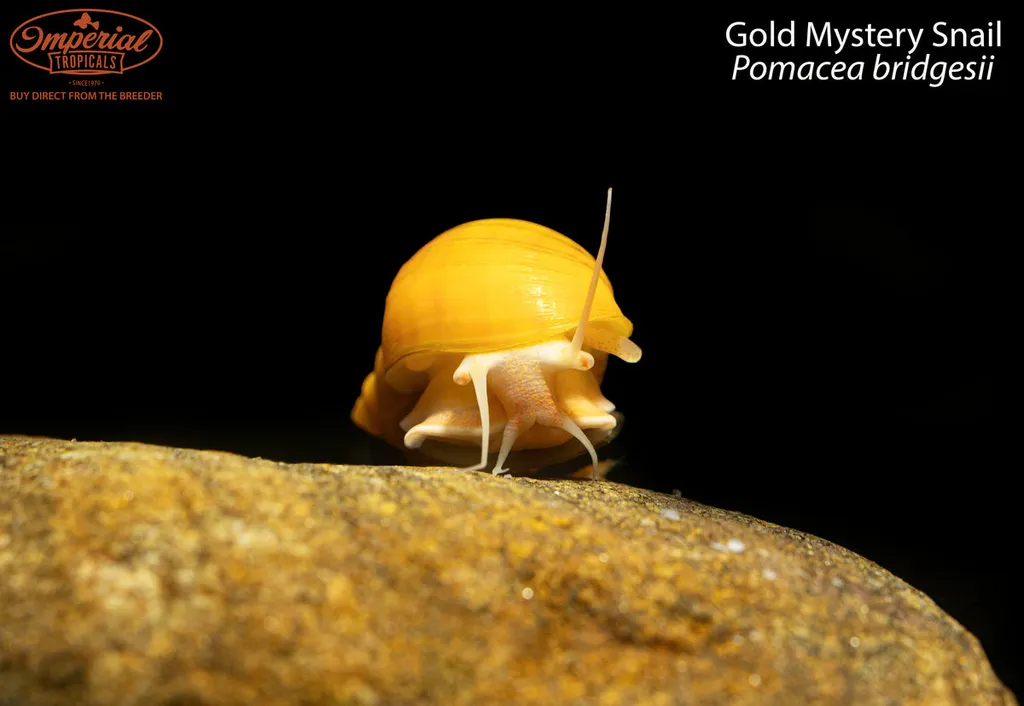
Mystery snail
Pomacea diffusa
Freshwater2 in (5 cm) · 5 gal (19 L)70–79°F (21–26°C)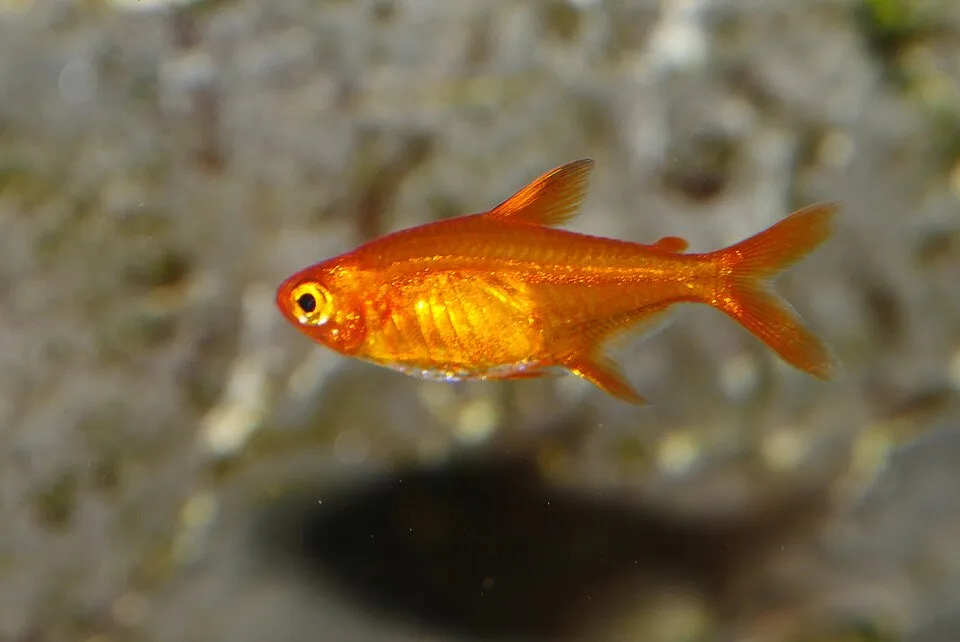
Ember tetra
Hyphessobrycon amandae
Freshwater0.8 in (2 cm) · 9 gal (35 L)72–82°F (22–28°C)
Common questions
Is a doubletail betta a different species from the Betta?
No. A doubletail betta is a variety of the Betta, Betta splendens, and it wants the same tank, water and food as the species.
What size tank does a doubletail betta need?
A doubletail betta needs at least 5 gal (19 L). It spends most of its time in the middle.
What does a doubletail betta eat?
A doubletail betta is a carnivore. Feed it a quality betta pellet, and rotate in frozen or live bloodworms and brine shrimp.
How big does a doubletail betta get?
An adult doubletail betta reaches about 3 in (7.5 cm).
How can you tell a male doubletail betta from a female?
Males carry the long fins, and females have shorter fins than males.
How does a doubletail betta breed?
A doubletail betta is a bubble nester, and the male tends the eggs in a raft of bubbles at the surface. Two doubletail parents give an all doubletail spawn, though breeders usually avoid that pairing because deformities run high in the fry.
What fish can live with the doubletail betta?
Published care guides name half-banded kuhli loach, kuhli loach, panda cory and harlequin rasbora, among others. The pairings below assume a planted tank of 10 to 20 gallons (38 to 76 liters) or more, with plenty of cover.
Related species
- 3 in (7.5 cm)26 gal (100 L)72–81°F (22–27°C)
Gladiator betta
Betta gladiator
3 in (7.5 cm) · 26 gal (100 L)
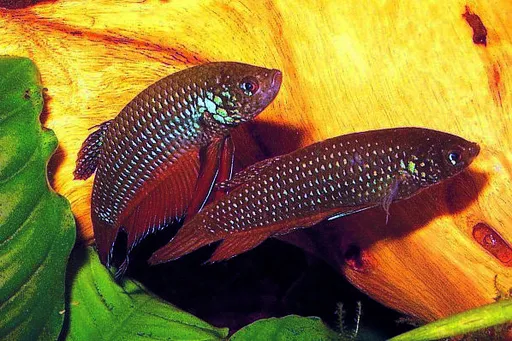 2.4 in (6 cm)11 gal (40 L)72–82°F (22–28°C)
Emerald betta
Betta smaragdina
2.4 in (6 cm) · 11 gal (40 L)
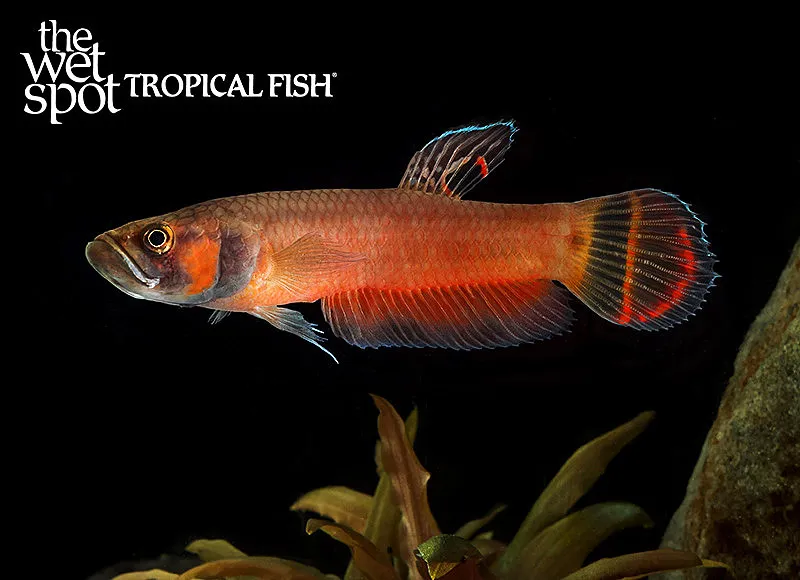 3.9 in (10 cm)20 gal (75 L)72–79°F (22–26°C)
Brunei beauty betta
Betta macrostoma
3.9 in (10 cm) · 20 gal (75 L)
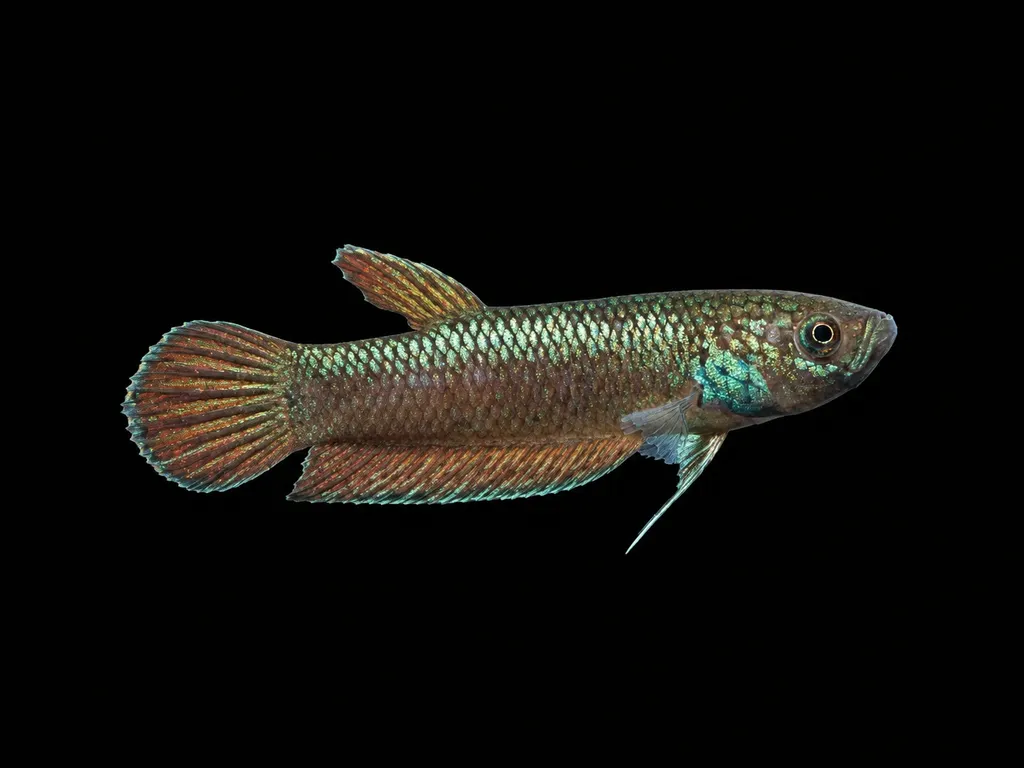 3 in (7.5 cm)20 gal (75 L)72–81°F (22–27°C)
Compuncta betta
Betta compuncta
3 in (7.5 cm) · 20 gal (75 L)
- 2.9 in (7.3 cm)16 gal (60 L)72–81°F (22–27°C)
Aurigans betta
Betta aurigans
2.9 in (7.3 cm) · 16 gal (60 L)
- 2.8 in (7.2 cm)21 gal (80 L)72–81°F (22–27°C)
Pardalotos betta
Betta pardalotos
2.8 in (7.2 cm) · 21 gal (80 L)