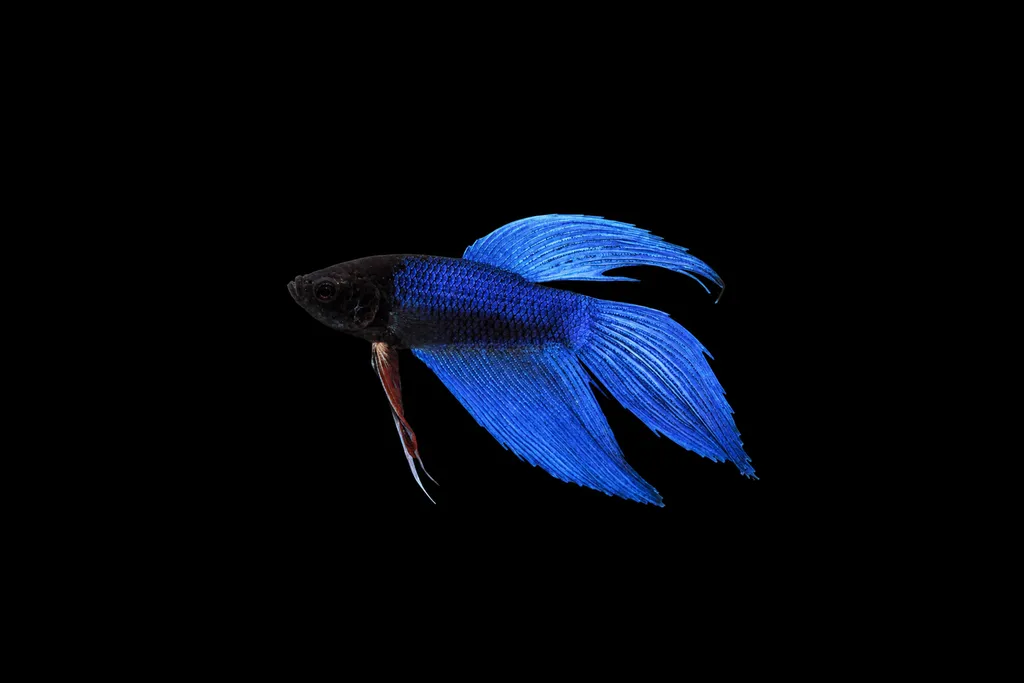
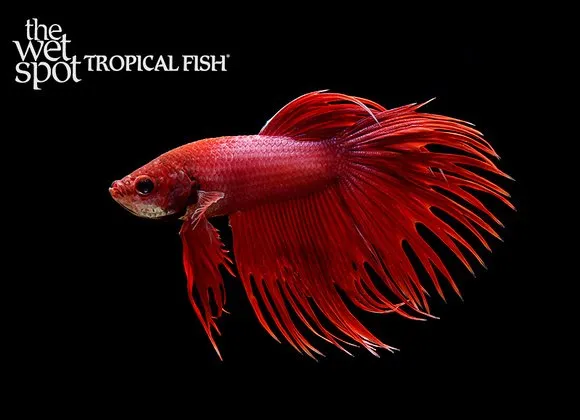
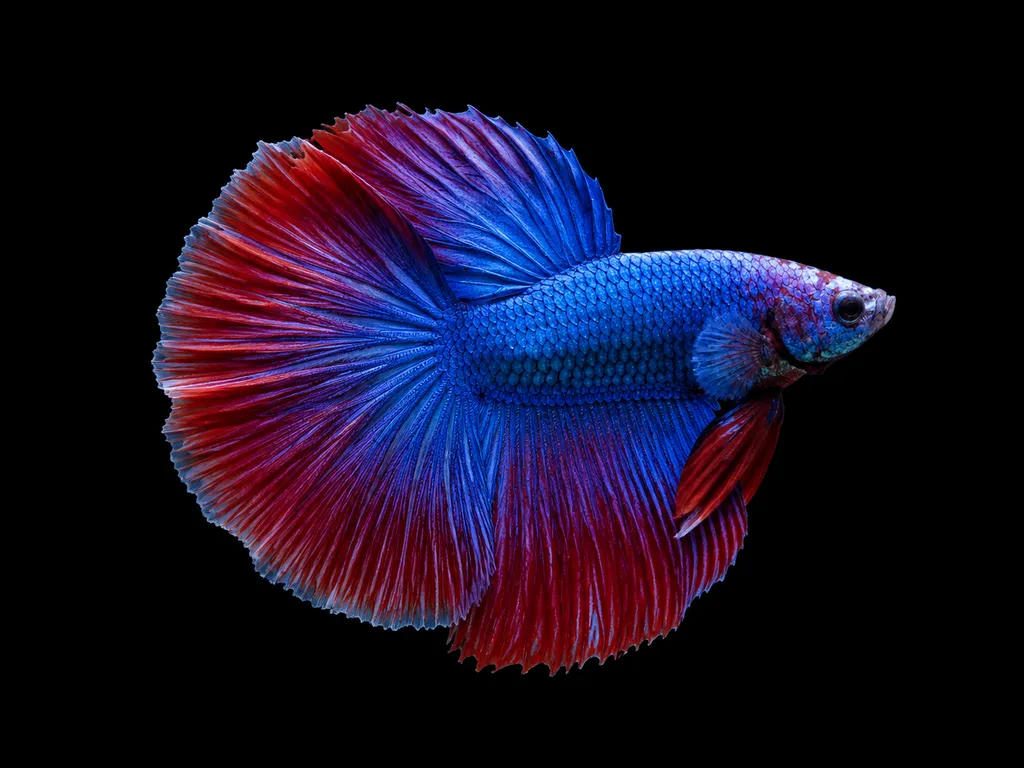
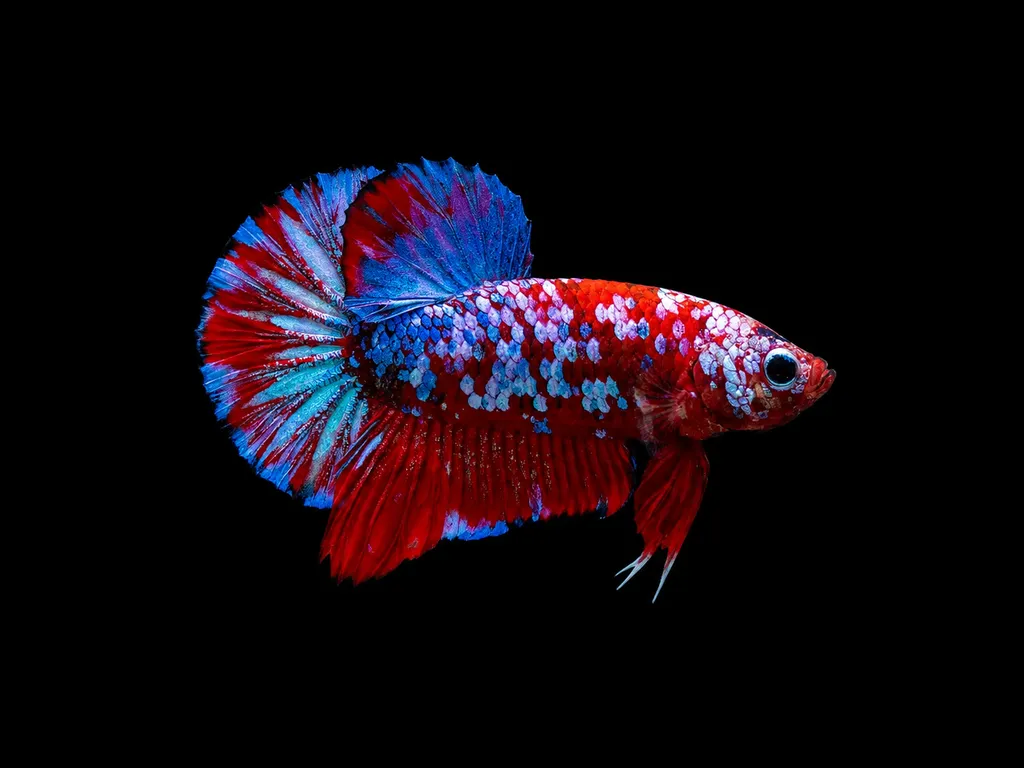
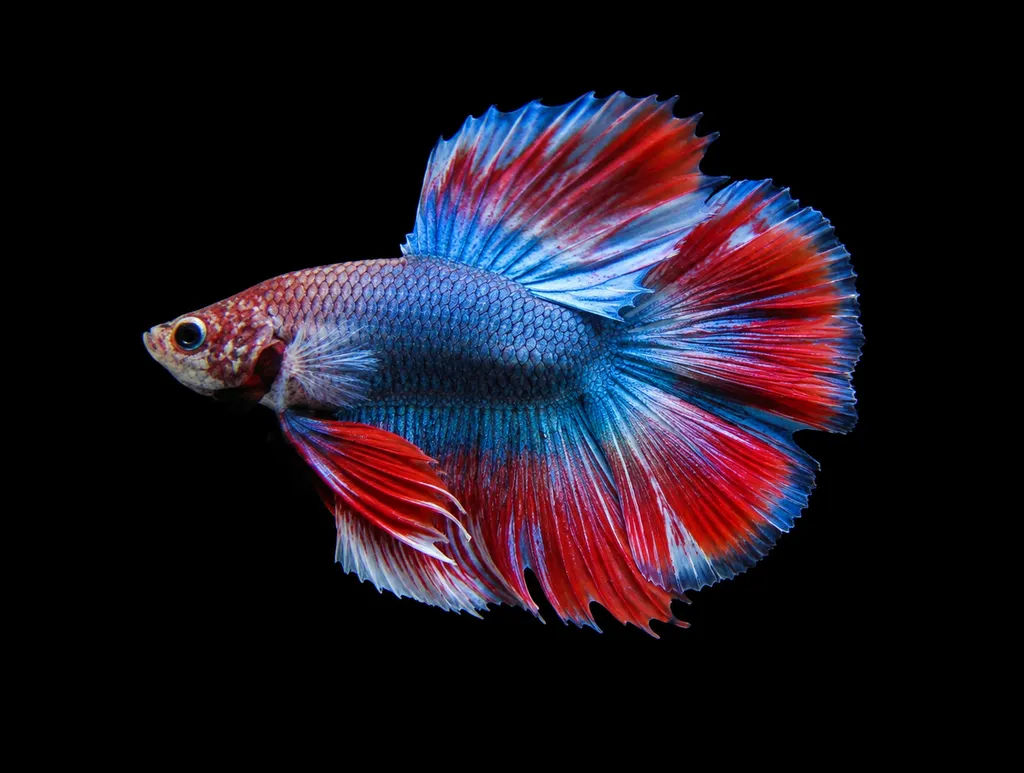
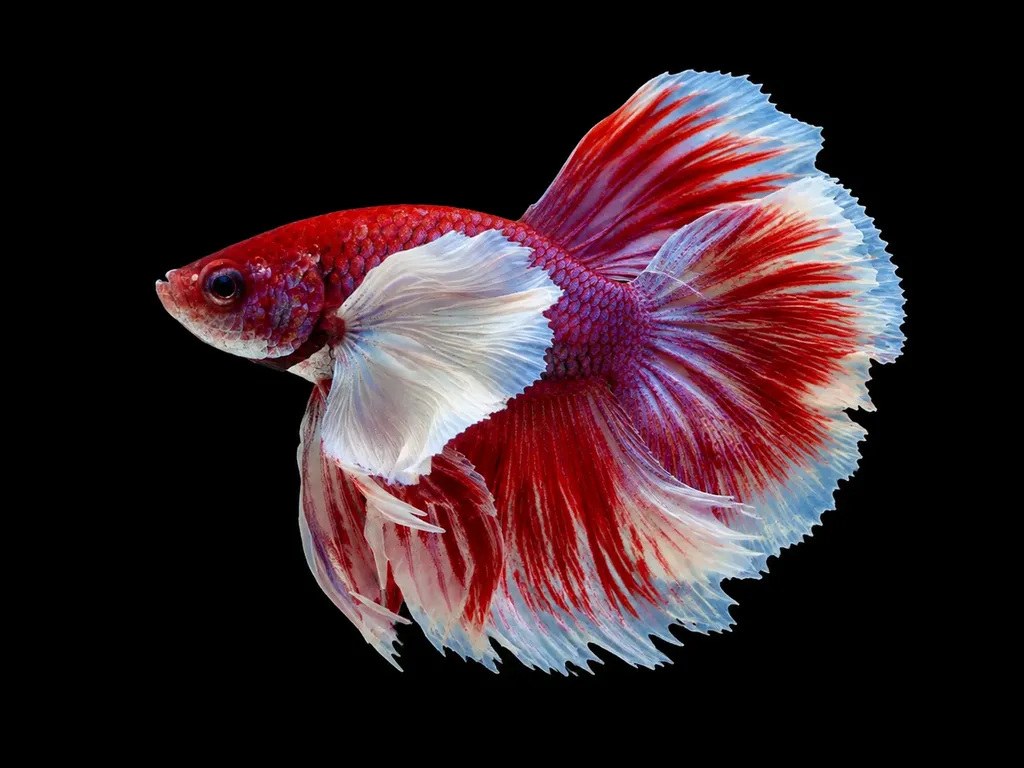
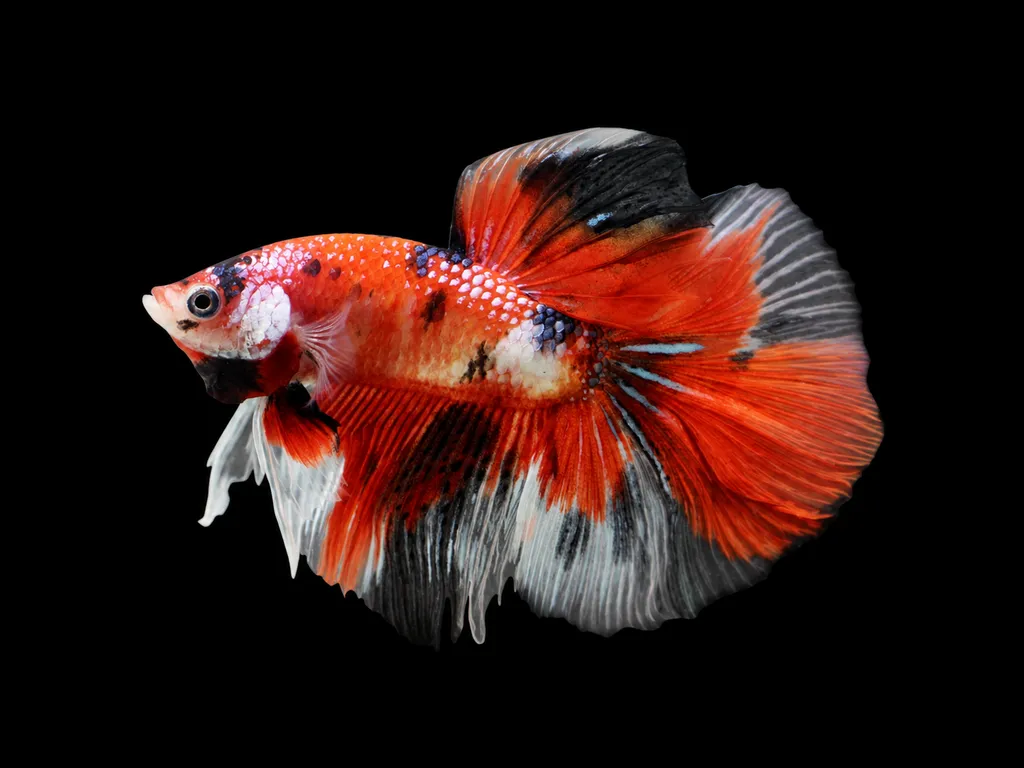
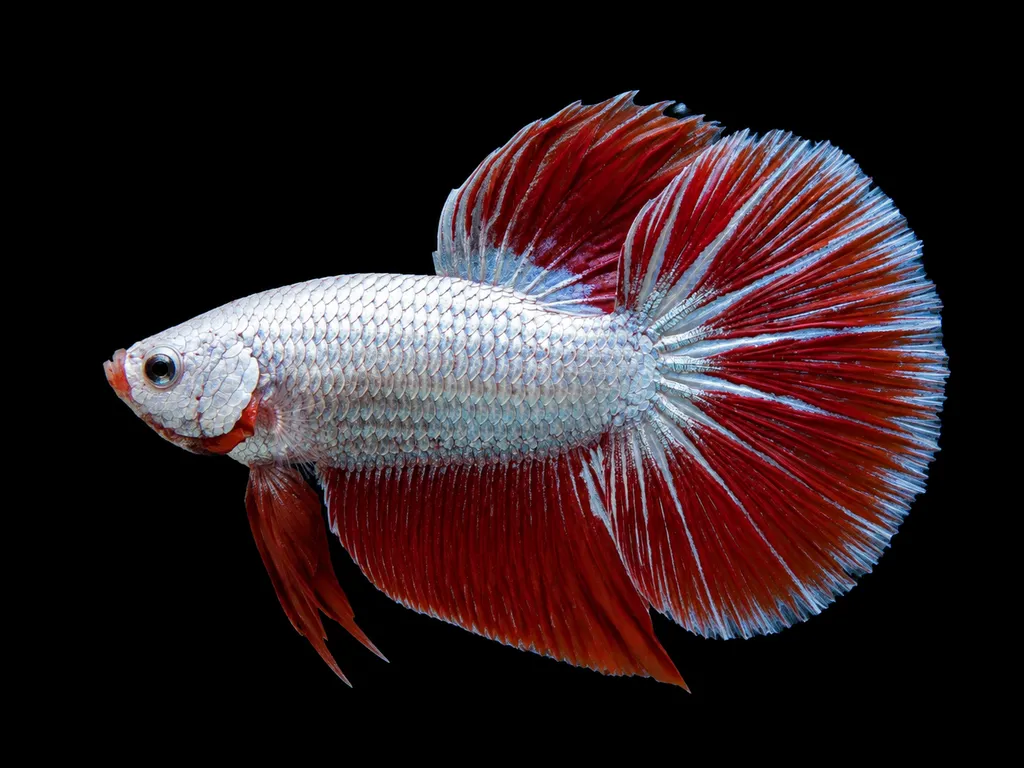
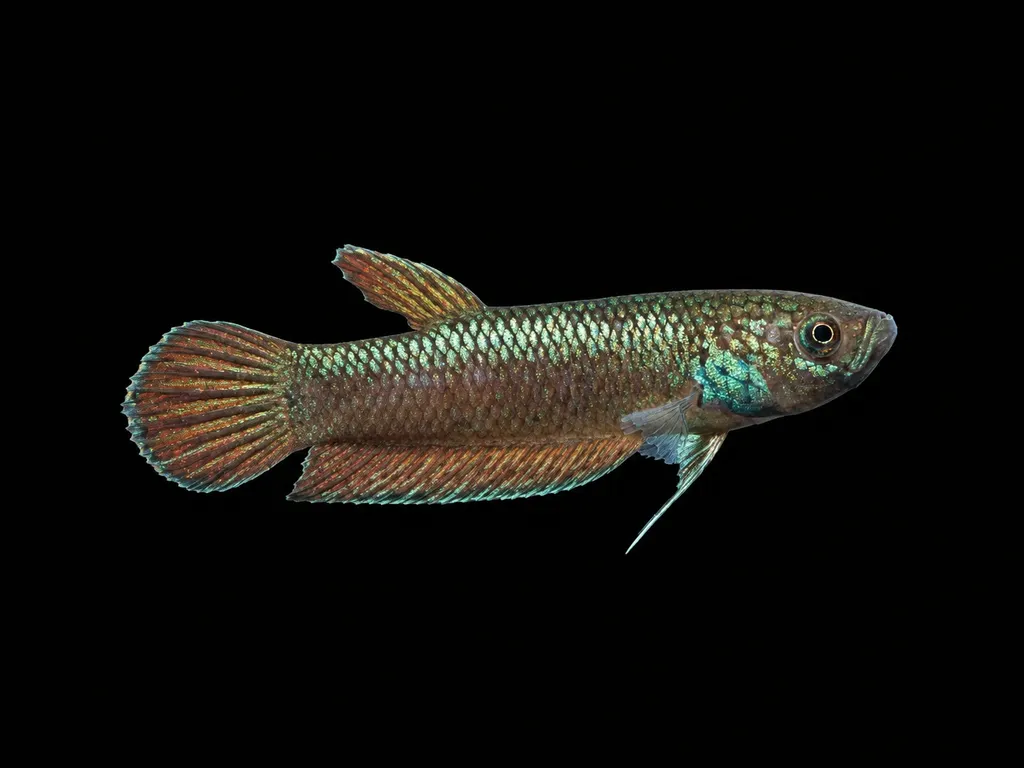
The crowntail betta is a domestic betta whose tail ends in a fringe of bare, spiky rays. It suits a calm, planted tank and makes a good first fish.
Did you know
When the first combed fish appeared, other breeders wrote the crowntails off as deformed culls rather than a new form. Within a few years, the same shape was being entered and judged at international shows.
Caring for the crowntail betta
Keep a crowntail betta in a planted, low-flow tank of at least 5 gal (19 L), with some cover at the surface. Bare rays snag easily, so keep sharp decor and stiff plastic plants out of the tank. Ray tips can curl with age, which is normal and not a sign of fin rot.
Bettas are built for still water, so filter gently. Heat the tank to 72 to 86°F (22 to 30°C) and keep the pH between 6.0 and 7.5. The crowntail is a carnivore, so feed a quality betta pellet and rotate in frozen or live bloodworms and brine shrimp.
Males are aggressive, and only one male belongs in a tank. Long fins make a target for fin-nippers, so choose tank mates with caution or keep the fish alone.
Females have shorter fins than males. Bettas are bubble nesters, and a spawning male blows a raft of bubbles at the surface and tends the eggs himself.
The reduced webbing behaves as partially dominant. A cross to a single tail gives the intermediate combtail, while crowntail to crowntail gives an all crowntail spawn.
Good to know
The crowntail is a fin form of Betta splendens, in the gouramifamily Osphronemidae. Its look comes from reduced webbing between the caudal rays, so the rays project past the membrane. The rays branch once, twice or more before they extend, which gives the single, double and quad ray combs. Shops grade crowntails on how far the webbing pulls back and how even the spikes are. Single, double and cross ray combs are all sold under the one name, and the International Betta Congress shows the form as fringe finned.
In the wild
The first crowntail bettas came out of Slipi, a district of West Jakarta, in 1997. Achmad Yusuf is generally credited with fixing the form. It was called cupang serit in Indonesia, and the crowntail name came later, when the fish reached international shows. Nothing like it occurs in the wild.
From published sources
Tank mates
Each fish here is named as a tank mate for the crowntail betta by at least two published care guides. Seriously Fish and Practical Fishkeeping recommend keeping it on its own instead. The pairings below assume a planted tank of 10 to 20 gallons (38 to 76 liters) or more, with plenty of cover.
Sources: Aquarium Co-Op, Fishkeeping World, Chewy, Tropical Fish Hobbyist, Aqueon, All Pond Solutions.
Is a crowntail betta a different species from the Betta?
No. A crowntail betta is a variety of the Betta, Betta splendens, and it wants the same tank, water and food as the species.
What size tank does a crowntail betta need?
A crowntail betta needs at least 5 gal (19 L). It spends most of its time in the middle.
What does a crowntail betta eat?
A crowntail betta is a carnivore. It eats a quality betta pellet, with frozen or live bloodworms and brine shrimp rotated in.
How big does a crowntail betta get?
An adult crowntail betta reaches about 3 in (7.5 cm).
How can you tell a male crowntail betta from a female?
Males carry the long fins, and females have shorter fins than males.
How does a crowntail betta breed?
A crowntail betta is a bubble nester. The spawning male blows a raft of bubbles at the surface and tends the eggs himself. Two crowntails give an all crowntail spawn, while a cross to a single tail gives combtails.
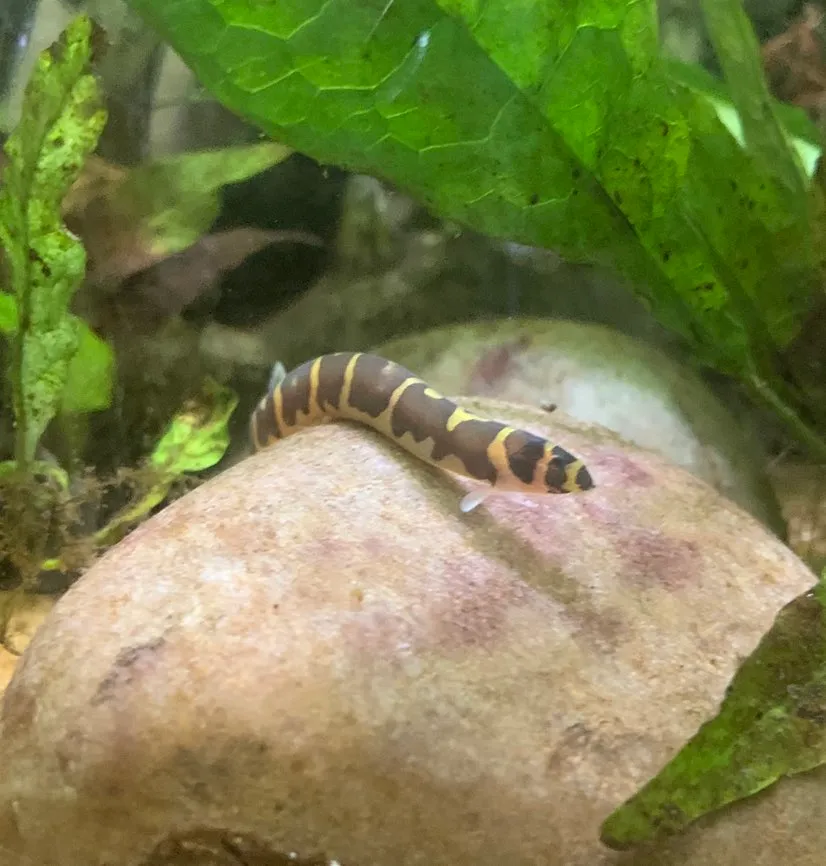
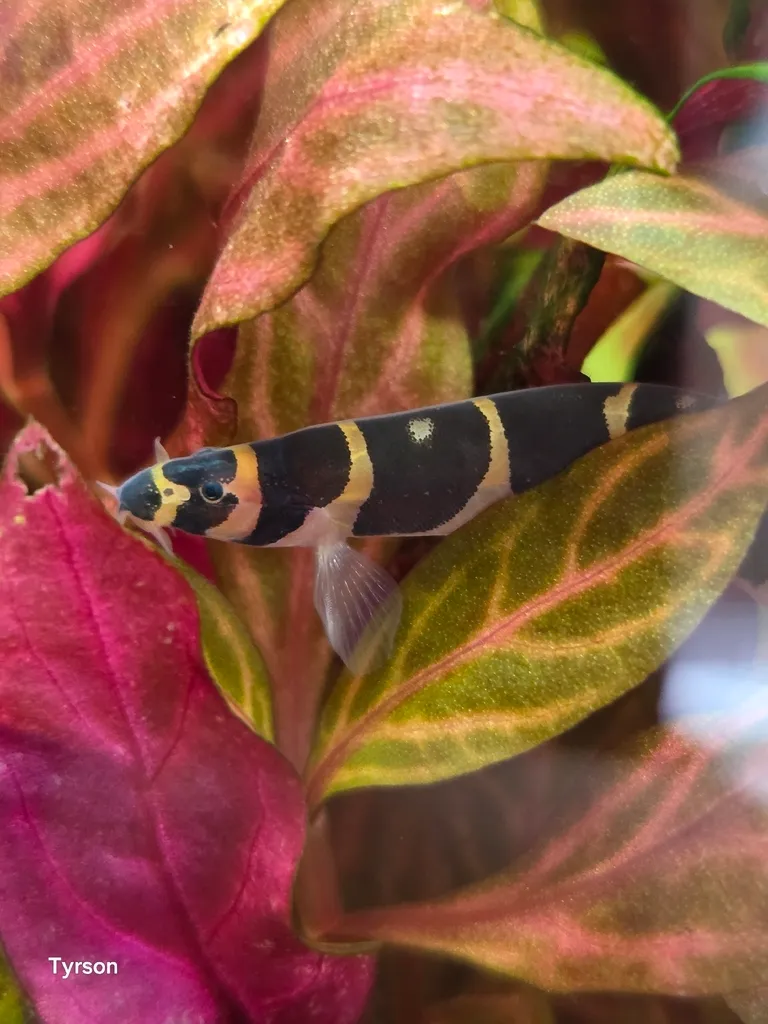
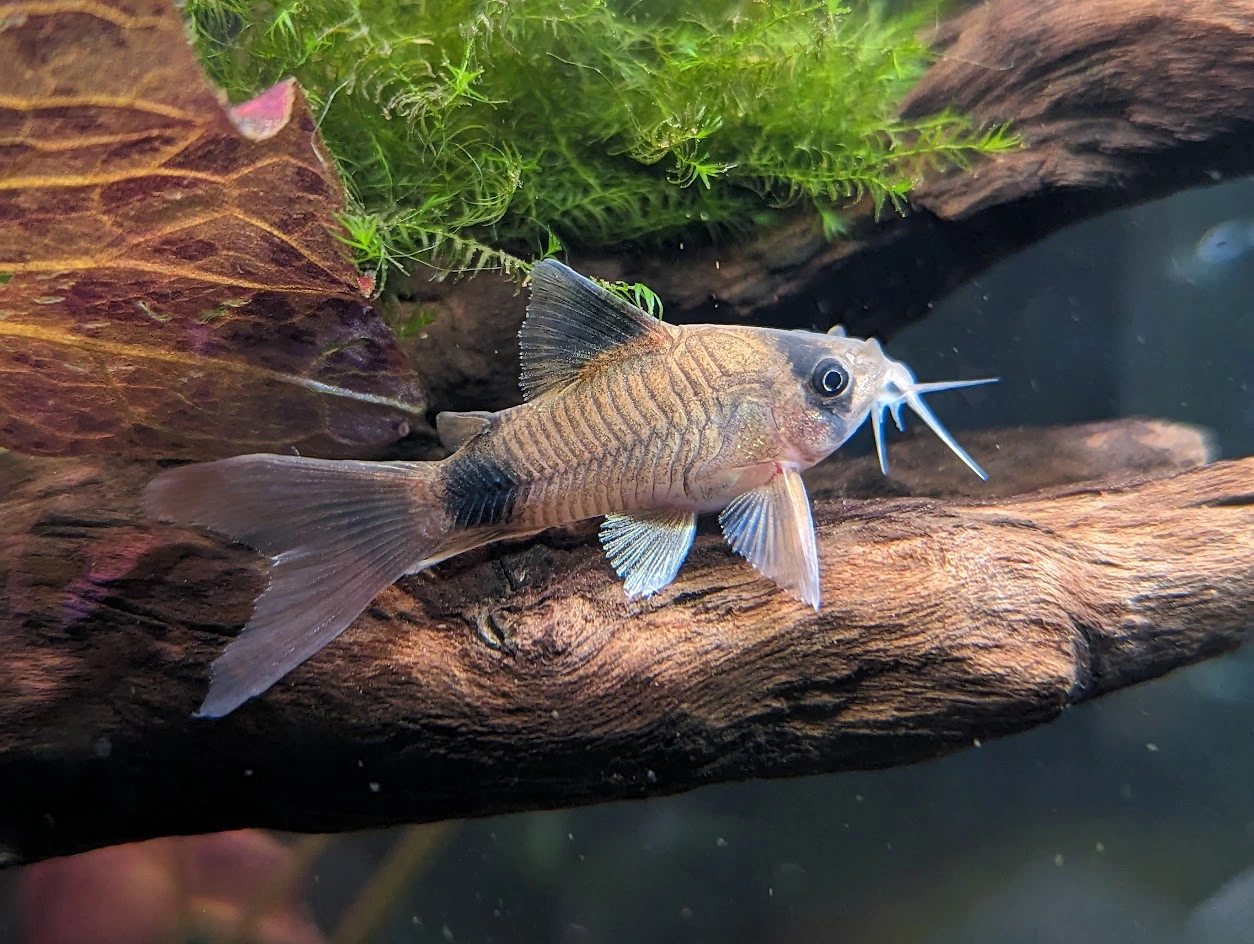
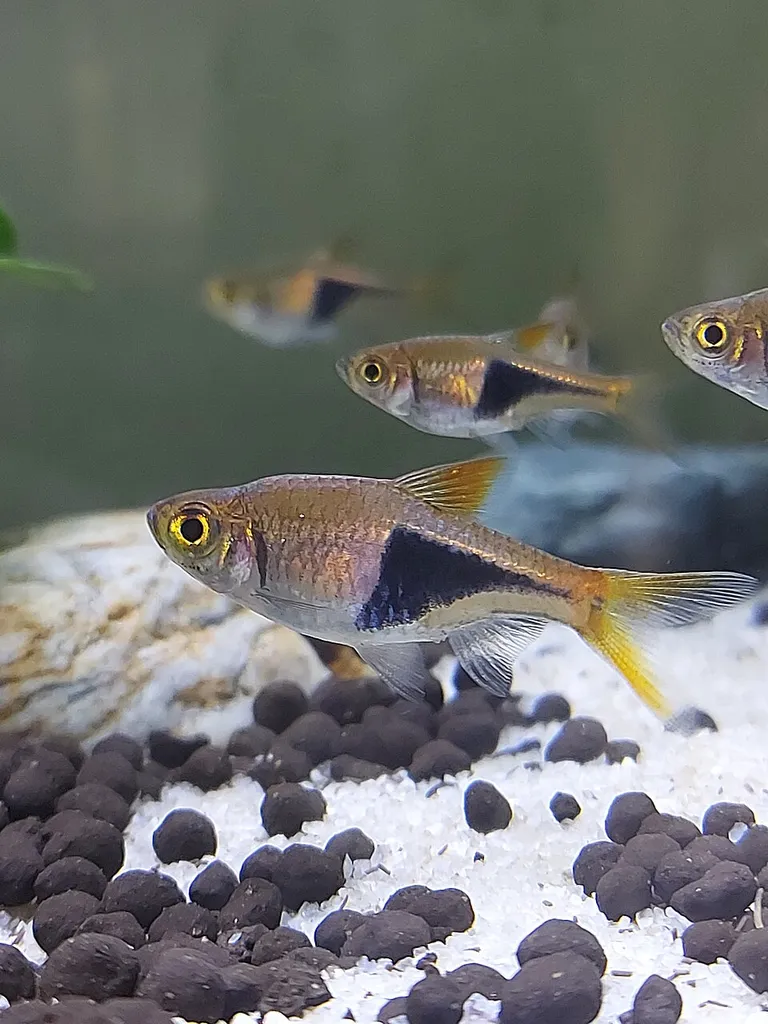
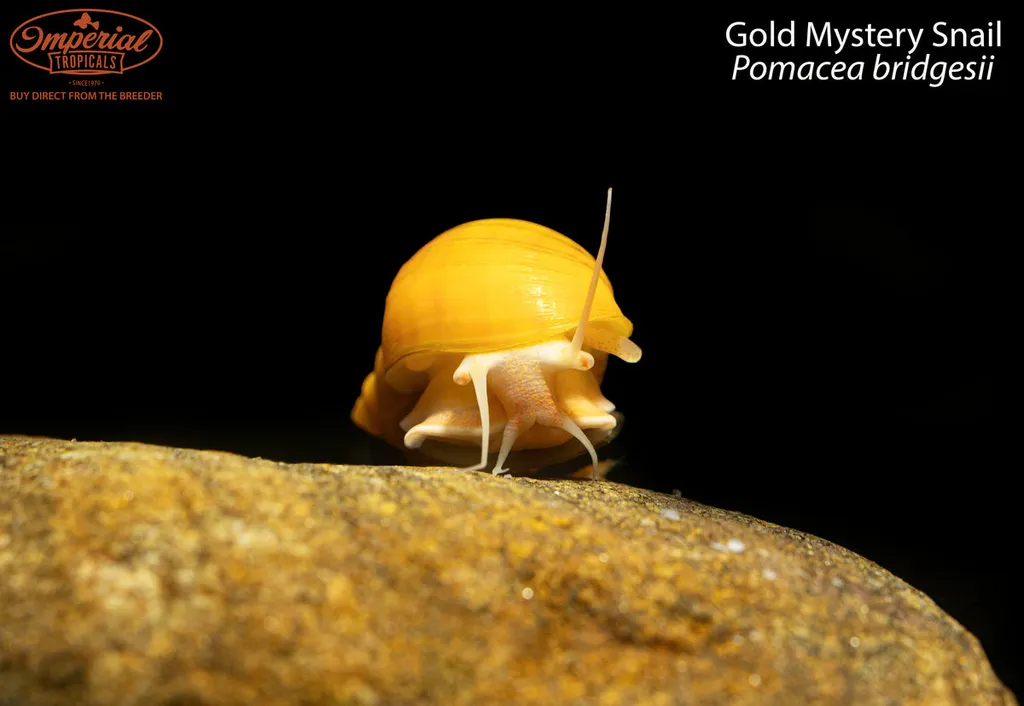
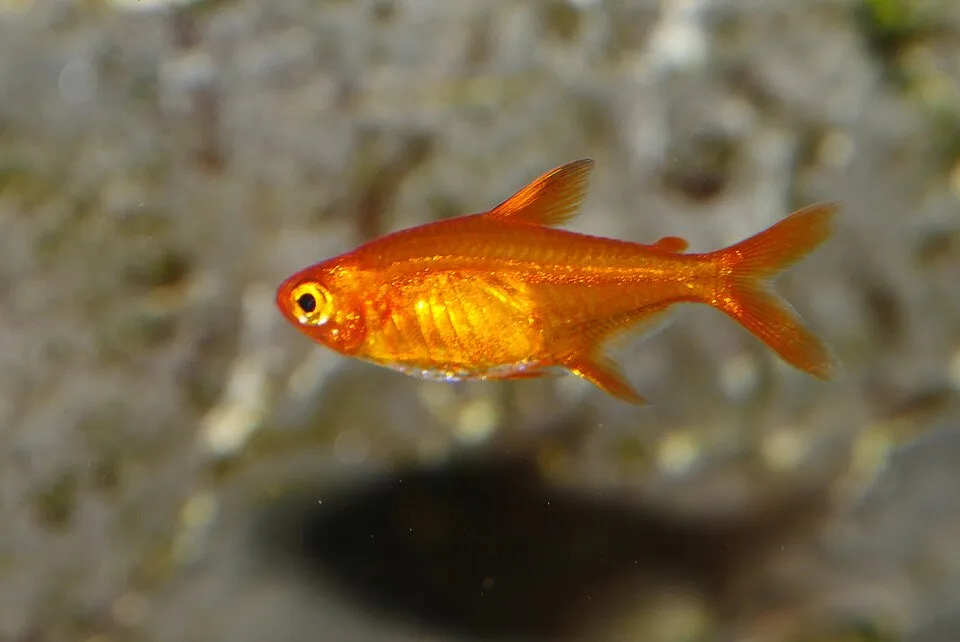
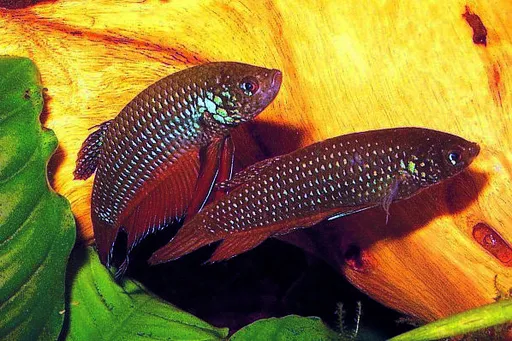 2.4 in (6 cm)11 gal (40 L)72–82°F (22–28°C)
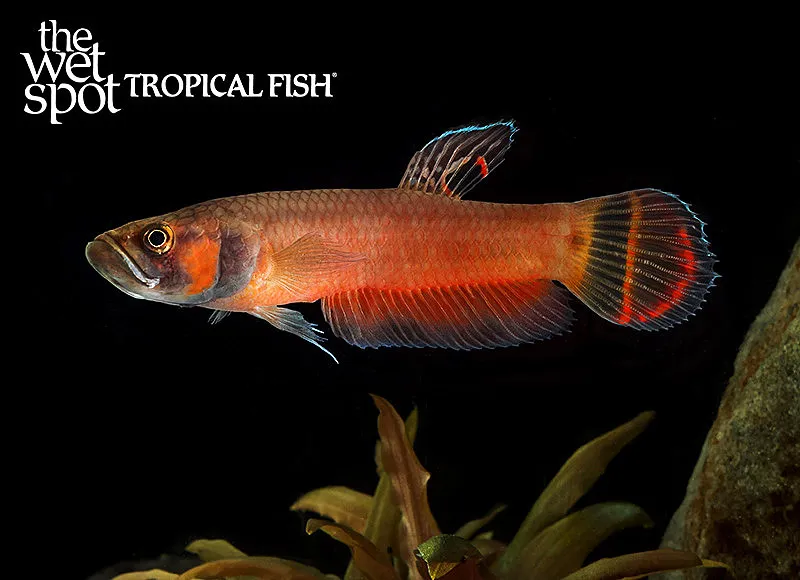 3.9 in (10 cm)20 gal (75 L)72–79°F (22–26°C)
 3 in (7.5 cm)20 gal (75 L)72–81°F (22–27°C)