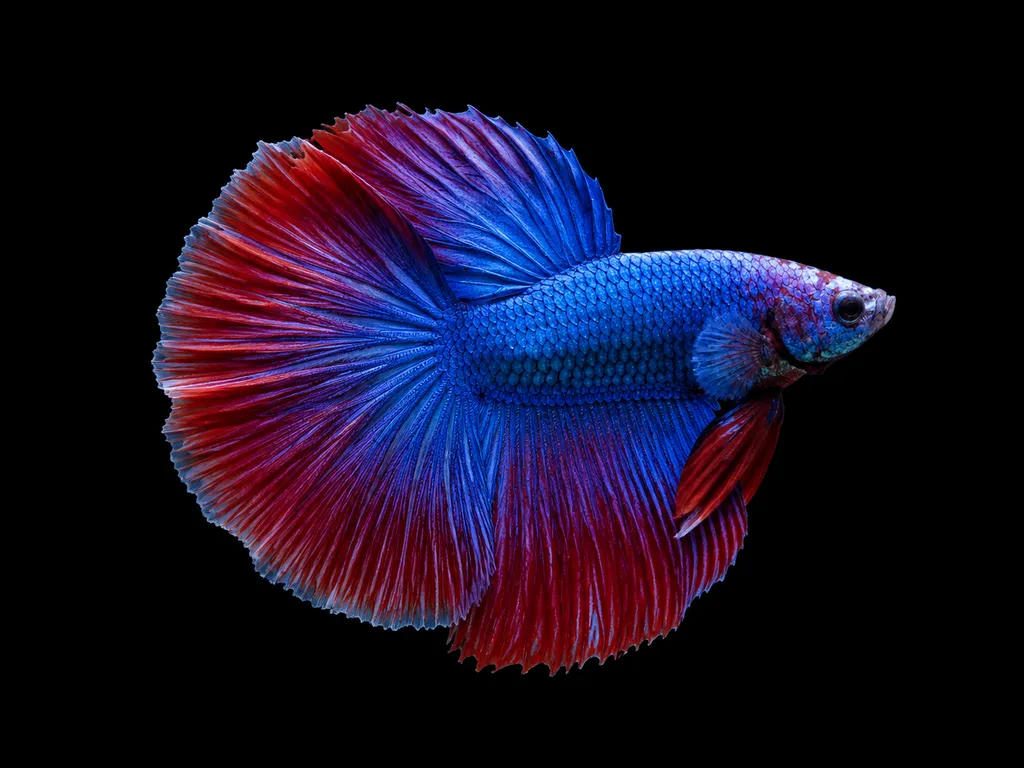
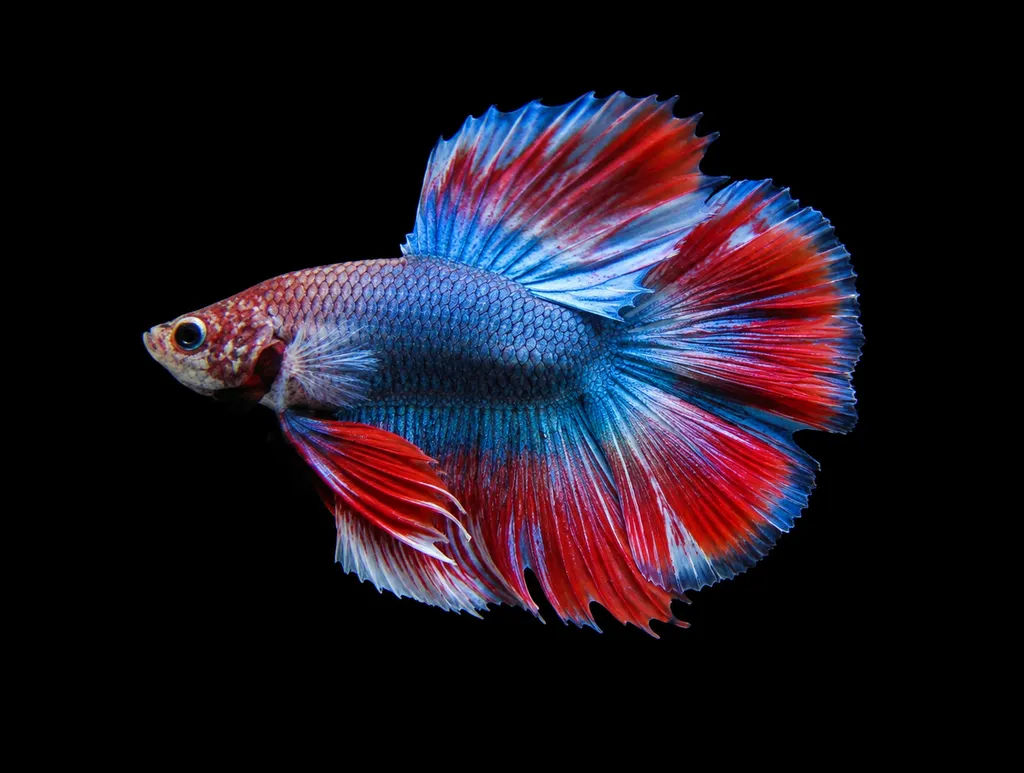
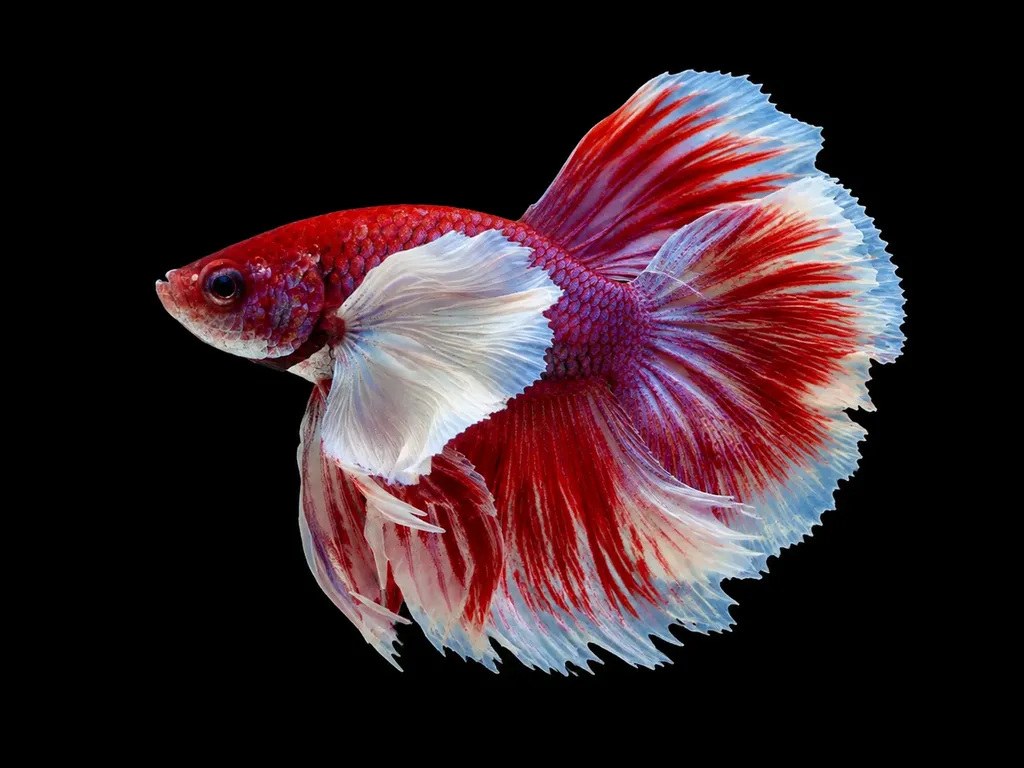
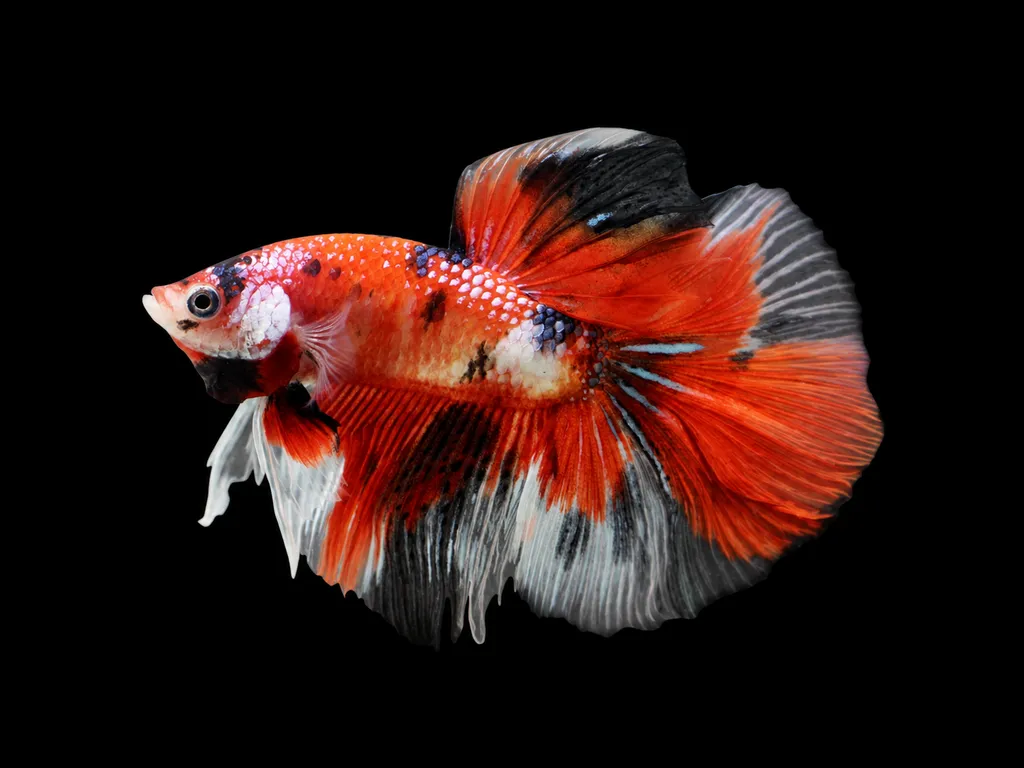
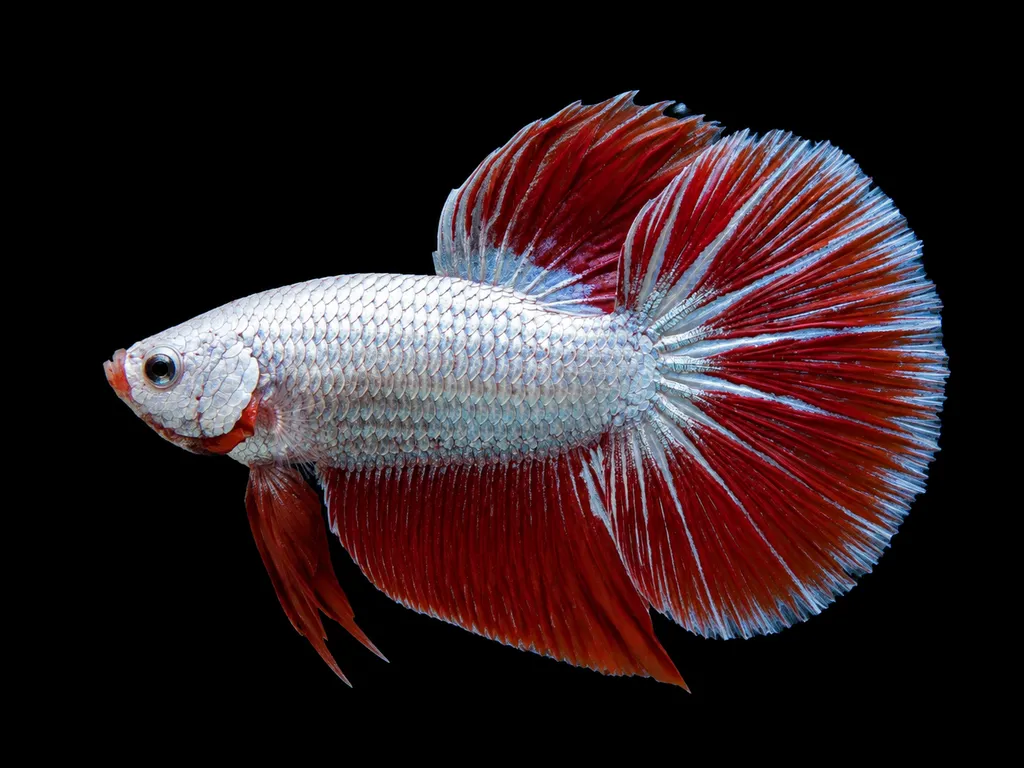
The halfmoon betta is a long-finnedbetta whose tail opens to a full 180 degrees when it flares. It is a good first fish for a calm, planted tank.
Did you know
Halfmoon keepers trace the form back to a single male, logged as R39. The claim that every modern halfmoon descends from that fish is repeated in most histories of the line.
Caring for the halfmoon betta
Keep a halfmoon betta in a planted, low-flow tank of at least 5 gal (19 L), with some cover at the surface. The finnage is heavy, so gentle flow and smooth decor keep the edges intact. Expect it to rest more than a short-finned betta does.
Heat the tank to 72 to 86°F (22 to 30°C) and keep the pH between 6.0 and 7.5. It is a carnivore, so feed a quality betta pellet and rotate in frozen or live bloodworms and brine shrimp.
Males are aggressive and cannot share a tank with another male. Trailing fins draw fin-nippers, so choose tank mates with caution or keep one alone.
Females have shorter fins than males. Bettas are bubble nesters, and a spawning male blows a raft of bubbles at the surface and tends the eggs himself.
Tail spread is polygenic rather than one switch, so halfmoon, super delta and plain delta can all turn up in a single spawn. The delta family behaves as recessive to the veiltail.
Good to know
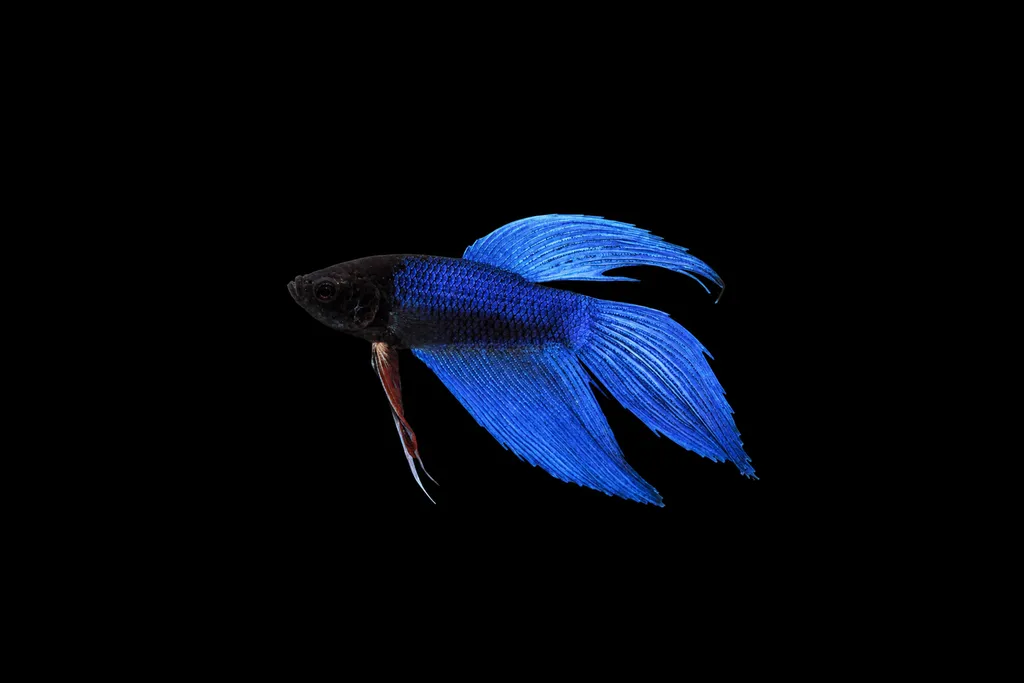
The halfmoon's fan needs more caudal rays and more branching. Pushed too far, the branching gives rosetail and feathertail, with ruffled edges and a tail heavy enough to tire the fish. A tail that stops short of the half circle is sold as super delta. Suppliers vary, so the halfmoon label covers everything from a clean half circle to a wide delta.
In the wild
The halfmoon's 180 degree spread was built in Europe by Guy Delaval, a French breeder whose fish reached a full half circle in the 1980s. Rajiv Masillamoni bought two of Delaval's males and crossed the line to an American doubletail male, producing the green male recorded as R39. Masillamoni's fish were shown at the 1991 International Betta Congress convention in Milwaukee. There, other breeders took stock home and the halfmoon name was coined. Wild bettas have nothing like it.
From published sources
Tank mates
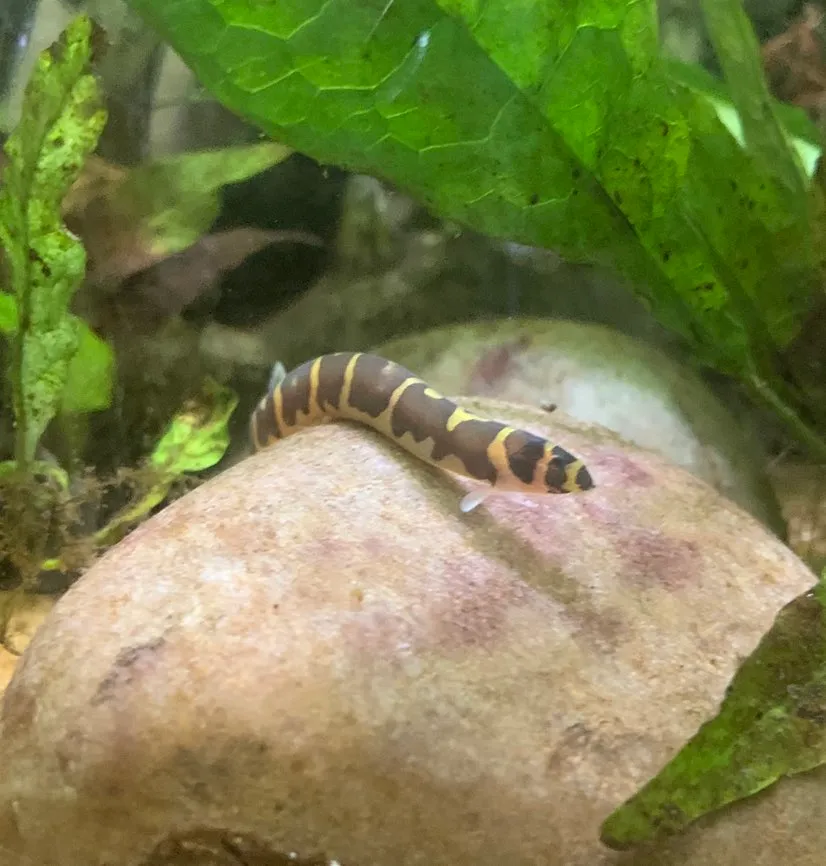
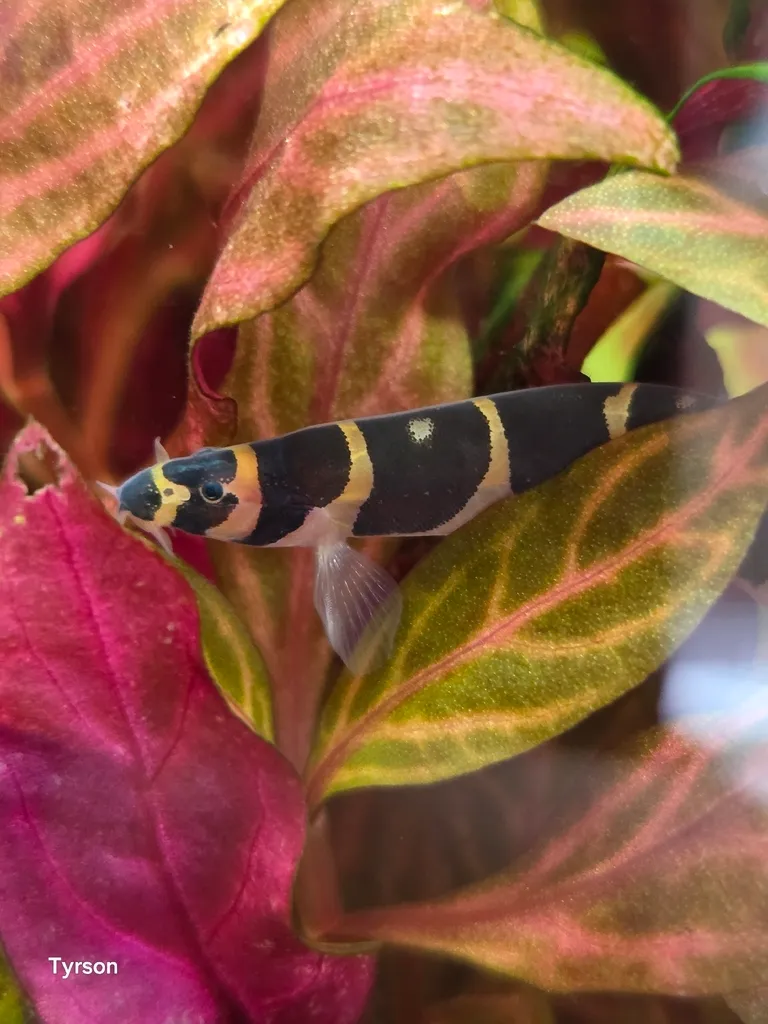
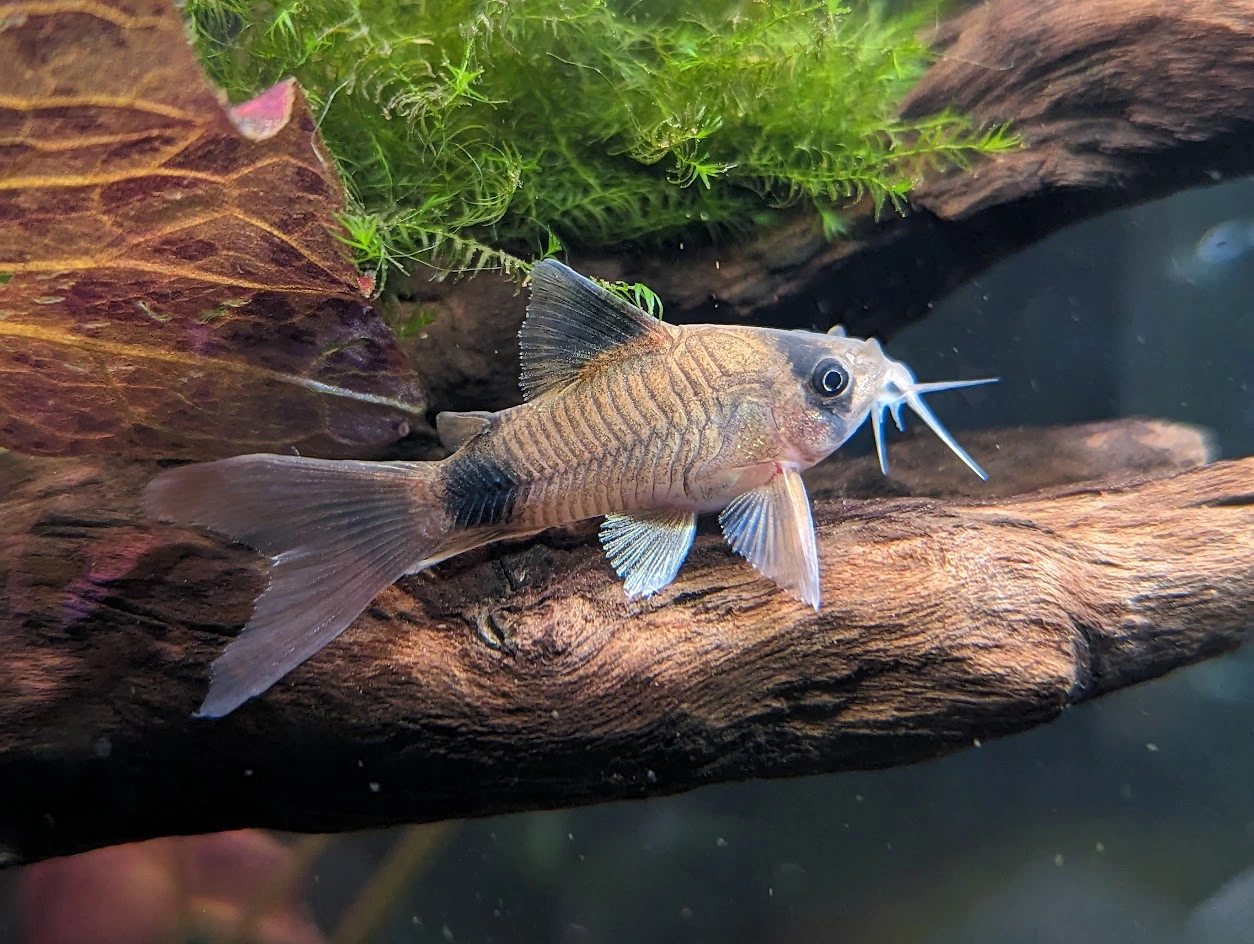
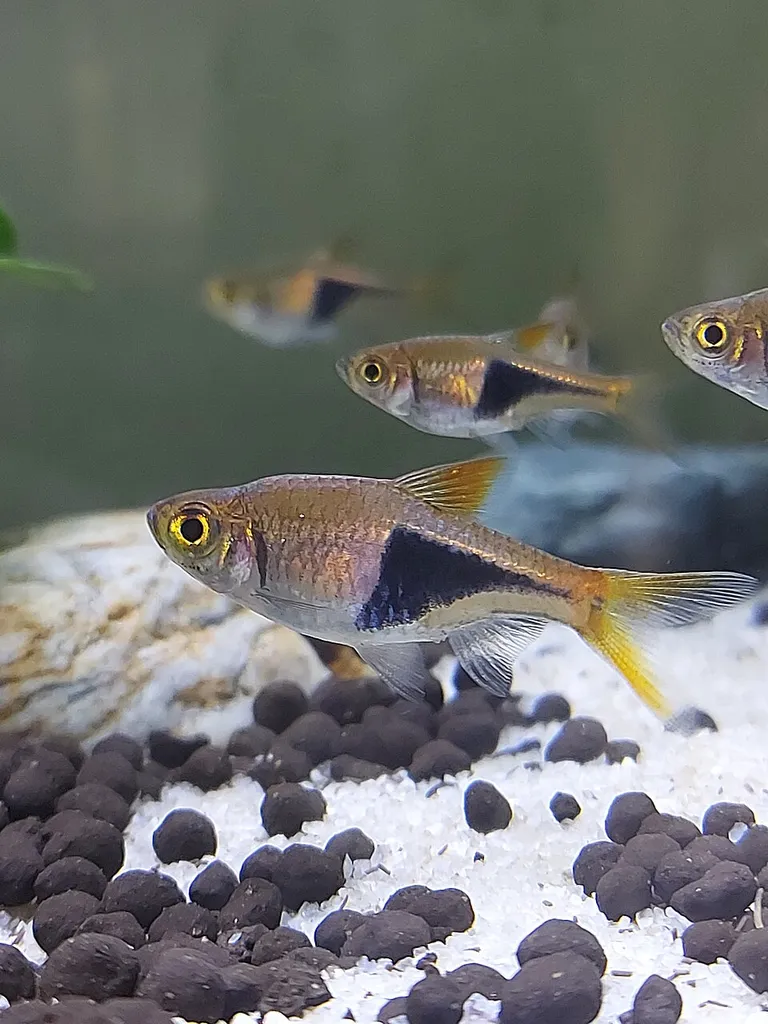
Each fish here is named as a tank mate for the halfmoon betta by at least two published care guides. Seriously Fish and Practical Fishkeeping recommend keeping it on its own instead. The pairings below assume a planted tank of 10 to 20 gallons (38 to 76 liters) or more, with plenty of cover.
Sources: Aquarium Co-Op, Fishkeeping World, Chewy, Tropical Fish Hobbyist, Aqueon, All Pond Solutions.
Is a halfmoon betta a different species from the Betta?
No. A halfmoon betta is a variety of the Betta, Betta splendens, and it wants the same tank, water and food as the species.
What size tank does a halfmoon betta need?
A halfmoon betta needs at least 5 gal (19 L). It spends most of its time in the middle.
What does a halfmoon betta eat?
A halfmoon betta is a carnivore. It eats a quality betta pellet, with frozen or live bloodworms and brine shrimp rotated in.
How big does a halfmoon betta get?
An adult halfmoon betta reaches about 3 in (7.5 cm).
How can you tell a male halfmoon betta from a female?
Males carry the long fins, and females have shorter fins than males.
How does a halfmoon betta breed?
A halfmoon betta is a bubble nester, and the male tends the eggs in a raft of bubbles at the surface. Tail spread is polygenic, so halfmoon, super delta and plain delta fry can all come from one spawn.
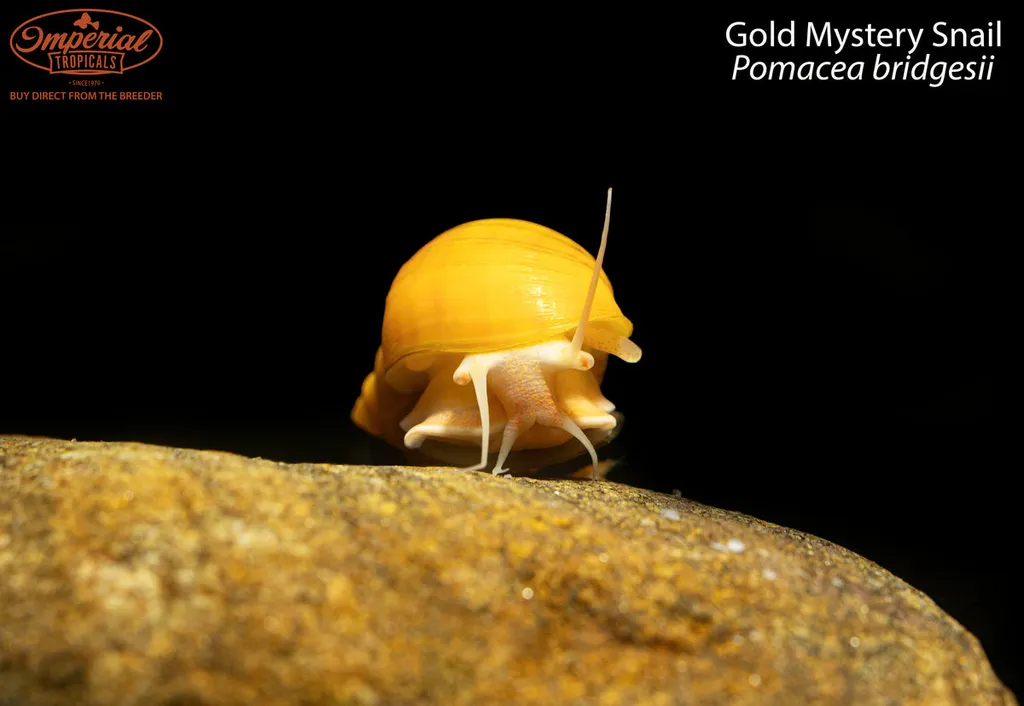
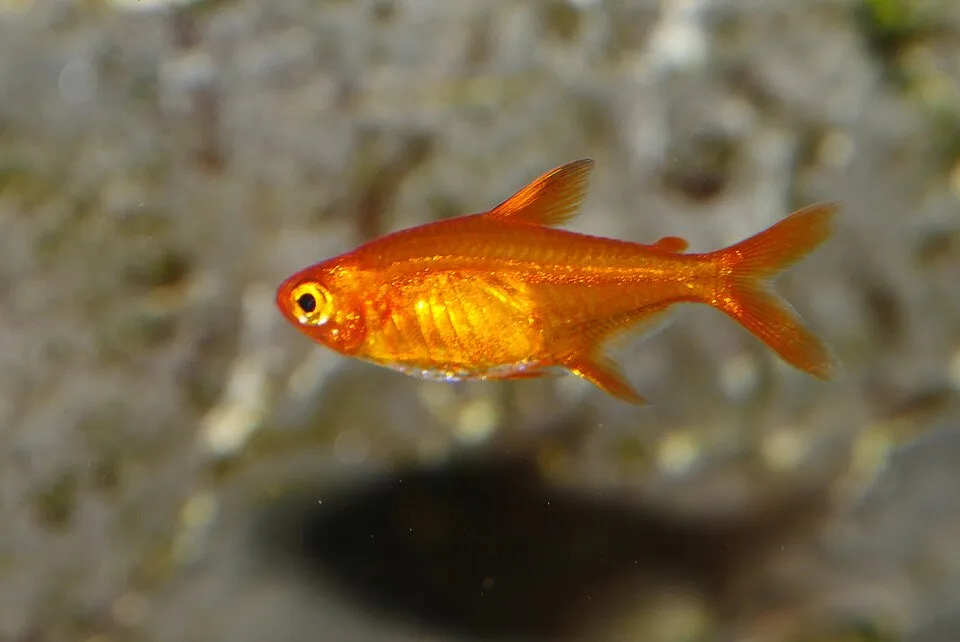
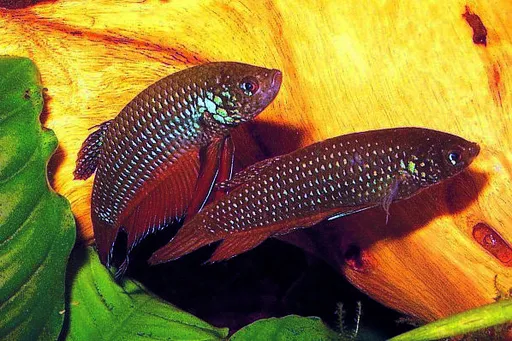 2.4 in (6 cm)11 gal (40 L)72–82°F (22–28°C)
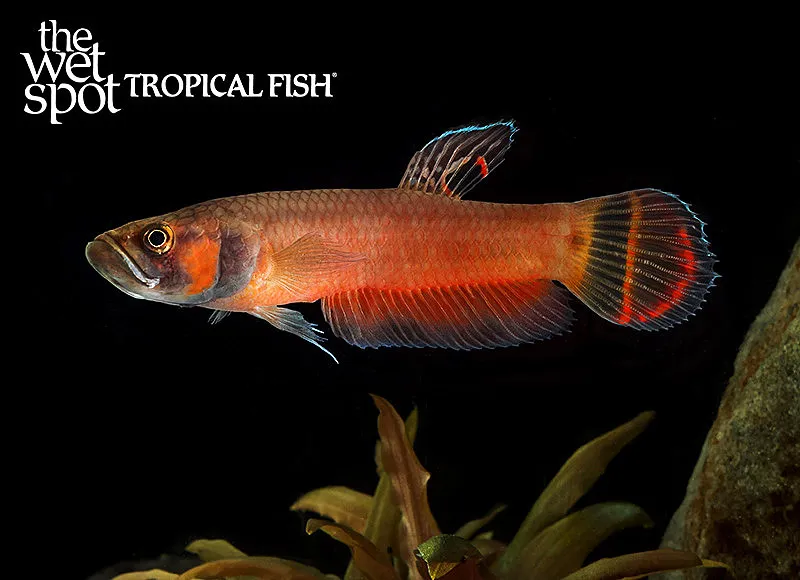 3.9 in (10 cm)20 gal (75 L)72–79°F (22–26°C)
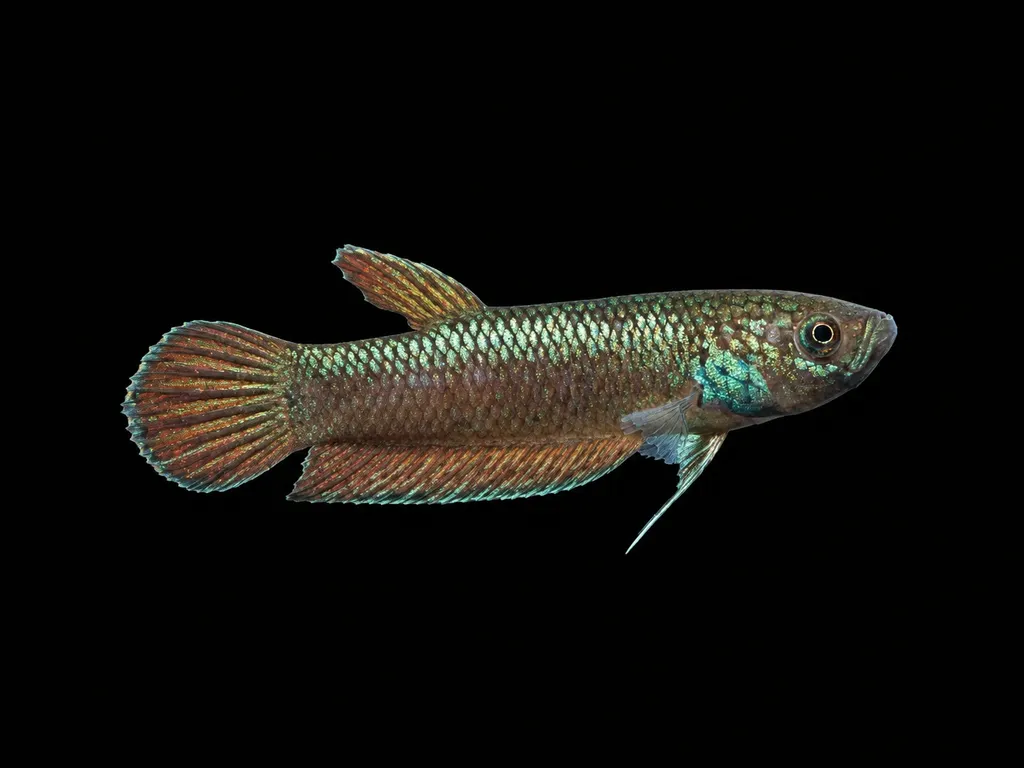 3 in (7.5 cm)20 gal (75 L)72–81°F (22–27°C)