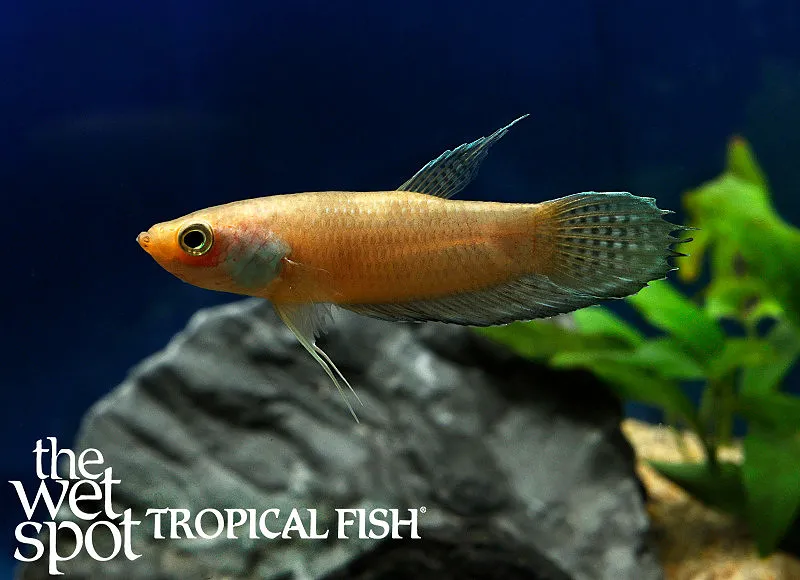
Falx betta
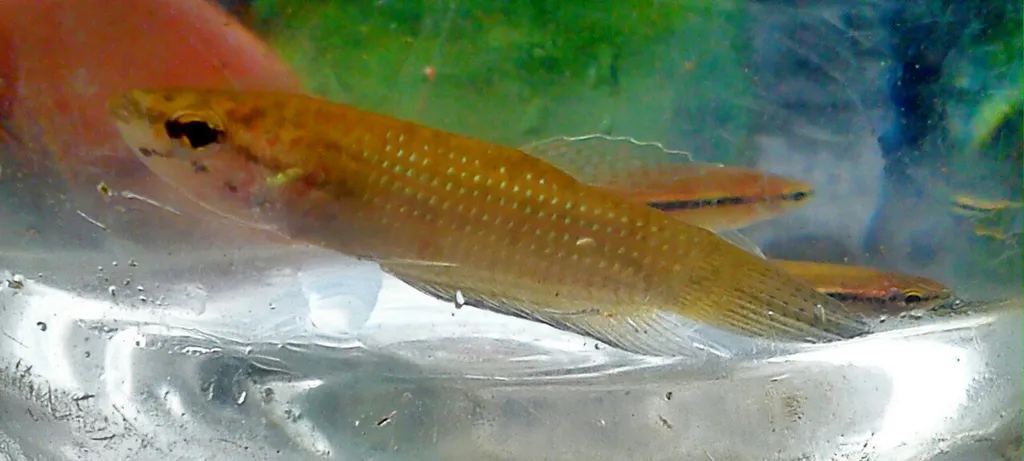
Betta falx
Also known as Sickle betta, Red Skirt Betta
FreshwaterFish
Care at a glance
- Temperature
- 73–81°F
- 23–27°C
- pH
- 5.0–6.8
- Adult size
- 2 in
- 5 cm
- Minimum tank
- 16 gal
- 60 L
- Temperament
- Mostly peaceful
- Social behavior
- Social
- Tankmates
- With caution
- Swim level
- Middle
- Difficulty
- Medium
- Breeding
- Medium
- Rarity
- Rare
- Family
- Osphronemidae
- Origin
- Endemic to Sumatra, Indonesia, in shaded forest swamp streams and pools with humic stained water.
Overview
A pair or small group settles into about 60 liters with a base of 60 cm, soft acidic water at pH 5.0 to 6.8, and 23 to 27 C. Keep a tight lid and plenty of cover. Feed small live and frozen foods such as daphnia, artemia, and bloodworm. Best kept in a species tank or with small, peaceful fish.
In the wild
Betta falx comes from shaded swamp streams on Sumatra, where the water is soft, acidic, and stained by tannins. Submerged roots and leaf litter cover the bottom. A dim tank with driftwood, leaves, and dense planting recreates its home. Soft, mineral poor water keeps it in good health.
Good to know
Described by Tan and Kottelat in 1998, it is a member of the Betta picta complex and a paternal mouthbrooder. Males brood eggs in the mouth for roughly 9 to 12 days. The name falx, meaning sickle, refers to a curved marking on the fish.
Did you know
The name falx is Latin for sickle, a reference to the curved mark this small mouthbrooder carries.
Common questions
What size tank does a Falx betta need?
A Falx betta needs at least 16 gal (60 L). It spends most of its time in the middle.
What temperature and pH does a Falx betta need?
A Falx betta is comfortable at 73–81°F (23–27°C) with a pH of 5.0–6.8.
How big does a Falx betta get?
An adult Falx betta reaches about 2 in (5 cm).
Related species
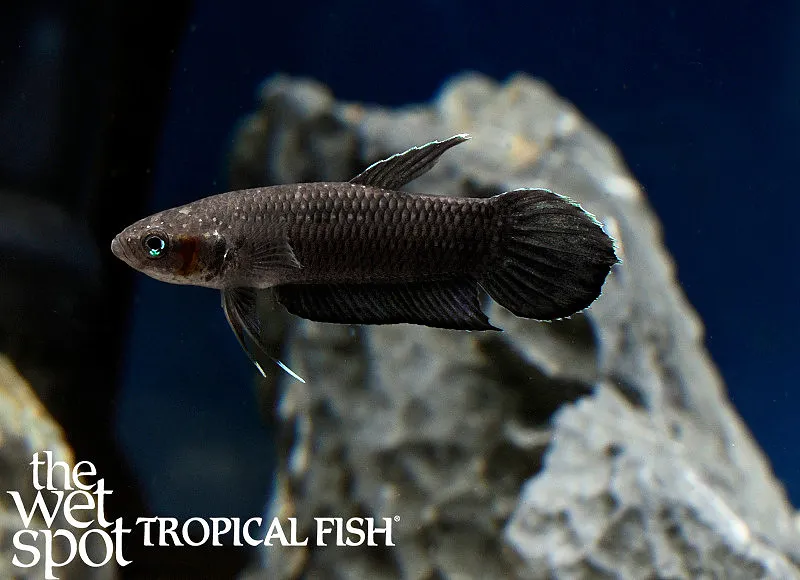 2 in (5 cm)16 gal (60 L)73–81°F (23–27°C)
Foersch's betta
Betta foerschi
2 in (5 cm) · 16 gal (60 L)
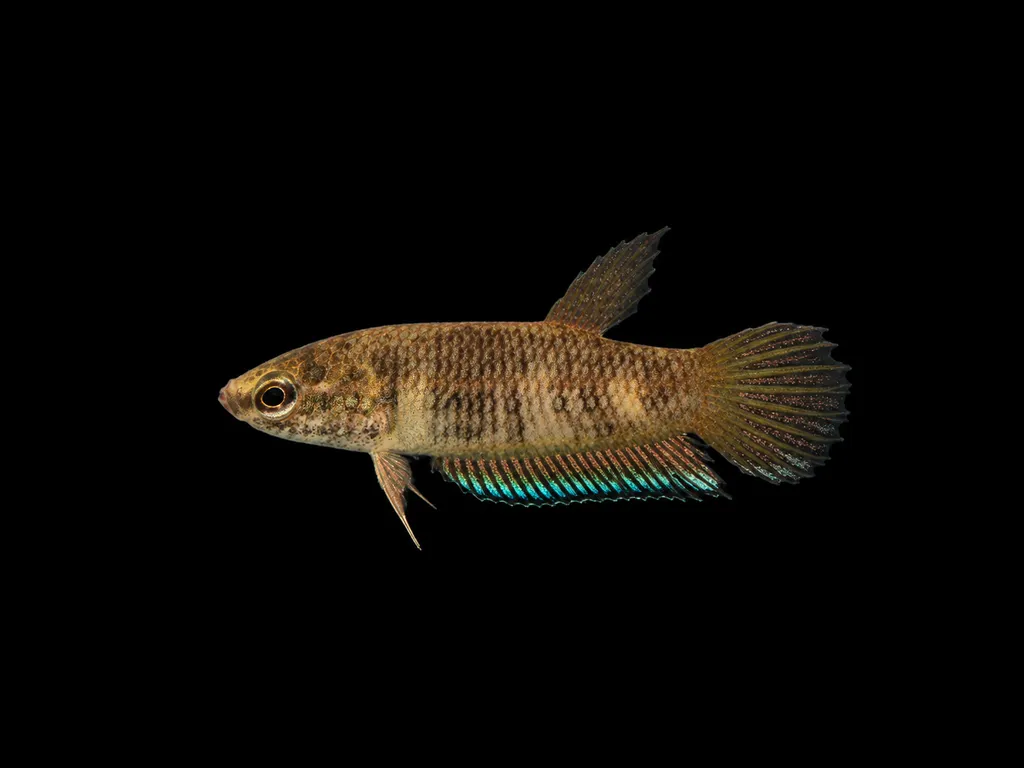 2 in (5 cm)16 gal (60 L)73–81°F (23–27°C)
Prima betta
Betta prima
2 in (5 cm) · 16 gal (60 L)
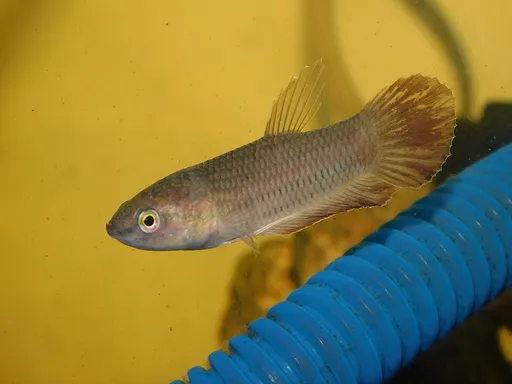 2 in (5 cm)16 gal (60 L)72–81°F (22–27°C)
Spotted betta
Betta picta
2 in (5 cm) · 16 gal (60 L)
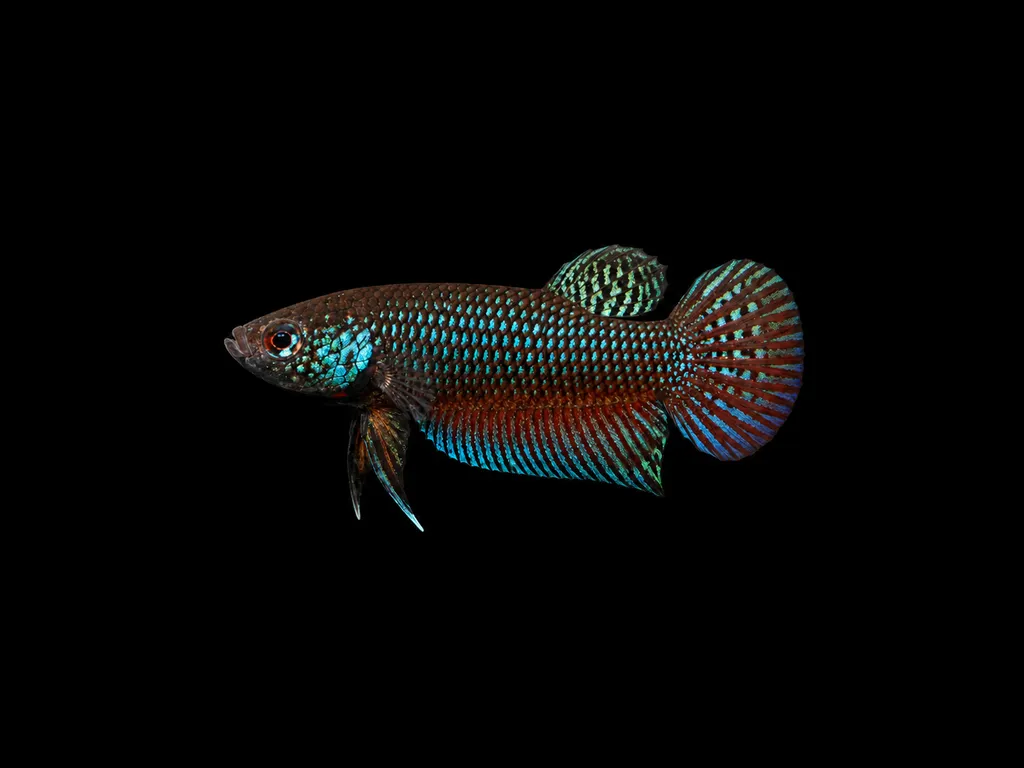
 2 in (5 cm)16 gal (60 L)73–81°F (23–27°C)
Stigmosa betta
Betta stigmosa
2 in (5 cm) · 16 gal (60 L)
 2 in (5 cm)11 gal (40 L)73–81°F (23–27°C)
Stiktos betta
Betta stiktos
2 in (5 cm) · 11 gal (40 L)
- 2 in (5.1 cm)24 gal (90 L)73–81°F (23–27°C)
Andrei betta
Betta andrei
2 in (5.1 cm) · 24 gal (90 L)