Foersch's betta
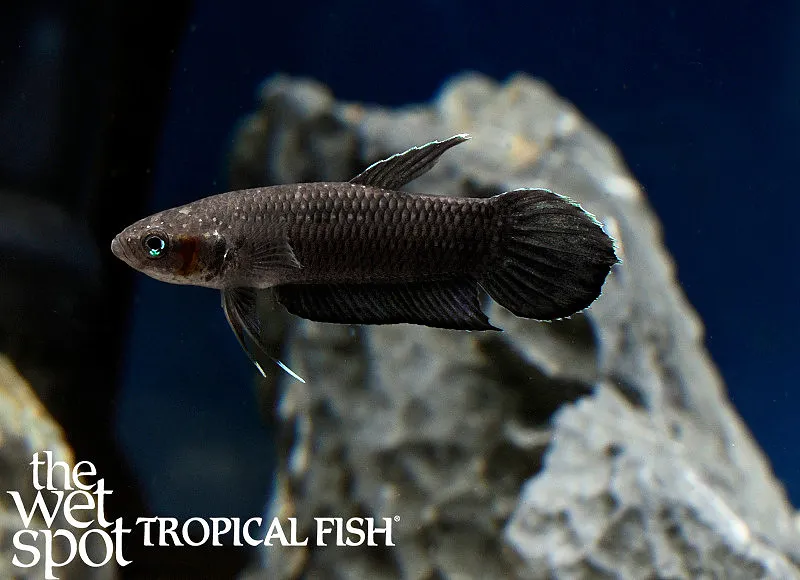
Betta foerschi
Also known as Foerschi's Ninja Betta
FreshwaterFish
Care at a glance
- Temperature
- 73–81°F
- 23–27°C
- pH
- 4.5–6.5
- Adult size
- 2 in
- 5 cm
- Minimum tank
- 16 gal
- 60 L
- Temperament
- Mostly peaceful
- Social behavior
- Social
- Tankmates
- With caution
- Swim level
- Middle
- Difficulty
- Medium
- Breeding
- Hard
- Rarity
- Rare
- Family
- Osphronemidae
- Origin
- Native to forest swamp streams and pools in Central and Western Kalimantan, Borneo, in shaded, acidic, leaf strewn water.
Overview
A single pair needs about 60 liters with a base of 60 cm, soft acidic blackwater at pH 4.5 to 6.5, and a temperature of 23 to 27 C. Keep a tight lid and plenty of cover so the fish feel secure. Feed small live and frozen foods like daphnia, artemia, and bloodworm. Best kept alone or with very peaceful blackwater species.
In the wild
Betta foerschi inhabits shallow, shaded swamp streams in Borneo where the water is soft, very acidic, and stained brown by tannins. The bottom is covered in fallen leaves and submerged wood. A blackwater tank with almond leaves, driftwood, and dim light suits it. Stable, mineral poor water is important for this species.
Good to know
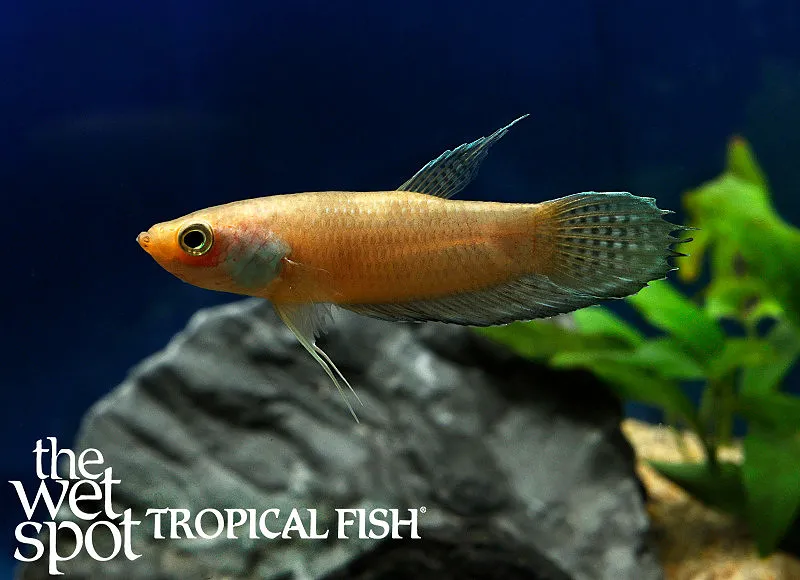
Described by Vierke in 1979, it heads the Betta foerschi group, recognized by iridescent blue and green fins and reddish bars on the gill cover. Males are paternal mouthbrooders with an unusual courtship in which the female passes eggs from her anal fin for the male to collect. Incubation takes around two weeks.
Did you know
During spawning the female catches the eggs on her anal fin and presents them to the male, who then takes them into his mouth to brood.
Common questions
What size tank does a Foersch's betta need?
A Foersch's betta needs at least 16 gal (60 L). It spends most of its time in the middle.
What temperature and pH does a Foersch's betta need?
A Foersch's betta is comfortable at 73–81°F (23–27°C) with a pH of 4.5–6.5.
How big does a Foersch's betta get?
An adult Foersch's betta reaches about 2 in (5 cm).
Related species
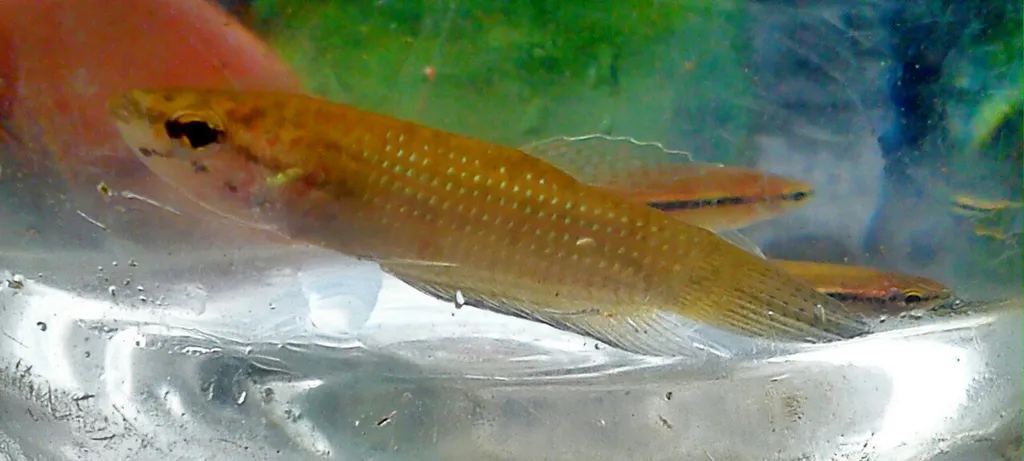 2 in (5 cm)16 gal (60 L)73–81°F (23–27°C)
Falx betta
Betta falx
2 in (5 cm) · 16 gal (60 L)
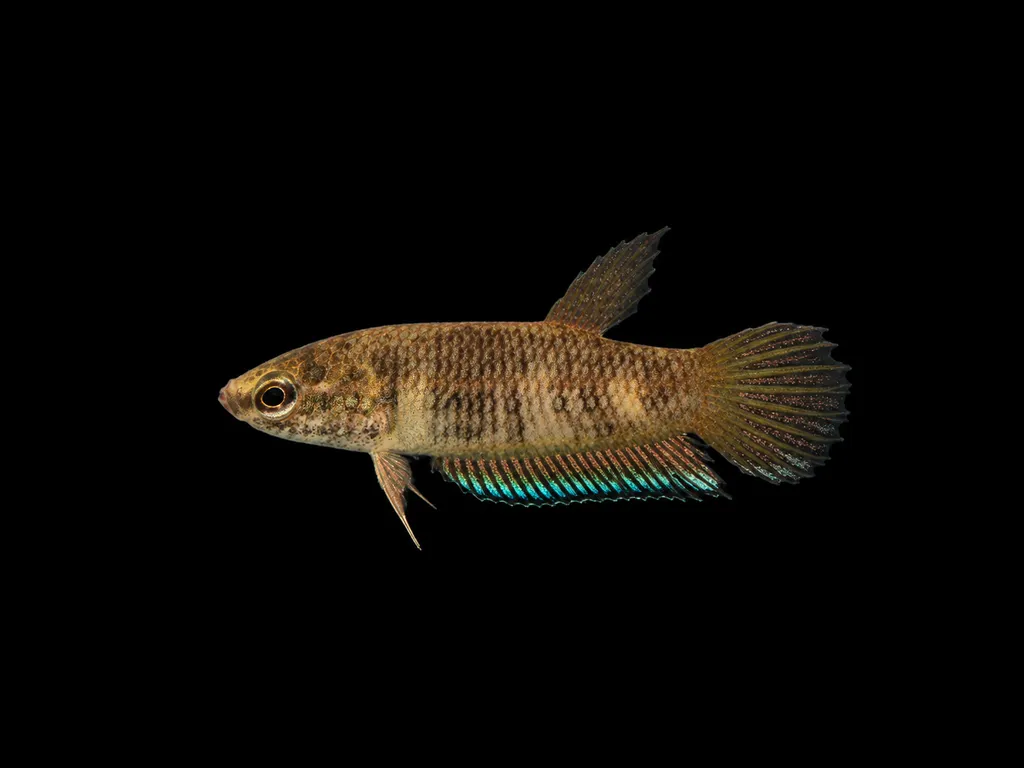 2 in (5 cm)16 gal (60 L)73–81°F (23–27°C)
Prima betta
Betta prima
2 in (5 cm) · 16 gal (60 L)
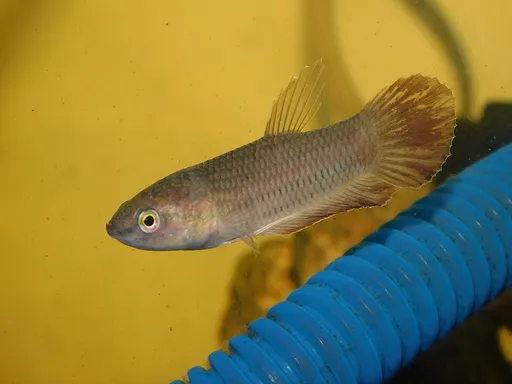 2 in (5 cm)16 gal (60 L)72–81°F (22–27°C)
Spotted betta
Betta picta
2 in (5 cm) · 16 gal (60 L)
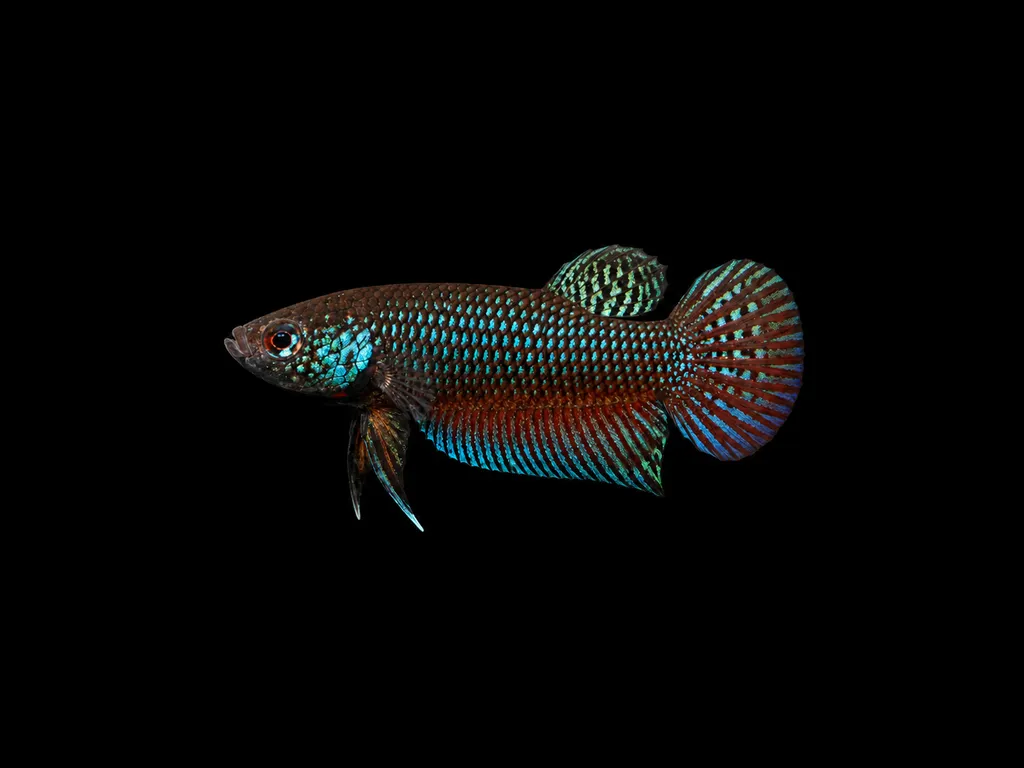
 2 in (5 cm)16 gal (60 L)73–81°F (23–27°C)
Stigmosa betta
Betta stigmosa
2 in (5 cm) · 16 gal (60 L)
 2 in (5 cm)11 gal (40 L)73–81°F (23–27°C)
Stiktos betta
Betta stiktos
2 in (5 cm) · 11 gal (40 L)
- 2 in (5.1 cm)24 gal (90 L)73–81°F (23–27°C)
Andrei betta
Betta andrei
2 in (5.1 cm) · 24 gal (90 L)