Gold marble bristlenose pleco
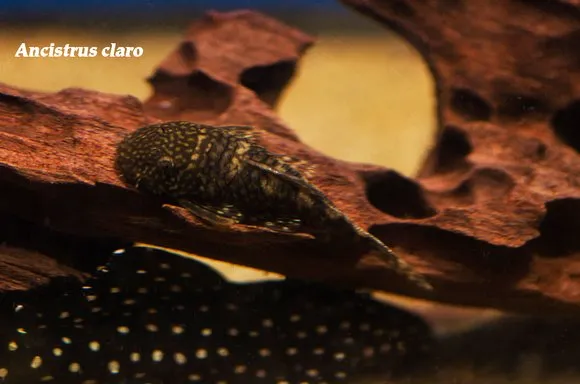
Ancistrus claro
Also known as LDA08, Claro bristlenose
FreshwaterFish
Care at a glance
- Temperature
- 77–84°F
- 25–29°C
- pH
- 6.0–7.5
- Adult size
- 3.1 in
- 8 cm
- Minimum tank
- 20 gal
- 75 L
- Temperament
- Peaceful
- Social behavior
- Solitary
- Swim level
- Bottom
- Difficulty
- Medium
- Breeding
- Cave spawner · Medium
- Rarity
- Rare
- Family
- Loricariidae
- Origin
- Rio Claro, Mato Grosso, Brazil
Overview
The gold marble bristlenose pleco is a genuinely small bristlenose for tanks that a full-size pleco would outgrow. It is best with a little experience.
Did you know
The gold marble bristlenose pleco takes its species name, claro, from the Rio Claro, the stream it is native to.
Caring for the gold marble bristlenose pleco
A tank of 20 gal (75 L) or more is enough for this dwarf species. Build several snug caves and line-of-sight breaks from driftwood and rounded stones, over a bed of sand or fine gravel.
Keep the water warm, at 77 to 84°F (25 to 29°C), with a pH of 6.0 to 7.5. It is not fussy about chemistry within that range, but it does want clean, oxygenated water with a bit of current.
The gold marble bristlenose pleco grazes algae and biofilm across wood and rock. Add sinking algae or spirulina wafers, blanched vegetables and the occasional frozen treat.
Keep one per tank, or a pair with plenty of caves. Males defend a spawning cave and will spar with rival males, though they ignore other fish.
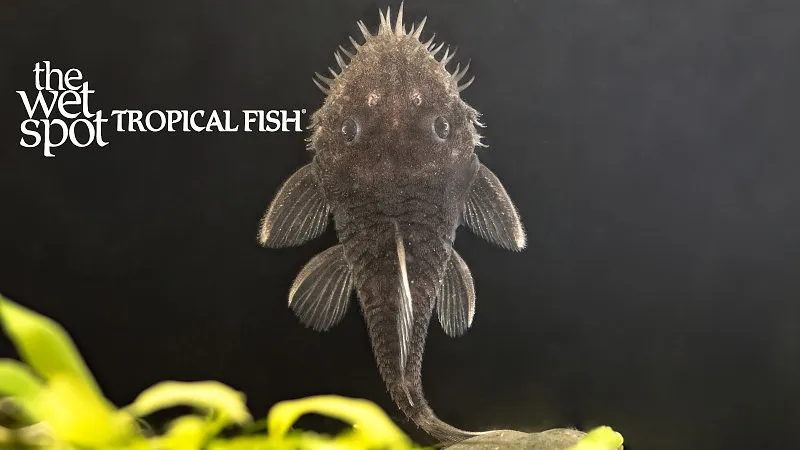
Mature males grow the fleshy snout tentacles the bristlenose group is known for. The fish spawns readily in caves, and the male guards and fans the eggs, so breeding is only moderately difficult.
Good to know
Ancistrus claro is a loricariid described in 1999 and sold as LDA08. It is one of the smaller members of the bristlenose group, and many of its relatives grow half again as long. Its body is marbled gold over brown.
In the wild
The gold marble bristlenose pleco lives in Mato Grosso, Brazil, where the Rio Claro runs clear and fast over boulders and bedrock.
Weekly picks
Tank mates
The gold marble bristlenose pleco is a peaceful, solitary species that keeps to the bottom. These picks share a community profile with it, are safe together in both directions, and overlap on water type, temperature and pH.
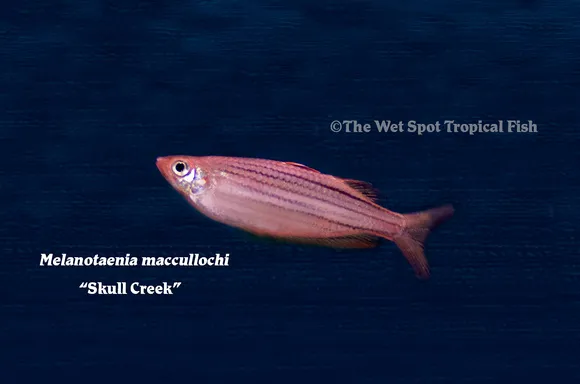
Sahul rainbowfish
Melanotaenia sahulensis
Freshwater2.2 in (5.5 cm) · 20 gal (75 L)75–86°F (24–30°C)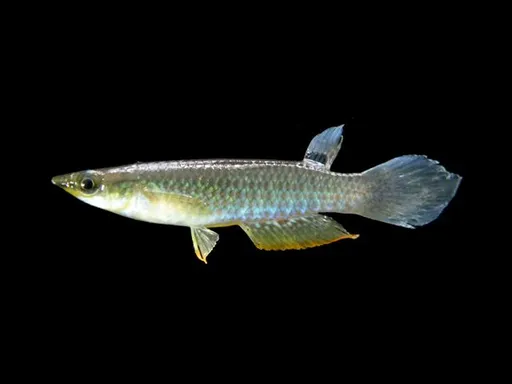
Blue panchax
Aplocheilus panchax
Freshwater3.5 in (9 cm) · 20 gal (75 L)72–82°F (22–28°C)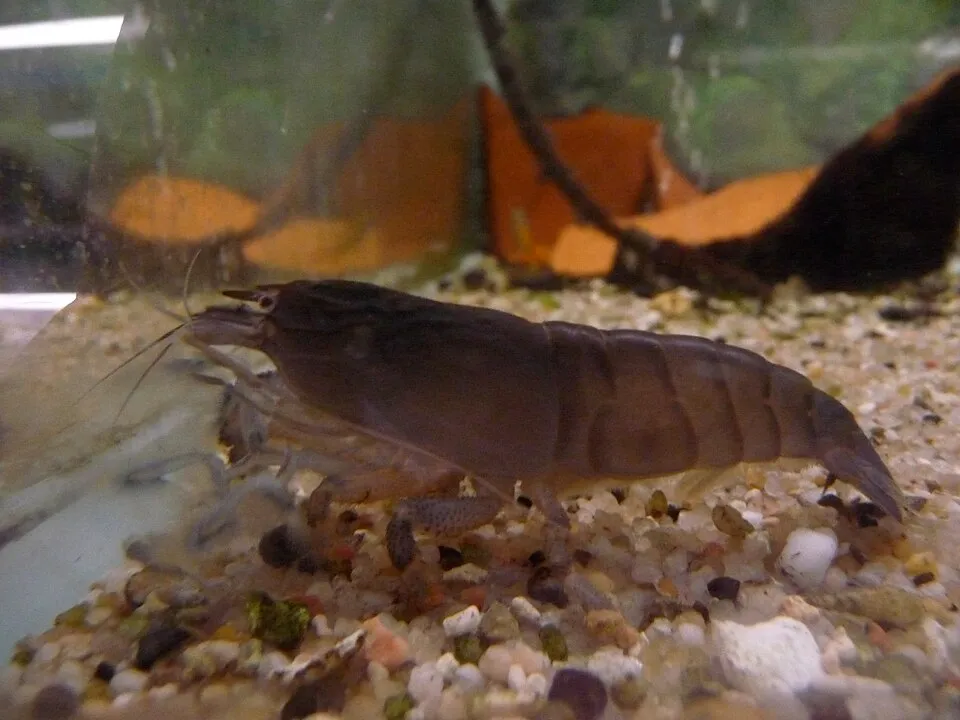
Vampire shrimp
Atya gabonensis
Freshwater5.1 in (13 cm) · 20 gal (75 L)75–82°F (24–28°C)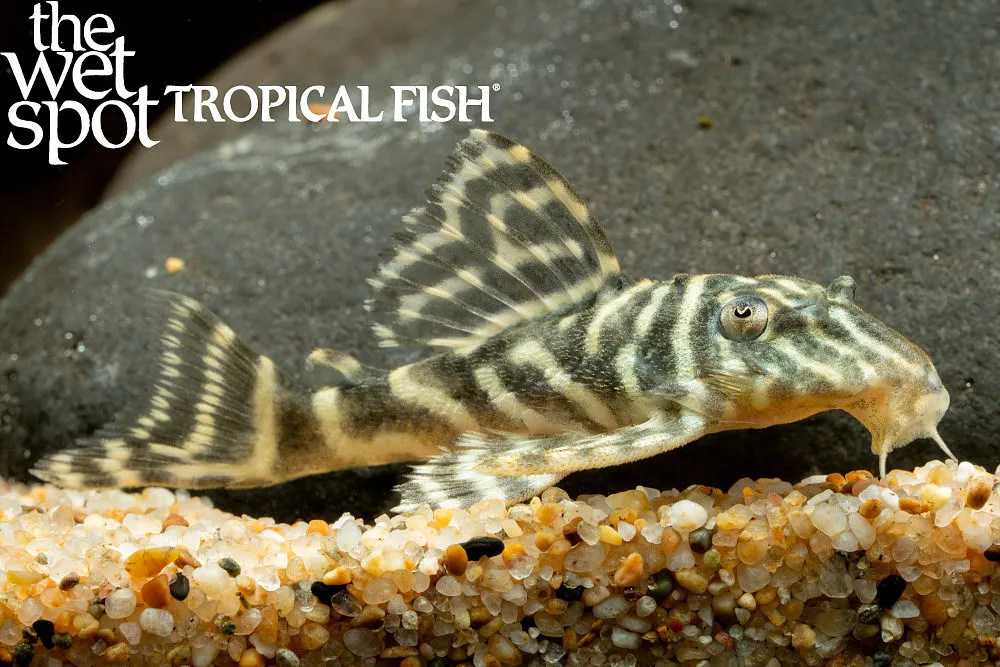
Colombian zebra pleco (L129)
Hypancistrus debilittera
Freshwater3.5 in (9 cm) · 20 gal (75 L)79–86°F (26–30°C)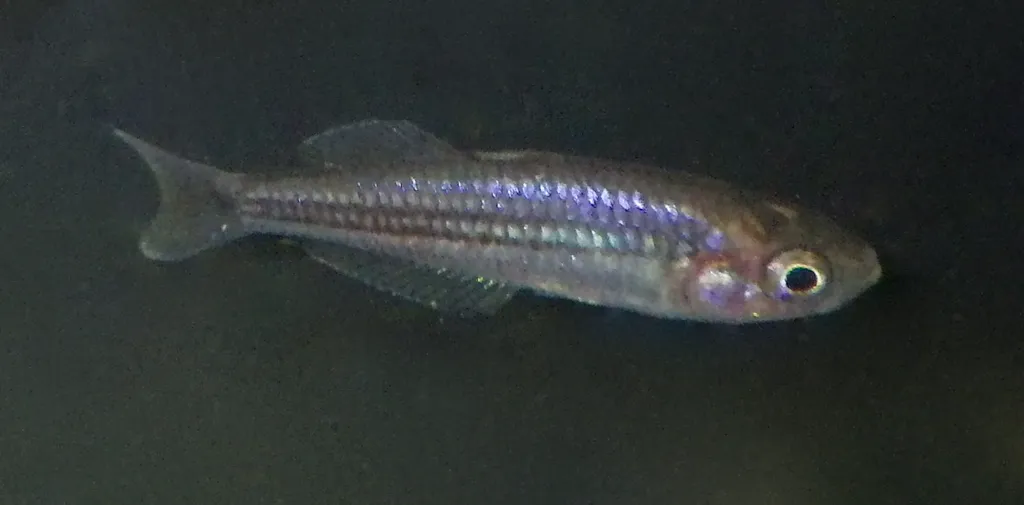
Pygmy rainbowfish
Melanotaenia pygmaea
Freshwater2.4 in (6 cm) · 20 gal (75 L)73–84°F (23–29°C)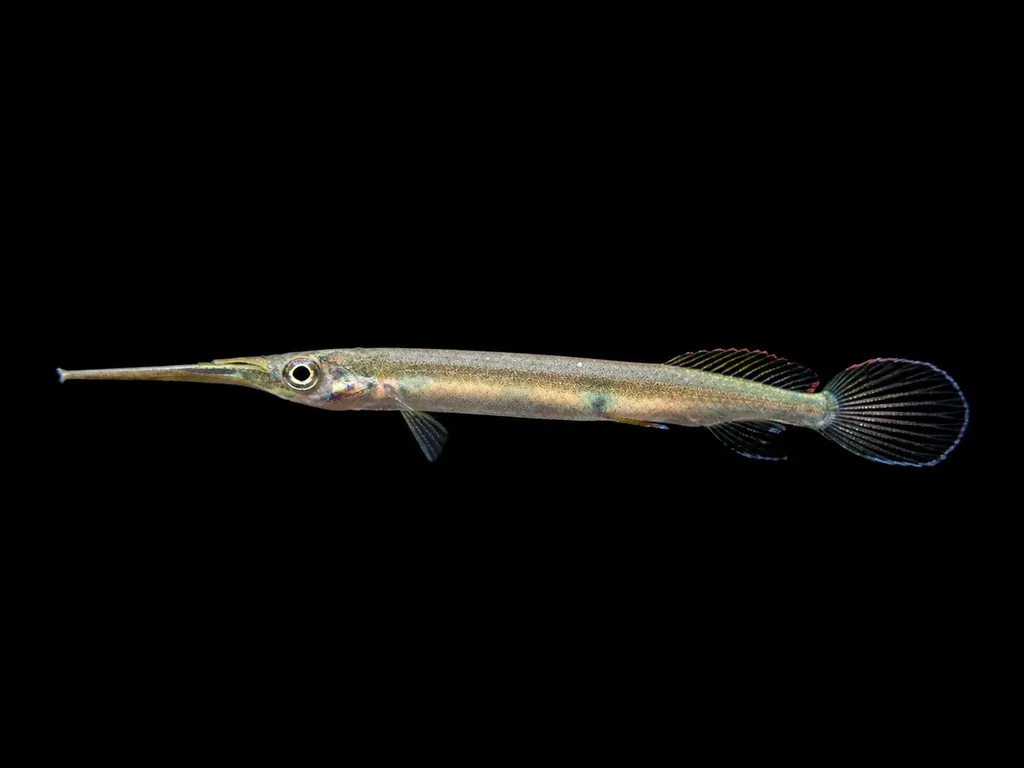
Kuekenthal's halfbeak
Hemirhamphodon kuekenthali
Freshwater3.3 in (8.5 cm) · 20 gal (75 L)73–81°F (23–27°C)
Common questions
What size tank does a gold marble bristlenose pleco need?
A gold marble bristlenose pleco needs at least 20 gal (75 L). It spends most of its time in the bottom.
What temperature and pH does a gold marble bristlenose pleco need?
A gold marble bristlenose pleco is comfortable at 77–84°F (25–29°C) with a pH of 6.0–7.5.
What does a gold marble bristlenose pleco eat?
A gold marble bristlenose pleco grazes algae and biofilm on wood and rock. It also takes sinking algae or spirulina wafers, blanched vegetables and the occasional frozen treat.
How big does a gold marble bristlenose pleco get?
An adult gold marble bristlenose pleco reaches about 3.1 in (8 cm).
How can you tell a male gold marble bristlenose pleco from a female?
Males grow fleshy tentacles on the snout once they mature, the feature the bristlenose group is known for.
How does a gold marble bristlenose pleco breed?
A gold marble bristlenose pleco spawns readily in caves, and the male guards and fans the eggs. Breeding it is only moderately difficult.
Related species
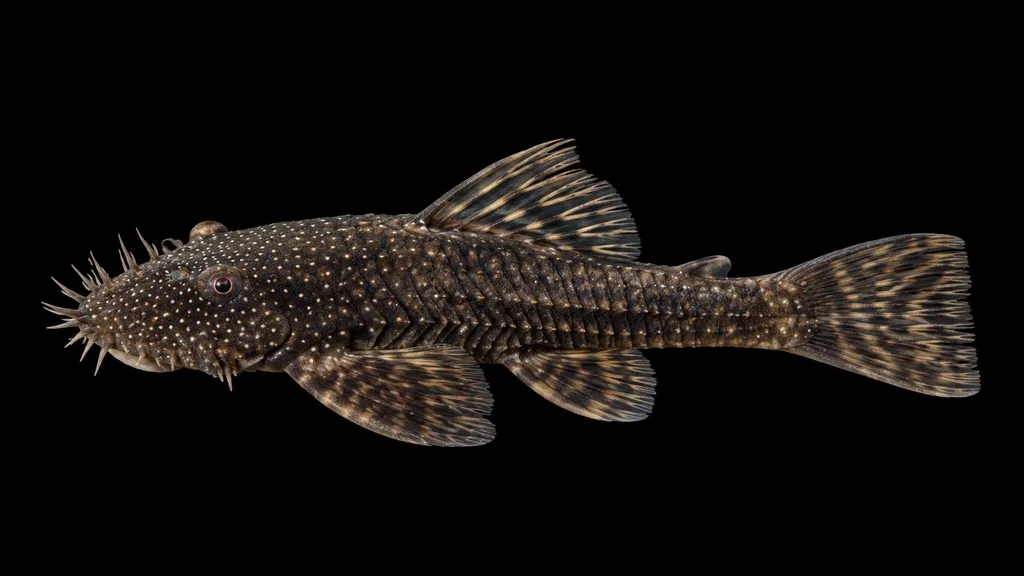 3.1 in (8 cm)29 gal (110 L)77–84°F (25–29°C)
Aguaboa bristlenose pleco
Ancistrus aguaboensis
3.1 in (8 cm) · 29 gal (110 L)
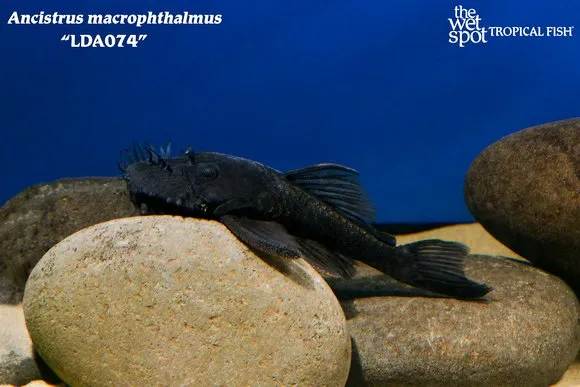 3.5 in (9 cm)29 gal (110 L)77–84°F (25–29°C)
Blue medusa pleco
Ancistrus macrophthalmus
3.5 in (9 cm) · 29 gal (110 L)
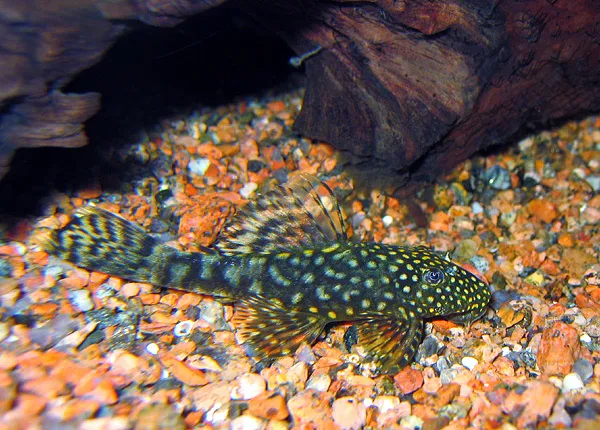 4.3 in (11 cm)18 gal (70 L)77–84°F (25–29°C)
Colombian bristlenose pleco
Ancistrus triradiatus
4.3 in (11 cm) · 18 gal (70 L)
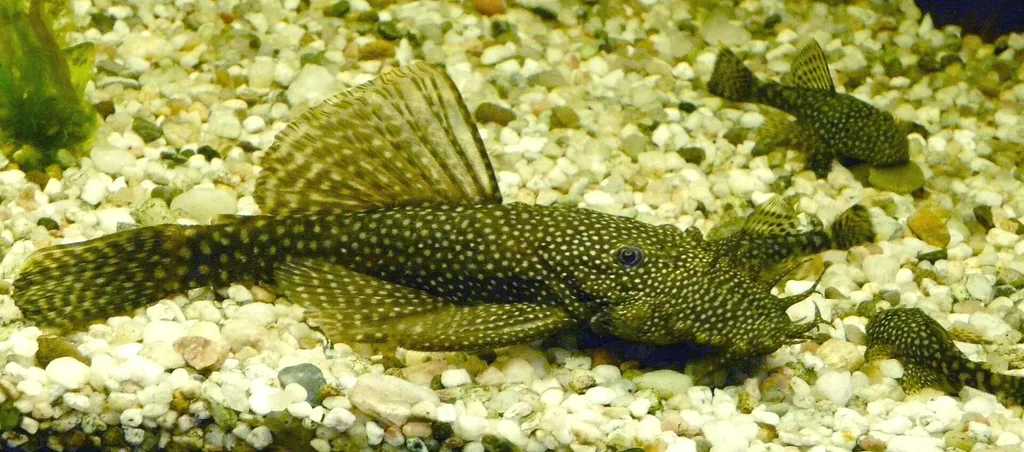 4.9 in (12.5 cm)20 gal (75 L)70–79°F (21–26°C)
Bristlenose pleco
Ancistrus sp.
4.9 in (12.5 cm) · 20 gal (75 L)
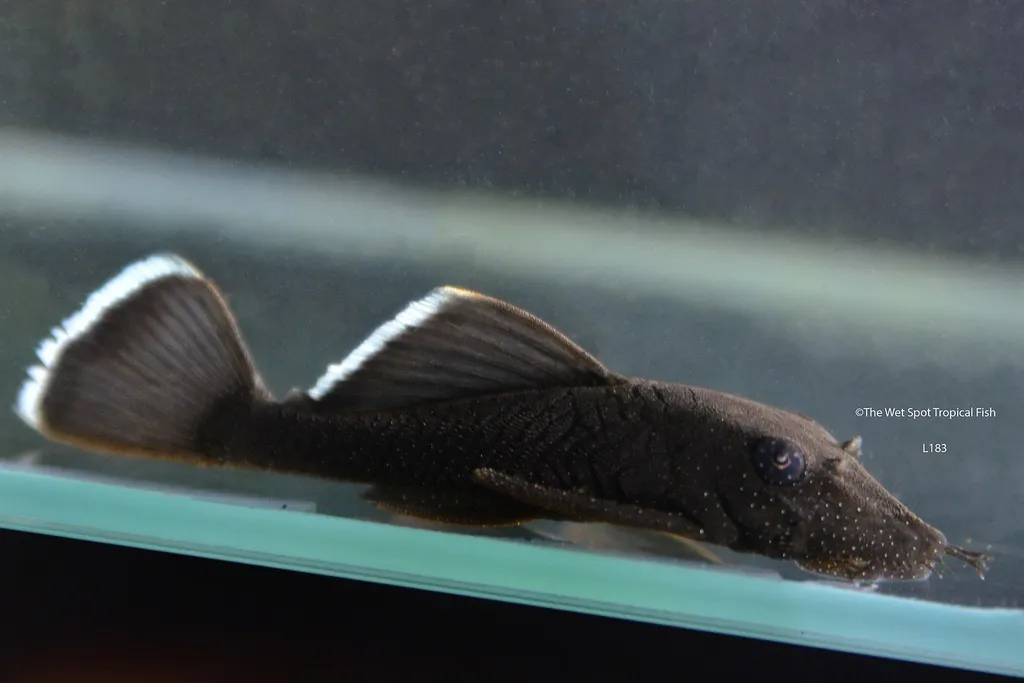 5.5 in (14 cm)63 gal (240 L)79–84°F (26–29°C)
Starlight bristlenose pleco (L183)
Ancistrus dolichopterus
5.5 in (14 cm) · 63 gal (240 L)
 5.9 in (15 cm)18 gal (70 L)79–86°F (26–30°C)
Medusa pleco (L034)
Ancistrus ranunculus
5.9 in (15 cm) · 18 gal (70 L)