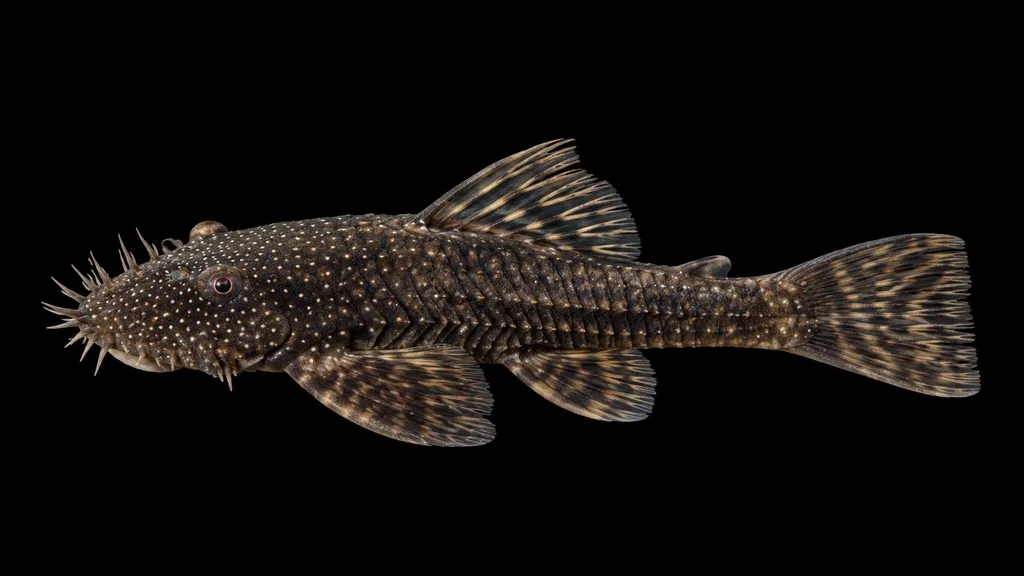
Starlight bristlenose pleco (L183)
Ancistrus dolichopterus
Also known as L183, Starlight Bristlenose, Blue-fin Bristlenose, Blue Seam Bushynose Pleco
FreshwaterFish
Care at a glance
- Temperature
- 79–84°F
- 26–29°C
- pH
- 5.5–7.0
- Adult size
- 5.5 in
- 14 cm
- Minimum tank
- 30 gal
- 115 L
- Temperament
- Peaceful
- Social behavior
- Solitary
- Swim level
- Bottom
- Difficulty
- Easy
- Breeding
- Easy
- Rarity
- Common
- Family
- Loricariidae
- Origin
- Rio Negro basin in Amazonas, Brazil.
Overview
A modest pleco for a tank of about 115 liters, hardier and more colorful than many L-numbers but pickier about water than the common bristlenose, wanting soft and acidic conditions. It is a genuine algae eater, so feed algae and spirulina wafers, blanched vegetables, and keep driftwood available, with only light protein. Peaceful and community safe, and males grow the branched nose bristles the group is named for.
In the wild
Comes from the soft, acidic blackwater of the Rio Negro, living among driftwood and leaf litter in shaded margins. True to the Ancistrus genus it is a grazer, rasping algae and aufwuchs off wood and rock and eating the wood surface itself, so driftwood aids its digestion. Prefers warm, soft, tannin-stained water.
Good to know
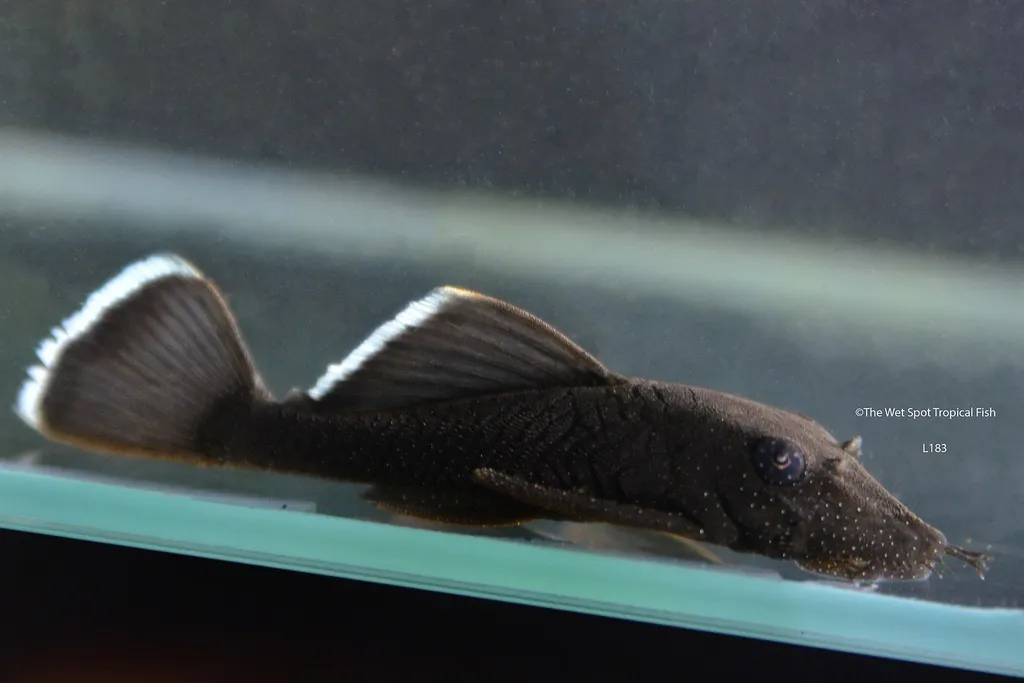
This is the true Ancistrus dolichopterus, distinct from the mixed-origin common bristlenose sold simply as Ancistrus sp. Adults keep a jet black body dusted with white star-like spots and a bold white edge on the dorsal and tail fins. That white fin seam holds into adulthood, which is the quickest way to tell it from lookalikes.
Did you know
Unlike the everyday common bristlenose, the starlight breeds true, so its striking black-and-white pattern passes reliably to the fry.
Weekly picks
Tank mates
Starlight bristlenose pleco (L183) is a peaceful, solitary species that keeps to the bottom. These picks share a community profile with it, are safe together in both directions, and overlap on water type, temperature and pH.
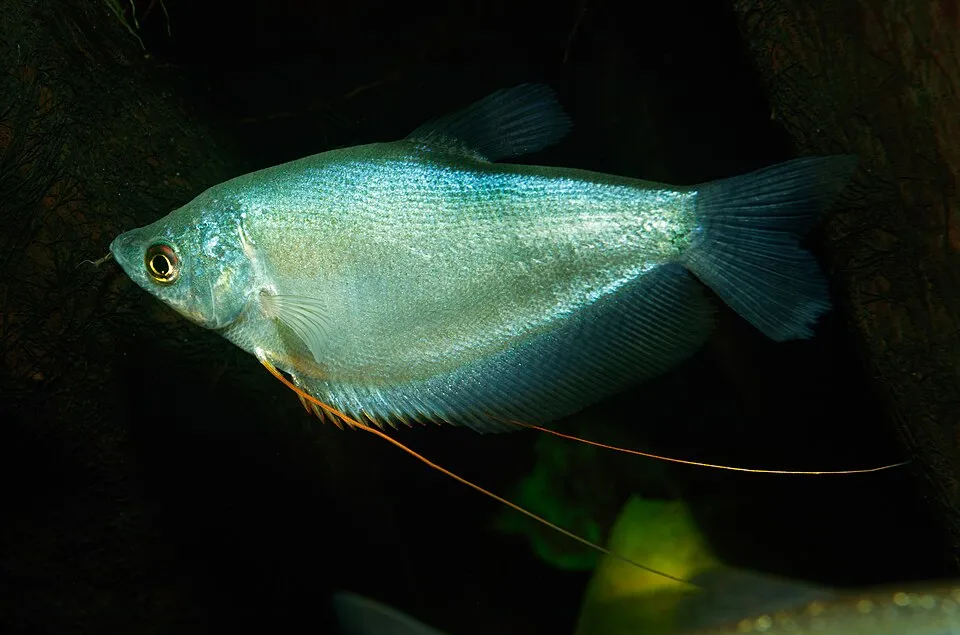
Moonlight gourami
Trichopodus microlepis
Freshwater5.9 in (15 cm) · 30 gal (115 L)77–86°F (25–30°C)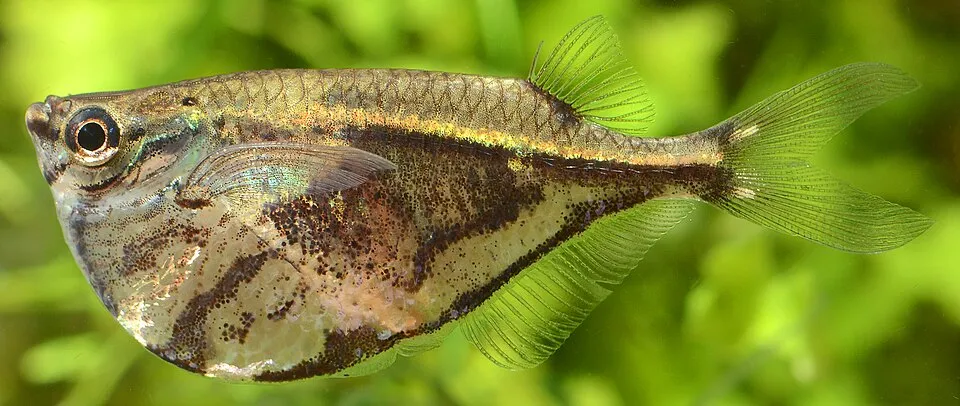
Marbled hatchetfish
Carnegiella strigata
Freshwater1.6 in (4 cm) · 32 gal (120 L)68–82°F (20–28°C)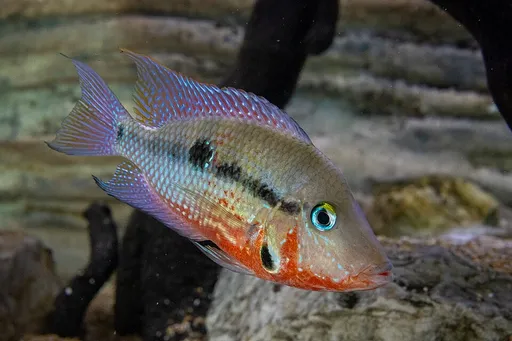
Firemouth cichlid
Thorichthys meeki
Freshwater5.9 in (15 cm) · 30 gal (115 L)73–82°F (23–28°C)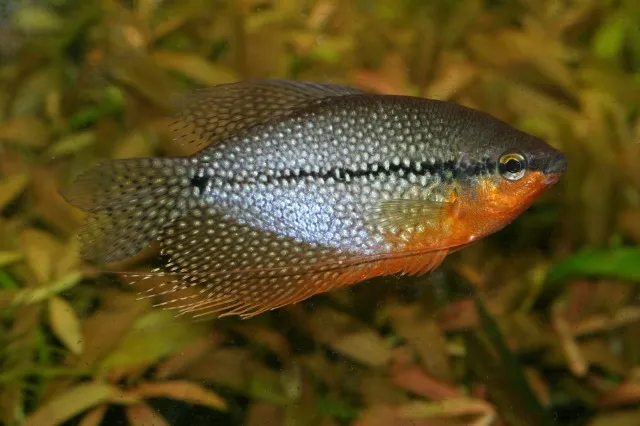
Pearl gourami
Trichopodus leerii
Freshwater4.7 in (12 cm) · 30 gal (115 L)75–86°F (24–30°C)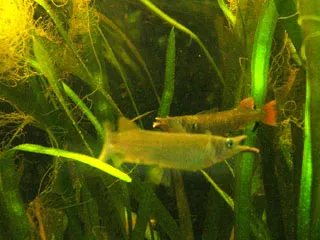
Redfin halfbeak
Nomorhamphus ebrardtii
Freshwater3.5 in (9 cm) · 29 gal (110 L)75–81°F (24–27°C)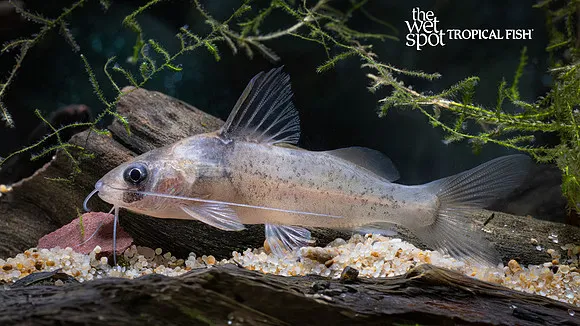
Imitator catfish
Brachyrhamdia imitator
Freshwater2.2 in (5.5 cm) · 30 gal (112 L)73–82°F (23–28°C)
Common questions
What size tank does a Starlight bristlenose pleco (L183) need?
A Starlight bristlenose pleco (L183) needs at least 30 gal (115 L). It spends most of its time in the bottom.
What temperature and pH does a Starlight bristlenose pleco (L183) need?
A Starlight bristlenose pleco (L183) is comfortable at 79–84°F (26–29°C) with a pH of 5.5–7.0.
How big does a Starlight bristlenose pleco (L183) get?
An adult Starlight bristlenose pleco (L183) reaches about 5.5 in (14 cm).
Related species
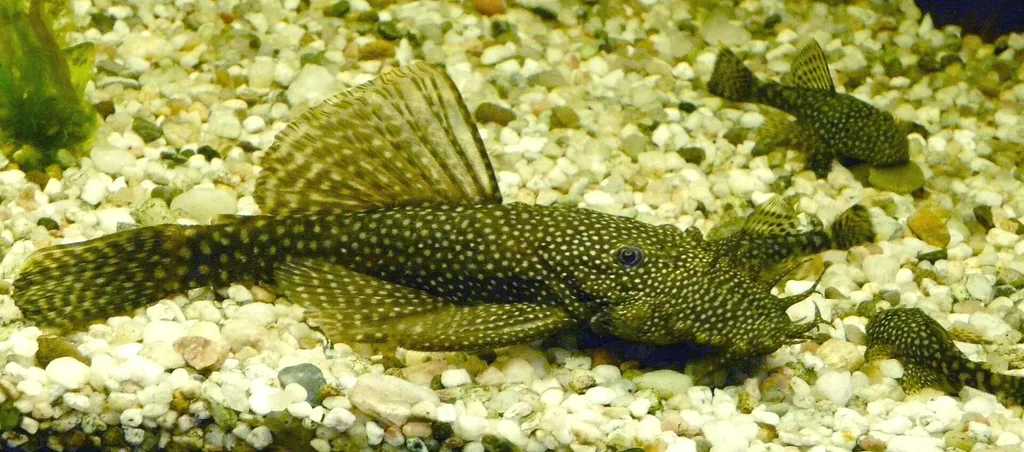
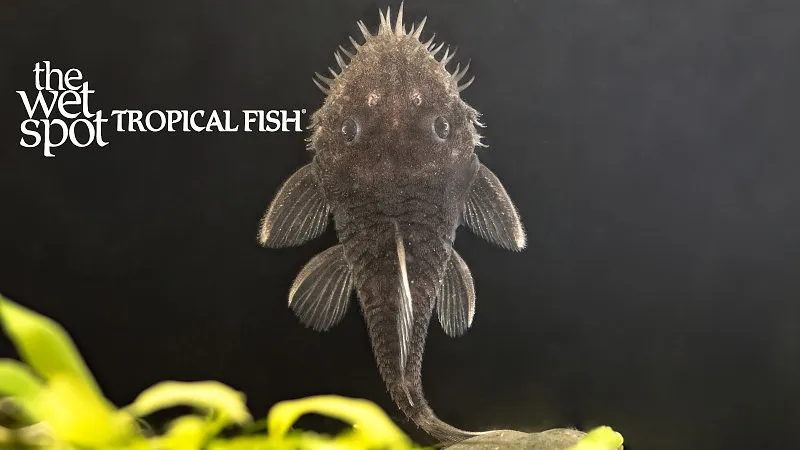 5.9 in (15 cm)40 gal (150 L)79–86°F (26–30°C)
Medusa pleco (L034)
Ancistrus ranunculus
5.9 in (15 cm) · 40 gal (150 L)
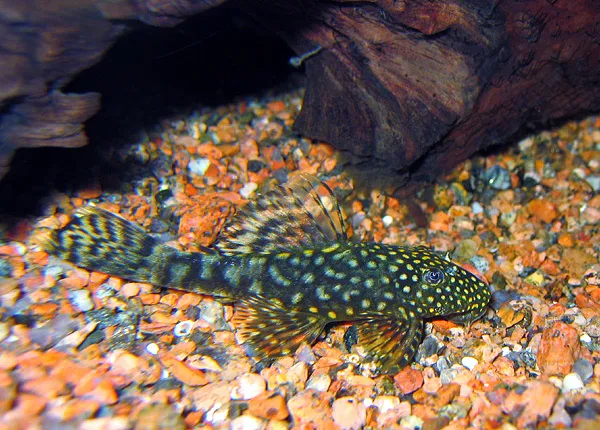
 4.9 in (12.5 cm)20 gal (75 L)70–79°F (21–26°C)
Bristlenose pleco
Ancistrus sp.
4.9 in (12.5 cm) · 20 gal (75 L)
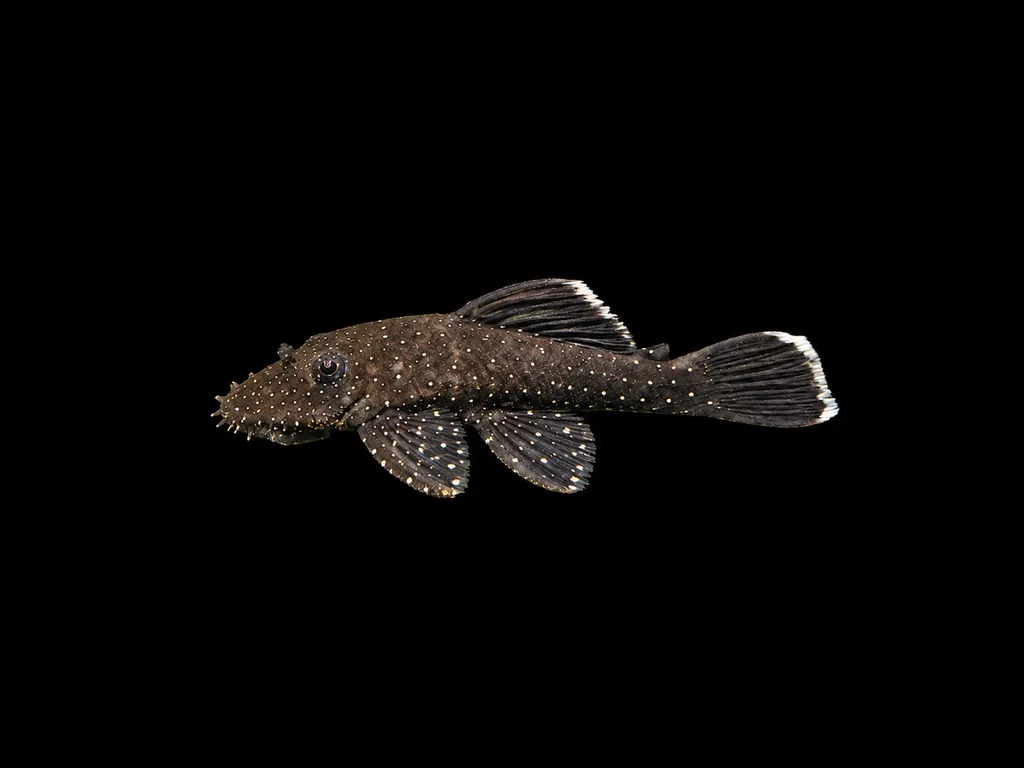
 4.3 in (11 cm)29 gal (110 L)77–84°F (25–29°C)
Colombian bristlenose pleco
Ancistrus triradiatus
4.3 in (11 cm) · 29 gal (110 L)
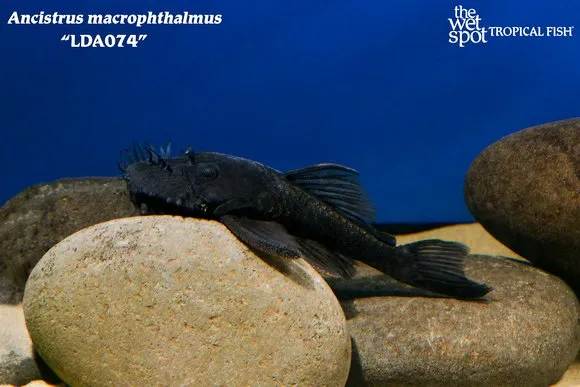
 7.1 in (18 cm)42 gal (160 L)77–84°F (25–29°C)
Starry night bristlenose pleco
Ancistrus hoplogenys
7.1 in (18 cm) · 42 gal (160 L)
 3.5 in (9 cm)29 gal (110 L)77–84°F (25–29°C)
Blue medusa pleco
Ancistrus macrophthalmus
3.5 in (9 cm) · 29 gal (110 L)
 3.1 in (8 cm)29 gal (110 L)77–84°F (25–29°C)
Aguaboa bristlenose pleco
Ancistrus aguaboensis
3.1 in (8 cm) · 29 gal (110 L)