Snowball pleco (L102)
Hypancistrus inspector
Also known as L102, Snowball plec
FreshwaterFish
Care at a glance
- Temperature
- 75–82°F
- 24–28°C
- pH
- 5.5–7.5
- Adult size
- 5.9 in
- 15 cm
- Minimum tank
- 30 gal
- 113 L
- Temperament
- Mostly peaceful
- Social behavior
- Solitary
- Swim level
- Bottom
- Difficulty
- Medium
- Breeding
- Medium
- Rarity
- Common
- Family
- Loricariidae
- Origin
- Upper Rio Negro basin (Brazil) and Casiquiare/upper Orinoco drainage (Venezuela)
Overview
Keep them singly, since this is a solitary, nocturnal bottom dweller. They are mostly peaceful toward other tankmates, but males fight over caves, so if you house more than one, give a cave per fish and plenty of broken sightlines. Never mix them with other Hypancistrus such as zebra L046, L333, or king tigers, because they hybridize readily. Water should sit between 24 and 28 C with a pH from 5.5 to 7.5. Feed an omnivore that leans toward meat: frozen bloodworm, daphnia, and mosquito larvae, sinking dried foods, and some vegetables. They are not real algae eaters, so do not count on them to clean the tank. They produce a heavy waste load, so stay on top of water changes and oxygen.
In the wild
Snowball plecos come from fast, oxygen-rich blackwater rivers in the upper Rio Negro of Brazil and the Casiquiare and upper Orinoco drainage in Venezuela. These are warm, soft, slightly acidic waters running over rock and sand. To match that, give them a mature tank of at least 113 liters with soft sand or fine gravel, smooth water-worn boulders, and driftwood, kept at 24 to 28 C with a pH from 5.5 to 7.5. Add brisk flow and strong aeration, since this is a rapids fish that needs high oxygen. Provide caves and broken sightlines so each fish has its own hiding spot.
Good to know
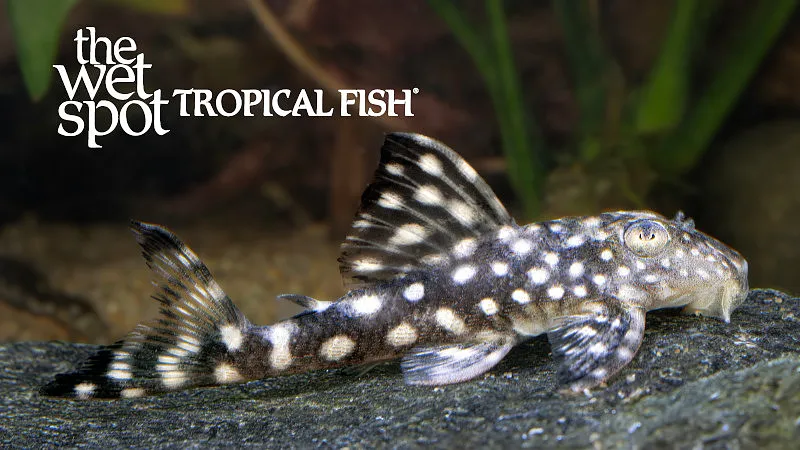
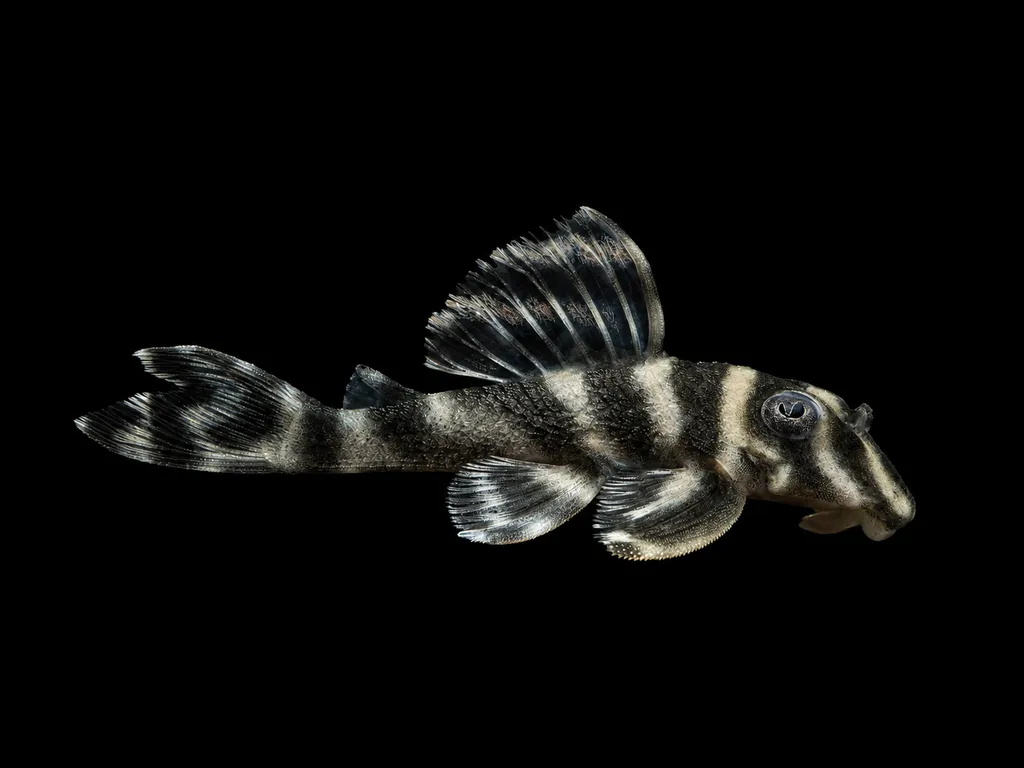
This is Hypancistrus inspector, a suckermouth catfish in the family Loricariidae, also sold under the L-number L102. Adults reach around 15 cm. It is a cave spawner where the male guards the eggs and fry, and breeding is achievable but takes some work. Like other plecos it has a sucker mouth and bony armor plates rather than scales.
Did you know
The common name comes from the round white or cream spots scattered across a dark body, which read like snowballs against the background. Those spots tend to be largest and boldest on younger fish and often shrink and fade as the pleco matures, so an old adult can look much plainer than the juvenile you bought.
Weekly picks
Tank mates
Snowball pleco (L102) is a mostly peaceful, solitary species that keeps to the bottom. These picks share a community profile with it, are safe together in both directions, and overlap on water type, temperature and pH.
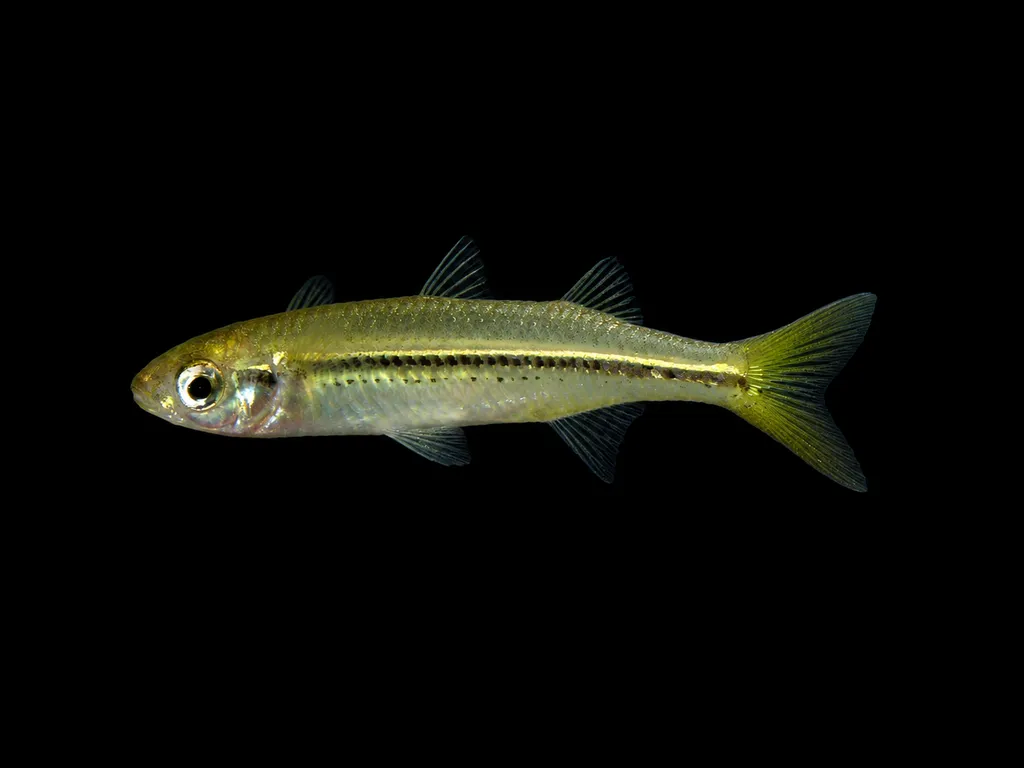
Kubuna hardyhead
Craterocephalus randi
Freshwater3.1 in (8 cm) · 30 gal (112 L)72–82°F (22–28°C)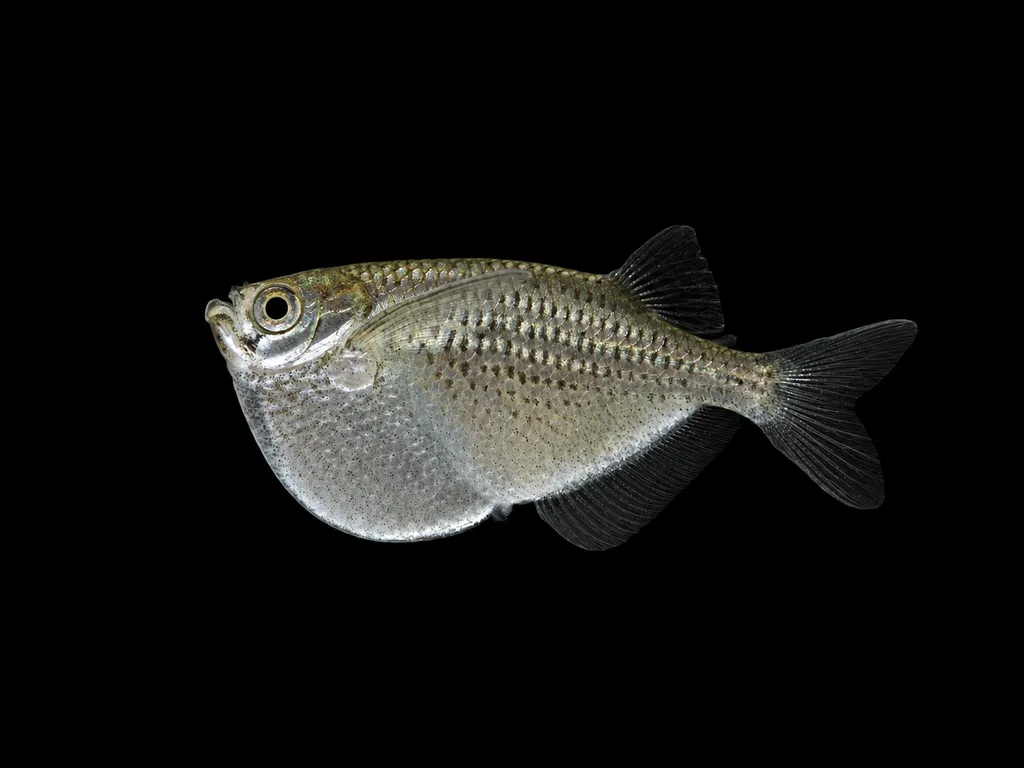
Silver hatchetfish
Gasteropelecus levis
Freshwater1.4 in (3.5 cm) · 30 gal (112 L)73–82°F (23–28°C)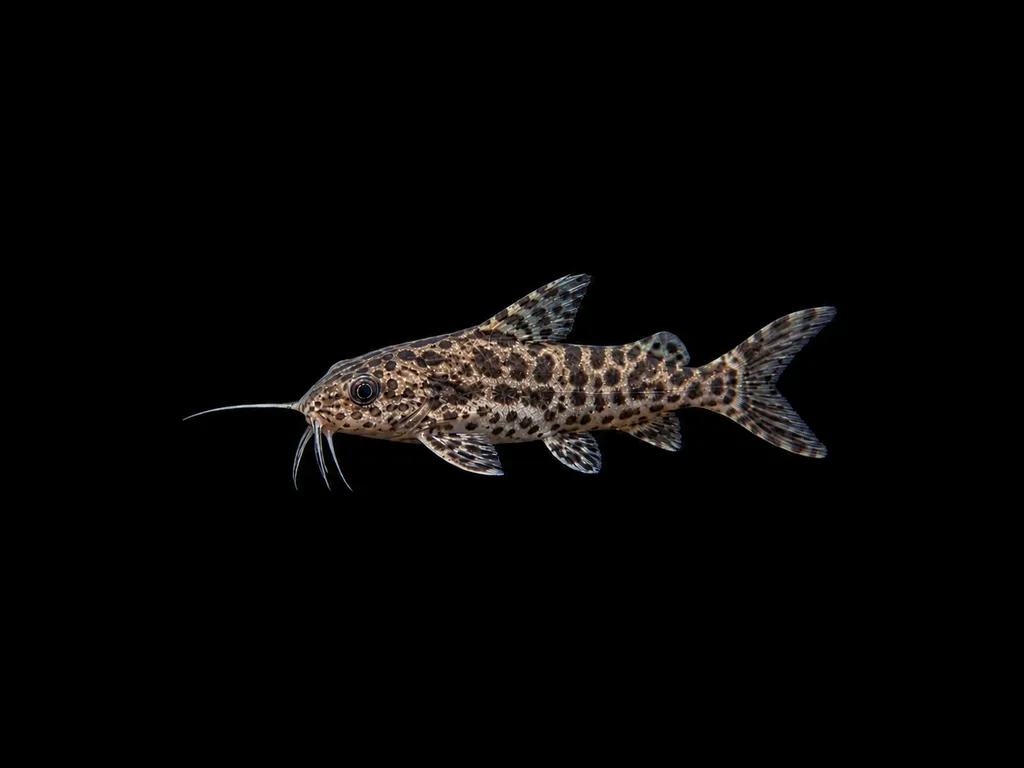
Bugeye squeaker
Synodontis contractus
Freshwater3.9 in (10 cm) · 30 gal (114 L)72–79°F (22–26°C)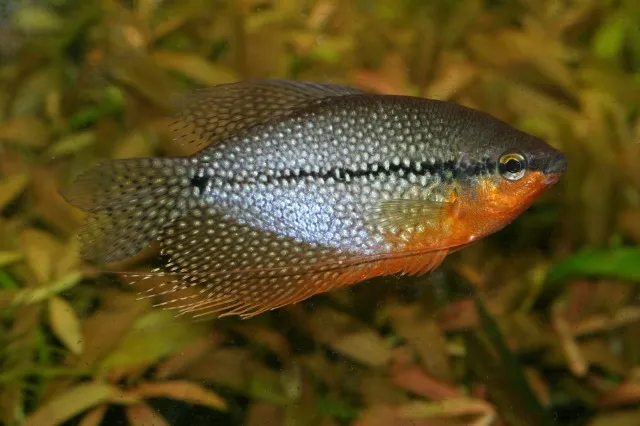
Pearl gourami
Trichopodus leerii
Freshwater4.7 in (12 cm) · 30 gal (115 L)75–86°F (24–30°C)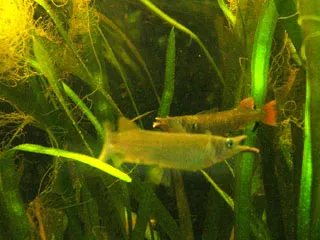
Redfin halfbeak
Nomorhamphus ebrardtii
Freshwater3.5 in (9 cm) · 29 gal (110 L)75–81°F (24–27°C)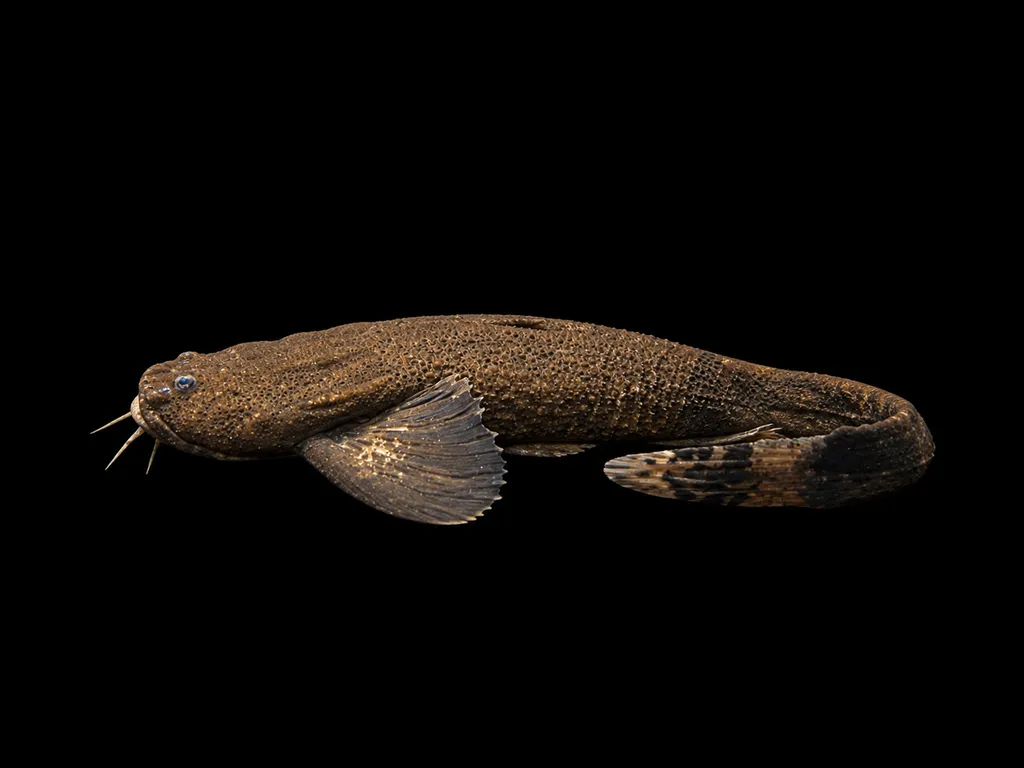
Two-ray banjo catfish
Amaralia hypsiura
Freshwater5.1 in (13 cm) · 30 gal (112 L)73–82°F (23–28°C)
Common questions
What size tank does a Snowball pleco (L102) need?
A Snowball pleco (L102) needs at least 30 gal (113 L). It spends most of its time in the bottom.
What temperature and pH does a Snowball pleco (L102) need?
A Snowball pleco (L102) is comfortable at 75–82°F (24–28°C) with a pH of 5.5–7.5.
How big does a Snowball pleco (L102) get?
An adult Snowball pleco (L102) reaches about 5.9 in (15 cm).
Related species
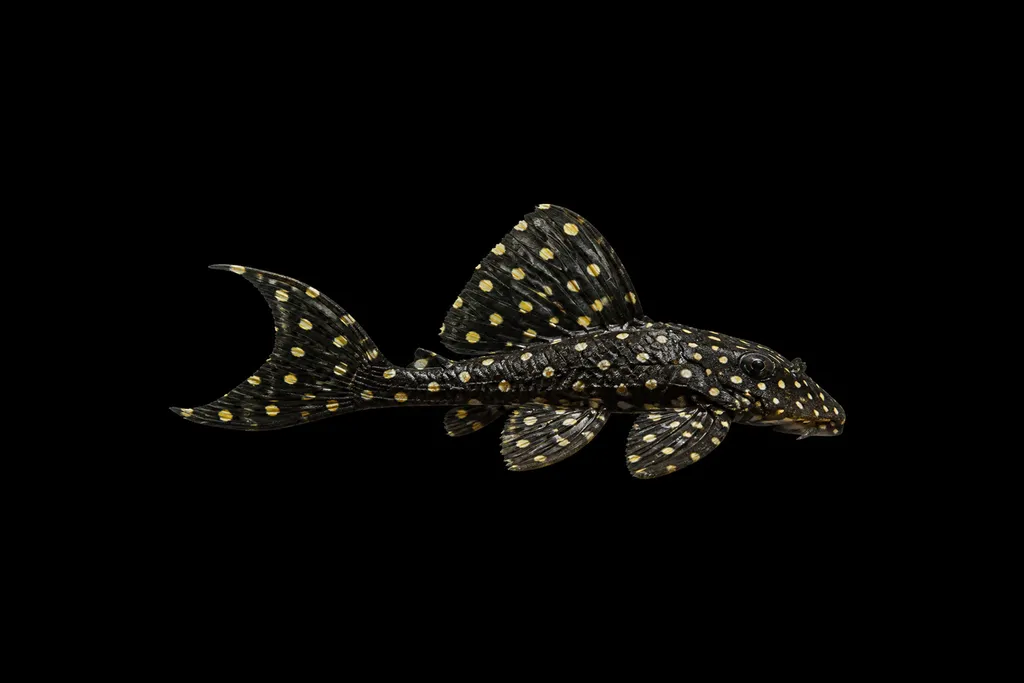 5.9 in (15 cm)30 gal (115 L)79–86°F (26–30°C)
Orinoco angel pleco (L201)
Hypancistrus sp. L201
5.9 in (15 cm) · 30 gal (115 L)
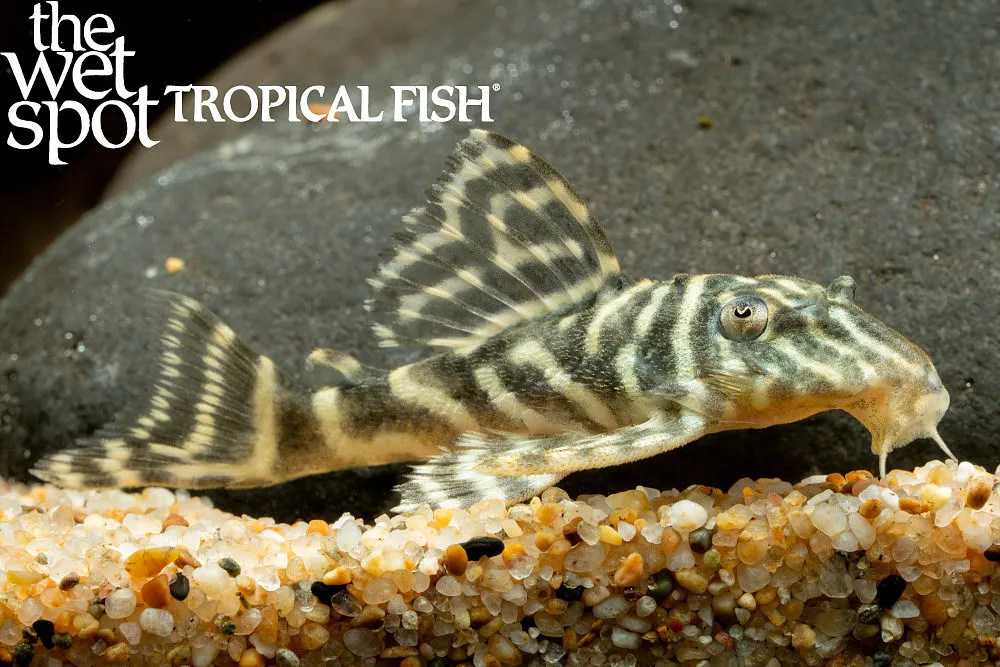
 5.1 in (13 cm)40 gal (150 L)79–84°F (26–29°C)
King tiger pleco (L066)
Hypancistrus seideli
5.1 in (13 cm) · 40 gal (150 L)
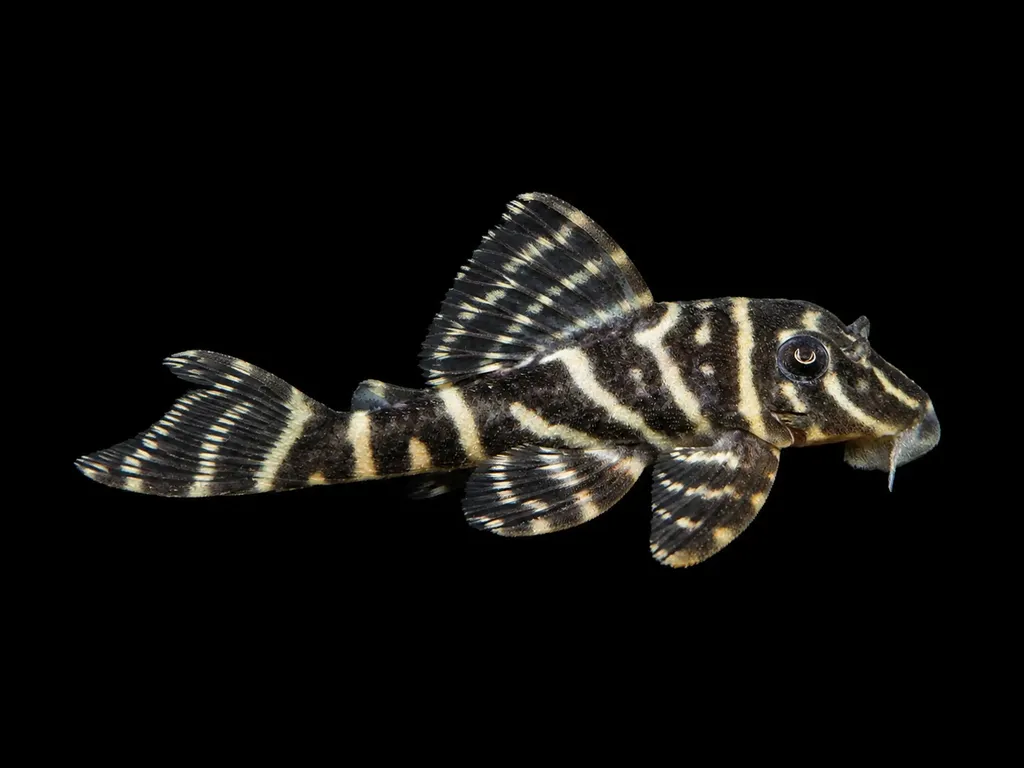
 3.5 in (9 cm)20 gal (75 L)79–86°F (26–30°C)
Colombian zebra pleco (L129)
Hypancistrus debilittera
3.5 in (9 cm) · 20 gal (75 L)
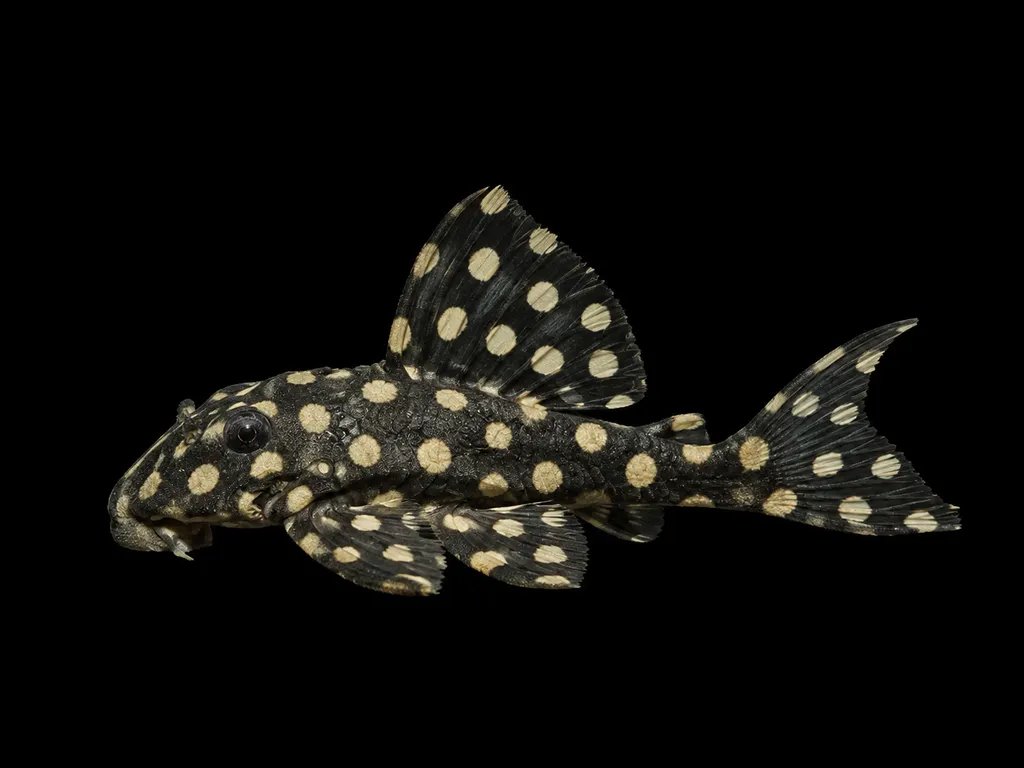
 3.5 in (9 cm)20 gal (75 L)79–86°F (26–30°C)
Mega clown pleco (L340)
Hypancistrus sp. L340
3.5 in (9 cm) · 20 gal (75 L)
 4.7 in (12 cm)42 gal (160 L)79–86°F (26–30°C)
Orinoco polka-dot pleco
Hypancistrus contradens
4.7 in (12 cm) · 42 gal (160 L)
 3.9 in (10 cm)42 gal (160 L)79–86°F (26–30°C)
Bandit pleco
Hypancistrus furunculus
3.9 in (10 cm) · 42 gal (160 L)