Variety of Bristlenose pleco
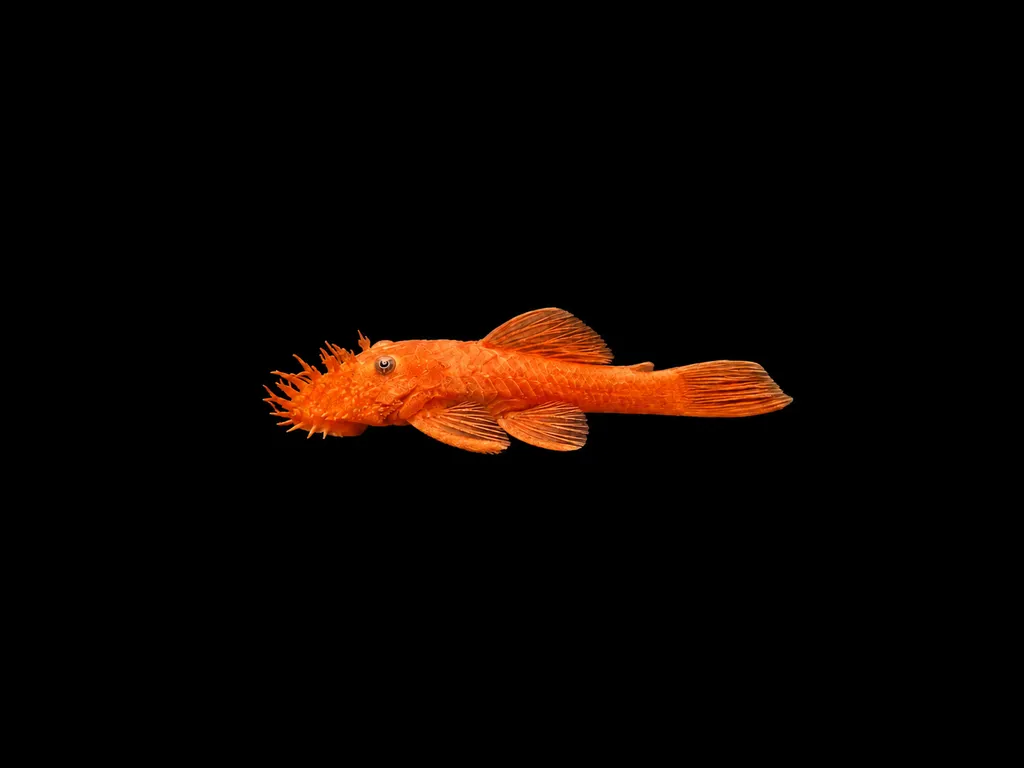
Super red bristlenose pleco
Ancistrus sp.
One of 4 varieties of Ancistrus sp. · See all varieties →
Also known as Super Red Bushynose Pleco
FreshwaterFish
Varieties · Ancistrus sp.
See all 4 →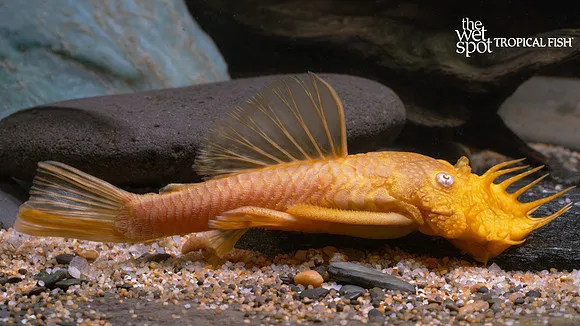
Care at a glance
- Temperature
- 70–79°F
- 21–26°C
- pH
- 6.5–7.5
- Adult size
- 4.9 in
- 12.5 cm
- Minimum tank
- 20 gal
- 75 L
- Temperament
- Peaceful
- Social behavior
- Solitary
- Swim level
- Bottom
- Difficulty
- Medium
- Breeding
- Medium
- Rarity
- Very common
- Family
- Loricariidae
Overview
Super red is the solid red-orange line, sold plain or as a separate longfin version. Juveniles look yellowish in shop tanks and deepen to red-orange as they mature, so a washed-out young fish is normal rather than a bad pick. Strain quality varies: better stock throws fry that stay clean red, while weaker lines keep black flecks on the back and fins.
In the wild
Super red was fixed in captivity from the same Ancistrus stock as the brown and albino lines, and no wild fish looks like it. No reliable source names the breeder who established it, so it is a hobby line of uncertain origin. Forum accounts point at German hobbyists line-breeding from existing captive stock, but the details are not settled.
Good to know
The color is a graded selection for red-orange pigment over the whole body, not a single named gene. That is why strains differ in how cleanly they breed. Residual dark flecking is what breeders cull hardest against, and it can resurface in later generations from mixed stock. How the line relates to the albino stock is argued over in the hobby and not settled.
Did you know
A tank of super red juveniles is an unconvincing sight: they come up yellowish and only fill in to red-orange as they grow out. Picking the deepest-colored fish in a batch of young ones mostly tells you which is furthest along, not which will finish reddest.
Weekly picks
Tank mates
Super red bristlenose pleco is a peaceful, solitary species that keeps to the bottom. These picks share a community profile with it, are safe together in both directions, and overlap on water type, temperature and pH.
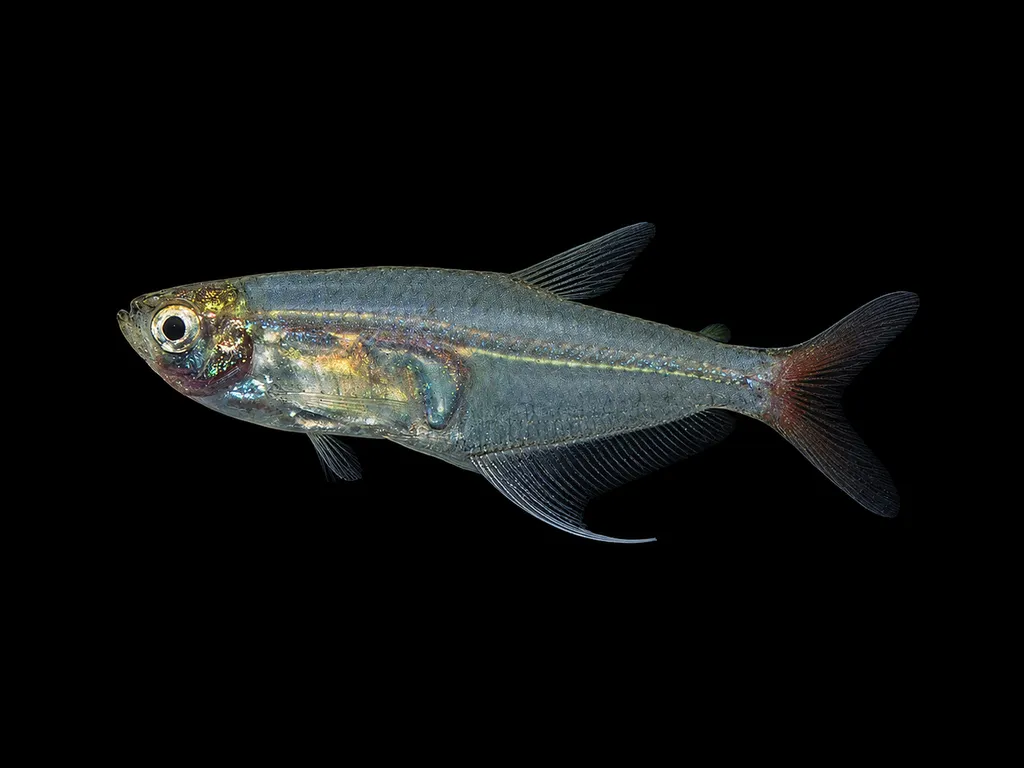
Paraguay glass tetra
Prionobrama paraguayensis
Freshwater2.4 in (6 cm) · 20 gal (75 L)68–81°F (20–27°C)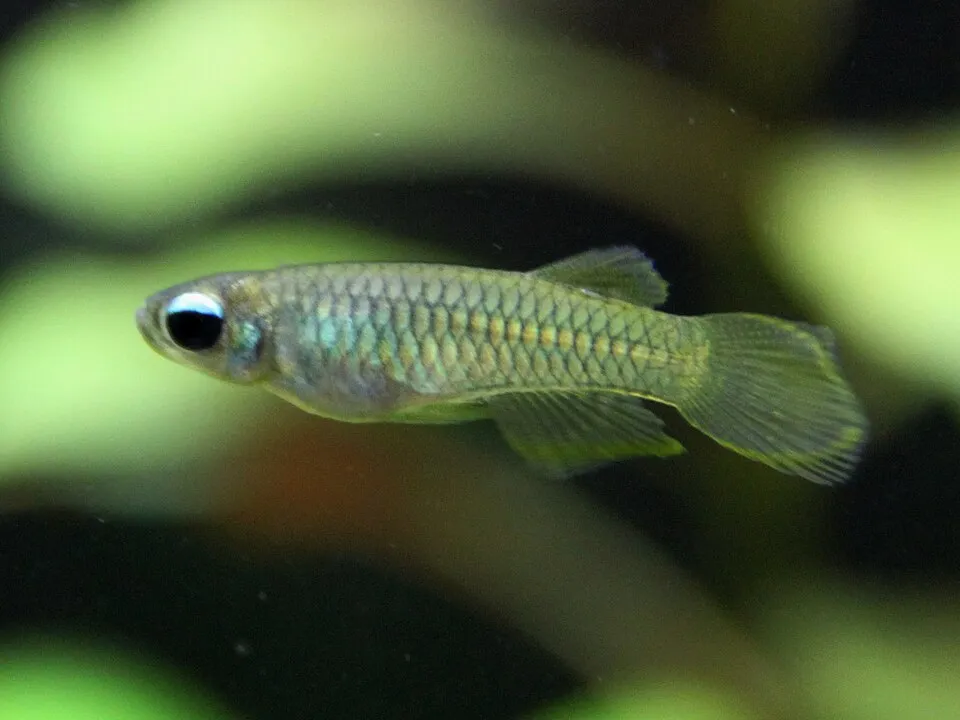
Norman's lampeye
Poropanchax normani
Freshwater1.6 in (4 cm) · 20 gal (75 L)72–79°F (22–26°C)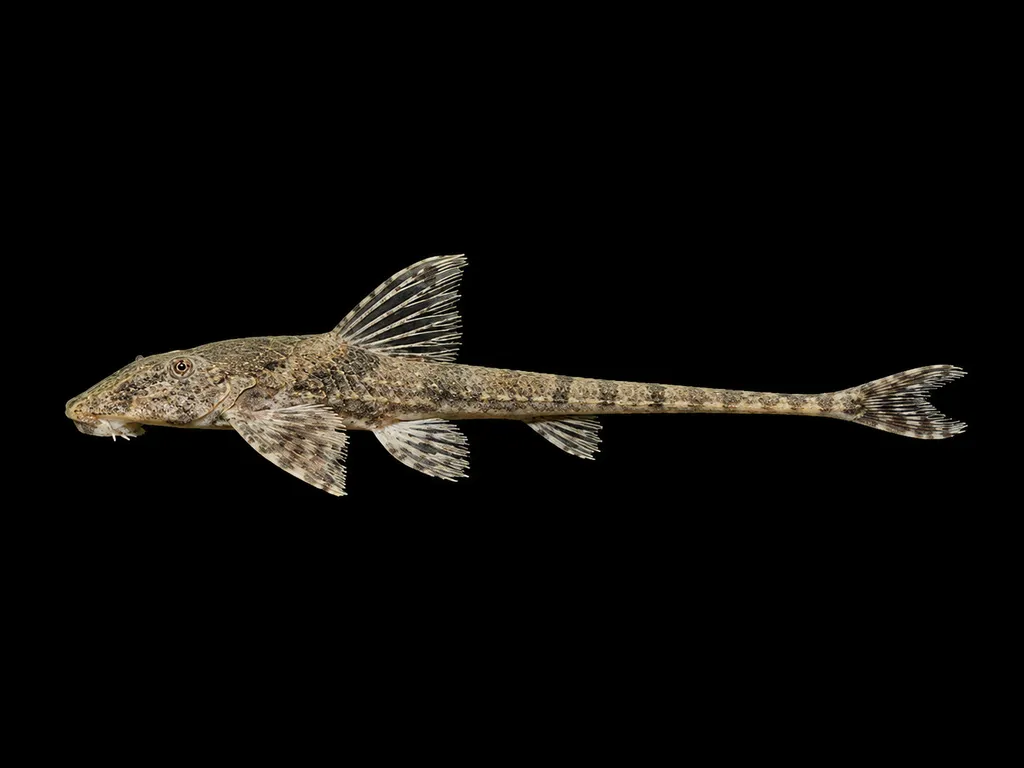
Common whiptail
Rineloricaria parva
Freshwater4.7 in (12 cm) · 20 gal (75 L)68–79°F (20–26°C)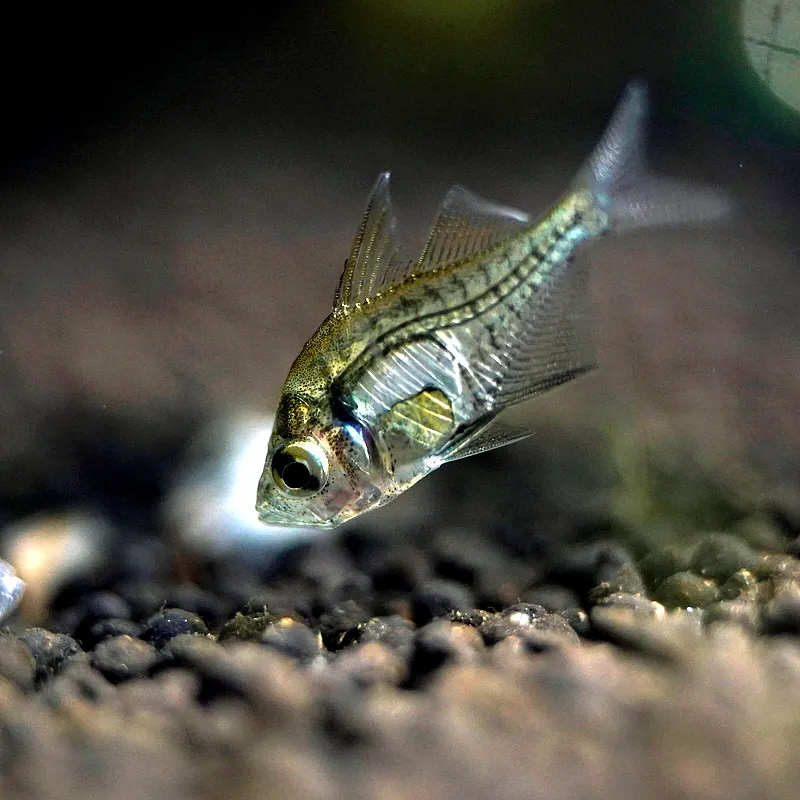
Indian glassy fish
Parambassis ranga
Freshwater3.1 in (8 cm) · 20 gal (75 L)68–86°F (20–30°C)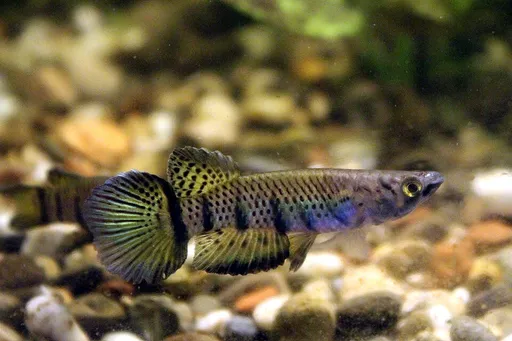
Six-barred panchax
Epiplatys sexfasciatus
Freshwater3.9 in (10 cm) · 20 gal (75 L)72–81°F (22–27°C)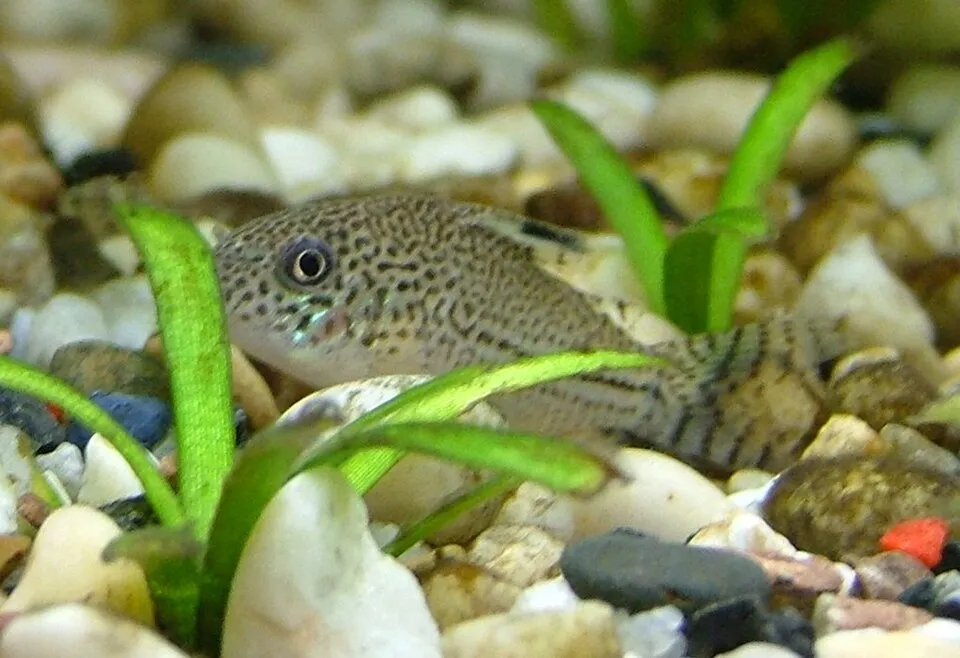
Julii cory
Hoplisoma julii
Freshwater2.2 in (5.5 cm) · 20 gal (75 L)68–79°F (20–26°C)
Common questions
Is a Super red bristlenose pleco a different species from the Bristlenose pleco?
No. A Super red bristlenose pleco is a variety of the Bristlenose pleco, Ancistrus sp., and it wants the same tank, water and food as the species.
What size tank does a Super red bristlenose pleco need?
A Super red bristlenose pleco needs at least 20 gal (75 L). It spends most of its time in the bottom.
How big does a Super red bristlenose pleco get?
An adult Super red bristlenose pleco reaches about 4.9 in (12.5 cm).
Related species
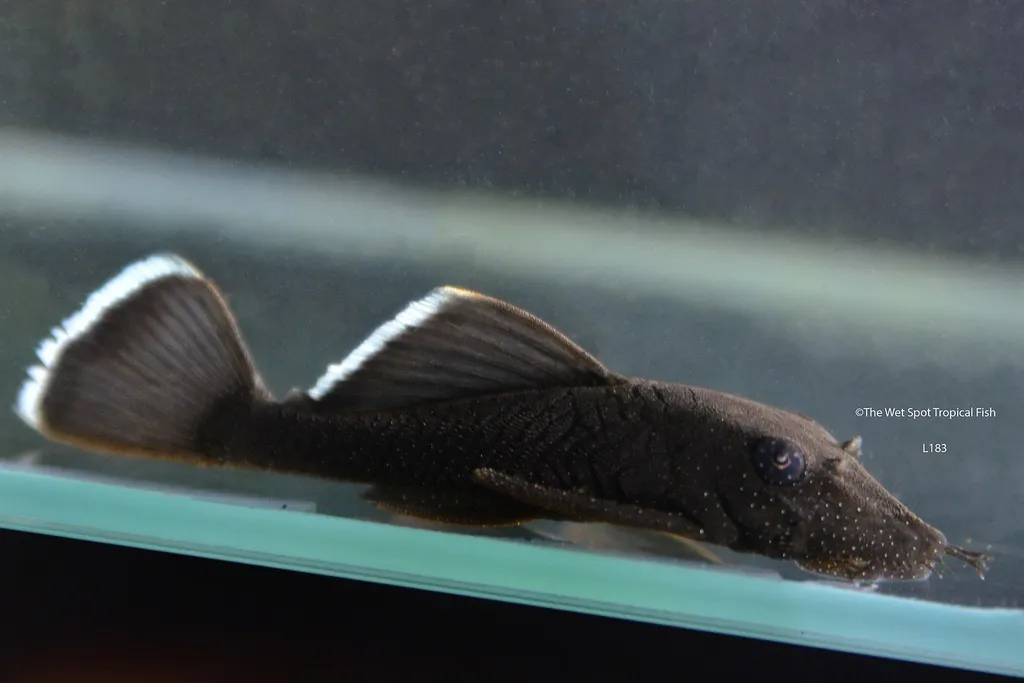 5.5 in (14 cm)30 gal (115 L)79–84°F (26–29°C)
Starlight bristlenose pleco (L183)
Ancistrus dolichopterus
5.5 in (14 cm) · 30 gal (115 L)
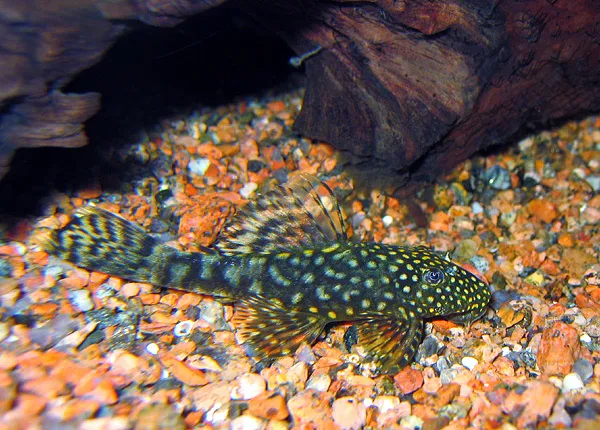 4.3 in (11 cm)29 gal (110 L)77–84°F (25–29°C)
Colombian bristlenose pleco
Ancistrus triradiatus
4.3 in (11 cm) · 29 gal (110 L)
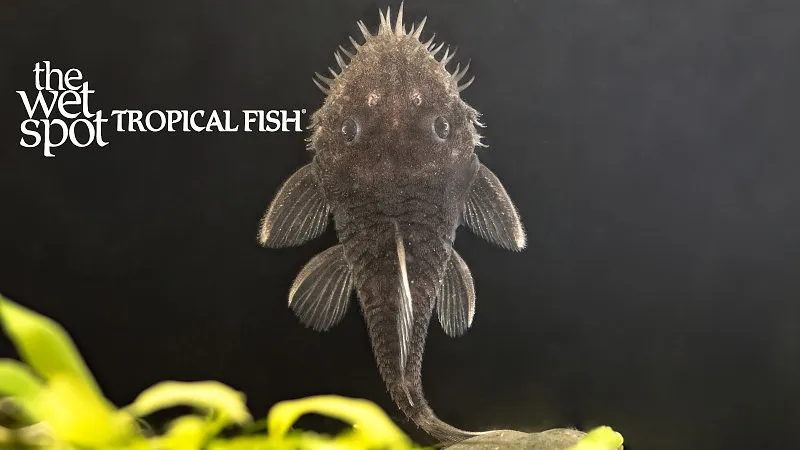 5.9 in (15 cm)40 gal (150 L)79–86°F (26–30°C)
Medusa pleco (L034)
Ancistrus ranunculus
5.9 in (15 cm) · 40 gal (150 L)
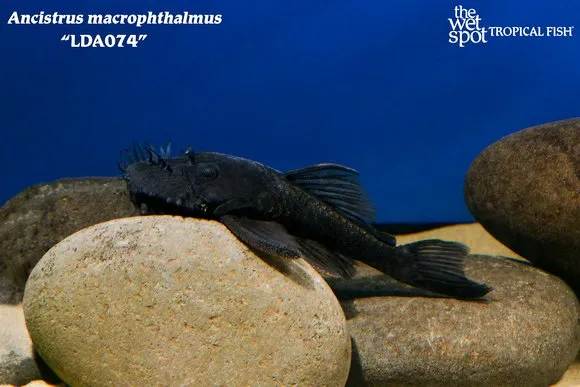 3.5 in (9 cm)29 gal (110 L)77–84°F (25–29°C)
Blue medusa pleco
Ancistrus macrophthalmus
3.5 in (9 cm) · 29 gal (110 L)
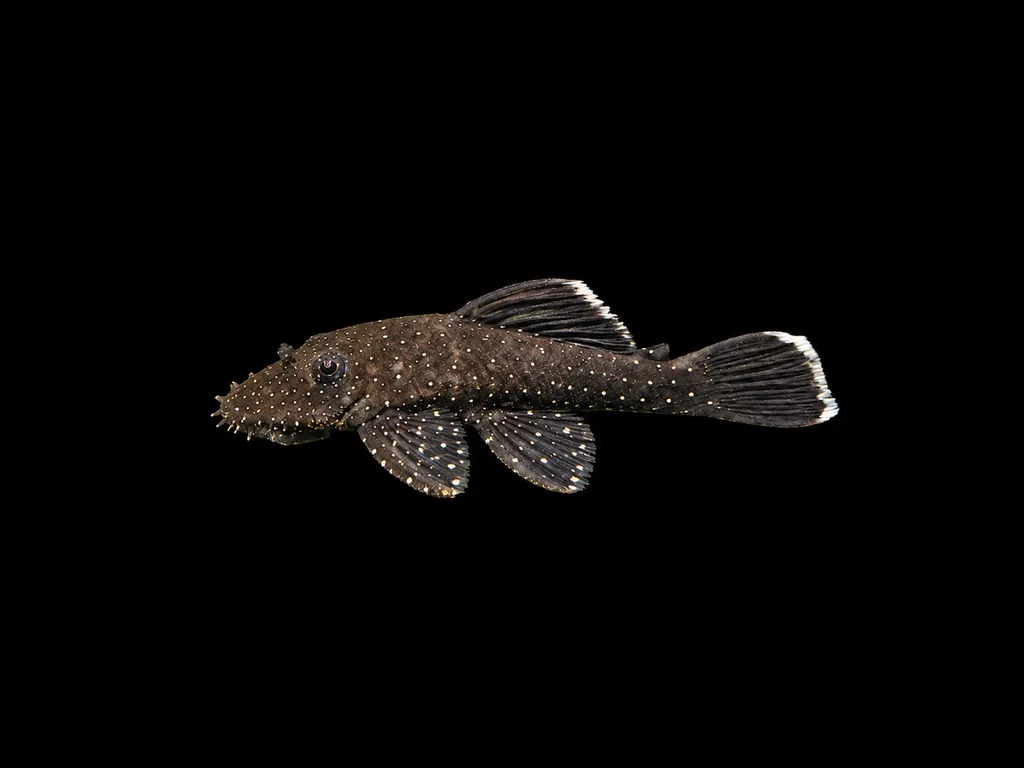 7.1 in (18 cm)42 gal (160 L)77–84°F (25–29°C)
Starry night bristlenose pleco
Ancistrus hoplogenys
7.1 in (18 cm) · 42 gal (160 L)
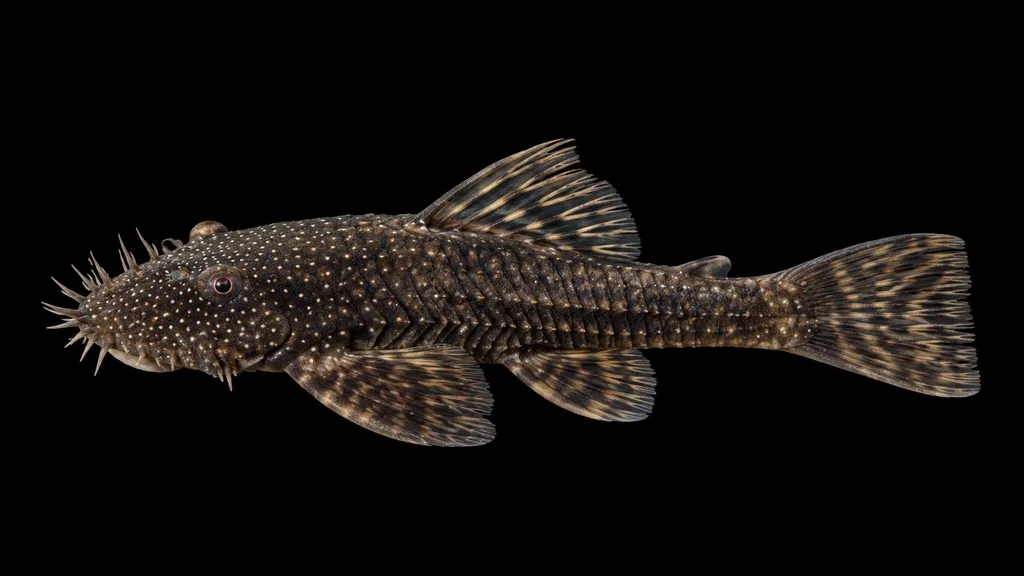 3.1 in (8 cm)29 gal (110 L)77–84°F (25–29°C)
Aguaboa bristlenose pleco
Ancistrus aguaboensis
3.1 in (8 cm) · 29 gal (110 L)