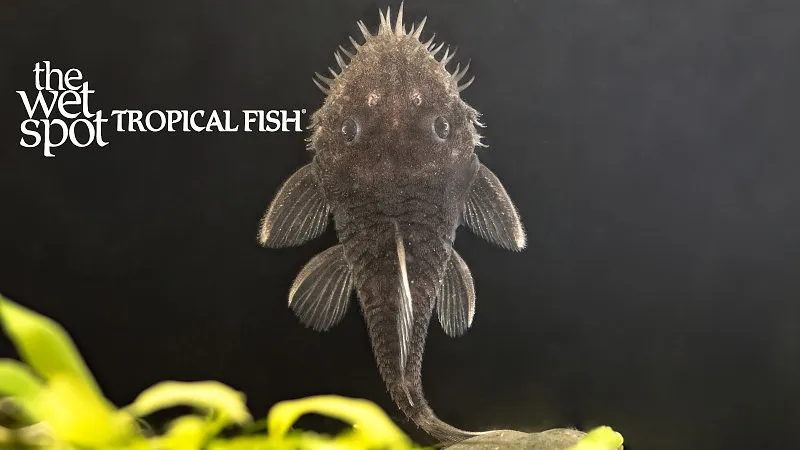
Variety of Bristlenose pleco
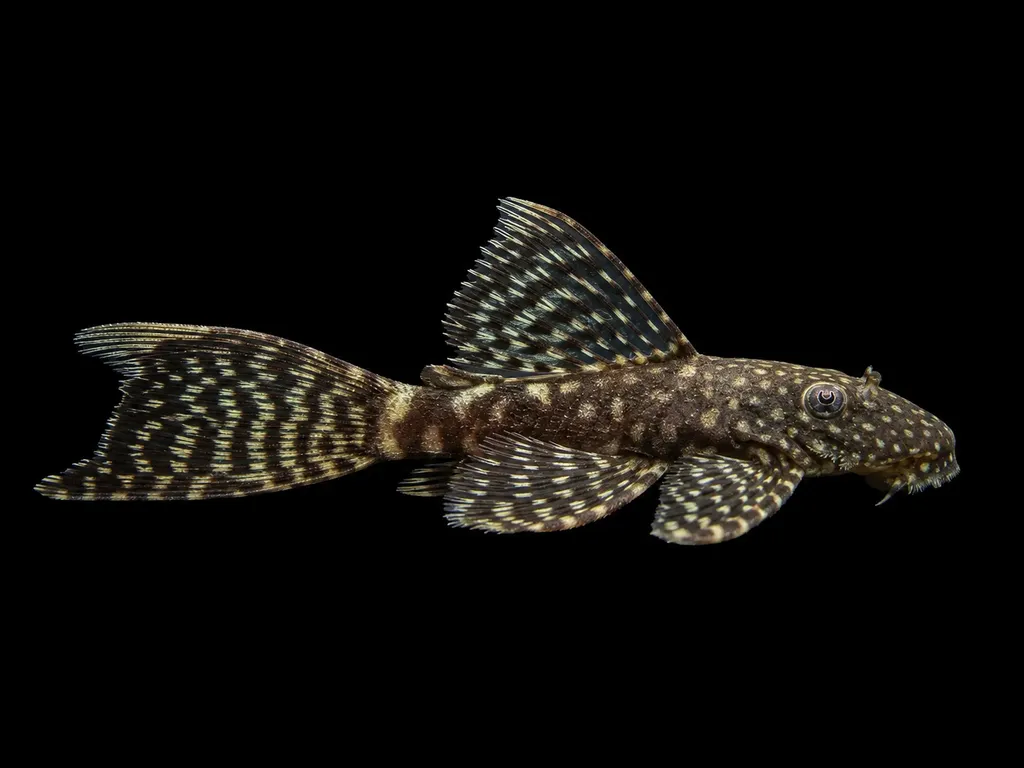
Longfin bristlenose pleco
Ancistrus sp.
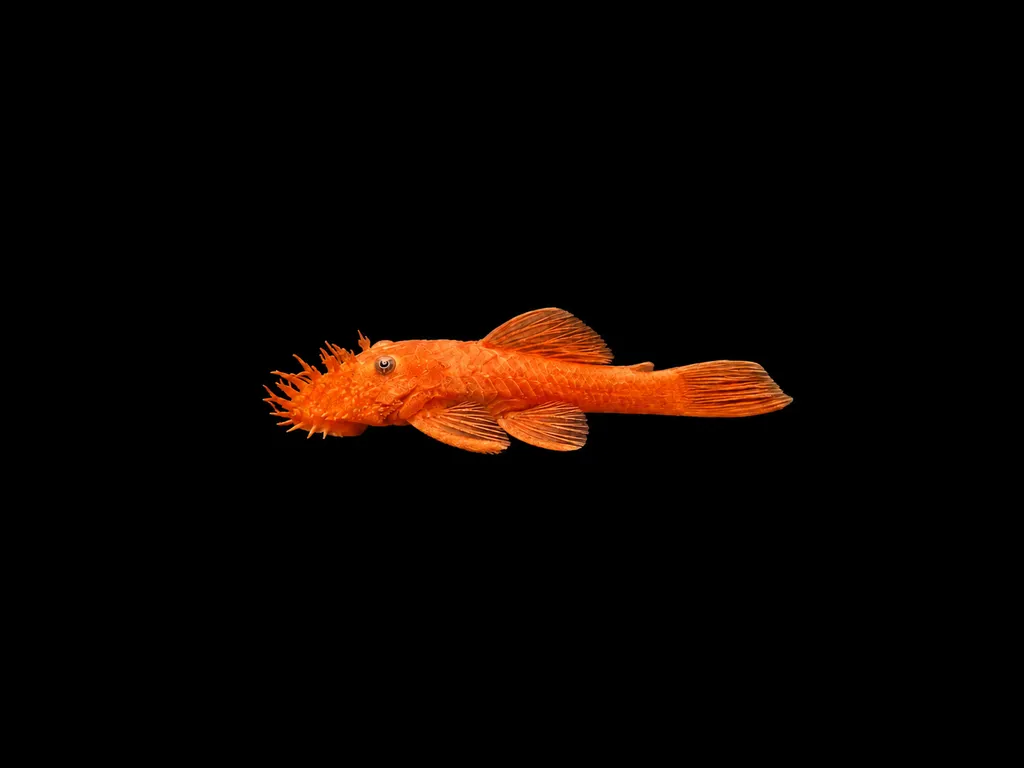
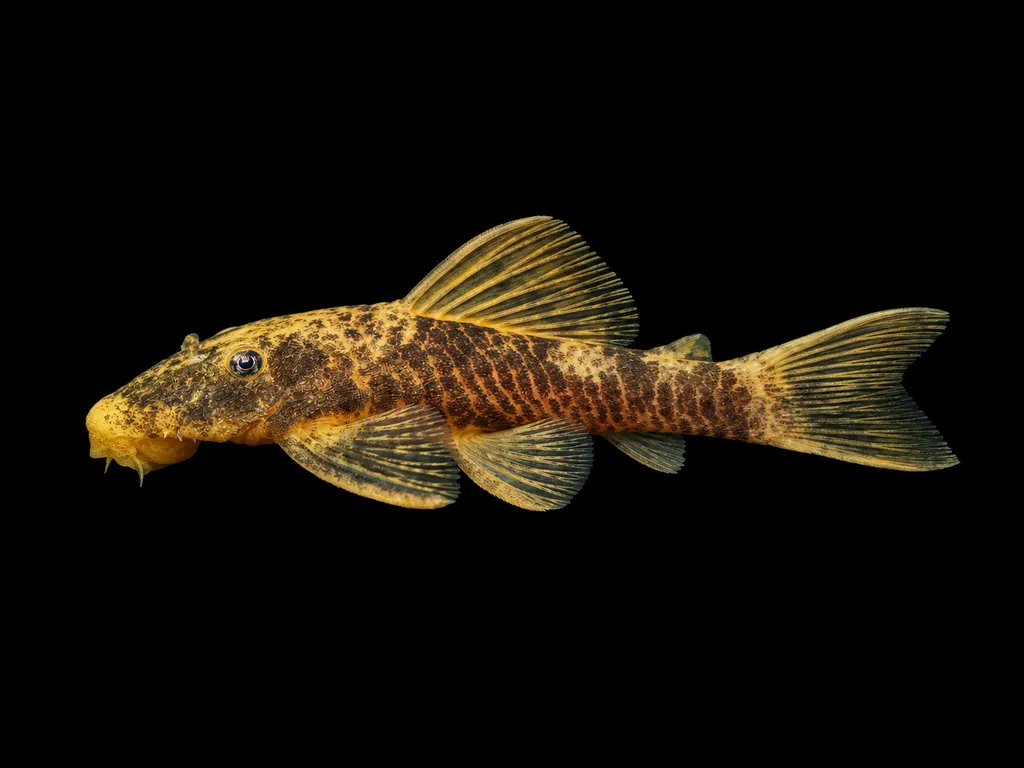
One of 4 varieties of Ancistrus sp. · See all varieties →
FreshwaterFish
Varieties · Ancistrus sp.
See all 4 →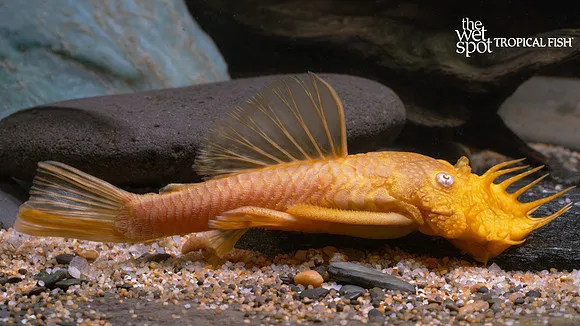
Care at a glance
- Temperature
- 70–79°F
- 21–26°C
- pH
- 6.5–7.5
- Adult size
- 4.9 in
- 12.5 cm
- Minimum tank
- 20 gal
- 75 L
- Temperament
- Peaceful
- Social behavior
- Solitary
- Swim level
- Bottom
- Difficulty
- Medium
- Breeding
- Medium
- Rarity
- Very common
- Family
- Loricariidae
Overview
Longfin is a fin trait rather than a color, so it is sold on top of one. Longfin brown, longfin albino and longfin super red all exist. The trailing fins snag on sharp decor and fray in strong flow, and damage takes longer to grow back than on a standard fish. Fins keep extending as the fish grows, so an adult is more affected by a powerhead than the juvenile you bought.
In the wild
Longfin Ancistrus were fixed in captivity and the trait does not turn up in wild populations. It has since been crossed onto every common color line, which is why longfin albino and longfin super red are sold as their own items. No reliable source names the breeder who first fixed it.
Good to know
Longfin in Ancistrus is dominant, not recessive. A fish carrying the gene shows it, so standard-finned fish cannot hold it hidden. Crossing a longfin to a standard fish gives roughly half longfin fry, which is what Angels Plus reports from hundreds of their own crosses.
Did you know
Sellers sometimes offer standard-finned bristlenose as carriers of a recessive longfin gene. That cannot be right: longfin is dominant, so a fish either shows the fins or does not have the gene at all.
Weekly picks
Tank mates
Longfin bristlenose pleco is a peaceful, solitary species that keeps to the bottom. These picks share a community profile with it, are safe together in both directions, and overlap on water type, temperature and pH.
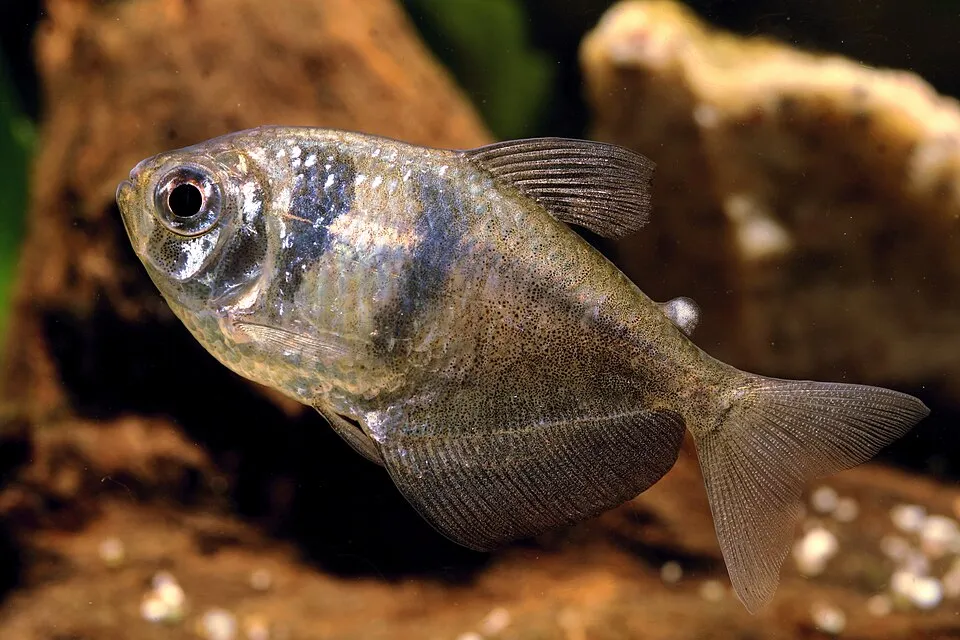
Black widow tetra
Gymnocorymbus ternetzi
Freshwater2.4 in (6 cm) · 20 gal (75 L)68–79°F (20–26°C)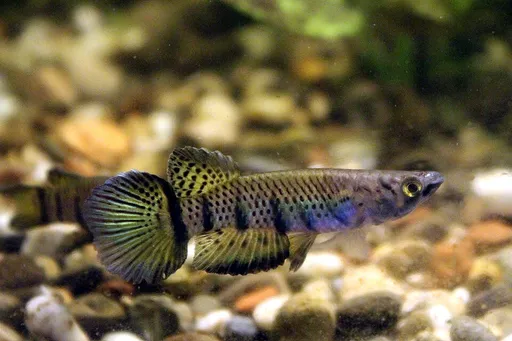
Six-barred panchax
Epiplatys sexfasciatus
Freshwater3.9 in (10 cm) · 20 gal (75 L)72–81°F (22–27°C)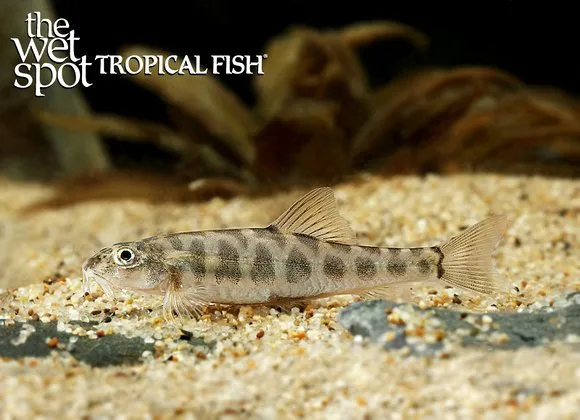
Corica loach
Nemacheilus corica
Freshwater2 in (5 cm) · 20 gal (75 L)68–79°F (20–26°C)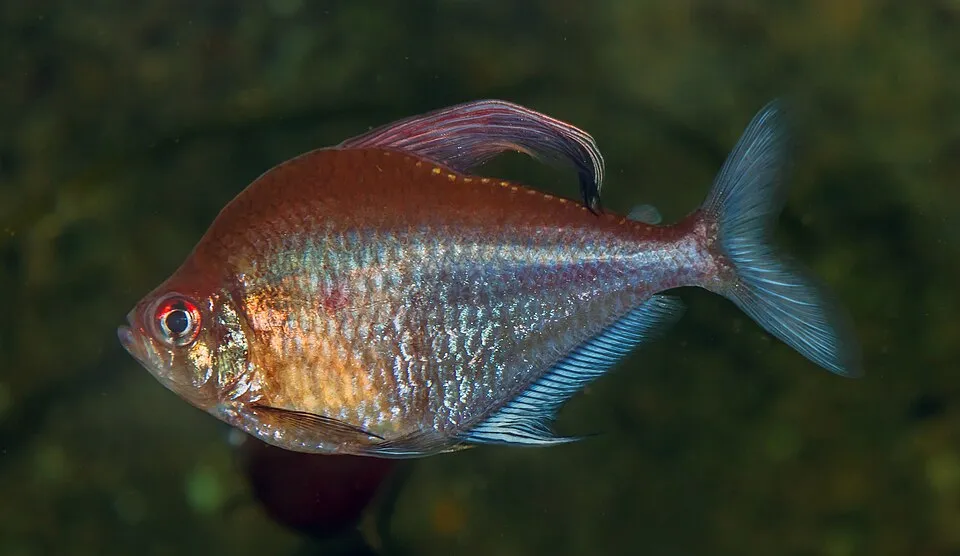
Bleeding heart tetra
Hyphessobrycon erythrostigma
Freshwater2.4 in (6 cm) · 20 gal (75 L)70–81°F (21–27°C)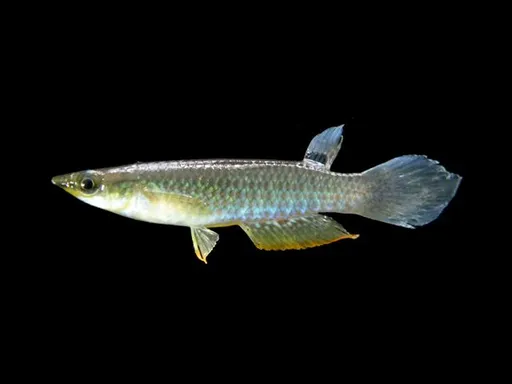
Blue panchax
Aplocheilus panchax
Freshwater3.5 in (9 cm) · 20 gal (75 L)72–82°F (22–28°C)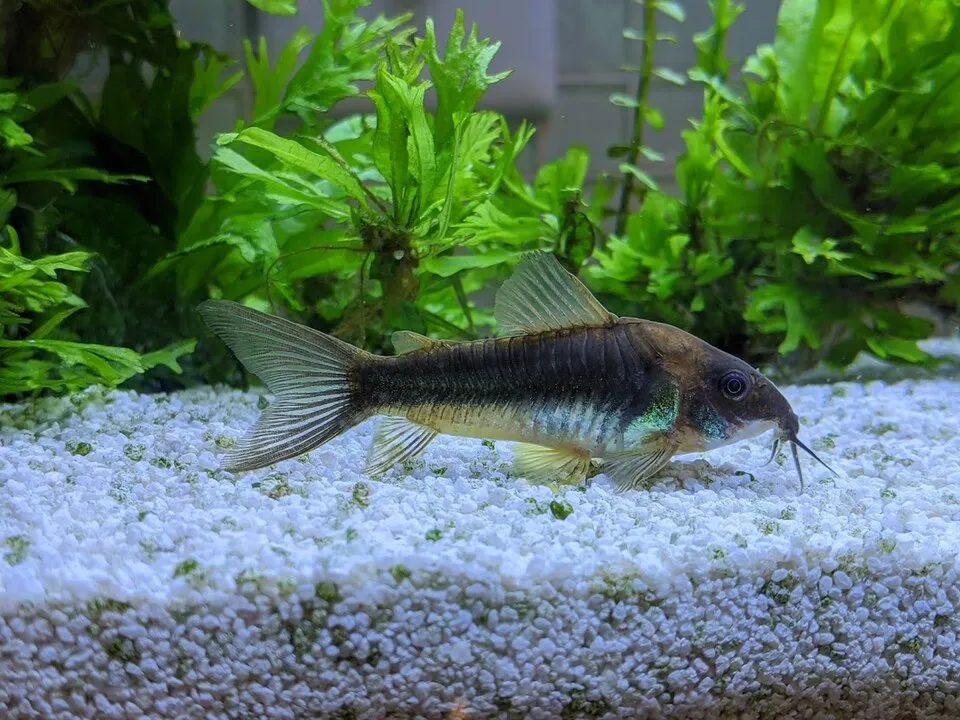
Bronze cory
Osteogaster aenea
Freshwater3 in (7.5 cm) · 20 gal (75 L)70–81°F (21–27°C)
Common questions
Is a Longfin bristlenose pleco a different species from the Bristlenose pleco?
No. A Longfin bristlenose pleco is a variety of the Bristlenose pleco, Ancistrus sp., and it wants the same tank, water and food as the species.
What size tank does a Longfin bristlenose pleco need?
A Longfin bristlenose pleco needs at least 20 gal (75 L). It spends most of its time in the bottom.
How big does a Longfin bristlenose pleco get?
An adult Longfin bristlenose pleco reaches about 4.9 in (12.5 cm).
Related species
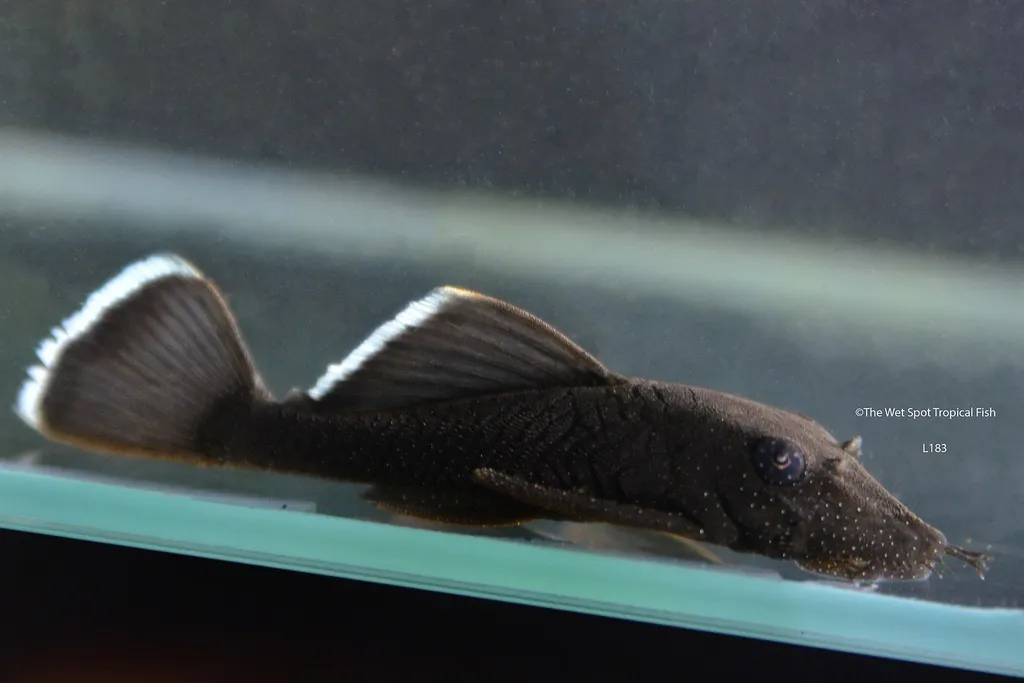 5.5 in (14 cm)30 gal (115 L)79–84°F (26–29°C)
Starlight bristlenose pleco (L183)
Ancistrus dolichopterus
5.5 in (14 cm) · 30 gal (115 L)
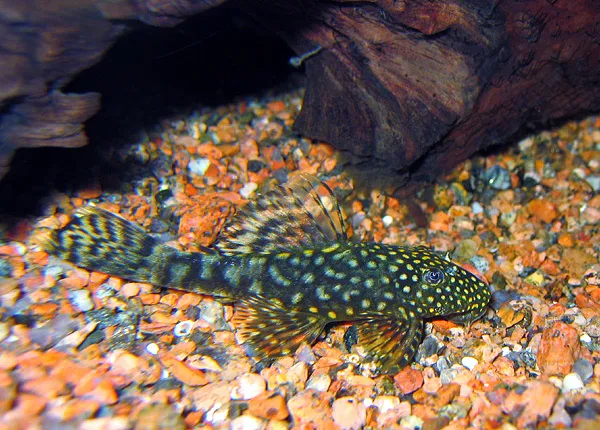 4.3 in (11 cm)29 gal (110 L)77–84°F (25–29°C)
Colombian bristlenose pleco
Ancistrus triradiatus
4.3 in (11 cm) · 29 gal (110 L)
 5.9 in (15 cm)40 gal (150 L)79–86°F (26–30°C)
Medusa pleco (L034)
Ancistrus ranunculus
5.9 in (15 cm) · 40 gal (150 L)
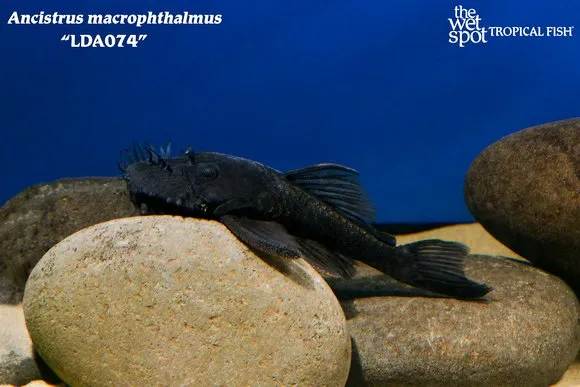 3.5 in (9 cm)29 gal (110 L)77–84°F (25–29°C)
Blue medusa pleco
Ancistrus macrophthalmus
3.5 in (9 cm) · 29 gal (110 L)
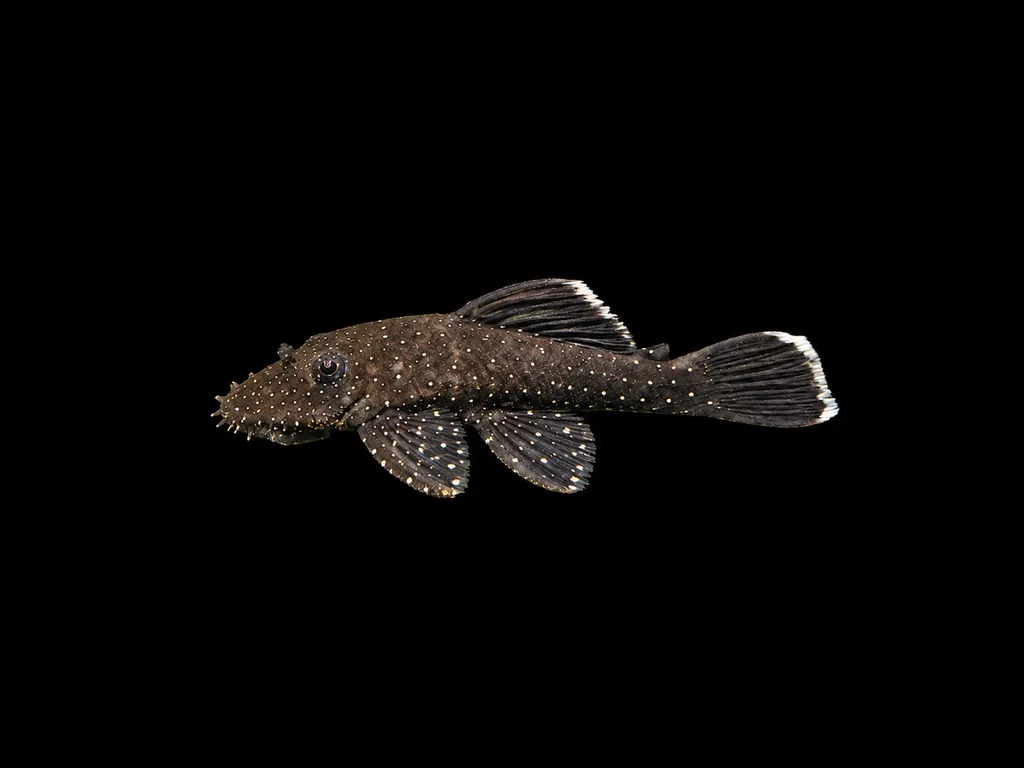 7.1 in (18 cm)42 gal (160 L)77–84°F (25–29°C)
Starry night bristlenose pleco
Ancistrus hoplogenys
7.1 in (18 cm) · 42 gal (160 L)
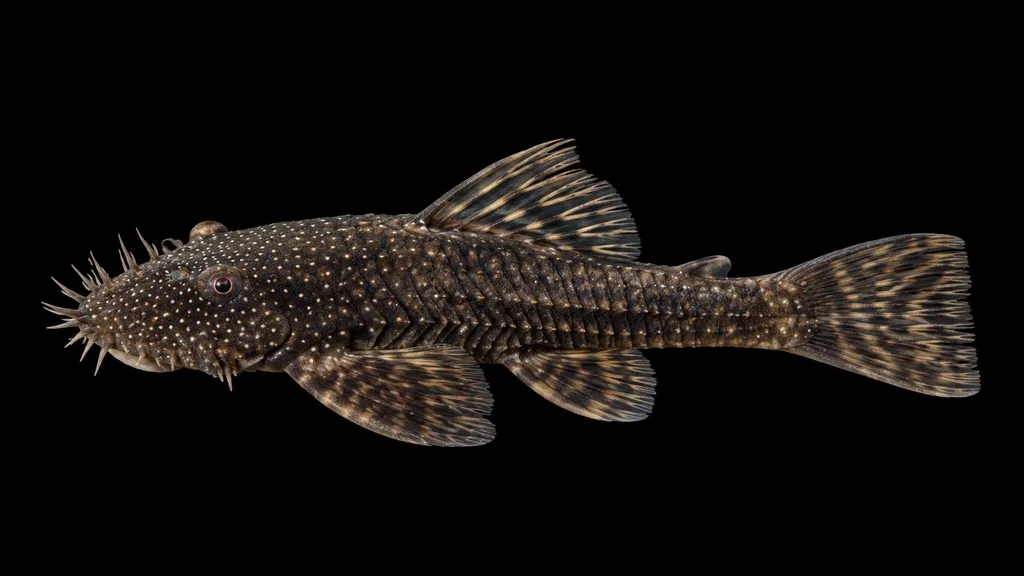 3.1 in (8 cm)29 gal (110 L)77–84°F (25–29°C)
Aguaboa bristlenose pleco
Ancistrus aguaboensis
3.1 in (8 cm) · 29 gal (110 L)