Variety of Bristlenose pleco
Calico bristlenose pleco
Ancistrus sp.
One of 4 varieties of Ancistrus sp. · See all varieties →
Also known as Calico Bushynose Pleco
FreshwaterFish
Varieties · Ancistrus sp.
See all 4 →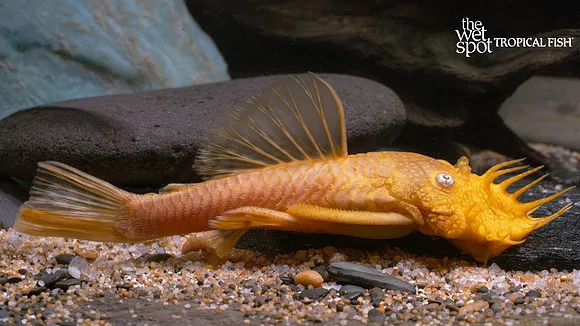
Care at a glance
- Temperature
- 70–79°F
- 21–26°C
- pH
- 6.5–7.5
- Adult size
- 4.9 in
- 12.5 cm
- Minimum tank
- 20 gal
- 75 L
- Temperament
- Peaceful
- Social behavior
- Solitary
- Swim level
- Bottom
- Diet
- Omnivore
- Difficulty
- Medium
- Breeding
- Cave spawner · Medium
- Rarity
- Very common
- Family
- Loricariidae
Overview
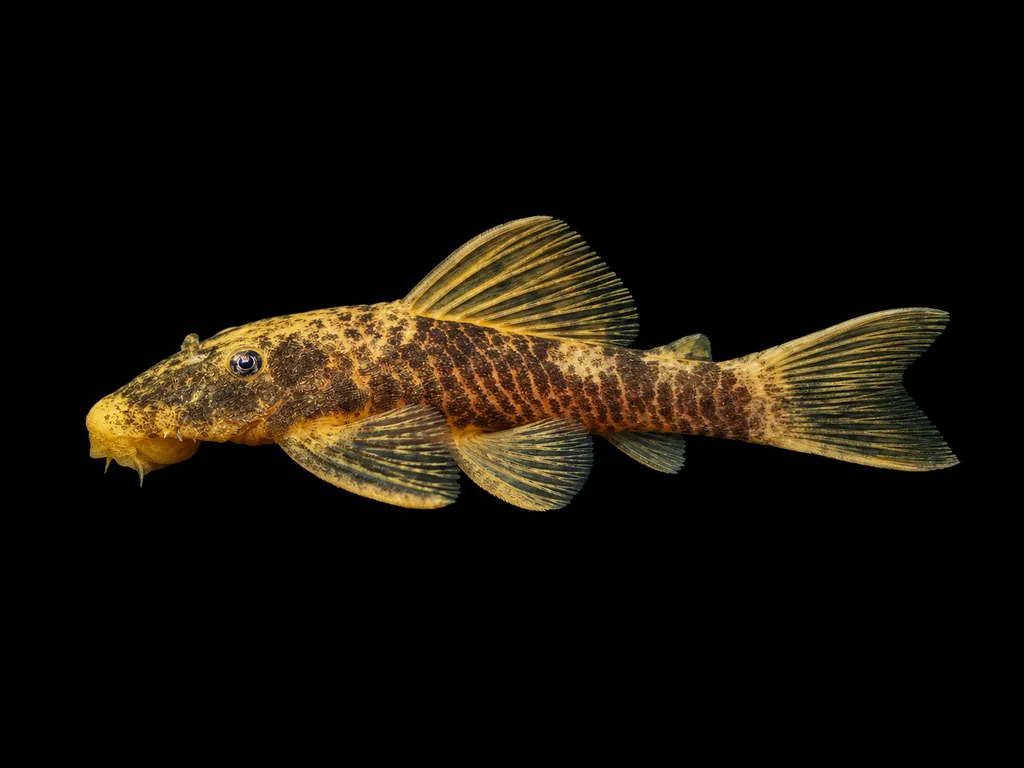
The calico bristlenose pleco carries orange and black patches, and no two are marked alike. Shops sell them as picks rather than by grade. It grazes algae on the bottom of a community tank and is a step up from the easiest fish.
Did you know
Calico bristlenose marbling is individual enough that breeders identify adults from photographs instead of tagging them. Juveniles are sold small, and their marbling keeps moving as they grow. A young fish's pattern is a poor guide to the one you will see a year later.
Caring for the calico bristlenose pleco
A calico bristlenose pleco is fine kept singly and does not need a group. It needs at least 20 gal (75 L), with driftwood, a few hiding spots and good water movement. Keep driftwood in the tank, since it rasps on the wood for fiber and roughage.
Hold the water at 70 to 79°F (21 to 26°C) and a pH of 6.5 to 7.5. It makes plenty of waste, so stay on top of filtration and water changes.
It grazes algae and aufwuchs and does a good job as an algae eater. Give it algae wafers and blanched vegetables such as zucchini, and an occasional sinking protein food.
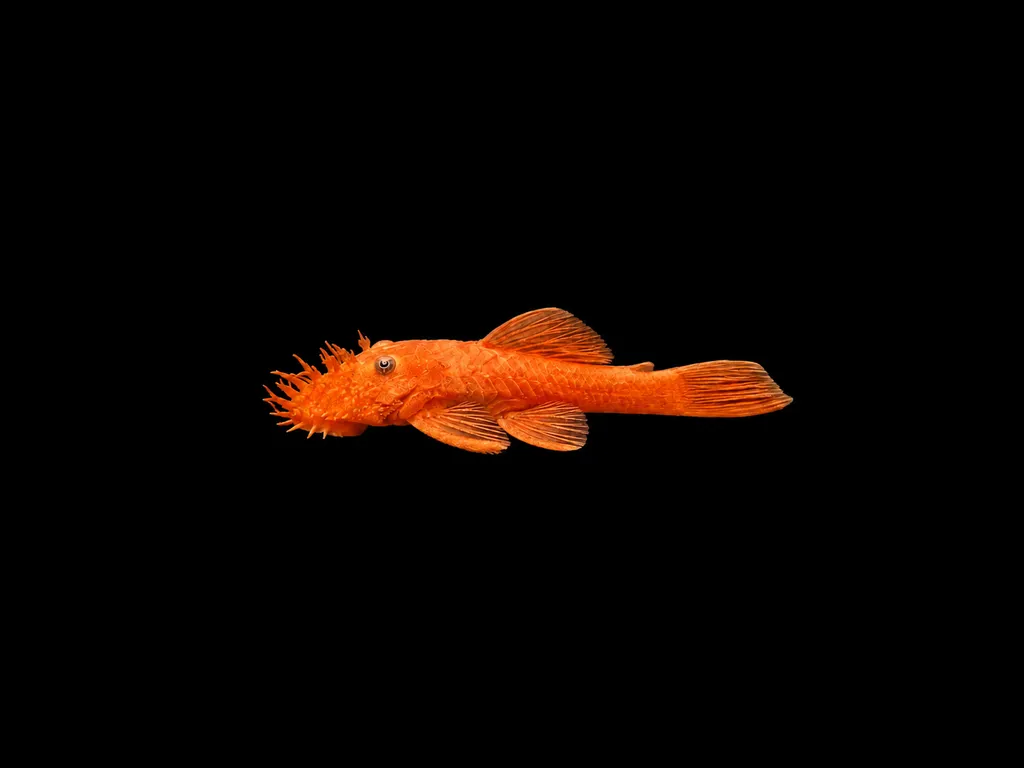
It is a peaceful bottom dweller and safe in a community tank. Mature males grow branching, bristle-like tentacles on the snout. Calico bristlenose plecos are cave spawners, and the male guards the eggs. Breeding them is moderately difficult.
Good to know
The calico bristlenose pleco's patches come from melanin sitting unevenly over an orange ground. Pattern is graded rather than a clean on or off trait. Calico pairs throw a spread of young, from heavily marked to nearly plain. Some stores list the same look as marble or piebald. Hobby sources disagree about how much of the line traces back to albino stock.
In the wild
The calico bristlenose pleco came out of captive Ancistrus breeding, and patchy orange and black is not a wild pattern. No source names the breeder, the country or the decade, so it is a hobby line of uncertain origin. Stock in stores is tank-bred, often by small domestic breeders rather than large farms.
Weekly picks
Tank mates
The calico bristlenose pleco is a peaceful, solitary species that keeps to the bottom. These picks share a community profile with it, are safe together in both directions, and overlap on water type, temperature and pH.
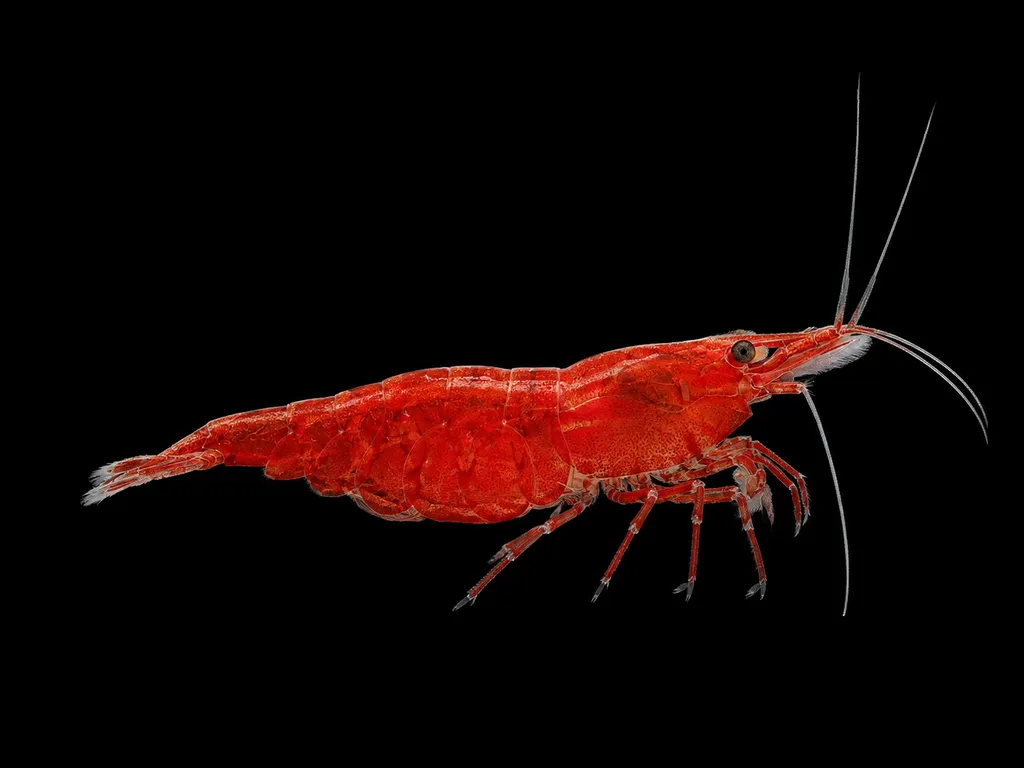
Neocaridina shrimp
Neocaridina davidi
Freshwater1.6 in (4 cm) · 5 gal (19 L)59–84°F (15–29°C)
Guppy
Poecilia reticulata
FreshwaterBrackish2.4 in (6 cm) · 10 gal (38 L)64–82°F (18–28°C)
Neon tetra
Paracheirodon innesi
Freshwater1.5 in (3.8 cm) · 11 gal (40 L)70–77°F (21–25°C)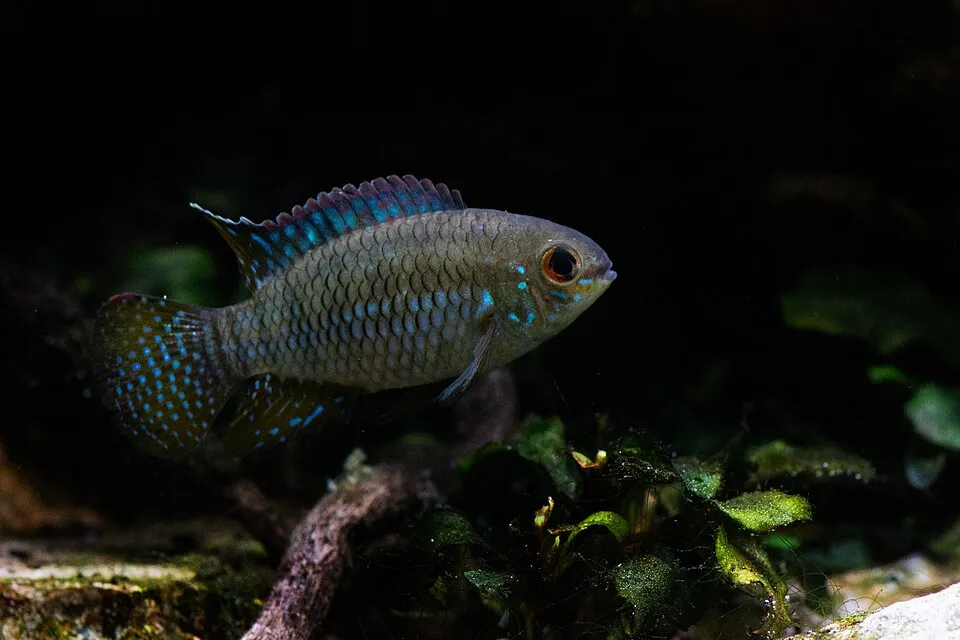
Dwarf flag cichlid
Laetacara curviceps
Freshwater2.2 in (5.5 cm) · 20 gal (75 L)68–82°F (20–28°C)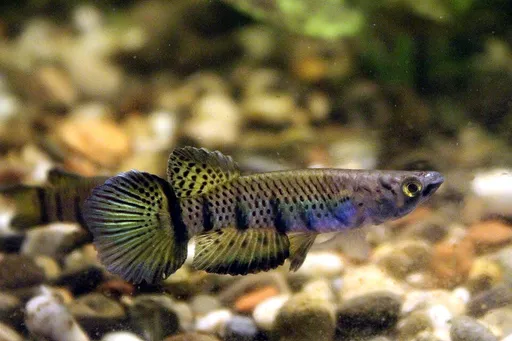
Six-barred panchax
Epiplatys sexfasciatus
Freshwater3.9 in (10 cm) · 20 gal (75 L)72–81°F (22–27°C)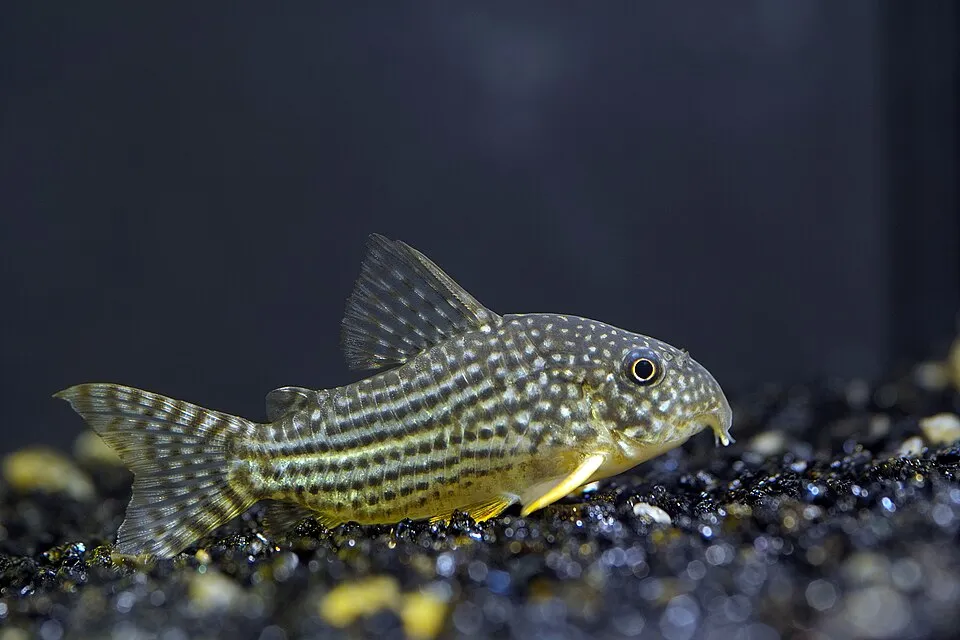
Sterba's cory
Hoplisoma sterbai
Freshwater2.6 in (6.5 cm) · 20 gal (75 L)75–82°F (24–28°C)
Common questions
Is a calico bristlenose pleco a different species from the bristlenose pleco?
No. A calico bristlenose pleco is a variety of the bristlenose pleco, Ancistrus sp., and it wants the same tank, water and food as the species.
What size tank does a calico bristlenose pleco need?
A calico bristlenose pleco needs at least 20 gal (75 L). It spends most of its time in the bottom.
What does a calico bristlenose pleco eat?
A calico bristlenose pleco grazes algae and aufwuchs. Give it algae wafers and blanched vegetables such as zucchini, and an occasional sinking protein food.
How big does a calico bristlenose pleco get?
An adult calico bristlenose pleco reaches about 4.9 in (12.5 cm).
How can you tell a male calico bristlenose pleco from a female?
Males grow branching, bristle-like tentacles on the snout as they mature.
How does a calico bristlenose pleco breed?
Calico bristlenose plecos spawn in caves, where the male guards the eggs. Breeding them is moderately difficult.
Related species
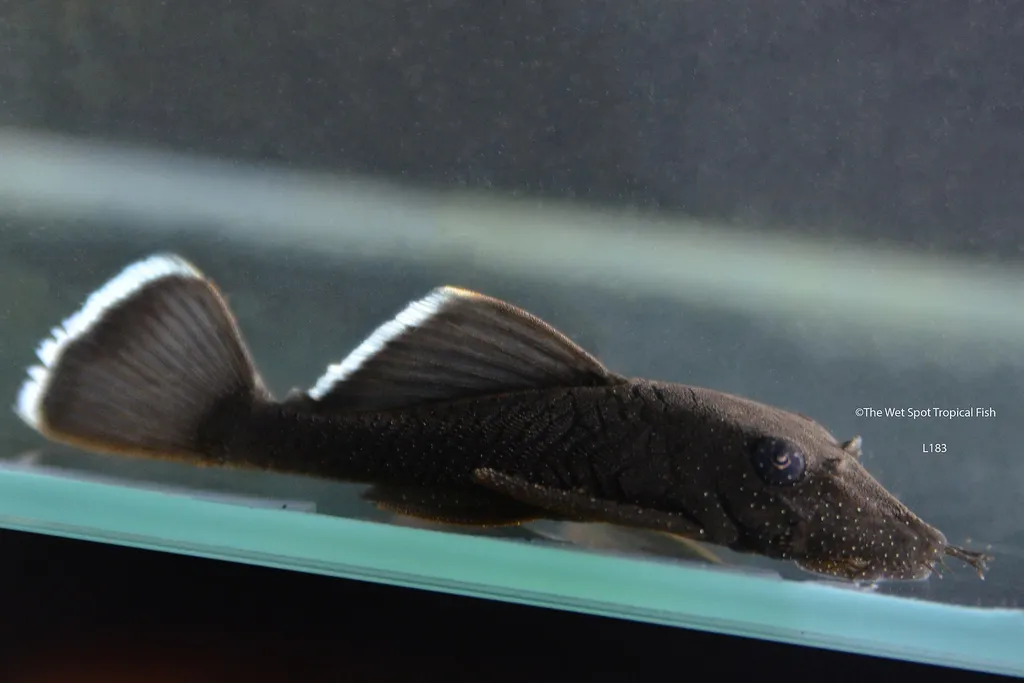 5.5 in (14 cm)63 gal (240 L)79–84°F (26–29°C)
Starlight bristlenose pleco (L183)
Ancistrus dolichopterus
5.5 in (14 cm) · 63 gal (240 L)
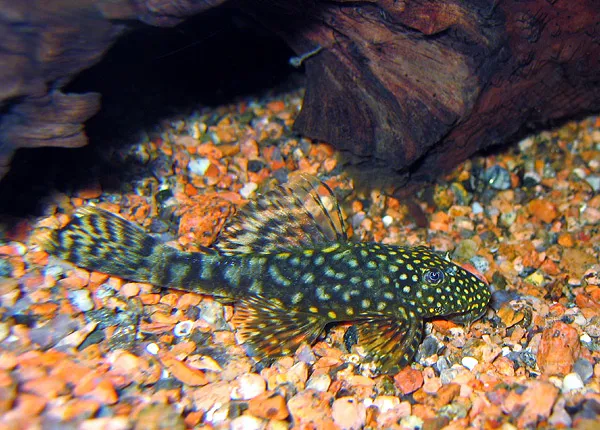 4.3 in (11 cm)18 gal (70 L)77–84°F (25–29°C)
Colombian bristlenose pleco
Ancistrus triradiatus
4.3 in (11 cm) · 18 gal (70 L)
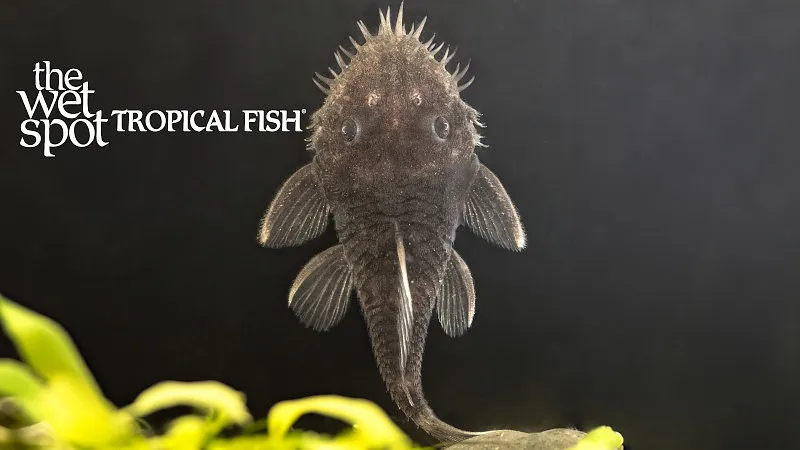 5.9 in (15 cm)18 gal (70 L)79–86°F (26–30°C)
Medusa pleco (L034)
Ancistrus ranunculus
5.9 in (15 cm) · 18 gal (70 L)
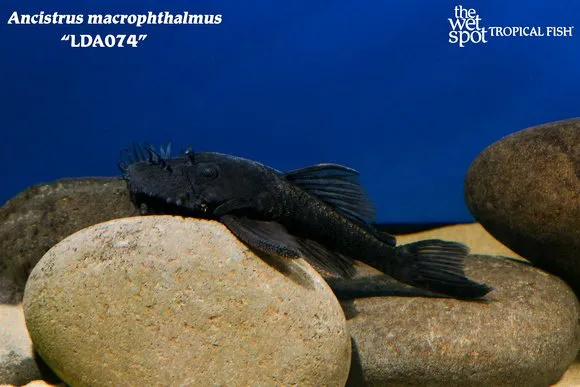 3.5 in (9 cm)29 gal (110 L)77–84°F (25–29°C)
Blue medusa pleco
Ancistrus macrophthalmus
3.5 in (9 cm) · 29 gal (110 L)
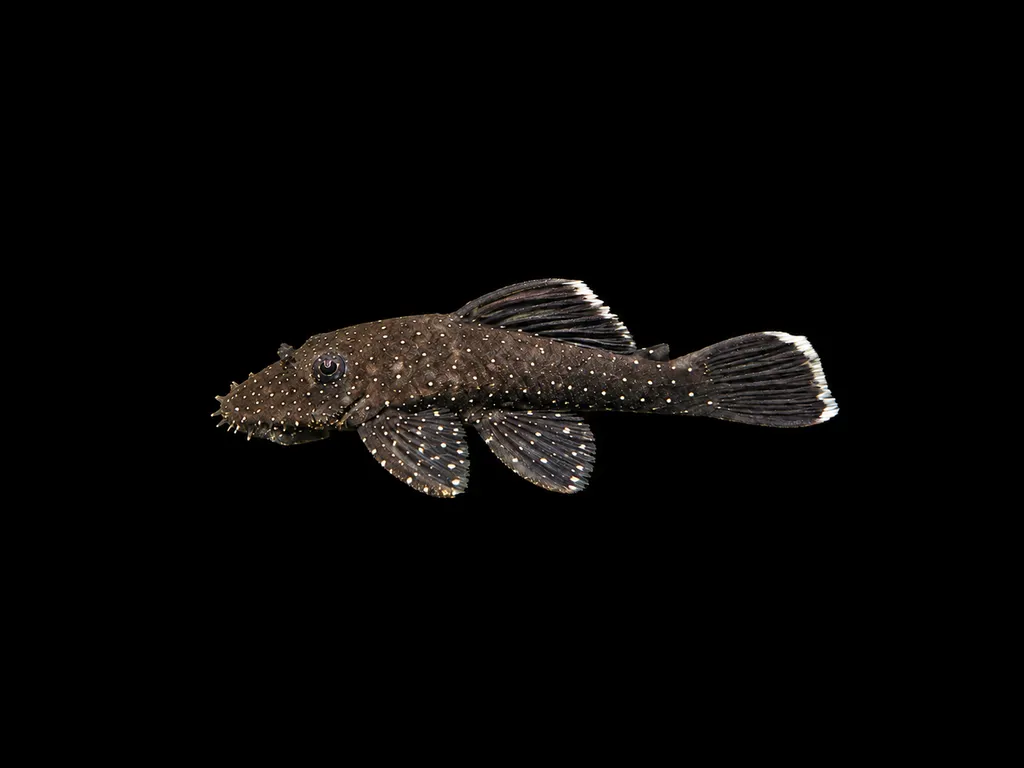 7.1 in (18 cm)42 gal (160 L)77–84°F (25–29°C)
Starry night bristlenose pleco
Ancistrus hoplogenys
7.1 in (18 cm) · 42 gal (160 L)
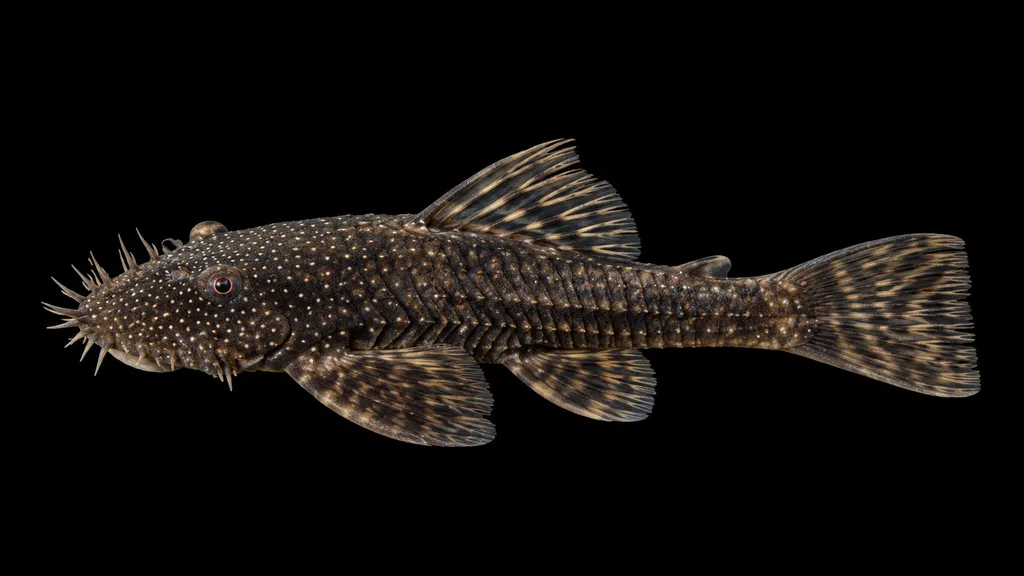 3.1 in (8 cm)29 gal (110 L)77–84°F (25–29°C)
Aguaboa bristlenose pleco
Ancistrus aguaboensis
3.1 in (8 cm) · 29 gal (110 L)