Variety of Bristlenose pleco
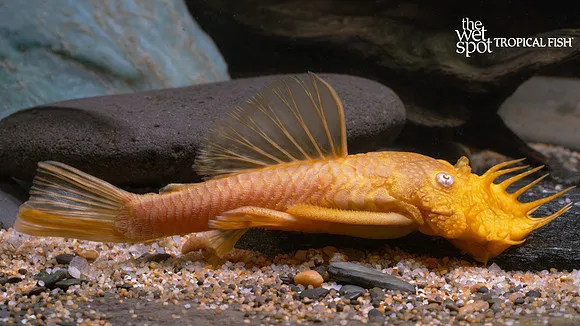
Albino bristlenose pleco
Ancistrus sp.
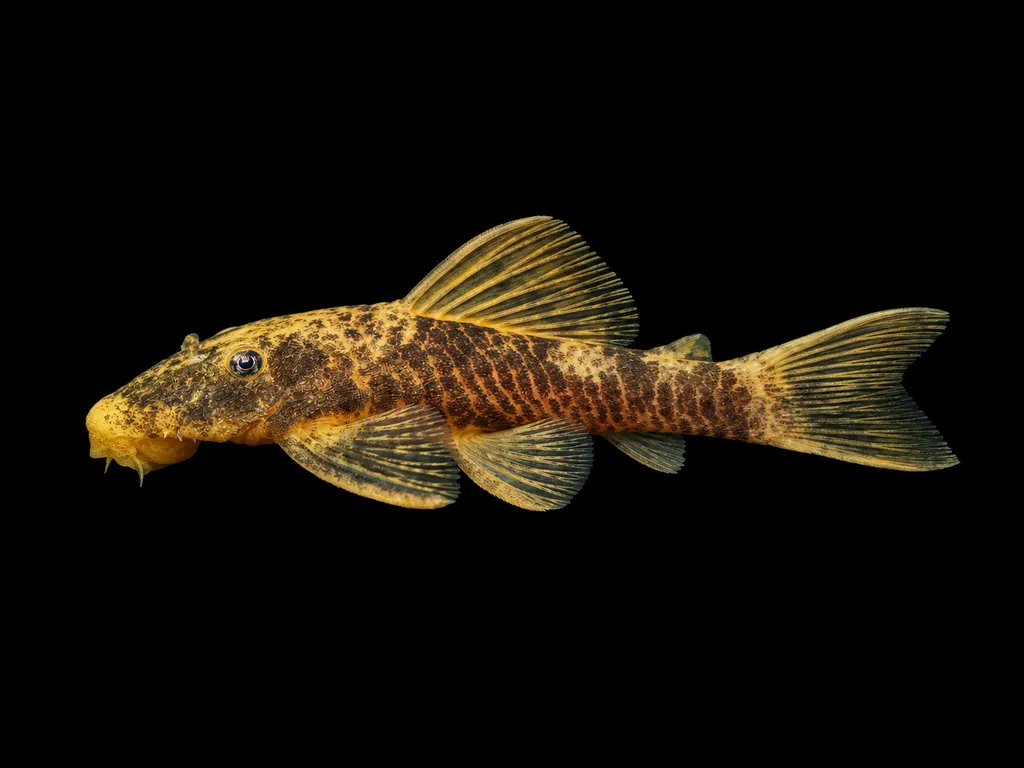
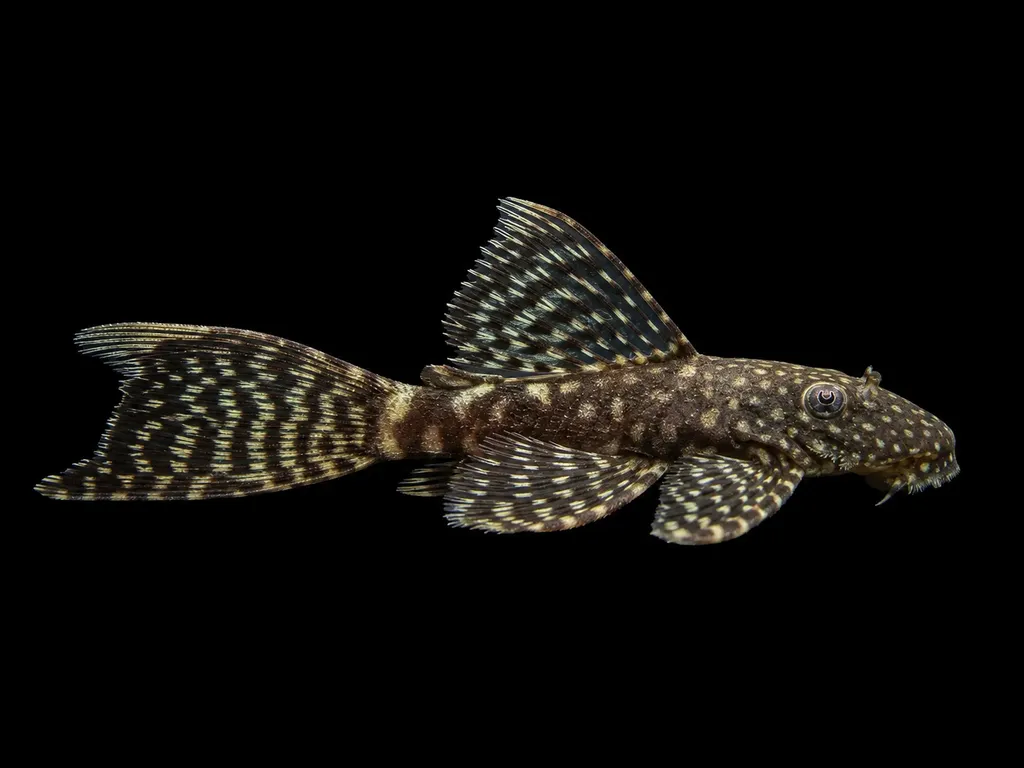
One of 4 varieties of Ancistrus sp. · See all varieties →
Also known as Albino Bushynose, Albino Bushynose Pleco
FreshwaterFish
Varieties · Ancistrus sp.
See all 4 →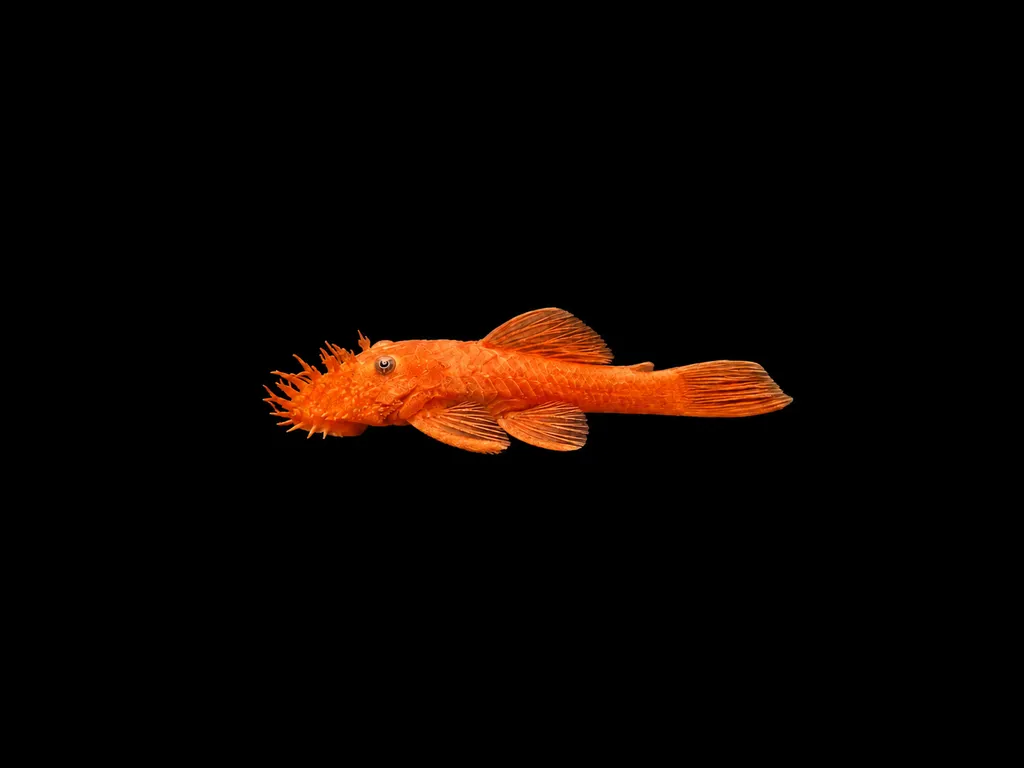
Care at a glance
- Temperature
- 70–79°F
- 21–26°C
- pH
- 6.5–7.5
- Adult size
- 4.9 in
- 12.5 cm
- Minimum tank
- 20 gal
- 75 L
- Temperament
- Peaceful
- Social behavior
- Solitary
- Swim level
- Bottom
- Difficulty
- Medium
- Breeding
- Medium
- Rarity
- Very common
- Family
- Loricariidae
Overview
A pale gold body with red eyes, on the same build and bristles as the brown fish. Shops list it as albino bristlenose or albino bushynose and both are the same line. The light body makes a male's bristles easy to read across a shop tank, and it shows scrapes a brown fish hides. Depth of gold varies between suppliers.
In the wild
The albino line was fixed in captivity from Ancistrus stock traded as cf. cirrhosus, and albinos are not found in wild populations. It has been in the hobby long enough that stock traces back to many breeders, so no single origin is documented. Nearly all fish in stores are tank-bred, often locally.
Good to know
Albinism blocks melanin, so the brown base drops out and the eye reads red from the blood behind it. The trait is recessive: albino crossed to brown gives brown-looking fry that carry it, and those carriers throw roughly one albino in four. Breeders have also reported albino pairs producing brown fry, which points to more than one gene able to cause the same look.
Did you know
Two albino bristlenose can give you a batch of brown fry. The usual explanation is two different genes able to cause albinism, so a pair carrying different ones produces young that show neither. Breeders discussing it point to eye color as the tell: a pale fish whose eyes are not pink or red is not a true albino. It is uncommon enough to catch people out when buying stock from mixed sources.
Weekly picks
Tank mates
Albino bristlenose pleco is a peaceful, solitary species that keeps to the bottom. These picks share a community profile with it, are safe together in both directions, and overlap on water type, temperature and pH.
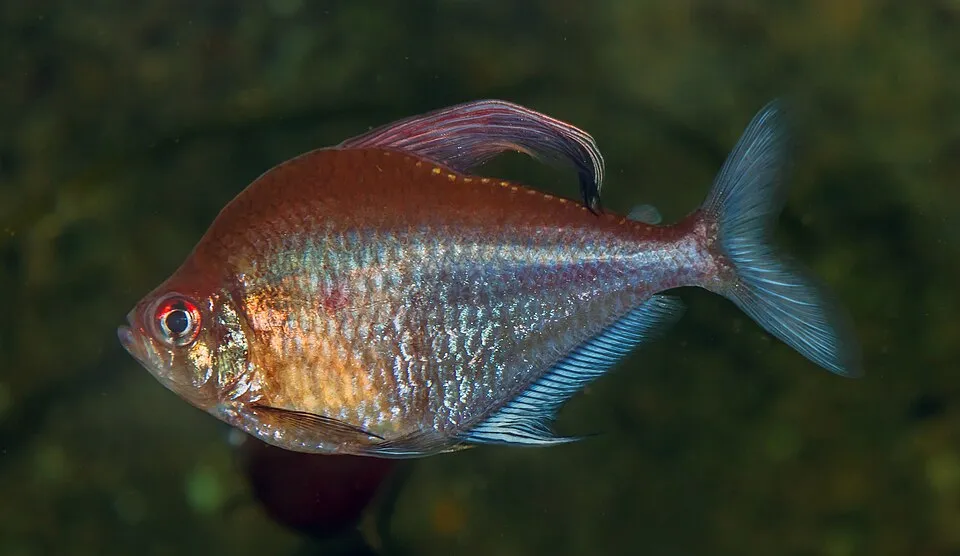
Bleeding heart tetra
Hyphessobrycon erythrostigma
Freshwater2.4 in (6 cm) · 20 gal (75 L)70–81°F (21–27°C)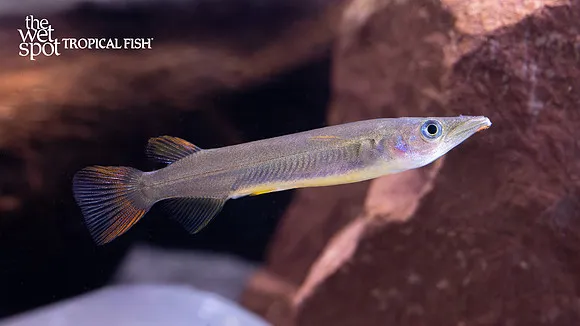
Rex halfbeak
Nomorhamphus rex
Freshwater2.2 in (5.5 cm) · 20 gal (75 L)72–79°F (22–26°C)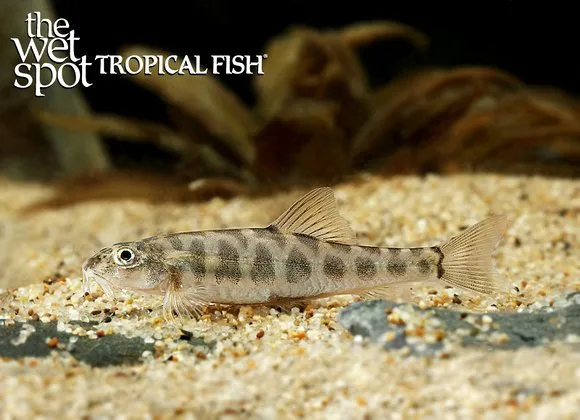
Corica loach
Nemacheilus corica
Freshwater2 in (5 cm) · 20 gal (75 L)68–79°F (20–26°C)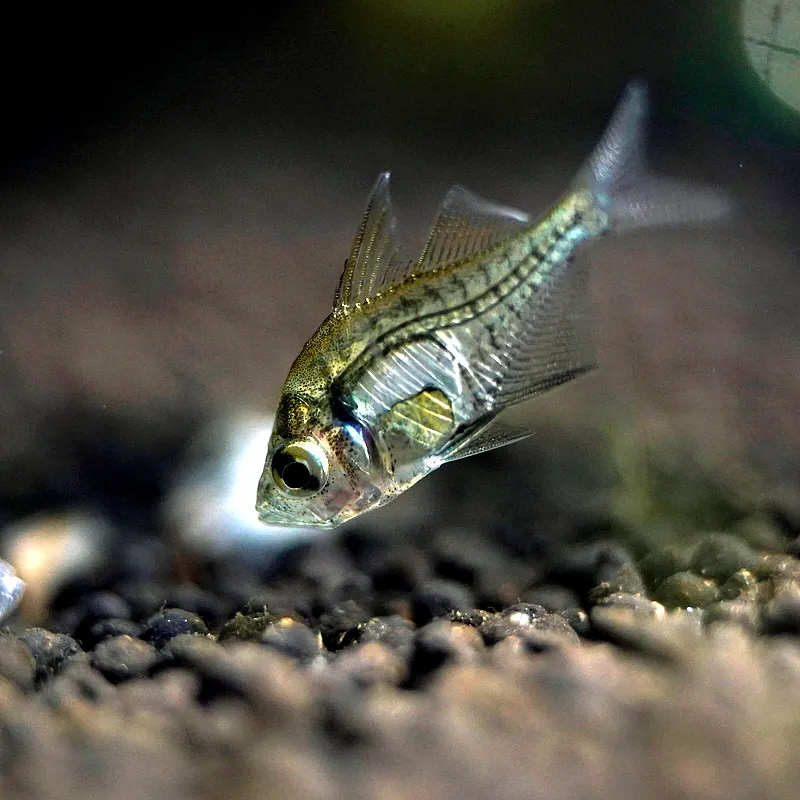
Indian glassy fish
Parambassis ranga
Freshwater3.1 in (8 cm) · 20 gal (75 L)68–86°F (20–30°C)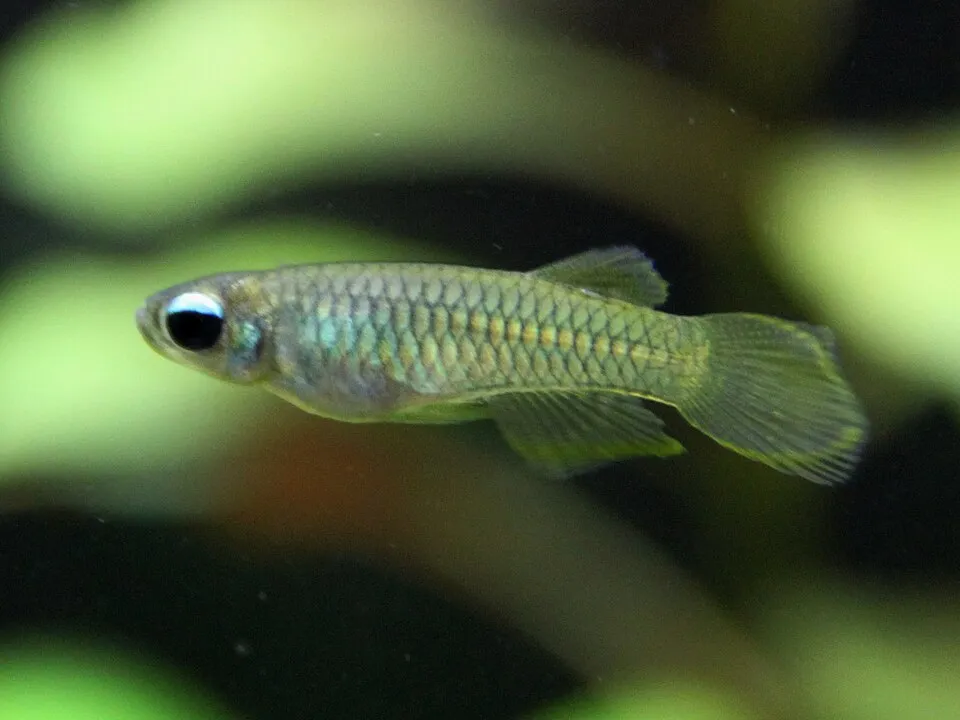
Norman's lampeye
Poropanchax normani
Freshwater1.6 in (4 cm) · 20 gal (75 L)72–79°F (22–26°C)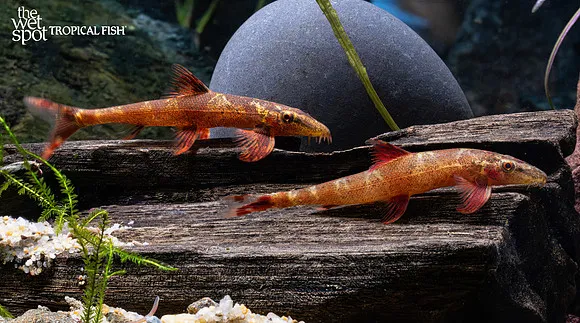
Ogilvie's lizard loach
Homaloptera ogilviei
Freshwater2.4 in (6 cm) · 20 gal (75 L)70–79°F (21–26°C)
Common questions
Is an Albino bristlenose pleco a different species from the Bristlenose pleco?
No. An Albino bristlenose pleco is a variety of the Bristlenose pleco, Ancistrus sp., and it wants the same tank, water and food as the species.
What size tank does an Albino bristlenose pleco need?
An Albino bristlenose pleco needs at least 20 gal (75 L). It spends most of its time in the bottom.
How big does an Albino bristlenose pleco get?
An adult Albino bristlenose pleco reaches about 4.9 in (12.5 cm).
Related species
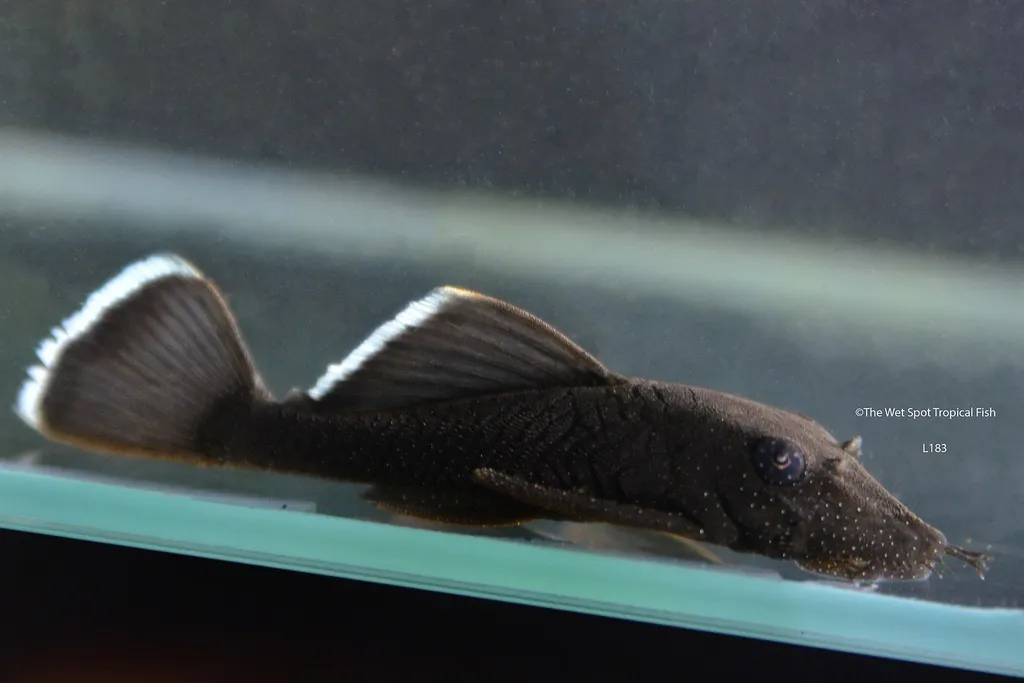 5.5 in (14 cm)30 gal (115 L)79–84°F (26–29°C)
Starlight bristlenose pleco (L183)
Ancistrus dolichopterus
5.5 in (14 cm) · 30 gal (115 L)
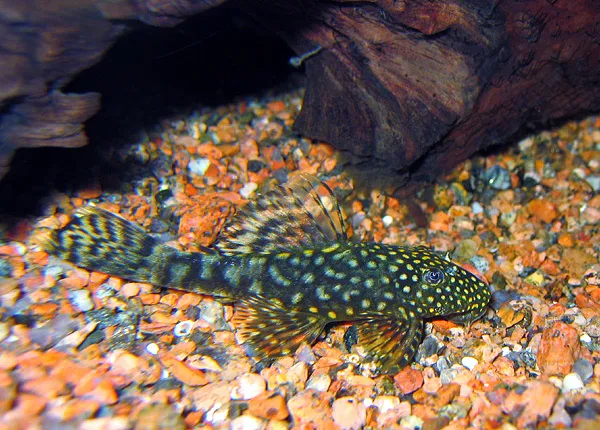 4.3 in (11 cm)29 gal (110 L)77–84°F (25–29°C)
Colombian bristlenose pleco
Ancistrus triradiatus
4.3 in (11 cm) · 29 gal (110 L)
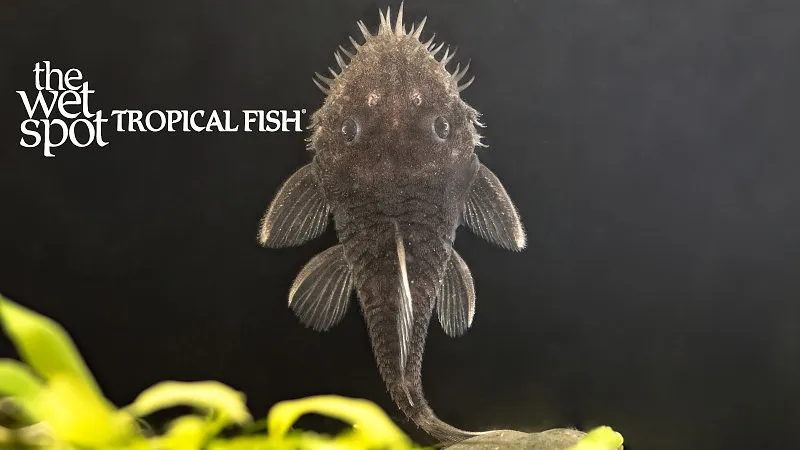 5.9 in (15 cm)40 gal (150 L)79–86°F (26–30°C)
Medusa pleco (L034)
Ancistrus ranunculus
5.9 in (15 cm) · 40 gal (150 L)
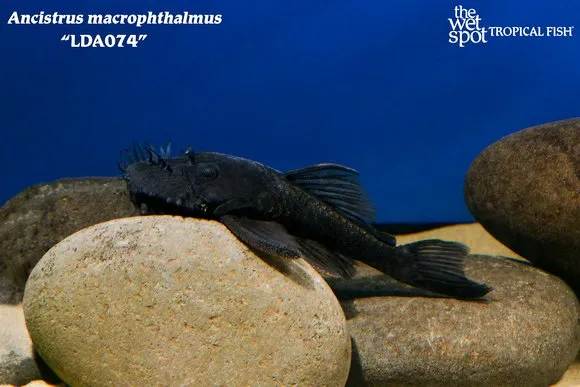 3.5 in (9 cm)29 gal (110 L)77–84°F (25–29°C)
Blue medusa pleco
Ancistrus macrophthalmus
3.5 in (9 cm) · 29 gal (110 L)
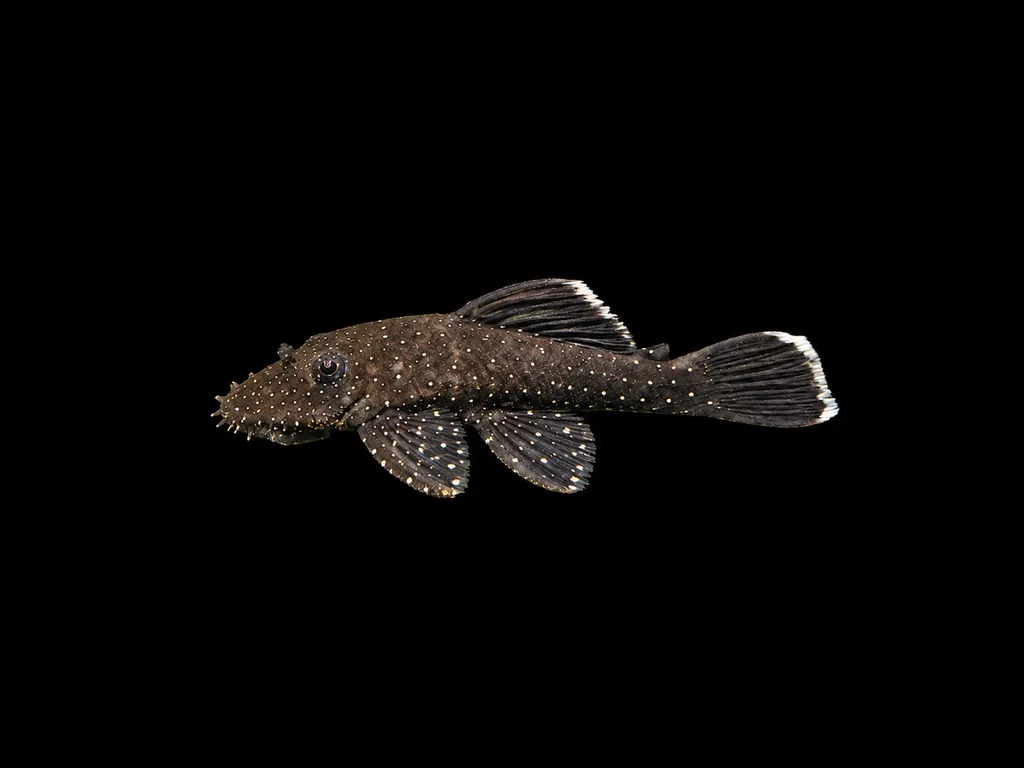 7.1 in (18 cm)42 gal (160 L)77–84°F (25–29°C)
Starry night bristlenose pleco
Ancistrus hoplogenys
7.1 in (18 cm) · 42 gal (160 L)
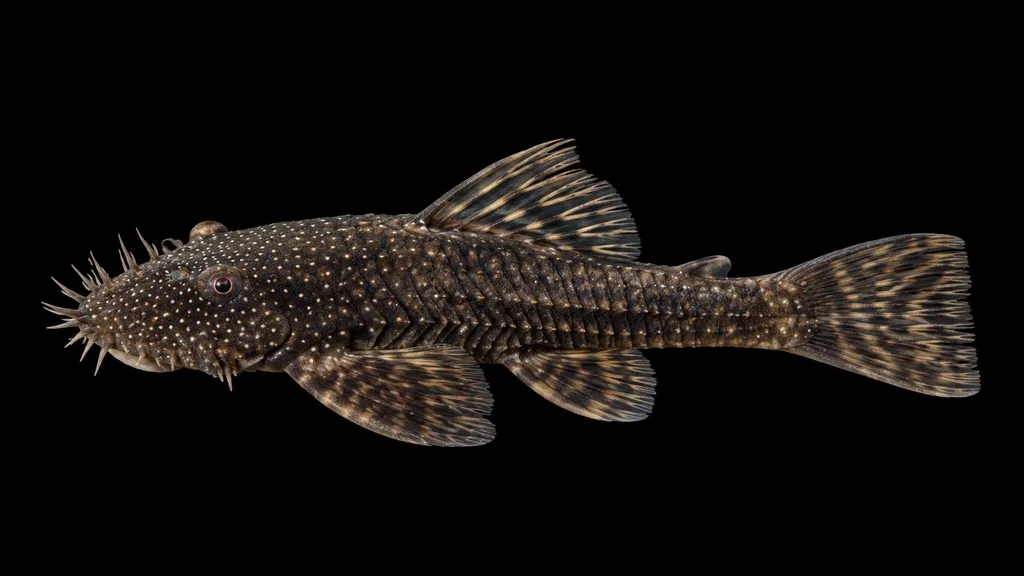 3.1 in (8 cm)29 gal (110 L)77–84°F (25–29°C)
Aguaboa bristlenose pleco
Ancistrus aguaboensis
3.1 in (8 cm) · 29 gal (110 L)