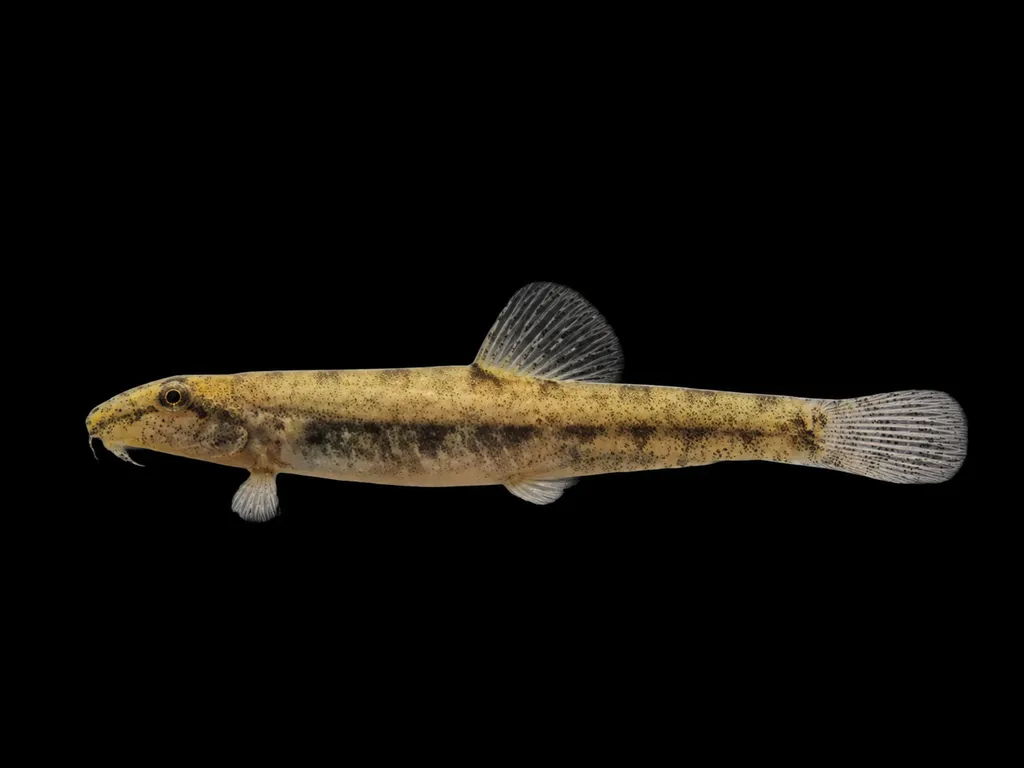
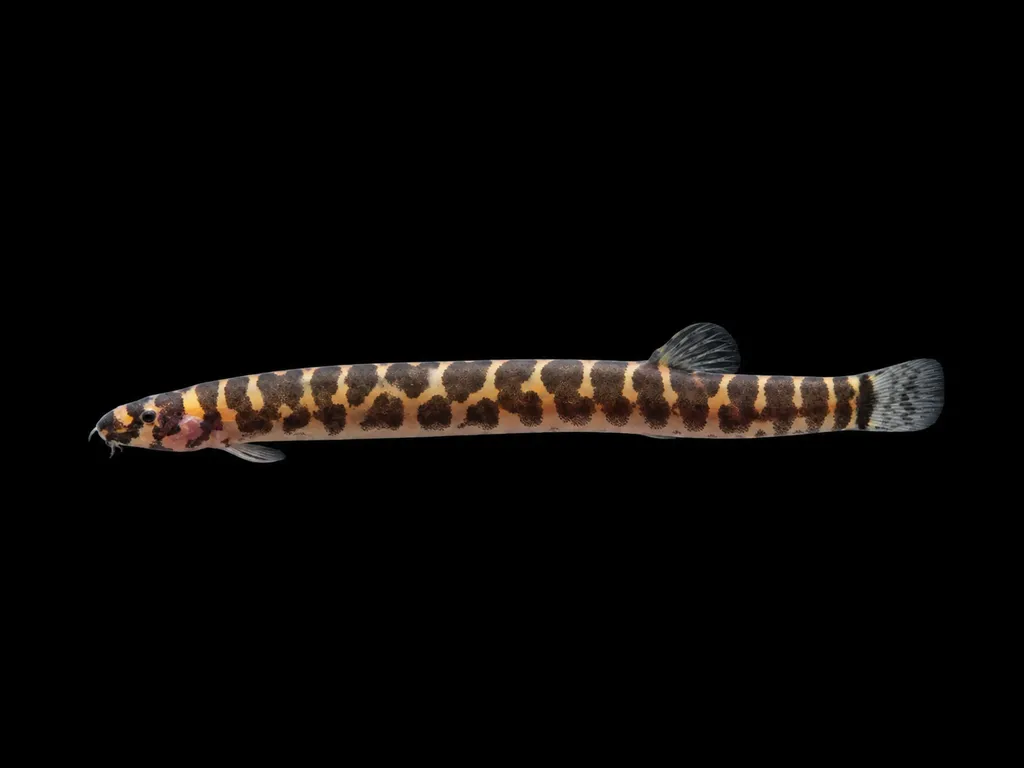
Gold pygmy horseface loach
Kottelatlimia pristes
Also known as Pygmy horseface loach
FreshwaterFish
Care at a glance
- Temperature
- 72–81°F
- 22–27°C
- pH
- 5.0–7.0
- Adult size
- 1.6 in
- 4 cm
- Minimum tank
- 14 gal
- 54 L
- Temperament
- Peaceful
- Social behavior
- Social
- Swim level
- Bottom
- Difficulty
- Medium
- Breeding
- No record
- Rarity
- Rare
- Family
- Cobitidae
- Origin
- Peat swamps of Borneo and Sumatra
Overview
The gold pygmy horseface loach is a slender golden fish and one of the smallest loaches in the hobby. It belongs in a quiet, mature blackwater tank and is best with a little experience.
Did you know
The gold pygmy horseface loach takes its species name, pristes, from the Greek word for a sawyer. The name points to the saw-like edge on the males' pectoral fins.
Caring for the gold pygmy horseface loach
Give gold pygmy horseface loaches a mature tank of 14 gal (54 L) or more. Top a bed of sand with deep leaf litter and driftwood, and keep the light low. They root for microscopic prey in the litter and peat, not in open sand. A deep botanical layer matters as much as the substrate.
Keep the water soft, acidic and stained with tannins. Hold it at 72 to 81°F (22 to 27°C), with a pH of 5.0 to 7.0.
Feed the finest sinking foods, microworm and frozen cyclops. Let a settled tank grow the small life they graze on.
Keep a group of five or six, which lives happily in that space. They are gentle and shy, so choose only tiny, calm companions such as Boraras and small rasboras.
Males carry a row of tiny teeth along the hardened rays of their pectoral fins. There are no records of this loach breeding in aquaria.
Good to know
The gold pygmy horseface loach, Kottelatlimia pristes, is a dwarf loach of the family Cobitidae. It is the most widespread member of its small genus.
In the wild
The gold pygmy horseface loach ranges across the Malay Peninsula, Sumatra and Borneo. It lives in tea-dark peat swamps and shaded forest streams, among soaked leaves and soft peat rather than clean sand.
Weekly picks
Tank mates
The gold pygmy horseface loach is a peaceful, social species that keeps to the bottom. These picks share a community profile with it, are safe together in both directions, and overlap on water type, temperature and pH.
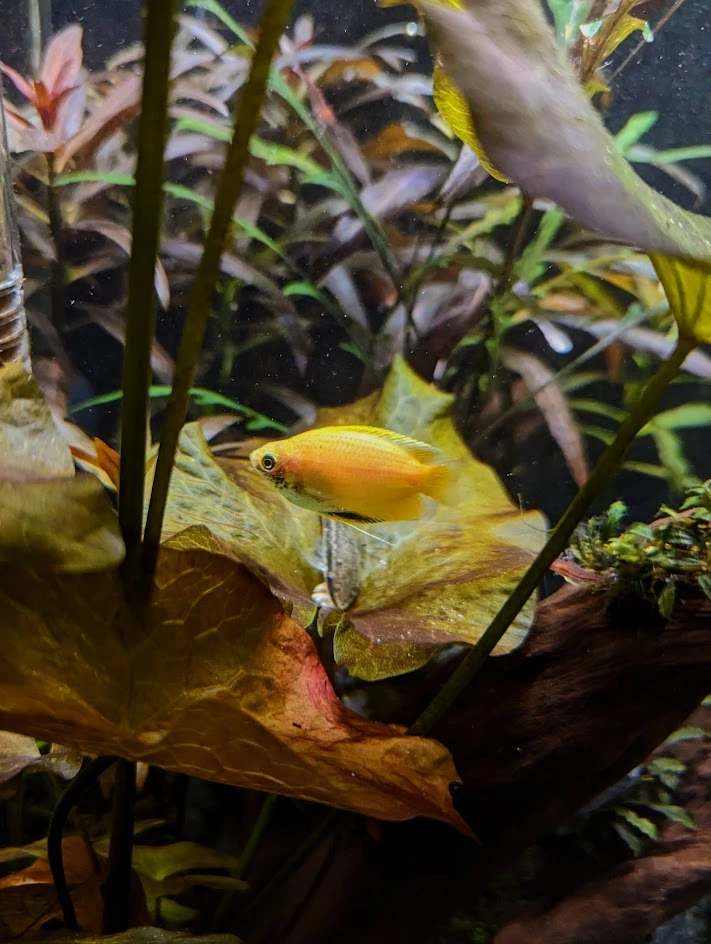
Honey gourami
Trichogaster chuna
Freshwater2 in (5 cm) · 14 gal (54 L)72–82°F (22–28°C)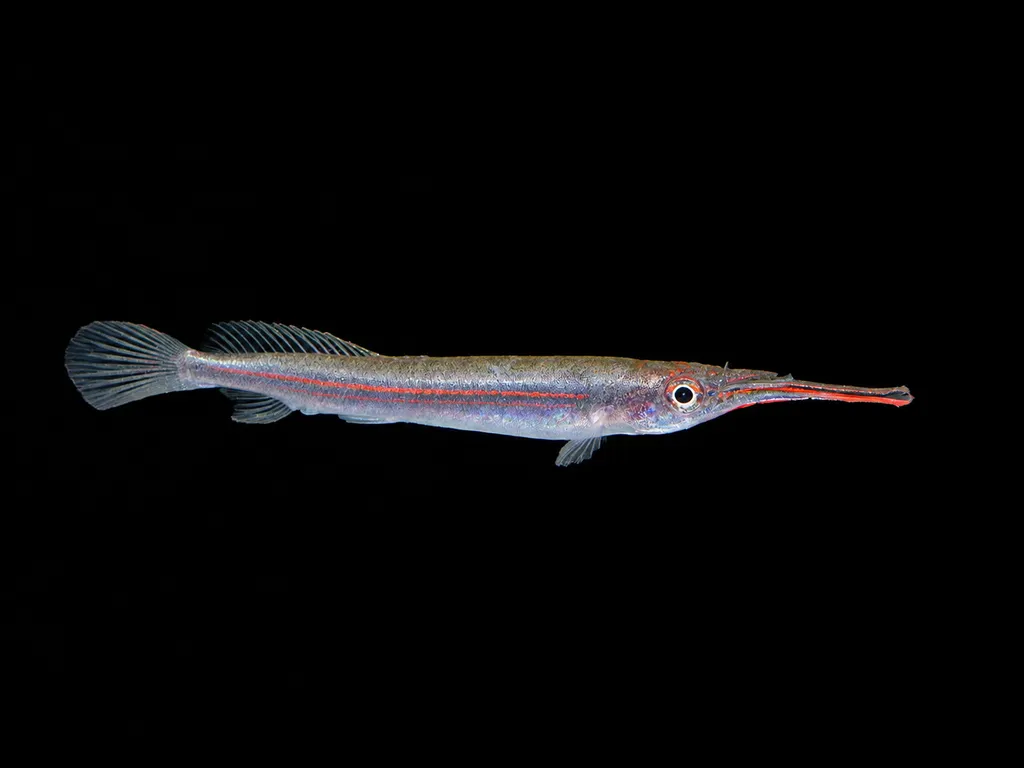
Red line halfbeak
Hemirhamphodon phaiosoma
Freshwater2.6 in (6.5 cm) · 14 gal (54 L)73–81°F (23–27°C)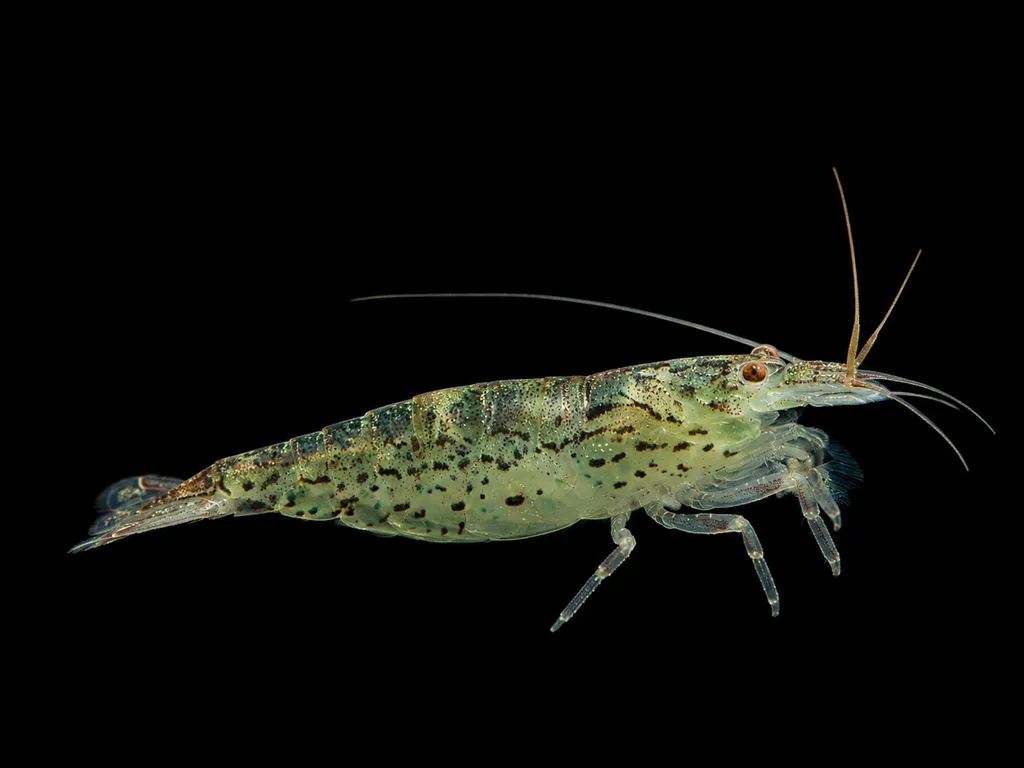
Green lace shrimp
Atyoida pilipes
Freshwater2.8 in (7 cm) · 14 gal (54 L)73–82°F (23–28°C)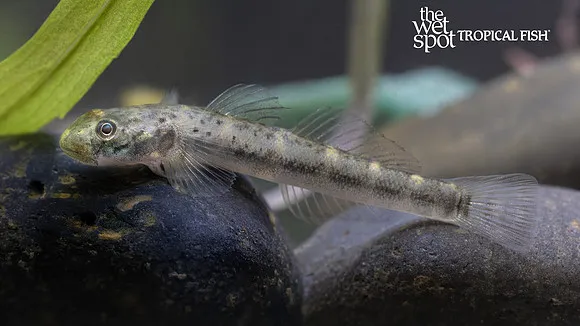
African algae-eating goby
Parasicydium bandama
Freshwater2.2 in (5.5 cm) · 14 gal (54 L)73–81°F (23–27°C)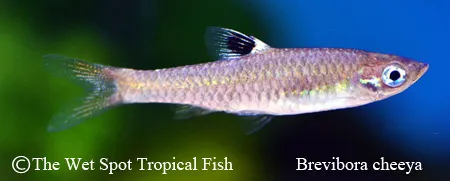
Cheeya rasbora
Brevibora cheeya
Freshwater1.3 in (3.4 cm) · 14 gal (54 L)72–81°F (22–27°C)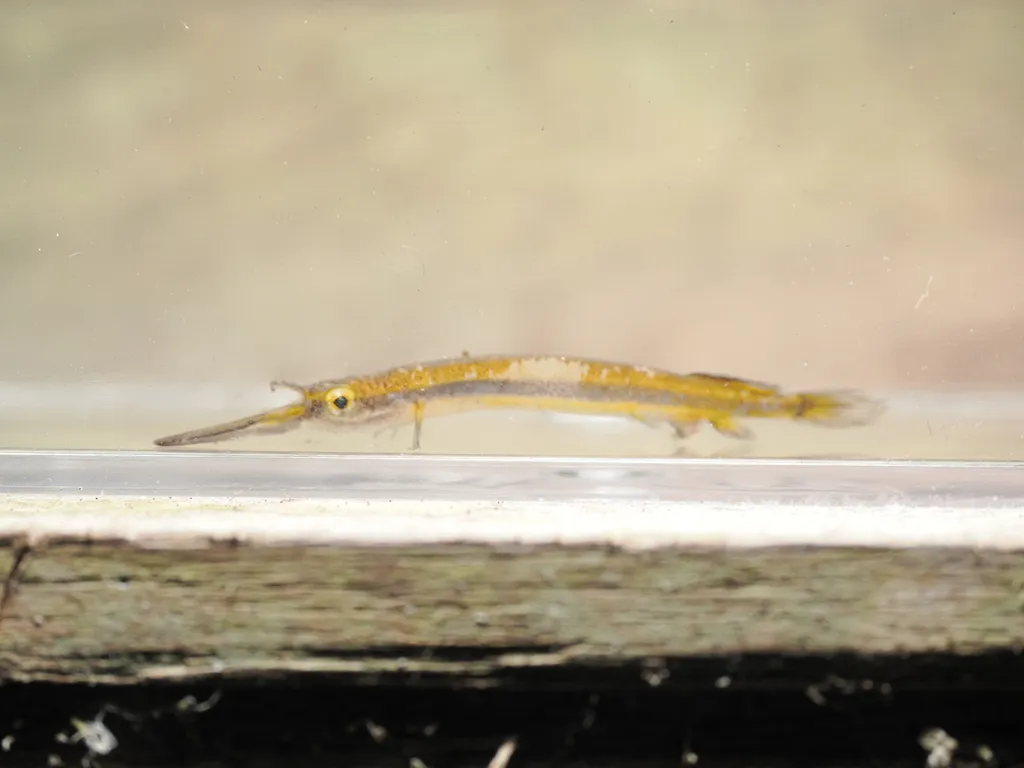
Gold-spotted halfbeak
Hemirhamphodon chrysopunctatus
Freshwater2.6 in (6.5 cm) · 14 gal (54 L)73–81°F (23–27°C)
Common questions
What size tank does a gold pygmy horseface loach need?
A gold pygmy horseface loach needs at least 14 gal (54 L). It spends most of its time in the bottom.
What temperature and pH does a gold pygmy horseface loach need?
A gold pygmy horseface loach is comfortable at 72–81°F (22–27°C) with a pH of 5.0–7.0.
What does a gold pygmy horseface loach eat?
A gold pygmy horseface loach roots in leaf litter and peat for microscopic prey. Feed it the finest sinking foods, microworm and frozen cyclops.
How big does a gold pygmy horseface loach get?
An adult gold pygmy horseface loach reaches about 1.6 in (4 cm).
How can you tell a male gold pygmy horseface loach from a female?
Males carry a row of tiny teeth along the hardened rays of their pectoral fins.
Related species
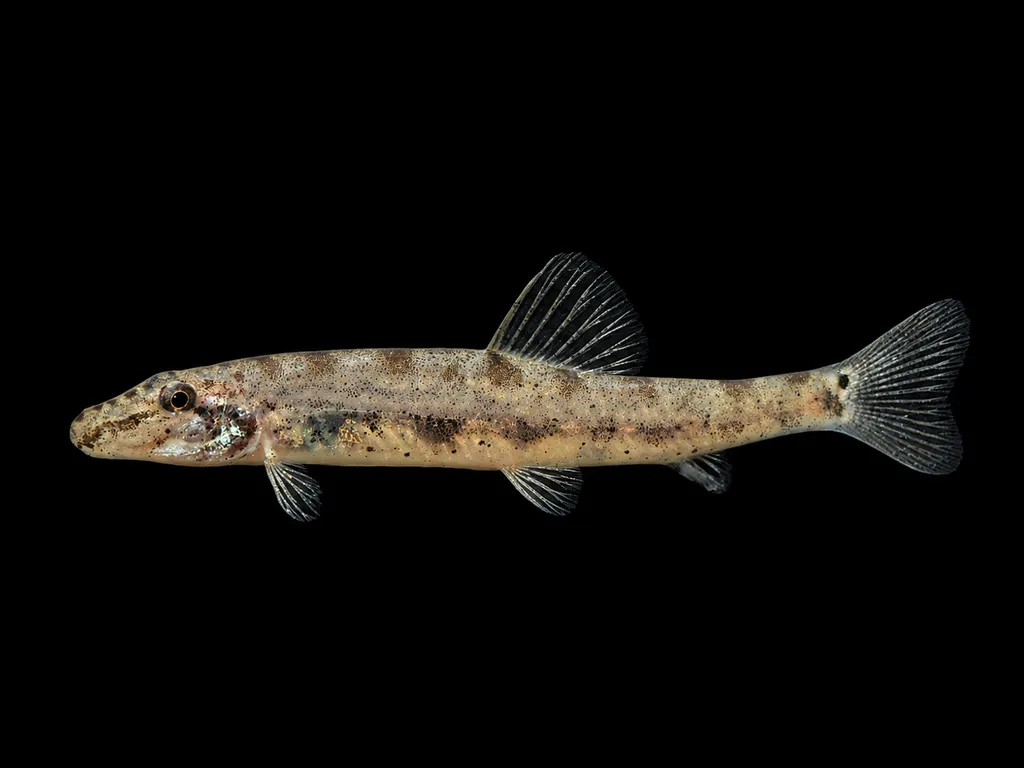 2 in (5 cm)14 gal (54 L)72–81°F (22–27°C)
Dwarf white horseface loach
Kottelatlimia hipporhynchos
2 in (5 cm) · 14 gal (54 L)
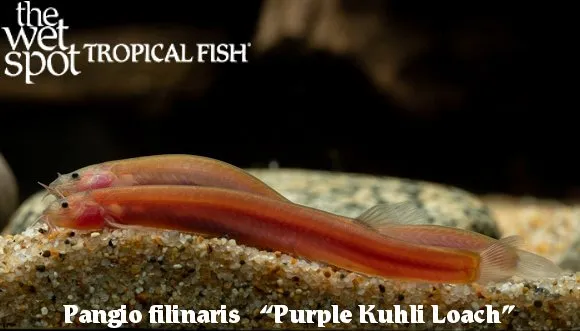 1.8 in (4.5 cm)14 gal (54 L)72–81°F (22–27°C)
Thread kuhli loach
Pangio filinaris
1.8 in (4.5 cm) · 14 gal (54 L)
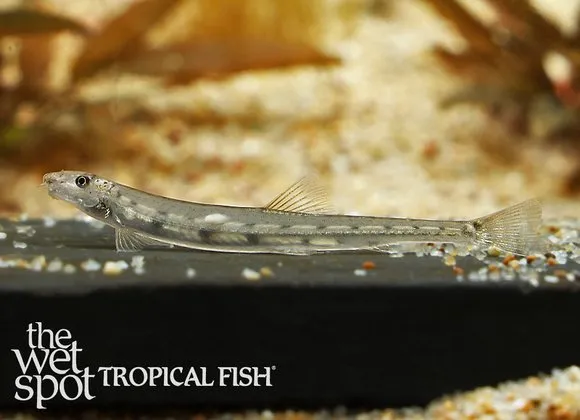 2.2 in (5.5 cm)14 gal (54 L)72–81°F (22–27°C)
Dwarf horseface loach
Acanthopsoides robertsi
2.2 in (5.5 cm) · 14 gal (54 L)
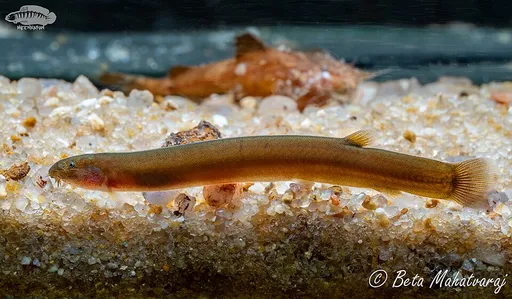 2.4 in (6 cm)20 gal (75 L)72–81°F (22–27°C)
Cinnamon loach
Pangio pangia
2.4 in (6 cm) · 20 gal (75 L)
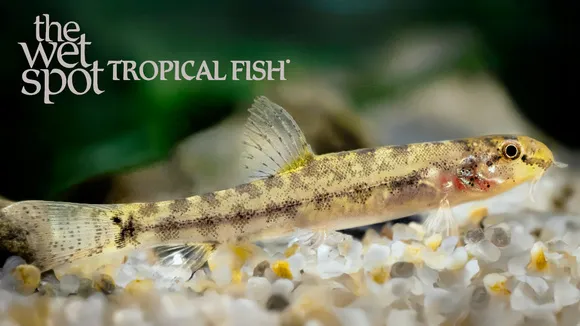 2.4 in (6 cm)20 gal (75 L)73–82°F (23–28°C)
Forktail spiny loach
Lepidocephalichthys furcatus
2.4 in (6 cm) · 20 gal (75 L)
 2.4 in (6 cm)20 gal (75 L)72–81°F (22–27°C)
Moray kuhli loach
Pangio muraeniformis
2.4 in (6 cm) · 20 gal (75 L)