Serpent loach
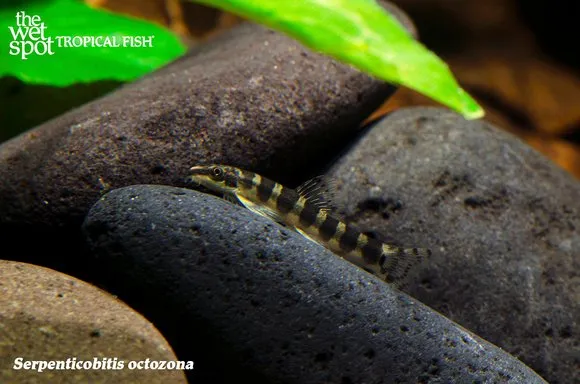
Serpenticobitis octozona
Also known as Eight-band serpent loach
FreshwaterFish
Care at a glance
- Temperature
- 72–79°F
- 22–26°C
- pH
- 6.5–7.5
- Adult size
- 2.6 in
- 6.5 cm
- Minimum tank
- 20 gal
- 75 L
- Temperament
- Mostly peaceful
- Social behavior
- Social
- Swim level
- Bottom
- Diet
- Omnivore
- Difficulty
- Medium
- Breeding
- No record
- Rarity
- Common
- Family
- Serpenticobitidae
- Origin
- Mekong basin, southern Laos
Overview
The serpent loach is a small, lively bottom loach for a river tank with brisk flow. It wriggles over the substrate with a mix of kuhli-style movement and stone-loach confidence. It is best with a little experience.
Did you know
The serpent loach's whole family holds only one genus and three species. Keeping a serpent loach means housing an entire small branch of the loach family tree in a single fish.
Caring for the serpent loach
Serpent loaches are very social, so keep them in a group of six or more. A tank of at least 20 gal (75 L) suits a group. Set it up like a river, with strong flow, a sand and smooth-stone substrate, and lots of cobble for cover. Give them plenty of rocky crevices to dart through and divide up between them.
Keep the water on the cool side of tropical, at 72 to 79°F (22 to 26°C), with a near-neutral pH of 6.5 to 7.5. It must be pristine, well filtered and well oxygenated.
Feed small sinking foods and frozen invertebrates such as bloodworm and daphnia, with some vegetable matter. Serpent loaches are mostly peaceful and fit a river community with other calm, current-loving fish. There is no record of them breeding in aquariums, so nothing reliable is known about how they spawn.
Good to know
Serpenticobitis octozona gives its name to its own small family, Serpenticobitidae. The family sits between the true loaches and the stone loaches. Its slim, pale body is ringed by eight dark bars.
In the wild
The serpent loach lives in the Mekong basin of southern Laos, in fast, clear, high-gradient stretches of river. It stays over beds of rock and boulders, in cool, oxygen-rich water.
Weekly picks
Tank mates
The serpent loach is a mostly peaceful, social species that keeps to the bottom. These picks share a community profile with it, are safe together in both directions, and overlap on water type, temperature and pH.
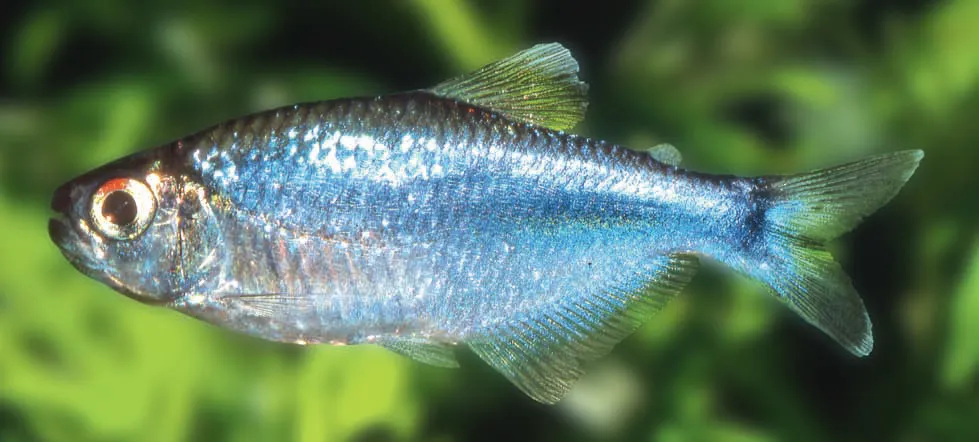
Cochu's blue tetra
Boehlkea fredcochui
Freshwater2.2 in (5.5 cm) · 20 gal (75 L)72–82°F (22–28°C)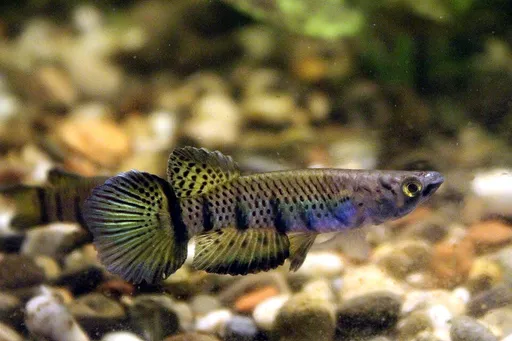
Six-barred panchax
Epiplatys sexfasciatus
Freshwater3.9 in (10 cm) · 20 gal (75 L)72–81°F (22–27°C)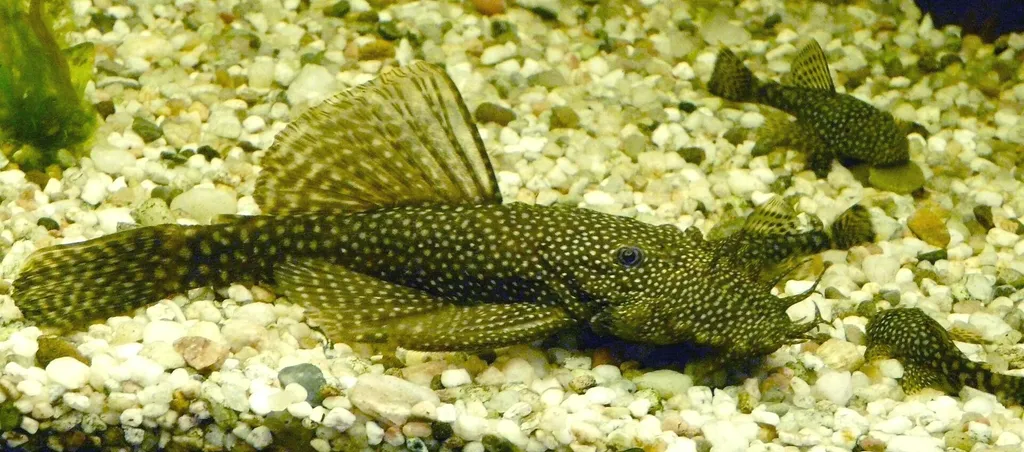
Bristlenose pleco
Ancistrus sp.
Freshwater4.9 in (12.5 cm) · 20 gal (75 L)70–79°F (21–26°C)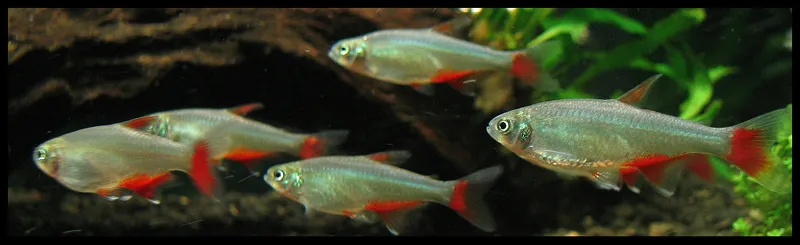
Bloodfin tetra
Aphyocharax anisitsi
Freshwater2.2 in (5.5 cm) · 20 gal (75 L)72–82°F (22–28°C)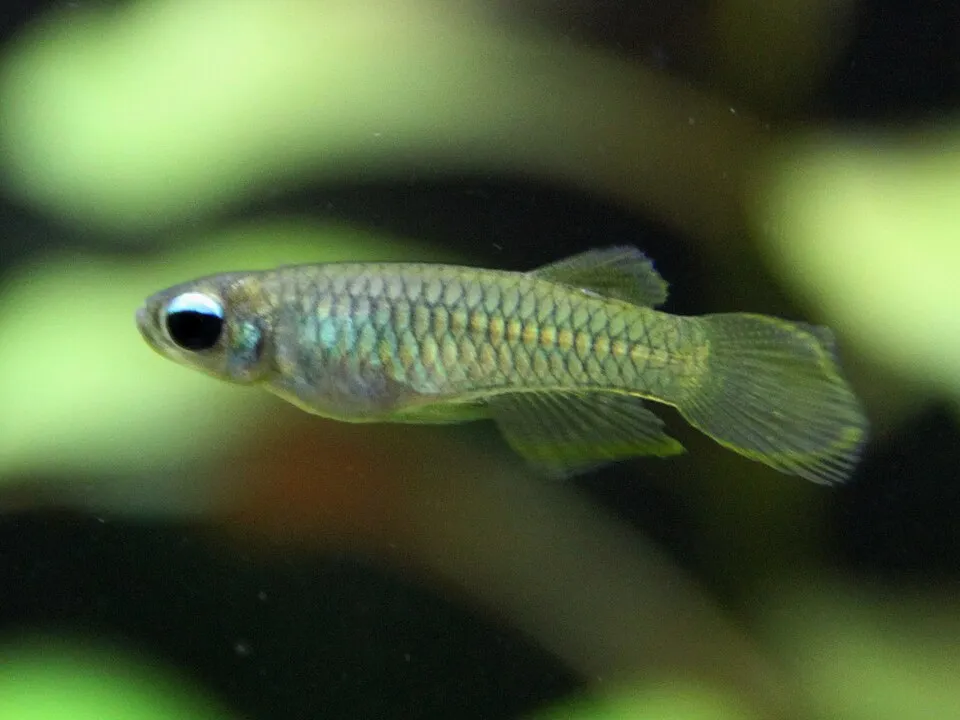
Norman's lampeye
Poropanchax normani
Freshwater1.6 in (4 cm) · 20 gal (75 L)72–79°F (22–26°C)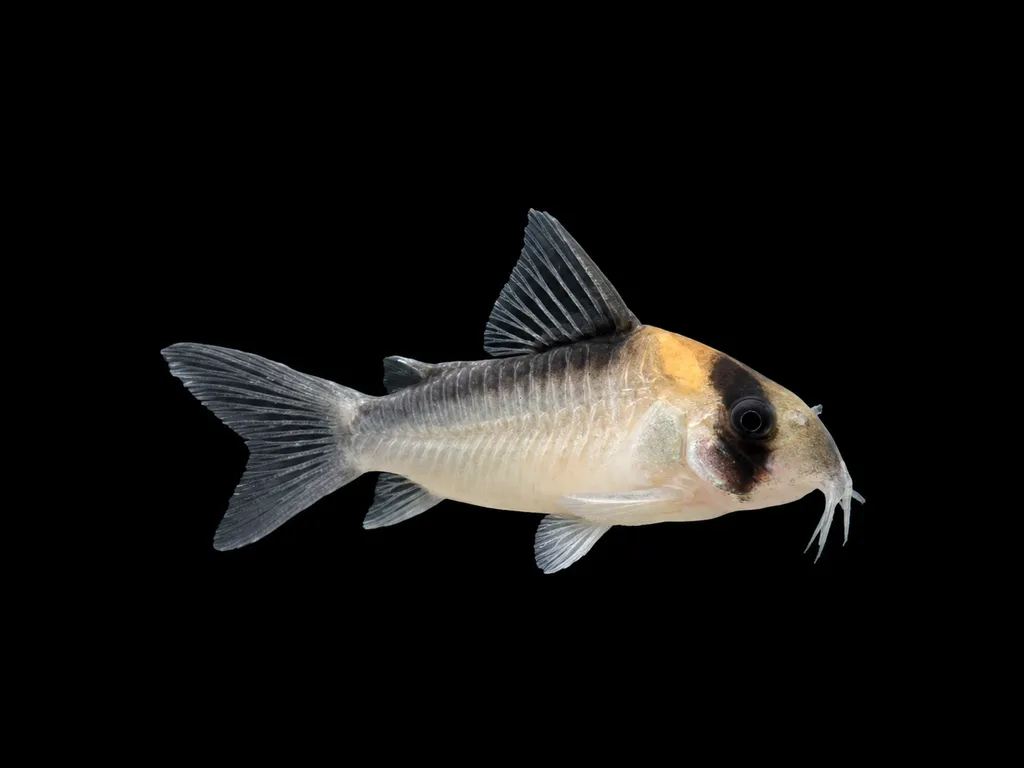
Burgess's cory
Hoplisoma burgessi
Freshwater2.2 in (5.5 cm) · 20 gal (75 L)72–79°F (22–26°C)
Common questions
What size tank does a serpent loach need?
A serpent loach needs at least 20 gal (75 L). It spends most of its time in the bottom.
What temperature and pH does a serpent loach need?
A serpent loach is comfortable at 72–79°F (22–26°C) with a pH of 6.5–7.5.
What does a serpent loach eat?
A serpent loach eats small sinking foods and frozen invertebrates such as bloodworm and daphnia. Give it some vegetable matter as well.
How big does a serpent loach get?
An adult serpent loach reaches about 2.6 in (6.5 cm).
Related species
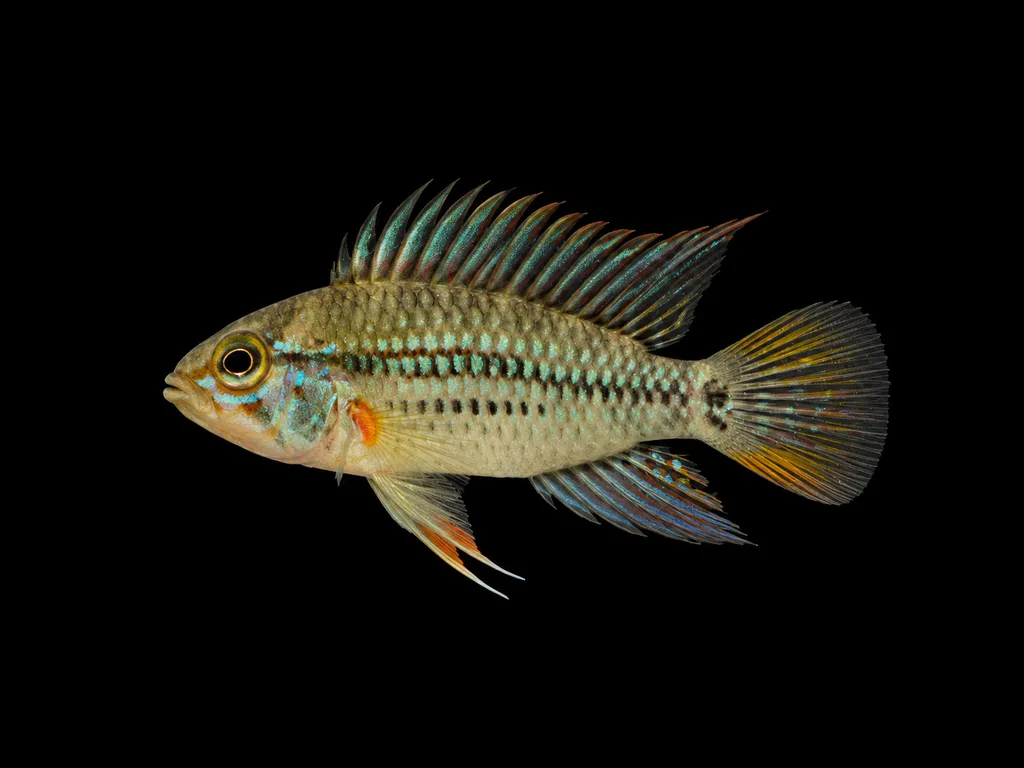 2.6 in (6.5 cm)20 gal (75 L)73–82°F (23–28°C)
Blue-cheek dwarf cichlid
Apistogramma eunotus
2.6 in (6.5 cm) · 20 gal (75 L)
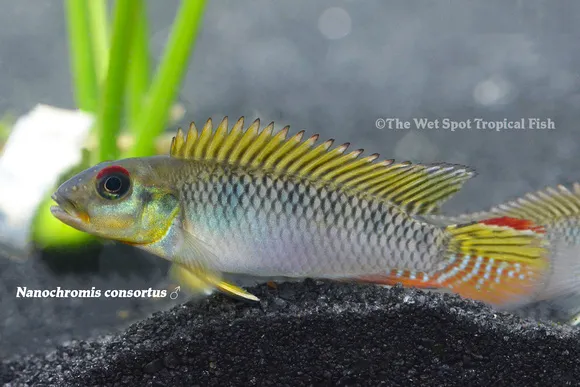 2.6 in (6.5 cm)29 gal (110 L)73–81°F (23–27°C)
Consortus nanochromis
Nanochromis consortus
2.6 in (6.5 cm) · 29 gal (110 L)
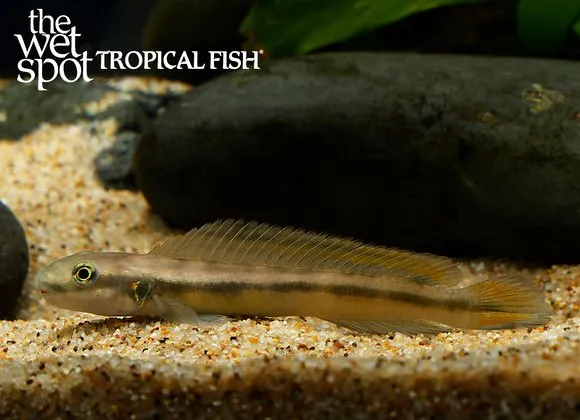 2.6 in (6.5 cm)30 gal (112 L)75–82°F (24–28°C)
Goby cichlid
Gobiocichla wonderi
2.6 in (6.5 cm) · 30 gal (112 L)
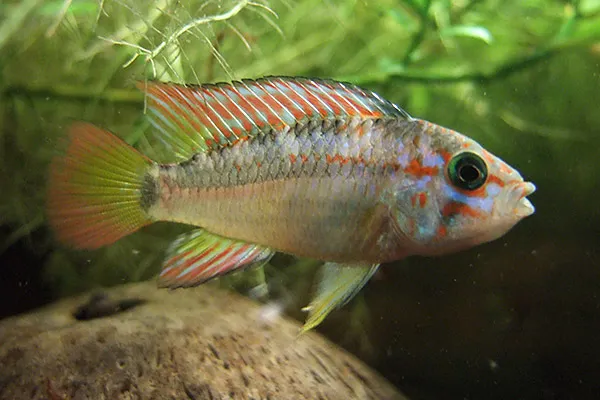 2.6 in (6.5 cm)16 gal (60 L)75–82°F (24–28°C)
Ortega's dwarf cichlid
Apistogramma ortegai
2.6 in (6.5 cm) · 16 gal (60 L)
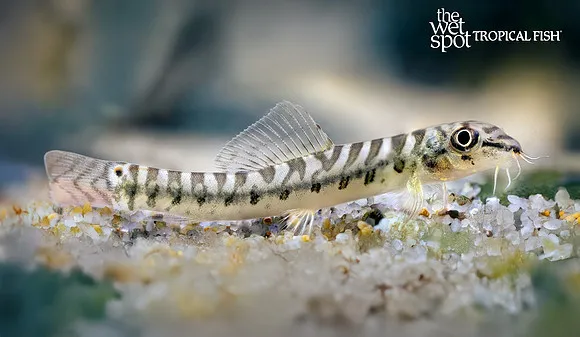 2.6 in (6.5 cm)20 gal (75 L)68–79°F (20–26°C)
Painted zipper loach
Paracanthocobitis pictilis
2.6 in (6.5 cm) · 20 gal (75 L)
 2.6 in (6.5 cm)29 gal (110 L)73–81°F (23–27°C)
Parilus nanochromis
Nanochromis parilus
2.6 in (6.5 cm) · 29 gal (110 L)