Ortega's dwarf cichlid
Apistogramma ortegai
Also known as Pebas apisto, Papagei apisto
FreshwaterFish
Care at a glance
- Temperature
- 75–82°F
- 24–28°C
- pH
- 5.0–6.8
- Adult size
- 2.6 in
- 6.5 cm
- Minimum tank
- 16 gal
- 60 L
- Temperament
- Mostly peaceful
- Social behavior
- Social
- Swim level
- Bottom
- Difficulty
- Medium
- Breeding
- Cave spawner · Medium
- Rarity
- Rare
- Family
- Cichlidae
- Origin
- Rio Ampiyacu drainage near Pebas, Loreto, Peru
Overview
Ortega's dwarf cichlid is a mostly peaceful apisto that spends its days near the bottom of a shaded tank. It is a sound choice for a keeper moving past beginner fish.
Did you know
Before its formal description, Ortega's dwarf cichlid circulated under at least three different hobby names. Old shop lists still sell it as the papagei apisto.
Caring for the Ortega's dwarf cichlid
Keep a pair of Ortega's dwarf cichlids in 16 gal (60 L), or a harem in a larger tank. Set the tank up with sand, leaves and caves.
Hold the water soft, at 75 to 82°F (24 to 28°C) and a pH of 5.0 to 6.8. It settles quickly and feeds on frozen and dry foods without complaint.
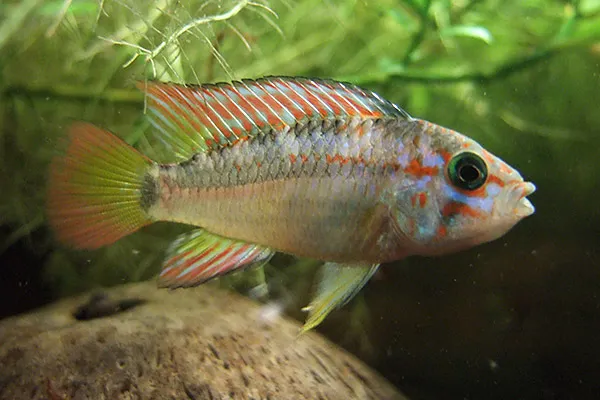
Keep the tank shaded and its tank mates calm, and the male will hold his display color most of the day. Ortega's dwarf cichlid is a steady cave spawner in soft water. It is among the more forgiving Peruvian apistos for a keeper's first breeding project.
Good to know
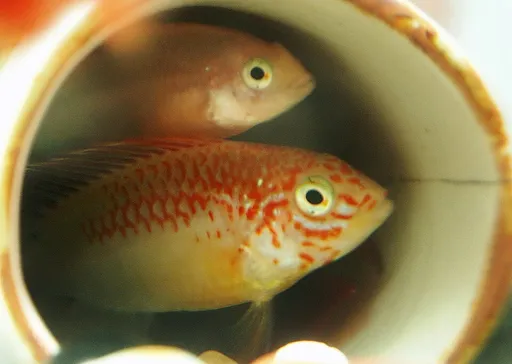
Britzke, Oliveira and Kullander described Ortega's dwarf cichlid in 2014, naming it for the Peruvian ichthyologist Hernan Ortega. It anchors a small complex of Pebas-area forms that the hobby traded for years as Pebas apistos. Males wear zigzag flank markings and a boldly barred tail.
In the wild
Ortega's dwarf cichlid comes from the Ampiyacu drainage near Pebas, in northern Peru. It lives in soft, tannin-tinted forest streams over leaf litter and sand, and it splits its time between litter banks and open patches.
Weekly picks
Tank mates
The Ortega's dwarf cichlid is a mostly peaceful, social species that keeps to the bottom. These picks share a community profile with it, are safe together in both directions, and overlap on water type, temperature and pH.
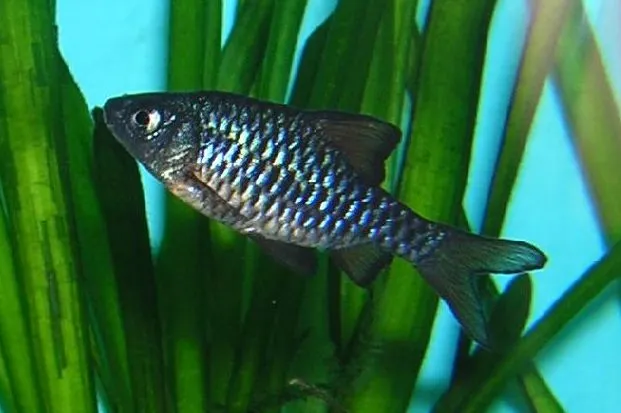
Checkered barb
Oliotius oligolepis
Freshwater1.8 in (4.5 cm) · 16 gal (60 L)68–79°F (20–26°C)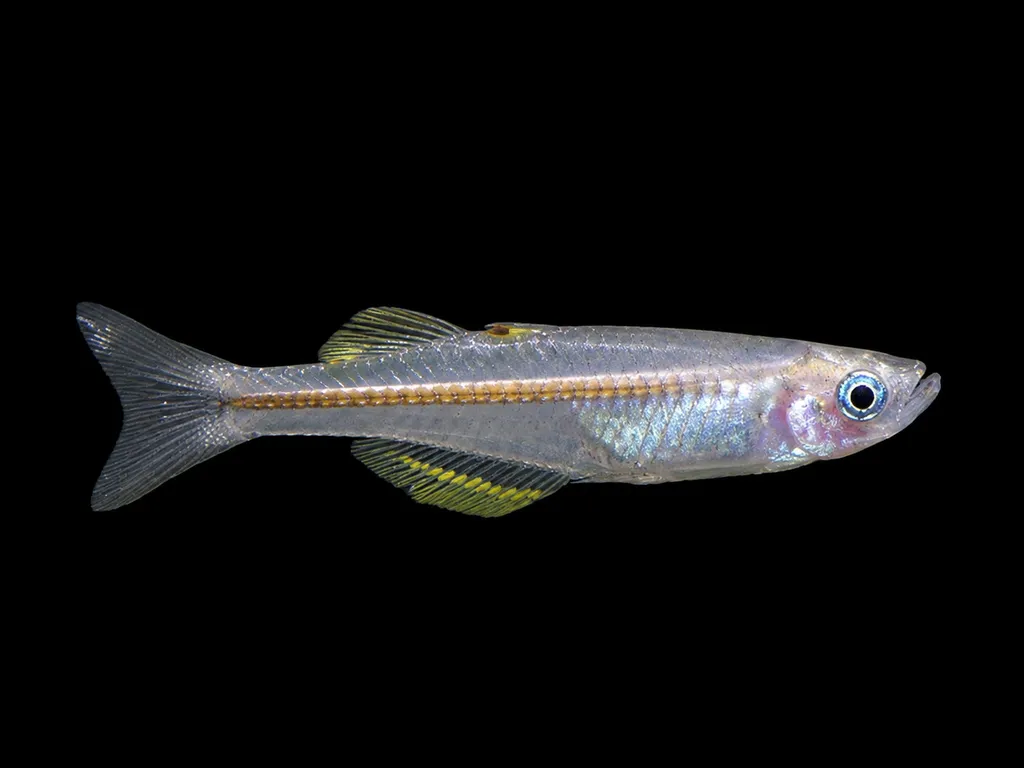
New Guinea blue-eye
Pseudomugil novaeguineae
Freshwater1.8 in (4.5 cm) · 15 gal (55 L)79–86°F (26–30°C)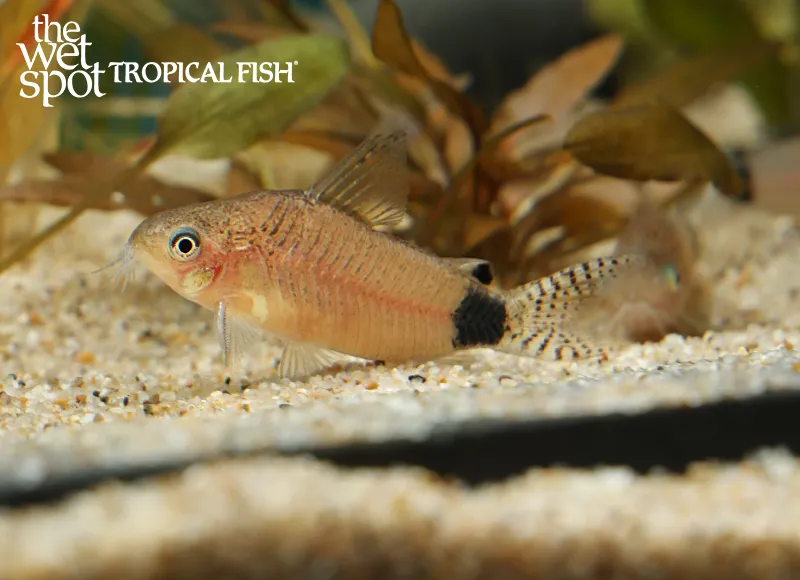
Guapore cory
Gastrodermus guapore
Freshwater2 in (5 cm) · 16 gal (60 L)72–82°F (22–28°C)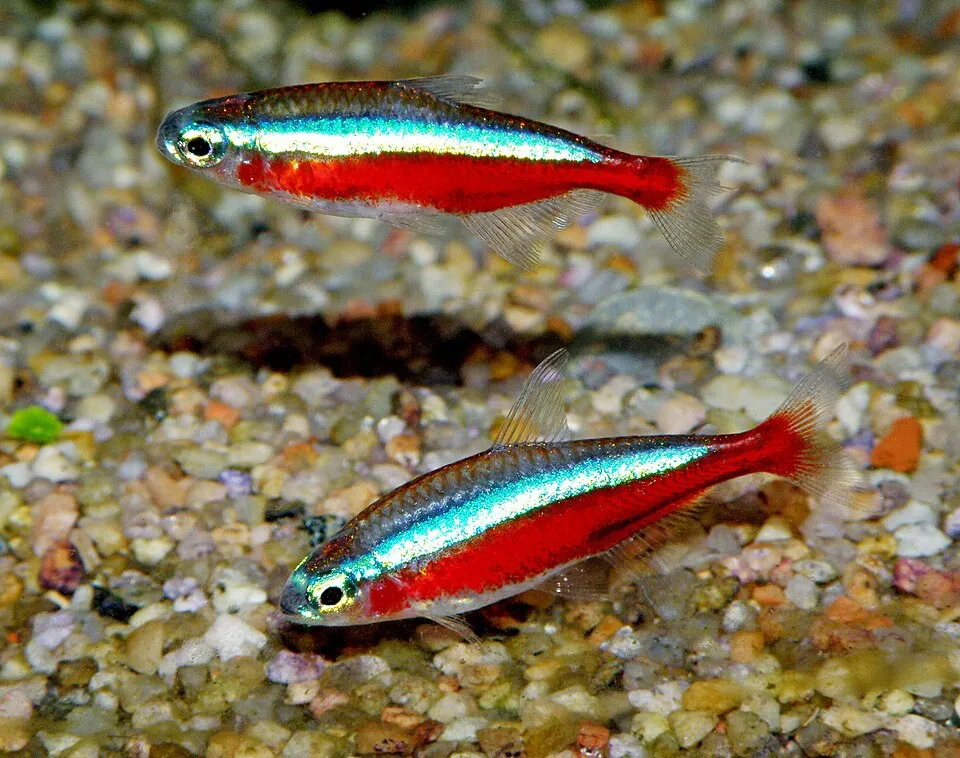
Cardinal tetra
Paracheirodon axelrodi
Freshwater1.8 in (4.5 cm) · 16 gal (60 L)73–84°F (23–29°C)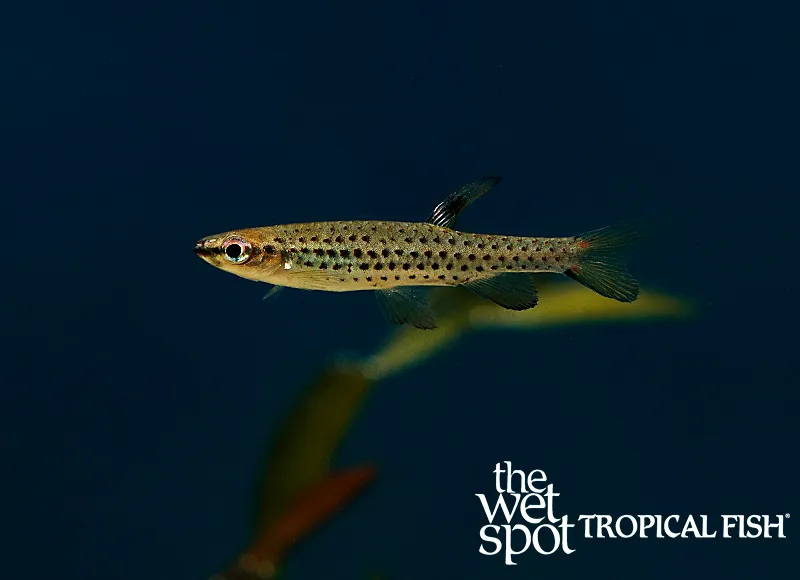
Spotted splash tetra
Copella nattereri
Freshwater2 in (5 cm) · 16 gal (60 L)75–82°F (24–28°C)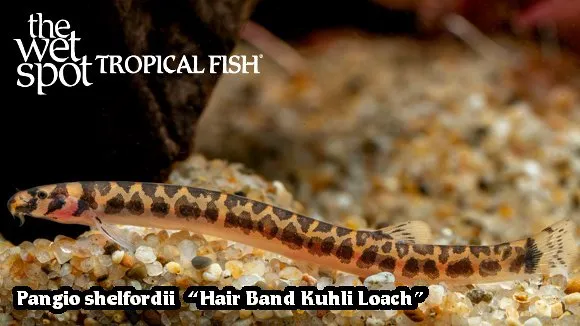
Shelford's kuhli loach
Pangio shelfordii
Freshwater3.1 in (8 cm) · 15 gal (55 L)72–81°F (22–27°C)
Common questions
What size tank does an Ortega's dwarf cichlid need?
An Ortega's dwarf cichlid needs at least 16 gal (60 L). It spends most of its time in the bottom.
What temperature and pH does an Ortega's dwarf cichlid need?
An Ortega's dwarf cichlid is comfortable at 75–82°F (24–28°C) with a pH of 5.0–6.8.
What does an Ortega's dwarf cichlid eat?
An Ortega's dwarf cichlid feeds on frozen and dry foods without complaint, and it settles quickly.
How big does an Ortega's dwarf cichlid get?
An adult Ortega's dwarf cichlid reaches about 2.6 in (6.5 cm).
Related species
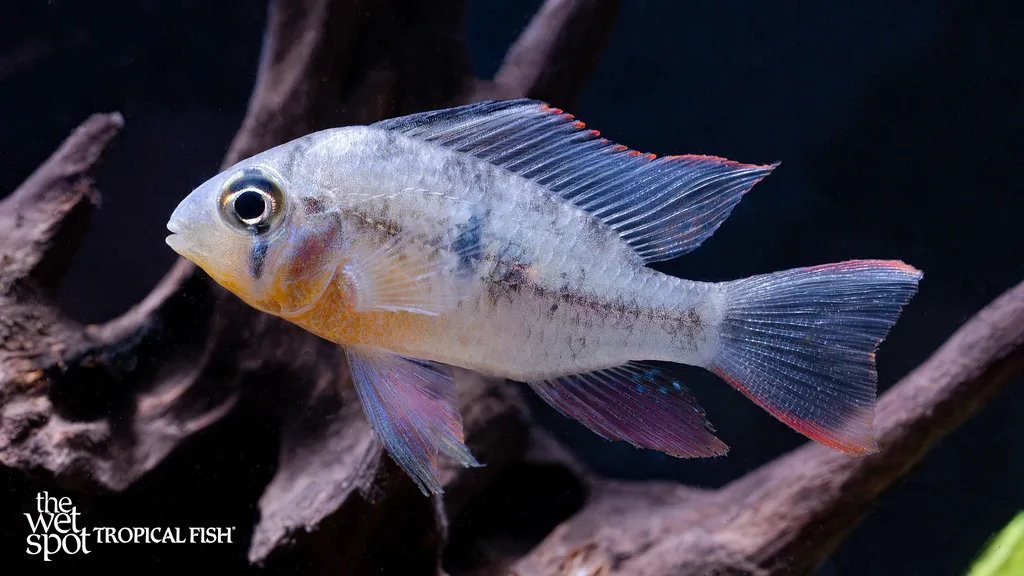 2.6 in (6.5 cm)16 gal (60 L)77–84°F (25–29°C)
Bigfin dwarf cichlid
Apistogramma megaptera
2.6 in (6.5 cm) · 16 gal (60 L)
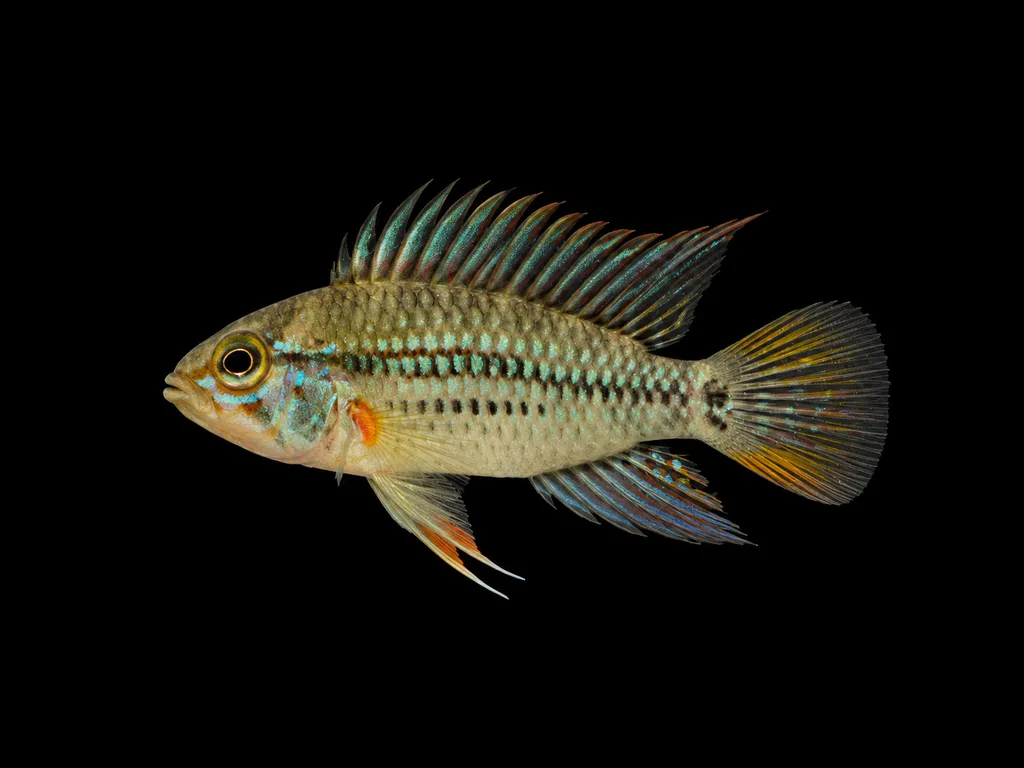 2.6 in (6.5 cm)20 gal (75 L)73–82°F (23–28°C)
Blue-cheek dwarf cichlid
Apistogramma eunotus
2.6 in (6.5 cm) · 20 gal (75 L)
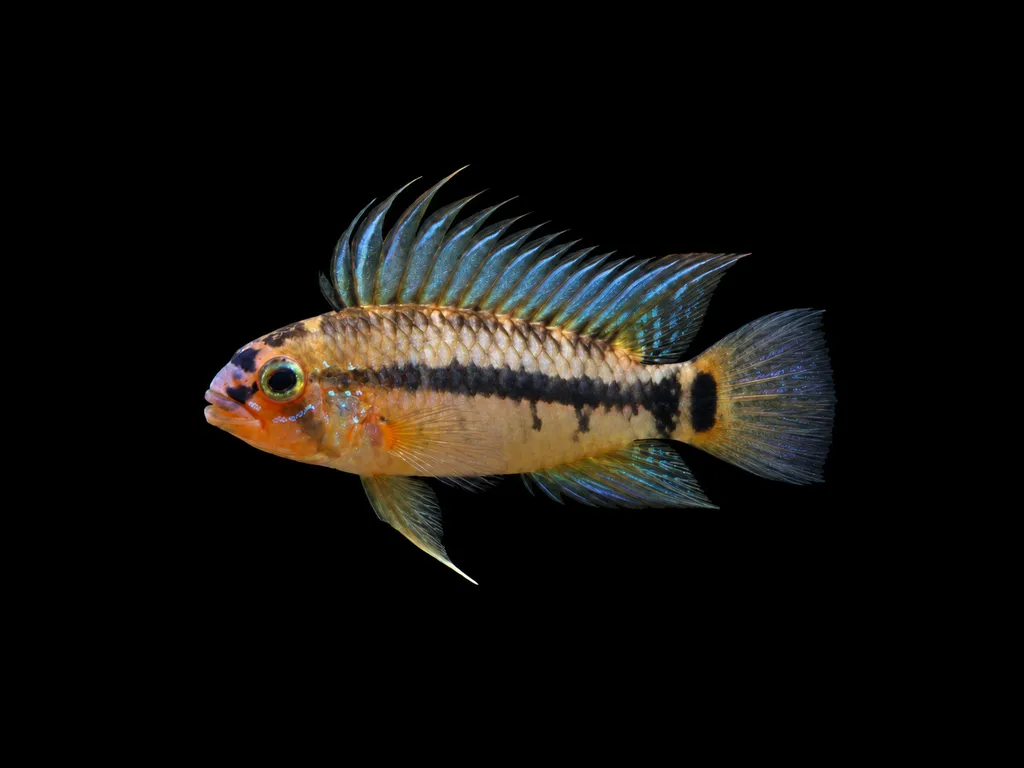 2.6 in (6.5 cm)16 gal (60 L)77–84°F (25–29°C)
Masked dwarf cichlid
Apistogramma personata
2.6 in (6.5 cm) · 16 gal (60 L)
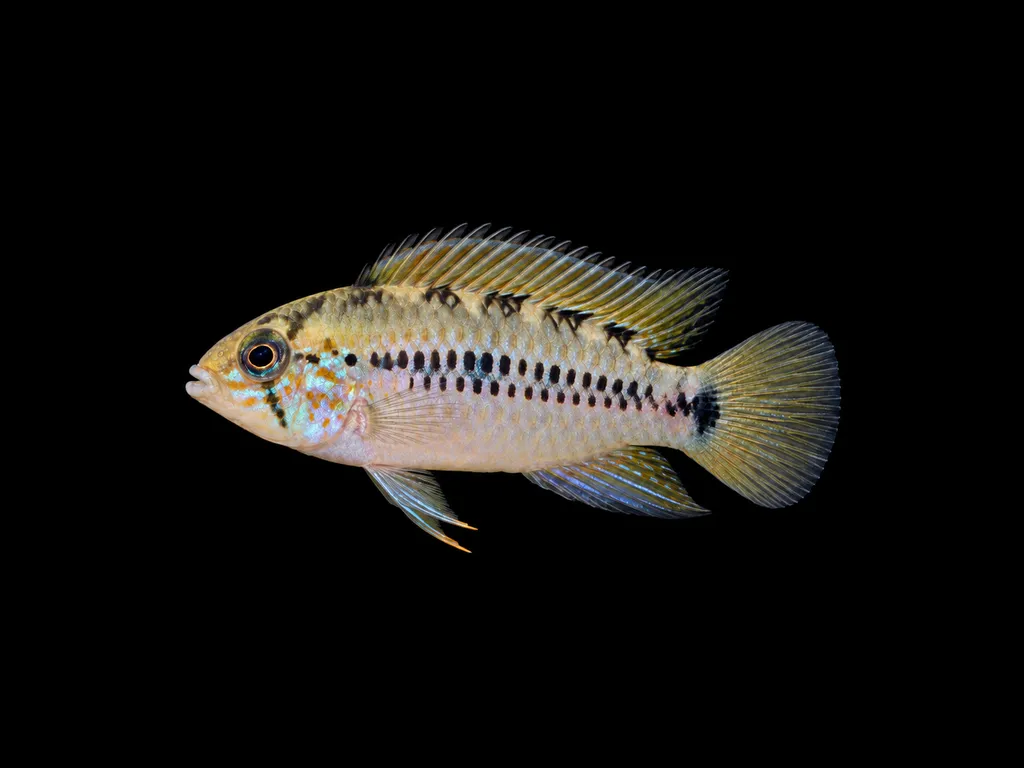 2.8 in (7 cm)20 gal (75 L)73–82°F (23–28°C)
Alacrina dwarf cichlid
Apistogramma alacrina
2.8 in (7 cm) · 20 gal (75 L)
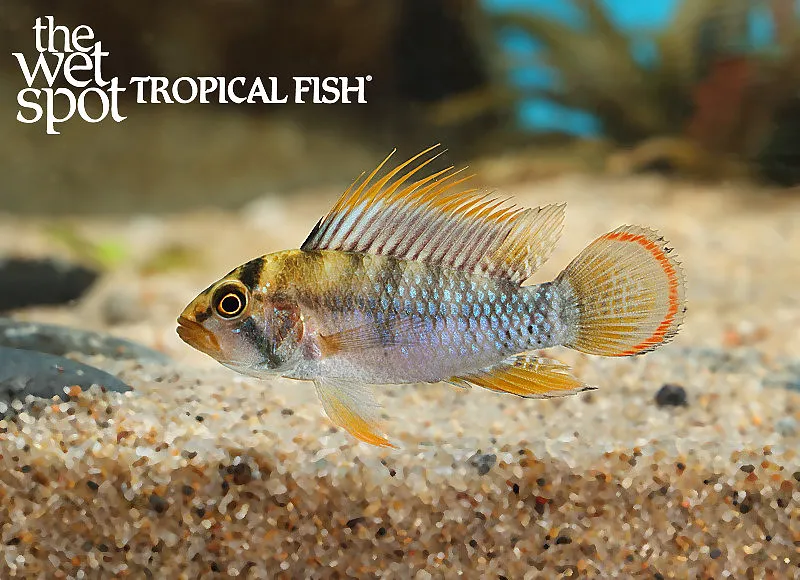 2.8 in (7 cm)20 gal (75 L)73–82°F (23–28°C)
Inca dwarf cichlid
Apistogramma baenschi
2.8 in (7 cm) · 20 gal (75 L)
 2.8 in (7 cm)20 gal (75 L)75–82°F (24–28°C)
Viejita dwarf cichlid
Apistogramma viejita
2.8 in (7 cm) · 20 gal (75 L)