Giant stone loach
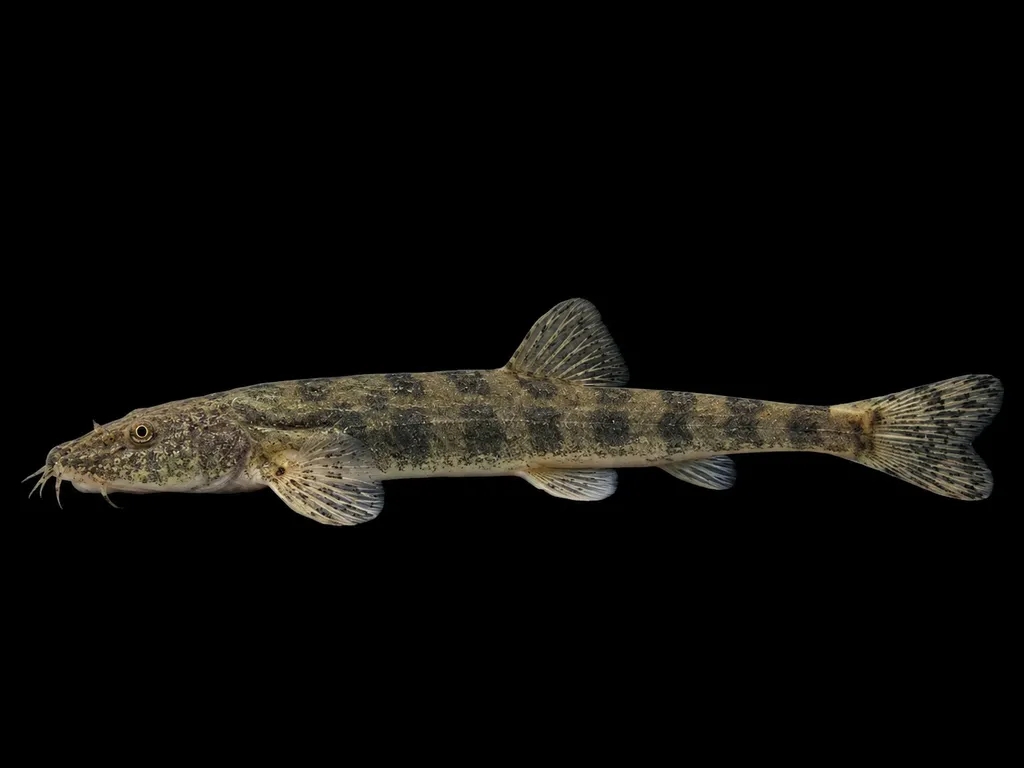
Triplophysa siluroides
Also known as Catfish-like loach, Tibet royal loach
FreshwaterFish
Care at a glance
- Temperature
- 50–68°F
- 10–20°C
- pH
- 7.0–8.0
- Adult size
- 21.7 in
- 55 cm
- Minimum tank
- 127 gal
- 480 L
- Temperament
- Aggressive
- Social behavior
- Solitary
- Tankmates
- With caution
- Swim level
- Bottom
- Diet
- Carnivore
- Difficulty
- Difficult
- Breeding
- No record
- Rarity
- Rare
- Family
- Nemacheilidae
- Origin
- Upper Yellow River, Qinghai and Gansu, China
Overview
The giant stone loach is a big, aggressive coldwater loach for a very large, chilled tank. It is a specialist fish for experienced keepers.
Did you know
The giant stone loach outgrows a clown loach several times over. It comes from a river three thousand meters up, where the shallows can freeze solid in winter.
Caring for the giant stone loach
Plan on a tank of 127 gal (480 L) or more, with a very large footprint and a large open floor. Furnish it with boulders and rockwork, and fit a secure lid. This is a long-term commitment to a big, cold-water animal.
Keep the water genuinely cold, at 50 to 68°F (10 to 20°C). In most climates that means active chilling. Give it hard, alkaline water at a pH of 7.0 to 8.0, with heavy, pond-scale filtration and plenty of oxygen. Ordinary tropical warmth will slowly kill it.
The giant stone loach is a specialist coldwater predator that eats fish and invertebrates it can catch. Feed meaty foods such as earthworms, prawn, mussel and sinking carnivore pellets.
It is aggressive and not a community fish, so it is best kept singly. Any tank mates are a real risk rather than companions. Its aquarium breeding is not documented.
Good to know
Triplophysa siluroides is the largest loach in the family Nemacheilidae, at well over a kilogram. Its species name means catfish-like, and it fills a catfish's role as the big bottom predator of its river. The genus Triplophysa is the great high-altitude loach group of Central Asia. Wild numbers have fallen to fishing and habitat loss, and it is treated as vulnerable in China.
In the wild
The giant stone loach lives in the cold upper reaches of the Yellow River in Qinghai and Gansu, on the edge of the Tibetan Plateau. The water there stays cold all year.
Common questions
What size tank does a giant stone loach need?
A giant stone loach needs at least 127 gal (480 L). It spends most of its time in the bottom.
What temperature and pH does a giant stone loach need?
A giant stone loach is comfortable at 50–68°F (10–20°C) with a pH of 7.0–8.0.
What does a giant stone loach eat?
A giant stone loach is a predator that eats fish and invertebrates it can catch. Feed it meaty foods such as earthworms, prawn, mussel and sinking carnivore pellets.
How big does a giant stone loach get?
An adult giant stone loach reaches about 21.7 in (55 cm).
Related species
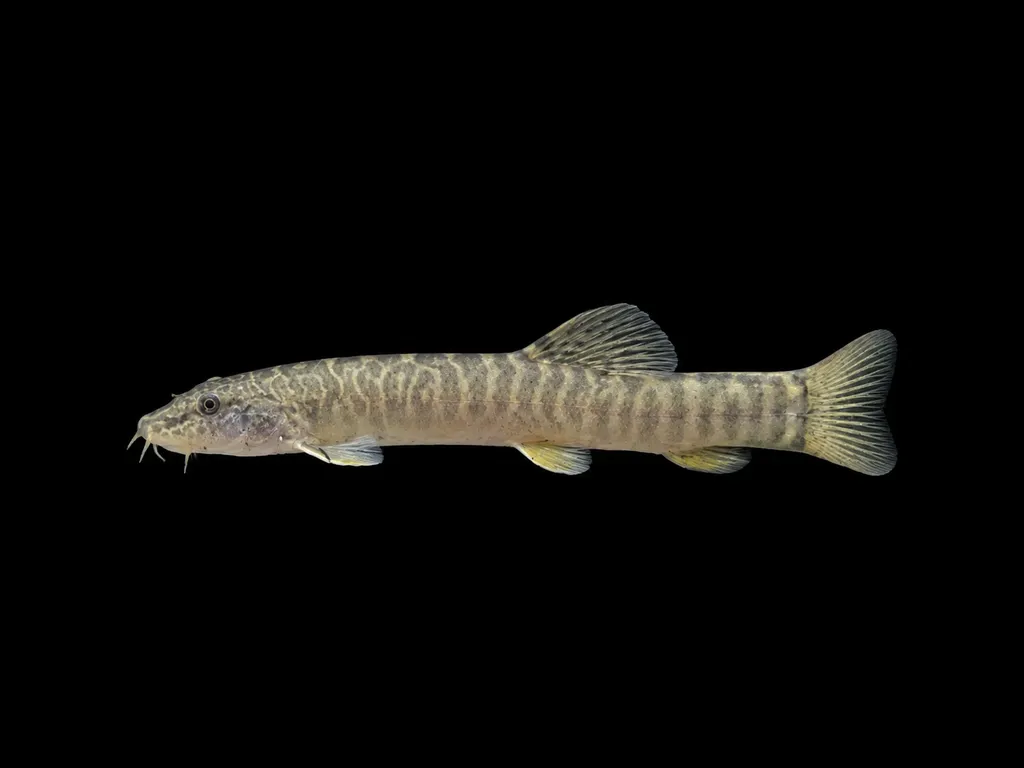 5.3 in (13.5 cm)40 gal (150 L)61–75°F (16–24°C)
Chinese elongated zebra loach
Homatula potanini
5.3 in (13.5 cm) · 40 gal (150 L)
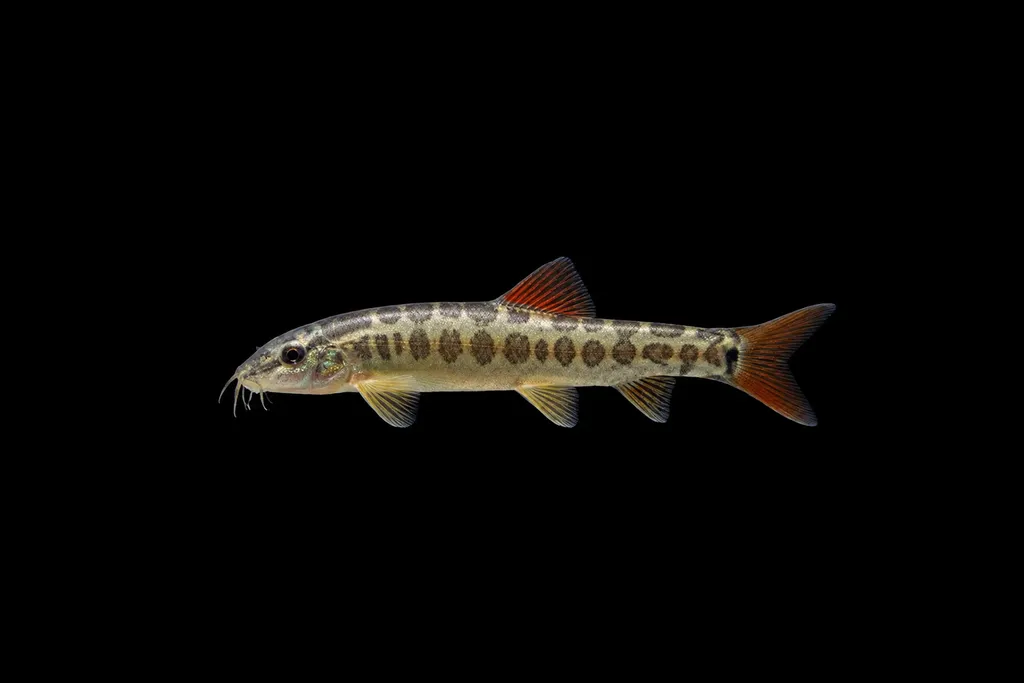 5 in (12.6 cm)29 gal (110 L)64–77°F (18–25°C)
Vietnamese flower loach
Traccatichthys taeniatus
5 in (12.6 cm) · 29 gal (110 L)
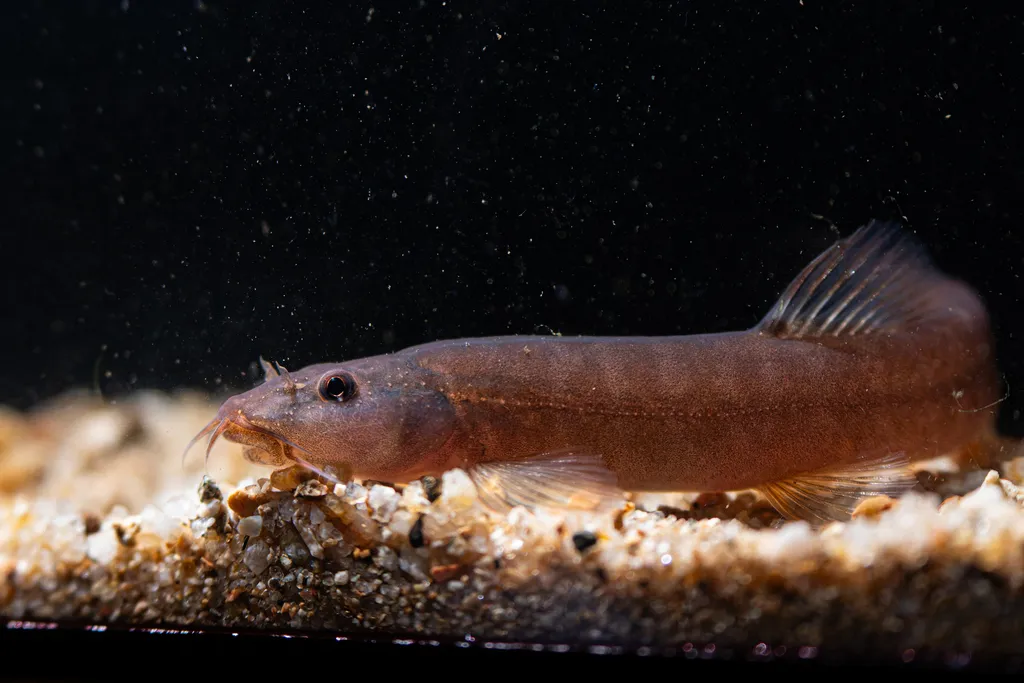 4.7 in (12 cm)29 gal (110 L)61–75°F (16–24°C)
Chinese banded loach
Schistura fasciolata
4.7 in (12 cm) · 29 gal (110 L)
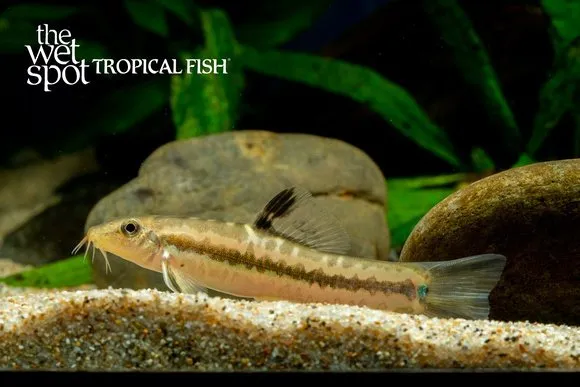 4.7 in (12 cm)29 gal (110 L)61–75°F (16–24°C)
Chinese flower loach
Traccatichthys pulcher
4.7 in (12 cm) · 29 gal (110 L)
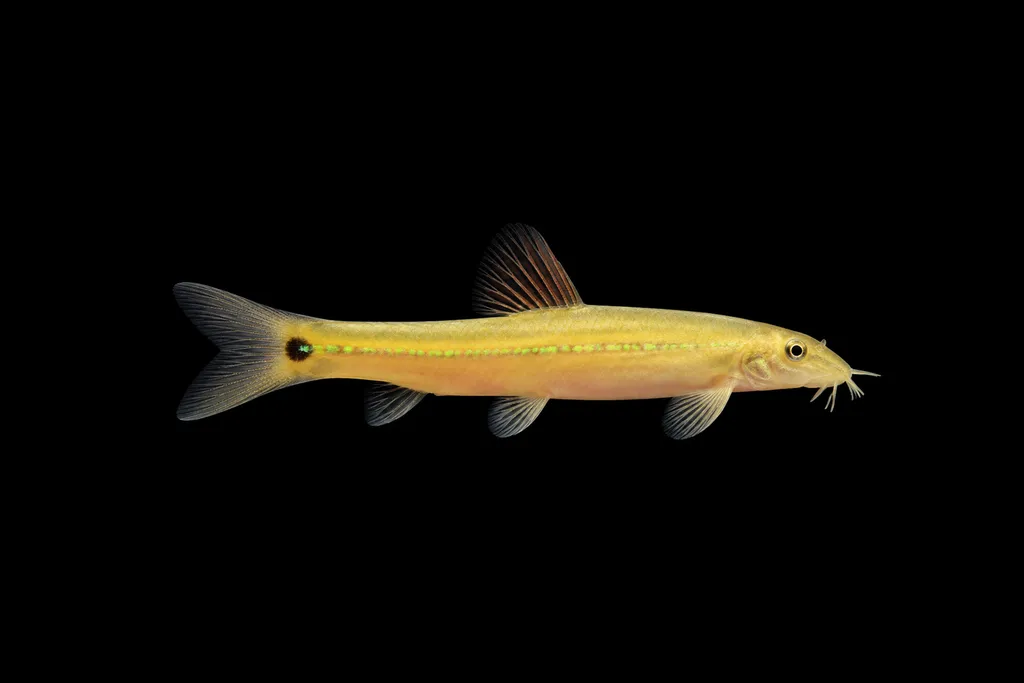 4.2 in (10.6 cm)29 gal (110 L)64–77°F (18–25°C)
Tubercled flower loach
Traccatichthys tuberculum
4.2 in (10.6 cm) · 29 gal (110 L)
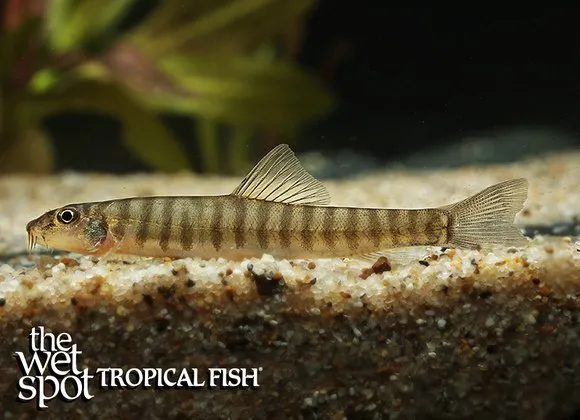 3.9 in (10 cm)29 gal (110 L)64–77°F (18–25°C)
Creek loach
Schistura beavani
3.9 in (10 cm) · 29 gal (110 L)