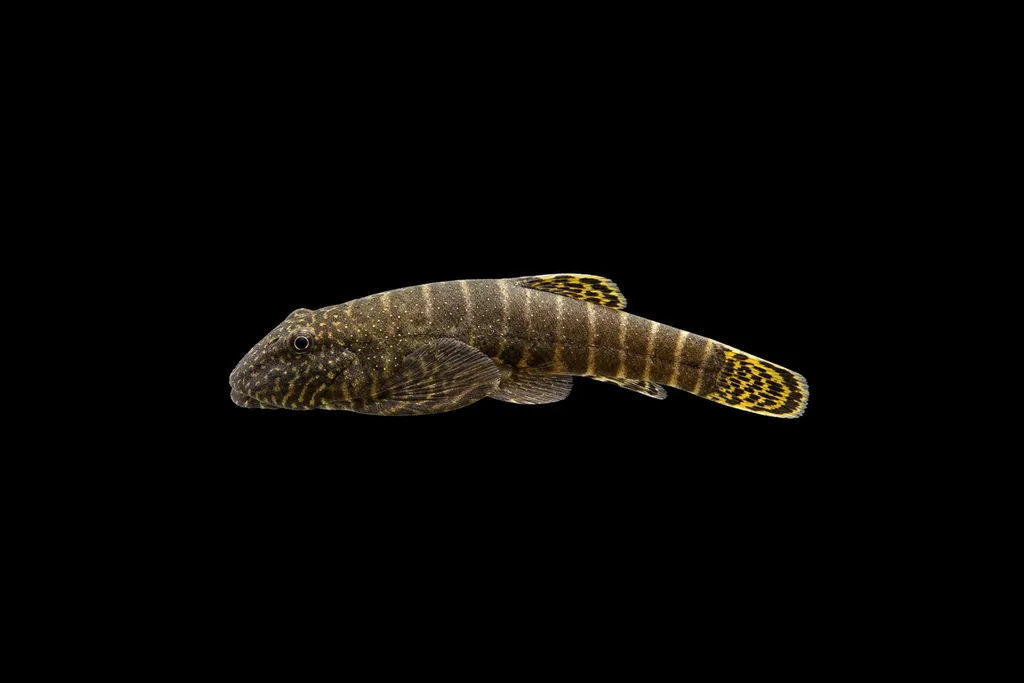
Embaloh Borneo sucker
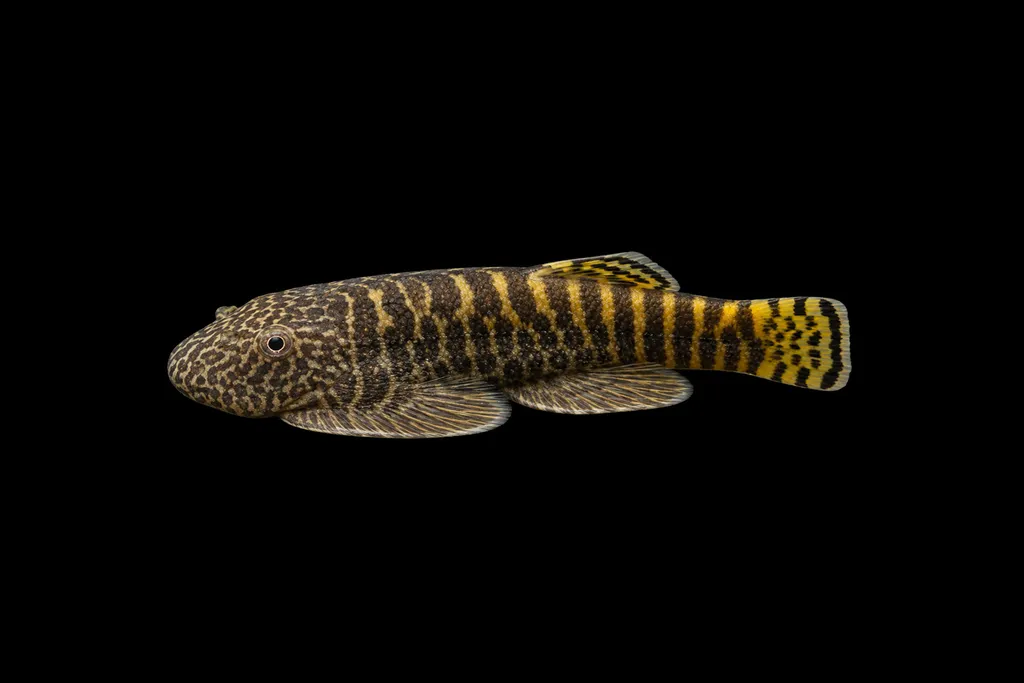
Gastromyzon embalohensis
Also known as Embaloh hillstream loach, Yellow leopard sucker loach
FreshwaterFish
Care at a glance
- Temperature
- 72–79°F
- 22–26°C
- pH
- 6.5–7.5
- Adult size
- 2 in
- 5 cm
- Minimum tank
- 20 gal
- 75 L
- Temperament
- Peaceful
- Social behavior
- Social
- Swim level
- Bottom
- Difficulty
- Difficult
- Breeding
- No record
- Rarity
- Rare
- Family
- Gastromyzontidae
- Origin
- Embaloh River, Kapuas basin, Kalimantan, Indonesia
Overview
The Embaloh Borneo sucker is a flat, disc-shaped grazer that fastens to stone in fast, warm water. Its care is difficult, so it suits an experienced keeper.
Did you know
The Embaloh Borneo sucker's genus was overhauled by Heok Hui Tan in 2006, whose monograph sorted it into 36 species. Most of those species are tied to a single river system. This one had already been named from its home stream eight years earlier.
Caring for the Embaloh Borneo sucker
Give a group of Embaloh Borneo suckers a tank of 20 gal (75 L) or more. That gives them enough rock to spread out over. Build the layout from smooth, water-worn stones over sand and gravel, and let algae film the rockwork. Run strong flow and keep the water saturated with oxygen.
Keep the water at 72 to 79°F (22 to 26°C), with a pH of 6.5 to 7.5. It eats mainly the algal film on rock, so start it in a mature tank with established growth. Then add fine sinking foods and finely crushed wafers to keep its condition up.
The Embaloh Borneo sucker is peaceful and sociable, so keep a small group of five or six. Males square off over the best-lit grazing stones, but the contests are harmless posturing. Keep it only with small, gentle fish that share its taste for strong current and warm, clean water. Its breeding has not been documented in the hobby.
Good to know
The Embaloh Borneo sucker is one of the smaller Borneo suckers. Gastromyzon is the type genus of that group, within the hillstream loach family Gastromyzontidae. The name joins Greek roots for belly and to suck, describing the sucker-like disc on its underside. Rachmatika described this species in 1998 from the river that gives it its name.
In the wild
Gastromyzon embalohensis comes from the Embaloh, a clear tributary of the Kapuas River in West Kalimantan, on the Indonesian side of Borneo. Its home waters are warm equatorial hill streams rather than cold ones.
Weekly picks
Tank mates
The Embaloh Borneo sucker is a peaceful, social species that keeps to the bottom. These picks share a community profile with it, are safe together in both directions, and overlap on water type, temperature and pH.
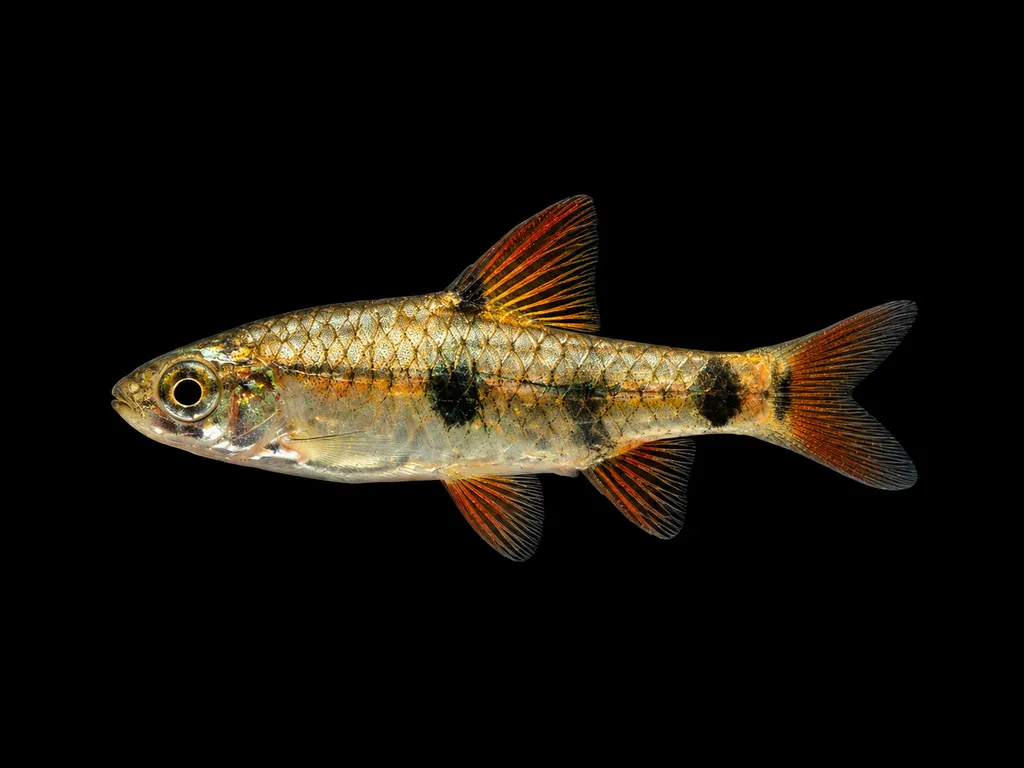
Canius barb
Pethia canius
Freshwater1.6 in (4 cm) · 20 gal (75 L)68–79°F (20–26°C)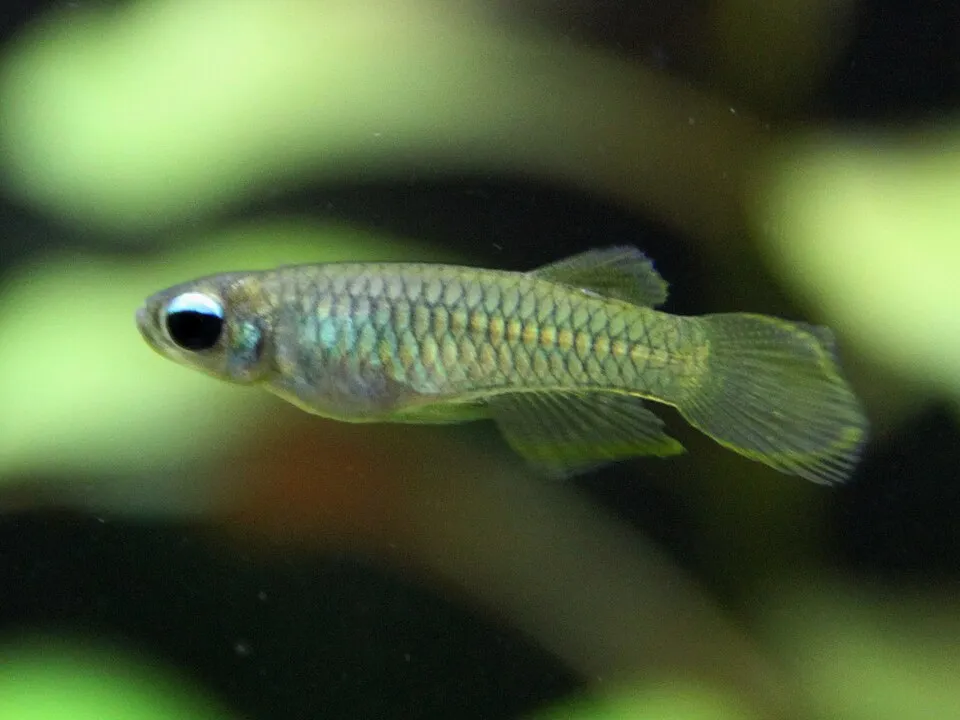
Norman's lampeye
Poropanchax normani
Freshwater1.6 in (4 cm) · 20 gal (75 L)72–79°F (22–26°C)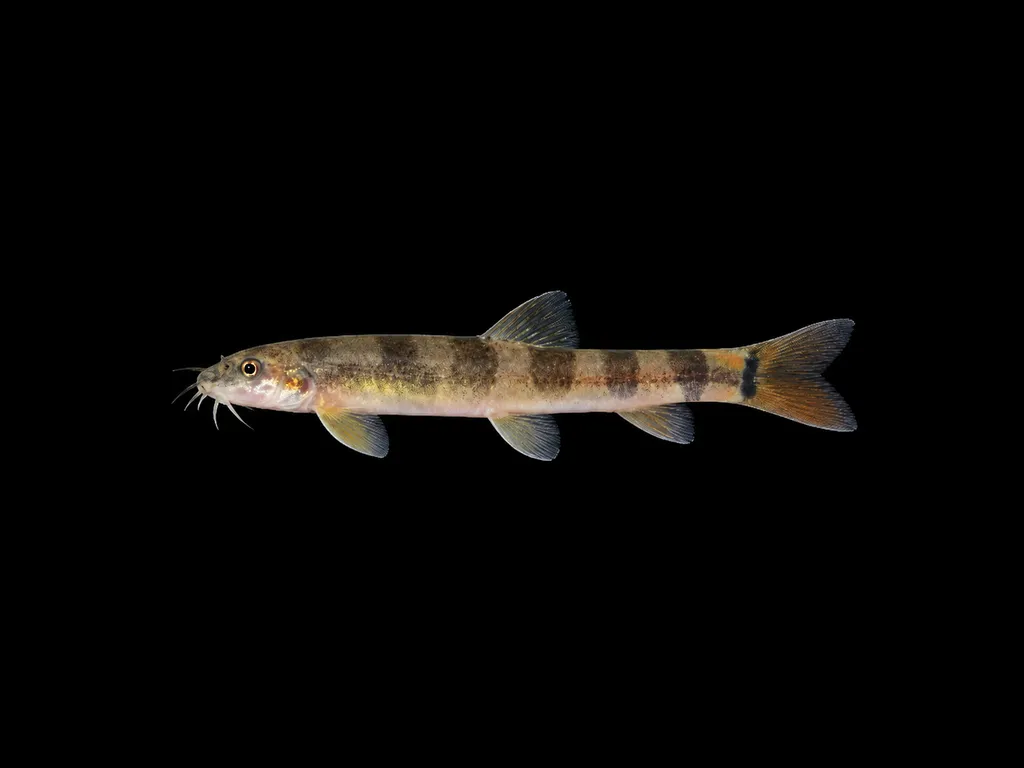
Aizawl loach
Schistura aizawlensis
Freshwater2.4 in (6 cm) · 20 gal (75 L)68–79°F (20–26°C)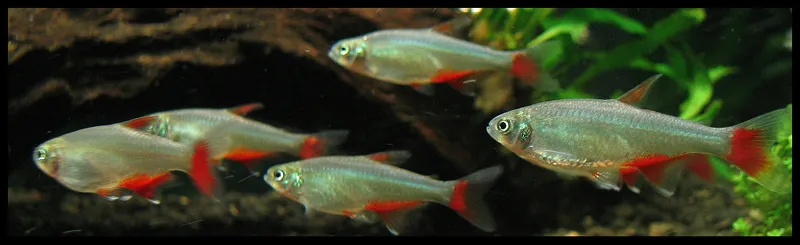
Bloodfin tetra
Aphyocharax anisitsi
Freshwater2.2 in (5.5 cm) · 20 gal (75 L)72–82°F (22–28°C)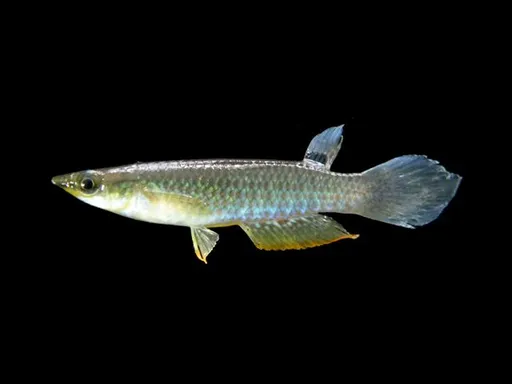
Blue panchax
Aplocheilus panchax
Freshwater3.5 in (9 cm) · 20 gal (75 L)72–82°F (22–28°C)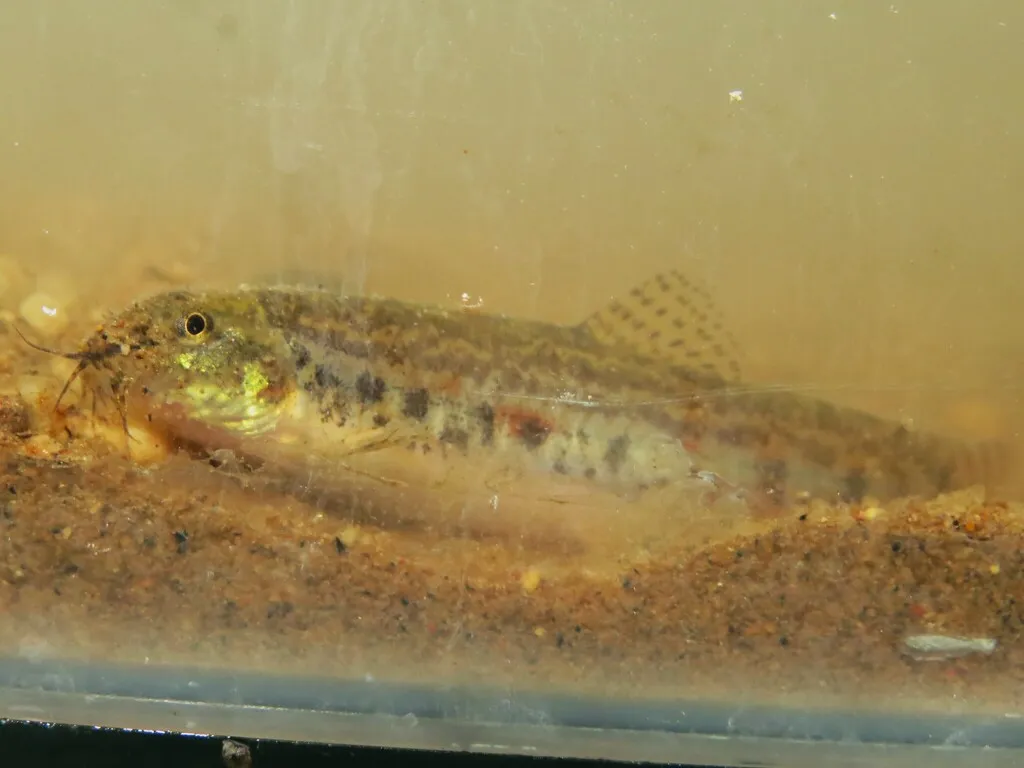
Common spiny loach
Lepidocephalichthys thermalis
Freshwater3.1 in (8 cm) · 20 gal (75 L)72–82°F (22–28°C)
Common questions
What size tank does an Embaloh Borneo sucker need?
An Embaloh Borneo sucker needs at least 20 gal (75 L). It spends most of its time in the bottom.
What temperature and pH does an Embaloh Borneo sucker need?
An Embaloh Borneo sucker is comfortable at 72–79°F (22–26°C) with a pH of 6.5–7.5.
What does an Embaloh Borneo sucker eat?
An Embaloh Borneo sucker eats mainly the algal film on rock. Add fine sinking foods and finely crushed wafers to keep its condition up.
How big does an Embaloh Borneo sucker get?
An adult Embaloh Borneo sucker reaches about 2 in (5 cm).
Related species
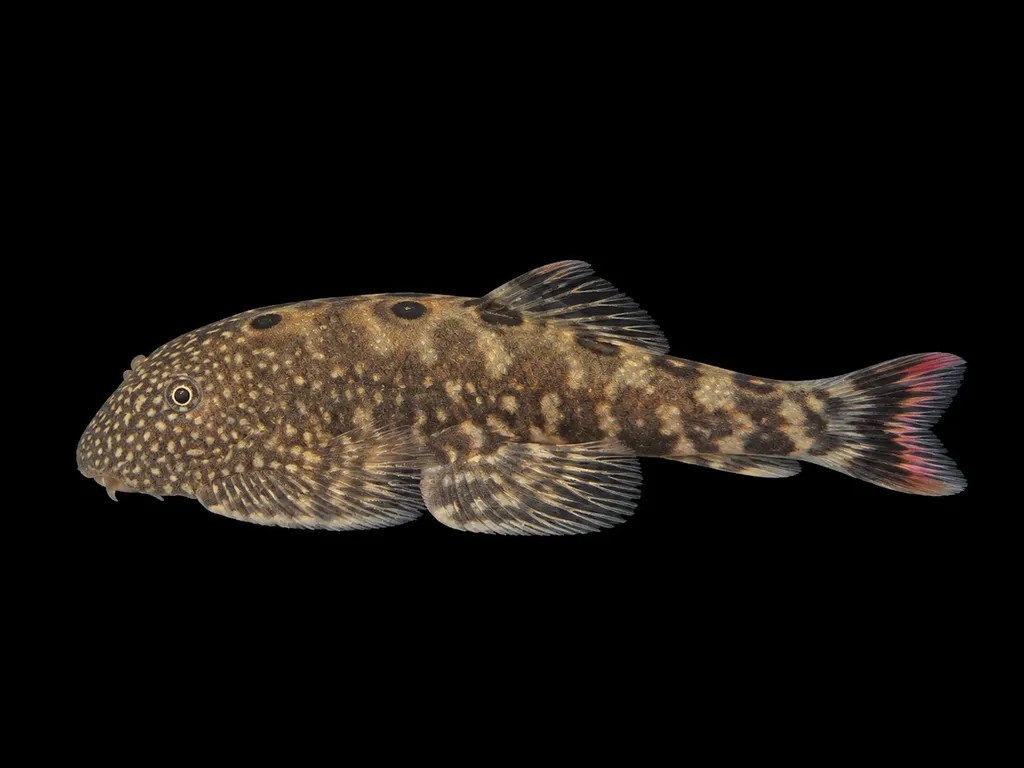 2.1 in (5.4 cm)20 gal (75 L)68–77°F (20–25°C)
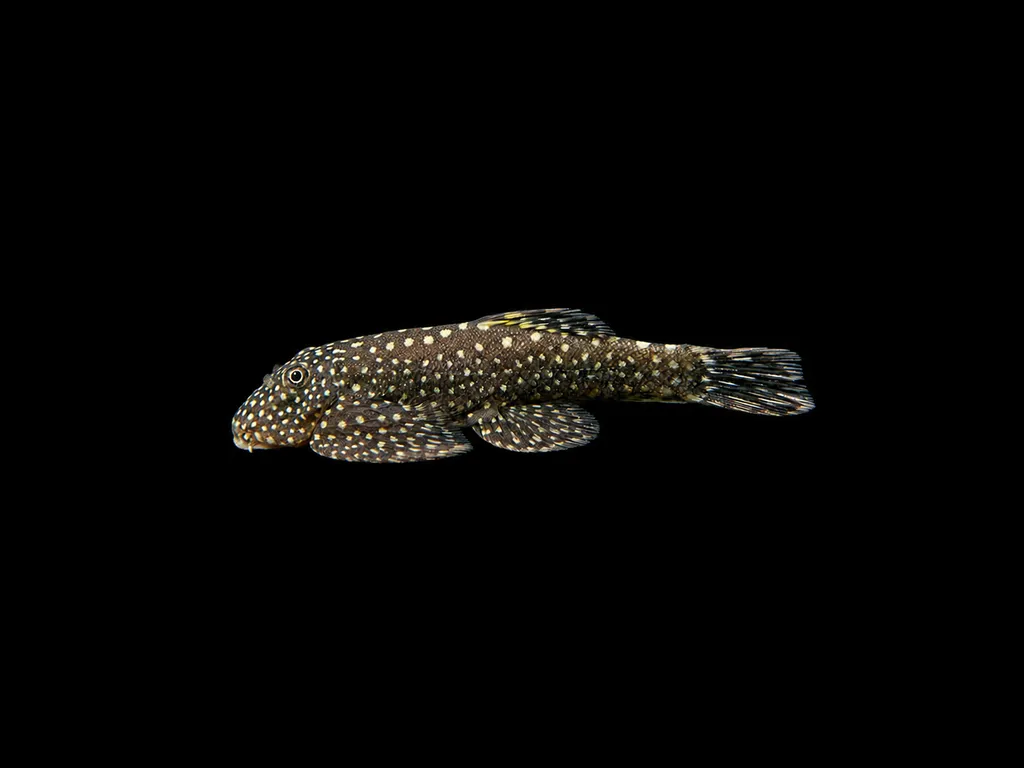
Eyespotted Borneo sucker
Gastromyzon ocellatus
2.1 in (5.4 cm) · 20 gal (75 L)
 2.2 in (5.5 cm)20 gal (75 L)68–77°F (20–25°C)
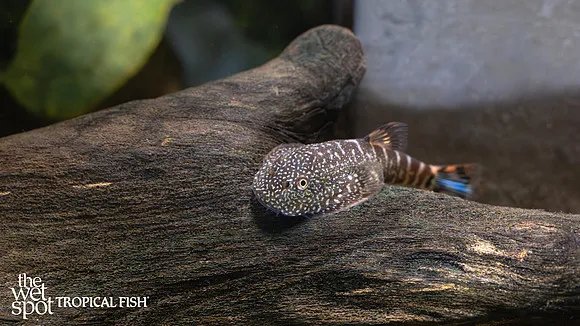
Serian Borneo sucker
Gastromyzon scitulus
2.2 in (5.5 cm) · 20 gal (75 L)
 2.4 in (6.2 cm)20 gal (75 L)68–77°F (20–25°C)
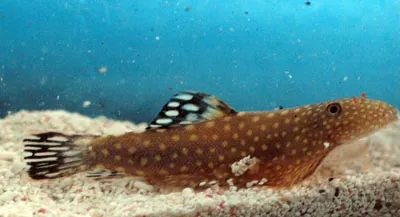
Starry Borneo sucker
Gastromyzon stellatus
2.4 in (6.2 cm) · 20 gal (75 L)
 1.6 in (4 cm)20 gal (75 L)68–75°F (20–24°C)
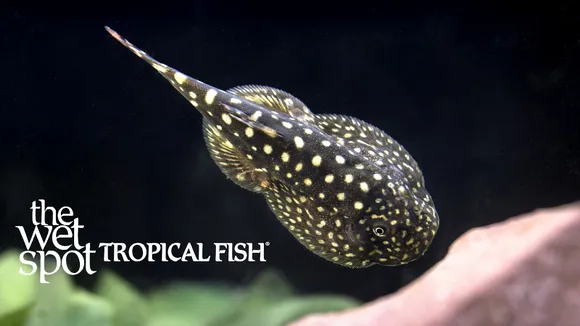
Borneo hillstream loach
Gastromyzon ctenocephalus
1.6 in (4 cm) · 20 gal (75 L)
 2.6 in (6.5 cm)20 gal (75 L)68–75°F (20–24°C)
Spotted hillstream loach
Gastromyzon punctulatus
2.6 in (6.5 cm) · 20 gal (75 L)
 2.6 in (6.5 cm)20 gal (75 L)72–79°F (22–26°C)
Yellowfin Borneo sucker
Gastromyzon viriosus
2.6 in (6.5 cm) · 20 gal (75 L)