Fork-tailed loach
Vaillantella maassi
Also known as Forktail Loach
FreshwaterFish
Care at a glance
- Temperature
- 73–84°F
- 23–29°C
- pH
- 6.0–7.5
- Adult size
- 4.7 in
- 12 cm
- Minimum tank
- 46 gal
- 175 L
- Temperament
- Mostly peaceful
- Social behavior
- Solitary
- Tankmates
- With caution
- Swim level
- Bottom
- Difficulty
- Difficult
- Breeding
- No record
- Rarity
- Very rare
- Family
- Vaillantellidae
- Origin
- Sumatra, Borneo
Overview
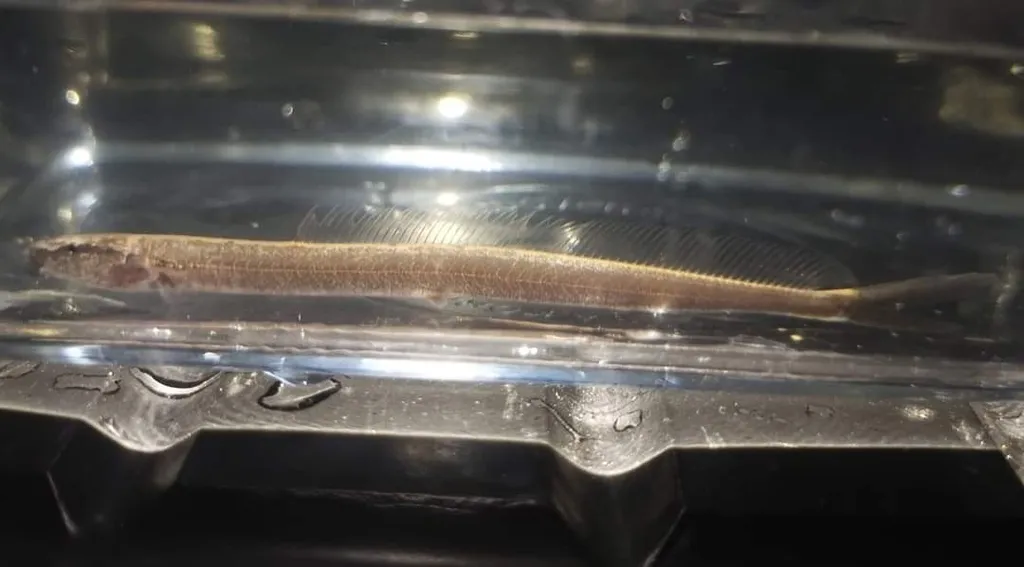
The fork-tailed loach is an unusual, demanding species that does not school and is best kept singly, since it can be touchy toward its own kind in anything but a very large, broken-up layout. It keeps to the bottom, threading through wood and leaf litter in search of small foods, and it is otherwise mostly peaceful toward unrelated tankmates. Choose calm, soft-water community fish and avoid boisterous company that will outcompete it at feeding. Offer small live and frozen foods such as bloodworms, daphnia, and brine shrimp, since it can be a fussy eater. Give a single fish plenty of floor space in a tank of around 175 liters or more.
In the wild
Vaillantella maassi ranges through Sumatra, Borneo, and the Malay Peninsula into southeastern Thailand, living at the shady margins of forest streams. Many of these streams rise in peat and run as soft, tea-colored blackwater, warm at 23 to 29 C and acidic to neutral at about pH 6 to 7.5. A suitable tank is dimly lit and richly furnished with driftwood, roots, and a bed of leaf litter that stains the water and lowers hardness. Gentle, steady flow and spotless water help this sensitive loach, which reacts badly to poor conditions.
Good to know
Vaillantella maassi is the best known member of Vaillantellidae, a tiny family of just three species. It grows to about 12 cm and is instantly recognized by its extremely long dorsal fin, which runs most of the length of the back, and its deeply forked tail with a greatly extended upper lobe. These fins give the fish its common name. Breeding is unrecorded in aquaria, and the fish in the trade are wild caught, which adds to the challenge of keeping it.
Did you know
The genus Vaillantella stands apart from every other loach in its remarkably long dorsal fin, which can carry sixty to more than seventy rays. Combined with the deeply forked tail, it gives the fish a flowing, almost ribbon-like profile unlike any of its bottom-dwelling cousins.
Common questions
What size tank does a Fork-tailed loach need?
A Fork-tailed loach needs at least 46 gal (175 L). It spends most of its time in the bottom.
What temperature and pH does a Fork-tailed loach need?
A Fork-tailed loach is comfortable at 73–84°F (23–29°C) with a pH of 6.0–7.5.
How big does a Fork-tailed loach get?
An adult Fork-tailed loach reaches about 4.7 in (12 cm).
Related species
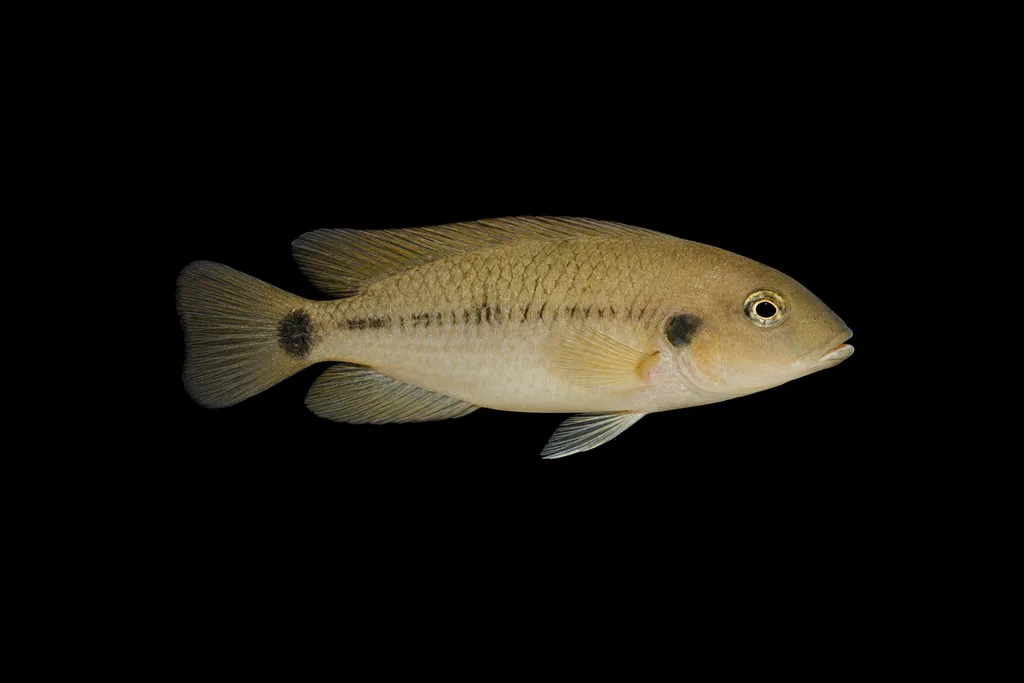 3.7 in (9.5 cm)53 gal (200 L)73–81°F (23–27°C)
Linke's mouthbrooder
Chromidotilapia linkei
3.7 in (9.5 cm) · 53 gal (200 L)
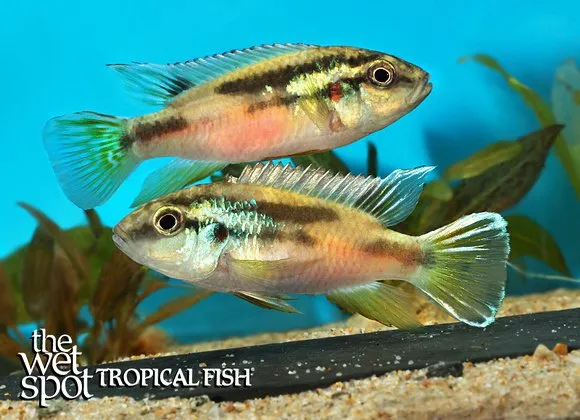 3.7 in (9.5 cm)42 gal (160 L)73–81°F (23–27°C)
Mungo blue benitochromis
Benitochromis finleyi
3.7 in (9.5 cm) · 42 gal (160 L)
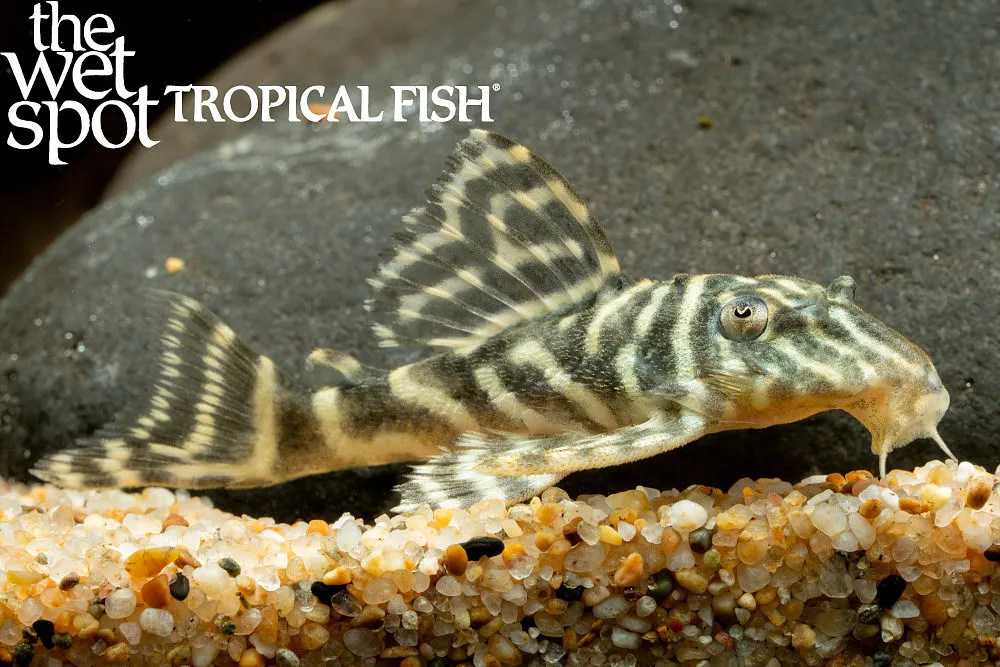 3.5 in (9 cm)20 gal (75 L)79–86°F (26–30°C)
Colombian zebra pleco (L129)
Hypancistrus debilittera
3.5 in (9 cm) · 20 gal (75 L)
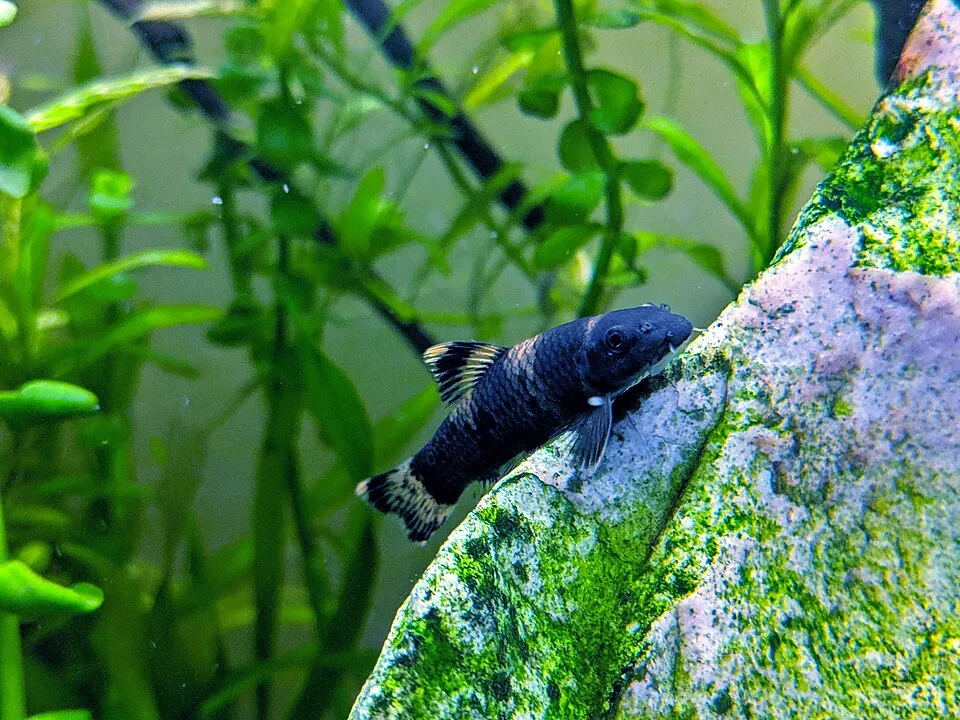 3.5 in (9 cm)26 gal (100 L)72–81°F (22–27°C)
Panda garra
Garra flavatra
3.5 in (9 cm) · 26 gal (100 L)
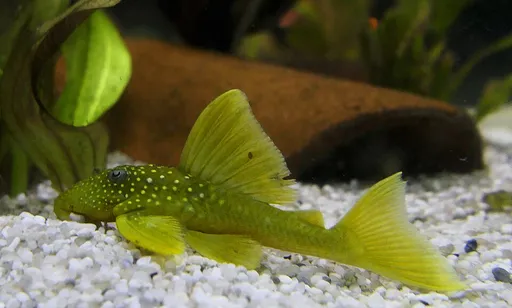 7.1 in (18 cm)53 gal (200 L)79–86°F (26–30°C)
Green phantom pleco (L200)
Hemiancistrus subviridis
7.1 in (18 cm) · 53 gal (200 L)
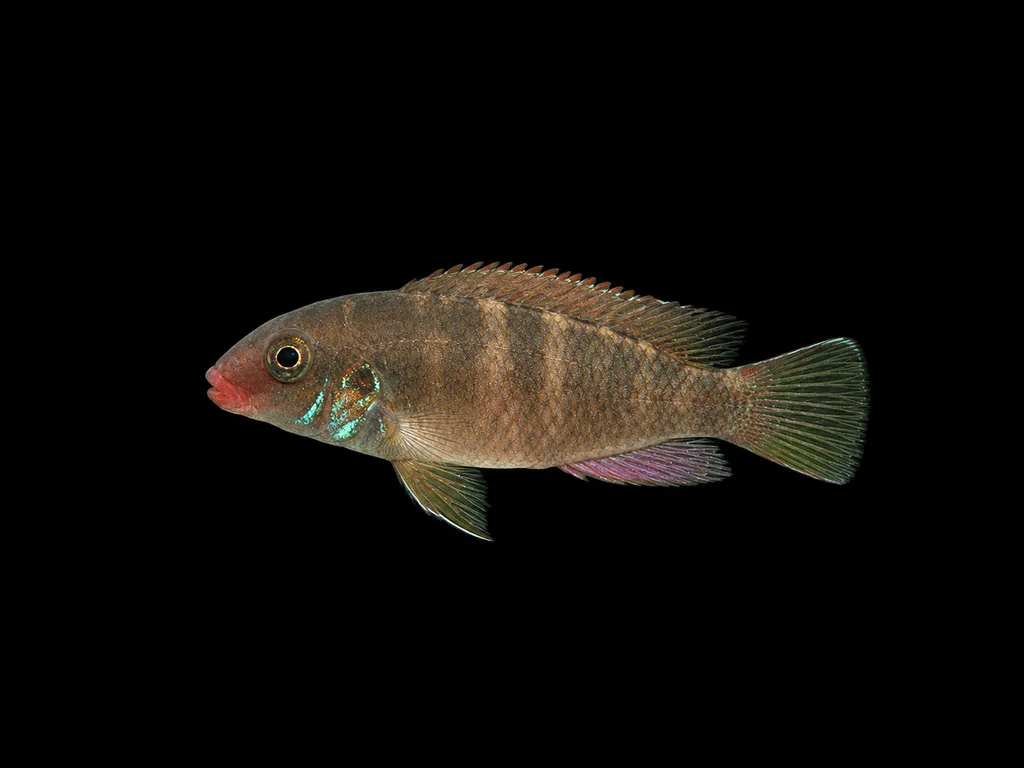 3.1 in (8 cm)42 gal (160 L)73–81°F (23–27°C)
Red-lipped krib
Wallaceochromis rubrolabiatus
3.1 in (8 cm) · 42 gal (160 L)