Zipper loach
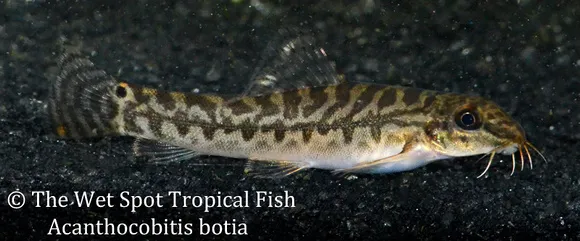
Paracanthocobitis botia
Also known as Mottled loach, Acanthocobitis botia
FreshwaterFish
Care at a glance
- Temperature
- 70–79°F
- 21–26°C
- pH
- 6.0–7.5
- Adult size
- 3.9 in
- 10 cm
- Minimum tank
- 29 gal
- 110 L
- Temperament
- Mostly peaceful
- Social behavior
- Shoaling
- Swim level
- Bottom
- Difficulty
- Easy
- Breeding
- No record
- Rarity
- Common
- Family
- Nemacheilidae
- Origin
- South and Southeast Asia: river basins from the Indus (Pakistan) east through the Ganges, Brahmaputra, Irrawaddy and Salween to the Mae Khlong (Thailand); core range the Brahmaputra in Assam, India
Overview
Keep them in a group of six or more, in a tank of 110 liters or larger with a footprint of at least 75 by 30 cm, and 90 cm or longer is better for a group. Kept singly or in pairs they turn shy and squabble, and even in a group rivals will fin-nip each other, so give them room and plenty of cover. They are mostly peaceful, active bottom dwellers that prefer the cooler tropical end, 21 to 26 C, with a pH of 6 to 7.5, and they want freshwater only, never brackish. Feed them as the micropredators they are, with small live and frozen foods like bloodworm, daphnia, and brine shrimp, plus good sinking dried foods.
In the wild
Zipper loaches range across South and Southeast Asia, from the Indus in Pakistan east through the Ganges, Brahmaputra, Irrawaddy, and Salween to the Mae Khlong in Thailand, with their core range in the Brahmaputra of Assam, India. They live in flowing, well-oxygenated streams over sand and rock. To match that, give them a tank of at least 110 liters with a sandy substrate they can dig and sift through, smooth rocks, caves, leaf litter, and some plants. Add brisk stream-like flow with a filter turning over about 4 to 5 times the tank volume per hour. Keep the water between 21 and 26 C and a pH of 6 to 7.5.
Good to know
This is Paracanthocobitis botia, a stone loach in the family Nemacheilidae. Realistic adult size is roughly 8 to 10 cm, despite an often-cited 14.9 cm FishBase figure that traces back to misidentified specimens. Almost all fish in the trade are wild-caught, since there is no reliable aquarium breeding record.
Did you know
They are tireless sand-sifters, constantly taking in mouthfuls of substrate and pushing it back out through the gills to pick out small food. That habit is why sand matters so much for them. Gravel does not pass through the same way and can wear down their mouths and barbels over time.
Weekly picks
Tank mates
Zipper loach is a mostly peaceful, shoaling species that keeps to the bottom. These picks share a community profile with it, are safe together in both directions, and overlap on water type, temperature and pH.
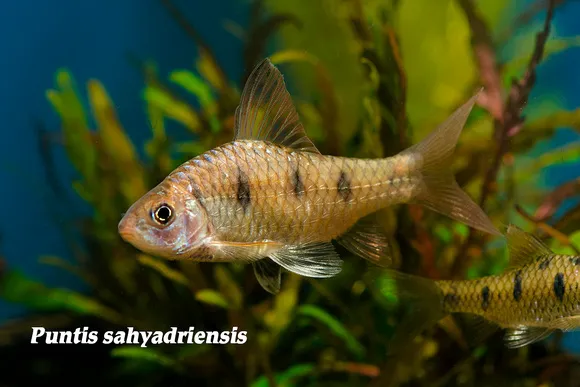
Maharaja barb
Puntius sahyadriensis
Freshwater3.5 in (9 cm) · 29 gal (110 L)68–79°F (20–26°C)
Redfin halfbeak
Nomorhamphus ebrardtii
Freshwater3.5 in (9 cm) · 29 gal (110 L)75–81°F (24–27°C)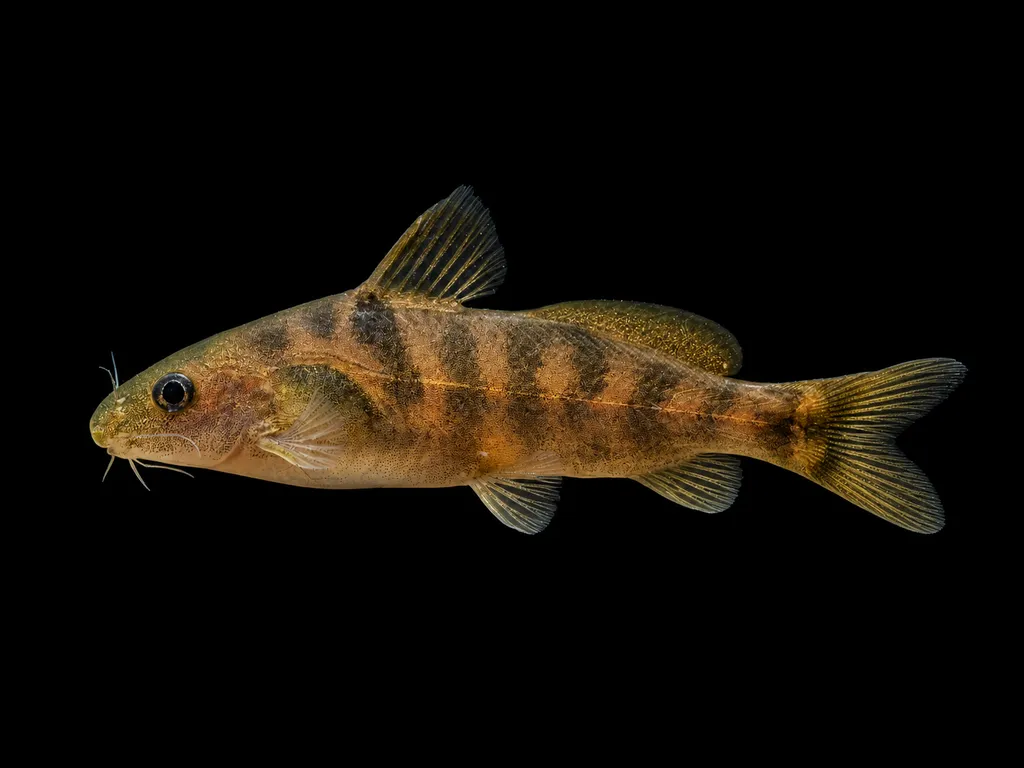
Bengal tiger catfish
Batasio fluviatilis
Freshwater5 in (12.8 cm) · 29 gal (110 L)72–79°F (22–26°C)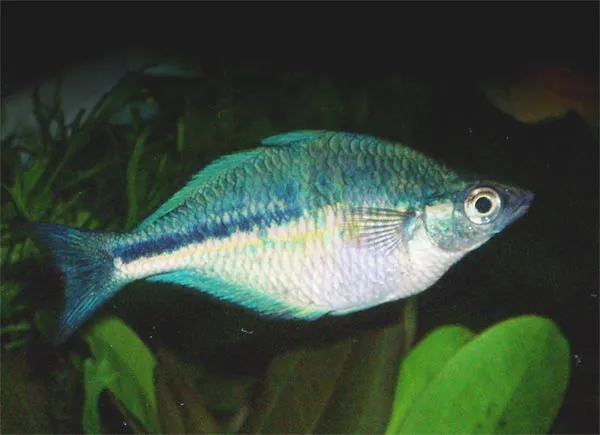
Lake Kutubu rainbowfish
Melanotaenia lacustris
Freshwater4.3 in (11 cm) · 29 gal (110 L)68–77°F (20–25°C)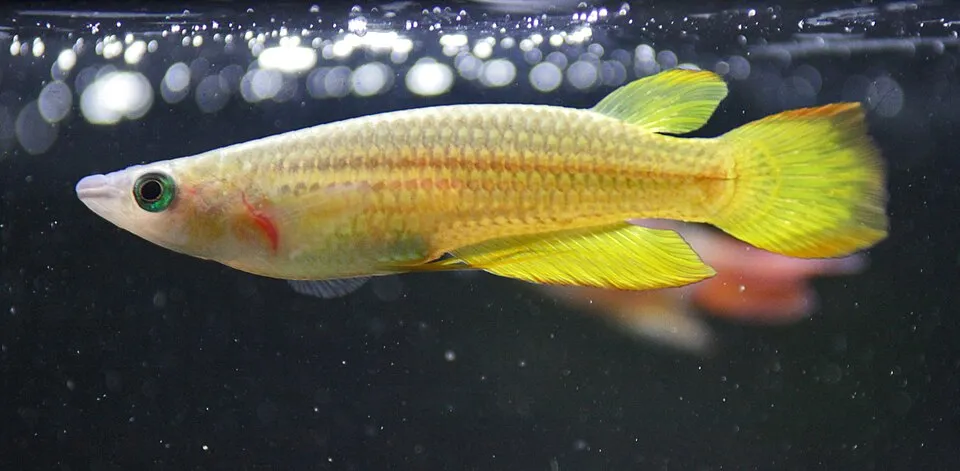
Striped panchax
Aplocheilus lineatus
Freshwater4.3 in (11 cm) · 30 gal (115 L)72–77°F (22–25°C)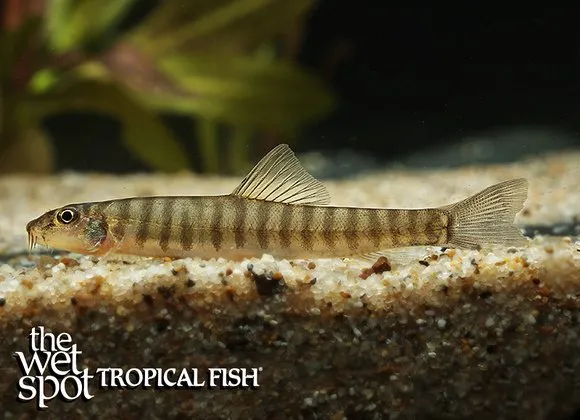
Creek loach
Schistura beavani
Freshwater3.9 in (10 cm) · 29 gal (110 L)64–77°F (18–25°C)
Common questions
What size tank does a Zipper loach need?
A Zipper loach needs at least 29 gal (110 L). It spends most of its time in the bottom.
What temperature and pH does a Zipper loach need?
A Zipper loach is comfortable at 70–79°F (21–26°C) with a pH of 6.0–7.5.
How big does a Zipper loach get?
An adult Zipper loach reaches about 3.9 in (10 cm).
Does a Zipper loach need a group?
Yes. A Zipper loach is a shoaling species and should be kept in a group, not singly.
Related species
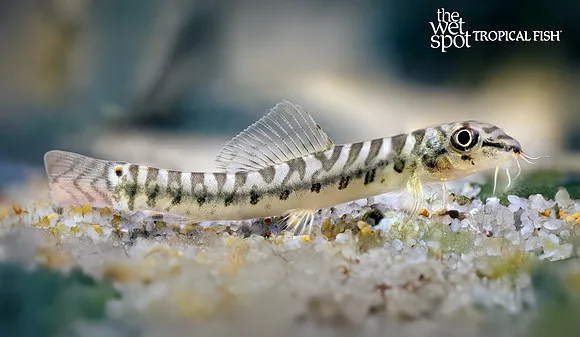 2.6 in (6.5 cm)20 gal (75 L)68–79°F (20–26°C)
Painted zipper loach
Paracanthocobitis pictilis
2.6 in (6.5 cm) · 20 gal (75 L)
- 3.9 in (10 cm)29 gal (110 L)64–77°F (18–25°C)
Creek loach
Schistura beavani
3.9 in (10 cm) · 29 gal (110 L)
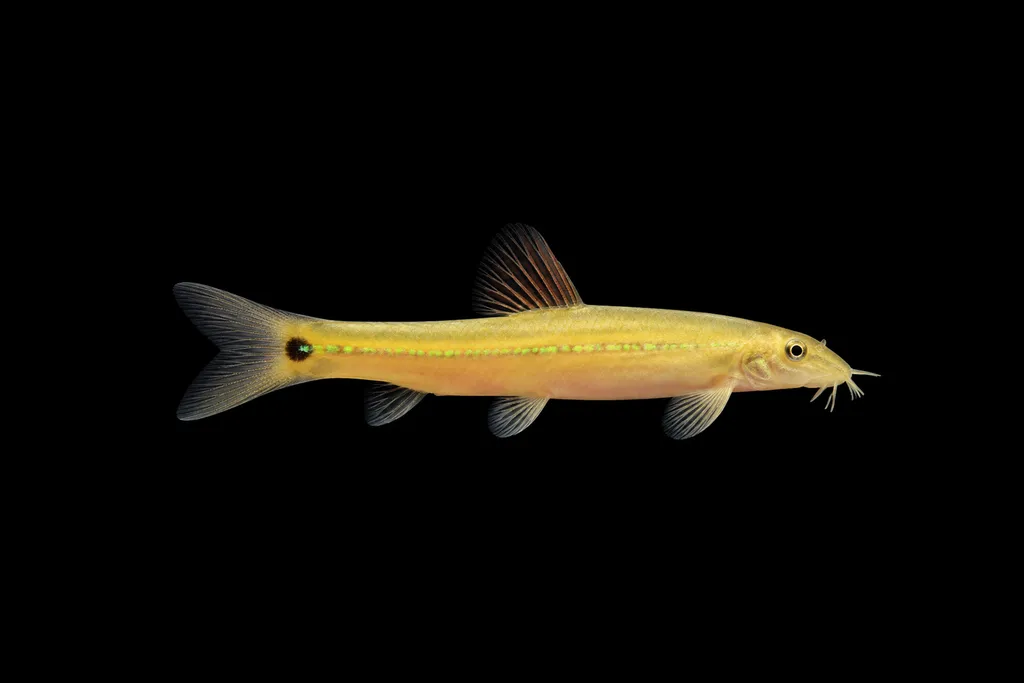 4.2 in (10.6 cm)29 gal (110 L)64–77°F (18–25°C)
Tubercled flower loach
Traccatichthys tuberculum
4.2 in (10.6 cm) · 29 gal (110 L)
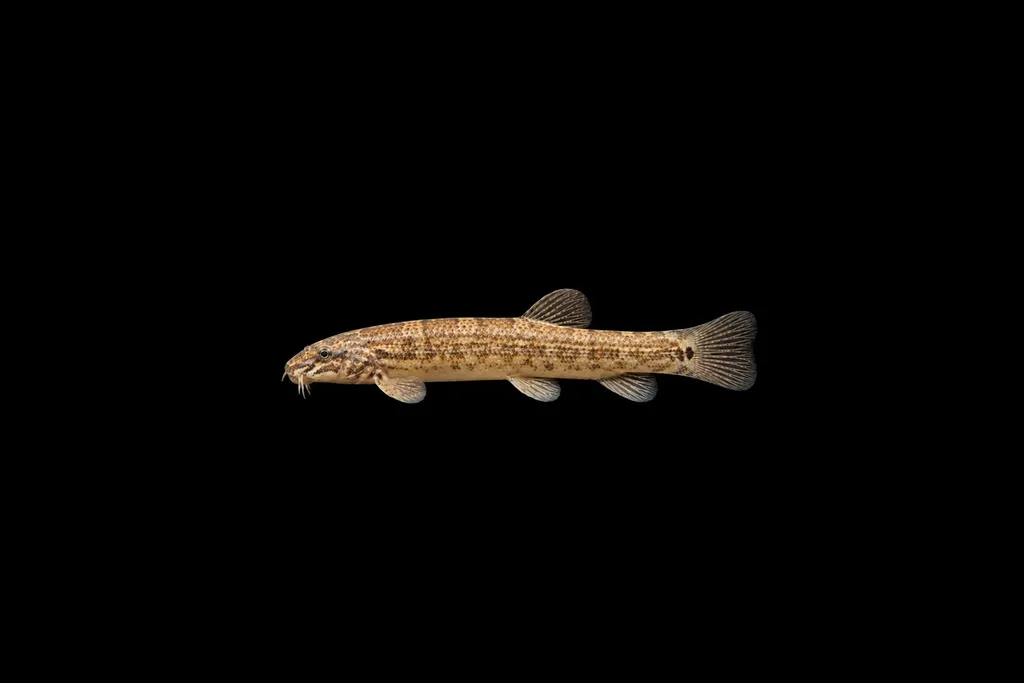 4.3 in (11 cm)29 gal (110 L)72–81°F (22–27°C)
Schultz's stone loach
Schistura schultzi
4.3 in (11 cm) · 29 gal (110 L)
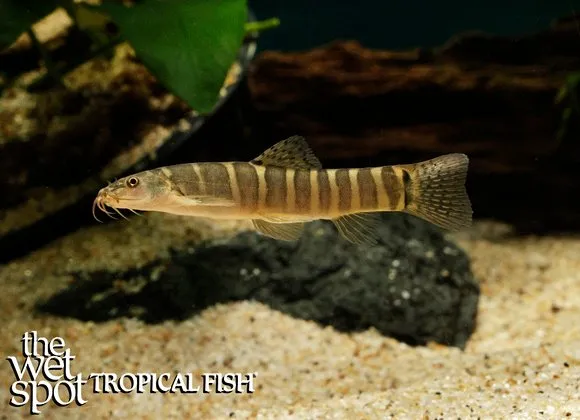 3.5 in (9 cm)24 gal (90 L)72–81°F (22–27°C)
Koh Chang loach
Schistura kohchangensis
3.5 in (9 cm) · 24 gal (90 L)
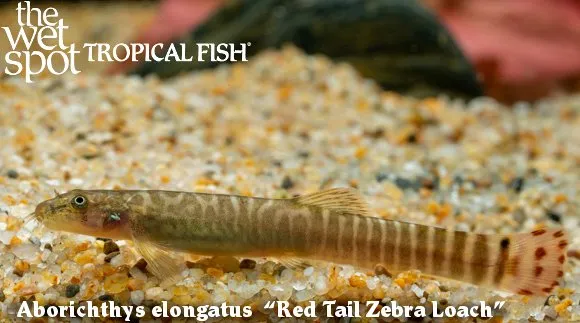 3.5 in (9 cm)24 gal (90 L)61–75°F (16–24°C)
Red-tail squirrel loach
Aborichthys elongatus
3.5 in (9 cm) · 24 gal (90 L)