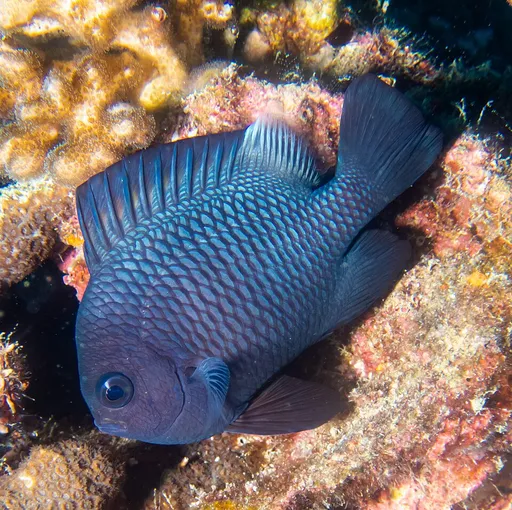
Domino damsel
Dascyllus trimaculatus
Also known as Three-Spot Dascyllus, Threespot Damselfish, Domino Damselfish
SaltwaterFish
Care at a glance
- Temperature
- 75–81°F
- 24–27°C
- pH
- 8.1–8.4
- Adult size
- 5.5 in
- 14 cm
- Minimum tank
- 55 gal
- 210 L
- Temperament
- Aggressive
- Social behavior
- Social
- Tankmates
- With caution
- Swim level
- Middle
- Diet
- Omnivore
- Difficulty
- Beginner
- Breeding
- Substrate spawner · Medium
- Rarity
- Very common
- Reef safe
- Reef safe with caution
- Family
- Pomacentridae
- Origin
- Indo-Pacific reefs
Overview
The domino damsel is famously tough as a juvenile, shrugging off water conditions that would stress most other fish. It is easy to keep, but it turns genuinely pushy as it grows.
Did you know
A well-kept domino damsel can live 20 years or more in an aquarium, well beyond its typical wild lifespan. That makes it one of the longest-lived fish in the entire damselfish family.
Caring for the domino damsel
Give the domino damsel at least 55 gal (210 L), since it grows larger and claims more space than most other Dascyllus. Keep the water at 75 to 81°F (24 to 27°C) and a pH of 8.1 to 8.4. Feed a varied diet of frozen mysis and brine shrimp, meaty foods, and some algae or flake to keep it in good condition.
A full-grown domino damsel claims a territory and will challenge fish several times its size. Keep it with equally confident tank mates rather than shy or slow-moving species. It can live in a group of its own kind.
It will not eat coral, but it can nip at soft corals and pick at small ornamental shrimp while foraging. Reef keepers should keep an eye on it around delicate invertebrates.
The male guards demersal eggs laid on cleared rock until they hatch. Breeding it is moderately difficult.
Good to know
The domino damsel, Dascyllus trimaculatus, is a damselfish in the family Pomacentridae. Juveniles are among the best-known sea anemone associates outside the clownfish subfamily. A mucus coating, similar to the one clownfish use, protects them from stings. The three white spots that give the fish its name fade with age, and adults darken to a solid blackish brown.
In the wild
The domino damsel ranges across the Indo-Pacific, from the Red Sea to French Polynesia. Juveniles shelter inside the tentacles of large sea anemones, sometimes alongside clownfish. Adults leave the anemone behind and move onto open reef and rubble to patrol a territory.
Common questions
What size tank does a domino damsel need?
A domino damsel needs at least 55 gal (210 L). It spends most of its time in the middle.
What temperature and pH does a domino damsel need?
A domino damsel is comfortable at 75–81°F (24–27°C) with a pH of 8.1–8.4.
What does a domino damsel eat?
A domino damsel eats a varied diet of frozen mysis, brine shrimp and other meaty foods. Add some algae or flake to keep it in good condition.
How big does a domino damsel get?
An adult domino damsel reaches about 5.5 in (14 cm).
How does a domino damsel breed?
Domino damsel males guard demersal eggs laid on cleared rock until they hatch. Breeding them is moderately difficult.
Related species
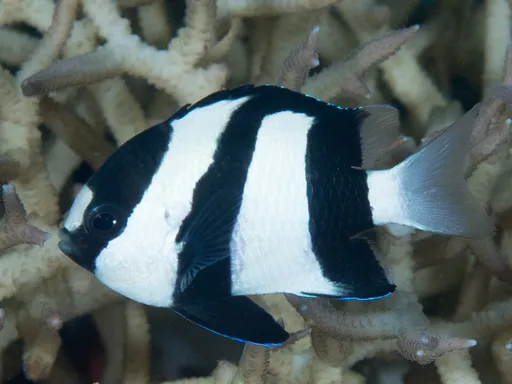 3.5 in (9 cm)29 gal (110 L)75–81°F (24–27°C)
Three-stripe damsel
Dascyllus aruanus
3.5 in (9 cm) · 29 gal (110 L)
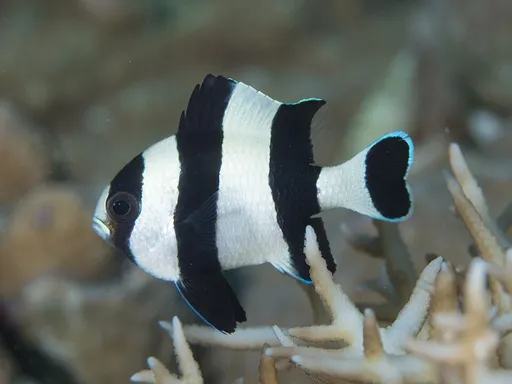 3.1 in (8 cm)29 gal (110 L)75–81°F (24–27°C)
Four-stripe damsel
Dascyllus melanurus
3.1 in (8 cm) · 29 gal (110 L)
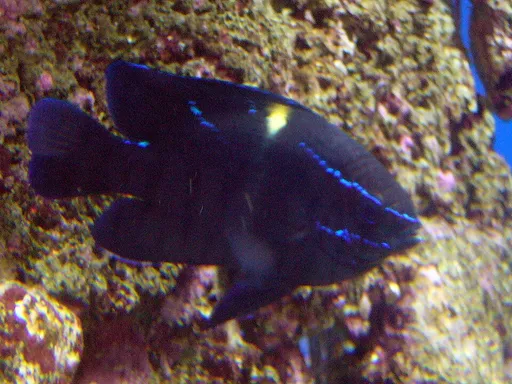 5.9 in (15 cm)55 gal (210 L)75–81°F (24–27°C)
Blue velvet damsel
Neoglyphidodon oxyodon
5.9 in (15 cm) · 55 gal (210 L)
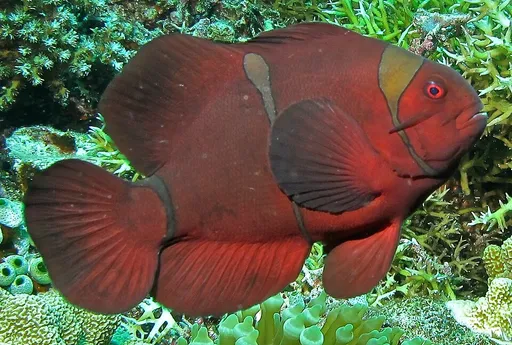 6.7 in (17 cm)40 gal (150 L)75–82°F (24–28°C)
Maroon clownfish
Premnas biaculeatus
6.7 in (17 cm) · 40 gal (150 L)
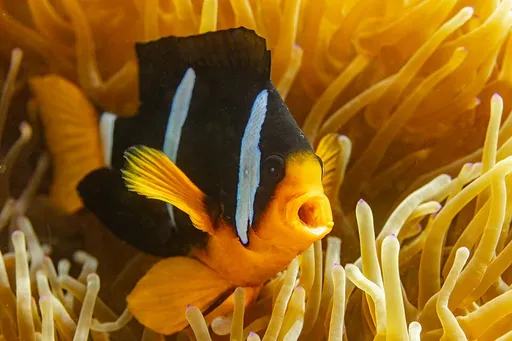 5.5 in (14 cm)30 gal (115 L)75–82°F (24–28°C)
Clark's clownfish
Amphiprion clarkii
5.5 in (14 cm) · 30 gal (115 L)
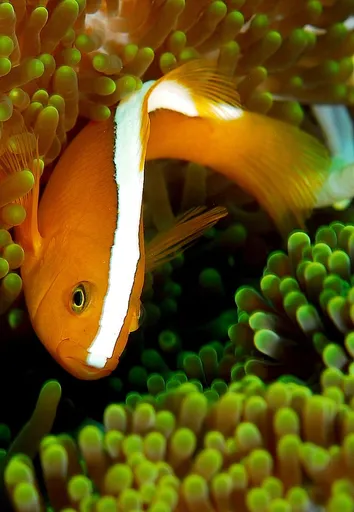 5.5 in (14 cm)30 gal (115 L)75–82°F (24–28°C)
Orange skunk clownfish
Amphiprion sandaracinos
5.5 in (14 cm) · 30 gal (115 L)