Bluefin killifish
Lucania goodei
Also known as Blue fin killifish
FreshwaterFish
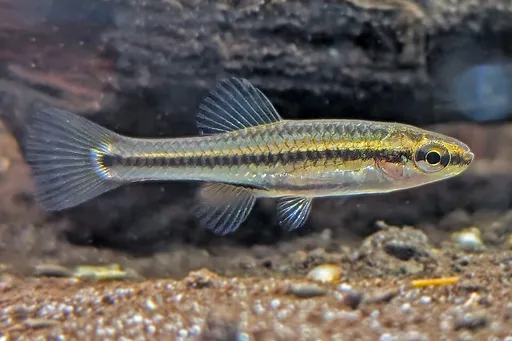
Care at a glance
- Temperature
- 64–77°F
- 18–25°C
- pH
- 6.5–7.5
- Adult size
- 2 in
- 5 cm
- Minimum tank
- 11 gal
- 40 L
- Temperament
- Mostly peaceful
- Social behavior
- Shoaling
- Swim level
- Middle
- Difficulty
- Easy
- Breeding
- Easy
- Rarity
- Common
- Family
- Fundulidae
- Origin
- Southeastern USA: peninsular Florida, with sporadic Atlantic-coast populations to South Carolina and SE Alabama
Overview
Keep them in a group of six or more in a tank of at least 40 liters, since males color up and display best with company and dither fish nearby. They are mostly peaceful schooling fish that hold to the middle of the water column. Run the water cool, roughly 18 to 25 C, at a pH from 6.5 to 7.5, and skip the heated tropical setup since long-term warmth shortens their lives. They are micropredators, so feed small live, frozen, and prepared foods like daphnia, baby brine, and micro pellets. Pair them with small, calm, cool-tolerant tankmates and avoid large or pushy fish that will outcompete them at feeding. This is a native species, so never release them or their water into local waterways, and check your local rules before keeping or moving them.
In the wild
Bluefin killifish come from quiet, heavily planted waters across peninsular Florida, with scattered populations up the Atlantic coast into South Carolina and southeastern Alabama. Think slow springs, ditches, and weedy pond margins thick with vegetation. Give them a tank of 40 liters or more with dense planting and some floating cover, since they are a bit shy and use the plants to feel secure. Soft to moderately hard water suits them, neutral-ish at a pH of 6.5 to 7.5. They are a cool-water, subtropical fish, happiest from about 18 to 25 C, so most homes need no heater at all.
Good to know
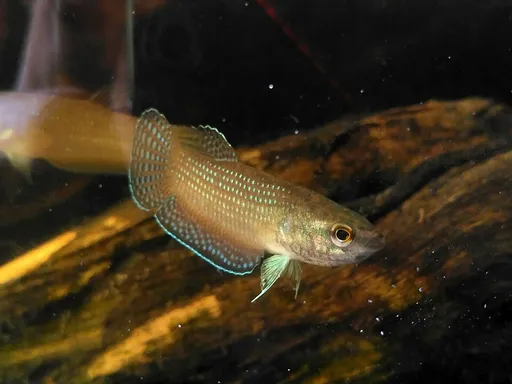
This is a small North American killifish in the family Fundulidae, reaching around 5 cm and reported up to about 6 cm in the wild, though aquarium adults usually settle near 4 to 5 cm. It is a continuous egg scatterer that lays into fine-leaved plants over an extended season, with no parental care. A well-kept fish lives a few years, and cooler water tends to lengthen that.
Did you know
Males earn the name by flaring bright blue and red in their fins, and the color show is a group affair. A lone male stays drab, but put several together and they spend the day sparring and displaying to each other, which is when the blue really comes out.
Weekly picks
Tank mates
Bluefin killifish is a mostly peaceful, shoaling species that keeps to the middle. These picks share a community profile with it, are safe together in both directions, and overlap on water type, temperature and pH.
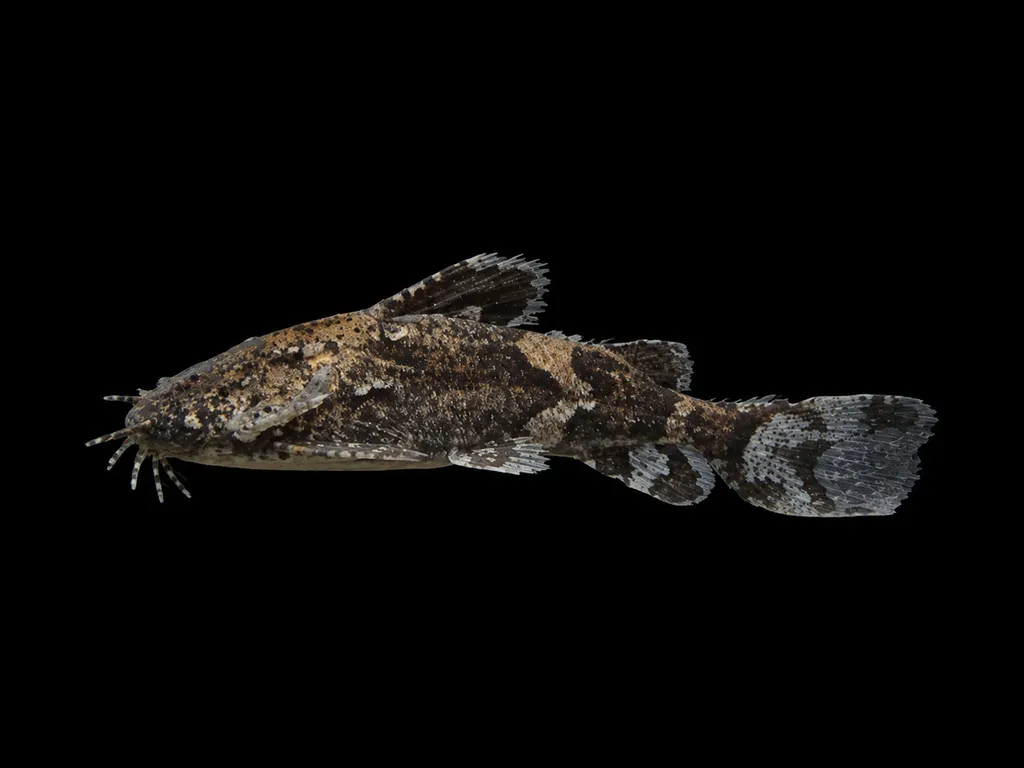
Burmese mini moth catfish
Hara minuscula
Freshwater1.2 in (3 cm) · 11 gal (40 L)68–79°F (20–26°C)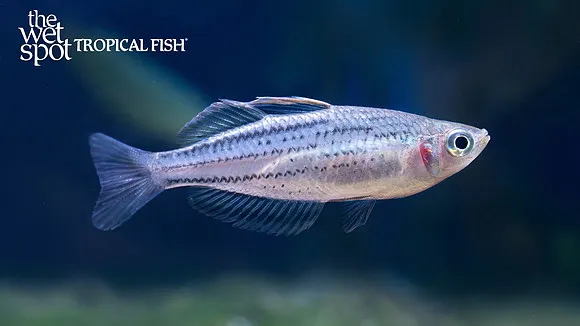
Green panchax
Aplocheilus blockii
Freshwater2 in (5 cm) · 11 gal (40 L)72–82°F (22–28°C)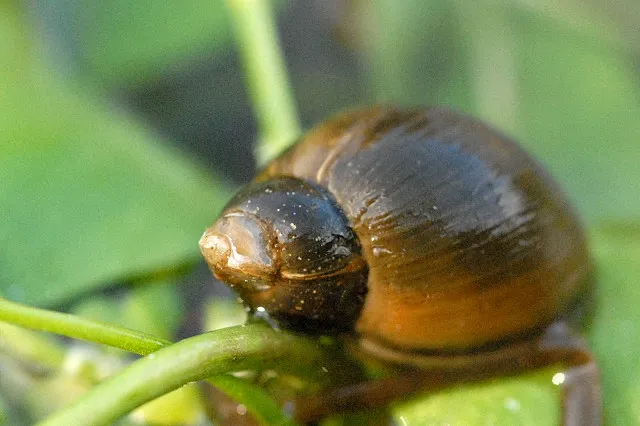
Wandering snail
Ampullaceana balthica
Freshwater0.8 in (2 cm) · 11 gal (40 L)50–84°F (10–29°C)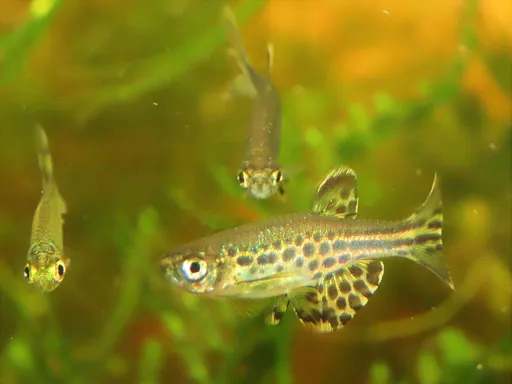
Gold ring danio
Danio tinwini
Freshwater1.2 in (3 cm) · 11 gal (40 L)64–79°F (18–26°C)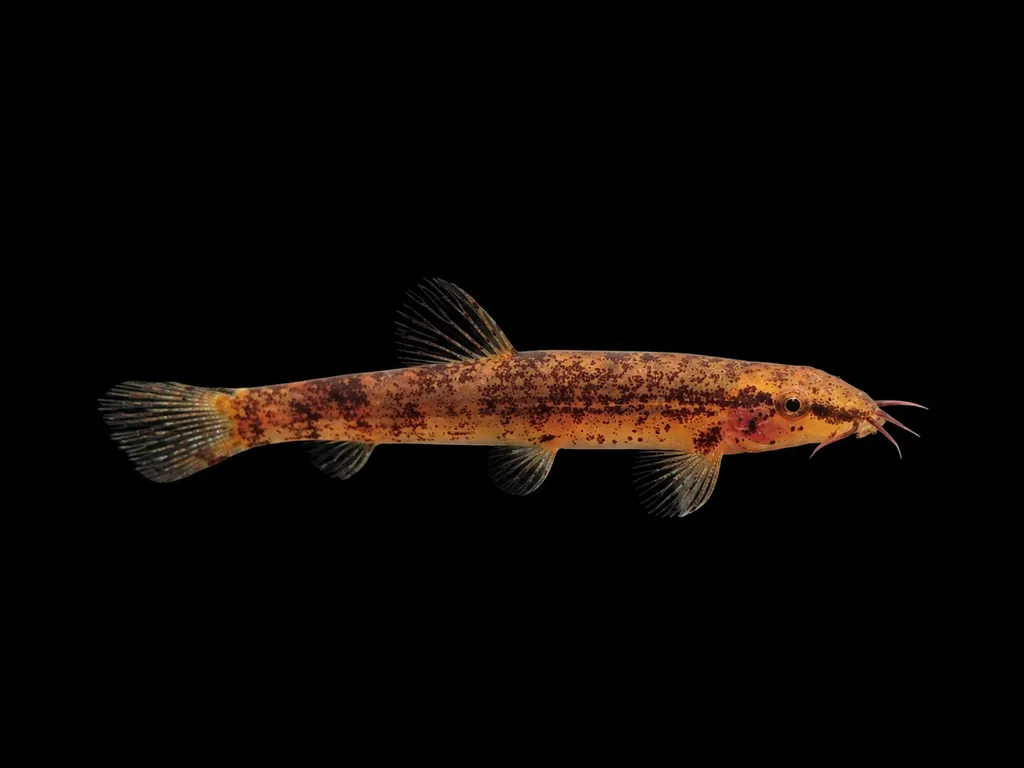
Dwarf lizard loach
Neohomaloptera johorensis
Freshwater1 in (2.5 cm) · 11 gal (40 L)72–79°F (22–26°C)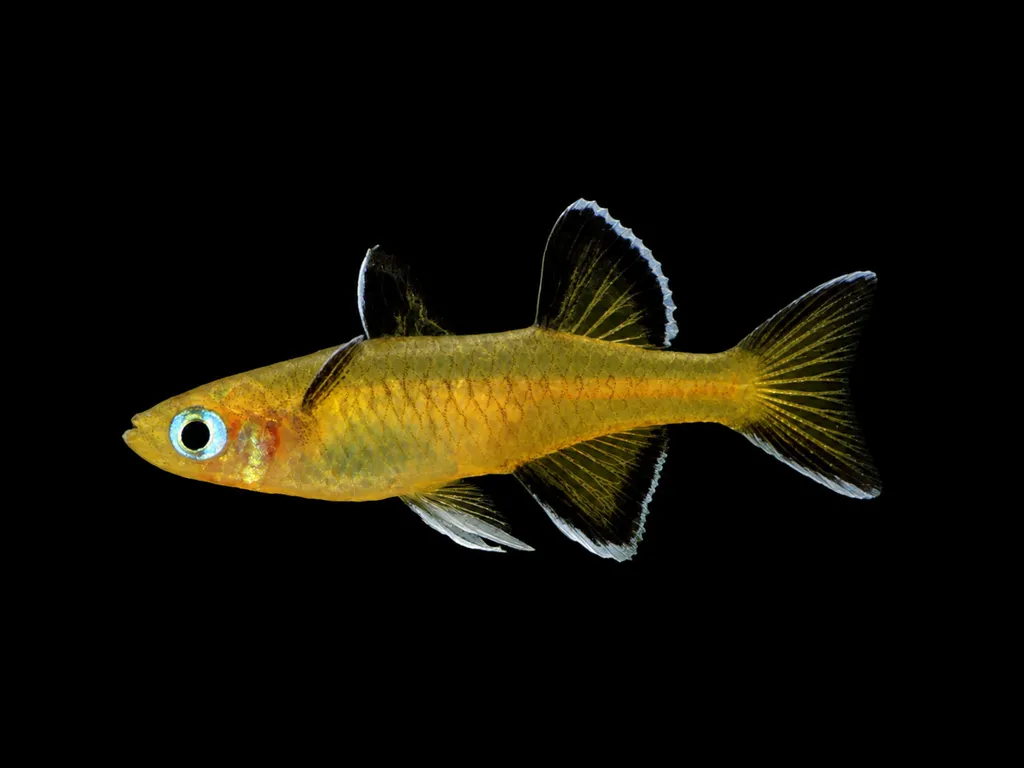
Honey blue-eye
Pseudomugil mellis
Freshwater1.4 in (3.5 cm) · 11 gal (40 L)68–82°F (20–28°C)
Common questions
What size tank does a Bluefin killifish need?
A Bluefin killifish needs at least 11 gal (40 L). It spends most of its time in the middle.
What temperature and pH does a Bluefin killifish need?
A Bluefin killifish is comfortable at 64–77°F (18–25°C) with a pH of 6.5–7.5.
How big does a Bluefin killifish get?
An adult Bluefin killifish reaches about 2 in (5 cm).
Does a Bluefin killifish need a group?
Yes. A Bluefin killifish is a shoaling species and should be kept in a group, not singly.
Related species
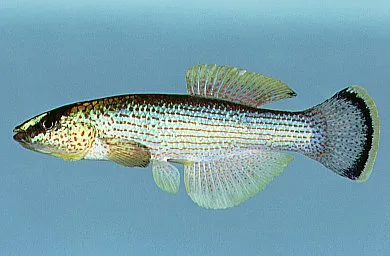 5.9 in (15 cm)37 gal (140 L)59–77°F (15–25°C)
Northern studfish
Fundulus catenatus
5.9 in (15 cm) · 37 gal (140 L)
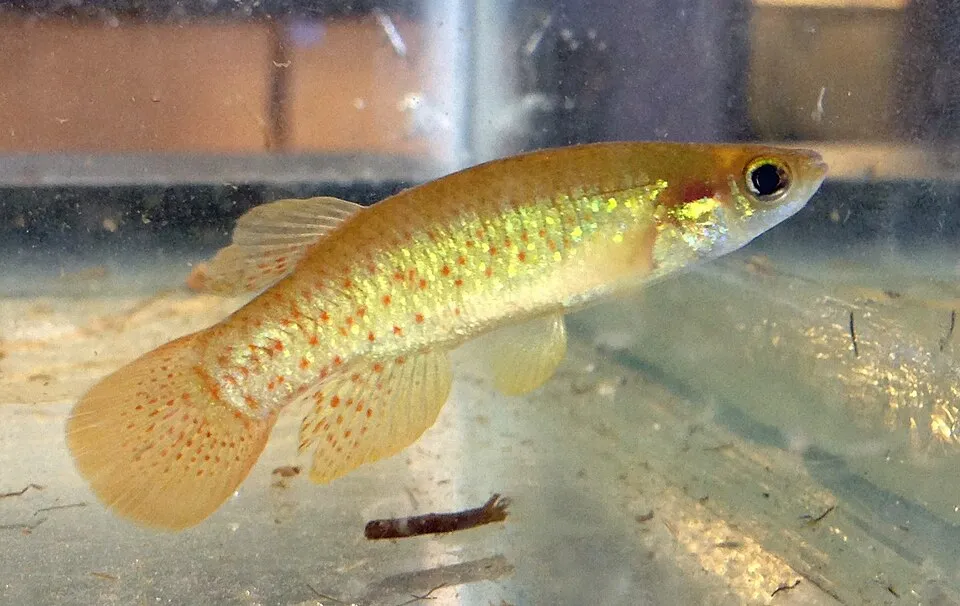 3 in (7.5 cm)22 gal (85 L)59–75°F (15–24°C)
Golden topminnow
Fundulus chrysotus
3 in (7.5 cm) · 22 gal (85 L)
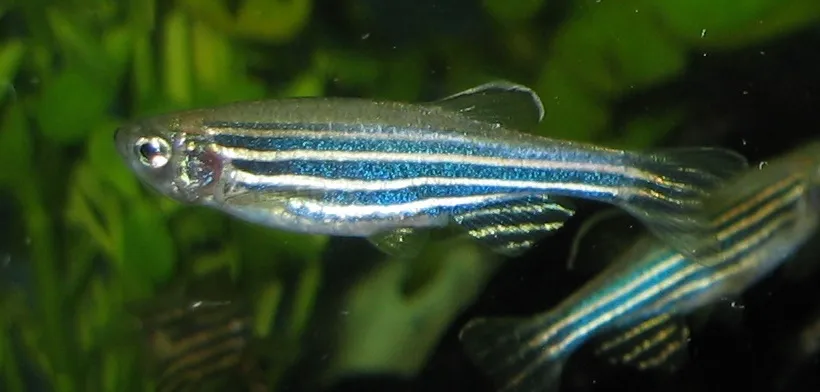 2 in (5 cm)15 gal (55 L)64–75°F (18–24°C)
Zebra danio
Danio rerio
2 in (5 cm) · 15 gal (55 L)
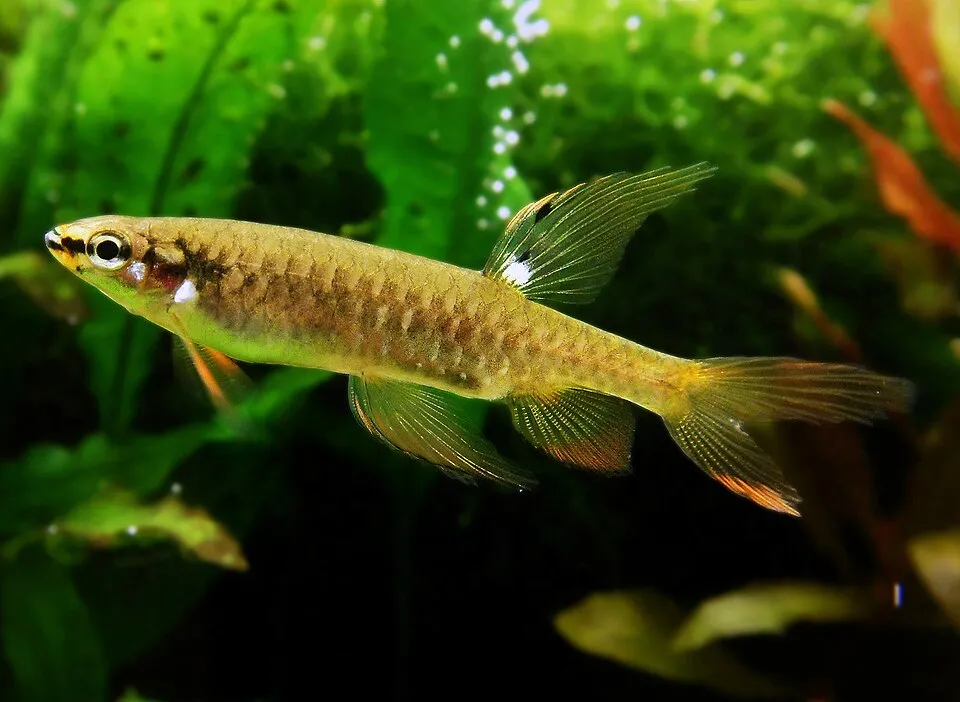 2.2 in (5.5 cm)18 gal (70 L)68–82°F (20–28°C)
Splash tetra
Copella arnoldi
2.2 in (5.5 cm) · 18 gal (70 L)
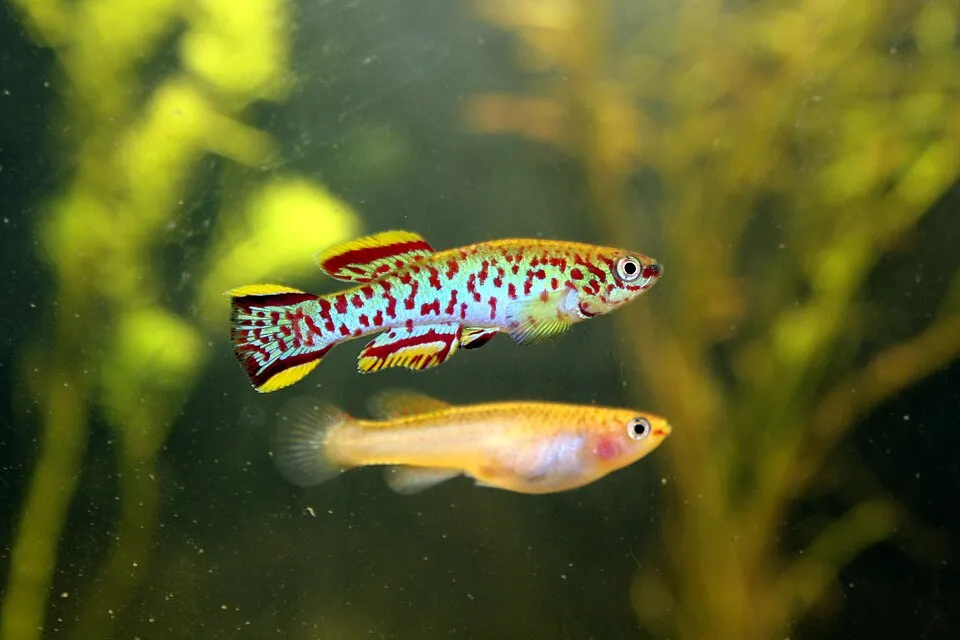 2.2 in (5.5 cm)21 gal (80 L)70–79°F (21–26°C)
Steel blue killifish
Fundulopanchax gardneri
2.2 in (5.5 cm) · 21 gal (80 L)
 2.4 in (6 cm)20 gal (75 L)72–81°F (22–27°C)
Edith's betta
Betta edithae
2.4 in (6 cm) · 20 gal (75 L)