Burmese badis
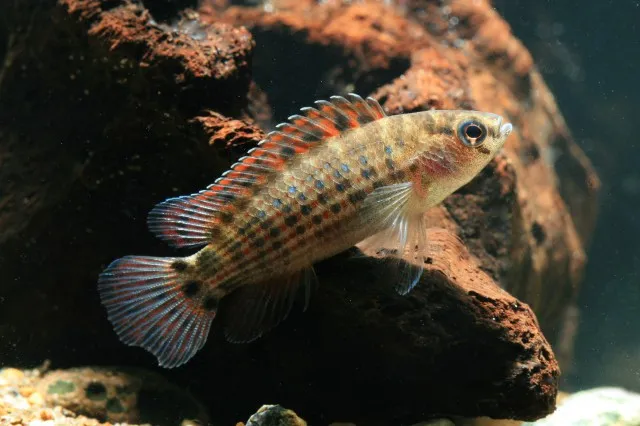
Badis ruber
Also known as Burmese Red Neon Badis
FreshwaterFish
Care at a glance
- Temperature
- 64–77°F
- 18–25°C
- pH
- 6.5–7.5
- Adult size
- 2 in
- 5 cm
- Minimum tank
- 20 gal
- 75 L
- Temperament
- Mostly peaceful
- Social behavior
- Solitary
- Own kind
- One male per tank
- Tankmates
- With caution
- Swim level
- Middle
- Difficulty
- Easy
- Breeding
- Hard
- Rarity
- Rare
- Family
- Badidae
- Origin
- Myanmar, Thailand, Laos
Overview
They are quiet, retiring fish that hang in the lower and middle water near cover, so an aquascape with lots of hiding spots suits them. A 75 liter tank works, and they do best alone or in a pair rather than crowded. They are micro-predators that mostly ignore dry food, so feed live or frozen bloodworms, brine shrimp, and daphnia. Keep them only with calm, slow tankmates that will not outcompete them at feeding.
In the wild
Burmese badis come from slow, shallow streams and ponds in Myanmar, Thailand, and Laos, in cooler water with dense plants and soft bottoms. Recreate that with a quiet, well-planted tank, plenty of caves and leaf litter, and gentle flow. They like it on the cooler side, from the high teens up to the mid 20s C, with a pH near neutral.
Good to know
This is a small fish in the family Badidae, reaching about 5 cm. Males show the deep red color that gives the fish its name, especially when breeding, while females stay plainer. They are cave spawners, and the male guards the clutch until it hatches.
Did you know
Males defend a small cave and turn much redder to court a female, then take over egg duty alone once she has spawned. The genus is full of look-alikes that get traded under mixed names, so a fish sold as one Badis species is not always what the label says.
Common questions
What size tank does a Burmese badis need?
A Burmese badis needs at least 20 gal (75 L). It spends most of its time in the middle.
What temperature and pH does a Burmese badis need?
A Burmese badis is comfortable at 64–77°F (18–25°C) with a pH of 6.5–7.5.
How big does a Burmese badis get?
An adult Burmese badis reaches about 2 in (5 cm).
Related species
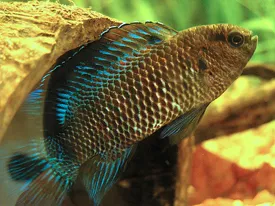 2.4 in (6 cm)20 gal (75 L)59–77°F (15–25°C)
Badis
Badis badis
2.4 in (6 cm) · 20 gal (75 L)
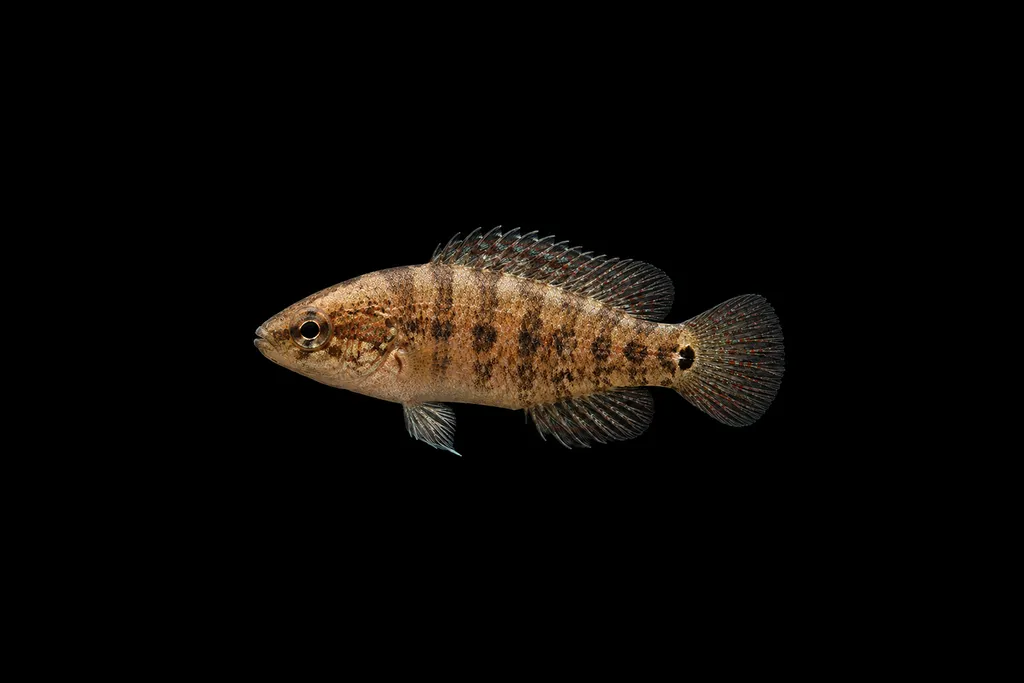 1.8 in (4.5 cm)11 gal (40 L)68–79°F (20–26°C)
Burmese caterpillar badis
Badis pyema
1.8 in (4.5 cm) · 11 gal (40 L)
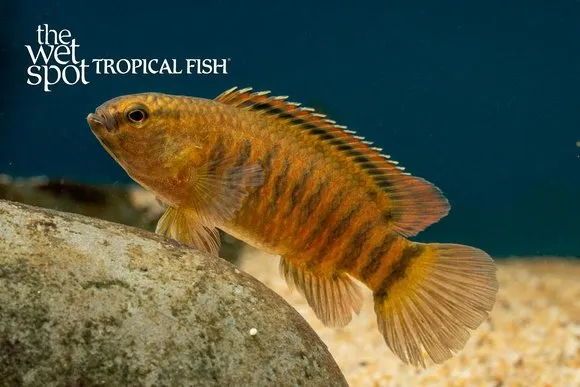 1.6 in (4 cm)11 gal (40 L)68–79°F (20–26°C)
Tiger badis
Badis kyar
1.6 in (4 cm) · 11 gal (40 L)
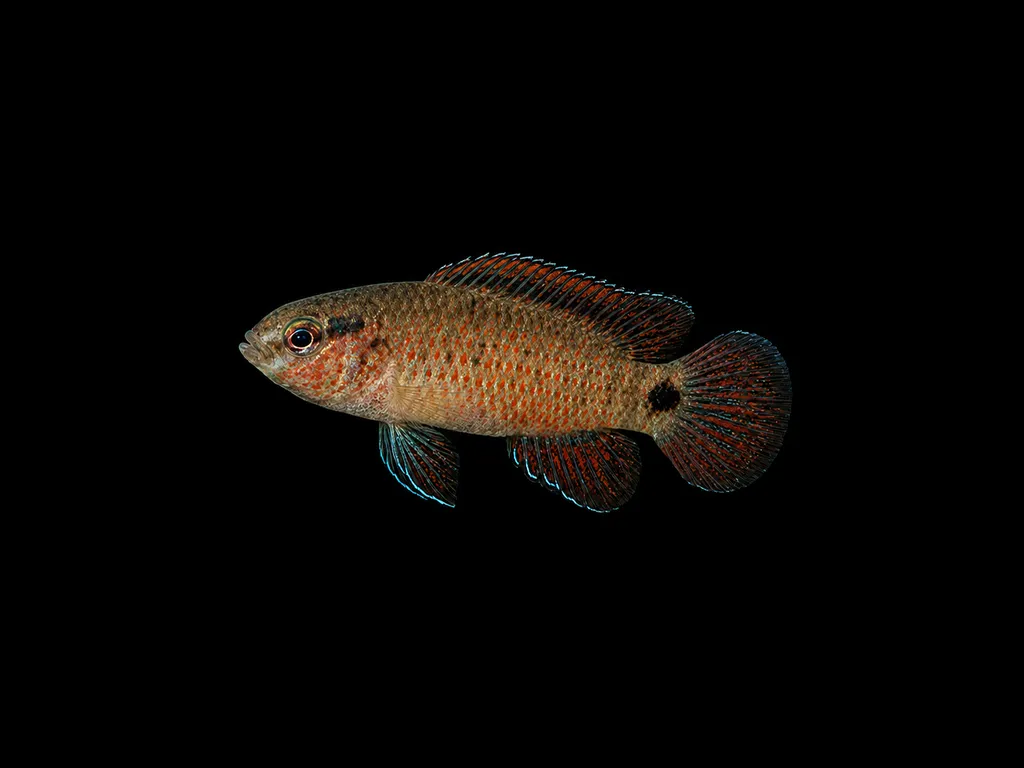 1.6 in (4 cm)11 gal (40 L)61–77°F (16–25°C)
Torpedo badis
Badis autumnum
1.6 in (4 cm) · 11 gal (40 L)
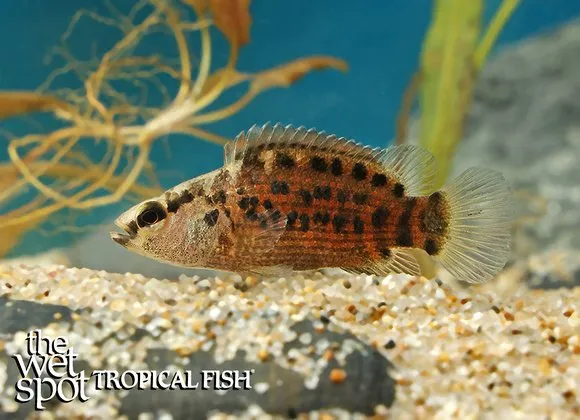 2.8 in (7 cm)21 gal (80 L)64–77°F (18–25°C)
Spotted badis
Badis assamensis
2.8 in (7 cm) · 21 gal (80 L)
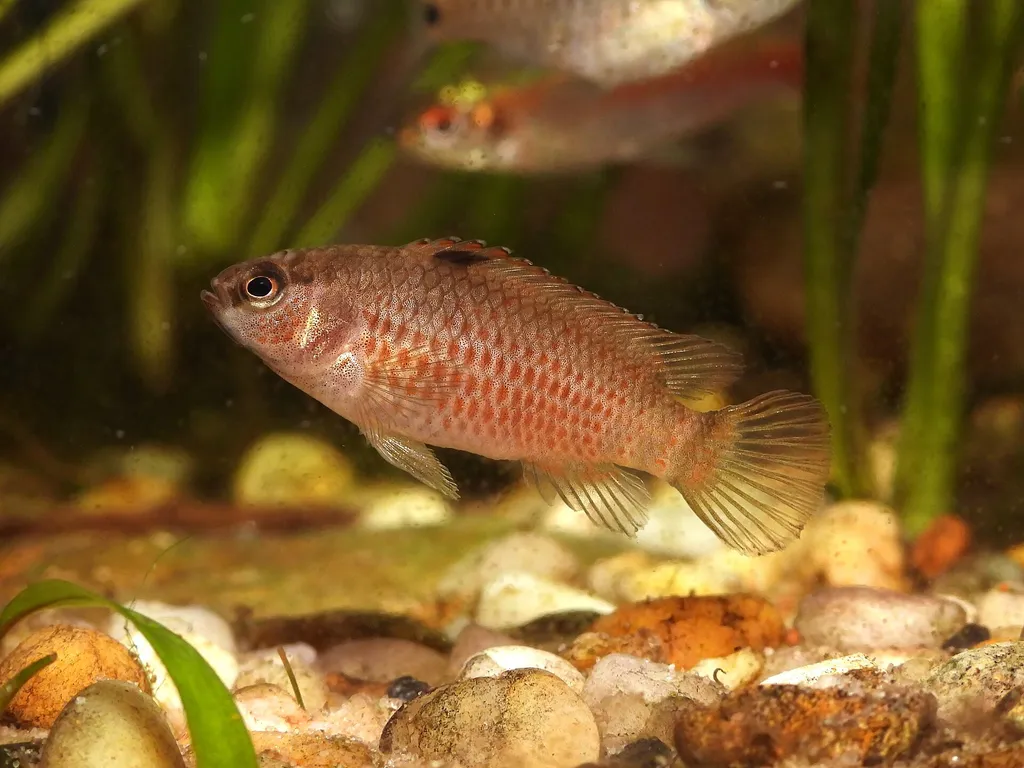 1 in (2.5 cm)5 gal (20 L)64–75°F (18–24°C)
Swamp badis
Badis laspiophilus
1 in (2.5 cm) · 5 gal (20 L)