Golden lyretail killifish
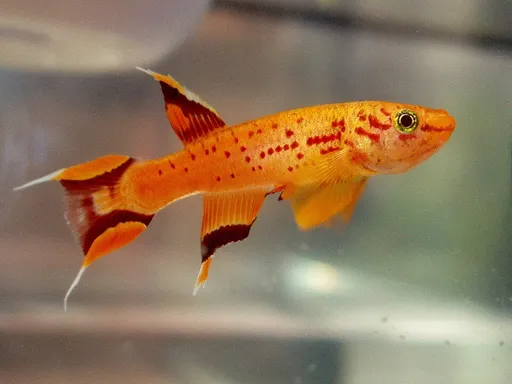
Aphyosemion australe
Also known as Cape Lopez lyretail, Lyretail killifish, Chocolate Australe Killi
FreshwaterFish
Care at a glance
- Temperature
- 70–75°F
- 21–24°C
- pH
- 5.5–7.0
- Adult size
- 2.4 in
- 6 cm
- Minimum tank
- 10 gal
- 38 L
- Temperament
- Peaceful
- Social behavior
- Social
- Swim level
- Middle
- Difficulty
- Easy
- Breeding
- Easy
- Rarity
- Common
- Family
- Nothobranchiidae
- Origin
- Coastal lowland Gabon (Cape Lopez region)
Overview
Keep a single pair, or one male with two or three females, in a tank of 38 liters or larger with a tight lid, since they are capable jumpers. They are peaceful and shy, sitting mostly in the middle of the water column, and they are easily outcompeted at feeding time. Water should run cool, between 21 and 24 C, soft, and acidic to neutral, around pH 5.5 to 7. Feed small frozen and live foods like daphnia, brine shrimp, and bloodworms, with small dry foods accepted once they settle. Choose small, calm tankmates, or keep them in a species tank, since anything boisterous will push them off their food.
In the wild
Golden lyretail killifish come from coastal lowland streams and forest pools in Gabon, around the Cape Lopez region, where the water is soft, acidic, and stained dark like weak tea. To match that, give them a planted tank with fine-leaved plants, some floating cover, dark substrate, and water on the acidic side, anywhere from pH 5.5 to 7. Soft blackwater suits them, and a few oak or almond leaves on the bottom helps. They do best kept cool, since cooler water draws out their already long life, so hold the temperature between 21 and 24 C.
Good to know
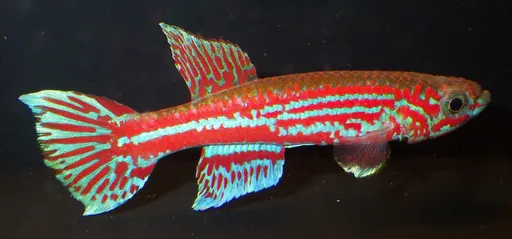
This is a small killifish in the family Nothobranchiidae, reaching about 6 cm as an adult. Unlike the annual killifish that dive into peat, this one is a plant spawner that hangs its eggs in fine vegetation or a spawning mop, and breeding is easy once a pair settles in. Kept cool, they live longer than most small killifish, often a few years. The golden-orange aquarium strain is the form you will almost always find in the trade.
Did you know
Cool water does more than keep them comfortable, it actually stretches out their lifespan, so a tank held at the lower end of their range gives you more years with the fish. They also spawn differently from the better-known annual killifish, hanging their eggs in plants and mops over days rather than burying a single clutch in peat, which makes them one of the easier killifish to raise at home.
Weekly picks
Tank mates
Golden lyretail killifish is a peaceful, social species that keeps to the middle. These picks share a community profile with it, are safe together in both directions, and overlap on water type, temperature and pH.
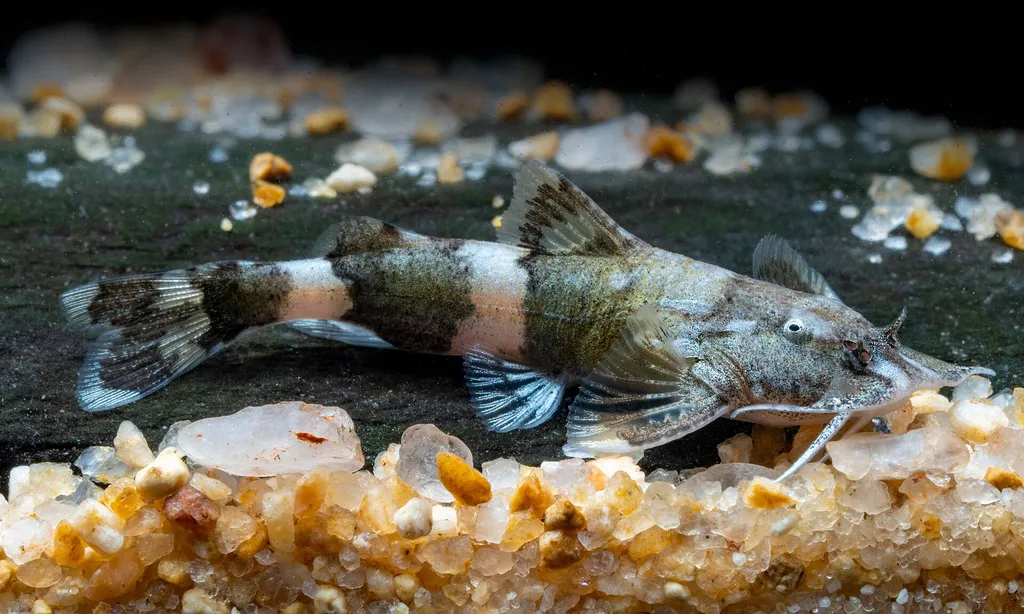
Cheetah moth catfish
Pseudolaguvia shawi
Freshwater1.5 in (3.8 cm) · 11 gal (40 L)68–79°F (20–26°C)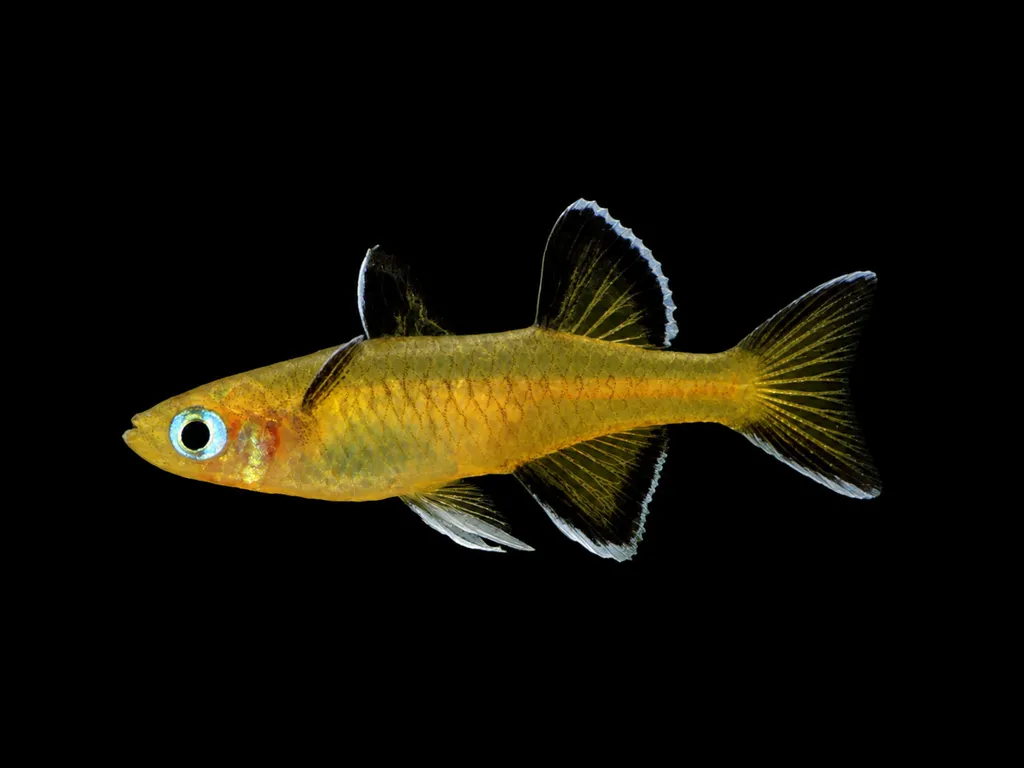
Honey blue-eye
Pseudomugil mellis
Freshwater1.4 in (3.5 cm) · 11 gal (40 L)68–82°F (20–28°C)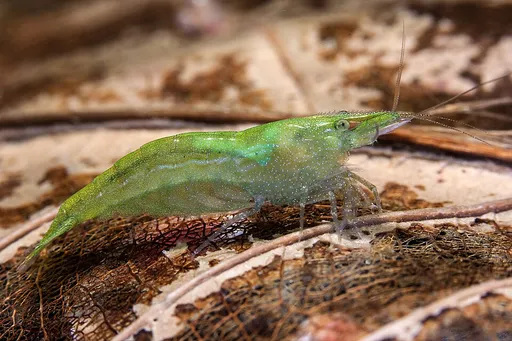
Green babaulti shrimp
Caridina babaulti
Freshwater1.2 in (3 cm) · 10 gal (38 L)72–82°F (22–28°C)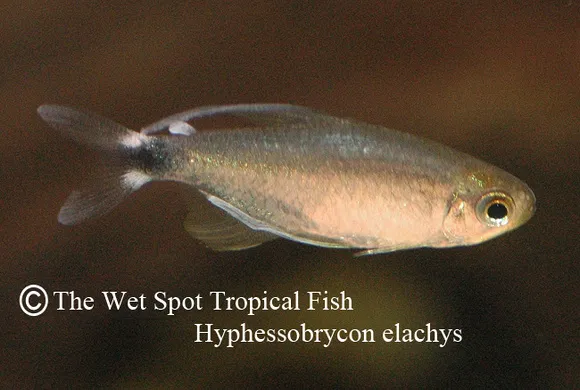
Veiltail tetra
Hyphessobrycon elachys
Freshwater0.9 in (2.4 cm) · 10 gal (38 L)68–79°F (20–26°C)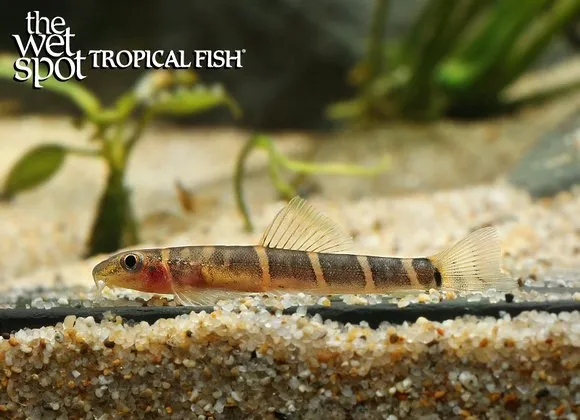
Fire-eyed loach
Barbucca diabolica
Freshwater1.2 in (3 cm) · 11 gal (40 L)72–79°F (22–26°C)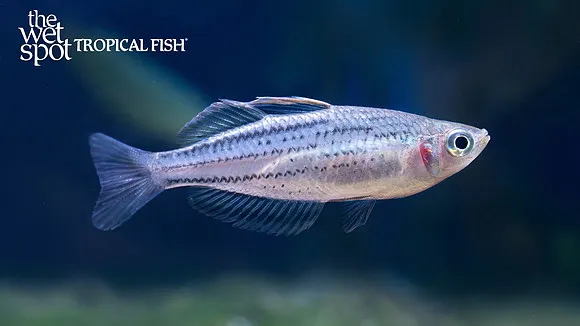
Green panchax
Aplocheilus blockii
Freshwater2 in (5 cm) · 11 gal (40 L)72–82°F (22–28°C)
Common questions
What size tank does a Golden lyretail killifish need?
A Golden lyretail killifish needs at least 10 gal (38 L). It spends most of its time in the middle.
What temperature and pH does a Golden lyretail killifish need?
A Golden lyretail killifish is comfortable at 70–75°F (21–24°C) with a pH of 5.5–7.0.
How big does a Golden lyretail killifish get?
An adult Golden lyretail killifish reaches about 2.4 in (6 cm).
Related species
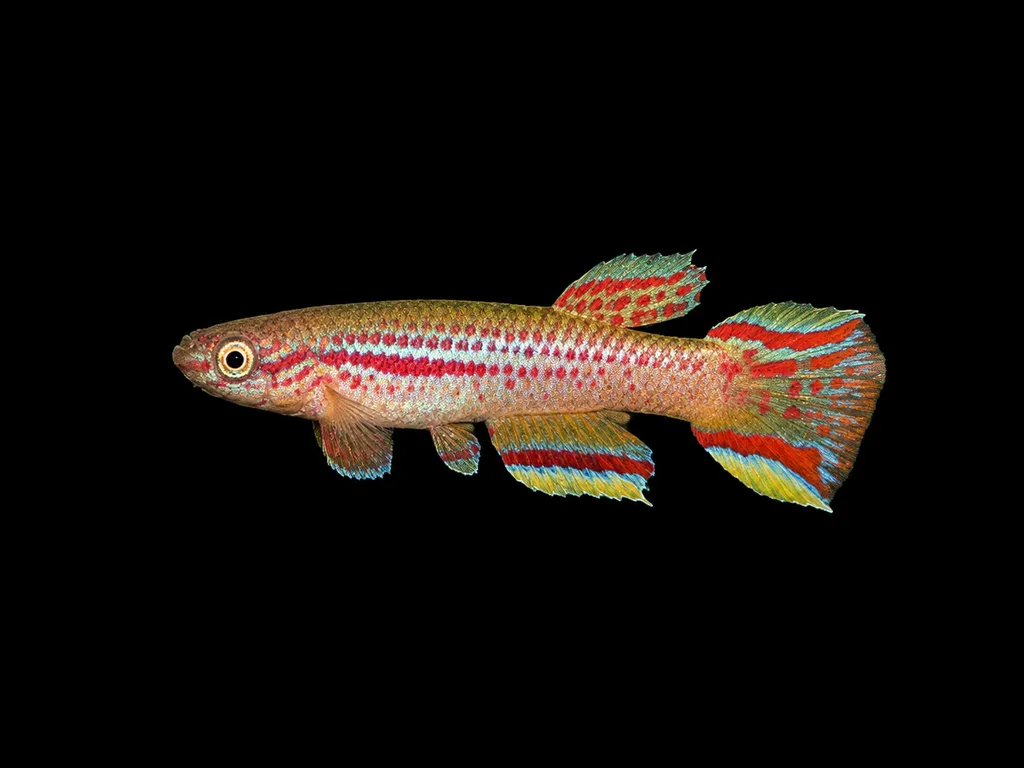 2.2 in (5.5 cm)20 gal (75 L)75–82°F (24–28°C)
Red-seam killifish
Aphyosemion calliurum
2.2 in (5.5 cm) · 20 gal (75 L)
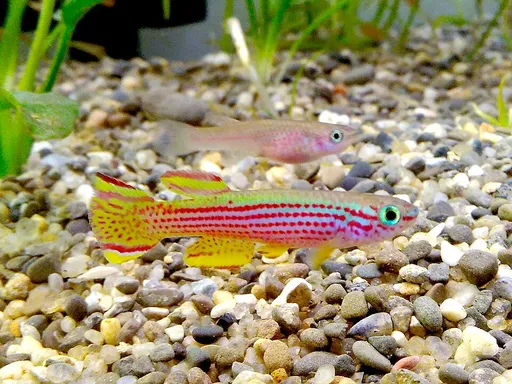 2 in (5 cm)11 gal (40 L)70–77°F (21–25°C)
Red-striped killifish
Aphyosemion striatum
2 in (5 cm) · 11 gal (40 L)
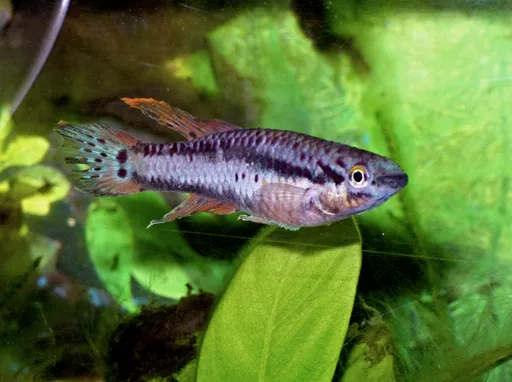 2 in (5 cm)11 gal (40 L)72–79°F (22–26°C)
Two-striped aphyosemion
Aphyosemion bivittatum
2 in (5 cm) · 11 gal (40 L)
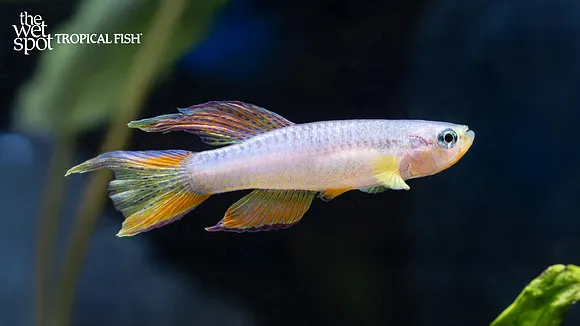 2.2 in (5.5 cm)11 gal (40 L)68–77°F (20–25°C)
Splendid killifish
Aphyosemion splendopleure
2.2 in (5.5 cm) · 11 gal (40 L)
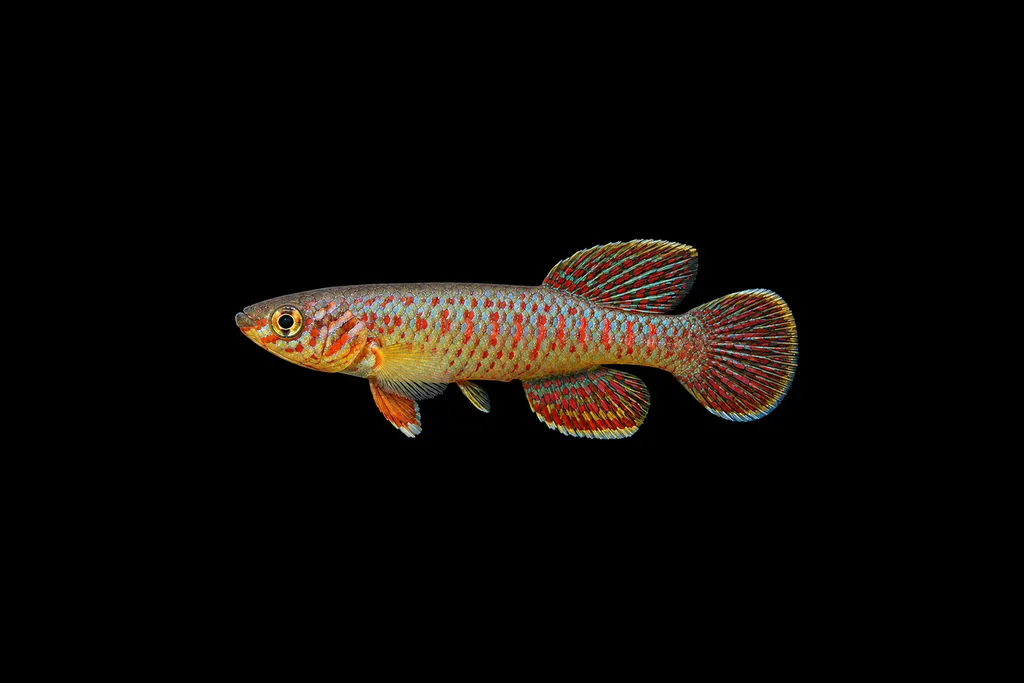 2 in (5 cm)11 gal (40 L)68–77°F (20–25°C)
Darge's killifish
Aphyosemion dargei
2 in (5 cm) · 11 gal (40 L)
 2 in (5 cm)11 gal (40 L)64–73°F (18–23°C)
Ogowe killifish
Aphyosemion ogoense
2 in (5 cm) · 11 gal (40 L)