Red-seam killifish
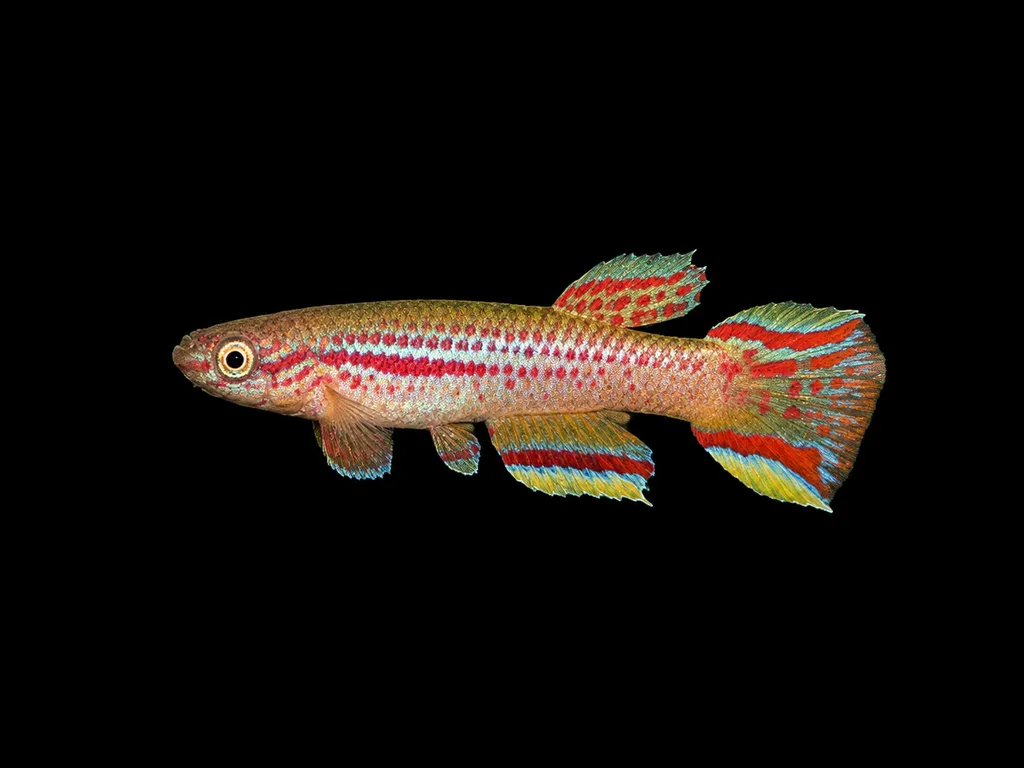
Aphyosemion calliurum
Also known as Banner lyretail
FreshwaterFish
Care at a glance
- Temperature
- 75–82°F
- 24–28°C
- pH
- 6.0–7.5
- Adult size
- 2.2 in
- 5.5 cm
- Minimum tank
- 20 gal
- 75 L
- Temperament
- Peaceful
- Social behavior
- Social
- Swim level
- Middle
- Difficulty
- Easy
- Breeding
- Medium
- Rarity
- Rare
- Family
- Nothobranchiidae
- Origin
- Nigeria
Overview
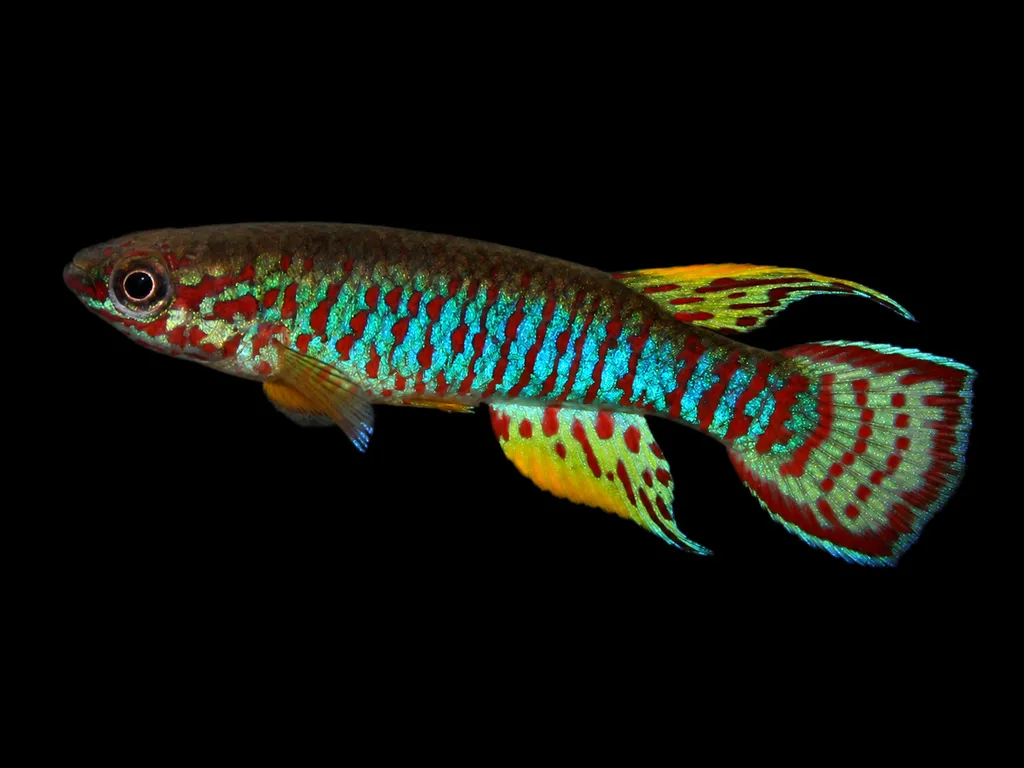
The red-seam killifish is a small, peaceful West African species that suits a quiet, soft-water tank kept as a pair or as one male with a few females. Males show fine red edging on the fins and can spar mildly, so gentle planting and cover help. Feed live and frozen foods such as daphnia, brine shrimp, bloodworms and blackworms, which it prefers to dried food. It stays mostly in the middle water among plants. Unlike the annual killifish it needs steady warmth rather than a cool season. A tank of 75 liters or larger is ample for a small group.
In the wild
Aphyosemion calliurum comes from the coastal rainforest of southern Nigeria and nearby West Africa, living in small, shaded forest streams, pools and swampy margins. The water is soft, acidic and warm, stained brown with tannins and dimly lit under the canopy. Recreate this with a densely planted, gently filtered tank, leaf litter or peat, subdued lighting and warm water from about 24 to 28 C. Keep the pH on the soft, acidic side, roughly 6 to 7.5. It is a warm forest fish, not a temperate one.
Good to know
The red-seam killifish is a member of the killifish family Nothobranchiidae and reaches about 5.5 cm. It is a non-annual species from permanent forest waters, so it does not need a dry season to breed. Instead the pair lay eggs among fine-leaved plants or spawning mops over an extended period, and the eggs hatch in water in around two weeks. Breeding is of moderate difficulty: the spawning itself is straightforward, but raising the small fry and staggered hatches takes some care.
Did you know
Although it belongs to the killifish, the red-seam killifish lives in permanent forest streams rather than seasonal pools, so its eggs develop straight through in water and never need the long dry rest that annual killifish depend on.
Weekly picks
Tank mates
Red-seam killifish is a peaceful, social species that keeps to the middle. These picks share a community profile with it, are safe together in both directions, and overlap on water type, temperature and pH.
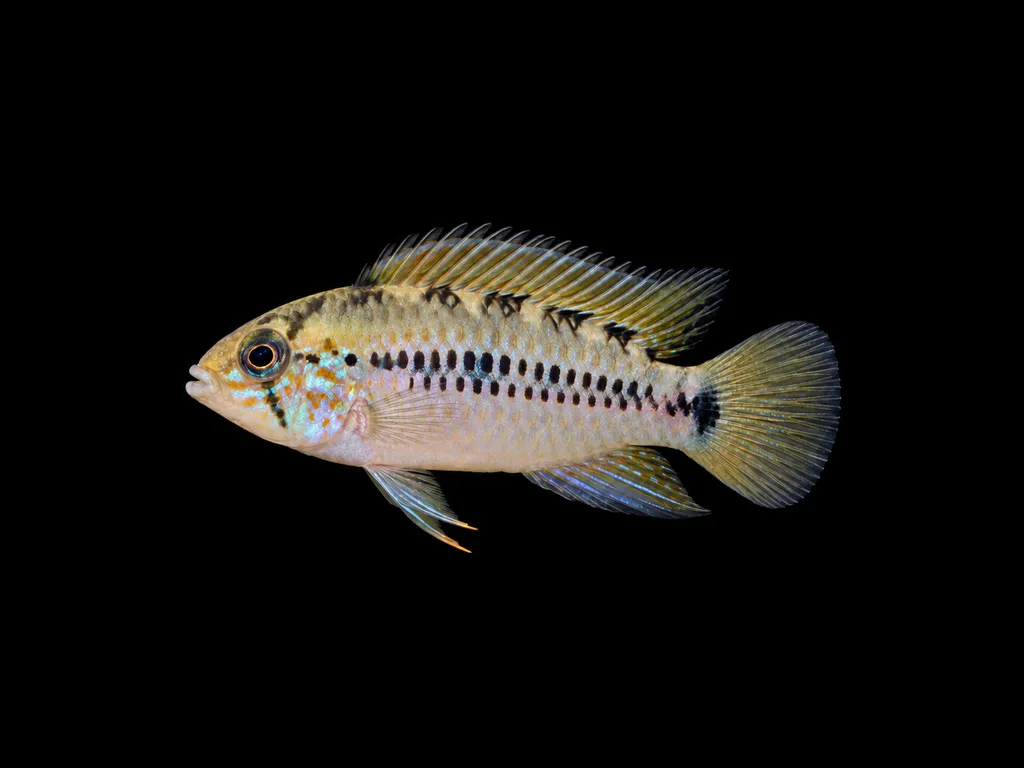
Alacrina dwarf cichlid
Apistogramma alacrina
Freshwater2.8 in (7 cm) · 20 gal (75 L)73–82°F (23–28°C)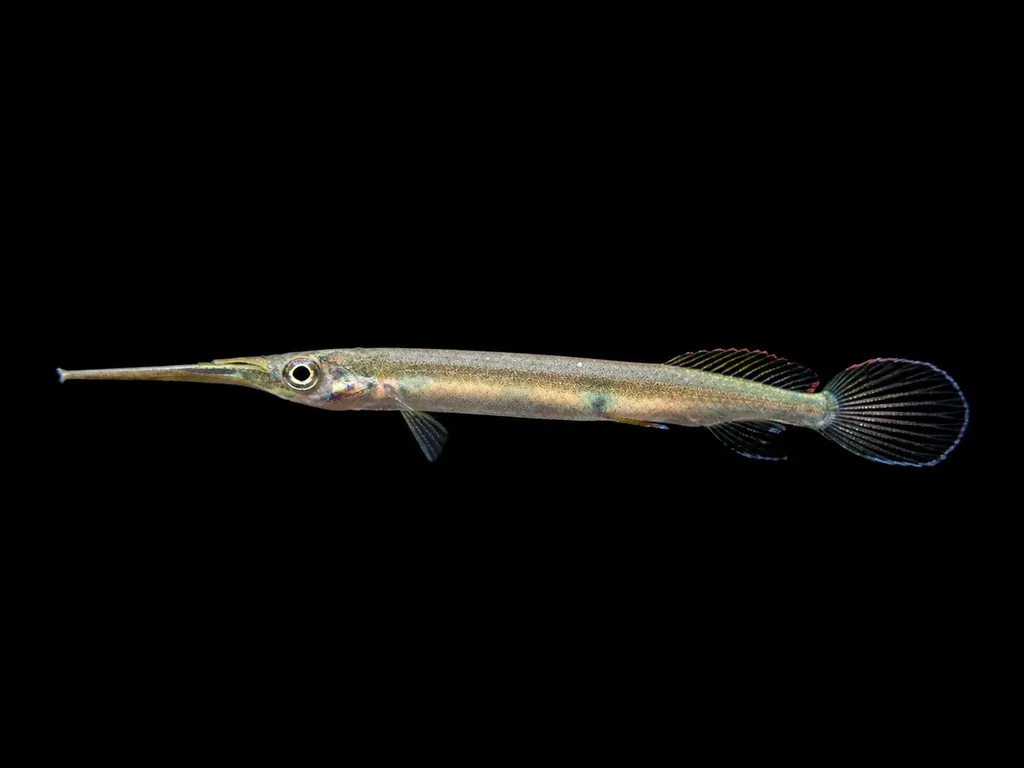
Kuekenthal's halfbeak
Hemirhamphodon kuekenthali
Freshwater3.3 in (8.5 cm) · 20 gal (75 L)73–81°F (23–27°C)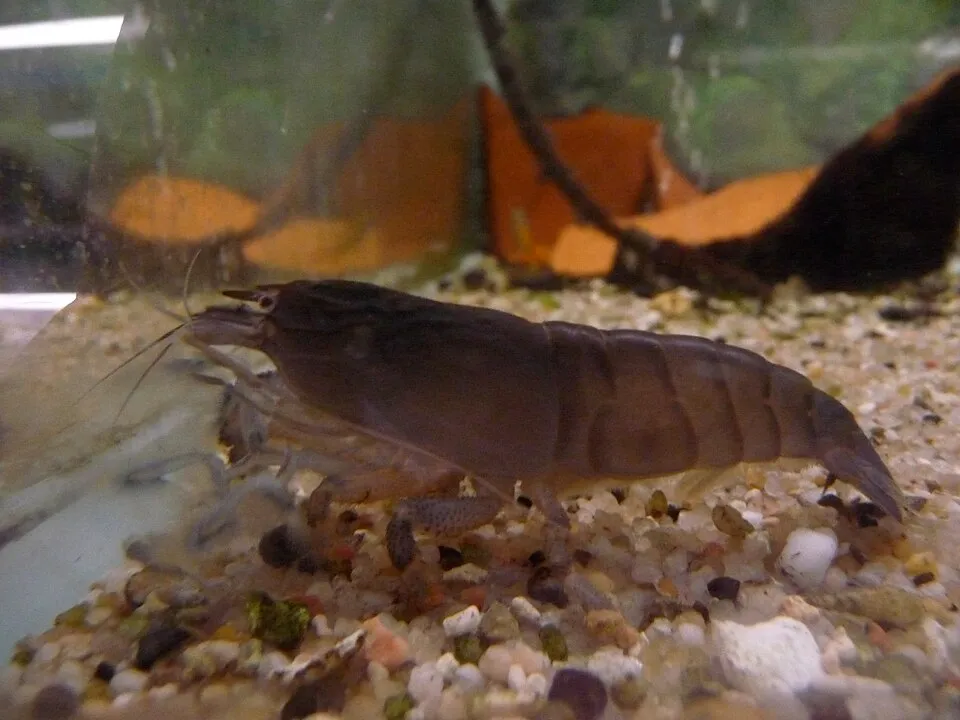
Vampire shrimp
Atya gabonensis
Freshwater5.1 in (13 cm) · 20 gal (75 L)75–82°F (24–28°C)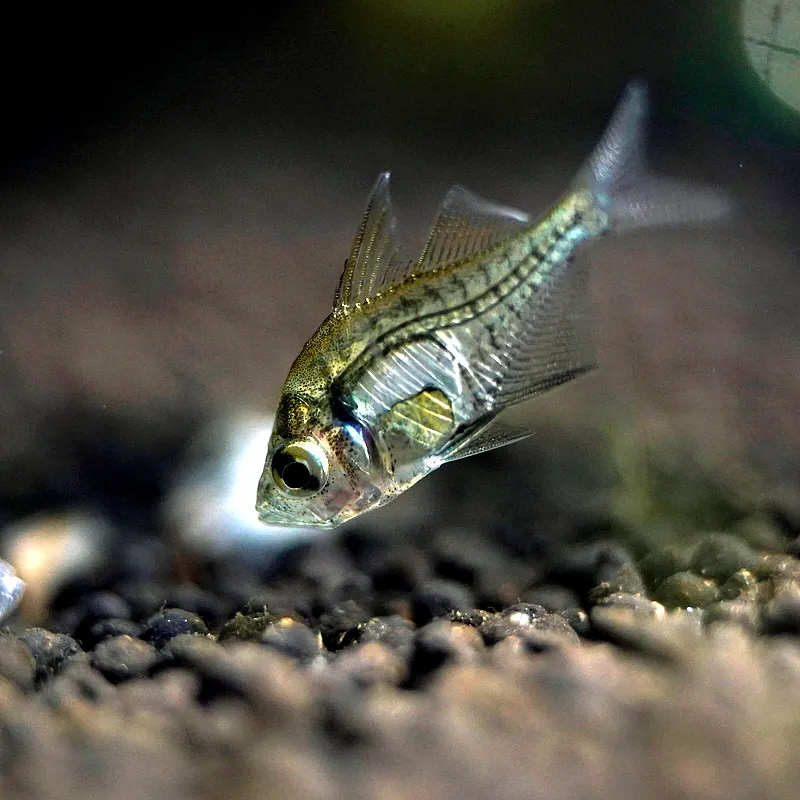
Indian glassy fish
Parambassis ranga
Freshwater3.1 in (8 cm) · 20 gal (75 L)68–86°F (20–30°C)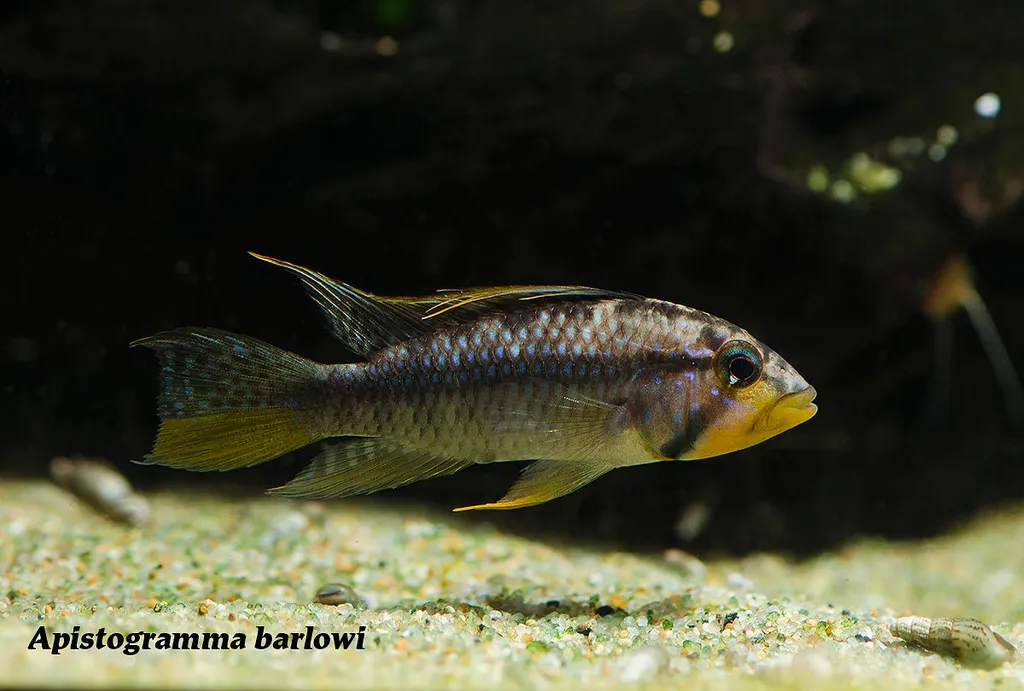
Barlow's dwarf cichlid
Apistogramma barlowi
Freshwater3.1 in (8 cm) · 20 gal (75 L)73–82°F (23–28°C)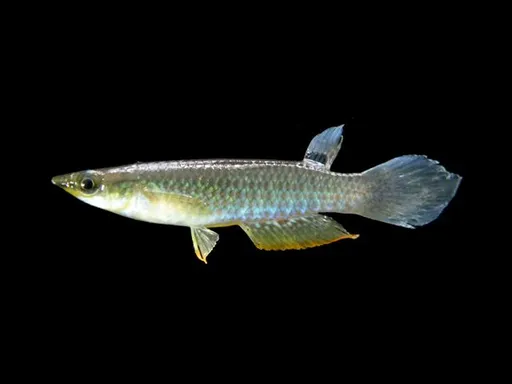
Blue panchax
Aplocheilus panchax
Freshwater3.5 in (9 cm) · 20 gal (75 L)72–82°F (22–28°C)
Common questions
What size tank does a Red-seam killifish need?
A Red-seam killifish needs at least 20 gal (75 L). It spends most of its time in the middle.
What temperature and pH does a Red-seam killifish need?
A Red-seam killifish is comfortable at 75–82°F (24–28°C) with a pH of 6.0–7.5.
How big does a Red-seam killifish get?
An adult Red-seam killifish reaches about 2.2 in (5.5 cm).
Related species
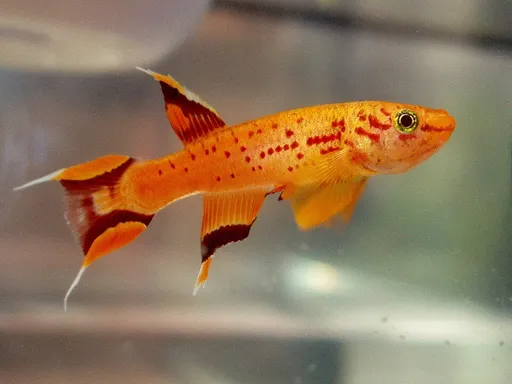 2.4 in (6 cm)10 gal (38 L)70–75°F (21–24°C)
Golden lyretail killifish
Aphyosemion australe
2.4 in (6 cm) · 10 gal (38 L)
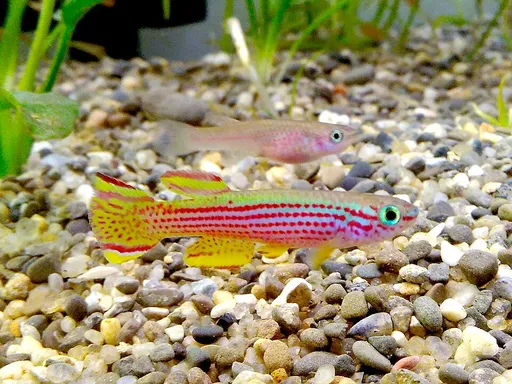 2 in (5 cm)11 gal (40 L)70–77°F (21–25°C)
Red-striped killifish
Aphyosemion striatum
2 in (5 cm) · 11 gal (40 L)
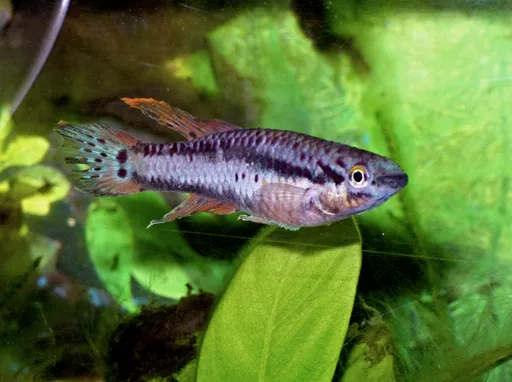 2 in (5 cm)11 gal (40 L)72–79°F (22–26°C)
Two-striped aphyosemion
Aphyosemion bivittatum
2 in (5 cm) · 11 gal (40 L)
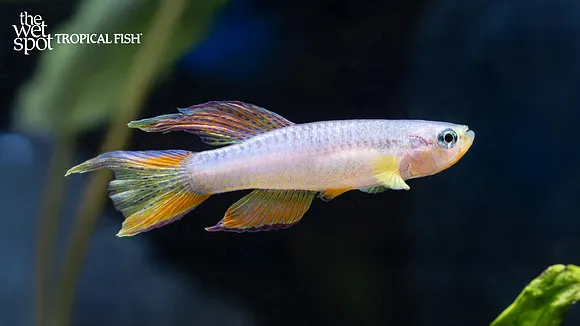 2.2 in (5.5 cm)11 gal (40 L)68–77°F (20–25°C)
Splendid killifish
Aphyosemion splendopleure
2.2 in (5.5 cm) · 11 gal (40 L)
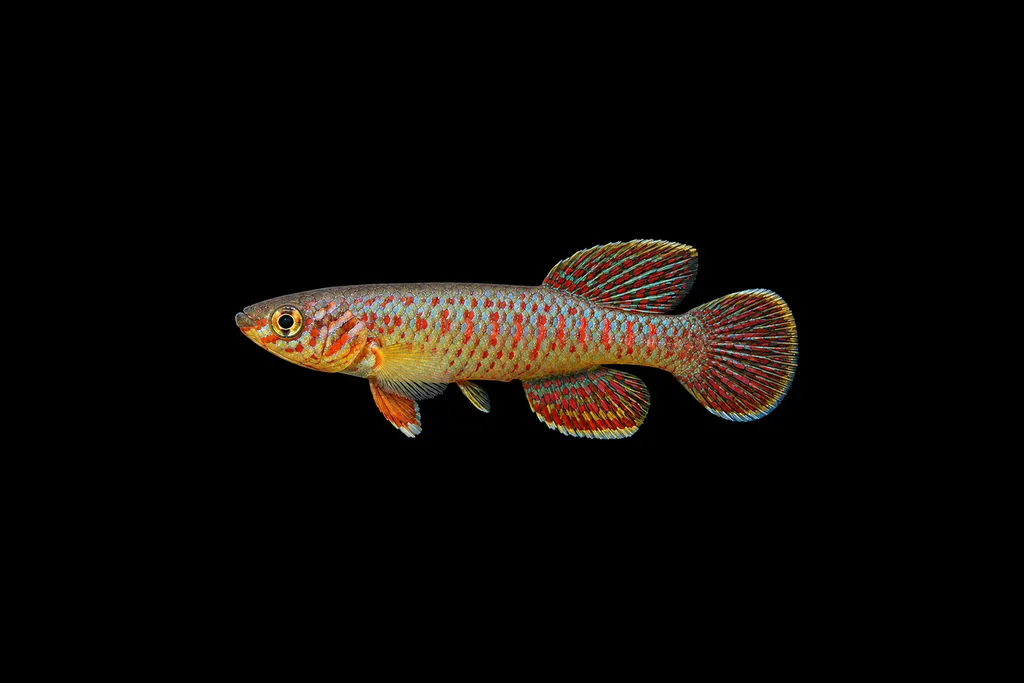 2 in (5 cm)11 gal (40 L)68–77°F (20–25°C)
Darge's killifish
Aphyosemion dargei
2 in (5 cm) · 11 gal (40 L)
 1.6 in (4 cm)11 gal (40 L)68–77°F (20–25°C)
Jewel killifish
Aphyosemion exiguum
1.6 in (4 cm) · 11 gal (40 L)