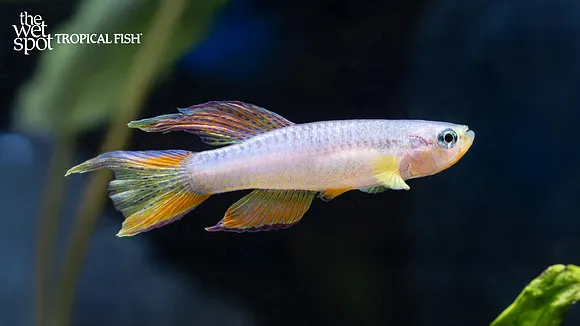
Two-striped aphyosemion
Aphyosemion bivittatum
Also known as Red lyretail
FreshwaterFish
Care at a glance
- Temperature
- 72–79°F
- 22–26°C
- pH
- 5.5–7.0
- Adult size
- 2 in
- 5 cm
- Minimum tank
- 11 gal
- 40 L
- Temperament
- Peaceful
- Social behavior
- Social
- Swim level
- Middle
- Difficulty
- Medium
- Breeding
- Medium
- Rarity
- Common
- Family
- Nothobranchiidae
- Origin
- Coastal rainforest brooks of the Cameroon-Nigeria border region (West Africa)
Overview
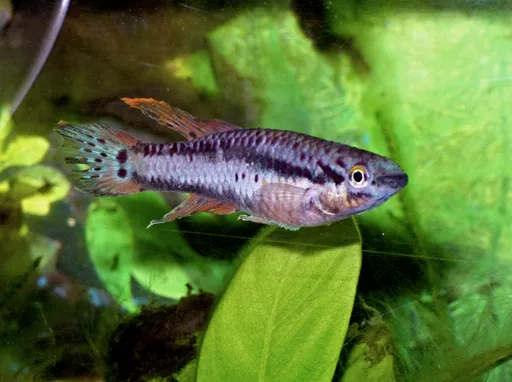
Keep them as a single pair or one male with two or three females in a species tank of at least 40 liters, since this is not a shoaling fish and several males will squabble. They are peaceful and hold in the middle of the water column, but they are small and easily outcompeted for food, so they do poorly in a busy community. Water should run from 22 to 26 C, soft and acidic, with a pH between 5.5 and 7. Feed small live and frozen foods like daphnia, baby brine, and grindal worms, along with fine flakes. If you do add tankmates, keep them small and calm, such as pencilfish, Corydoras, kuhli loaches, or small gouramis, and never let them crowd the killies at feeding time.
In the wild
Two-striped aphyosemion come from small, shaded brooks in the coastal rainforest along the Cameroon and Nigeria border in West Africa. These are soft, acidic, tannin-stained streams under heavy canopy, with leaf litter on the bottom and very little light reaching the water. To match that, give them a heavily planted tank with floating plants on top, a dark substrate, driftwood, and dried leaves to stain the water brown, plus an open patch in the middle for swimming. Keep the water between 22 and 26 C with a pH from 5.5 to 7, soft and stable, and run a tight-fitting lid because these are accomplished jumpers that will leave through any gap.
Good to know
This is a small killifish in the family Nothobranchiidae, reaching about 5 cm, with males larger and more colorful and carrying the trailing lyretail finnage. Unlike the annual killifish that bury their eggs in drying mud, this is a non-annual, plant-spawning species whose eggs incubate in the water rather than in dried peat. Breeding takes some setup but is moderate in difficulty. A healthy adult usually lives around 2 to 3 years.
Did you know
The males spawn a little at a time over several weeks rather than in one big drop. A pair works through a clump of fine plants or a spawning mop, leaving a few eggs each day that sit and develop right there in the water. That slow, steady habit is what separates this fish from the better-known annual killies, whose eggs have to dry out in mud before they will hatch.
Weekly picks
Tank mates
Two-striped aphyosemion is a peaceful, social species that keeps to the middle. These picks share a community profile with it, are safe together in both directions, and overlap on water type, temperature and pH.
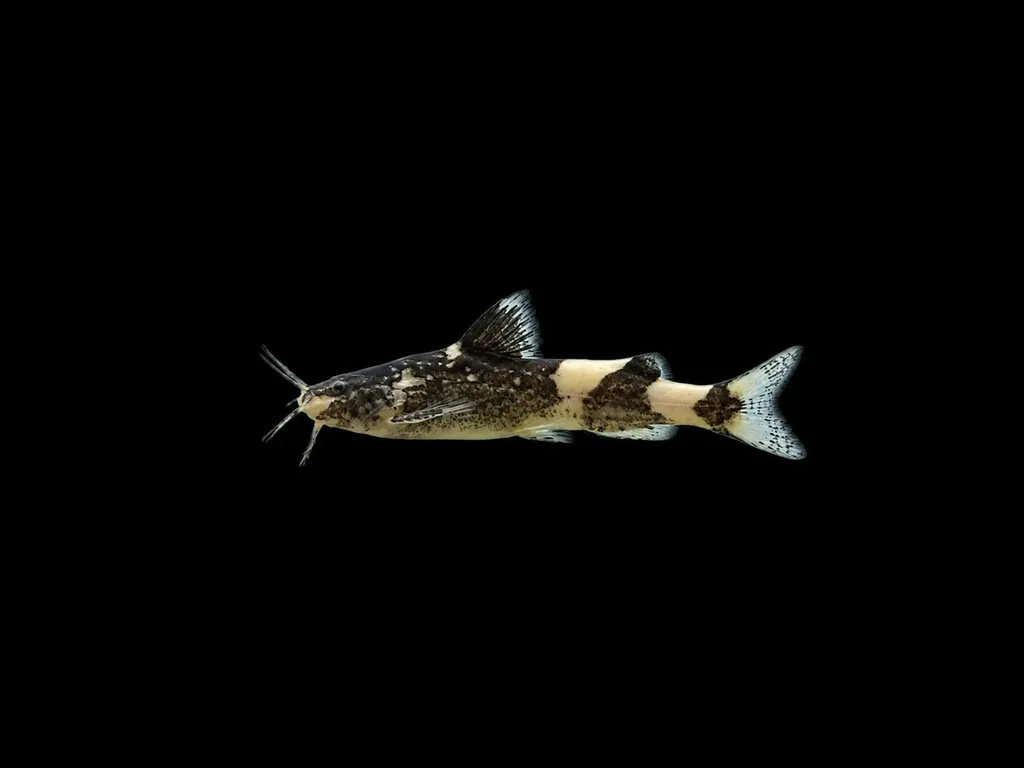
Small-eyed bee catfish
Akysis microps
Freshwater1.4 in (3.5 cm) · 11 gal (40 L)72–79°F (22–26°C)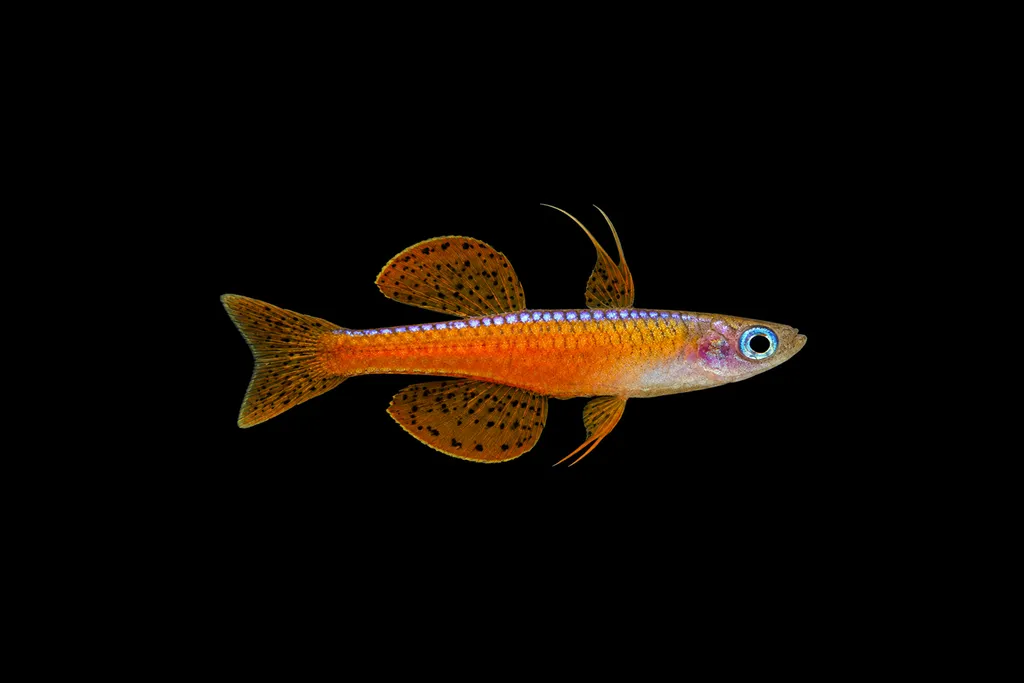
Paska's blue-eye
Pseudomugil paskai
Freshwater1.4 in (3.5 cm) · 11 gal (40 L)72–79°F (22–26°C)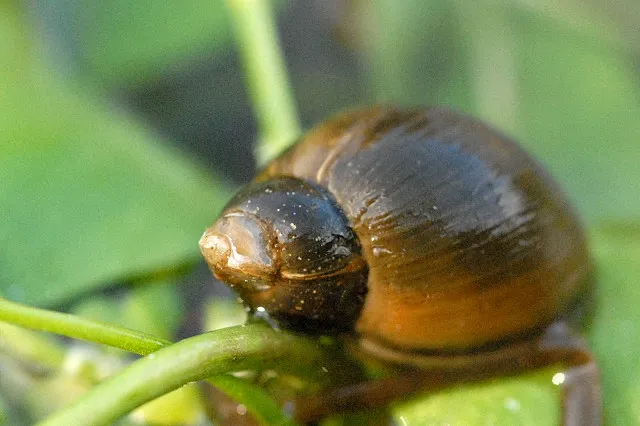
Wandering snail
Ampullaceana balthica
Freshwater0.8 in (2 cm) · 11 gal (40 L)50–84°F (10–29°C)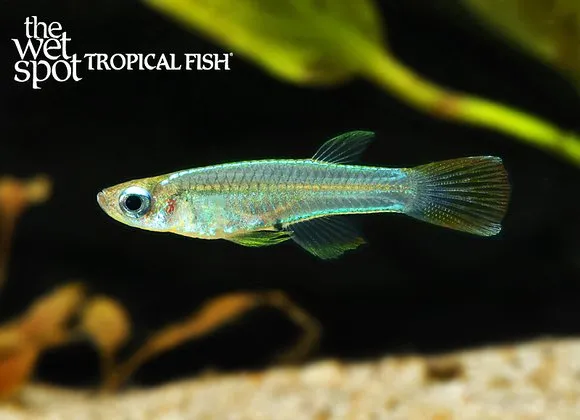
Blackspot lampeye
Poropanchax stigmatopygus
Freshwater1.2 in (3 cm) · 11 gal (40 L)72–79°F (22–26°C)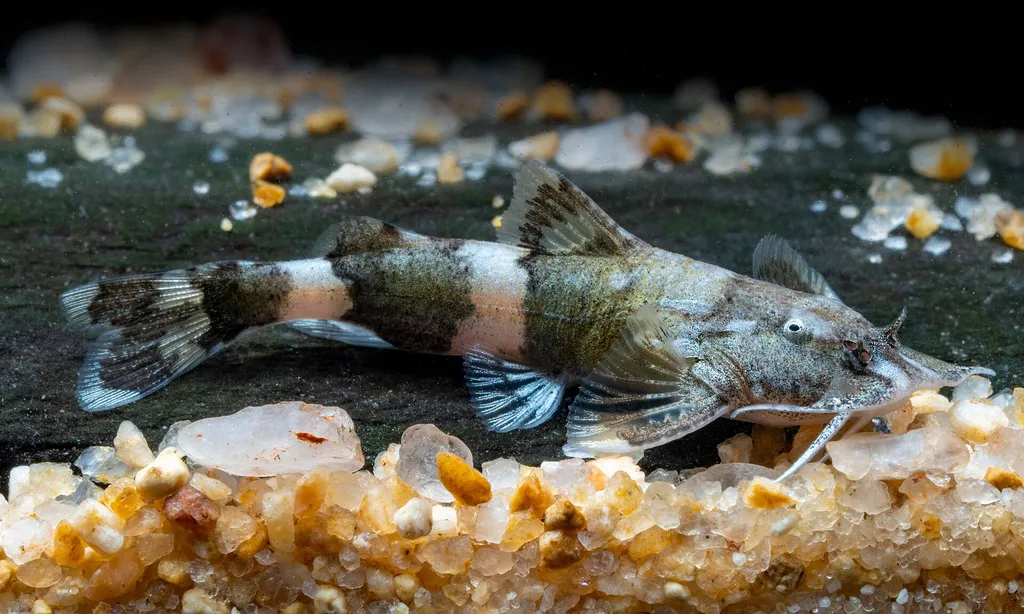
Cheetah moth catfish
Pseudolaguvia shawi
Freshwater1.5 in (3.8 cm) · 11 gal (40 L)68–79°F (20–26°C)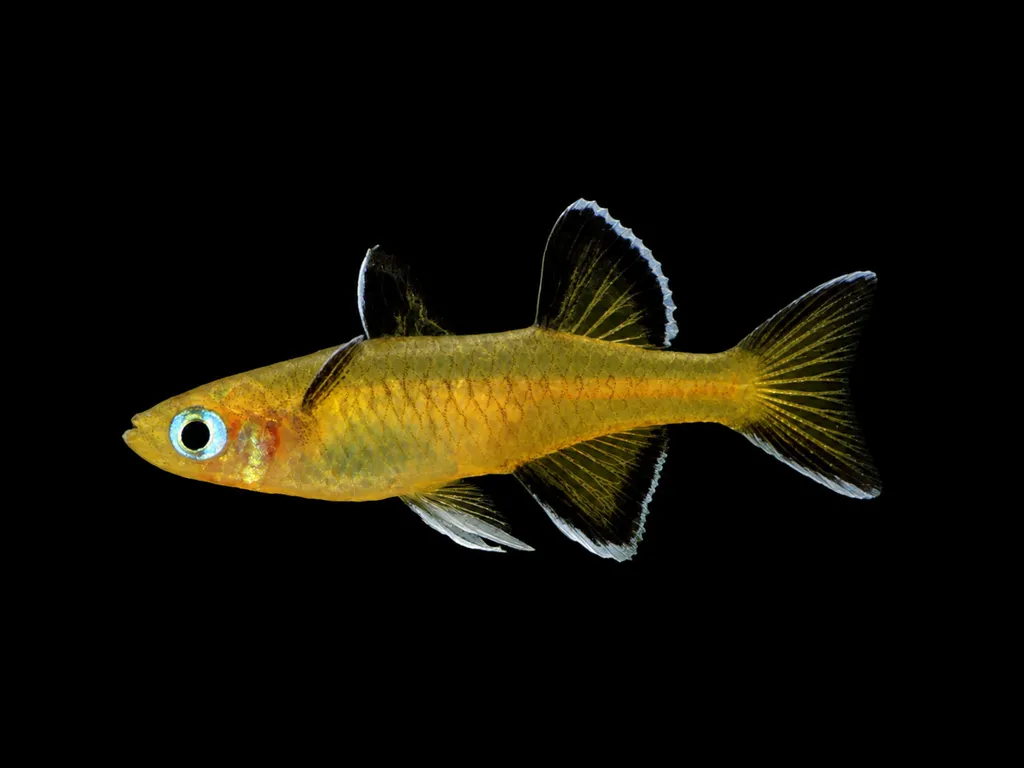
Honey blue-eye
Pseudomugil mellis
Freshwater1.4 in (3.5 cm) · 11 gal (40 L)68–82°F (20–28°C)
Common questions
What size tank does a Two-striped aphyosemion need?
A Two-striped aphyosemion needs at least 11 gal (40 L). It spends most of its time in the middle.
What temperature and pH does a Two-striped aphyosemion need?
A Two-striped aphyosemion is comfortable at 72–79°F (22–26°C) with a pH of 5.5–7.0.
How big does a Two-striped aphyosemion get?
An adult Two-striped aphyosemion reaches about 2 in (5 cm).
Related species
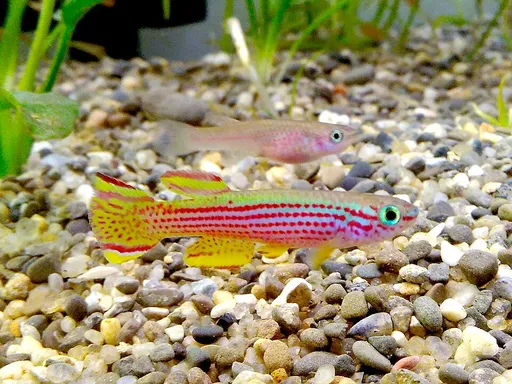 2 in (5 cm)11 gal (40 L)70–77°F (21–25°C)
Red-striped killifish
Aphyosemion striatum
2 in (5 cm) · 11 gal (40 L)
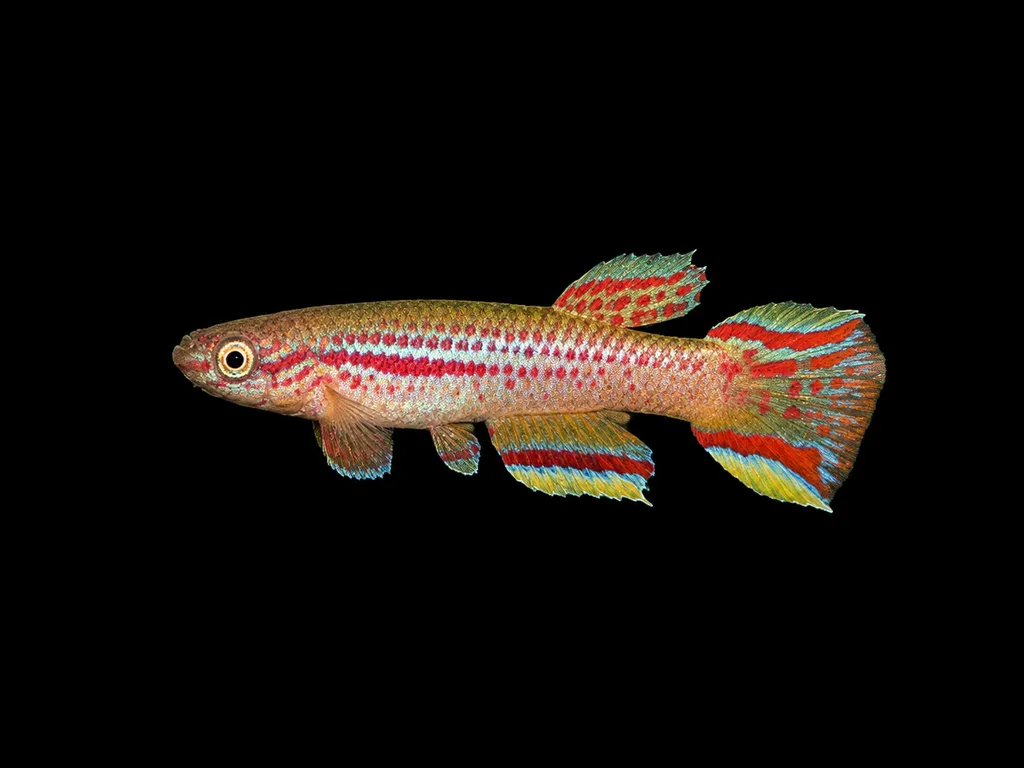 2.2 in (5.5 cm)20 gal (75 L)75–82°F (24–28°C)
Red-seam killifish
Aphyosemion calliurum
2.2 in (5.5 cm) · 20 gal (75 L)
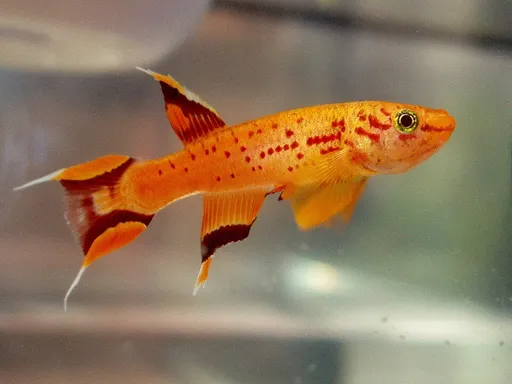 2.4 in (6 cm)10 gal (38 L)70–75°F (21–24°C)
Golden lyretail killifish
Aphyosemion australe
2.4 in (6 cm) · 10 gal (38 L)
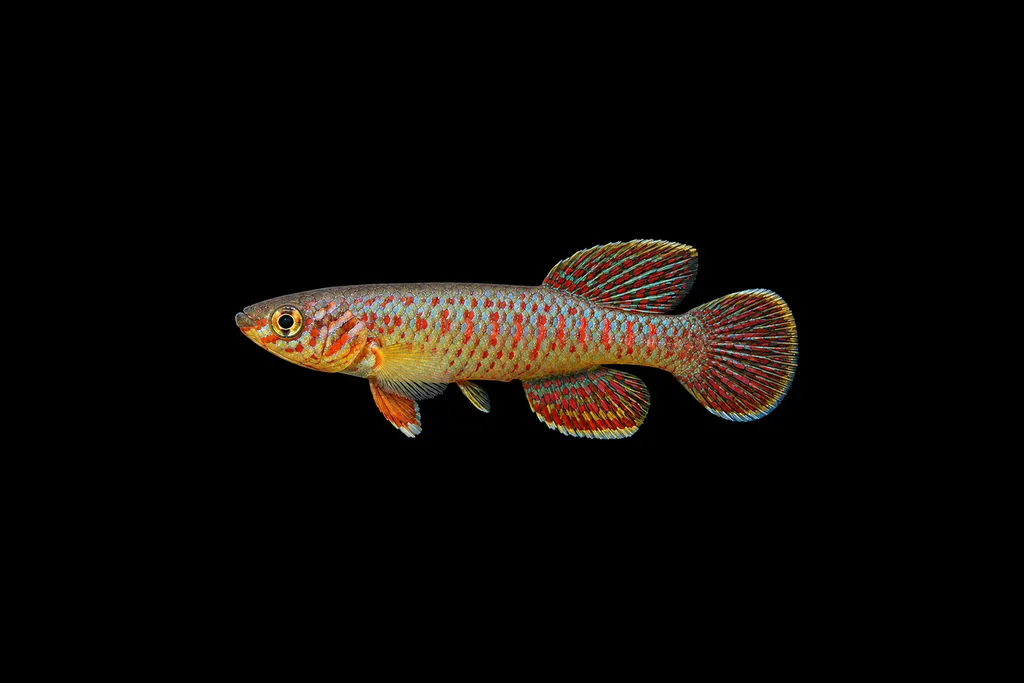 2 in (5 cm)11 gal (40 L)68–77°F (20–25°C)
Darge's killifish
Aphyosemion dargei
2 in (5 cm) · 11 gal (40 L)
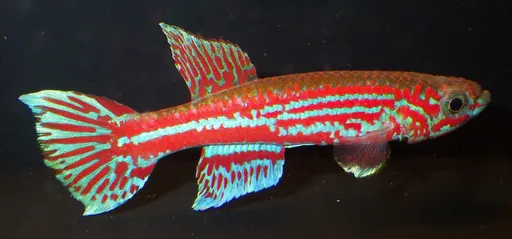 2 in (5 cm)11 gal (40 L)64–73°F (18–23°C)
Ogowe killifish
Aphyosemion ogoense
2 in (5 cm) · 11 gal (40 L)
 2.2 in (5.5 cm)11 gal (40 L)68–77°F (20–25°C)
Splendid killifish
Aphyosemion splendopleure
2.2 in (5.5 cm) · 11 gal (40 L)