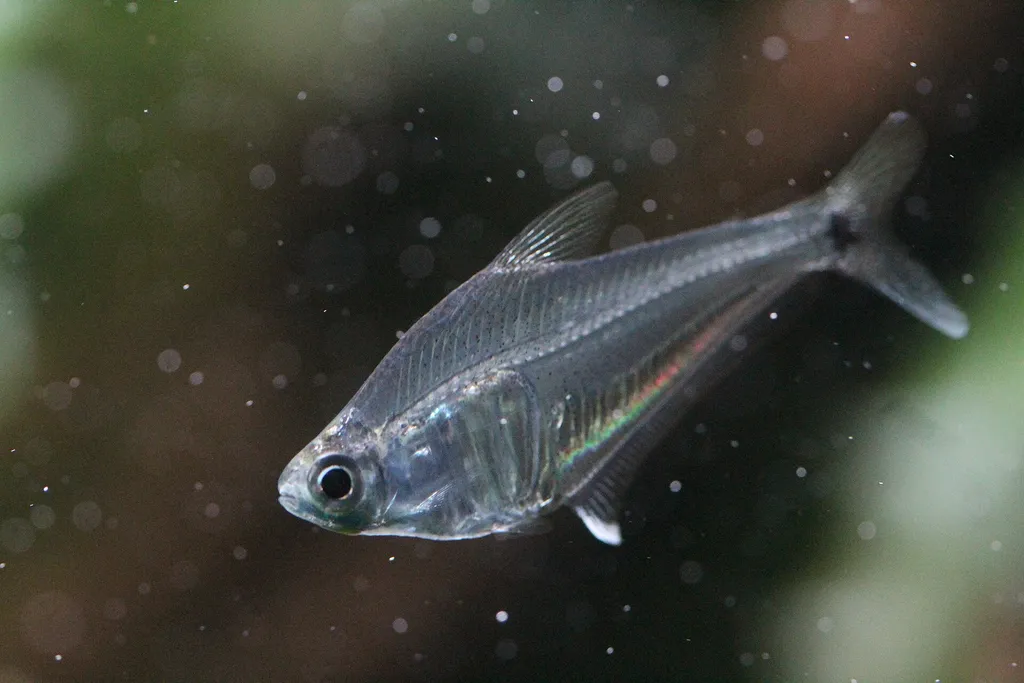
Crystal tetra
Protocheirodon pi
Also known as Pi tetra
FreshwaterFish
Care at a glance
- Temperature
- 73–82°F
- 23–28°C
- pH
- 5.5–7.2
- Adult size
- 1.2 in
- 3.1 cm
- Minimum tank
- 11 gal
- 40 L
- Temperament
- Peaceful
- Social behavior
- Schooling
- Swim level
- Middle
- Difficulty
- Medium
- Breeding
- Egg scatterer
- Rarity
- Rare
- Family
- Characidae
- Origin
- Upper Amazon lowlands, Peru and Brazil
Overview
The crystal tetra is a tiny, almost transparent schooling fish that looks best in numbers. It suits a keeper with some experience.
Did you know
Richard Vari named the crystal tetra pi in 1978, after the Greek letter, for a small dark mark at the base of the tail. It is one of very few fish named for a mathematical symbol.
Caring for the crystal tetra
Keep crystal tetras in a group of at least ten, in 11 gal (40 L) or more. Twenty in a well-planted tank make a fine, drifting display. Dense planting, driftwood and a darker background give the group cover and make the transparent bodies easier to pick out.
Keep the water calm, at 73 to 82°F (23 to 28°C) and a pH of 5.5 to 7.2, with low to moderate hardness. Dim light keeps them out in the open. Feed very small foods, such as fine flake, crushed micro pellets, microworm, cyclops and baby brine shrimp.
Crystal tetras are completely peaceful and suit only small, gentle tank mates. Anything large will eat or outcompete them. Other nano tetras, pygmy corydoras and small rasboras make good company. They are egg scatterers, and aquarium breeding is not recorded.
Good to know
The crystal tetra is a characin in the family Characidae. It was first described as Leptagoniates pi, and in 2016 it was given its own genus, Protocheirodon. That genus is an early offshoot of the Cheirodontinae.
In the wild
The crystal tetra lives in quiet creeks of the upper Amazon in Peru and Brazil. The creeks run clear to gently stained, and the fish drift over sand where the water moves slowly.
Weekly picks
Tank mates
The crystal tetra is a peaceful, schooling species that keeps to the middle. These picks share a community profile with it, are safe together in both directions, and overlap on water type, temperature and pH.
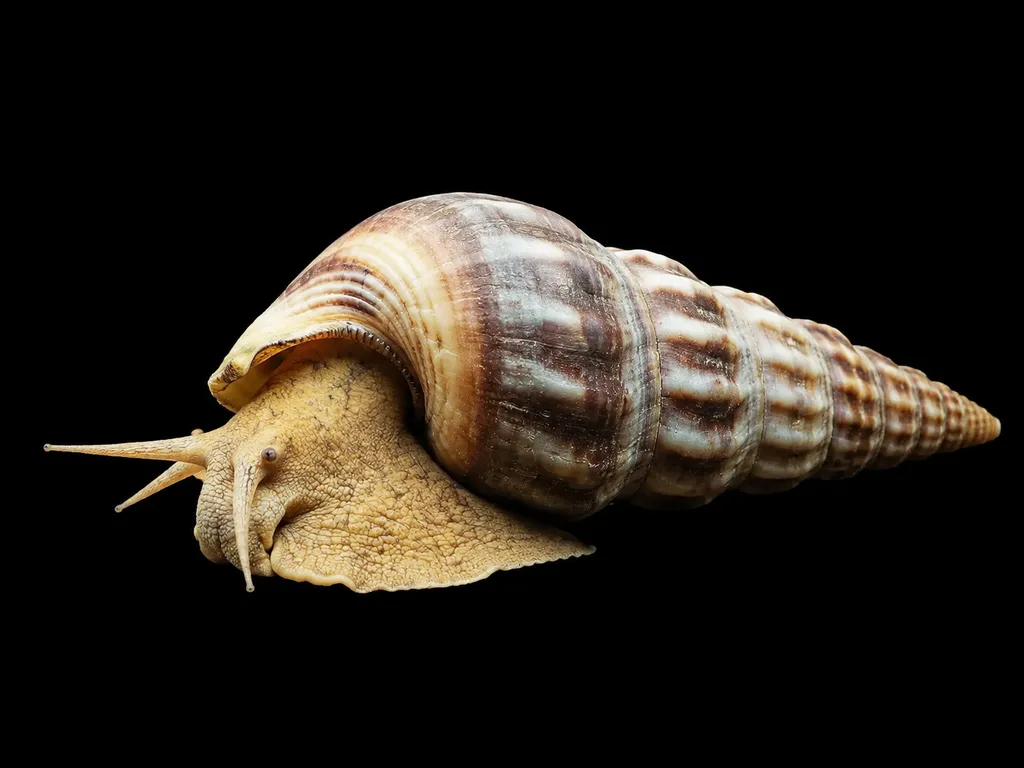
Hercules snail
Brotia herculea
Freshwater3.1 in (8 cm) · 11 gal (40 L)73–82°F (23–28°C)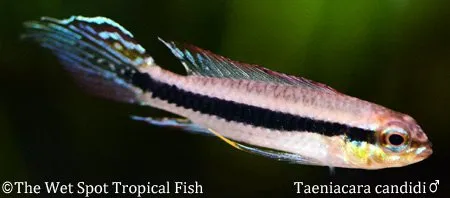
Blackstripe dwarf cichlid
Taeniacara candidi
Freshwater1.6 in (4 cm) · 11 gal (40 L)75–82°F (24–28°C)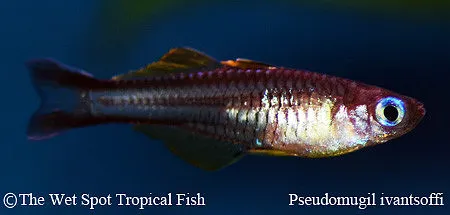
Ivantsoff's blue-eye
Pseudomugil ivantsoffi
Freshwater1.6 in (4 cm) · 11 gal (40 L)75–82°F (24–28°C)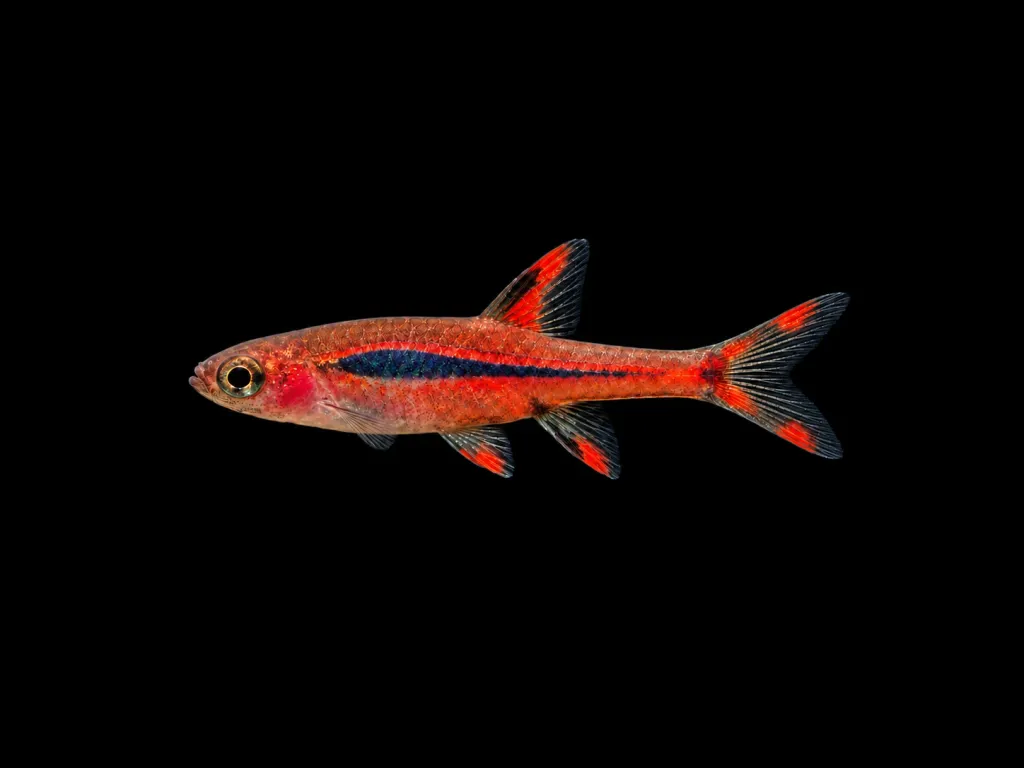
Chili rasbora
Boraras brigittae
Freshwater0.8 in (2 cm) · 11 gal (40 L)72–82°F (22–28°C)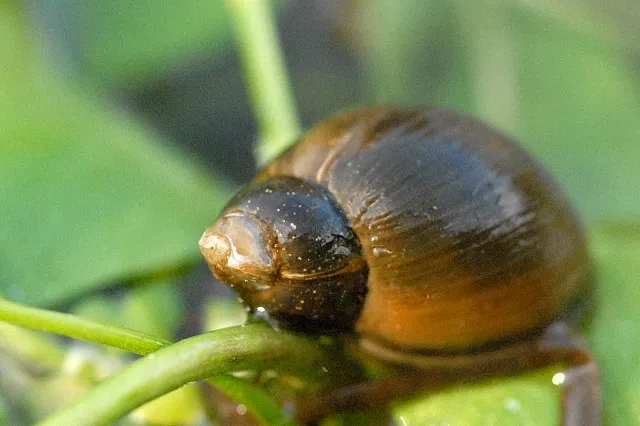
Wandering snail
Ampullaceana balthica
Freshwater0.8 in (2 cm) · 11 gal (40 L)50–84°F (10–29°C)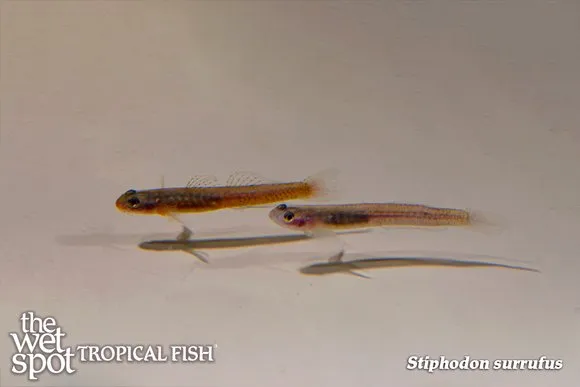
Birdsong goby
Stiphodon surrufus
Freshwater1 in (2.5 cm) · 11 gal (40 L)73–81°F (23–27°C)
Common questions
What size tank does a crystal tetra need?
A crystal tetra needs at least 11 gal (40 L). It spends most of its time in the middle.
What temperature and pH does a crystal tetra need?
A crystal tetra is comfortable at 73–82°F (23–28°C) with a pH of 5.5–7.2.
What does a crystal tetra eat?
A crystal tetra needs very small foods, such as fine flake, crushed micro pellets, microworm, cyclops and baby brine shrimp.
How big does a crystal tetra get?
An adult crystal tetra reaches about 1.2 in (3.1 cm).
Does a crystal tetra need a group?
Yes. A crystal tetra is a schooling species and should be kept in a group, not singly.
How does a crystal tetra breed?
The crystal tetra is an egg scatterer. Its breeding has not been recorded in aquariums.
Related species
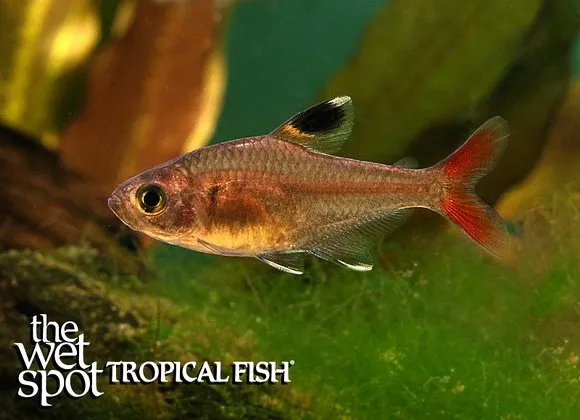 1.3 in (3.2 cm)12 gal (45 L)72–81°F (22–27°C)
Micropterus tetra
Hyphessobrycon micropterus
1.3 in (3.2 cm) · 12 gal (45 L)
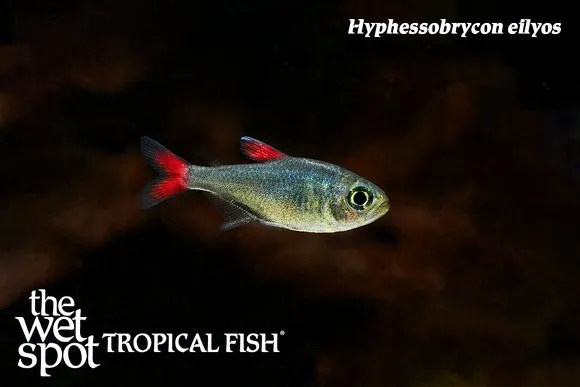 1.2 in (3 cm)12 gal (45 L)72–81°F (22–27°C)
Eilyos tetra
Hyphessobrycon eilyos
1.2 in (3 cm) · 12 gal (45 L)
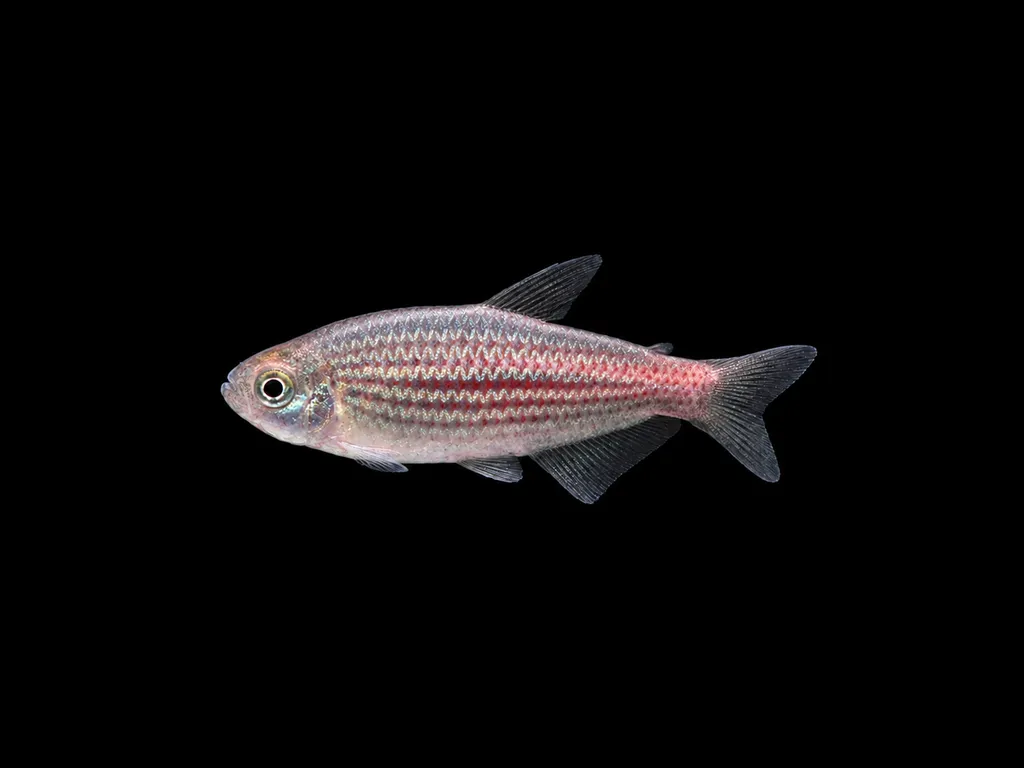 1.2 in (3 cm)14 gal (54 L)72–81°F (22–27°C)
Scratched inpa tetra
Inpaichthys parauapiranga
1.2 in (3 cm) · 14 gal (54 L)
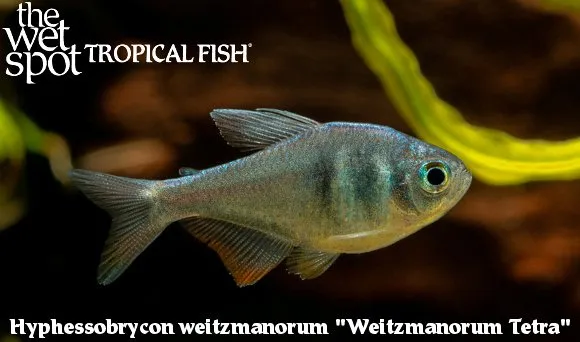 1.2 in (3 cm)12 gal (45 L)72–81°F (22–27°C)
Weitzman's tetra
Hyphessobrycon weitzmanorum
1.2 in (3 cm) · 12 gal (45 L)
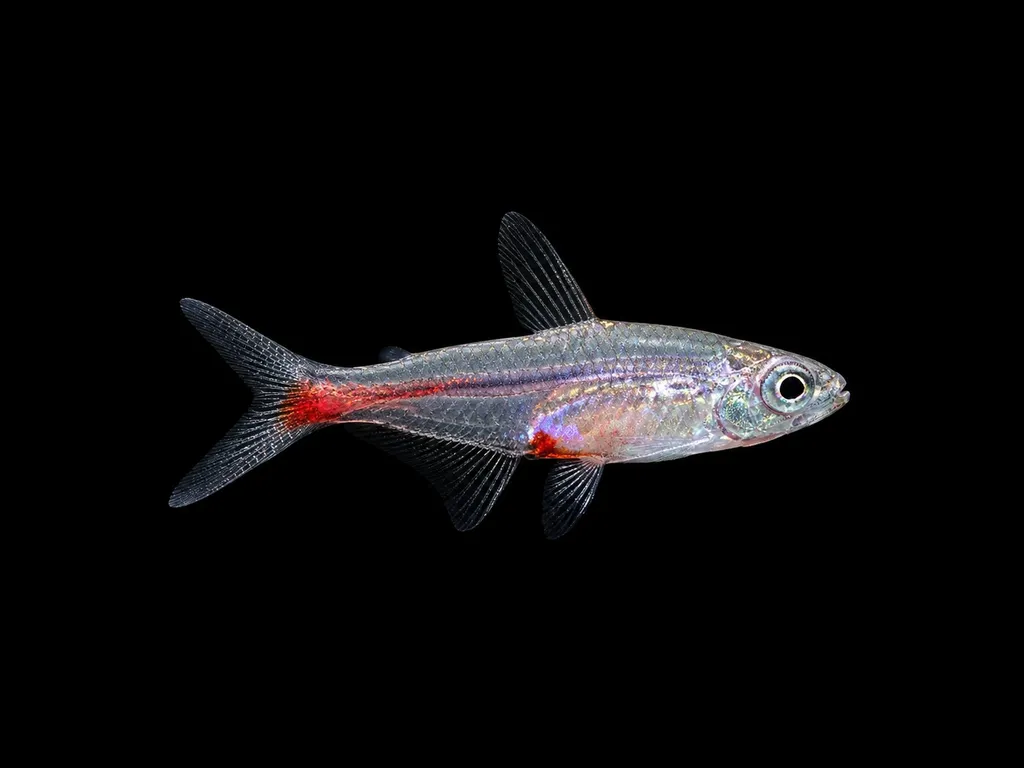 1.3 in (3.3 cm)14 gal (54 L)75–82°F (24–28°C)
Axelrod's glass tetra
Brittanichthys axelrodi
1.3 in (3.3 cm) · 14 gal (54 L)
- 1.3 in (3.3 cm)14 gal (54 L)75–82°F (24–28°C)
Unicorn tetra
Erythrocharax altipinnis
1.3 in (3.3 cm) · 14 gal (54 L)