Red tail lasiancistrus
Lasiancistrus heteracanthus
Also known as Cutuchi pleco, Small spot red eye pleco, Red tail pleco
FreshwaterFish
Care at a glance
- Temperature
- 73–81°F
- 23–27°C
- pH
- 6.0–7.2
- Adult size
- 7.1 in
- 18 cm
- Minimum tank
- 66 gal
- 250 L
- Temperament
- Peaceful
- Social behavior
- Solitary
- Swim level
- Bottom
- Difficulty
- Medium
- Breeding
- Cave spawner · Medium
- Rarity
- Rare
- Family
- Loricariidae
- Origin
- Upper Amazon foothills, Ecuador and Peru
Overview
The red tail lasiancistrus is a flattened, whiskery grazing pleco and one of the more determined algae eaters among the plecos. It works the bottom and is best with a little experience.
Did you know
The red tail lasiancistrus takes its genus name from its bristles. Lasiancistrus simply means shaggy Ancistrus, after those growths of odontodes.
Caring for the red tail lasiancistrus
Give a red tail lasiancistrus a tank of at least 66 gal (250 L), with smooth stone, driftwood and strong current over sand. Add a cave or a piece of wood for it to hold as its own.
It prefers cooler, faster water than most plecos. Keep it at 73 to 81°F (23 to 27°C) with a pH of 6.0 to 7.2, and do not let the pH drop too low. High oxygen and steady movement suit it.
Feed it as a grazer, with algae wafers, blanched vegetables and driftwood to rasp. Add some sinking pellets and light protein.
The red tail lasiancistrus is solitary and best kept one to a tank. It is peaceful toward other fish, so pair it with active midwater species that enjoy the same brisk, cool conditions.
Mature males grow soft, feathery odontodes across the cheeks and snout, more a fringe of fine plumage than a beard. Breeding is of moderate difficulty and follows the cave-spawning pattern of its relatives, with the male tending the eggs.
Good to know
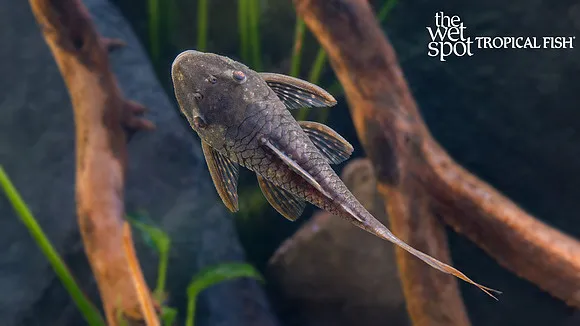
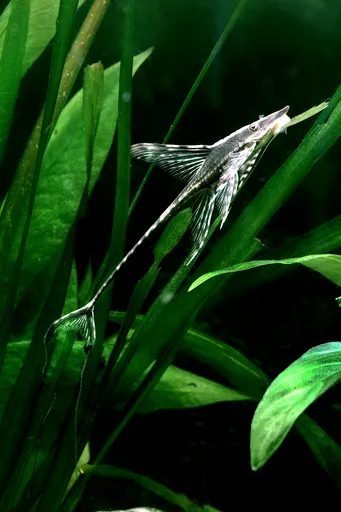
The red tail lasiancistrus, Lasiancistrus heteracanthus, belongs to the family Loricariidae. It is tan with fine spots and a rust-tinted tail, which gives the trade name.
In the wild
The red tail lasiancistrus lives in the cool, fast rivers of the upper Amazon foothills in Ecuador and Peru, including the Napo and its neighbors. It clings to rock and wood in oxygen-rich flow.
Weekly picks
Tank mates
The red tail lasiancistrus is a peaceful, solitary species that keeps to the bottom. These picks share a community profile with it, are safe together in both directions, and overlap on water type, temperature and pH.
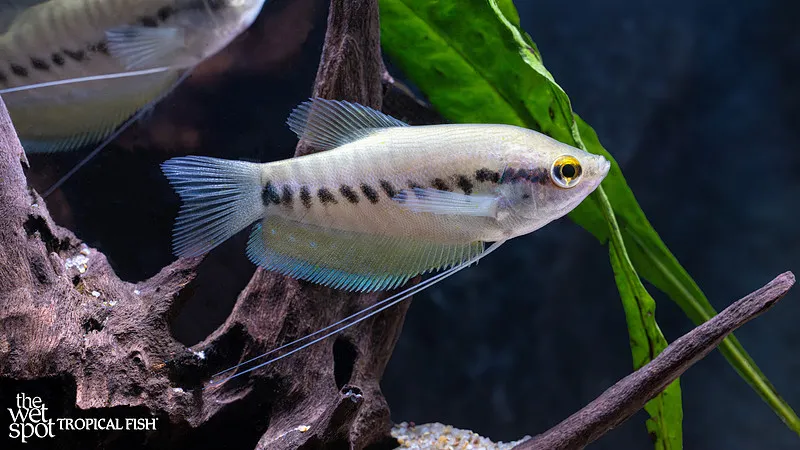
Snakeskin gourami
Trichopodus pectoralis
Freshwater9.8 in (25 cm) · 61 gal (230 L)72–86°F (22–30°C)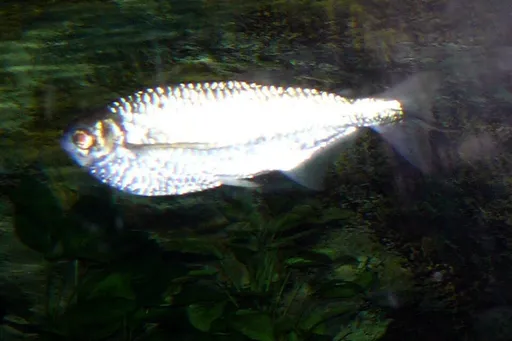
Narrow hatchetfish
Triportheus angulatus
Freshwater9.8 in (25 cm) · 79 gal (300 L)73–82°F (23–28°C)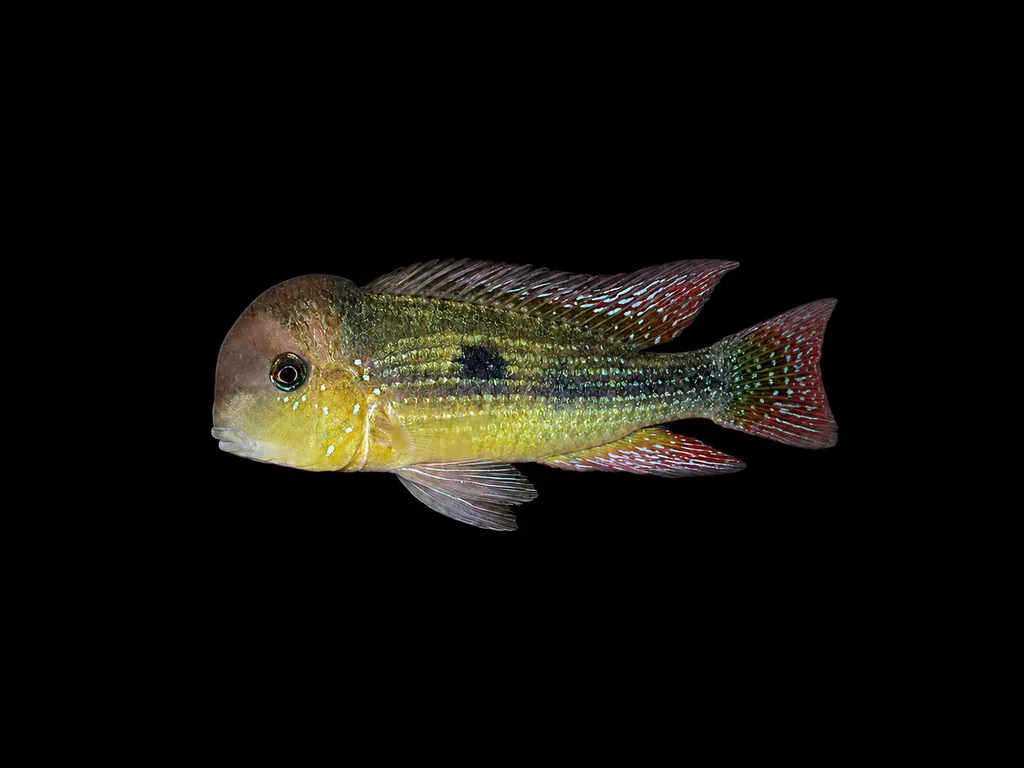
Tiraparae eartheater
Gymnogeophagus tiraparae
Freshwater4.7 in (12 cm) · 66 gal (250 L)61–79°F (16–26°C)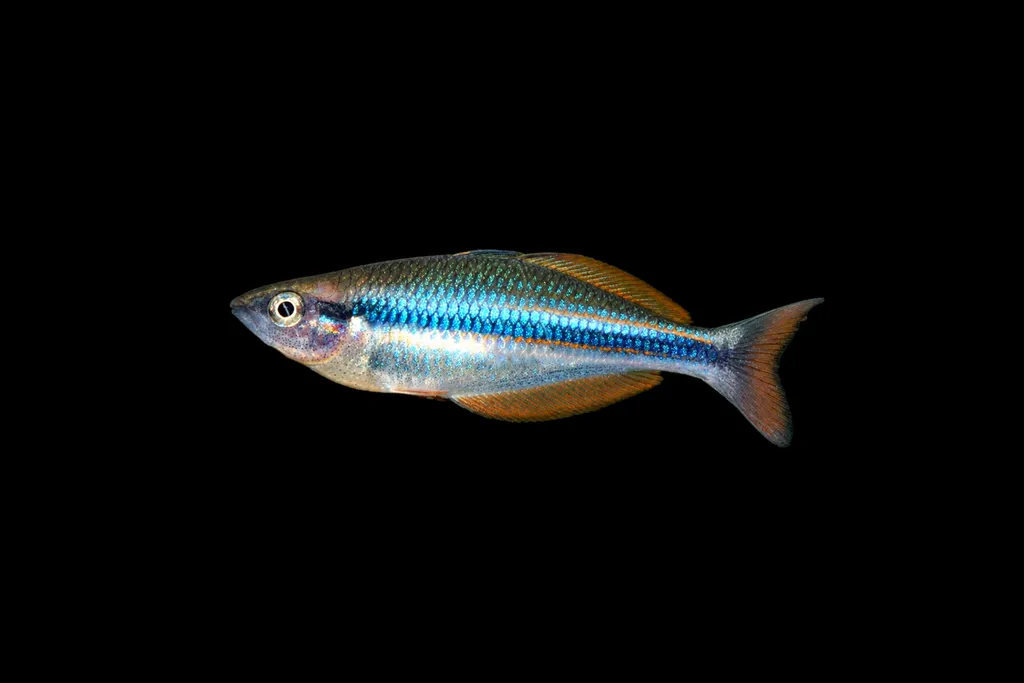
Van Heurn's rainbowfish
Melanotaenia vanheurni
Freshwater7.3 in (18.5 cm) · 66 gal (250 L)73–82°F (23–28°C)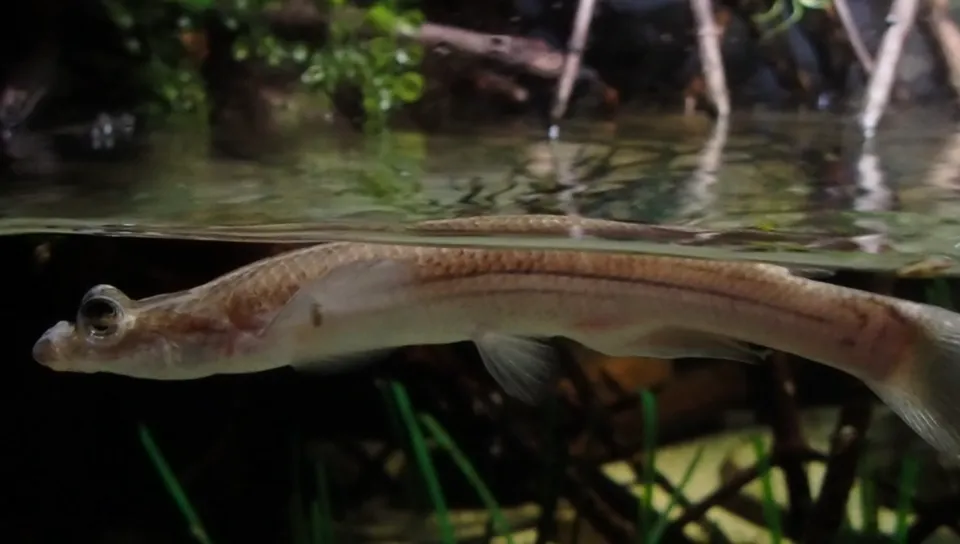
Largescale four-eyed fish
Anableps anableps
FreshwaterBrackish11.8 in (30 cm) · 70 gal (265 L)77–88°F (25–31°C)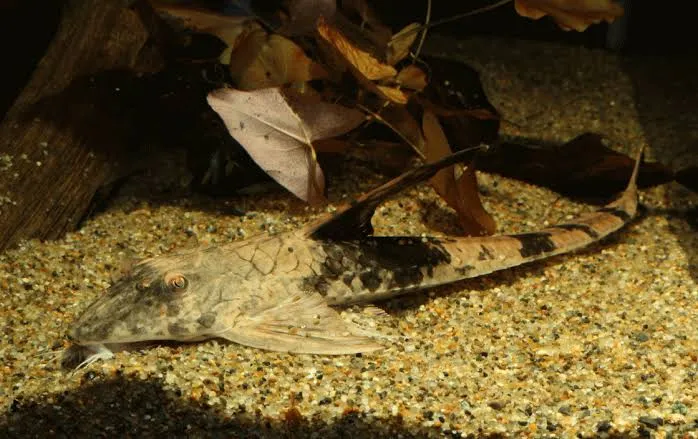
Marble whiptail
Loricaria simillima
Freshwater10.2 in (26 cm) · 66 gal (250 L)75–82°F (24–28°C)
Common questions
What size tank does a red tail lasiancistrus need?
A red tail lasiancistrus needs at least 66 gal (250 L). It spends most of its time in the bottom.
What temperature and pH does a red tail lasiancistrus need?
A red tail lasiancistrus is comfortable at 73–81°F (23–27°C) with a pH of 6.0–7.2.
What does a red tail lasiancistrus eat?
A red tail lasiancistrus is a grazer that eats algae wafers, blanched vegetables and the driftwood it rasps. It also takes some sinking pellets and light protein.
How big does a red tail lasiancistrus get?
An adult red tail lasiancistrus reaches about 7.1 in (18 cm).
How can you tell a male red tail lasiancistrus from a female?
Males grow soft, feathery odontodes across the cheeks and snout as they mature. These bristles look less like a beard than a fringe of fine plumage.
How does a red tail lasiancistrus breed?
Red tail lasiancistrus follow the cave-spawning pattern of their relatives, and the male tends the eggs. Breeding them is of moderate difficulty.
Related species
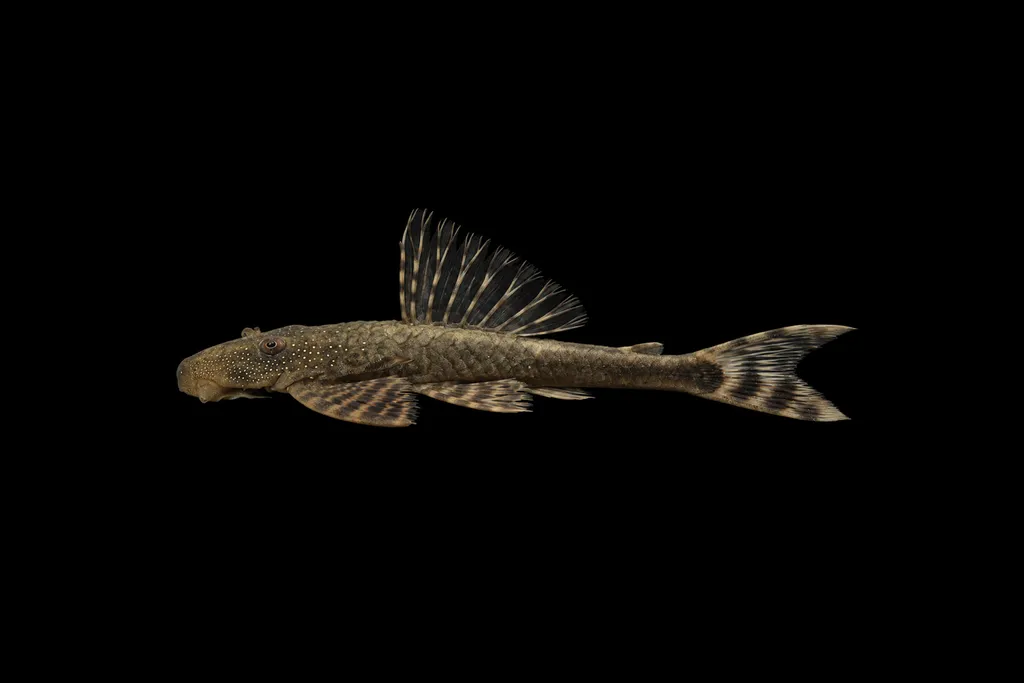 6.7 in (17 cm)66 gal (250 L)77–84°F (25–29°C)
Head-spot delta pleco
Lasiancistrus tentaculatus
6.7 in (17 cm) · 66 gal (250 L)
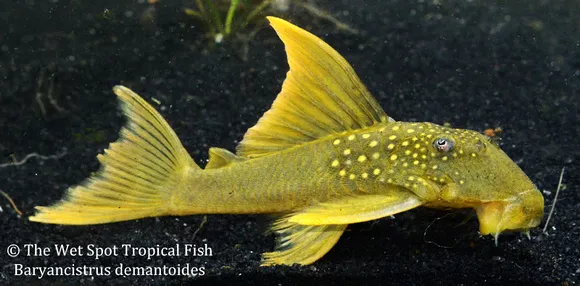 7.1 in (18 cm)79 gal (300 L)77–84°F (25–29°C)
Hi-fin green phantom pleco
Baryancistrus demantoides
7.1 in (18 cm) · 79 gal (300 L)
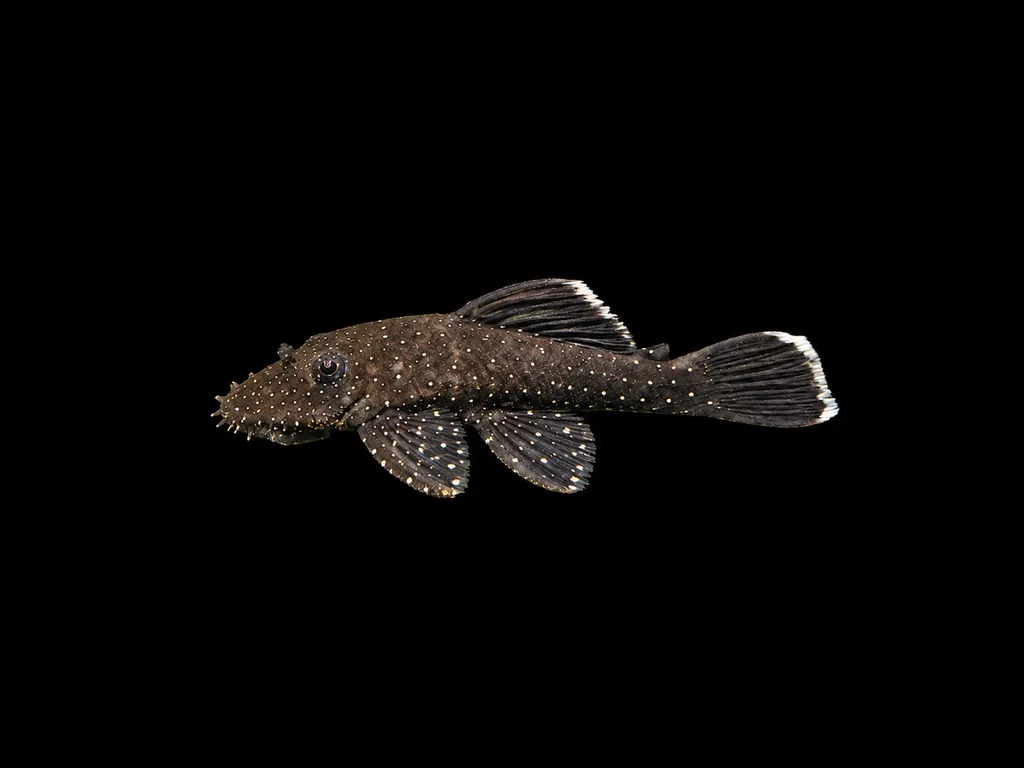 7.1 in (18 cm)42 gal (160 L)77–84°F (25–29°C)
Starry night bristlenose pleco
Ancistrus hoplogenys
7.1 in (18 cm) · 42 gal (160 L)
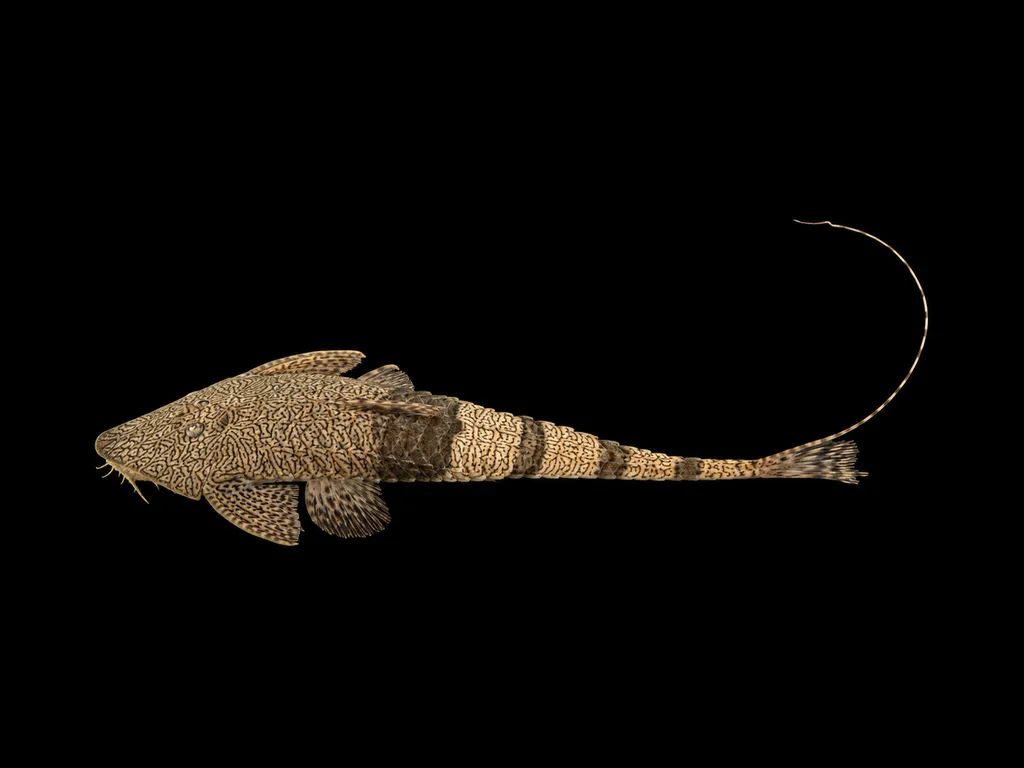 6.7 in (17 cm)79 gal (300 L)75–82°F (24–28°C)
Chameleon whiptail
Pseudohemiodon apithanos
6.7 in (17 cm) · 79 gal (300 L)
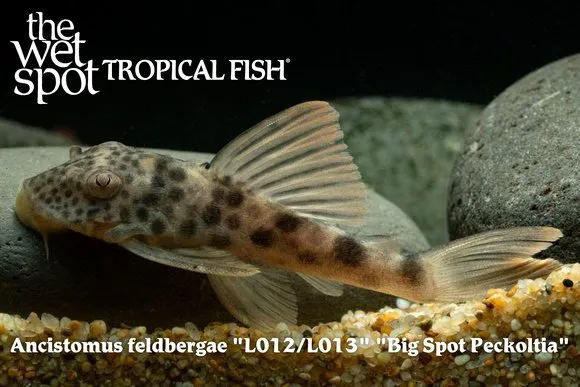 7.9 in (20 cm)66 gal (250 L)79–86°F (26–30°C)
Big spot pleco
Ancistomus feldbergae
7.9 in (20 cm) · 66 gal (250 L)
 7.9 in (20 cm)53 gal (200 L)73–81°F (23–27°C)
Giant whiptail catfish
Sturisomatichthys aureus
7.9 in (20 cm) · 53 gal (200 L)