Head-spot delta pleco
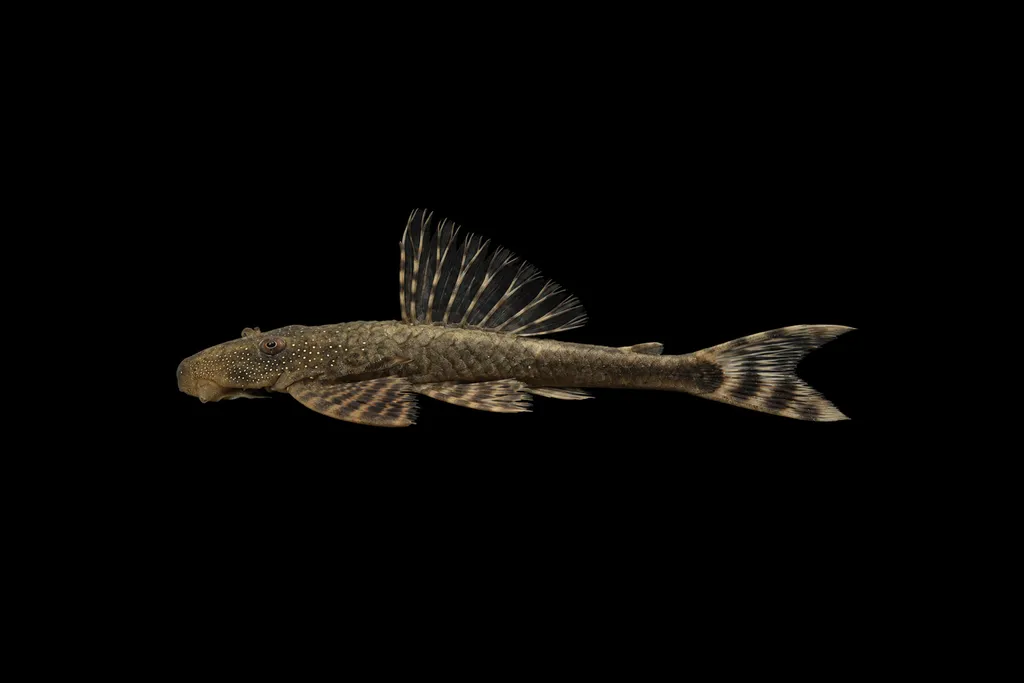
Lasiancistrus tentaculatus
Also known as L092, Delta tail pleco
FreshwaterFish
Care at a glance
- Temperature
- 77–84°F
- 25–29°C
- pH
- 5.5–7.2
- Adult size
- 6.7 in
- 17 cm
- Minimum tank
- 66 gal
- 250 L
- Temperament
- Peaceful
- Social behavior
- Solitary
- Swim level
- Bottom
- Difficulty
- Medium
- Breeding
- Cave spawner · Medium
- Rarity
- Rare
- Family
- Loricariidae
- Origin
- Orinoco basin, Venezuela
Overview
The head-spot delta pleco is an easygoing, placid pleco that suits a community tank. It is best with a little experience.
Did you know
The head-spot delta pleco's species name, tentaculatus, refers to the tentacle-like whiskers on a mature male's snout. They make the genus look a little like the bristlenose plecos.
Caring for the head-spot delta pleco
Give the head-spot delta pleco at least 66 gal (250 L), with plenty of driftwood and caves. Add rounded stones over a sand or fine gravel floor. It shelters in the driftwood as well as feeding on it.
Keep the water warm, soft to neutral and clean, at 77 to 84°F (25 to 29°C) with a pH of 5.5 to 7.2. Give it steady flow.
It is a wood-eater and needs real driftwood to rasp as part of its diet. Back that up with vegetables such as cucumber and zucchini, plus sinking dried foods. It works over wood and rock through the day.
Keep it as a single fish. It is not territorial, so it mixes calmly with characins, peaceful cichlids, corydoras and other loricariids. Mature males carry bristly odontodes on the snout. It spawns in caves, and breeding is of moderate difficulty.
Good to know
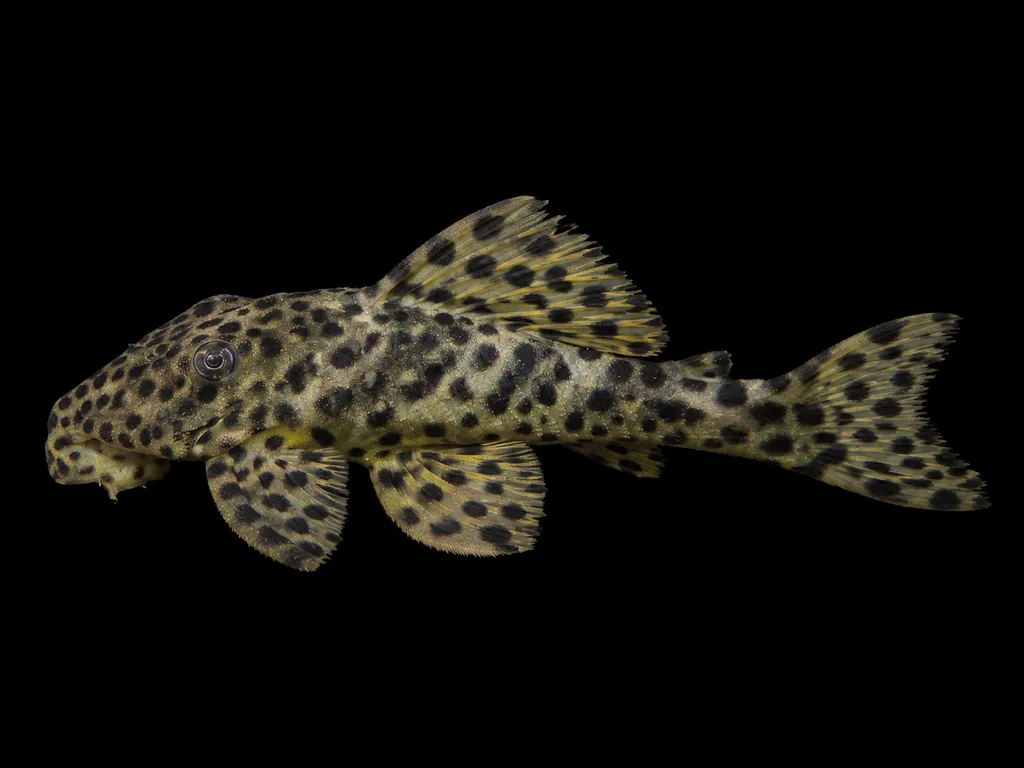
Lasiancistrus tentaculatus is a loricariid sold in the trade as L092, also called the delta tail pleco. It is gold-freckled on the head over an olive body, with a delta-shaped tail. It is the one member of its genus that mainly eats wood, aided by specialized gut bacteria.
In the wild
The head-spot delta pleco lives in tributaries of the Orinoco basin in Venezuela, warm rivers running over wood and rock.
Weekly picks
Tank mates
The head-spot delta pleco is a peaceful, solitary species that keeps to the bottom. These picks share a community profile with it, are safe together in both directions, and overlap on water type, temperature and pH.
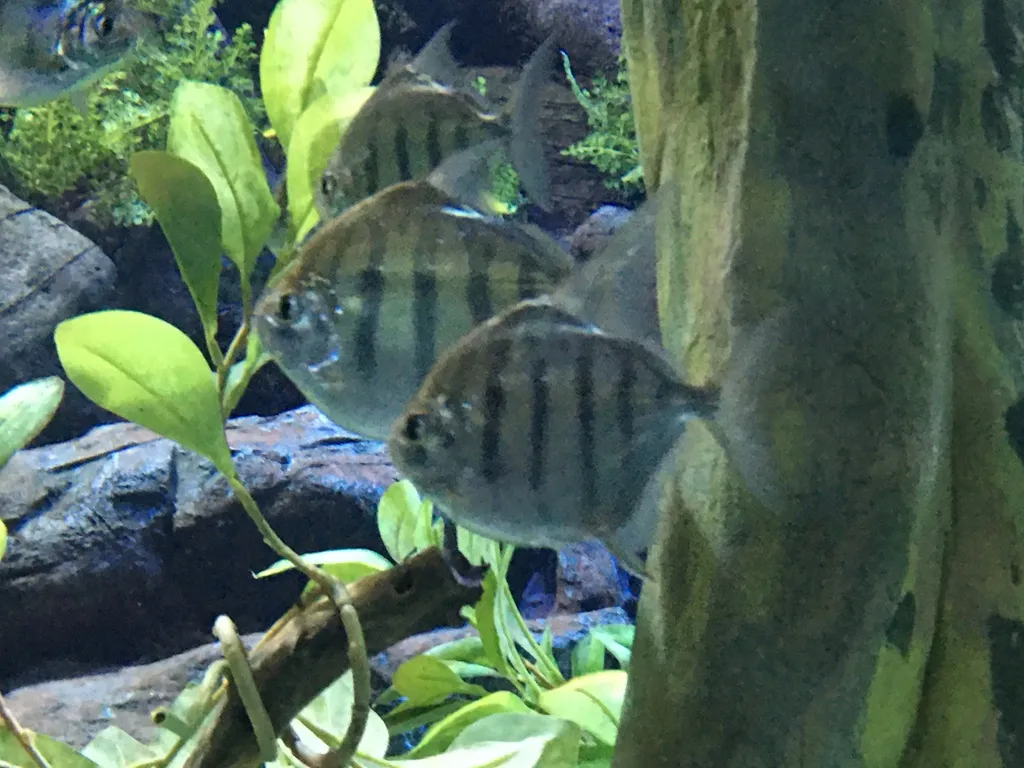
Banded silver dollar
Metynnis fasciatus
Freshwater3.9 in (10 cm) · 70 gal (265 L)75–82°F (24–28°C)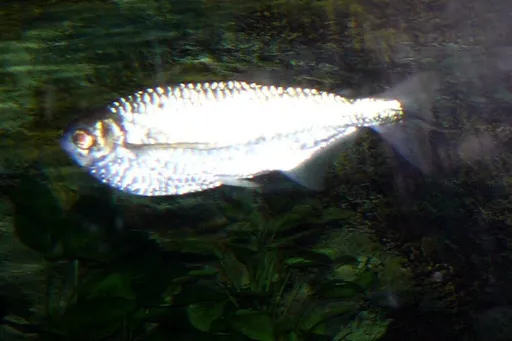
Narrow hatchetfish
Triportheus angulatus
Freshwater9.8 in (25 cm) · 79 gal (300 L)73–82°F (23–28°C)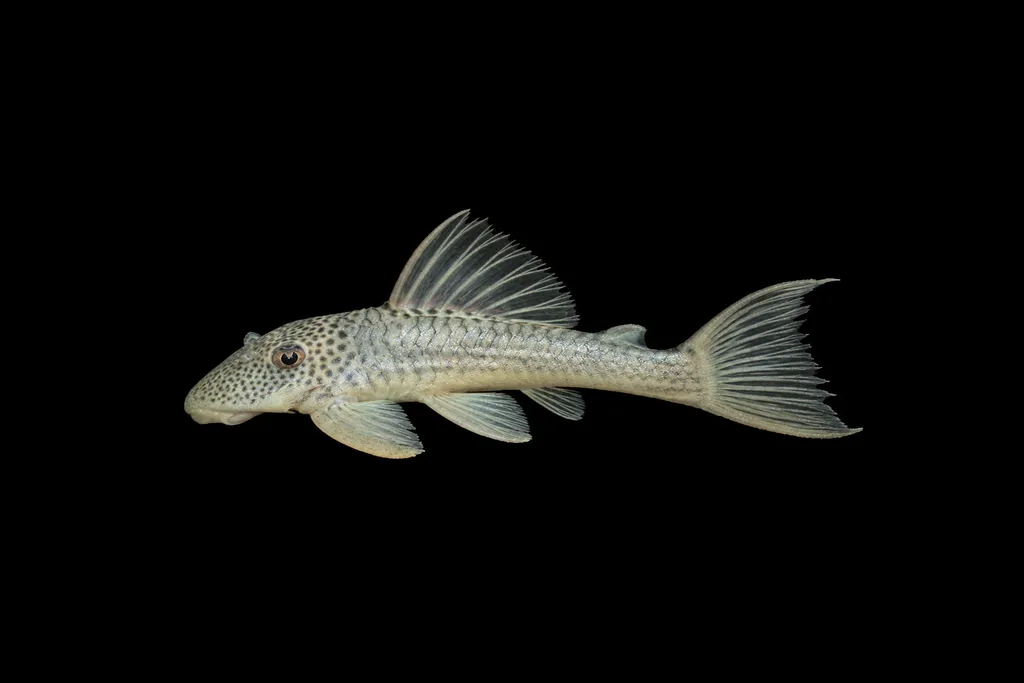
Ghost pleco
Ancistomus snethlageae
Freshwater8.7 in (22 cm) · 66 gal (250 L)77–84°F (25–29°C)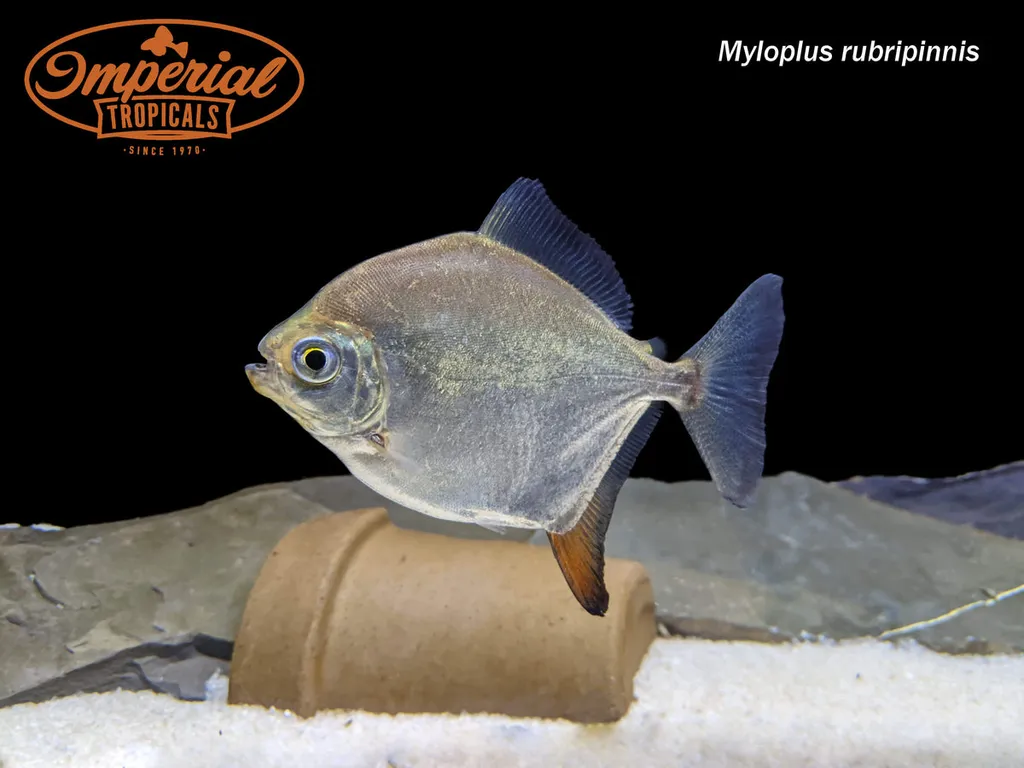
Redhook
Myloplus rubripinnis
Freshwater9.8 in (25 cm) · 70 gal (265 L)73–81°F (23–27°C)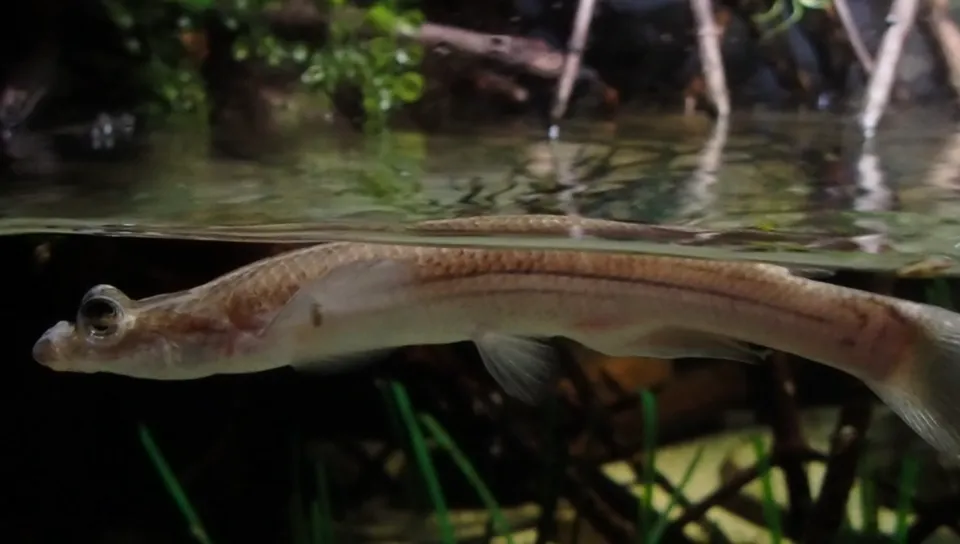
Largescale four-eyed fish
Anableps anableps
FreshwaterBrackish11.8 in (30 cm) · 70 gal (265 L)77–88°F (25–31°C)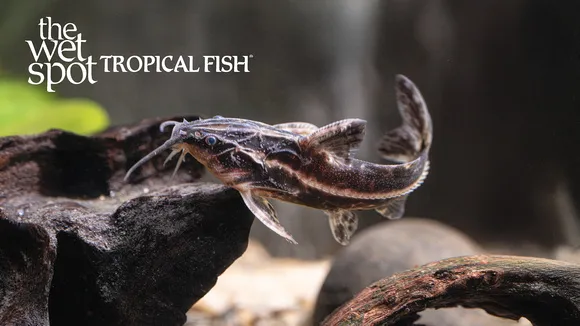
Orinoco talking catfish
Orinocodoras eigenmanni
Freshwater7.9 in (20 cm) · 70 gal (265 L)73–82°F (23–28°C)
Common questions
What size tank does a head-spot delta pleco need?
A head-spot delta pleco needs at least 66 gal (250 L). It spends most of its time in the bottom.
What temperature and pH does a head-spot delta pleco need?
A head-spot delta pleco is comfortable at 77–84°F (25–29°C) with a pH of 5.5–7.2.
What does a head-spot delta pleco eat?
A head-spot delta pleco mainly eats wood, so it needs real driftwood to rasp. Back that up with vegetables such as cucumber and zucchini, plus sinking dried foods.
How big does a head-spot delta pleco get?
An adult head-spot delta pleco reaches about 6.7 in (17 cm).
How can you tell a male head-spot delta pleco from a female?
Males grow bristly odontodes on the snout as they mature.
How does a head-spot delta pleco breed?
A head-spot delta pleco spawns in caves. Breeding it is of moderate difficulty.
Related species
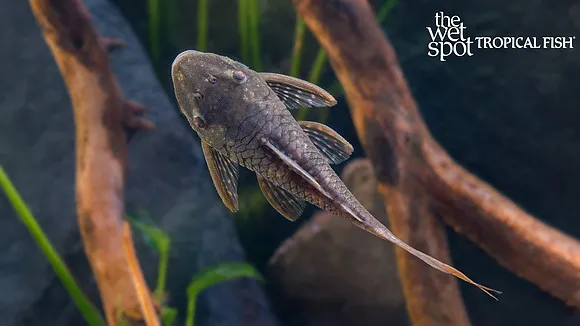 7.1 in (18 cm)66 gal (250 L)73–81°F (23–27°C)
Red tail lasiancistrus
Lasiancistrus heteracanthus
7.1 in (18 cm) · 66 gal (250 L)
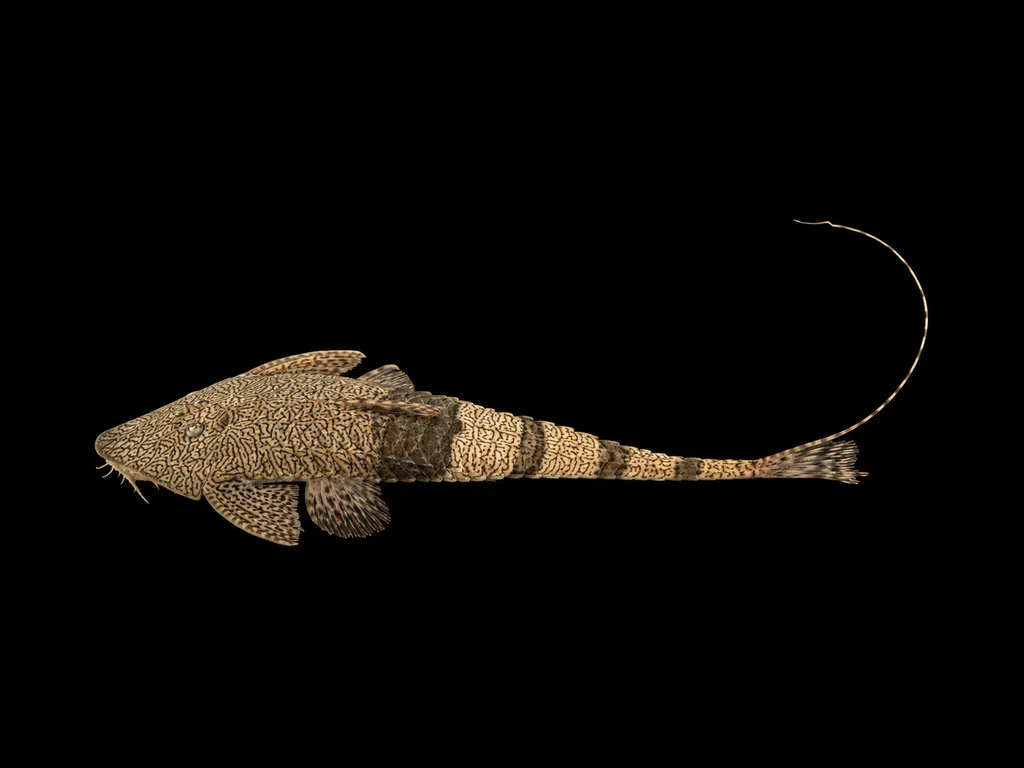 6.7 in (17 cm)79 gal (300 L)75–82°F (24–28°C)
Chameleon whiptail
Pseudohemiodon apithanos
6.7 in (17 cm) · 79 gal (300 L)
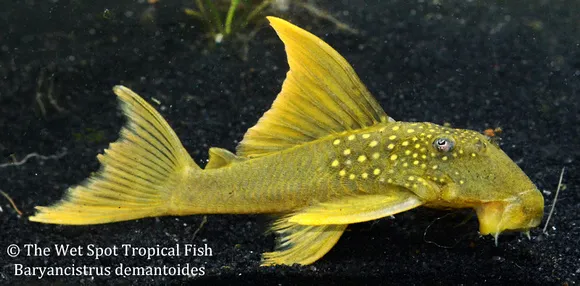 7.1 in (18 cm)79 gal (300 L)77–84°F (25–29°C)
Hi-fin green phantom pleco
Baryancistrus demantoides
7.1 in (18 cm) · 79 gal (300 L)
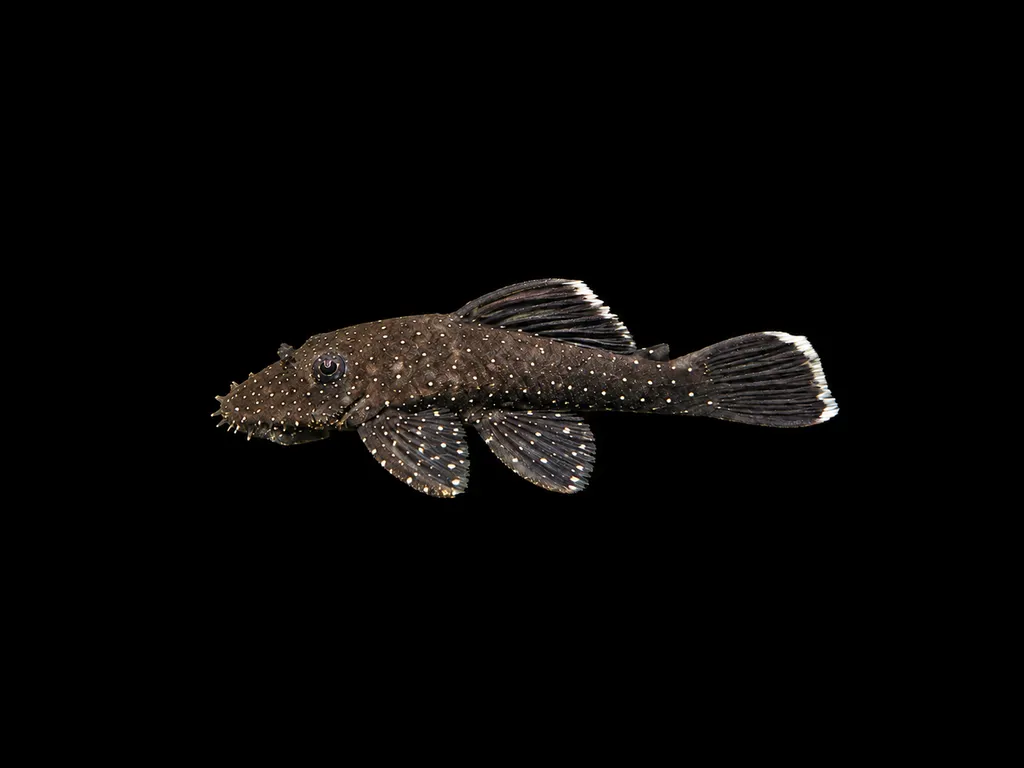 7.1 in (18 cm)42 gal (160 L)77–84°F (25–29°C)
Starry night bristlenose pleco
Ancistrus hoplogenys
7.1 in (18 cm) · 42 gal (160 L)
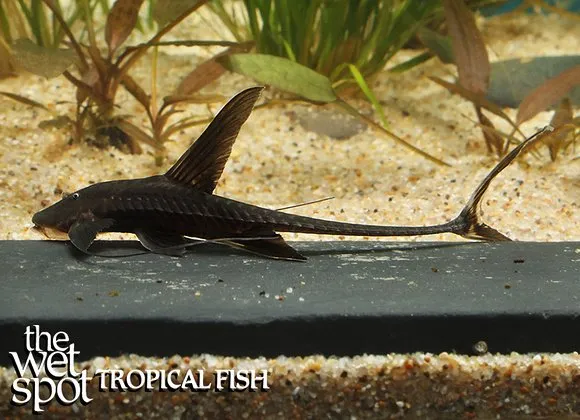 6.3 in (16 cm)40 gal (150 L)73–82°F (23–28°C)
Antenna whiptail
Pterosturisoma microps
6.3 in (16 cm) · 40 gal (150 L)
 6.3 in (16 cm)79 gal (300 L)79–86°F (26–30°C)
Golden vampire pleco
Leporacanthicus heterodon
6.3 in (16 cm) · 79 gal (300 L)