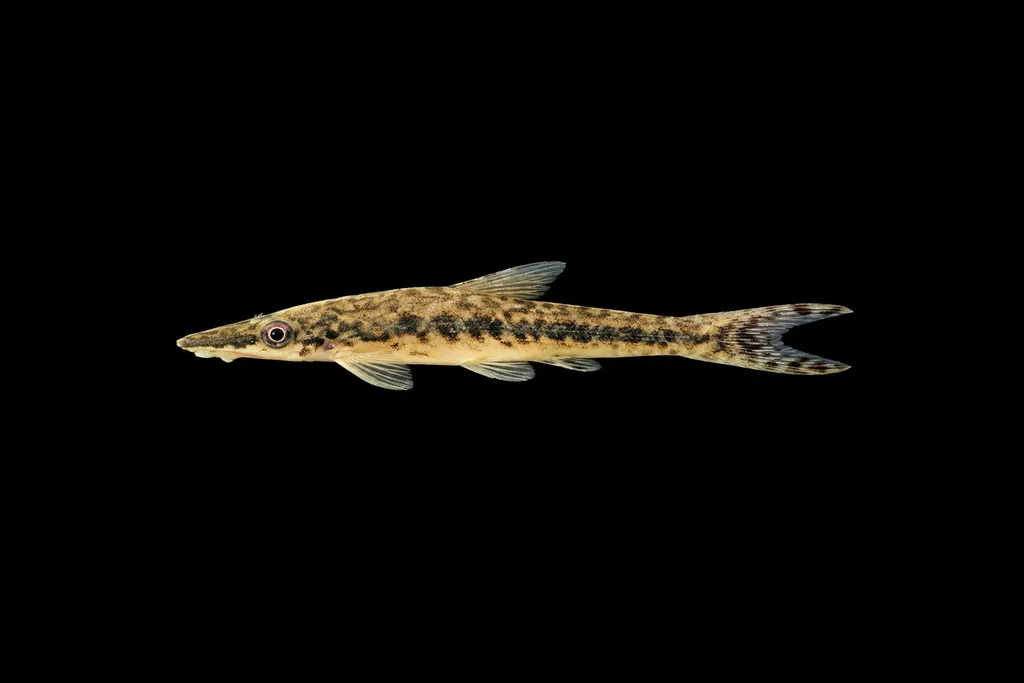
Guianense otocinclus
Hypoptopoma guianense
Also known as Hypoptopoma guianensis, Guiana giant oto
FreshwaterFish
Care at a glance
- Temperature
- 75–82°F
- 24–28°C
- pH
- 6.0–7.5
- Adult size
- 3 in
- 7.5 cm
- Minimum tank
- 29 gal
- 110 L
- Temperament
- Peaceful
- Social behavior
- Social
- Swim level
- Bottom
- Diet
- Herbivore
- Difficulty
- Medium
- Breeding
- Egg layer · Medium
- Rarity
- Rare
- Family
- Loricariidae
- Origin
- Guiana Shield rivers
Overview
The Guianense otocinclus is a sturdy, oversized oto and a peaceful grazer for a planted community tank. It is best with some experience.
Did you know
The Guianense otocinclus has had even the spelling of its name tidied up. It is written guianense, not the guianensis often seen in the trade, so the Latin ending agrees with the neuter genus Hypoptopoma.
Caring for the Guianense otocinclus
Give Guianense otocinclus a well-planted tank of at least 29 gal (110 L), which holds a small group. Add driftwood and plenty of grazing surfaces.
Keep the water warm, clean and stable, at 75 to 82°F (24 to 28°C) with a pH of 6.0 to 7.5. Gentle to moderate flow suits them.
They scrape algae and biofilm from driftwood, stems and glass through the day. Do not expect them to live on cleanup alone, since a larger oto eats more than a small one. Back up their natural grazing with algae wafers and blanched vegetables.
Guianense otocinclus like company, so keep a group of several and watch them tile themselves across the wood. They are peaceful and harmless, so keep them with small, calm community fish. They lay adhesive eggs on solid surfaces, and breeding them is of moderate difficulty.
Good to know
Hypoptopoma guianense is a loricariid with the low, side-set eyes typical of its genus. It was first described in 1974 from a tributary of the Nickerie River. It is also sold as the Guiana giant oto.
In the wild
The Guianense otocinclus comes from rivers of the Guiana Shield, including the Essequibo in Guyana and the Nickerie in Suriname. These are warm waters, clear to tea-colored, with wood and vegetation.
Weekly picks
Tank mates
The Guianense otocinclus is a peaceful, social species that keeps to the bottom. These picks share a community profile with it, are safe together in both directions, and overlap on water type, temperature and pH.
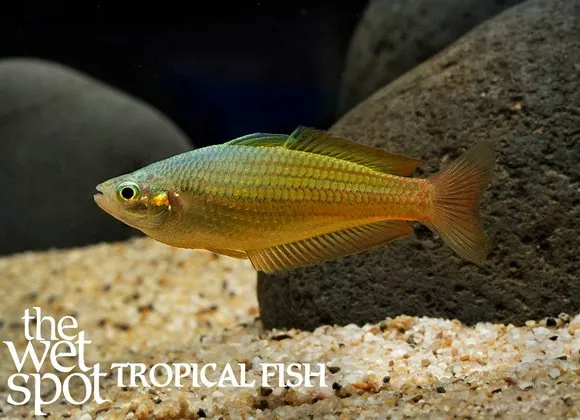
Gary Lange's rainbowfish
Melanotaenia garylangei
Freshwater3.5 in (9 cm) · 29 gal (110 L)75–84°F (24–29°C)
Redfin halfbeak
Nomorhamphus ebrardtii
Freshwater3.5 in (9 cm) · 29 gal (110 L)75–81°F (24–27°C)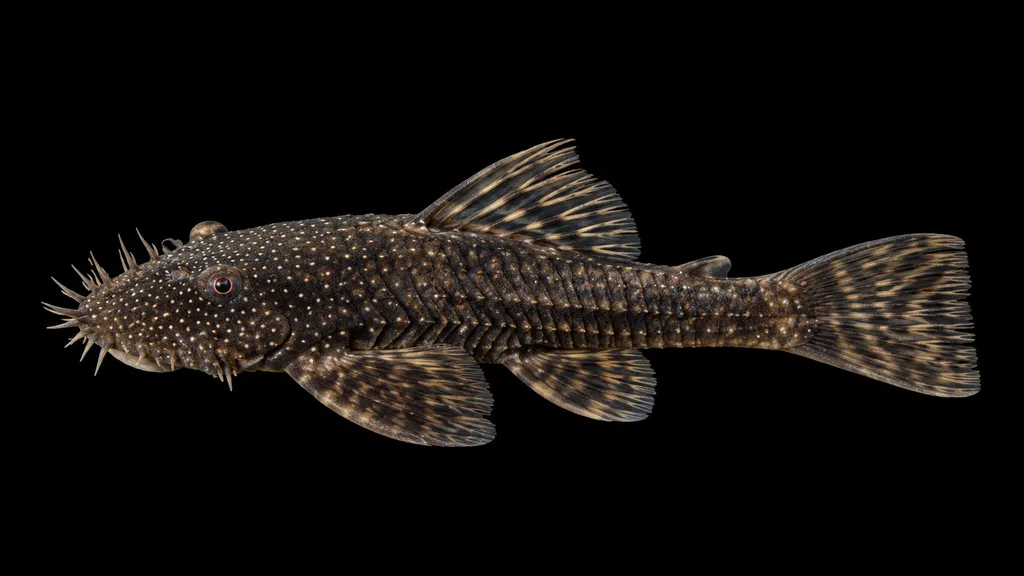
Aguaboa bristlenose pleco
Ancistrus aguaboensis
Freshwater3.1 in (8 cm) · 29 gal (110 L)77–84°F (25–29°C)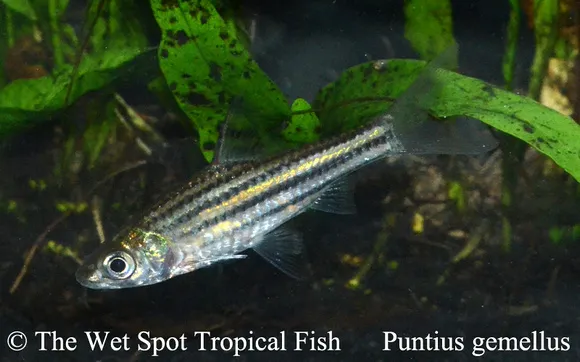
Twin-striped barb
Desmopuntius gemellus
Freshwater3.5 in (9 cm) · 29 gal (110 L)73–82°F (23–28°C)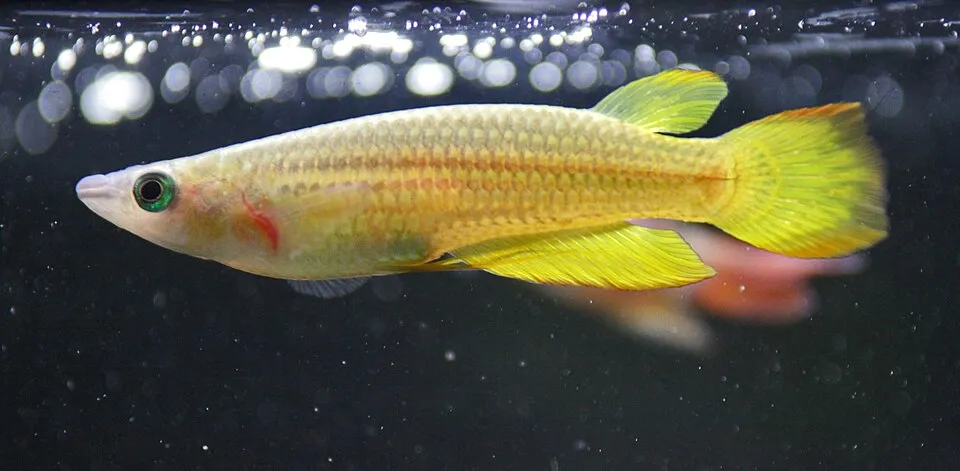
Striped panchax
Aplocheilus lineatus
Freshwater4.3 in (11 cm) · 30 gal (115 L)72–77°F (22–25°C)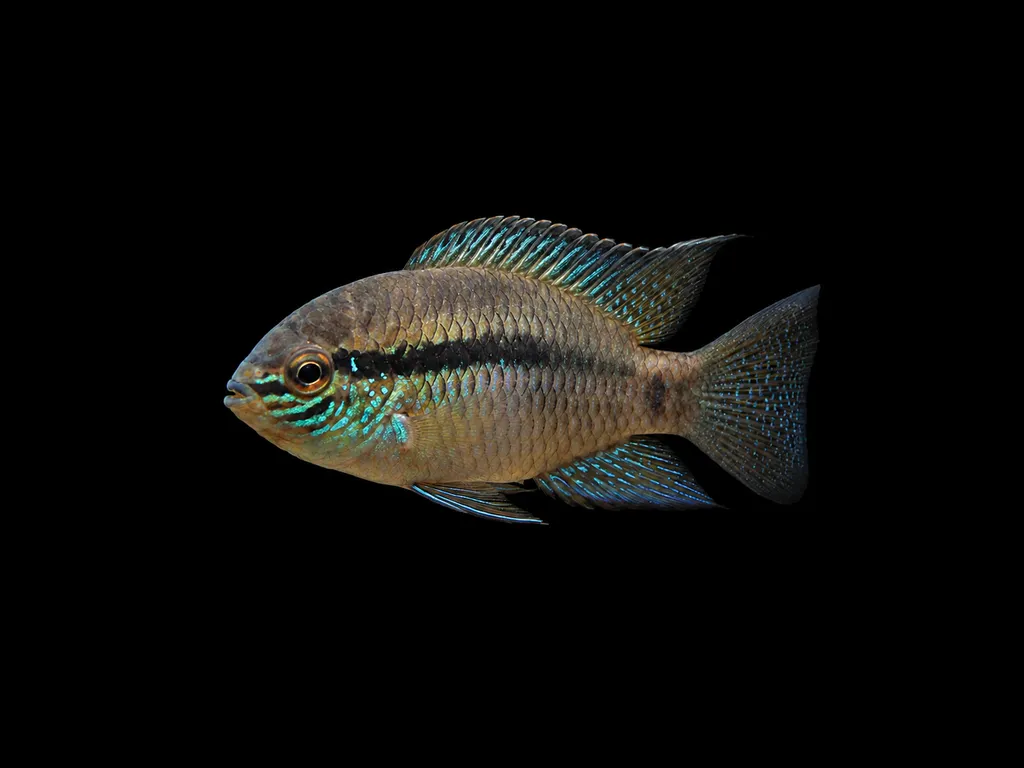
Thayer's dwarf acara
Laetacara thayeri
Freshwater4.7 in (12 cm) · 29 gal (110 L)75–82°F (24–28°C)
Common questions
What size tank does a Guianense otocinclus need?
A Guianense otocinclus needs at least 29 gal (110 L). It spends most of its time in the bottom.
What temperature and pH does a Guianense otocinclus need?
A Guianense otocinclus is comfortable at 75–82°F (24–28°C) with a pH of 6.0–7.5.
What does a Guianense otocinclus eat?
A Guianense otocinclus scrapes algae and biofilm from driftwood, stems and glass. Back up that grazing with algae wafers and blanched vegetables, since a larger oto eats more than a small one.
How big does a Guianense otocinclus get?
An adult Guianense otocinclus reaches about 3 in (7.5 cm).
How does a Guianense otocinclus breed?
A Guianense otocinclus lays adhesive eggs on solid surfaces. Breeding it is of moderate difficulty.
Related species
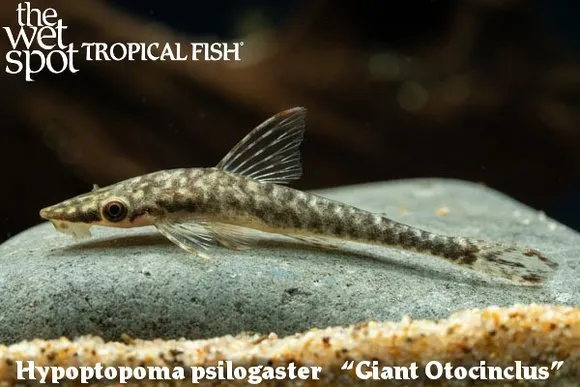 3.1 in (8 cm)29 gal (110 L)75–82°F (24–28°C)
Giant otocinclus
Hypoptopoma psilogaster
3.1 in (8 cm) · 29 gal (110 L)
- 3.1 in (8 cm)29 gal (110 L)77–84°F (25–29°C)
Aguaboa bristlenose pleco
Ancistrus aguaboensis
3.1 in (8 cm) · 29 gal (110 L)
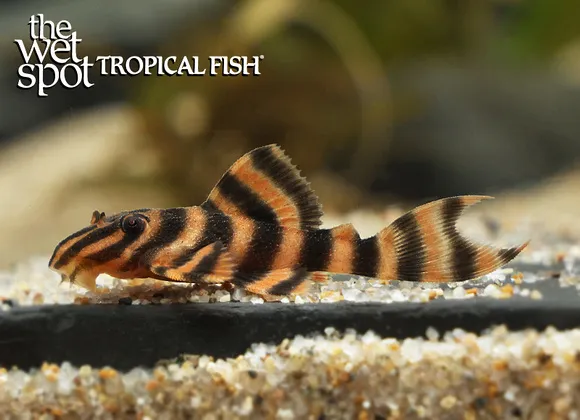 3.1 in (8 cm)42 gal (160 L)77–84°F (25–29°C)
Bloodred tiger pleco
Panaqolus claustellifer
3.1 in (8 cm) · 42 gal (160 L)
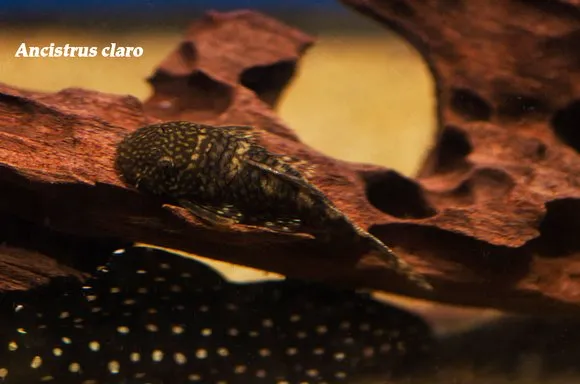 3.1 in (8 cm)20 gal (75 L)77–84°F (25–29°C)
Gold marble bristlenose pleco
Ancistrus claro
3.1 in (8 cm) · 20 gal (75 L)
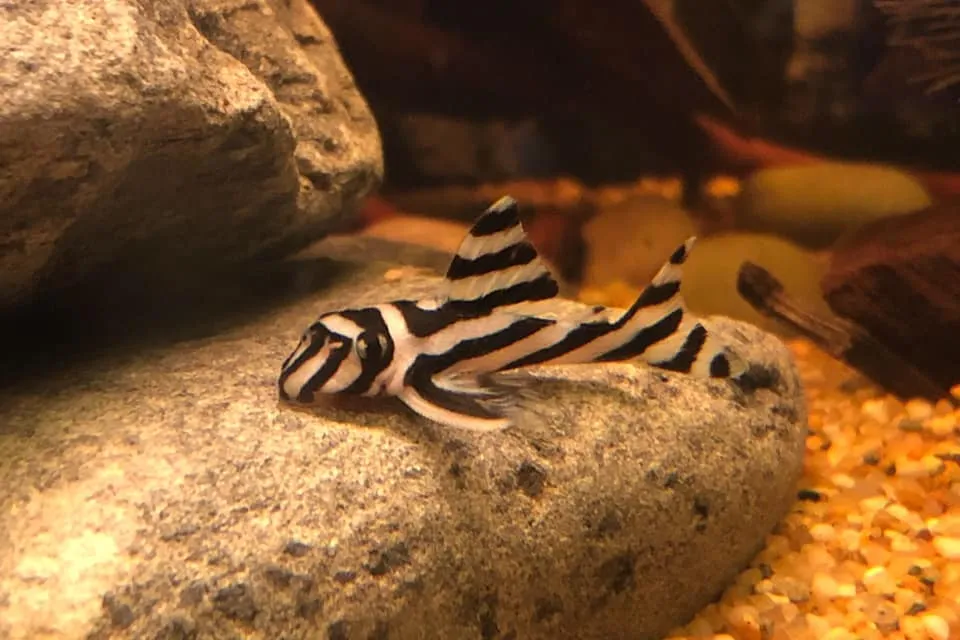 3.1 in (8 cm)15 gal (55 L)79–86°F (26–30°C)
Zebra pleco
Hypancistrus zebra
3.1 in (8 cm) · 15 gal (55 L)
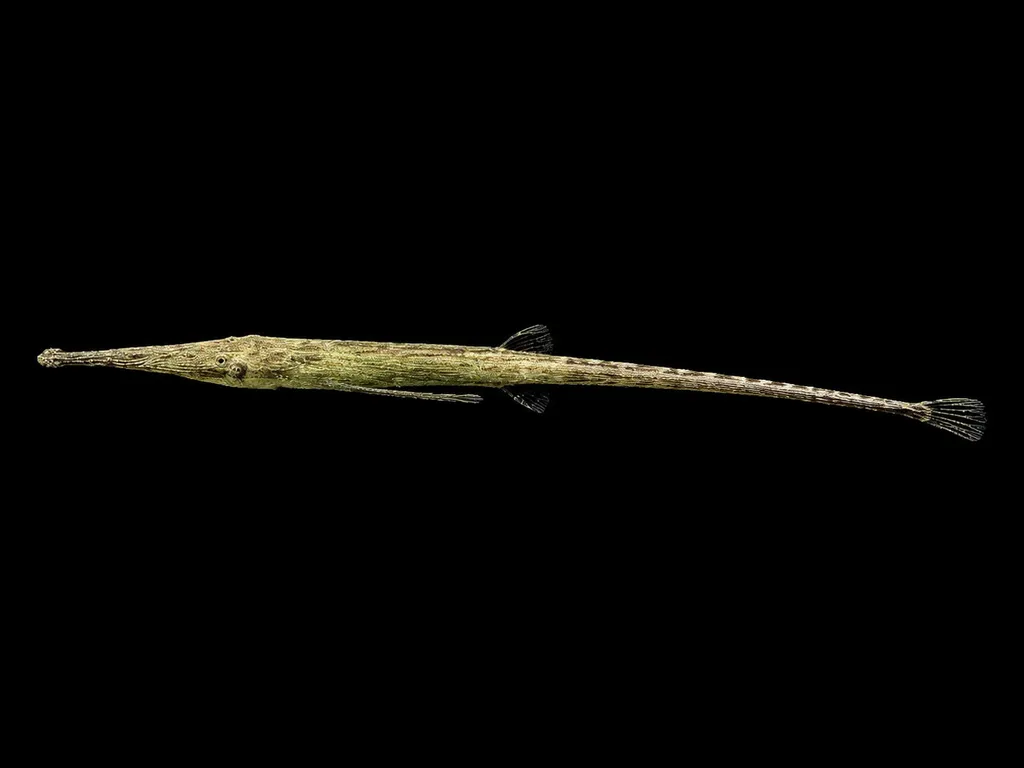 2.8 in (7 cm)20 gal (75 L)75–82°F (24–28°C)
Green farlowella
Acestridium dichromum
2.8 in (7 cm) · 20 gal (75 L)