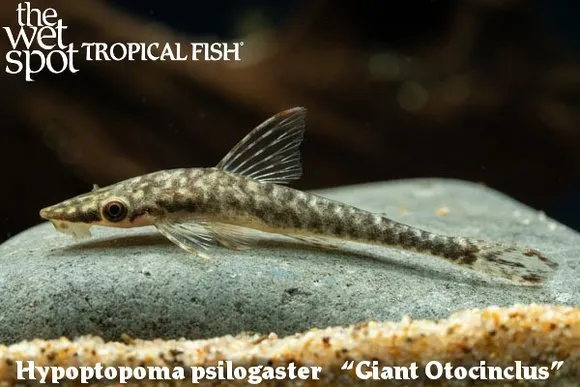
Giant otocinclus
Hypoptopoma psilogaster
Also known as Psilogaster oto
FreshwaterFish
Care at a glance
- Temperature
- 75–82°F
- 24–28°C
- pH
- 6.0–7.5
- Adult size
- 3.1 in
- 8 cm
- Minimum tank
- 29 gal
- 110 L
- Temperament
- Peaceful
- Social behavior
- Social
- Swim level
- Bottom
- Diet
- Herbivore
- Difficulty
- Medium
- Breeding
- Egg layer · Medium
- Rarity
- Rare
- Family
- Loricariidae
- Origin
- Upper Amazon, Peru
Overview
The giant otocinclus is a peaceful grazer that spends the day clinging to wood, broad leaves and glass. It suits a calm community tank and is a step up from the easiest fish.
Did you know
The giant otocinclus has eyes set so low on the sides of its flattened head that it can see underneath its own body. While it clings to the top of a leaf or branch, it keeps watch below as it grazes. The whole genus Hypoptopoma shares this eye placement.
Caring for the giant otocinclus
Above all, give giant otocinclus a mature tank with real algae and biofilm to graze. A tank of at least 29 gal (110 L) suits a small group. Driftwood, rounded stones and hardy plants give the algae plenty of surfaces to grow on.
Keep the water warm, clean and soft, at 75 to 82°F (24 to 28°C) with a pH of 6.0 to 7.5. Gentle to moderate flow and oxygen-rich water suit them. Change water often to hold the low-waste conditions these grazers need.
Back up their grazing with algae wafers and blanched vegetables such as zucchini. Giant otocinclus are gentle and peaceful, so keep them only with calm tank mates that will not outcompete them at feeding time. They can live alone, but they are social, and a small group of several will work the tank together.
They are egg layers that fix their eggs to firm surfaces. Breeding them is a moderate challenge.
Good to know
Hypoptopoma psilogaster is a member of the family Loricariidae, also sold as the psilogaster oto. It is large for an oto but still a slim, flat-bodied fish.
In the wild
The giant otocinclus lives in the upper Amazon of Peru, in warm, clear, oxygen-rich water among plants, wood and submerged roots.
Weekly picks
Tank mates
The giant otocinclus is a peaceful, social species that keeps to the bottom. These picks share a community profile with it, are safe together in both directions, and overlap on water type, temperature and pH.
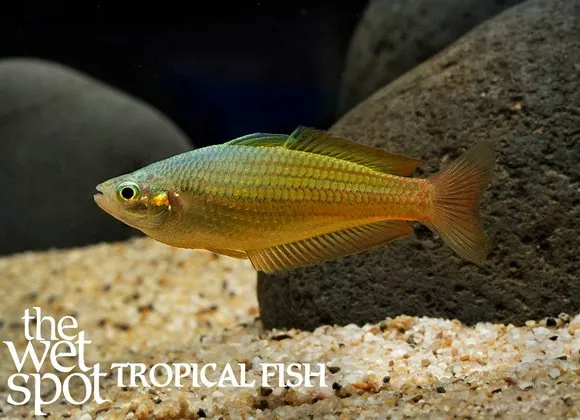
Gary Lange's rainbowfish
Melanotaenia garylangei
Freshwater3.5 in (9 cm) · 29 gal (110 L)75–84°F (24–29°C)
Redfin halfbeak
Nomorhamphus ebrardtii
Freshwater3.5 in (9 cm) · 29 gal (110 L)75–81°F (24–27°C)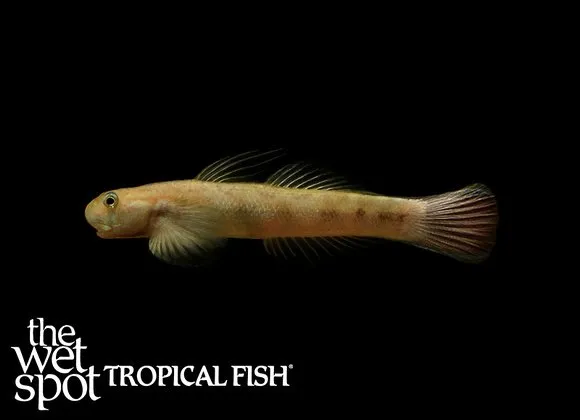
Red tail sicyopterus
Sicyopterus lagocephalus
Freshwater5.1 in (13 cm) · 29 gal (110 L)73–81°F (23–27°C)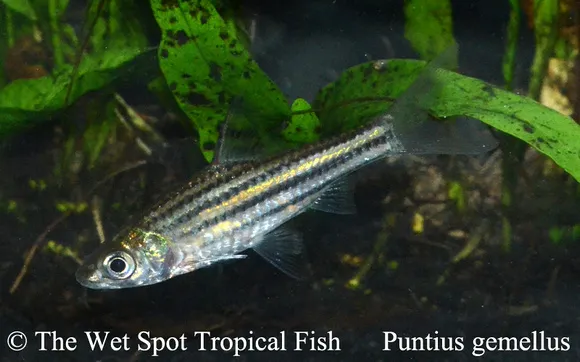
Twin-striped barb
Desmopuntius gemellus
Freshwater3.5 in (9 cm) · 29 gal (110 L)73–82°F (23–28°C)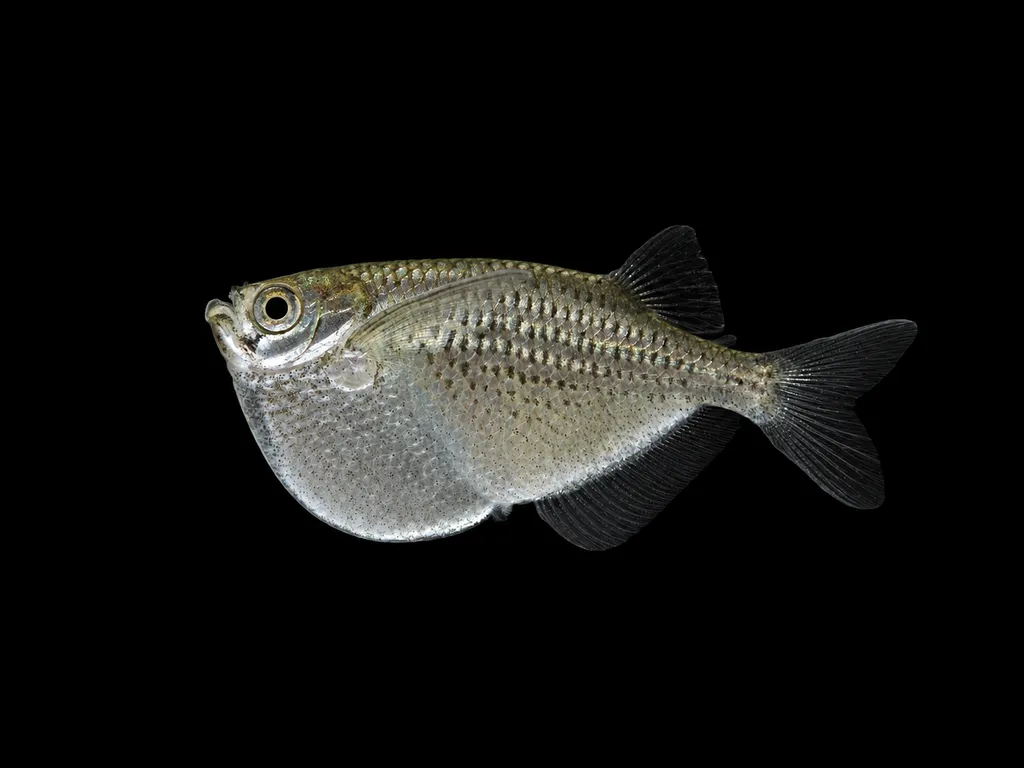
Silver hatchetfish
Gasteropelecus levis
Freshwater1.4 in (3.5 cm) · 30 gal (112 L)73–82°F (23–28°C)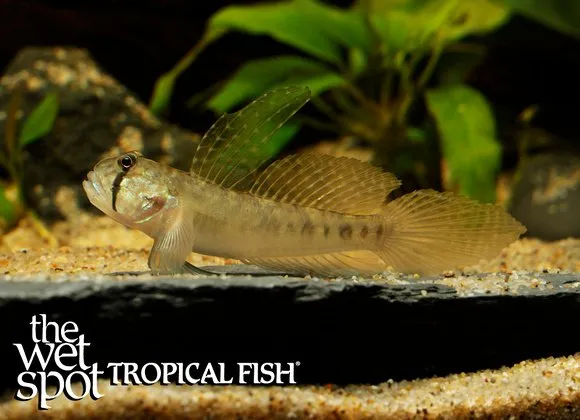
Sharptail goby
Oligolepis acutipennis
Freshwater5.9 in (15 cm) · 29 gal (110 L)75–82°F (24–28°C)
Common questions
What size tank does a giant otocinclus need?
A giant otocinclus needs at least 29 gal (110 L). It spends most of its time in the bottom.
What temperature and pH does a giant otocinclus need?
A giant otocinclus is comfortable at 75–82°F (24–28°C) with a pH of 6.0–7.5.
What does a giant otocinclus eat?
A giant otocinclus grazes the algae and biofilm in a mature tank. Back that up with algae wafers and blanched vegetables such as zucchini.
How big does a giant otocinclus get?
An adult giant otocinclus reaches about 3.1 in (8 cm).
How does a giant otocinclus breed?
A giant otocinclus lays eggs and fixes them to firm surfaces. Breeding it is a moderate challenge.
Related species
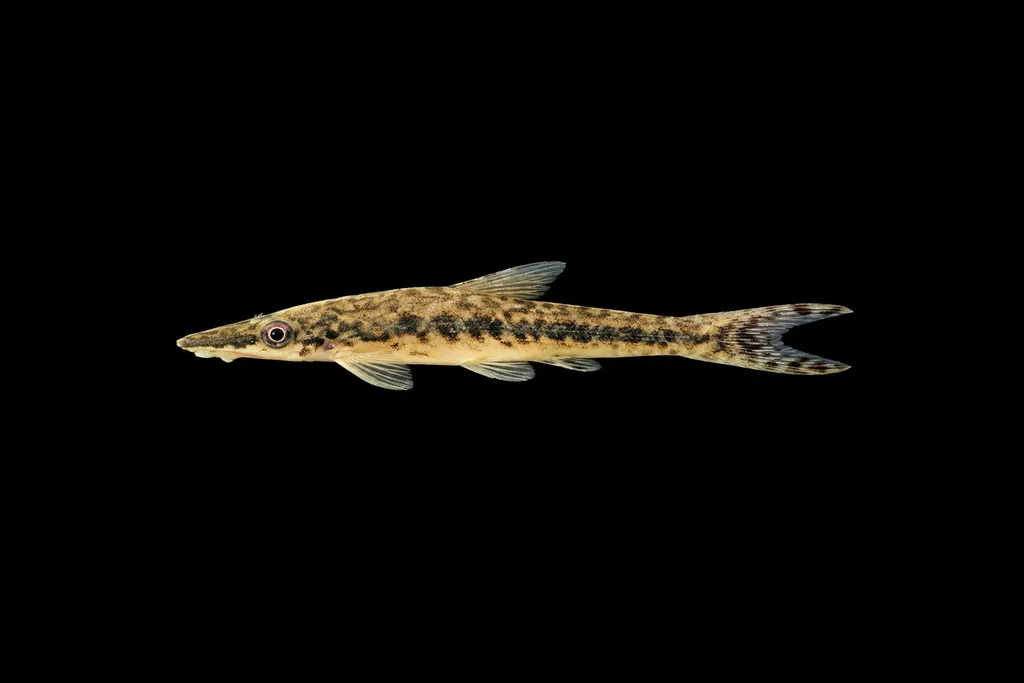 3 in (7.5 cm)29 gal (110 L)75–82°F (24–28°C)
Guianense otocinclus
Hypoptopoma guianense
3 in (7.5 cm) · 29 gal (110 L)
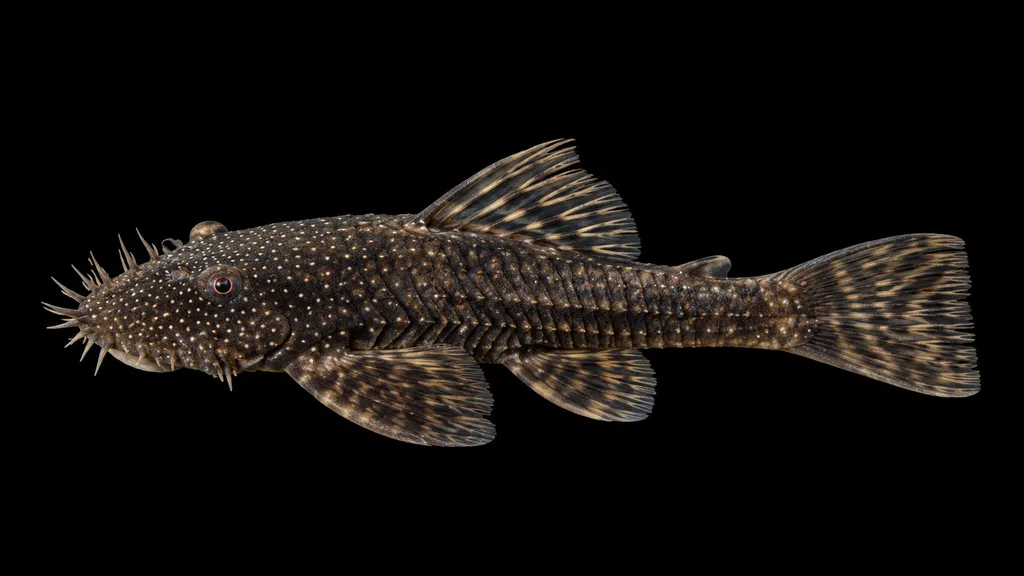 3.1 in (8 cm)29 gal (110 L)77–84°F (25–29°C)
Aguaboa bristlenose pleco
Ancistrus aguaboensis
3.1 in (8 cm) · 29 gal (110 L)
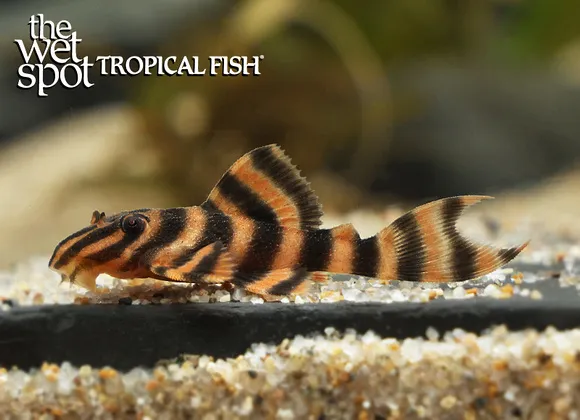 3.1 in (8 cm)42 gal (160 L)77–84°F (25–29°C)
Bloodred tiger pleco
Panaqolus claustellifer
3.1 in (8 cm) · 42 gal (160 L)
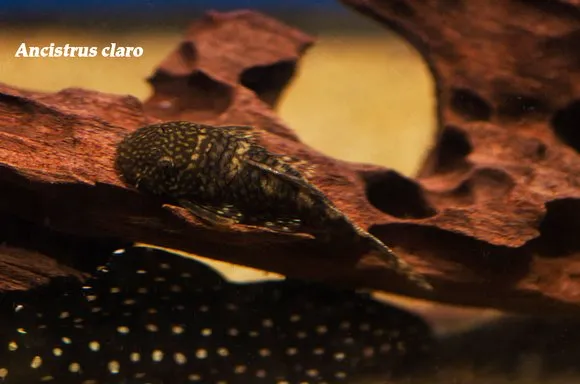 3.1 in (8 cm)20 gal (75 L)77–84°F (25–29°C)
Gold marble bristlenose pleco
Ancistrus claro
3.1 in (8 cm) · 20 gal (75 L)
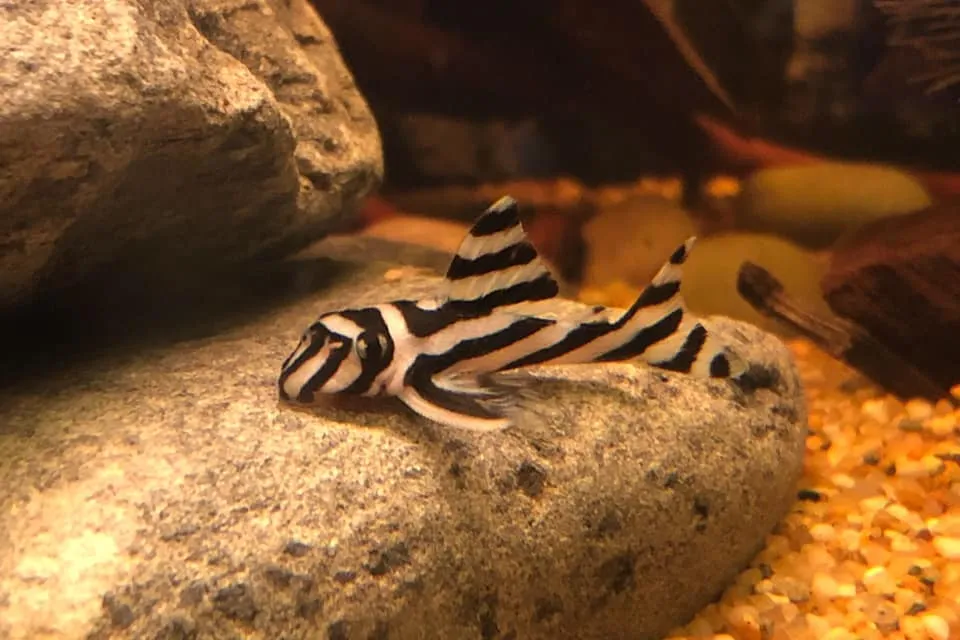 3.1 in (8 cm)15 gal (55 L)79–86°F (26–30°C)
Zebra pleco
Hypancistrus zebra
3.1 in (8 cm) · 15 gal (55 L)
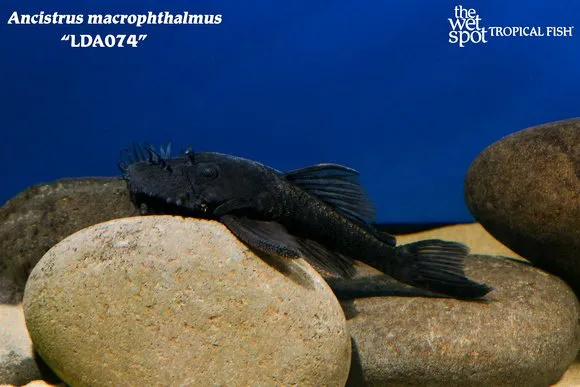 3.5 in (9 cm)29 gal (110 L)77–84°F (25–29°C)
Blue medusa pleco
Ancistrus macrophthalmus
3.5 in (9 cm) · 29 gal (110 L)