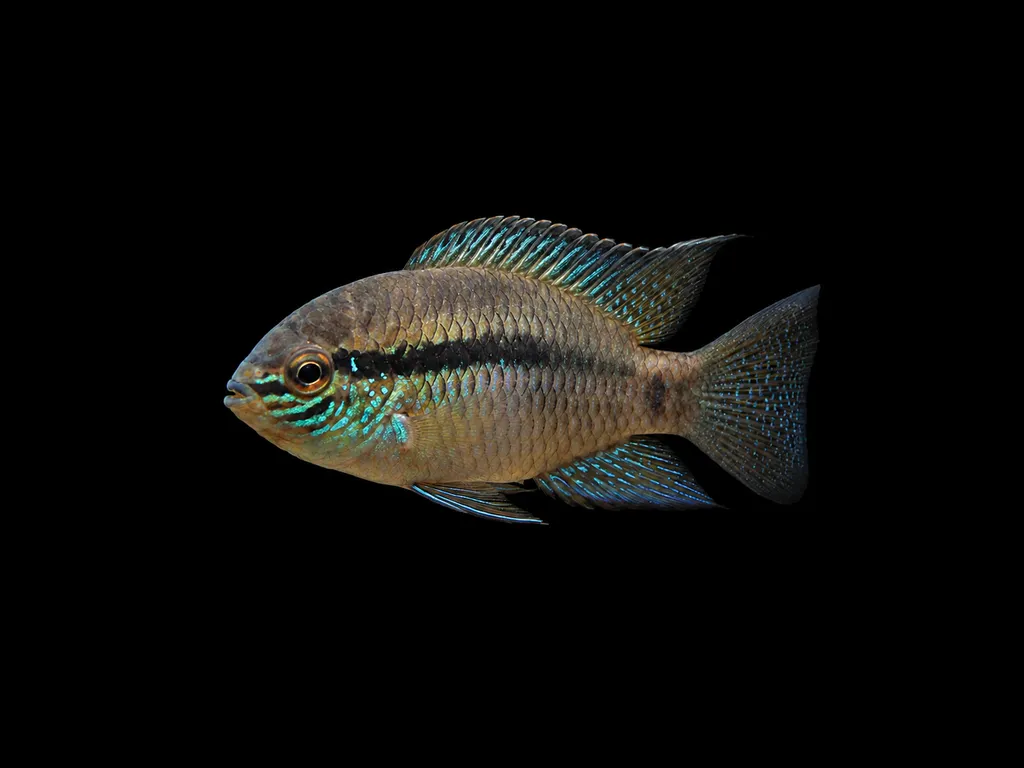
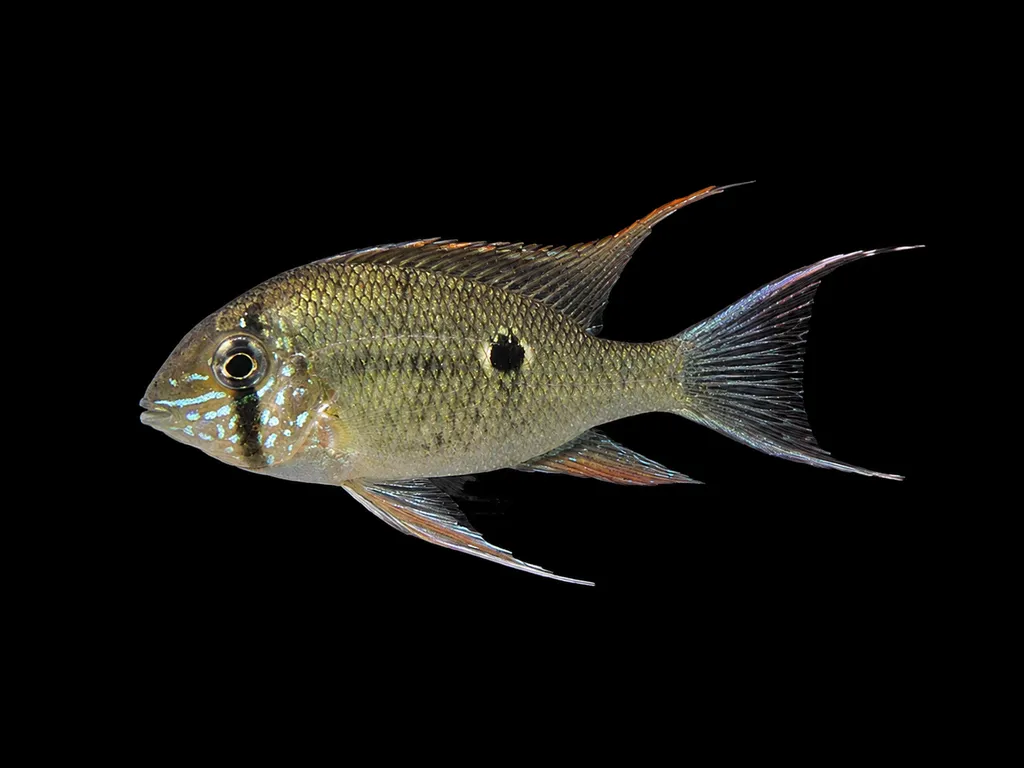
Thayer's dwarf acara
Laetacara thayeri
Also known as Thayeri acara
FreshwaterFish
Care at a glance
- Temperature
- 75–82°F
- 24–28°C
- pH
- 4.8–6.5
- Adult size
- 4.7 in
- 12 cm
- Minimum tank
- 29 gal
- 110 L
- Temperament
- Mostly peaceful
- Social behavior
- Social
- Swim level
- Bottom
- Difficulty
- Medium
- Breeding
- Substrate spawner · Medium
- Rarity
- Rare
- Family
- Cichlidae
- Origin
- Upper Amazon blackwaters
Overview
Thayer's dwarf acara is the largest of the smiling acaras, a mostly peaceful cichlid for a soft, acidic blackwater tank. It is best with a little experience.
Did you know
Thayer's dwarf acara is named for the Thayer Expedition of 1865 and 1866, a survey of Brazilian fishes led by Louis Agassiz. Nathaniel Thayer funded the expedition, which gathered the first specimens just as the American Civil War ended.
Caring for the Thayer's dwarf acara
A tank of at least 29 gal (110 L) gives a pair of Thayer's dwarf acaras space to set up and raise fry. Plant it well, and add soft sand, driftwood tangles and leaf litter. Floating plants help soften the light.
Keep the water soft, warm and acidic, at 75 to 82°F (24 to 28°C) and a pH of 4.8 to 6.5. Feed a varied diet of frozen and live foods along with quality prepared foods.
Thayer's dwarf acara is a social fish that pairs off. It does best as a pair or with a few calm tank mates. It stays low in the water and picks at the bottom. It leans peaceful, but a breeding pair holds territory with conviction, so give it room.
It is a biparental substrate spawner, and the pair cleans a flat rock, log or broad leaf before spawning. Both parents tend the brood. Breeding it is of moderate difficulty.
Good to know
Thayer's dwarf acara, Laetacara thayeri, is a cichlid in the family Cichlidae, also called the Thayeri acara. It is the roughest-looking member of a genus otherwise known for small, gentle fish.
In the wild
Thayer's dwarf acara lives across the Amazon basin in shallow, slow and shaded water. It stays among sunken wood, roots and deep leaf litter, where tannins often stain the water dark.
Weekly picks
Tank mates
The Thayer's dwarf acara is a mostly peaceful, social species that keeps to the bottom. These picks share a community profile with it, are safe together in both directions, and overlap on water type, temperature and pH.
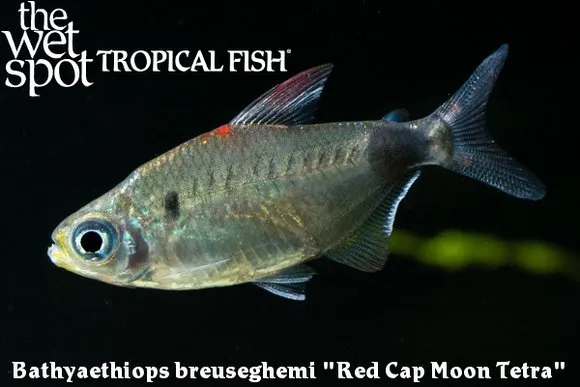
Breuseghem's moon tetra
Bathyaethiops breuseghemi
Freshwater2.8 in (7 cm) · 29 gal (110 L)73–81°F (23–27°C)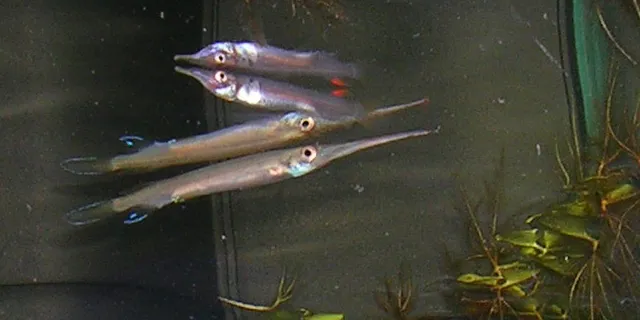
Forest halfbeak
Hemirhamphodon pogonognathus
Freshwater3.5 in (9 cm) · 34 gal (130 L)75–82°F (24–28°C)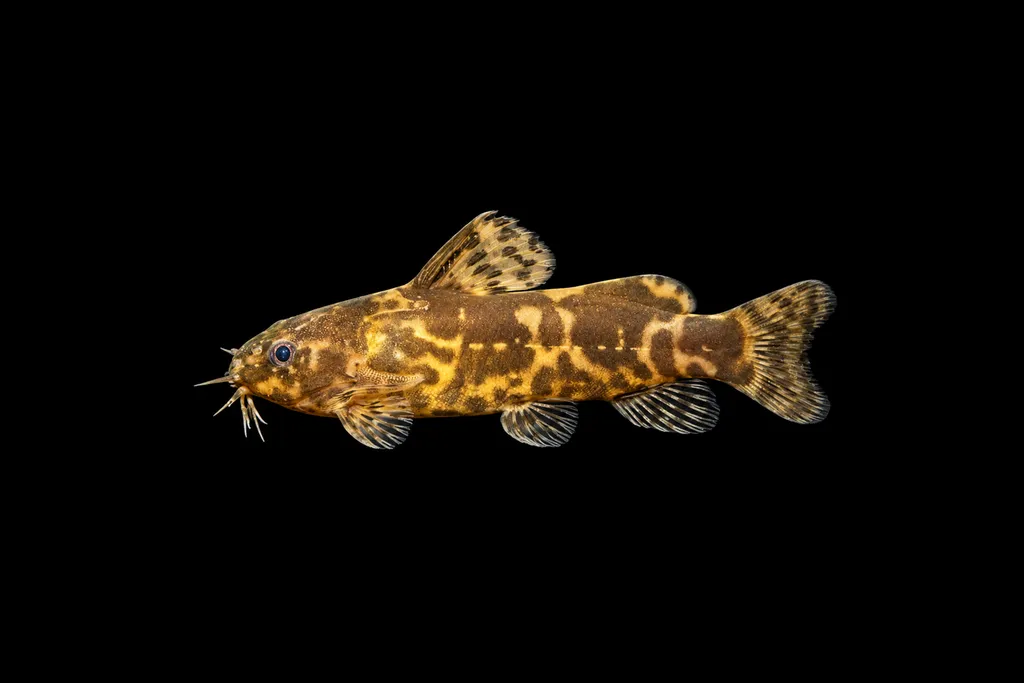
Yellow banded mochokiella
Mochokiella paynei
Freshwater2 in (5 cm) · 29 gal (110 L)73–81°F (23–27°C)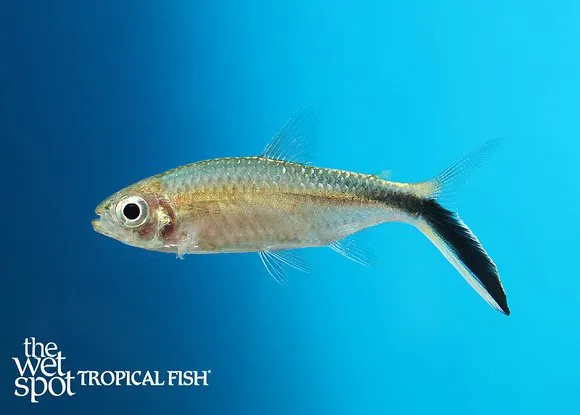
True penguin tetra
Thayeria obliqua
Freshwater3 in (7.6 cm) · 29 gal (110 L)73–82°F (23–28°C)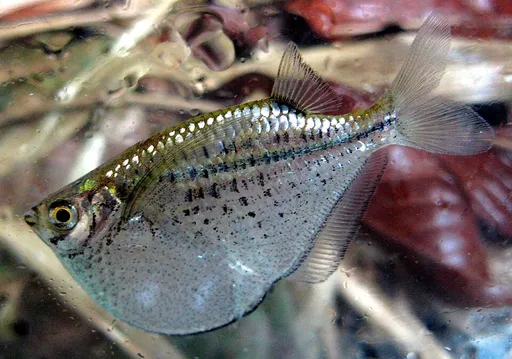
Spotted hatchetfish
Gasteropelecus maculatus
Freshwater3.5 in (9 cm) · 26 gal (100 L)73–82°F (23–28°C)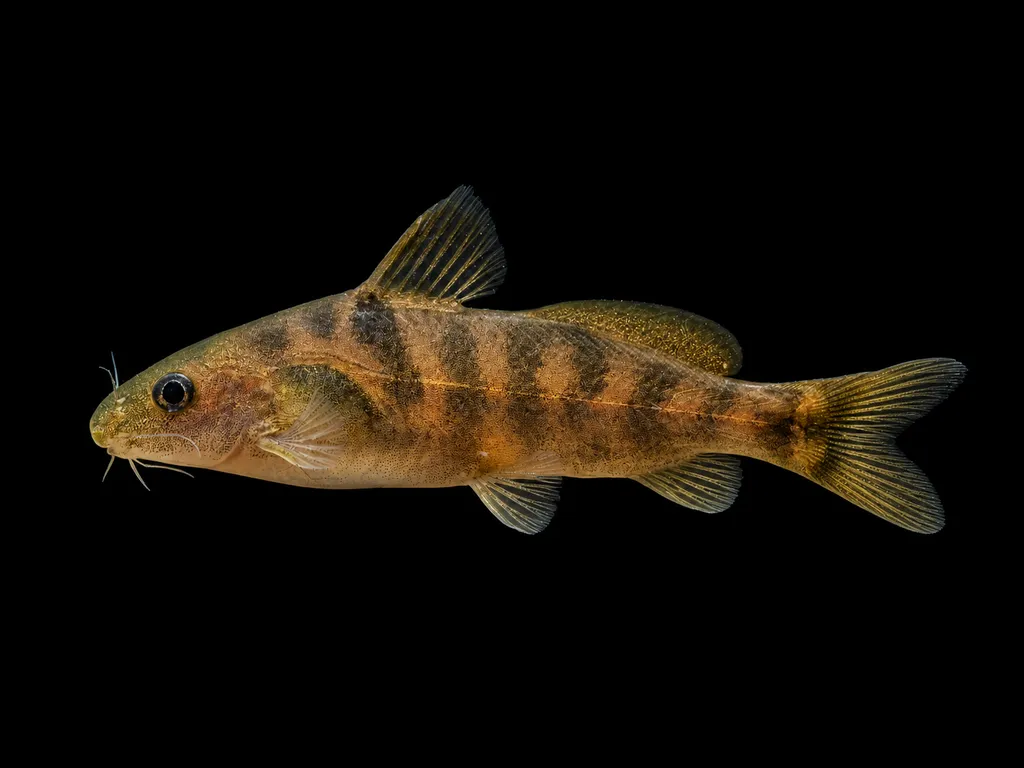
Bengal tiger catfish
Batasio fluviatilis
Freshwater5 in (12.8 cm) · 29 gal (110 L)72–79°F (22–26°C)
Common questions
What size tank does a Thayer's dwarf acara need?
A Thayer's dwarf acara needs at least 29 gal (110 L). It spends most of its time in the bottom.
What temperature and pH does a Thayer's dwarf acara need?
A Thayer's dwarf acara is comfortable at 75–82°F (24–28°C) with a pH of 4.8–6.5.
What does a Thayer's dwarf acara eat?
A Thayer's dwarf acara eats a varied diet of frozen and live foods. Give it quality prepared foods as well.
How big does a Thayer's dwarf acara get?
An adult Thayer's dwarf acara reaches about 4.7 in (12 cm).
How does a Thayer's dwarf acara breed?
Thayer's dwarf acaras are substrate spawners, and the pair lays its eggs on a cleaned flat rock, log or broad leaf. Both parents tend the brood, and breeding them is of moderate difficulty.
Related species
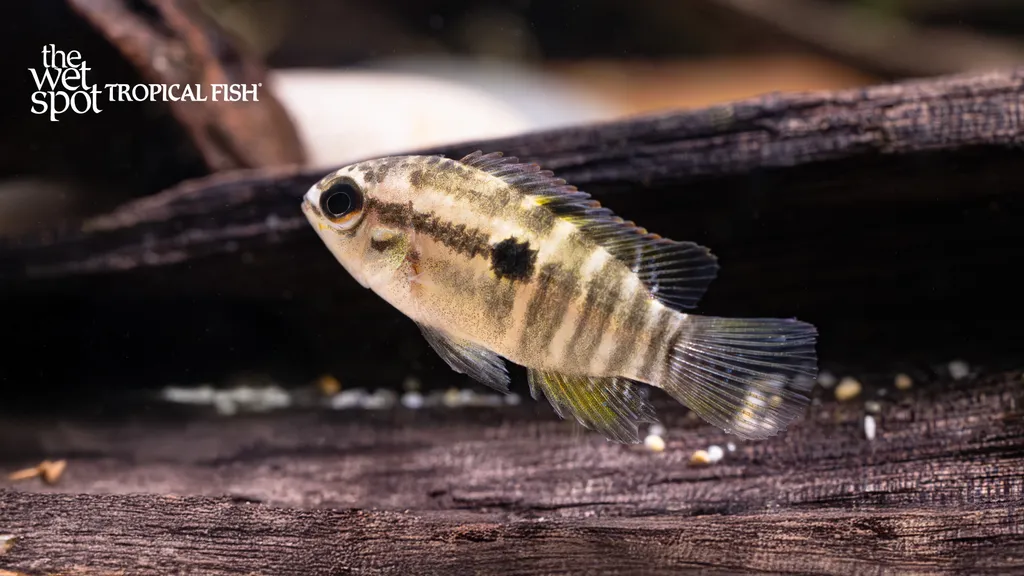 2.8 in (7 cm)20 gal (75 L)72–81°F (22–27°C)
Redbreast acara
Laetacara dorsigera
2.8 in (7 cm) · 20 gal (75 L)
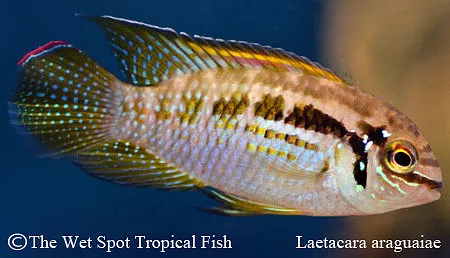 1.8 in (4.5 cm)14 gal (54 L)75–82°F (24–28°C)
Araguaia dwarf acara
Laetacara araguaiae
1.8 in (4.5 cm) · 14 gal (54 L)
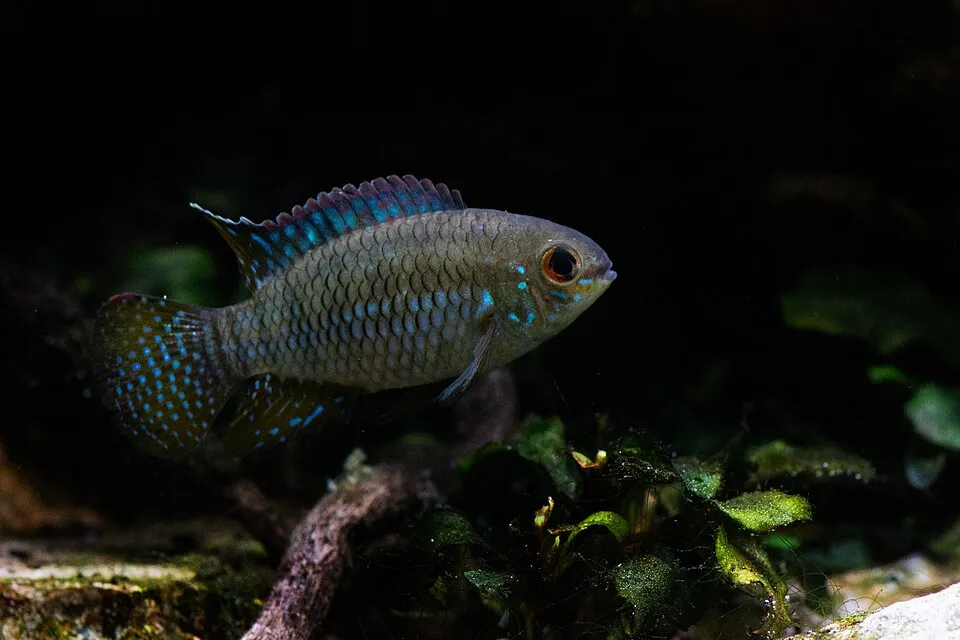 2.2 in (5.5 cm)20 gal (75 L)68–82°F (20–28°C)
Dwarf flag cichlid
Laetacara curviceps
2.2 in (5.5 cm) · 20 gal (75 L)
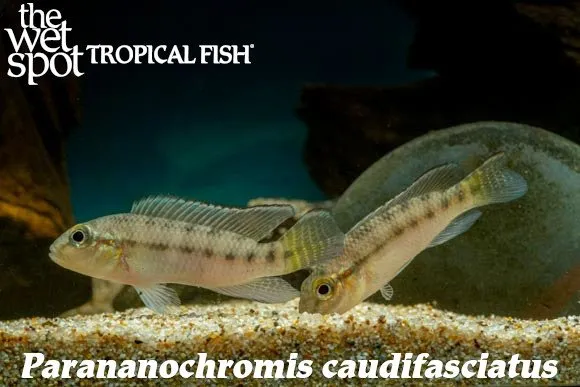 4.7 in (12 cm)42 gal (160 L)73–81°F (23–27°C)
Caudifasciatus parananochromis
Parananochromis caudifasciatus
4.7 in (12 cm) · 42 gal (160 L)
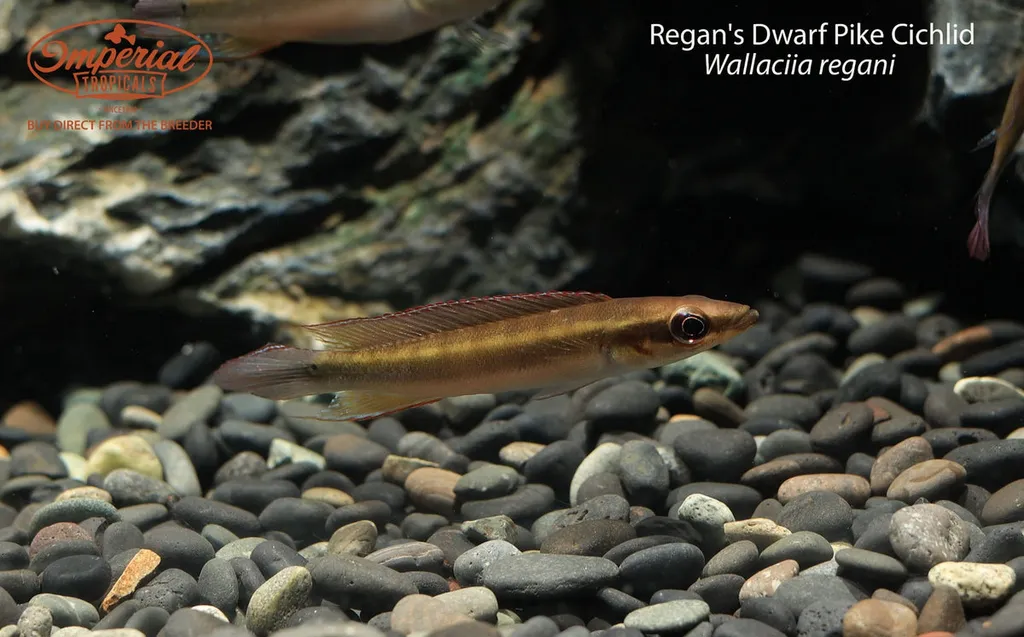 4.7 in (12 cm)40 gal (150 L)75–82°F (24–28°C)
Dwarf pike cichlid
Crenicichla regani
4.7 in (12 cm) · 40 gal (150 L)
 4.7 in (12 cm)66 gal (250 L)77–84°F (25–29°C)
Orinoco cupid cichlid
Biotodoma wavrini
4.7 in (12 cm) · 66 gal (250 L)