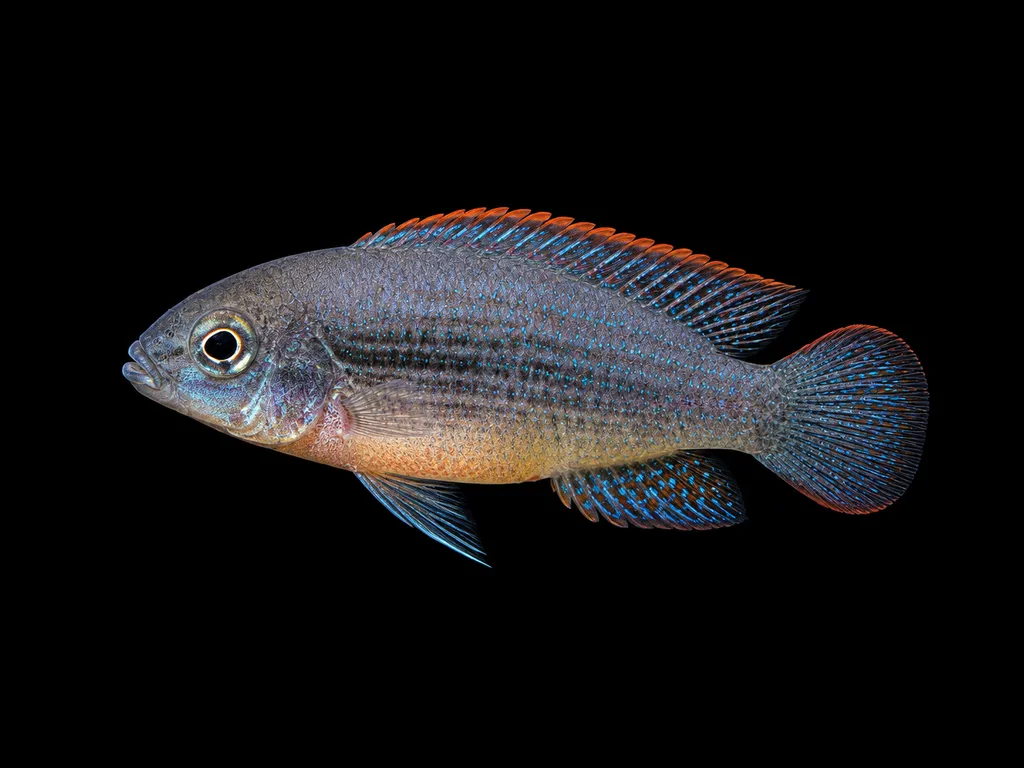
Redbreast acara
Laetacara dorsigera
Also known as Red-breasted flag cichlid
FreshwaterFish
Care at a glance
- Temperature
- 72–81°F
- 22–27°C
- pH
- 6.0–7.5
- Adult size
- 2.8 in
- 7 cm
- Minimum tank
- 20 gal
- 75 L
- Temperament
- Mostly peaceful
- Social behavior
- Social
- Swim level
- Bottom
- Difficulty
- Easy
- Breeding
- Easy
- Rarity
- Common
- Family
- Cichlidae
- Origin
- South America: Guapore, Parana, Paraguay and Uruguay river drainages (Bolivia, Brazil, Paraguay, Argentina)
Overview
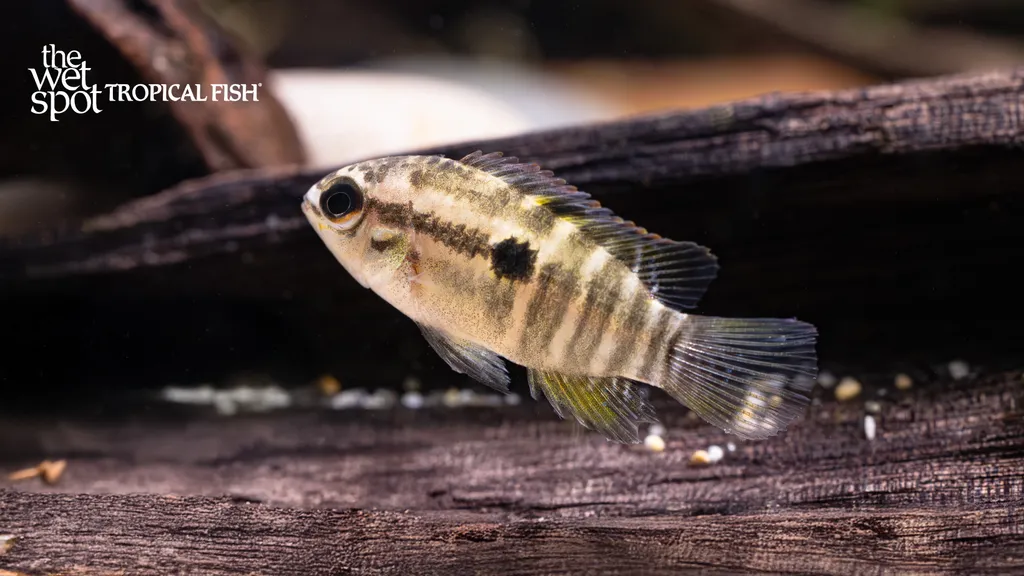
Keep them as a single male and female pair rather than a group, since a breeding pair turns territorial and stops tolerating its own kind. A 75 liter footprint suits one pair, and a 100 liter or larger tank gives room to add small dwarf cichlids or tetras. They are mostly peaceful and spend their time near the bottom, sifting and patrolling their patch. Hold the water at 22 to 27 C and pH 6 to 7.5, soft and acidic to neutral. Feed small live or frozen foods like bloodworm, daphnia, and brine shrimp alongside a quality dried food, which helps bring out the red on the breast.
In the wild
Redbreast acaras come from slow, soft, slightly acidic waters in the Guapore, Parana, Paraguay, and Uruguay river drainages across Bolivia, Brazil, Paraguay, and Argentina. They live close to the bottom over sand, among leaf litter, roots, and dense plants. Give them a tank of at least 75 liters with a soft sandy substrate, some leaf litter and roots, a few flat rocks, and thick planting with shaded corners so they feel secure. Keep the water at 22 to 27 C, soft, and on the acidic to neutral side at pH 6 to 7.5.
Good to know
This is a dwarf cichlid in the family Cichlidae. FishBase lists about 6 cm standard length, and in the hobby adults reach roughly 7 to 8 cm total length, with males the largest. They are biparental substrate spawners, meaning both parents guard the eggs and fry, and they are one of the easier dwarf cichlids to breed. Southern subtropical populations tolerate cooler water down to about 20 C, though they are usually kept warmer.
Did you know
The red breast that gives the fish its name comes up strongest on a settled, well fed pair, especially a male holding territory. A pair will pick out a flat rock or cleared patch of substrate, lay their eggs together, and then both stand guard, fanning the clutch and herding the fry once they hatch.
Weekly picks
Tank mates
Redbreast acara is a mostly peaceful, social species that keeps to the bottom. These picks share a community profile with it, are safe together in both directions, and overlap on water type, temperature and pH.
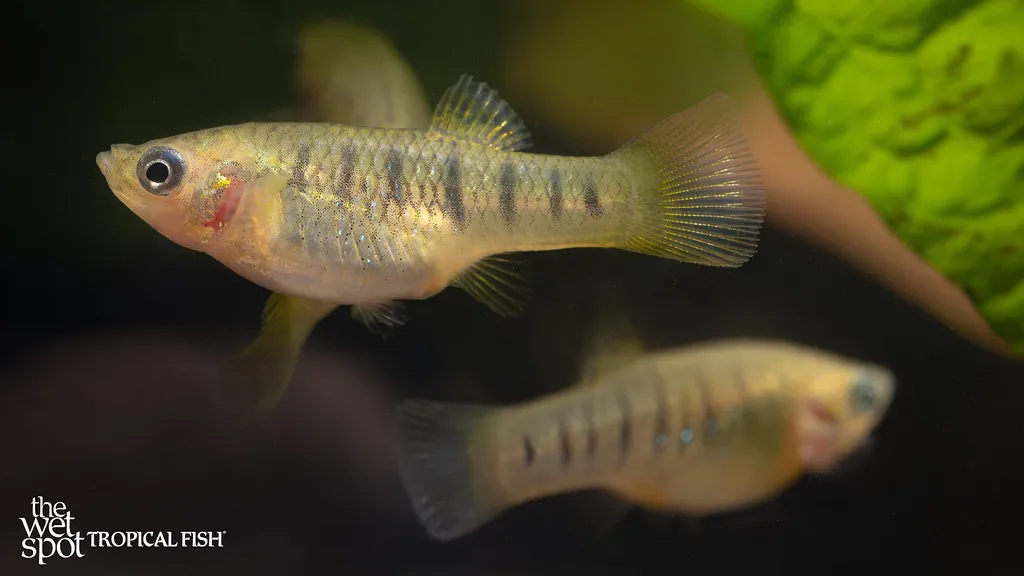
Humpbacked limia
Limia nigrofasciata
Freshwater2.4 in (6 cm) · 20 gal (75 L)72–82°F (22–28°C)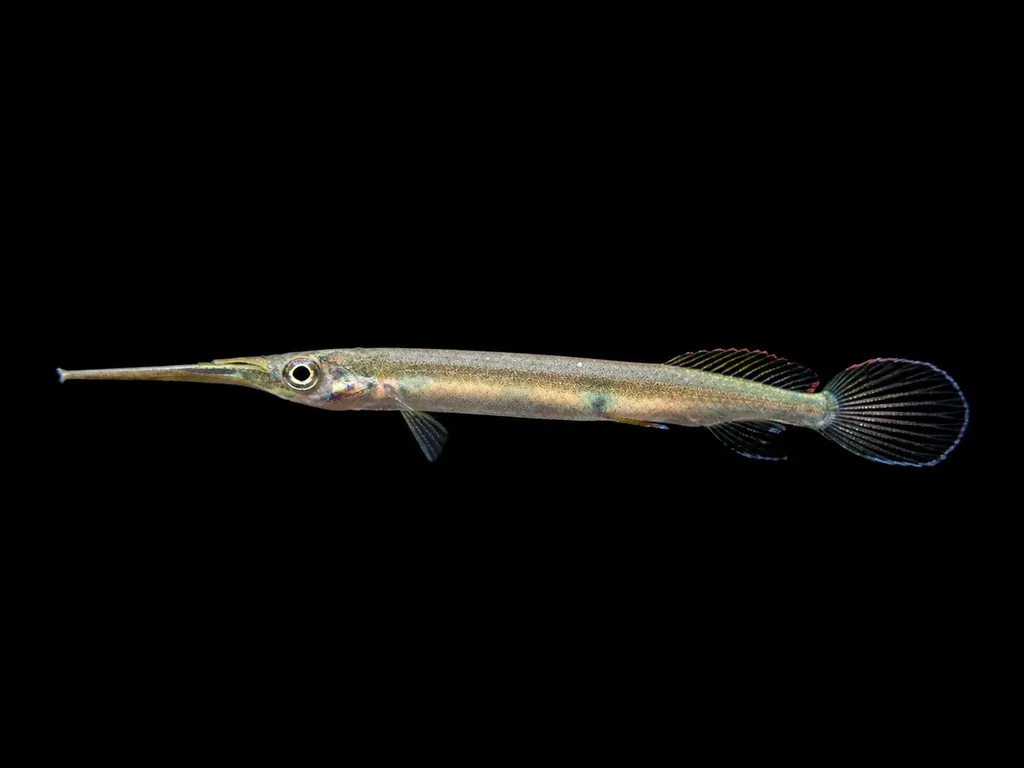
Kuekenthal's halfbeak
Hemirhamphodon kuekenthali
Freshwater3.3 in (8.5 cm) · 20 gal (75 L)73–81°F (23–27°C)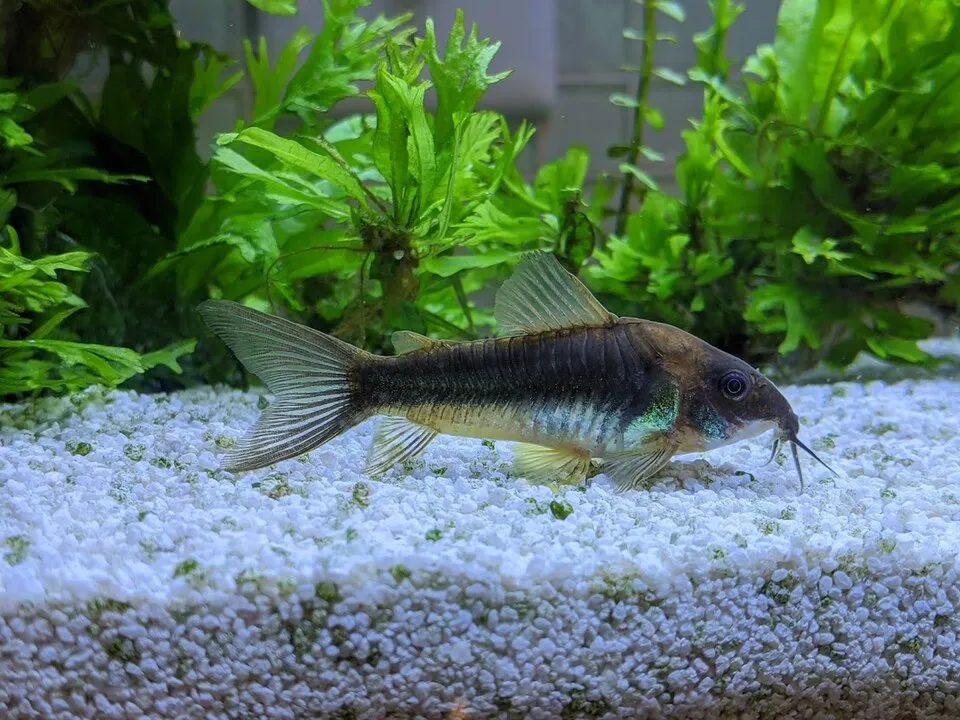
Bronze cory
Osteogaster aenea
Freshwater3 in (7.5 cm) · 20 gal (75 L)70–81°F (21–27°C)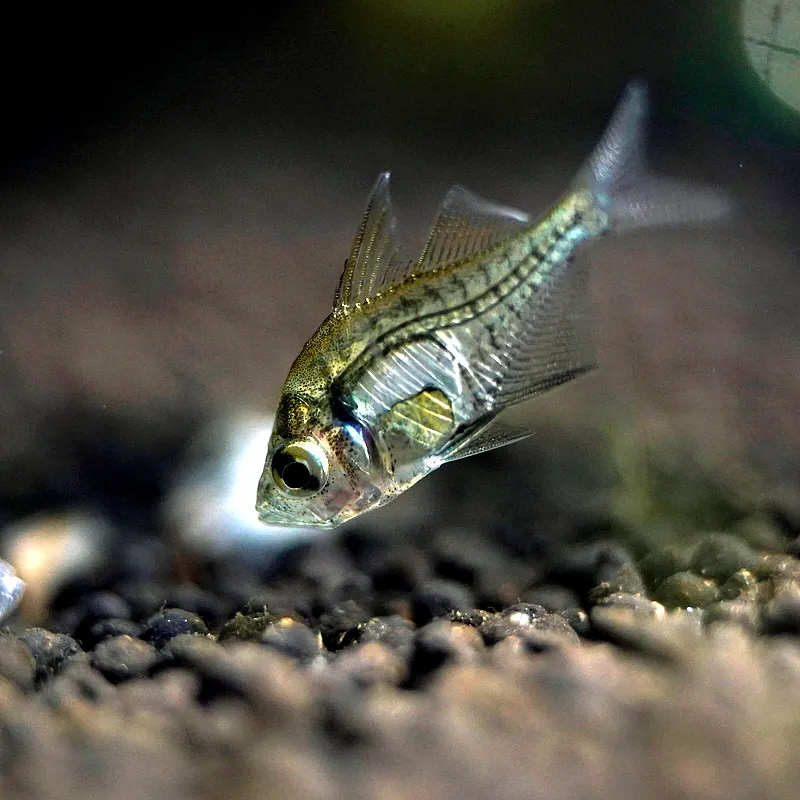
Indian glassy fish
Parambassis ranga
Freshwater3.1 in (8 cm) · 20 gal (75 L)68–86°F (20–30°C)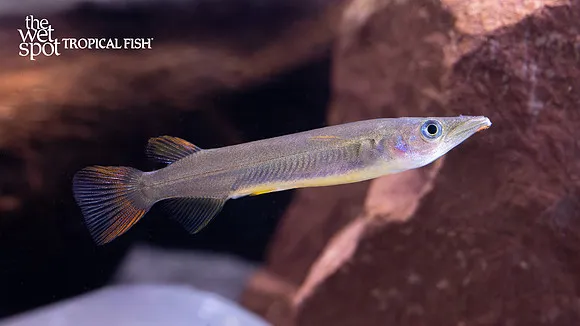
Rex halfbeak
Nomorhamphus rex
Freshwater2.2 in (5.5 cm) · 20 gal (75 L)72–79°F (22–26°C)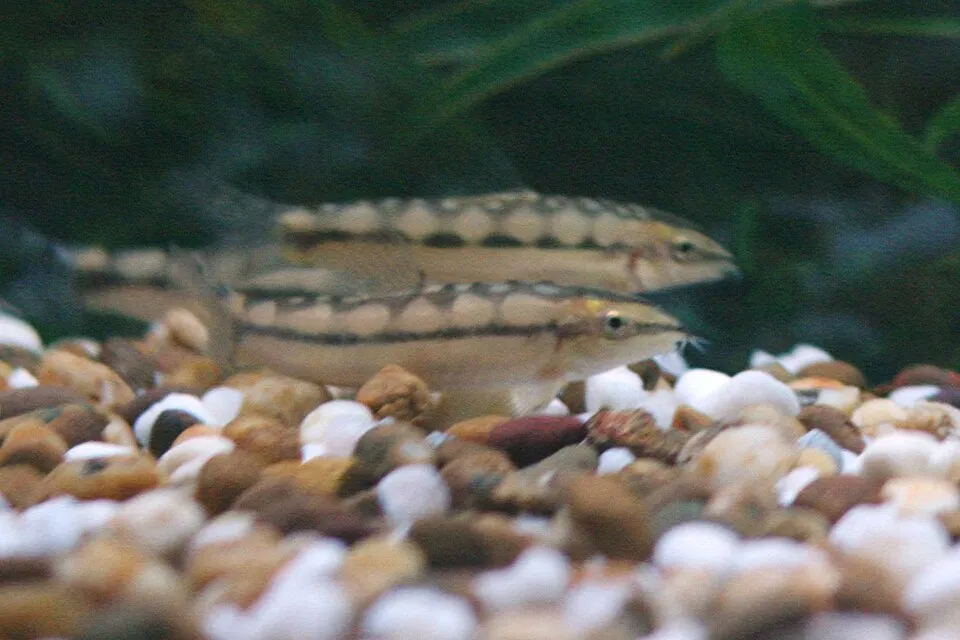
Dwarf botia
Ambastaia sidthimunki
Freshwater2.4 in (6 cm) · 20 gal (75 L)68–86°F (20–30°C)
Common questions
What size tank does a Redbreast acara need?
A Redbreast acara needs at least 20 gal (75 L). It spends most of its time in the bottom.
What temperature and pH does a Redbreast acara need?
A Redbreast acara is comfortable at 72–81°F (22–27°C) with a pH of 6.0–7.5.
How big does a Redbreast acara get?
An adult Redbreast acara reaches about 2.8 in (7 cm).
Related species
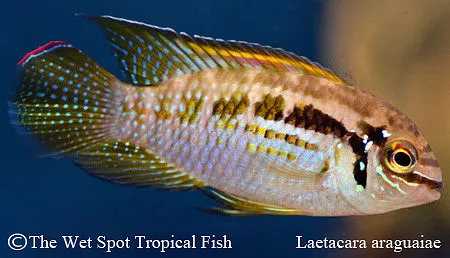 1.8 in (4.5 cm)14 gal (54 L)75–82°F (24–28°C)
Araguaia dwarf acara
Laetacara araguaiae
1.8 in (4.5 cm) · 14 gal (54 L)
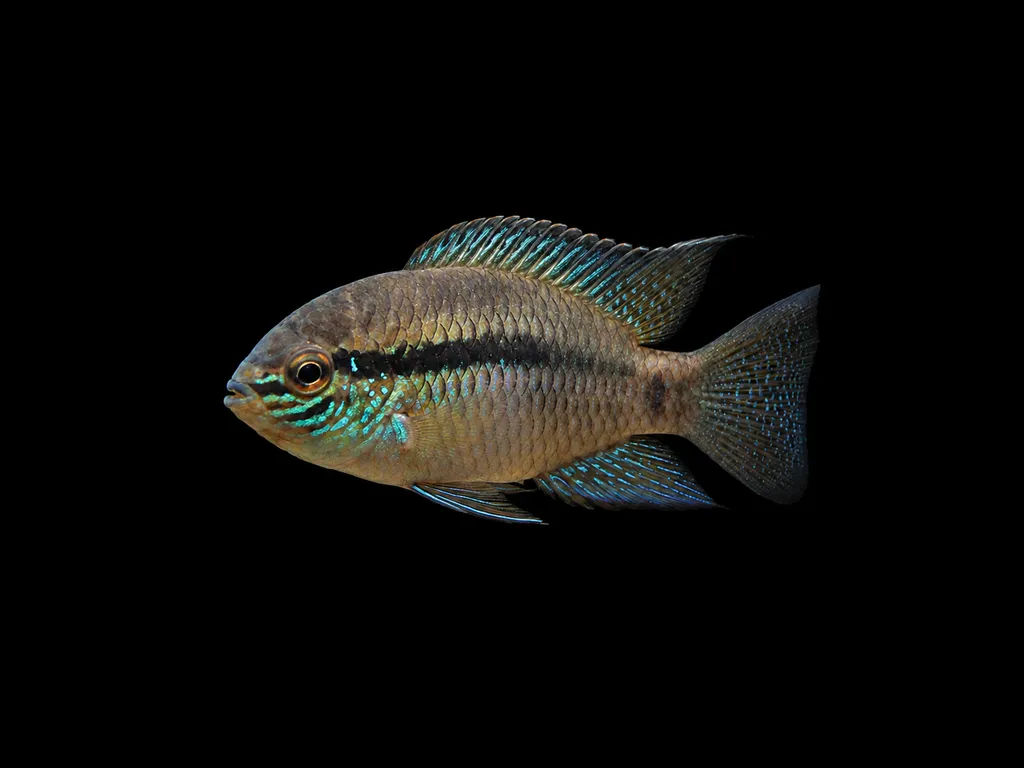 4.7 in (12 cm)29 gal (110 L)75–82°F (24–28°C)
Thayer's dwarf acara
Laetacara thayeri
4.7 in (12 cm) · 29 gal (110 L)
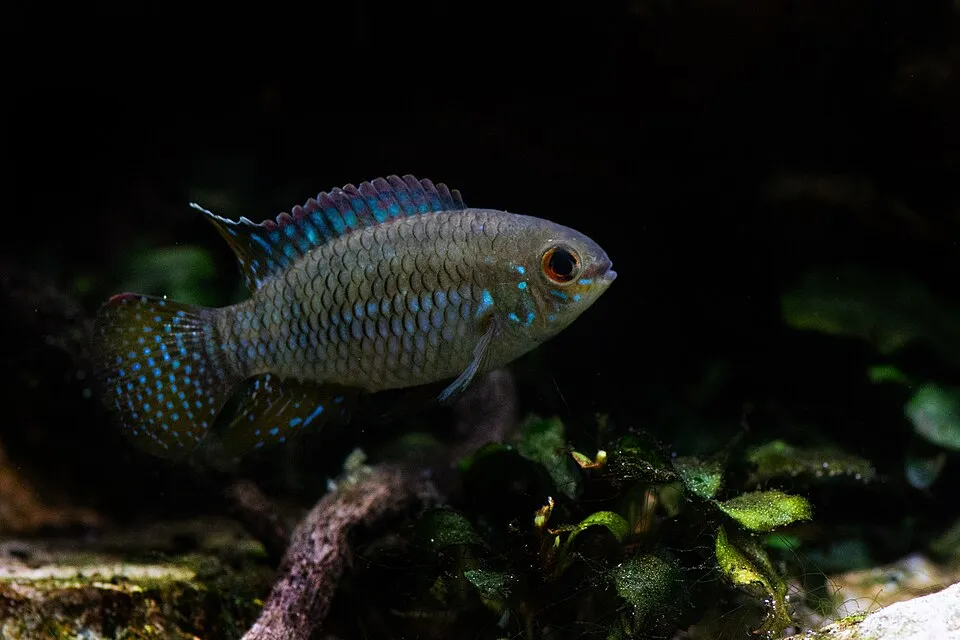 2.2 in (5.5 cm)20 gal (75 L)68–82°F (20–28°C)
Dwarf flag cichlid
Laetacara curviceps
2.2 in (5.5 cm) · 20 gal (75 L)
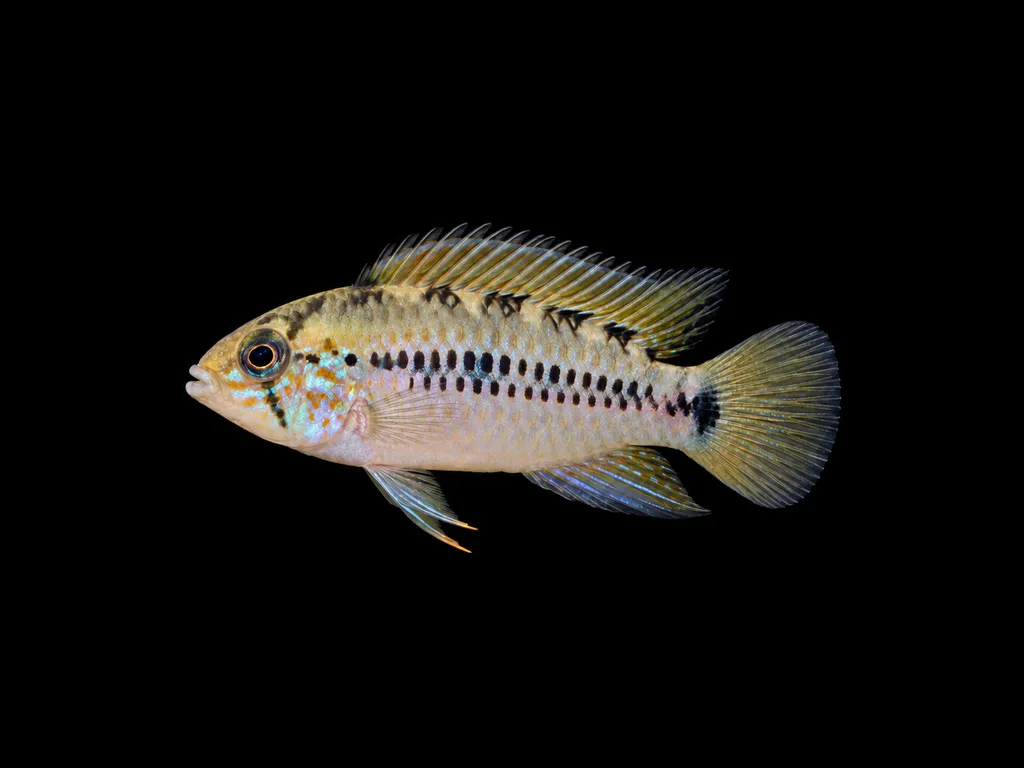 2.8 in (7 cm)20 gal (75 L)73–82°F (23–28°C)
Alacrina dwarf cichlid
Apistogramma alacrina
2.8 in (7 cm) · 20 gal (75 L)
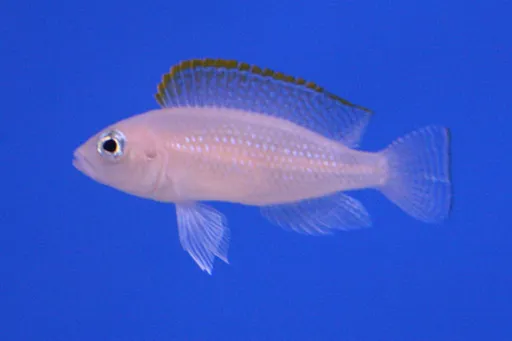 2.8 in (7 cm)20 gal (75 L)75–79°F (24–26°C)
Caudopunctatus
Neolamprologus caudopunctatus
2.8 in (7 cm) · 20 gal (75 L)
 2.8 in (7 cm)29 gal (110 L)73–81°F (23–27°C)
Congo blue cichlid
Nanochromis nudiceps
2.8 in (7 cm) · 29 gal (110 L)