Sultan pleco (L264)
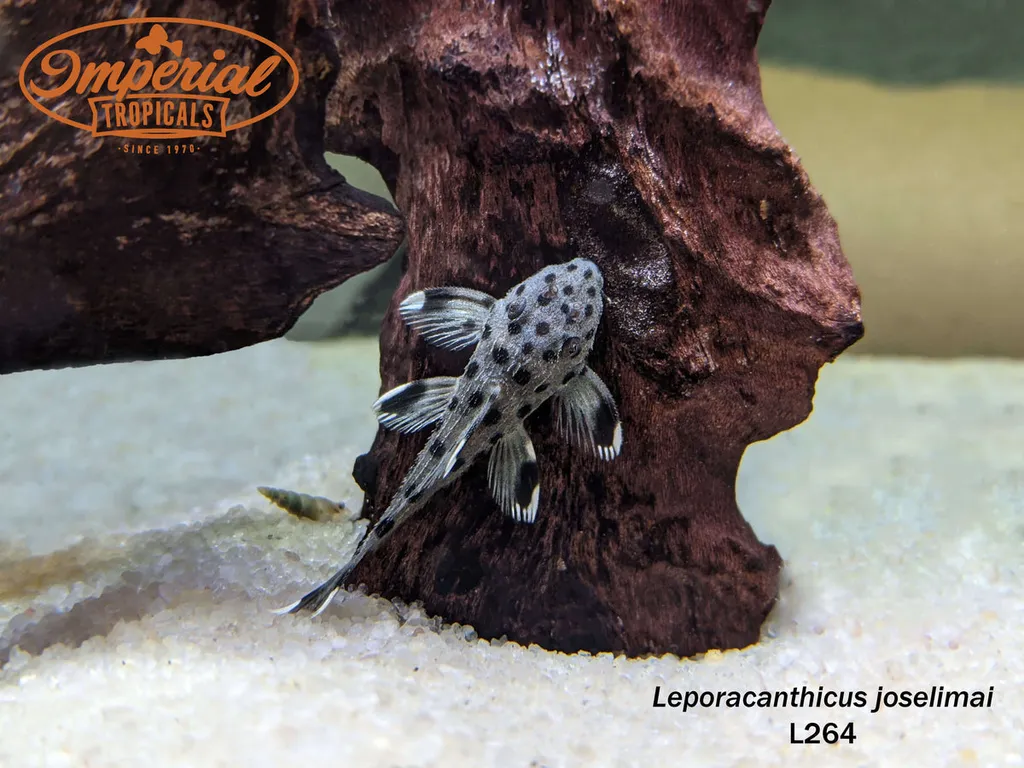
Leporacanthicus joselimai
Also known as L264, Sultan Plec
FreshwaterFish
Care at a glance
- Temperature
- 79–86°F
- 26–30°C
- pH
- 6.0–7.5
- Adult size
- 8.7 in
- 22 cm
- Minimum tank
- 66 gal
- 250 L
- Temperament
- Mostly peaceful
- Social behavior
- Solitary
- Swim level
- Bottom
- Diet
- Carnivore
- Difficulty
- Difficult
- Breeding
- Hard
- Rarity
- Very rare
- Family
- Loricariidae
- Origin
- Middle Rio Tapajos near Itaituba in Para, Brazil.
Overview
The sultan pleco (L264) is a medium-large, cave-dwelling carnivore for a tank with fast-flowing water. It is best left to experienced keepers.
Did you know
The sultan pleco's clean gray body and pinhead spotting make it look almost plain next to other L-numbers. That understated look is exactly why collectors prize a well-grown sultan.
Caring for the sultan pleco (L264)
Give a sultan pleco (L264) a tank of at least 66 gal (250 L), with rock or wood caves. It wants brisk current and high oxygen. Keep the water at 79 to 86°F (26 to 30°C) and a pH of 6.0 to 7.5.
Feed a carnivore diet of frozen or live snails, bloodworms, mysis, prawn and chopped mussel. Add sinking carnivore pellets, and do not use vegetables as a staple.
The sultan pleco is solitary and territorial toward similar fish. It is generally civil with unlike tank mates when it has its own cave. Breeding it is hard.
Good to know
The sultan pleco (L264) was described as Leporacanthicus joselimai, in the family Loricariidae. Like other Leporacanthicus, it has enlarged teeth suited to prying invertebrates loose. It is one of the more sought-after plecos in its genus.
In the wild
The sultan pleco (L264) lives in fast-flowing rocky rapids and driftwood snags of the middle Rio Tapajos, near Itaituba in Para, Brazil. It is a carnivore, and its teeth mark it as an invertebrate feeder. It hunts snails and small prey rather than grazing algae.
Weekly picks
Tank mates
The sultan pleco (L264) is a mostly peaceful, solitary species that keeps to the bottom. These picks share a community profile with it, are safe together in both directions, and overlap on water type, temperature and pH.
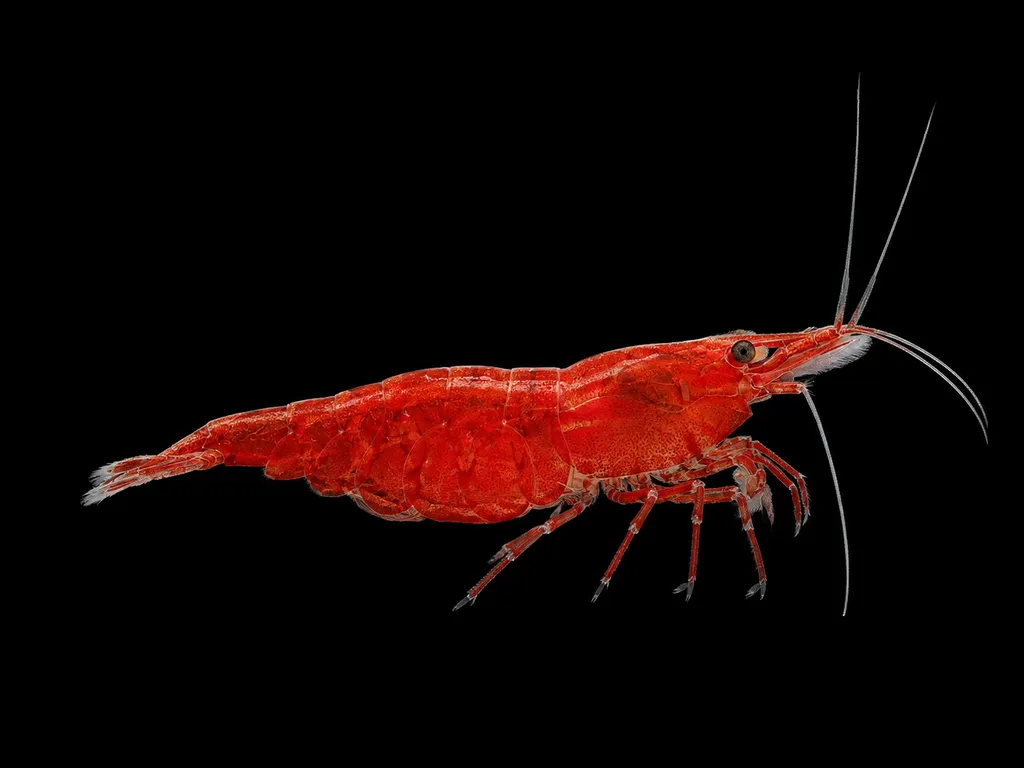
Neocaridina shrimp
Neocaridina davidi
Freshwater1.6 in (4 cm) · 5 gal (19 L)59–84°F (15–29°C)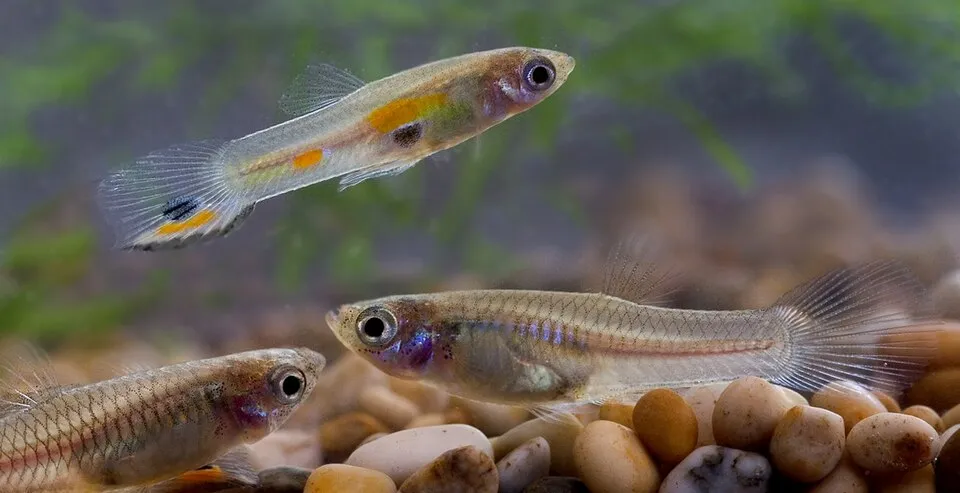
Guppy
Poecilia reticulata
FreshwaterBrackish2.4 in (6 cm) · 10 gal (38 L)64–82°F (18–28°C)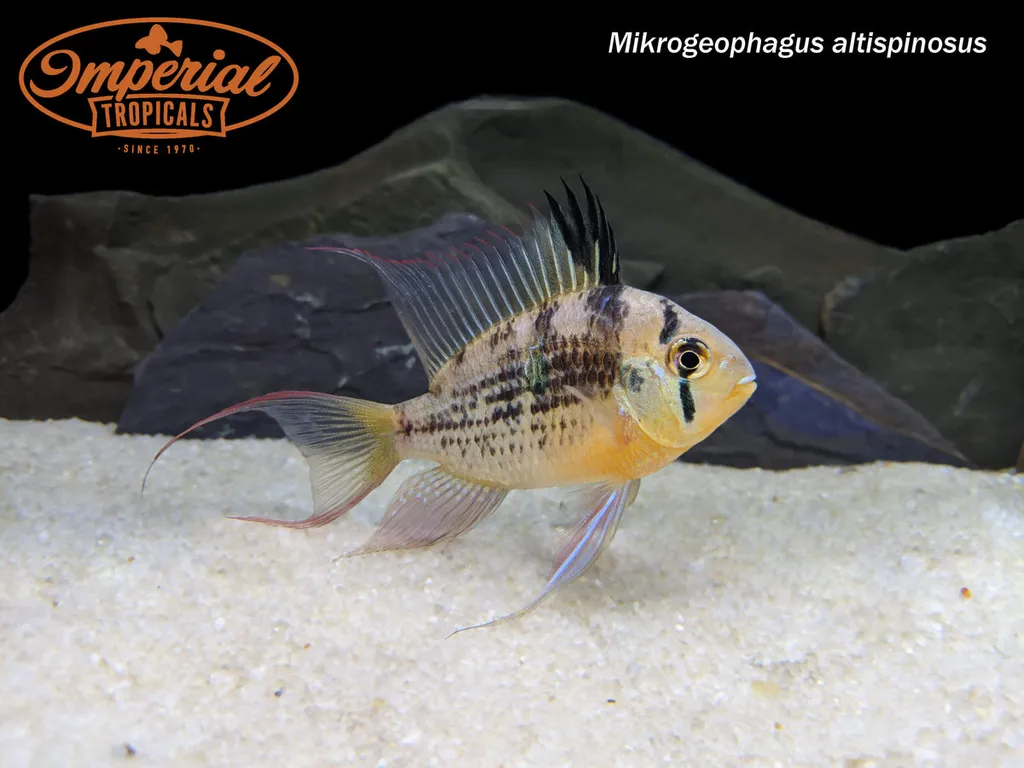
Bolivian ram
Mikrogeophagus altispinosus
Freshwater3.1 in (8 cm) · 45 gal (170 L)75–82°F (24–28°C)
Beardless barb
Cyclocheilichthys apogon
Freshwater7.9 in (20 cm) · 66 gal (250 L)72–82°F (22–28°C)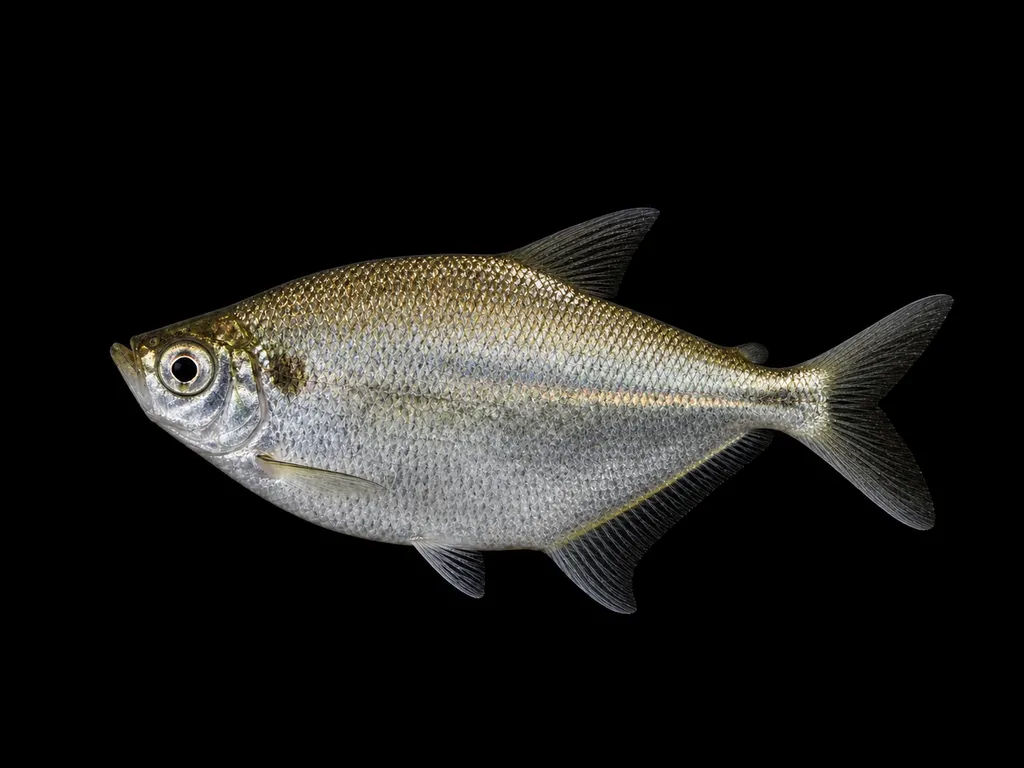
Giant river hatchetfish
Triportheus rotundatus
Freshwater9.8 in (25 cm) · 79 gal (300 L)73–82°F (23–28°C)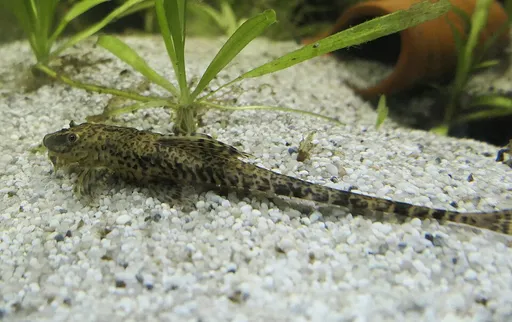
Red lizard whiptail
Rineloricaria lanceolata
Freshwater3.9 in (10 cm) · 24 gal (90 L)77–82°F (25–28°C)
Common questions
What size tank does a sultan pleco (L264) need?
A sultan pleco (L264) needs at least 66 gal (250 L). It spends most of its time in the bottom.
What temperature and pH does a sultan pleco (L264) need?
A sultan pleco (L264) is comfortable at 79–86°F (26–30°C) with a pH of 6.0–7.5.
What does a sultan pleco (L264) eat?
A sultan pleco (L264) is a carnivore. It eats frozen or live snails, bloodworms, mysis, prawn and chopped mussel, with sinking carnivore pellets rather than a vegetable staple.
How big does a sultan pleco (L264) get?
An adult sultan pleco (L264) reaches about 8.7 in (22 cm).
Related species
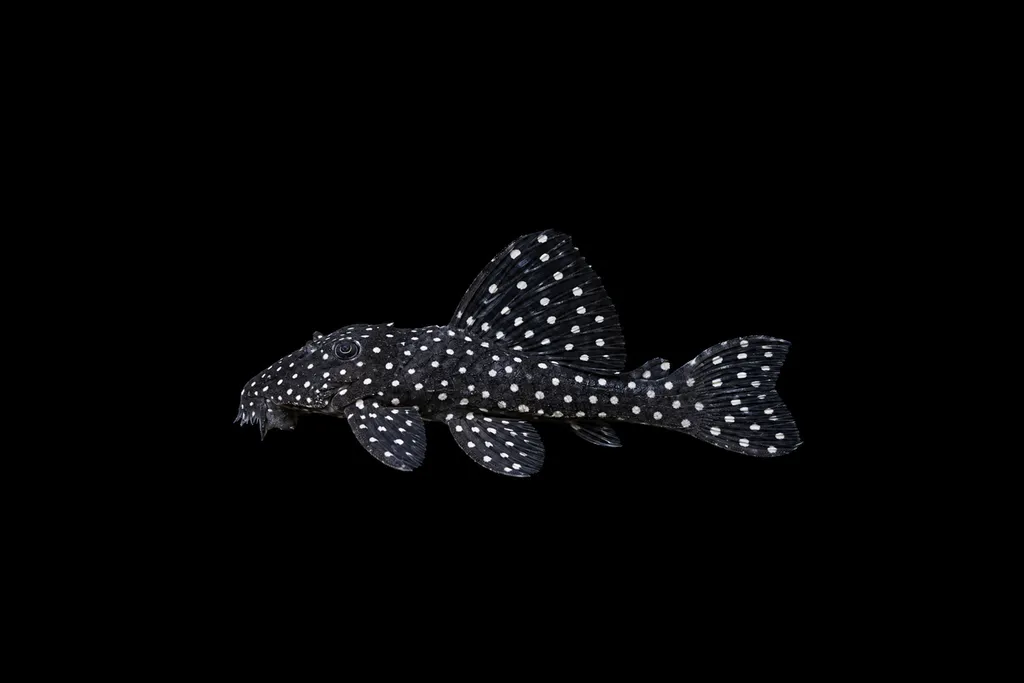 9.8 in (25 cm)66 gal (250 L)79–86°F (26–30°C)
Vampire pleco (L029)
Leporacanthicus galaxias
9.8 in (25 cm) · 66 gal (250 L)
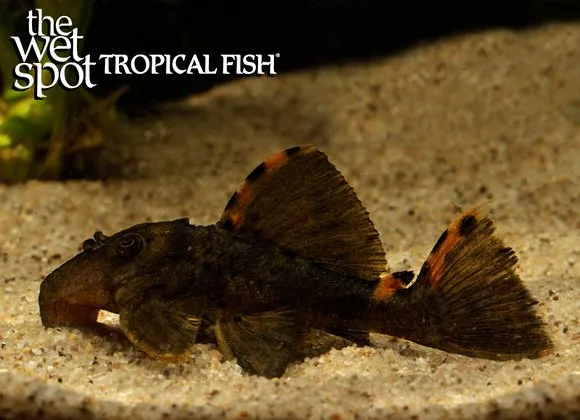 11 in (28 cm)106 gal (400 L)79–86°F (26–30°C)
Three beacon pleco
Leporacanthicus triactis
11 in (28 cm) · 106 gal (400 L)
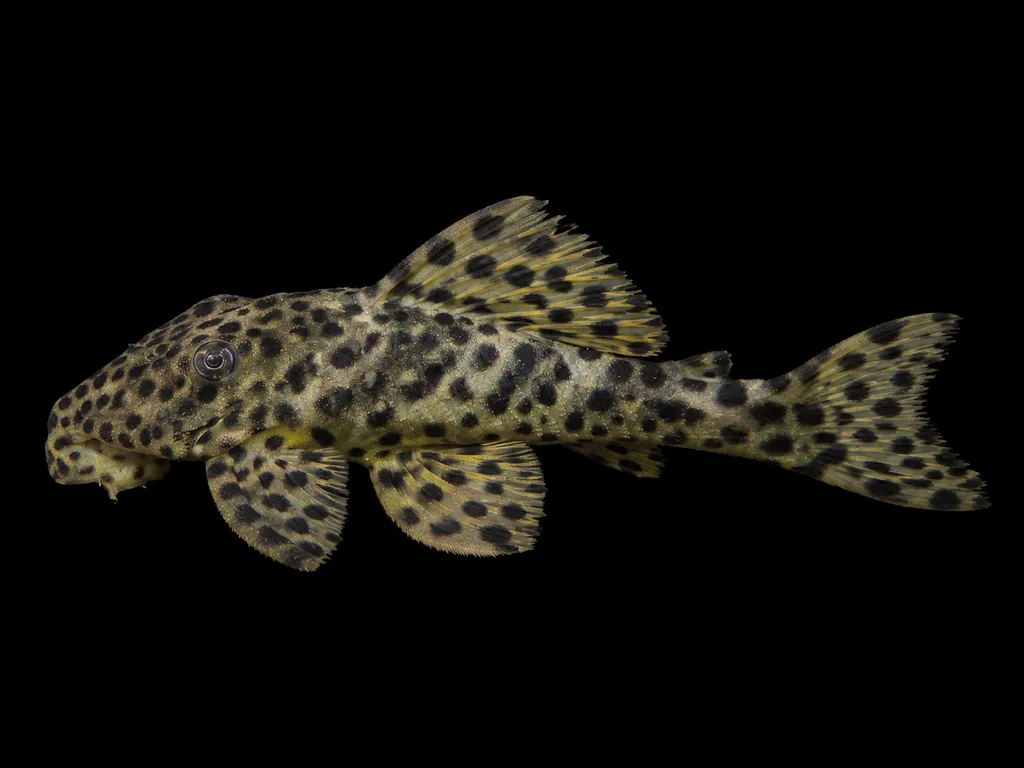 6.3 in (16 cm)79 gal (300 L)79–86°F (26–30°C)
Golden vampire pleco
Leporacanthicus heterodon
6.3 in (16 cm) · 79 gal (300 L)
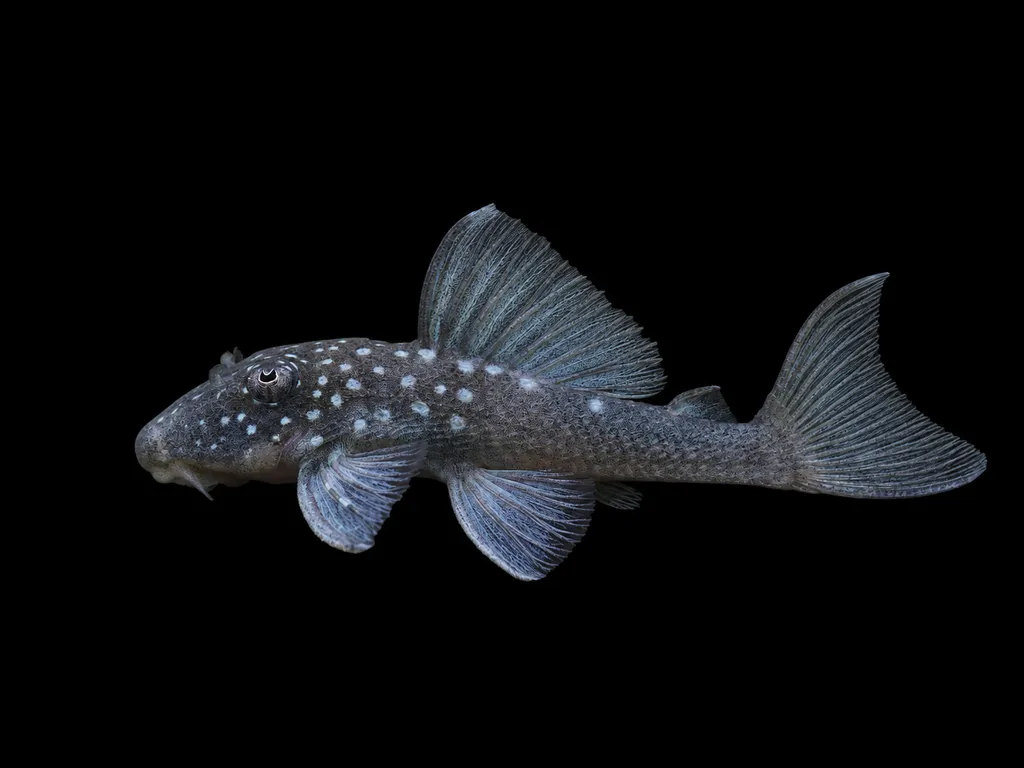 9.8 in (25 cm)66 gal (250 L)81–86°F (27–30°C)
Blue phantom pleco (L128)
Hemiancistrus sp. L128
9.8 in (25 cm) · 66 gal (250 L)
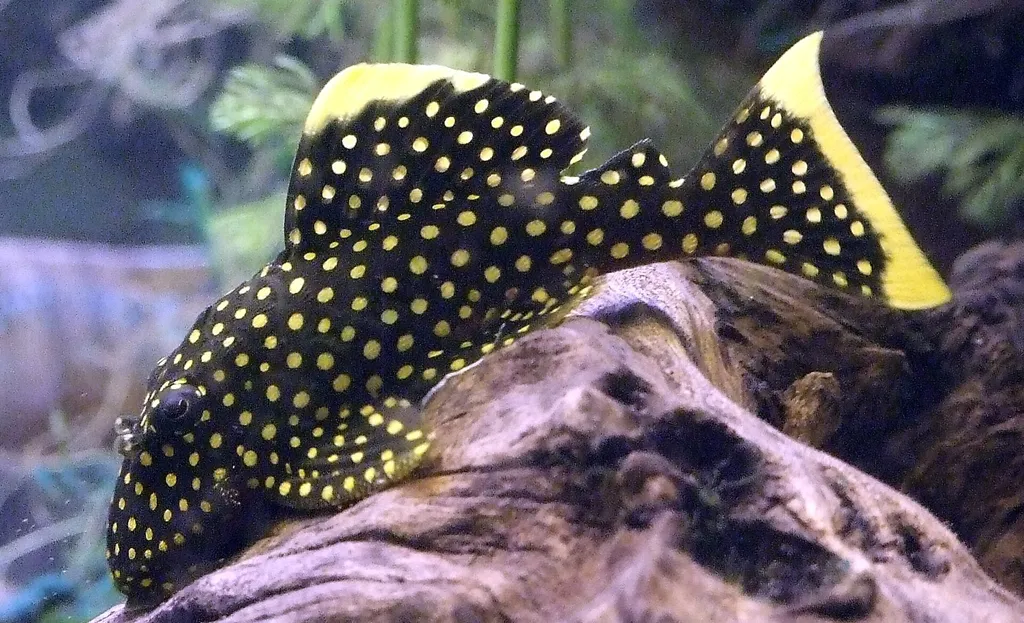 9.8 in (25 cm)55 gal (210 L)81–90°F (27–32°C)
Gold nugget pleco
Baryancistrus xanthellus
9.8 in (25 cm) · 55 gal (210 L)
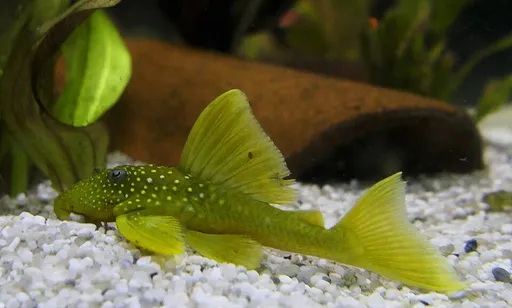 7.1 in (18 cm)53 gal (200 L)79–86°F (26–30°C)
Green phantom pleco (L200)
Hemiancistrus subviridis
7.1 in (18 cm) · 53 gal (200 L)