Opal spot pleco
Scobinancistrus raonii
Also known as L082, Raoni pleco
FreshwaterFish
Care at a glance
- Temperature
- 81–88°F
- 27–31°C
- pH
- 6.0–7.2
- Adult size
- 6.3 in
- 16 cm
- Minimum tank
- 79 gal
- 300 L
- Temperament
- Peaceful
- Social behavior
- Solitary
- Swim level
- Bottom
- Diet
- Omnivore
- Difficulty
- Medium
- Breeding
- Egg layer · Medium
- Rarity
- Rare
- Family
- Loricariidae
- Origin
- Rio Xingu, Brazil
Overview
The opal spot pleco is a spotted Xingu pleco for a hot, fast-flowing tank. Its care is moderately demanding.
Did you know
The opal spot pleco was described in 2023 and named raonii for Cacique Raoni Metuktire. He is the Kayapo leader known worldwide for his campaign to protect the Xingu river and the wider Amazon rainforest.
Caring for the opal spot pleco
Give an opal spot pleco a warm tank of at least 79 gal (300 L). Stack smooth rock to form caves, and add some driftwood.
Hold the water hot and soft, at 81 to 88°F (27 to 31°C) and a pH of 6.0 to 7.2. Like the rapids it comes from, its tank should be turbulent and rich in oxygen, with brisk, strong flow.
It leans carnivorous rather than vegetarian. Build its diet around meaty sinking foods such as carnivore pellets, frozen bloodworm, mysis, prawn and mussel, with only some vegetable matter.
Keep it singly, since it is best kept as the only one of its kind. It is peaceful toward other species. It is an egg layer, and breeding it is of moderate difficulty.
Good to know
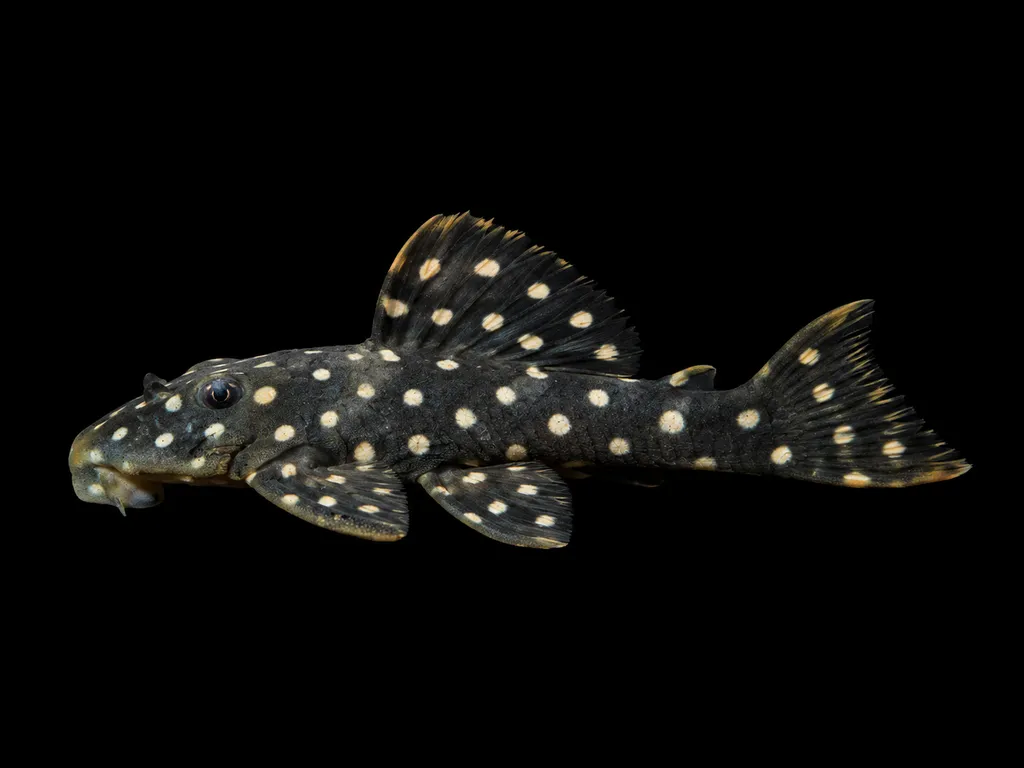
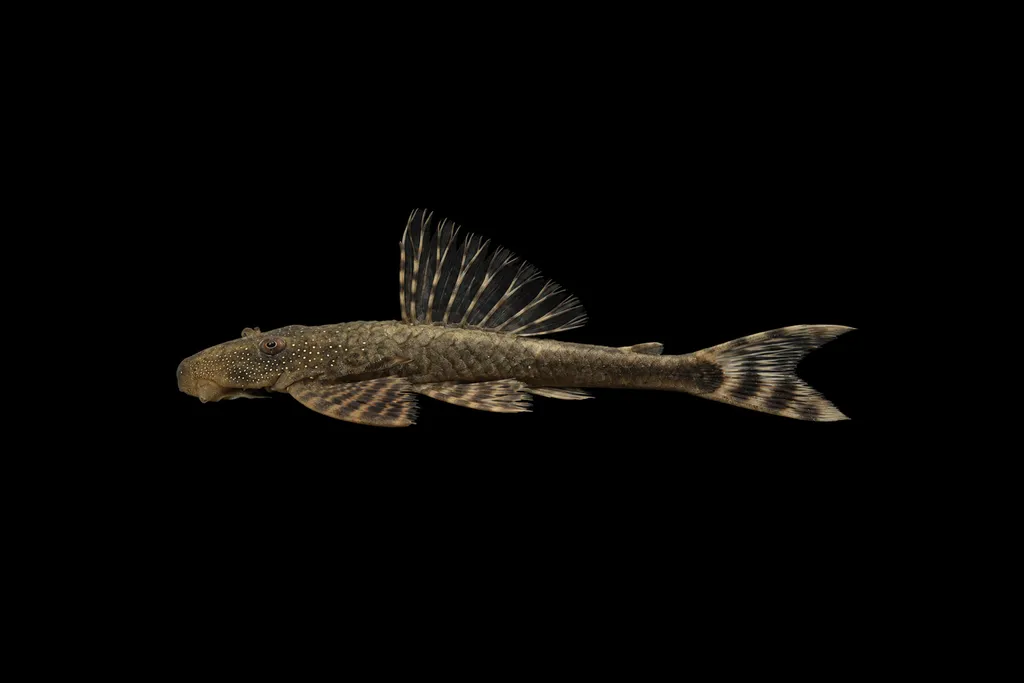
Scobinancistrus raonii is a dark-bodied catfish in the family Loricariidae, scattered with pearly opal spots. It is sold as L082, and its genus has rasp-like teeth.
In the wild
The opal spot pleco lives in the Rio Xingu of Brazil, in hot, fast, clear water pouring over rock and boulders.
Weekly picks
Tank mates
The opal spot pleco is a peaceful, solitary species that keeps to the bottom. These picks share a community profile with it, are safe together in both directions, and overlap on water type, temperature and pH.
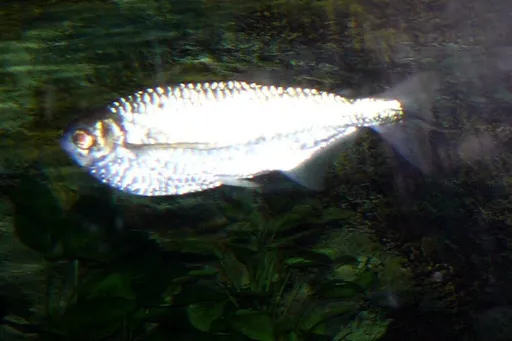
Narrow hatchetfish
Triportheus angulatus
Freshwater9.8 in (25 cm) · 79 gal (300 L)73–82°F (23–28°C)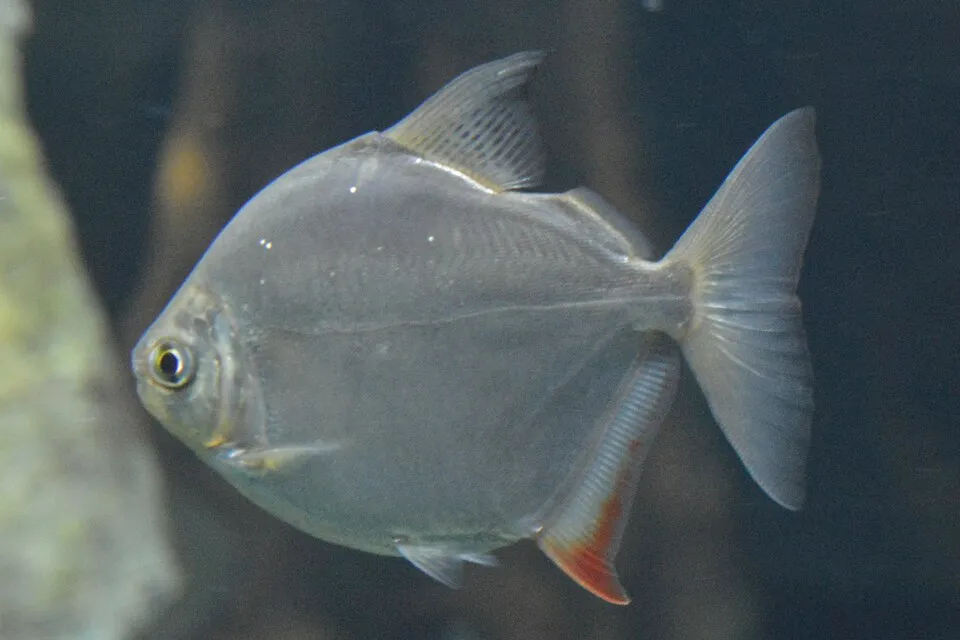
Plain metynnis
Metynnis hypsauchen
Freshwater5.5 in (14 cm) · 70 gal (265 L)75–82°F (24–28°C)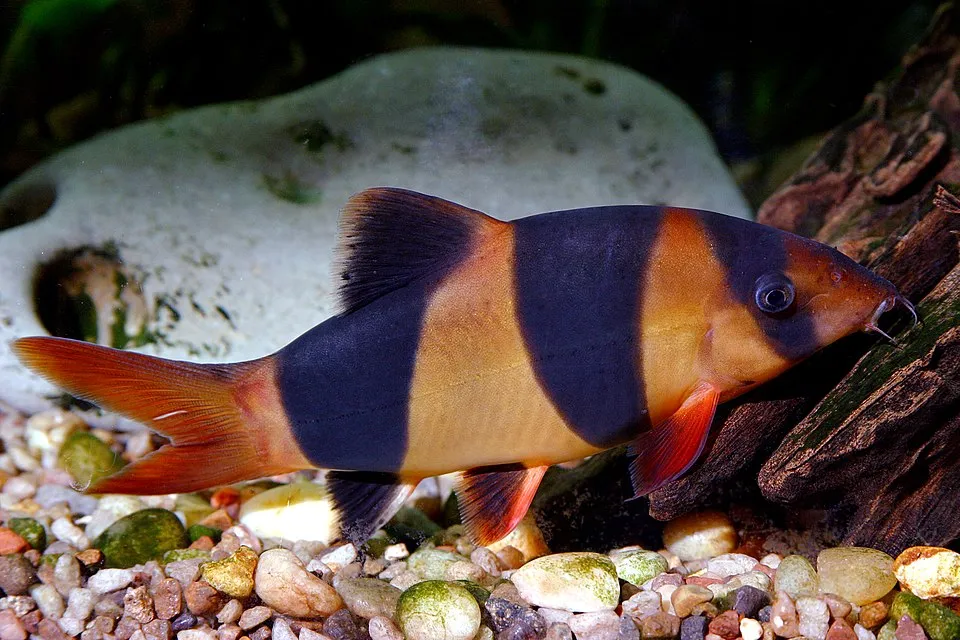
Clown loach
Chromobotia macracanthus
Freshwater11.8 in (30 cm) · 75 gal (285 L)75–86°F (24–30°C)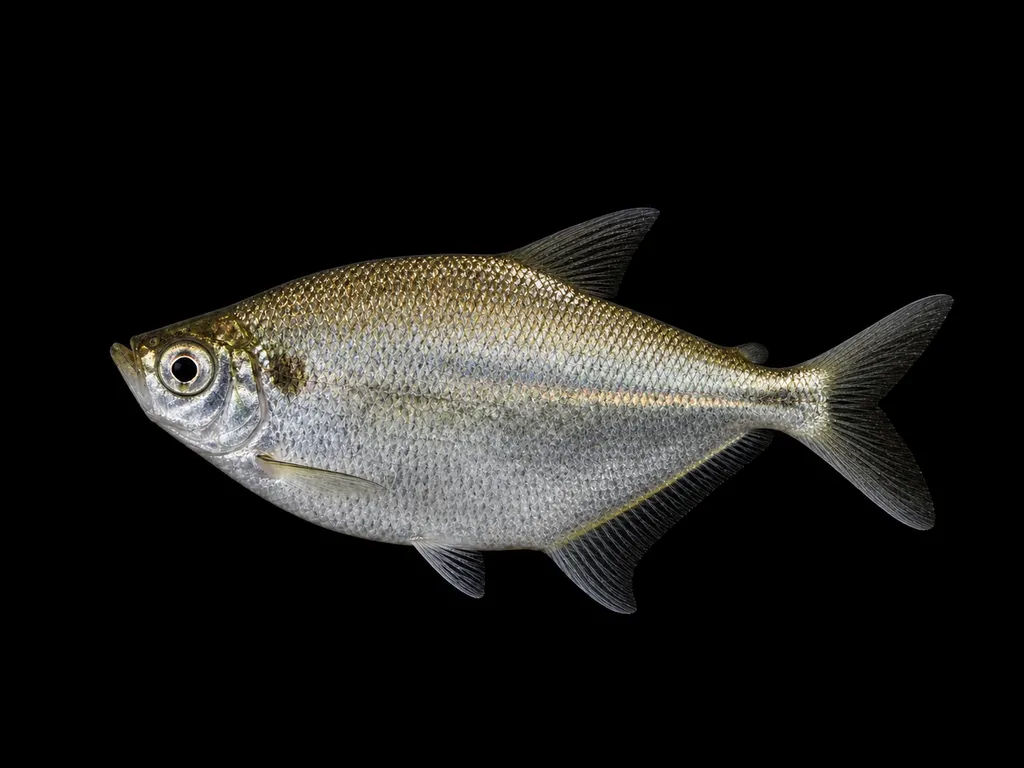
Giant river hatchetfish
Triportheus rotundatus
Freshwater9.8 in (25 cm) · 79 gal (300 L)73–82°F (23–28°C)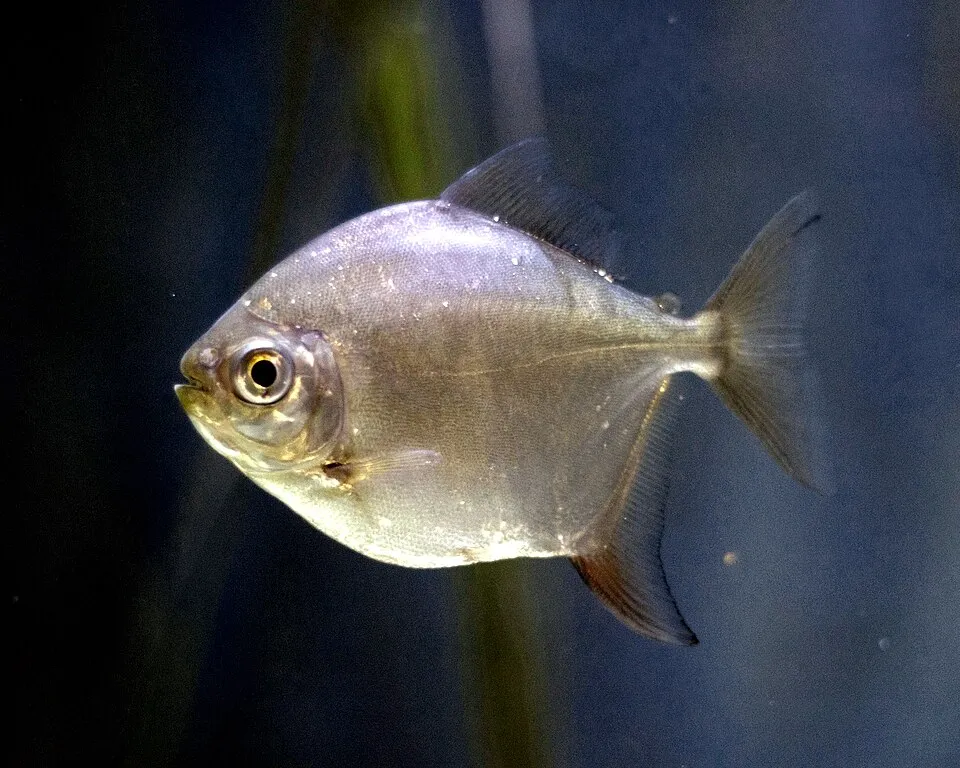
Silver dollar
Metynnis argenteus
Freshwater5.9 in (15 cm) · 70 gal (265 L)75–82°F (24–28°C)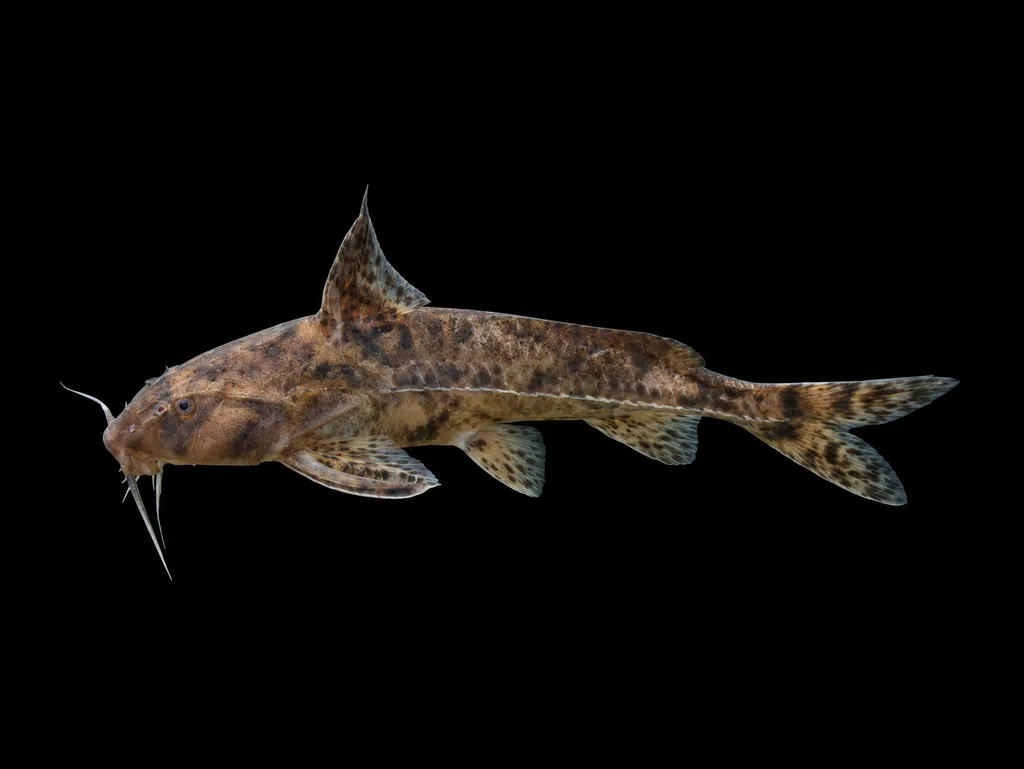
Fog talking catfish
Rhinodoras boehlkei
Freshwater6.7 in (17 cm) · 79 gal (300 L)73–82°F (23–28°C)
Common questions
What size tank does an opal spot pleco need?
An opal spot pleco needs at least 79 gal (300 L). It spends most of its time in the bottom.
What temperature and pH does an opal spot pleco need?
An opal spot pleco is comfortable at 81–88°F (27–31°C) with a pH of 6.0–7.2.
What does an opal spot pleco eat?
An opal spot pleco leans carnivorous rather than vegetarian. Feed it meaty sinking foods such as carnivore pellets, frozen bloodworm, mysis, prawn and mussel, with only some vegetable matter.
How big does an opal spot pleco get?
An adult opal spot pleco reaches about 6.3 in (16 cm).
How does an opal spot pleco breed?
An opal spot pleco is an egg layer. Breeding it is of moderate difficulty.
Related species
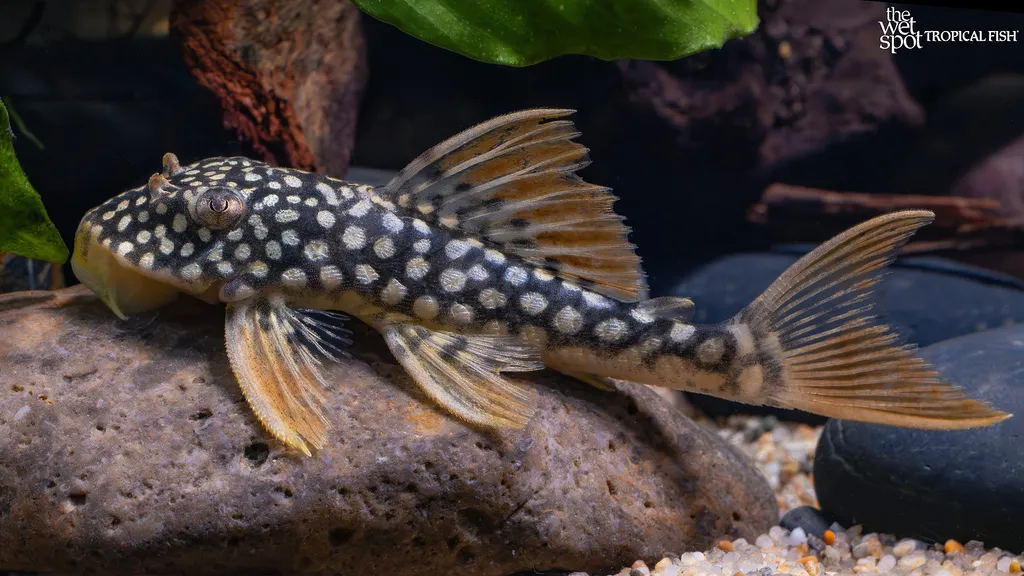 13.8 in (35 cm)106 gal (400 L)79–86°F (26–30°C)
Sunshine pleco (L014)
Scobinancistrus aureatus
13.8 in (35 cm) · 106 gal (400 L)
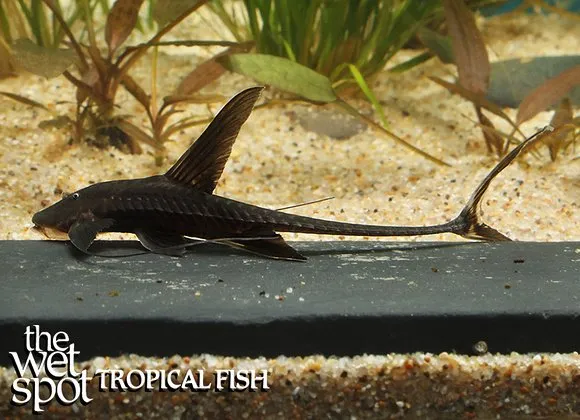 6.3 in (16 cm)40 gal (150 L)73–82°F (23–28°C)
Antenna whiptail
Pterosturisoma microps
6.3 in (16 cm) · 40 gal (150 L)
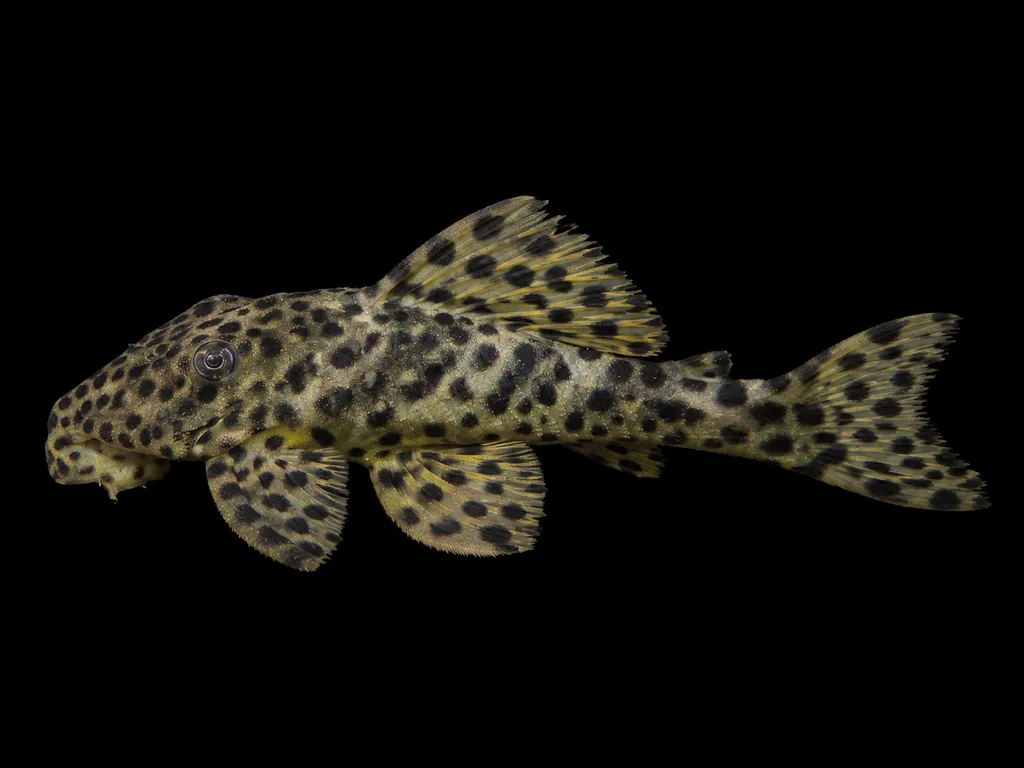 6.3 in (16 cm)79 gal (300 L)79–86°F (26–30°C)
Golden vampire pleco
Leporacanthicus heterodon
6.3 in (16 cm) · 79 gal (300 L)
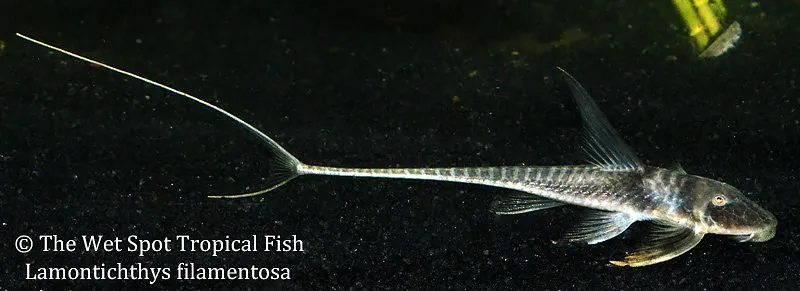 6.3 in (16 cm)63 gal (240 L)72–86°F (22–30°C)
Sturgeon catfish
Lamontichthys filamentosus
6.3 in (16 cm) · 63 gal (240 L)
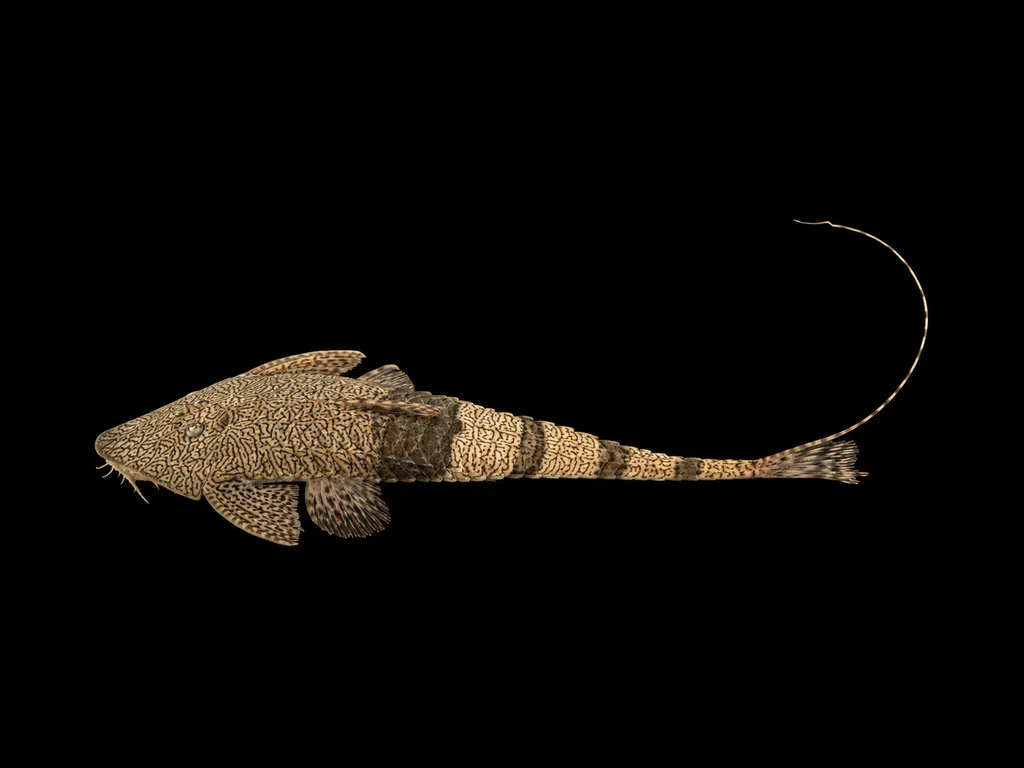 6.7 in (17 cm)79 gal (300 L)75–82°F (24–28°C)
Chameleon whiptail
Pseudohemiodon apithanos
6.7 in (17 cm) · 79 gal (300 L)
 6.7 in (17 cm)66 gal (250 L)77–84°F (25–29°C)
Head-spot delta pleco
Lasiancistrus tentaculatus
6.7 in (17 cm) · 66 gal (250 L)